12 Pennsylvania Towns People Are Quietly Moving Away From
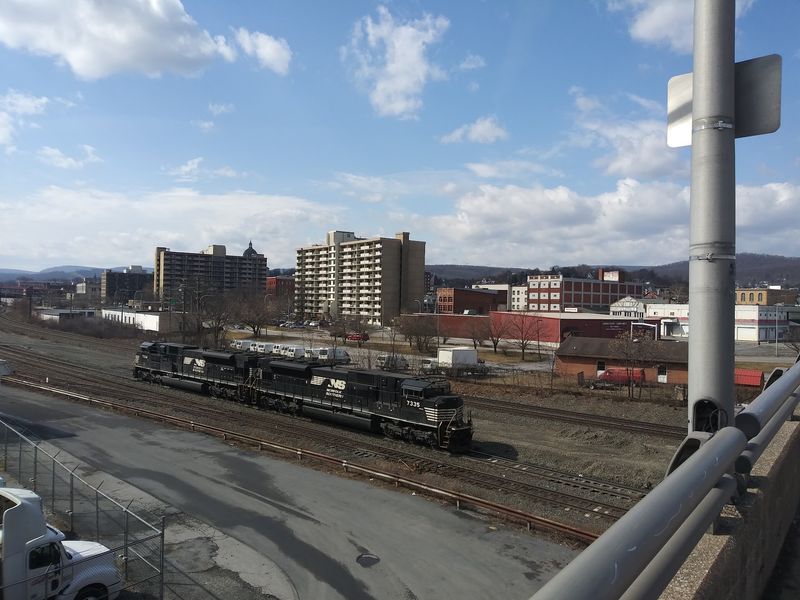
Drive the back roads of Pennsylvania long enough and you will pass a main street with tall brick buildings, a proud old church, and far fewer cars than the place was built for. Nobody put up a sign announcing the change.
Families simply drifted toward new jobs, grown kids settled in other states, and the numbers slowly slipped. Here are twelve towns where that quiet shift is easy to see, and where plenty of charm still hangs on.
1. City of Johnstown, Johnstown, PA
Back in 1910, this river city counted 55,482 residents and ranked among the leading steel producers in the nation. Mills roared day and night along the valley floor.
Few places in the state grew so big so fast.
Picture the same streets now, with roughly a third of that crowd. The population has fallen by about 65 percent from its peak, including a drop of around 19 percent since 2000.
Repeated floods over the decades and the shutdown of manufacturing plants pushed many households to look for steadier ground elsewhere.
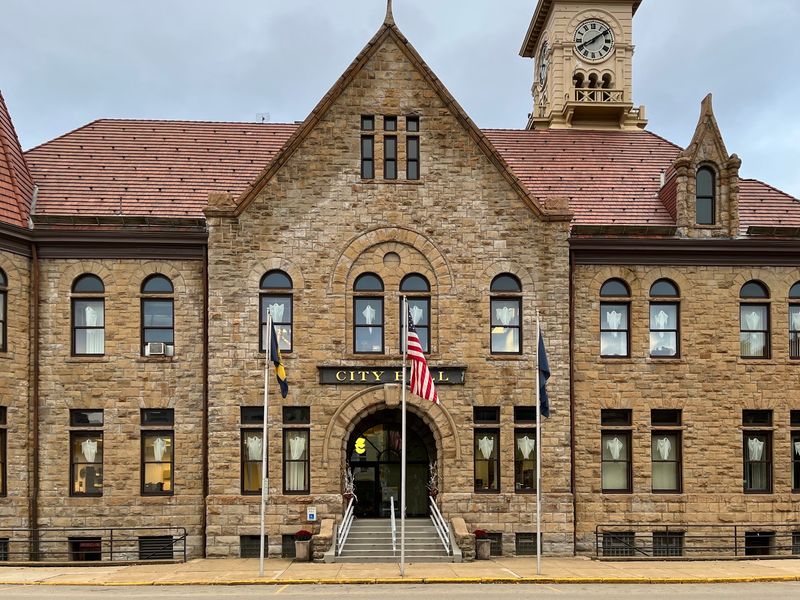
How does a community respond to that kind of change? City government keeps its doors open at 401 Main Street, Suite 102, right in the downtown core.
Offices run Monday through Friday from 8 AM to 4:30 PM and close on weekends, with on-site parking and a public restroom for anyone handling paperwork or asking questions.
Newcomers weighing a move can call the office at 814-539-2504 or browse the city website for updates on services and projects. The steep hills, the historic architecture, and the rivers that shaped its story all remain.
What has changed is the number of people filling the neighborhoods, and that shift tells a bigger tale about industrial Pennsylvania as a whole.
2. Pottsville
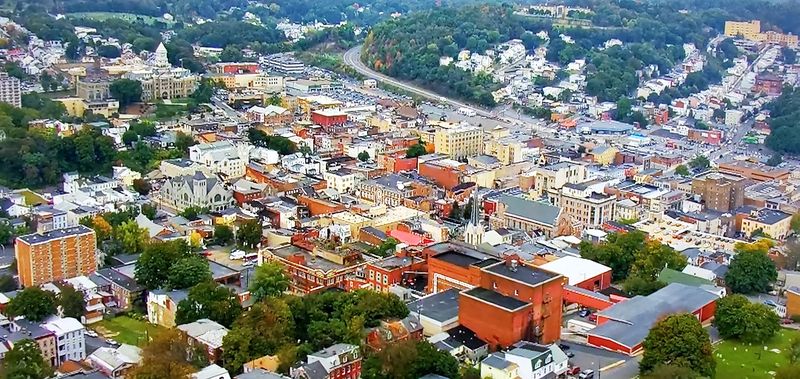
Coal built this Schuylkill County seat, and you can still read that history in the rowhouses stacked up the hillsides. Church steeples poke above rooftops in nearly every direction.
The downtown courthouse gives the skyline a stately anchor.
Anthracite mining once employed huge numbers of workers across the region. As those jobs faded, the reason many families had settled here faded too.
Younger residents headed toward bigger job markets, while an aging population and fewer births kept the totals sliding.
Walk the main drag on a weekday afternoon. You will find handsome old storefronts, some busy and some waiting for new tenants, plus quiet side streets where porches face each other across narrow lanes.
The mood is calm, a little nostalgic, and far from empty.
For anyone curious about local services, events, or property questions, the official city website at city.pottsville.pa.us is the best starting point. Housing here often costs less than in the metro areas that drew people away, which has become part of the conversation about the town’s future.
A place with this much architecture and history rarely stays overlooked forever, even when the headcount keeps dipping year after year.
3. Oil City
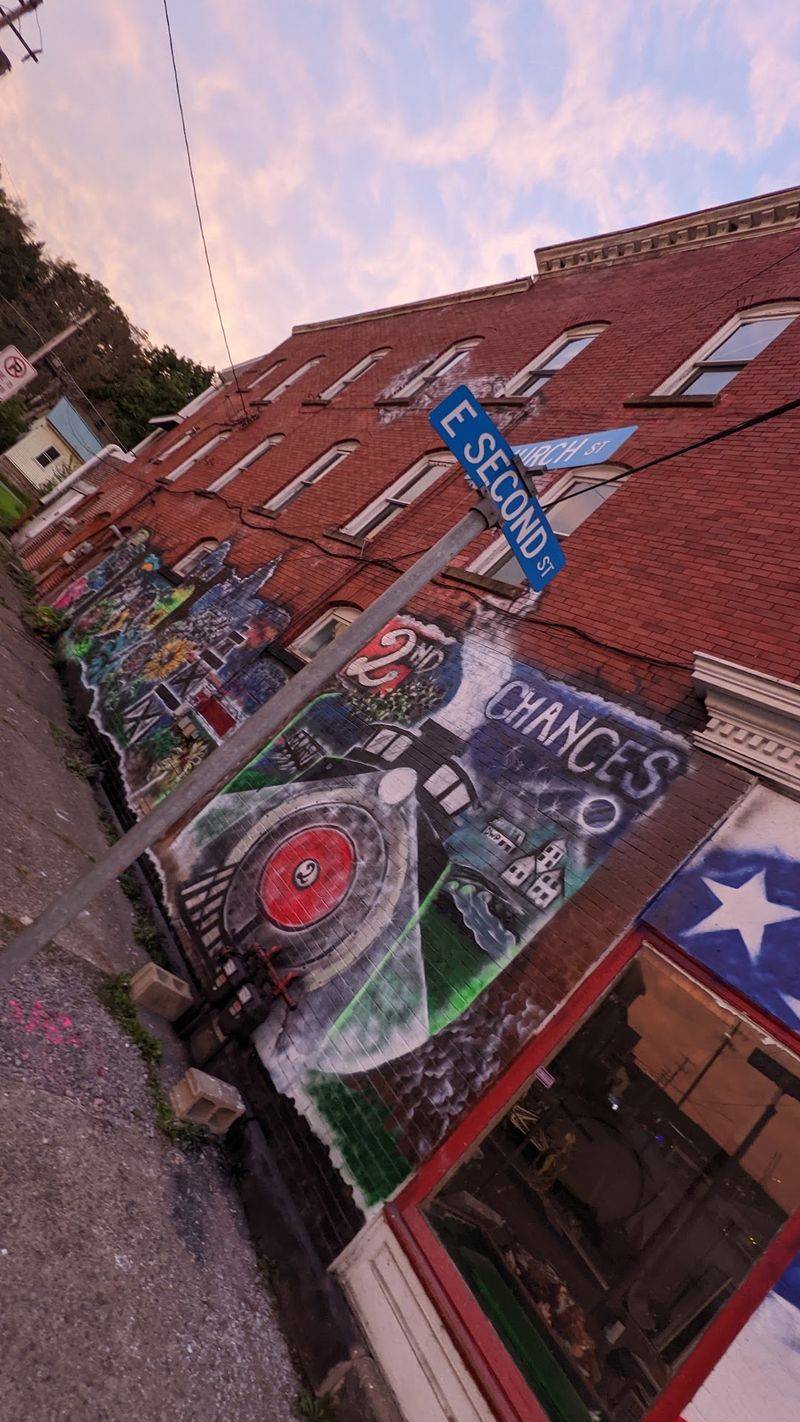
What happens to a town named after a boom once the boom moves on? That question hangs over this river community in Venango County, where the early petroleum industry once brought fortunes and crowds.
Company offices, grand homes, and busy rail lines followed the money.
Where the Allegheny River meets Oil Creek, the setting is lovely. Victorian houses climb the slopes, and the downtown still shows off ornate commercial buildings from its wealthiest era.
Summer greenery softens every hillside view.
Industry, though, eventually shifted to other regions and other countries. Corporate headquarters that once employed many residents relocated, and each departure nudged more households toward cities with wider job options.
Like much of rural Pennsylvania, the town also faces an older population and fewer young families replacing those who leave.
Here is the upside: the quieter pace suits people who value river trails, affordable homes, and a strong sense of heritage. The municipal website at oilcity.org lists city services, meeting information, and community news for anyone thinking about a visit or a move.
It is a place that shaped a global industry, now figuring out a smaller, slower chapter of its own.
4. Shamokin
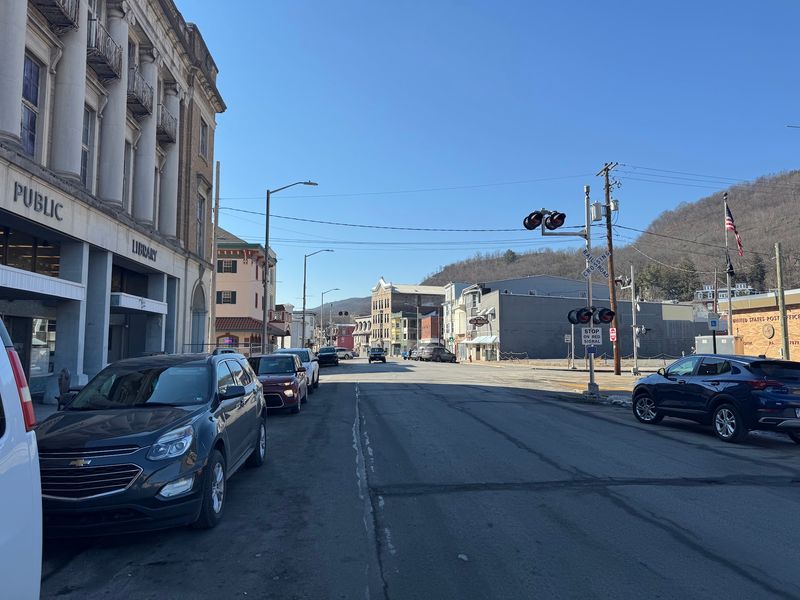
Dark culm banks rise behind the rooftops, leftover piles from generations of anthracite mining. They serve as a constant reminder of the work that once drew thousands of immigrants to Northumberland County.
Families arrived from across Europe, bringing churches, bakeries, and traditions that still color the neighborhoods.
Mining employment shrank steadily across the twentieth century. Without a replacement industry of the same size, many residents left for jobs in larger metro areas, and those who stayed grew older together.
Storefronts that once bustled now sit quieter, though several keep going with loyal regulars.
Here is a town where community pride runs deep, even as the population thins. Festivals, parish events, and volunteer groups keep the calendar full.
Housing prices tend to sit well below state averages, which attracts some bargain-minded buyers willing to take on older homes.
The municipal website at shamokincity.org shares city news, services, and contacts. For a road-tripper, the drive in offers a vivid look at coal region geography, with steep ridges and tightly packed blocks.
For planners, the city represents a clear example of how single-industry towns struggle to hold on to residents once that industry fades.
5. New Castle
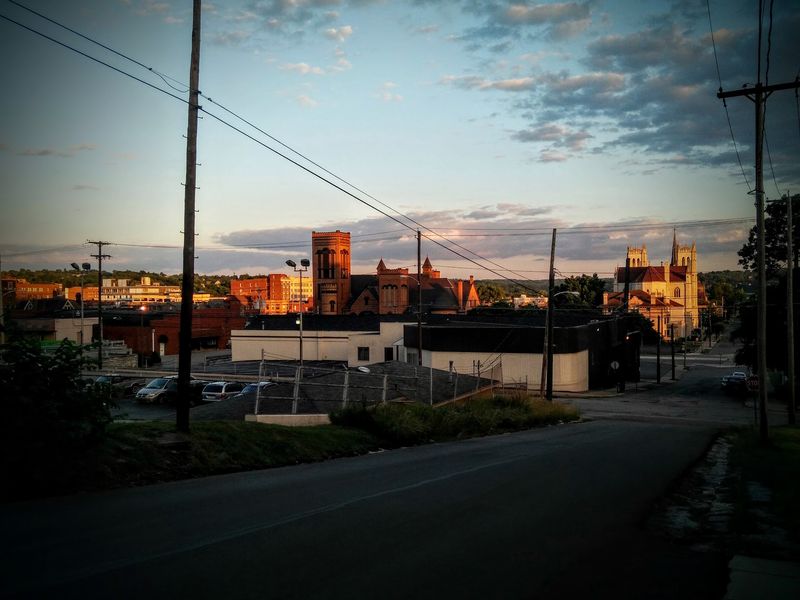
Fireworks may be the first thing that comes to mind here, since manufacturers based in the area helped earn the city the playful nickname Fireworks Capital of America. Tin plate, steel, and pottery production kept the local economy humming for decades.
Lawrence County grew up around those factories.
Manufacturing jobs thinned out over time, much like they did across western Pennsylvania. Plants closed or downsized, and younger workers followed opportunity to larger metros.
The result has been a gradual, steady decline rather than a sudden collapse.
You can still see the confident architecture of the city’s peak years downtown, including solid stone buildings and old theaters. Rivers wind through town, and parks offer green space close to the older neighborhoods.
Weekend mornings feel relaxed, with little traffic to fight.
City information, from permits to public meetings, is available at newcastlepa.org. Affordable homes and a location between major metro areas give New Castle a few advantages as remote work spreads.
Whether those perks can reverse the trend is an open question, but the bones of a lively small city remain firmly in place, waiting for the next wave of residents to fill them.
6. Altoona, a Railroad Town Rethinking Its Future
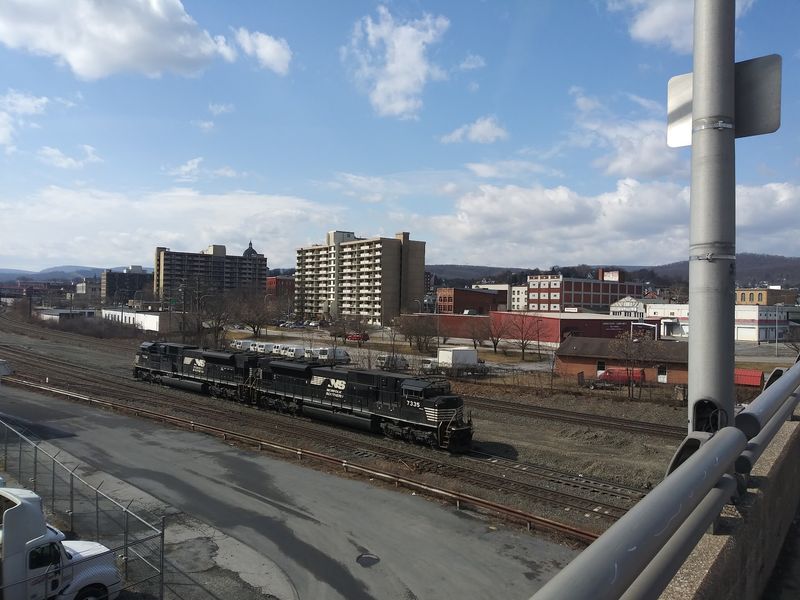
Trains made this Blair County city, full stop. The Pennsylvania Railroad built massive shops here, and the population boomed right alongside them.
Nearby, the famous Horseshoe Curve still draws rail fans to watch freight wind around the mountain.
Unlike some towns on this list, the recent loss here is modest but measurable. The city shrank by 1,175 people, a 2.7 percent decrease, and Blair County as a whole lost nearly 500 residents between 2020 and 2025.
Communities that grew around a single industry often see people relocate once that industry changes, and railroading changed dramatically over the last century.
Still, the city has more going on than many of its neighbors. Hospitals, a college campus, shopping, and a minor league ballpark keep the local economy diverse.
Mountain scenery wraps around every neighborhood.
The official website, altoonapa.gov, covers city services and local government updates. For anyone comparing small cities in central Pennsylvania, the combination of affordable housing and access to outdoor recreation stands out.
The decline is real, yet the pace is slow enough that the city has room to reshape its story around healthcare, education, and its unmistakable railroad heritage.
7. Wilkes-Barre
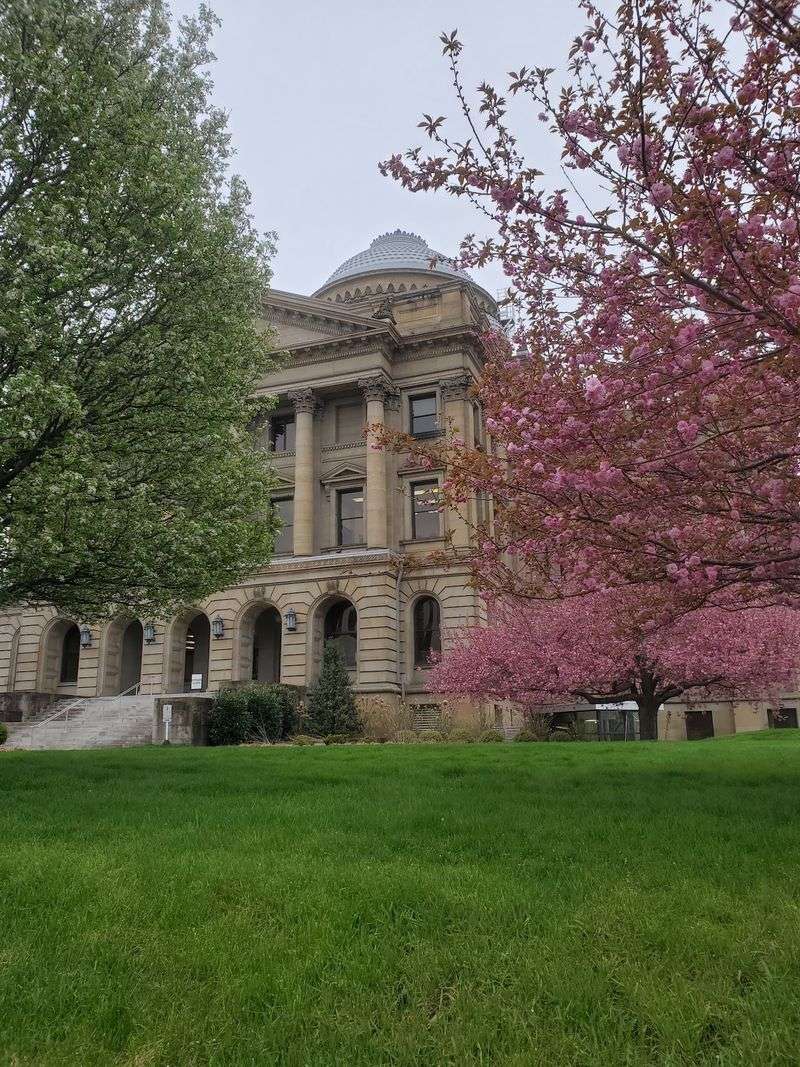
Along the Susquehanna River, a grand courthouse dome and a leafy public square hint at how prosperous this city once was. Anthracite coal powered that wealth, supporting banks, department stores, and elegant homes.
For a long stretch, the Wyoming Valley was one of the busiest places in the state.
By contrast, today’s downtown feels more modest. Coal mining faded, a major flood in the 1970s damaged large parts of the valley, and many families chose to rebuild their lives in suburbs or other states.
The city’s population has slipped gradually across multiple decades.
Colleges help keep the core lively, bringing students into coffee shops and river trails. Warehousing and logistics jobs have also grown across the broader region, though many of those workers settle in surrounding townships rather than the city itself.
That pattern of suburban drift plays a big role in the numbers.
The municipal website at wilkes-barre.pa.us offers details on services and community programs. Visitors can stroll the levee trail, admire the historic architecture, and catch events on the square.
Its challenge is less about emptiness and more about convincing people to live inside city limits instead of just nearby.
8. Chester
You might be surprised that one of the oldest cities in Pennsylvania appears on a list like this. Founded in the colonial era along the Delaware River, Chester later became a shipbuilding and manufacturing powerhouse.
Its waterfront once employed a huge workforce.
Industrial jobs left over the second half of the twentieth century, and the population followed. Many residents moved to nearby Delaware County suburbs, while others headed farther away.
Financial struggles at the city level added pressure, making it harder to fund services and attract new households.
Look at the riverfront today and you will see signs of change. A professional soccer stadium sits by the water, and redevelopment efforts continue in pockets around town.
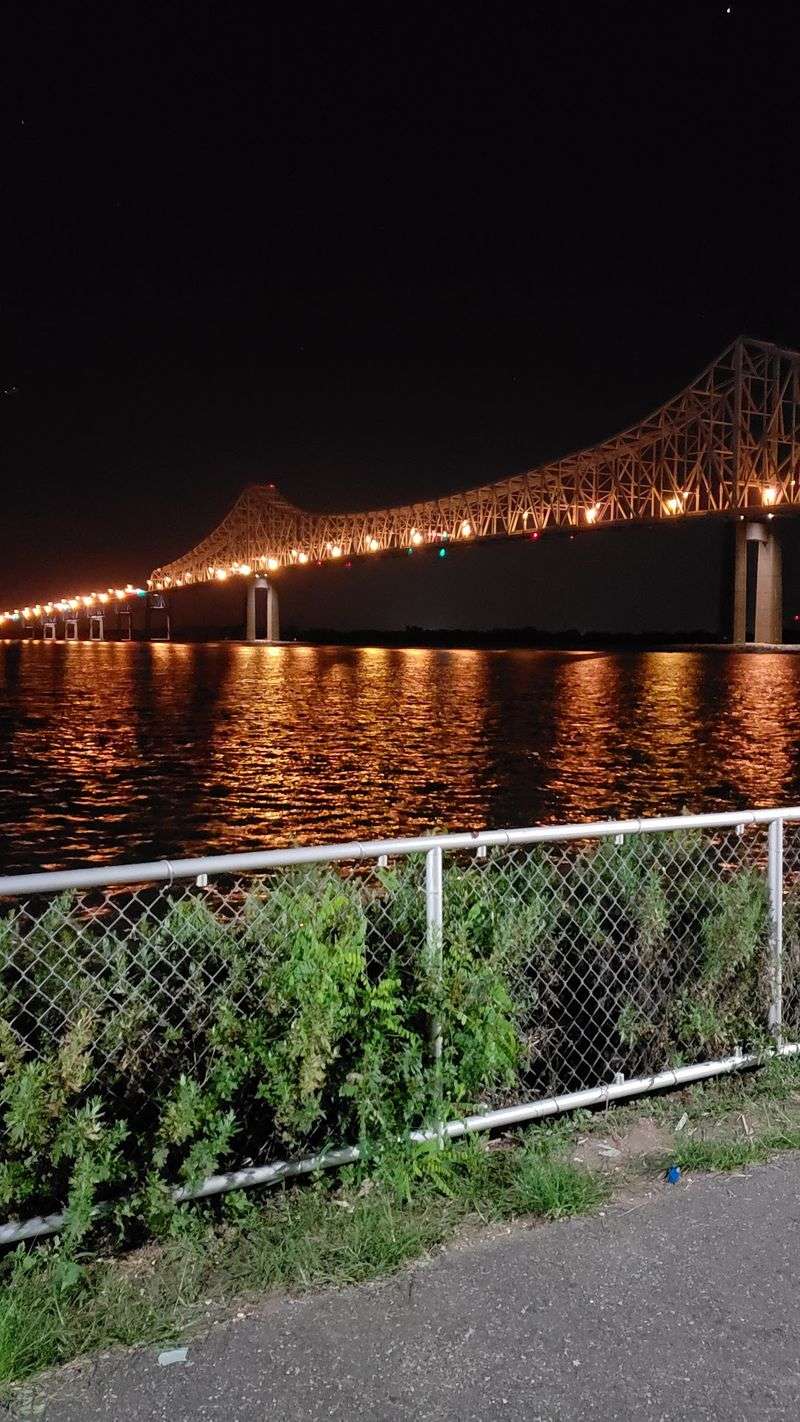
The Commodore Barry Bridge towers overhead, linking the city to New Jersey.
Official information is posted at chestercity.com, including notices about local government and public services. Its location, close to Philadelphia and major highways, remains a strong asset that many shrinking towns lack.
Whether that geography eventually translates into growth depends on investment, stability, and time, but the history running through these streets stretches back further than almost anywhere else in the Commonwealth.
9. Farrell
Steel gave this small Mercer County city its purpose. For much of the twentieth century, a big mill anchored the local economy and set the rhythm of daily life.
Shifts started, shifts ended, and neighborhoods filled with workers and their families.
When the mill wound down, the effect hit hard in a place this compact. There was no large secondary employer ready to absorb the jobs.
Households moved on steadily, leaving behind quiet blocks and vacant lots where homes once stood.
Farrell sits right next to Sharon, and the two cities blur together along the Shenango River near the Ohio line. Residents often cross between them for shopping, school, and errands.
That close relationship helps both communities share resources during lean times.
Curious about city services or development plans? The official website at cityoffarrell.com lists contacts and updates.
Housing prices tend to be among the lowest in the region, which can appeal to first-time buyers. Community groups continue working on revitalization projects, and the story here remains one of small-town resilience in the face of a very big economic loss.
10. McKeesport
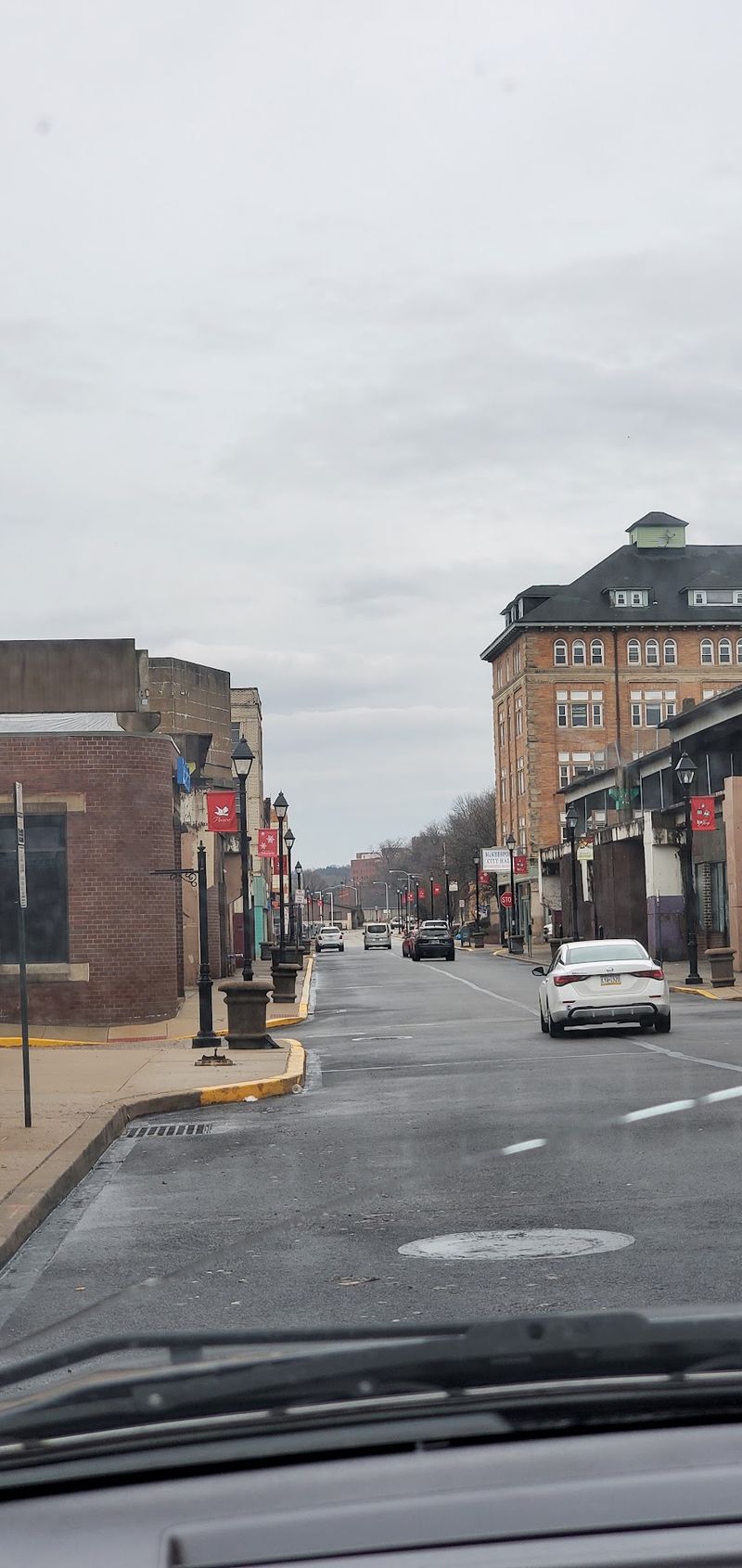
Two rivers meet here, the Youghiogheny and the Monongahela, and that confluence made the city a natural spot for industry. Tube works and steel plants lined the banks for generations.
The city once ranked among the larger communities in the Pittsburgh region.
Is anything left of that busy era? Plenty of it, in the form of stately churches, a historic downtown grid, and a riverfront marina.
Much of the heavy industry, however, disappeared as the steel economy collapsed across the Mon Valley.
Population fell sharply as those jobs vanished, and the slide has continued more slowly since. Young adults often move toward Pittsburgh’s city neighborhoods or northern suburbs, while older residents age in place.
Vacant properties present a real challenge for city leaders.
Details about services, programs, and meetings appear on the city website, mckeesport.org. Trail access along the Great Allegheny Passage runs right through the area, bringing cyclists past the riverfront.
That trail and the city’s relatively affordable housing give McKeesport tools for a comeback, even as the census counts keep showing a community that is smaller than the one its grand old buildings were designed to serve.
11. Sharon
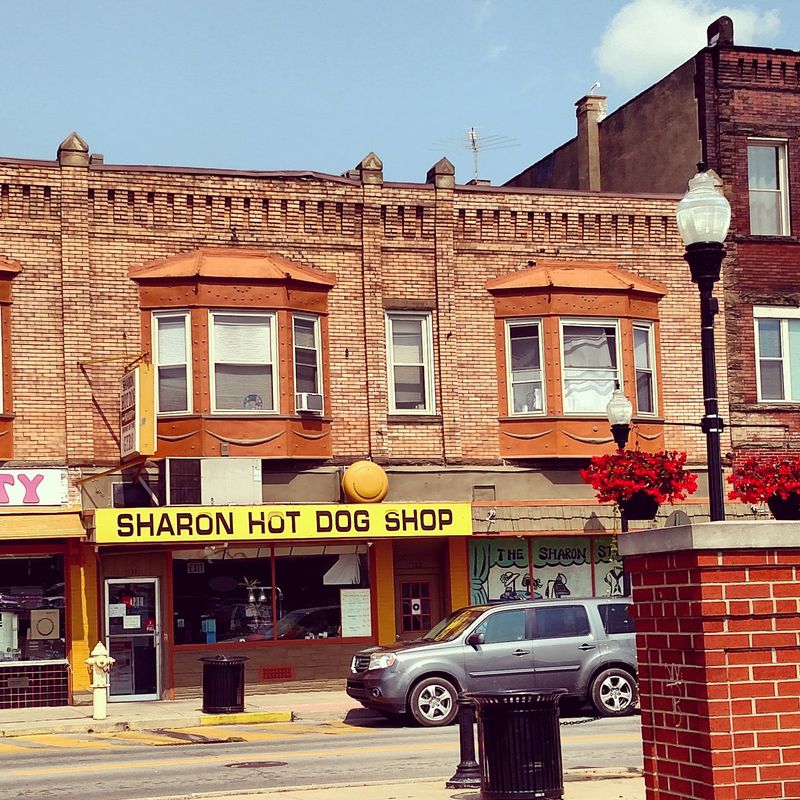
Brick storefronts line the Shenango River, and on a spring afternoon the downtown looks a lot like an old postcard. Sharon grew as a steel city, closely tied to its neighbor Farrell.
Mills and related businesses employed much of the local workforce.
Steel’s decline hit Sharon too, but the city kept a few distinctive draws. Retail destinations and restaurants near downtown still pull in shoppers from both Pennsylvania and nearby Ohio.
That cross-border traffic helps the business district more than you might expect for a city of its size.
Even so, residents have been leaving for years. Jobs in larger metros offer more variety, and an aging population means fewer young families moving in.
Houses on the side streets often sit on the market longer than they would elsewhere.
For accurate information, the city posts updates at cityofsharon.net. Anyone scouting affordable small-city living near the state line may find the mix appealing: walkable blocks, a river running through town, and a strong sense of community history.
Sharon is shrinking, yes, but it has not lost the character that made it a regional hub in the first place.
12. Hazleton, Pennsylvania’s Surprising Twist
Here is a twist to close the list. Hazleton lost residents for decades after the anthracite industry faded, much like the other coal towns covered here.
Sitting high on a mountaintop in Luzerne County, it once relied heavily on mining for jobs.
Then something shifted. Warehouses and distribution centers along nearby interstates created new work, and newcomers, many of them Latino families, moved in and opened shops, restaurants, and small businesses.
Parts of downtown now feel busier and more colorful than they have in years.
Still, the broader story is complicated. Longtime residents have continued moving out, often to surrounding townships or other states, while new arrivals replace some of them.
The net effect makes Hazleton a case study in how population change is not always a simple decline.
City news, services, and contact information are listed at hazletoncity.org. Anyone driving through can catch sweeping views from the mountaintop and a downtown blending old coal-era buildings with fresh storefronts.
It is a fitting final stop: proof that even in a state where many towns are quietly emptying, new chapters can still start in unexpected places.