7 Forgotten Pioneer Sites In Nebraska That Feel Trapped In Time
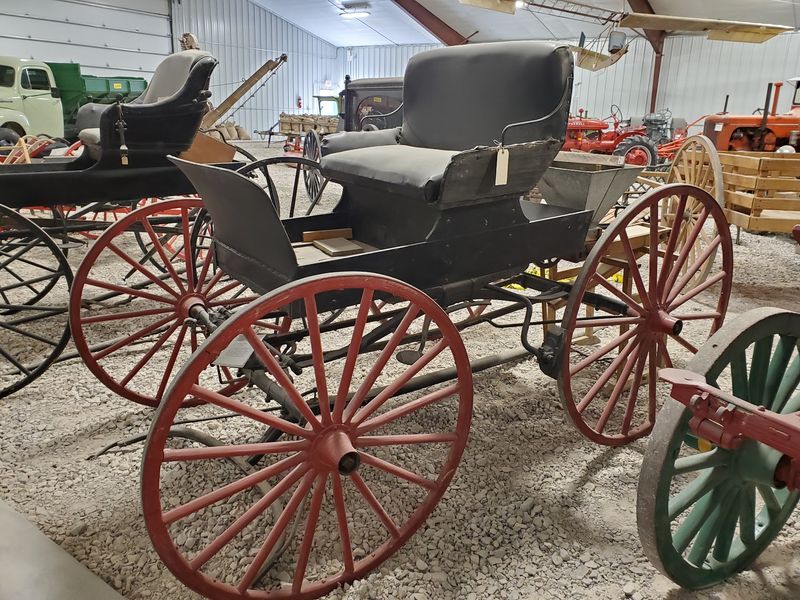
A roadside sign, a gravel lot, and a building that looks too small to matter can turn into the best part of a Nebraska drive. Out on the prairie, old wagons, sod houses, and creaky depots still wait for anyone curious enough to pull over.
These seven places hold the everyday stories of the families who settled this state. Pack some snacks, fill the tank, and get ready to see how pioneer life looked up close.
1. Pioneer Village, Minden, NE
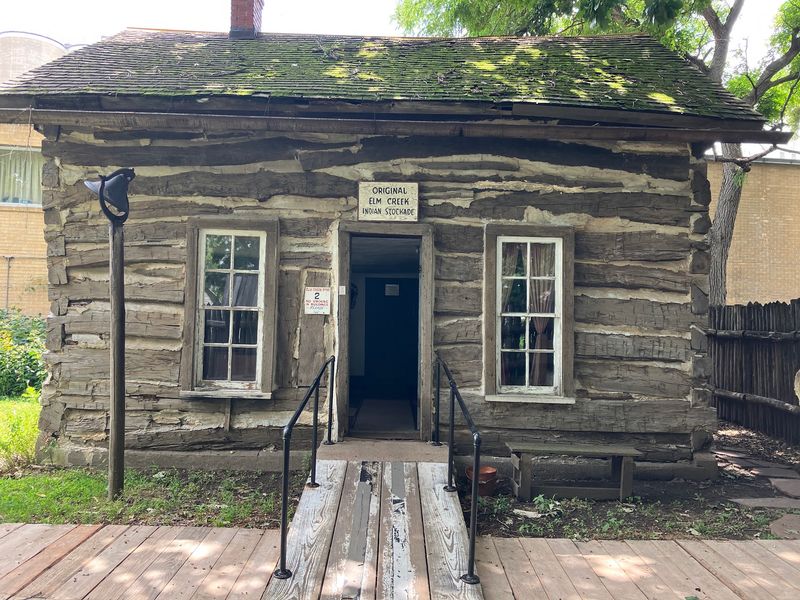
Twenty acres is a lot of ground to cover, and Minden fills every bit of it with the American past. Pioneer Village sits right along US-6, and from the parking lot it looks like a modest roadside stop.
That impression lasts about five minutes.
Inside the gates, original Conestoga wagons and stagecoaches share space with a sod house, a one-room schoolhouse, a stockade, and a brightly painted gypsy wagon. An old depot and an old church stand nearby, their wooden floors creaking underfoot.
A working blacksmith shop rounds out the frontier scene.
Then come the machines. Rows of antique cars, tractors, planes, and trains fill building after building, followed by appliances, furniture, and period clothing arranged by decade.
The car collection alone could eat an afternoon, and it’s only a slice of the whole.
Plan accordingly. A thorough look can stretch across two days, so comfortable shoes are smart, and so is a jacket in cooler months, since the gift shop is the only heated building.
A cafe on site keeps energy up between exhibits, parking is free, and kids get discounts. For families wanting a full taste of rural Nebraska in one stop, few places pack in this much.
2. Stuhr Museum, Grand Island, NE
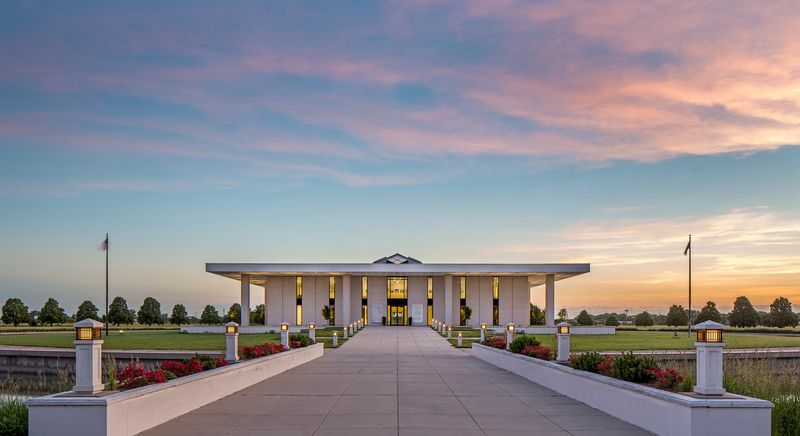
What did a Nebraska main street look like when the railroad was brand new? Stuhr Museum answers with an entire prairie campus spread across open ground on US-34 just outside Grand Island.
The scale surprises first-timers, with exhibits scattered over a wide area instead of crammed under one roof.
The story stretches roughly from 1830 to 1930, covering daily life for both settlers and American Indians. A recreated old town pulls the century together, with storefronts and homes that make it easy to picture wagons rolling past.
The main building’s distinctive architecture stands out against the flat horizon before you even park.
Guides lead educational tours and know their material well, filling in the small details that turn an artifact into a story. Live performances add another layer during certain events.
Kids tend to latch onto the old town, where wandering feels more like exploring than studying.
Practical matters are easy here. Parking is free, there’s a cafe for a quick bite, and free wi-fi is available.
The gift shop carries jewelry and trinkets for anyone who wants a keepsake. Friday hours run later than the rest of the week, which makes an after-work outing possible for anyone driving in from nearby towns.
3. Trails & Rails Museum – Buffalo County Historical Society, Kearney, NE
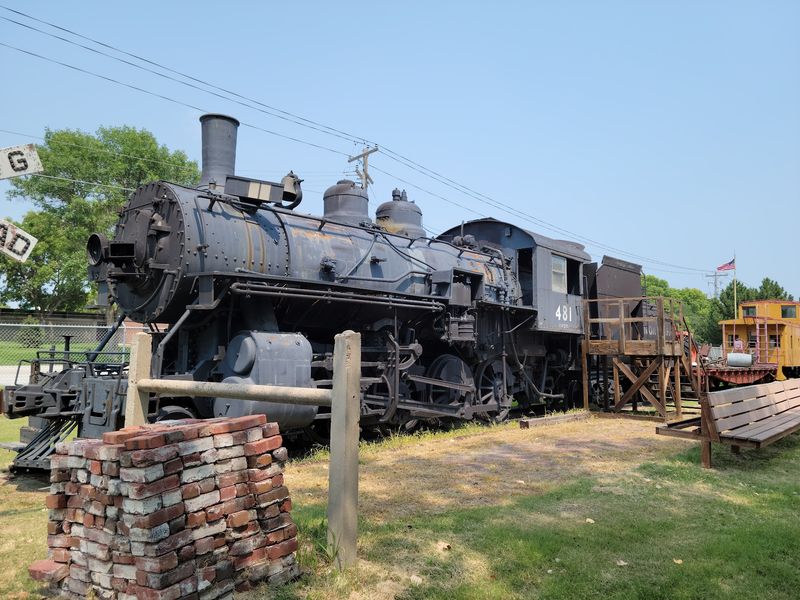
Steam engine black and depot red set the color scheme at Trails and Rails Museum in Kearney. The heart of the grounds is an 1898 depot, and parked beside it sits a 1903 train that looks ready to roll back toward the Platte.
Around them, a cluster of landmark buildings forms a small walkable village.
Here’s the key detail: building interiors are seen on a guided tour, not on your own. Volunteer guides lead an hour-long walk through the structures, sharing background on each display and fielding questions as they come up.
Those guides are the main draw, turning old rooms into lived-in spaces with stories attached.
One stop stands apart from the rest. A fully operational blacksmith shop shows how iron tools and wagon parts were shaped by hand, and watching it in action makes the trade easy to understand.
Frontier towns needed skilled hands to keep moving, and this shop proves it.
Timing takes some planning. The museum opens weekday afternoons only and closes on weekends, so a Saturday drive won’t work.
On-site parking makes arrival simple. Buffalo County’s trail and railroad heritage comes together here in a way that fits neatly into a single afternoon in Kearney.
4. Legacy of the Plains Museum, Gering, NE
Scotts Bluff gets the postcards, but a short drive away on Old Oregon Trail, Legacy of the Plains Museum tells the ground-level story. The address alone hints at what happened here, as wagon traffic once pushed west through this valley.
Gering keeps that history close.
The main exhibit building handles the big picture with interactive pioneer artifacts and engaging displays covering a long stretch of regional history. Real objects do the heavy lifting, so the past feels touchable instead of abstract.
A theater adds another way to absorb the story.
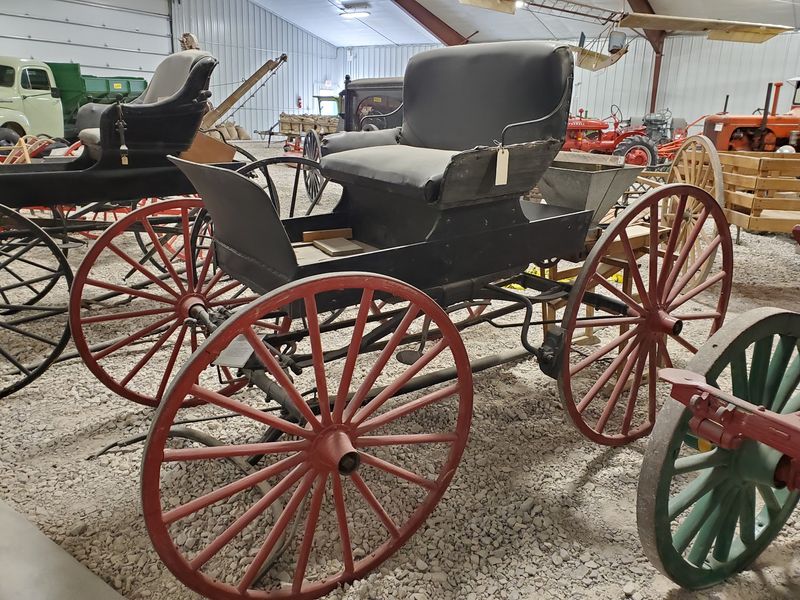
How did homesteaders turn dry western plains into farmland? The answer sits in a large machinery barn packed with agricultural equipment, plus static displays scattered across the property.
Walking between them gives a sense of how much ground early farmers had to work.
Staff are friendly and quick to help, and tours are available for anyone who wants a guided path. Saturdays draw the biggest crowd, while weekday mornings stay notably quiet, which suits anyone hoping to linger.
A gift shop, free wi-fi, and on-site parking cover the basics. For western Nebraska families, it pairs easily with a drive past the bluffs.
5. Wessels Living History Farm, York, NE
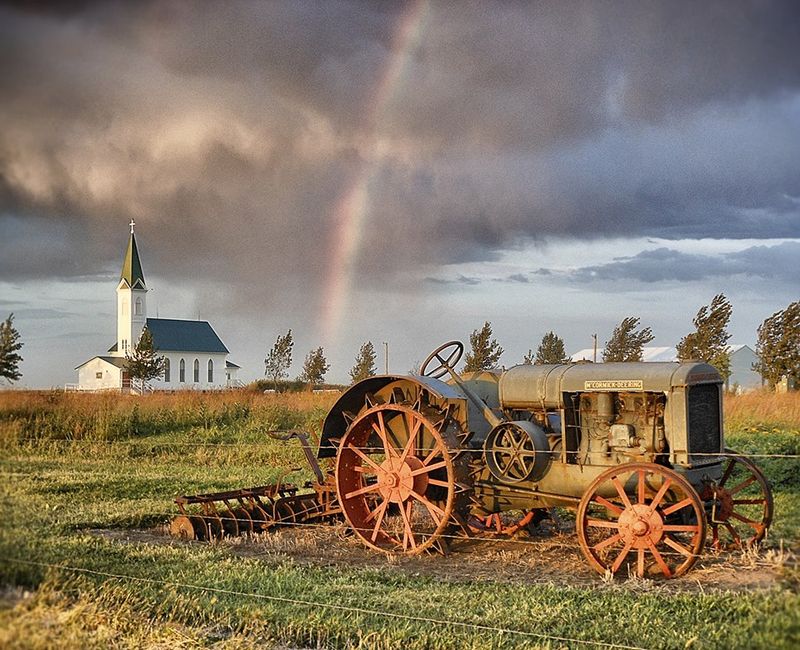
Not every pioneer story ends in the 1800s. Wessels Living History Farm in York picks up the thread in the 1920s, when Nebraska farm families still handled most chores by hand and muscle.
The nonprofit farm preserves that rural era as a walkable place.
Historic buildings anchor the grounds, and each one opens a window into daily chores, early agriculture, and household routines. Learning here is hands-on, built for touching, trying, and asking questions.
Farm animals are part of the scene, giving kids a close look at the creatures that kept a 1920s operation running.
Picture a school group crowded around a barn door, or families strolling between outbuildings during a seasonal festival. The calendar fills with field trips, family events, and community gatherings, and the grounds also host private rentals, including weddings.
Dogs are allowed, so the family pup can come along.
Getting there couldn’t be simpler, since the farm sits just off I-80. That makes it an easy detour on a cross-state drive.
Hours run Wednesday through Sunday, with Monday and Tuesday closed, and free parking waits on site. Few stops show the bridge between homestead life and modern farming this clearly.
6. Saunders County Historical Society, Wahoo, NE
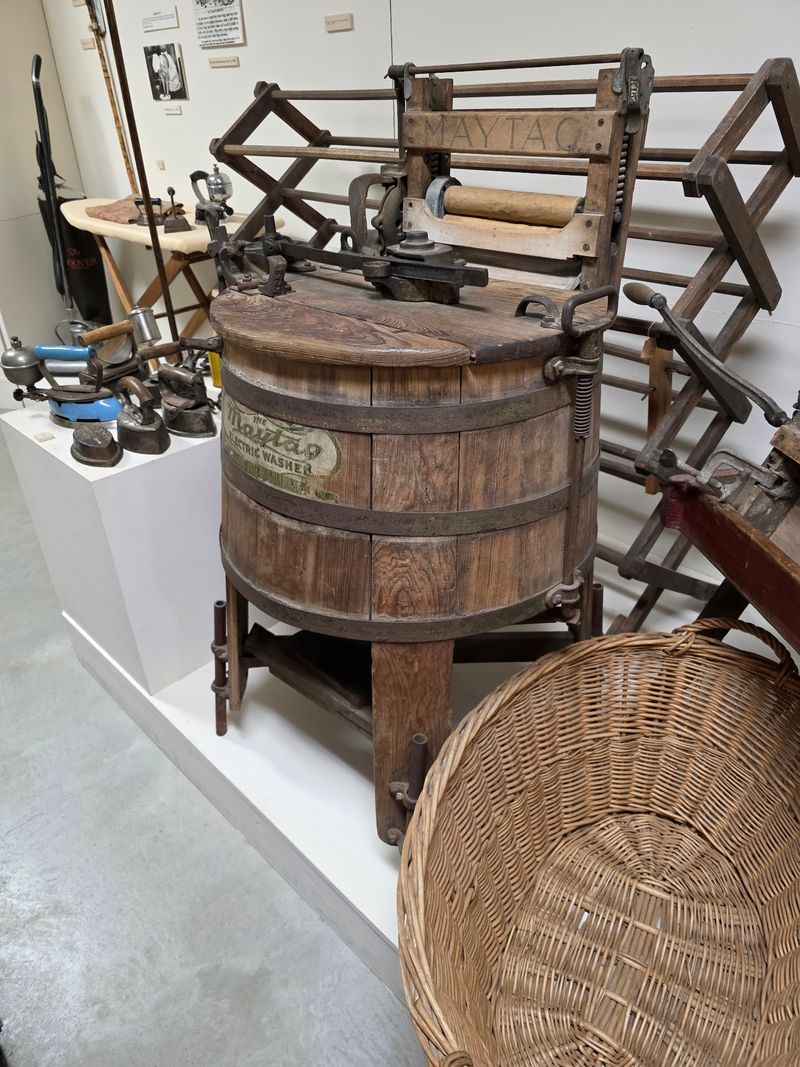
Ever wonder how many well-known names trace their roots to one small county seat? The Saunders County Historical Society in Wahoo makes a point of celebrating several famous people from the area, and that alone sets it apart from the larger complexes on this list.
Wahoo itself is the kind of town where history feels personal.
The museum sits on North Walnut Street in a well-kept facility devoted to county pioneer heritage. Collections and historic buildings trace how settlers shaped this stretch of eastern Nebraska, from early homesteads to the community Wahoo became.
Rooms center on local stories rather than sweeping national themes.
Small scale is the appeal. Instead of hiking across acres, you can take in the collection at a relaxed pace, with tours available for deeper context.
Kids do well here, and a gift shop offers a small souvenir to take home.
Scheduling matters, so call ahead before driving over. Posted hours run Tuesday through Saturday, yet visits have also operated by appointment, and confirming avoids a locked door.
Parking is on site. Anyone with Saunders County roots may spot a familiar family name or landmark somewhere inside.
7. Dawson County Historical Society and Museum, Lexington, NE
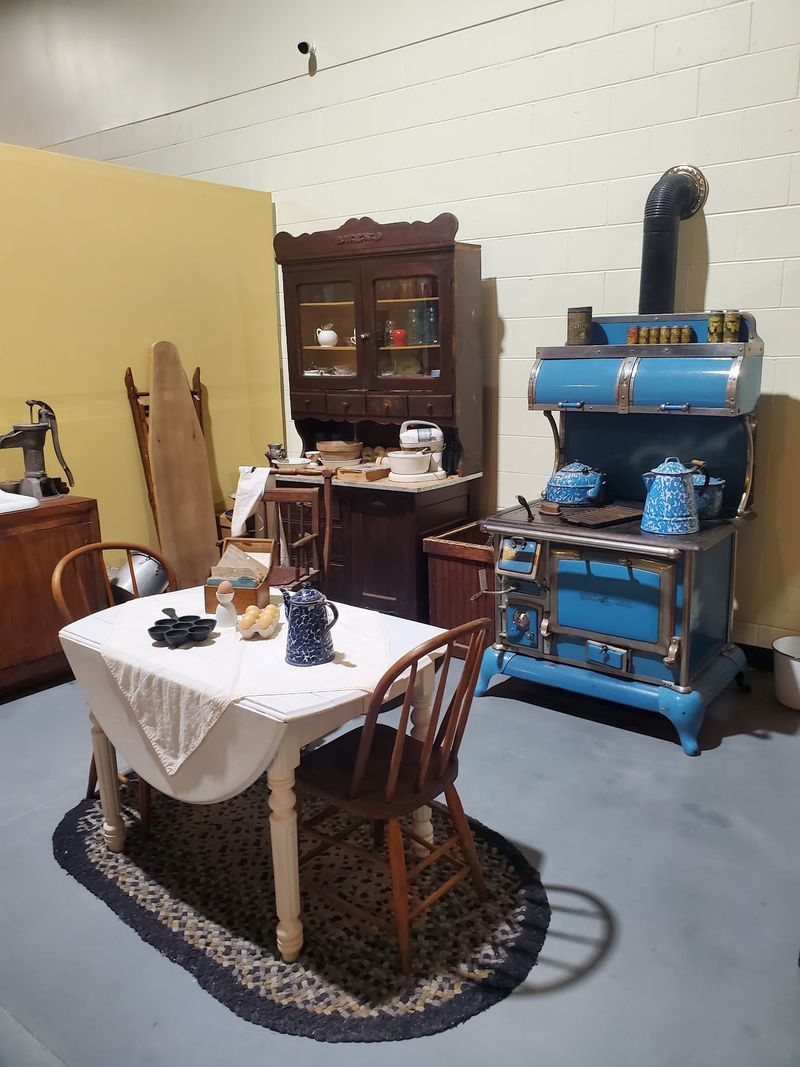
Sunlight through the windows on Taft Street falls across a museum that covers more than a century and a half of Dawson County life. Lexington sits in the heart of the Platte Valley, and this museum traces the county from its start in 1860 straight through to today.
That full arc is what sets it apart.
Early homesteading and settlement displays lay the foundation, showing how families built lives on open river-valley land. From there, the exhibits move forward through community growth, offering a bit of everything without feeling cluttered.
The building is well maintained, and the displays are clearly organized.
Kids find plenty to look at, making it a solid stop for a family outing. Events pop up throughout the year, so the museum stays more than a static collection.
Each return can bring something new.
Short hours are the main thing to plan around. Doors open Tuesday through Friday mornings only, so this works best as a weekday stop.
On-site parking and restrooms keep things easy. For anyone who grew up along the Platte between Kearney and North Platte, this small museum holds the story of home.