8 Idaho Places Where The Story Of The Nez Perce And Shoshone Still Sits On The Land
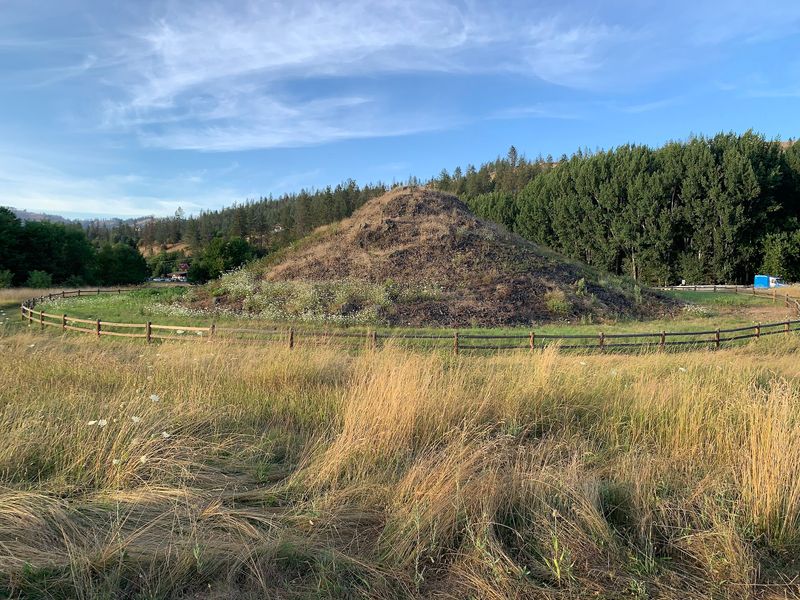
A grassy hill beside Highway 12 looks like nothing much until you learn it is the heart of a creation story older than any map of Idaho. All across the state, quiet pullouts, prairies, and riverbanks hold the history of the Nez Perce and Shoshone people.
These places are easy to drive past, but each one rewards you for stopping. Here are eight spots where that story is still part of the ground under your feet.
1. Nez Perce National Historical Park Visitor Center In Lapwai
Start here, and every other stop on this list makes more sense. The visitor center sits along US-95 on the Nez Perce Reservation, a short drive east of Lewiston in north central Idaho, and it works as the front door to a park spread across four states.
Inside, the displays were developed with the guidance of tribal elders. That detail matters, because the exhibits explain the beliefs, land stewardship, and history of the Nimiipuu, the name the Nez Perce people use for themselves, in their own framing rather than an outsider’s.
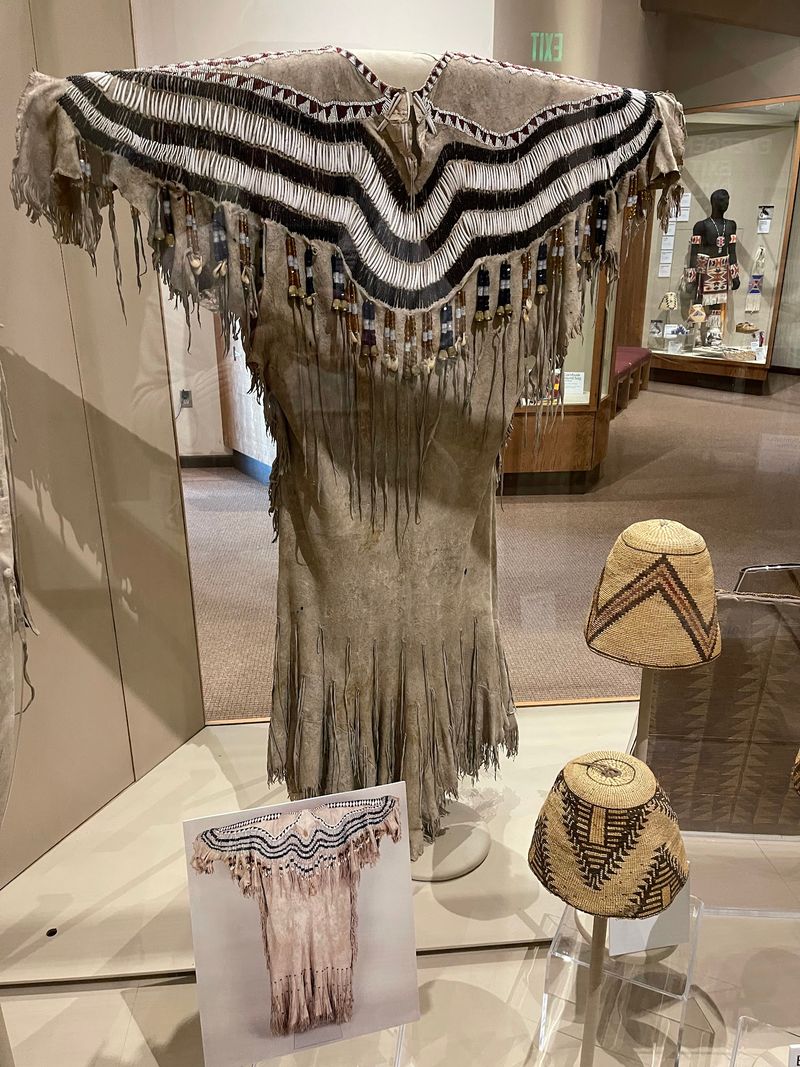
Native art fills the cases, from detailed beadwork to traditional clothing and tools. A film adds the big picture, which is handy if you plan to keep driving to Kooskia or White Bird afterward.
Admission is free, there are restrooms on site, and kids tend to stay curious longer than you might expect.
The center keeps a midweek schedule and closes on some days, so check before you head out, especially in winter. Give yourself at least an hour to walk the room slowly.
Address: 39063 US-95, Lapwai, Idaho 83540. Pair it with a stop along the Clearwater River, which has fed families in this valley for thousands of years.
2. Nez Perce National Historic Park Heart of The Monster In Kooskia
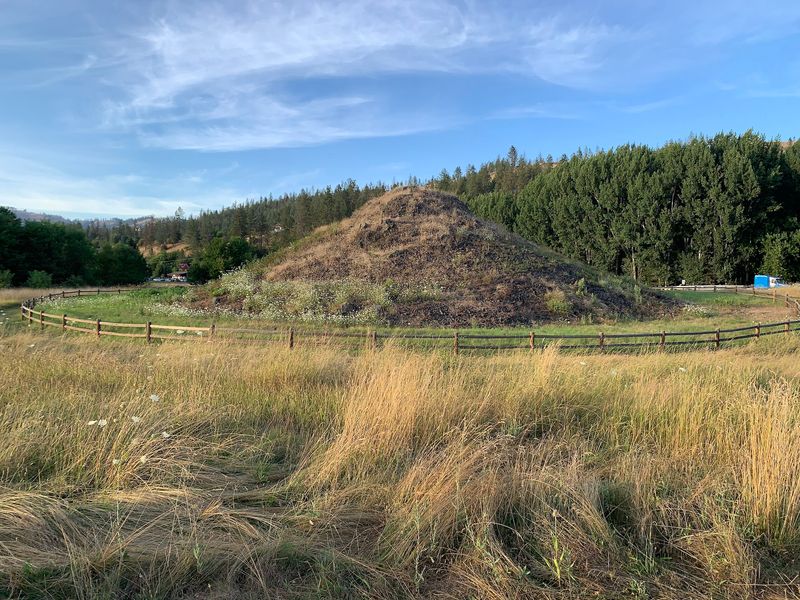
Coyote is the hero of this one. According to Nez Perce tradition, a giant monster swallowed nearly every animal in the land, and Coyote tricked his way inside and cut out its heart.
From the monster’s remains, he created the peoples of the region, and the Nez Perce were formed right here in the Clearwater Valley.
That heart is still sitting beside Highway 12. It looks like a modest, grassy mound, the kind of shape you would never notice at highway speed, yet it is one of the most meaningful places in all of Idaho.
A short trail leads from the parking area toward the hill, and recorded stories along the way tell the legend in both the Nez Perce language and English. Listen to both versions.
Even if you cannot follow the Nez Perce words, hearing the rhythm of the original language standing next to the actual landmark gives the moment real weight.
The site is friendly for kids, quick to visit, and makes a natural break on a Highway 12 road trip toward Lolo Pass. Plan around 30 minutes, more if you like to linger by the river.
Address: 4243 US-12, Kooskia, Idaho 83539.
3. White Bird Battlefield Overlook – Nez Perce National Historical Park
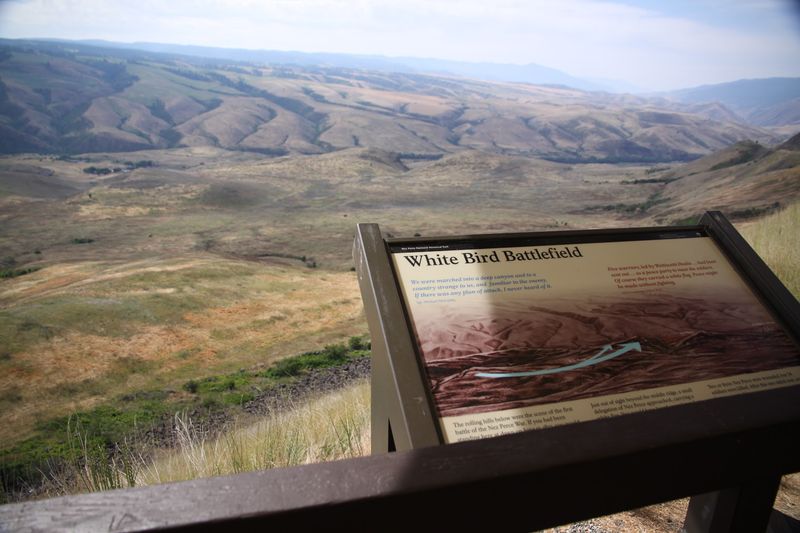
June 17, 1877, changed everything for the Nez Perce. On that morning, U.S.
Army troops under Captain David Perry rode into White Bird Canyon toward a Nez Perce encampment, and the first battle of the Nez Perce Flight of 1877 began on these slopes.
Today the overlook sits along the old highway grade above the town of White Bird, south of Grangeville on the edge of the Camas Prairie. The view is wide open: rolling grass, folded ridges, and the canyon floor where the encampment stood.
Interpretive signs walk you through how the morning unfolded and why it mattered. What followed was a months-long journey of roughly 1,200 miles as Nez Perce families tried to reach safety, a story that still shapes the identity of the tribe and of Idaho itself.
The overlook is open around the clock, so a sunrise or evening stop is easy. Weekends and Thursday afternoons bring more travelers, while Sunday mornings are usually calm.
Bring a jacket, because wind pours across these hills almost any time of year. Families will find the stop short and easy to manage with children.
Location: White Bird, Idaho 83554, off US-95.
4. Shoshone Bannock Tribal Museum In Pocatello
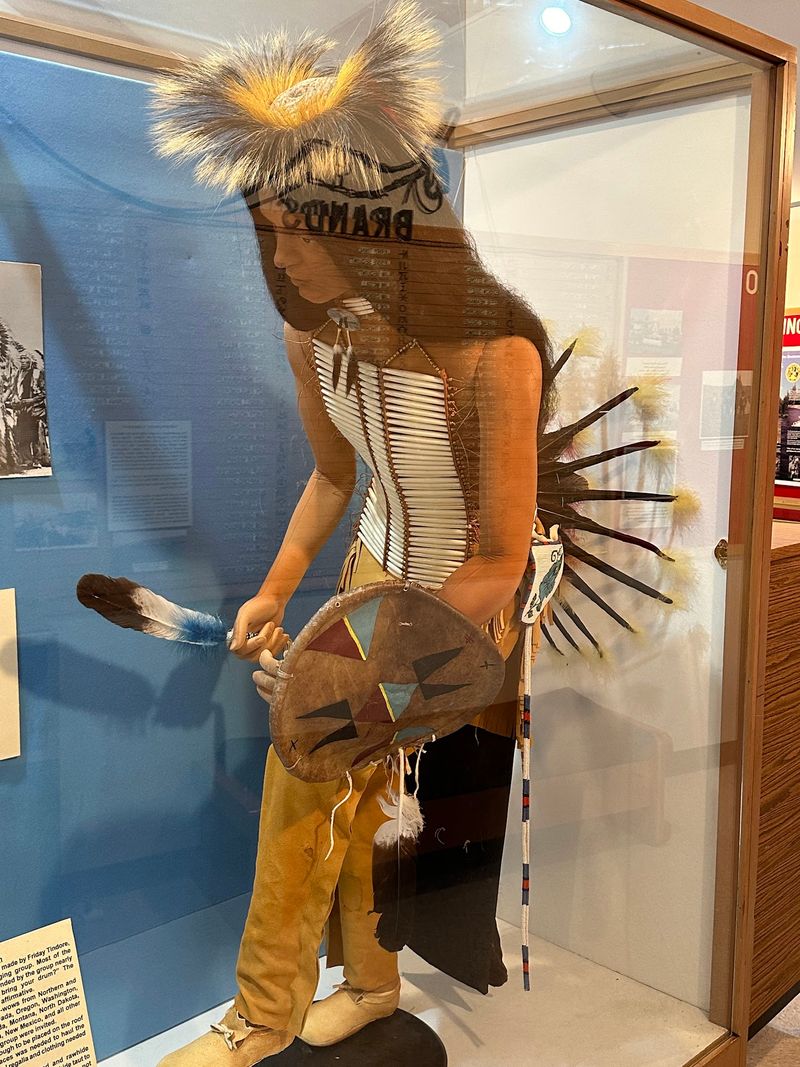
Swing off Interstate 15 near Fort Hall and you will find a museum that tells the Shoshone and Bannock story from the inside. It sits on the Fort Hall Reservation in southeastern Idaho, home of the Shoshone-Bannock Tribes, and it feels personal in a way bigger museums rarely manage.
The building is small, but the collection covers a lot of ground. Artifacts and historical displays explain how the Shoshone and Bannock people survived on the Snake River Plain, from gathering and hunting methods to the skills that carried families through hard winters.
Plenty of people leave wanting to try some of those traditional techniques themselves. That is the best compliment a museum like this can get: it does not just inform, it sparks curiosity about how people lived with the land instead of against it.
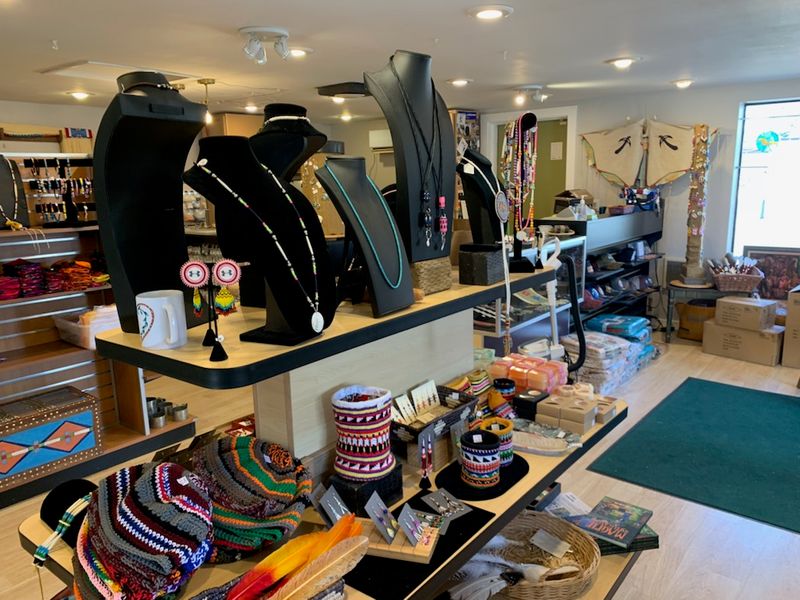
A theater, a gift shop with tribal goods, and a small cafe round out the visit, along with restrooms and on-site parking. The museum keeps weekday hours and closes on weekends, so plan your trip accordingly and check before you go.
Address: 30 E Ross Fork Rd #2, Pocatello, Idaho 83202. It is an easy add-on for anyone driving between Idaho Falls and Pocatello.
5. Bear River Massacre Site
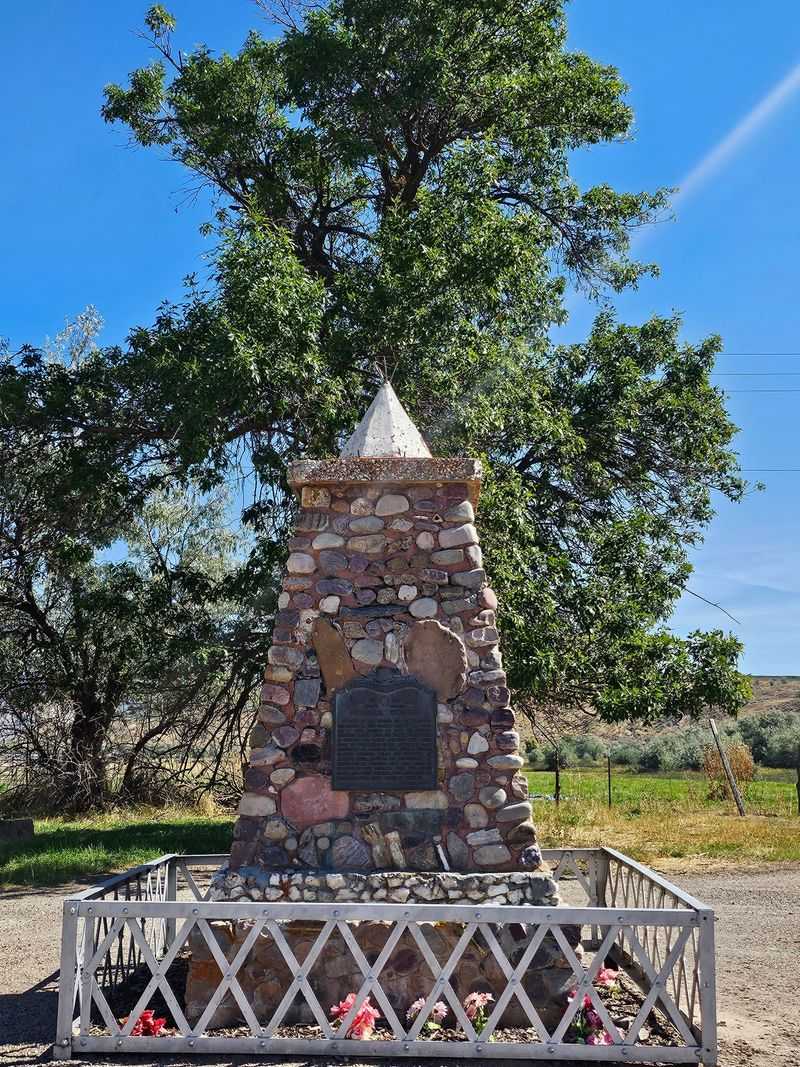
Few roadside stops in Idaho ask you to slow down quite like this one. North of Preston in Franklin County, along Highway 91, a memorial marks the place where hundreds of Northwestern Shoshone people, including many families, lost their lives in January 1863.
For a long time, the event was barely mentioned in history books. Now an interpretive trail with story boards lays out what happened along the Bear River, and the displays aim for a balanced telling that includes Shoshone voices alongside other accounts.
Walk the path slowly and read each board in order. The river, the willows, and the quiet hills make the history feel close, and that is the point of the place: to keep the memory of the Shoshone families anchored to the land where they camped.
Do not skip the hilltop stop above the main site. It gives a fuller view of the valley and helps you picture how the camp sat along the water.
Children can visit, and the site can open meaningful conversations about Idaho history. Plan for 45 minutes and bring layers, since the valley gets cold and breezy in shoulder seasons.
Location: Preston, Idaho 83263, along Highway 91.
6. Celebration Park In Melba
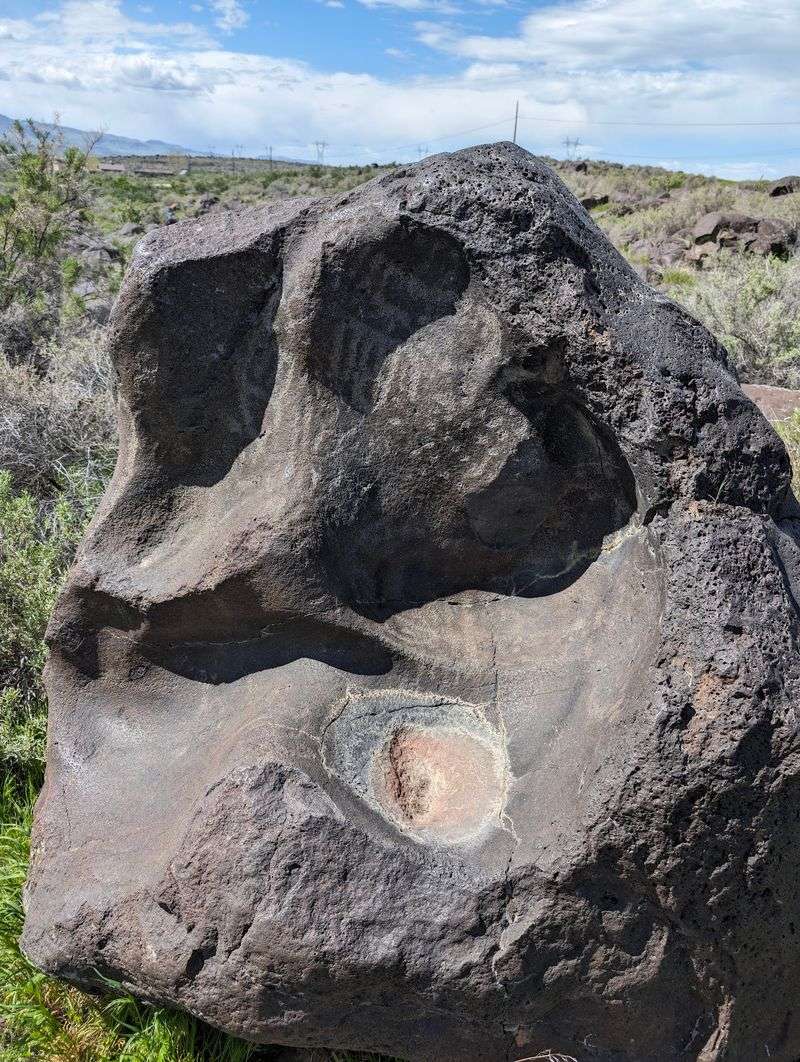
Black basalt boulders line the Snake River here, and many of them carry carvings made long before anyone drew a state line. Celebration Park, south of Melba in Canyon County, is recognized as Idaho’s first archaeological park, protecting petroglyph rock art on lands Native peoples used for seasonal camps and travel.
Walking among the carved rocks is the main draw. Spirals, lines, and figures appear on stone that has sat in the same spot for ages, and following the trails turns into a slow treasure hunt for the whole family.
A visitor center helps explain what you are seeing, and knowledgeable volunteers keep the grounds tidy. Historic bridge tours add another layer, while fishing, camping, and hiking make it easy to turn a short stop into a full day.
Practical stuff is covered too: fire rings, picnic tables, benches, grills, and restrooms. Dogs are welcome, and parking costs a few dollars.
Weekends draw the biggest crowds and can get a bit loud, so a weekday morning offers the quietest time with the petroglyphs. Summer heat in this Treasure Valley canyon is serious, so spring and fall are best.
Address: 5000 Victory Ln, Melba, Idaho 83641.
7. Massacre Rocks State Park In American Falls
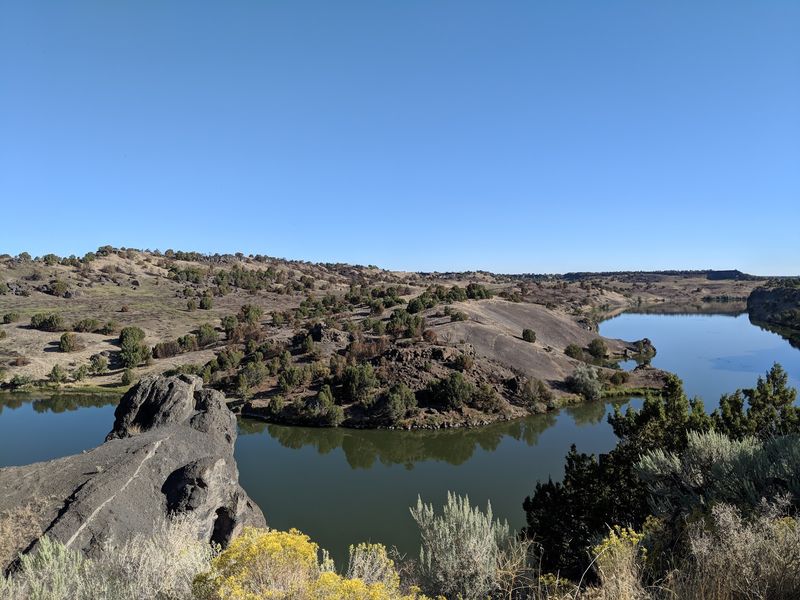
Jagged volcanic rock crowds the Snake River just west of American Falls, forming a narrow gap that every traveler on this stretch had to pass. For Shoshone and Bannock people, this corridor was home ground long before Oregon Trail wagons rolled through, and those meetings between emigrants and tribes left a mark on the area’s history.
Geology steals the show at first glance. The visitor center explains how ancient floods and lava shaped the canyon, and it also covers the human history of the river corridor, so you get both stories under one roof.
Out on the trails, the rock formations come alive. Groomed paths wind past river views, desert plants, and plenty of wildlife, and evening walks sometimes turn up bats skimming over the water.
Families have lots to keep busy with: kid-friendly hikes, picnic tables, grills, fire pits, campsites, and even a disc golf course. Dogs are allowed, and there is a modest parking fee.
The visitor center keeps limited daytime hours, so call ahead if exhibits are your priority. Spring brings wildflowers and comfortable temperatures along this part of the Snake River Plain.
Address: 3592 Park Ln, American Falls, Idaho 83211, right off Interstate 86.
8. Sacajawea Interpretive, Cultural & Educational Center In Salmon
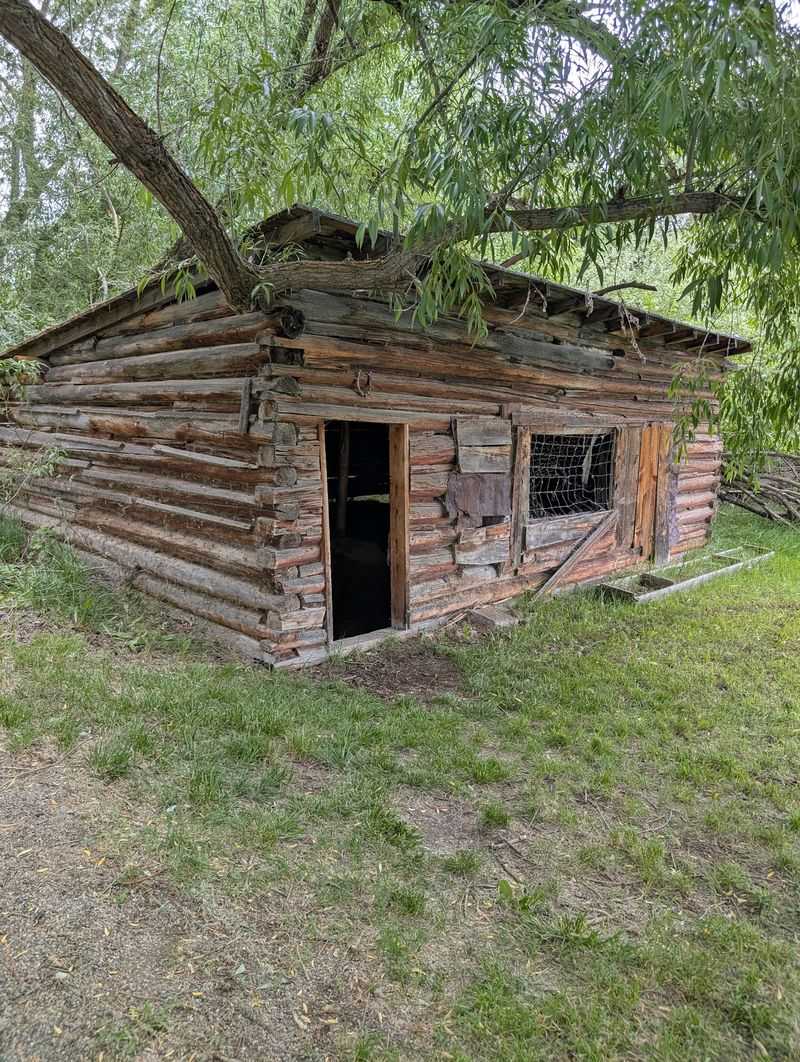
Most Americans know her name from school, but fewer know her homeland. Sacajawea was born into the Lemhi Shoshone, the Agai’dika or Salmon Eaters, in the valley around present-day Salmon, and this center on the edge of town tells her story right where it began.
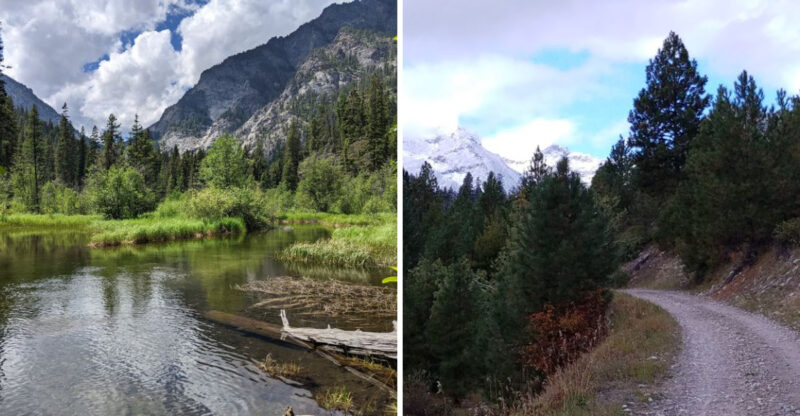
The setting does half the teaching. Walking trails loop through open ground along the Lemhi River valley, with mountains rising on every side, and teepees stand in the fields to show how families lived here across the seasons.
Indoors, exhibits connect Sacajawea’s life to the wider Lemhi Shoshone history and to the Lewis and Clark Expedition, which reached this valley in 1805. The approach centers her people, not just the explorers who relied on their help.
Kids can roam the trails and peek into the teepees, and there is even a dog park, so the four-legged travelers get a break too. Restrooms are on site.
The museum keeps a short schedule, open only a few days each week, so check hours before making the drive up Highway 93. Summer and early fall are the easiest times to visit Lemhi County.
Address: 2700 Main St, Salmon, Idaho 83467.