8 Idaho Wildlife Refuges Where Thousands Of Migrating Birds Gather Before Winter
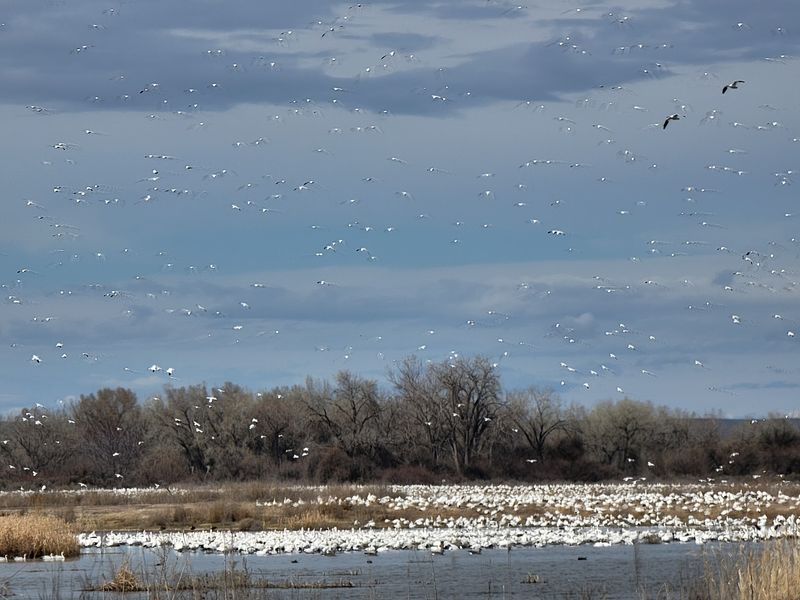
A flat gravel road, a muddy pond, and a cattail marsh do not look like much from a car window in Idaho. Then a thousand geese lift off at once and the whole sky starts honking.
Every fall, swans, cranes, ducks, and eagles stop at refuges across the state to rest and refuel before winter sets in. Here are eight spots where you can watch that busy layover happen, many of them just an afternoon drive from home.
1. Minidoka National Wildlife Refuge In Rupert
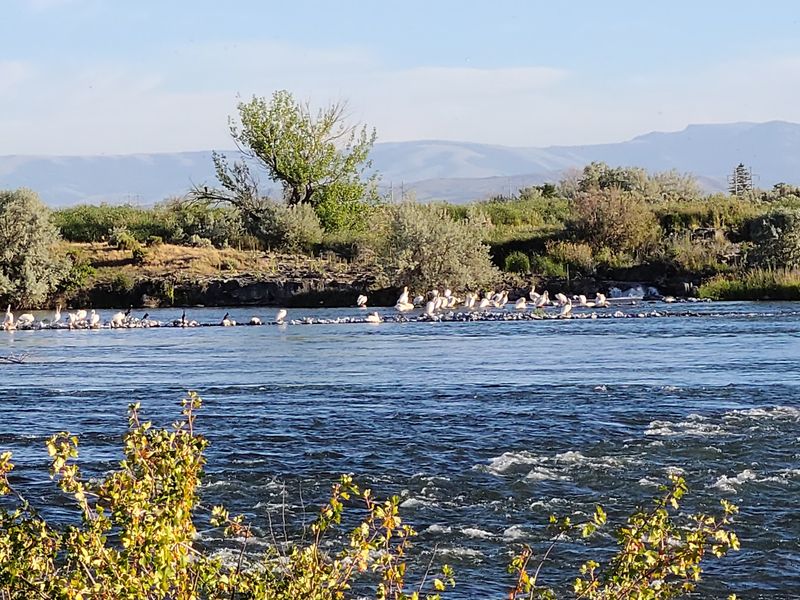
Lake Walcott sits in the middle of the Snake River Plain like a giant bird bath, and in late summer and early fall it can hold up to 100,000 birds. Mallards, redheads, pintails, wigeons, and gadwalls crowd the water, with Canada geese mixed in.
Many of these ducks come here to molt from July through September. Losing their flight feathers makes them nervous, so the wide, open reservoir gives them a safe place to float while new feathers grow in.
Over 230 bird species have been recorded across the refuge, which mixes open water, wetlands, and sagebrush uplands. As cold weather arrives, bald eagles start showing up for the winter, so the show changes rather than ends.
Families will find more than binoculars here. The grounds include picnic tables, barbecue grills, a playground with swings, public restrooms, and a disc golf course that draws players from far beyond Minidoka County.
Camping, fishing, and easy hiking round out a day trip, and deer often wander through the quieter corners. The refuge office keeps weekday hours, so plan ahead if you want to stop in with questions.
Address: 961 Minidoka Dam Rd, Rupert, Idaho 83350.
2. Camas National Wildlife Refuge Visitor Center In Hamer
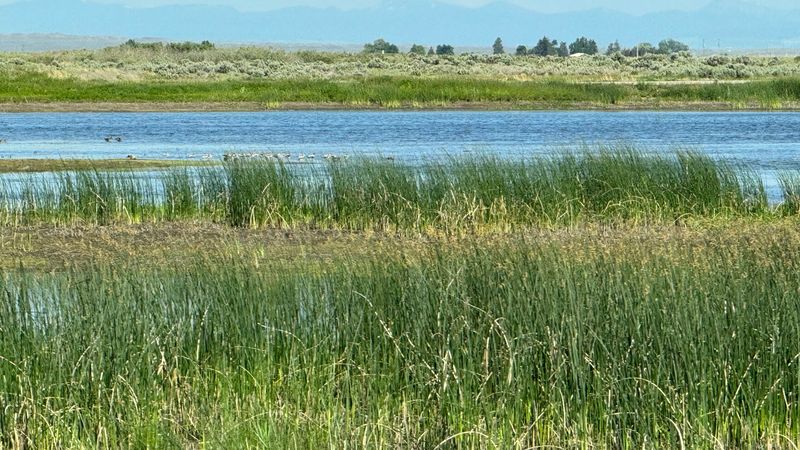
Out past the potato fields of eastern Idaho, the tiny community of Hamer guards one of the best birding spots on the upper Snake River Plain. Camas National Wildlife Refuge covers more than 10,000 acres, mostly lakes and marshes.
Fall is when the place really fills up. Tundra and trumpeter swans drift in alongside snow geese, Canada geese, and a long list of duck species, and waterfowl numbers hit their peak during the autumn months.
On clear days, the Teton peaks rise on the eastern skyline, giving every swan photo a dramatic backdrop. That view alone makes the drive up Interstate 15 feel worth it.
Honest truth: some years are drier than others, and water levels change. Even so, the variety of species on any given visit is impressive, and refuge staff work to keep the habitat healthy.
The visitor center has restrooms, and several viewing areas are ADA accessible, which makes this a solid pick for grandparents and little ones alike. Once snow falls, refuge roads become routes for cross-country skiing and snowshoeing, with bald eagles and pheasants as company.
Address: 2150 E 2350 Rd N, Hamer, Idaho 83425.
3. Kootenai National Wildlife Refuge In Bonners Ferry
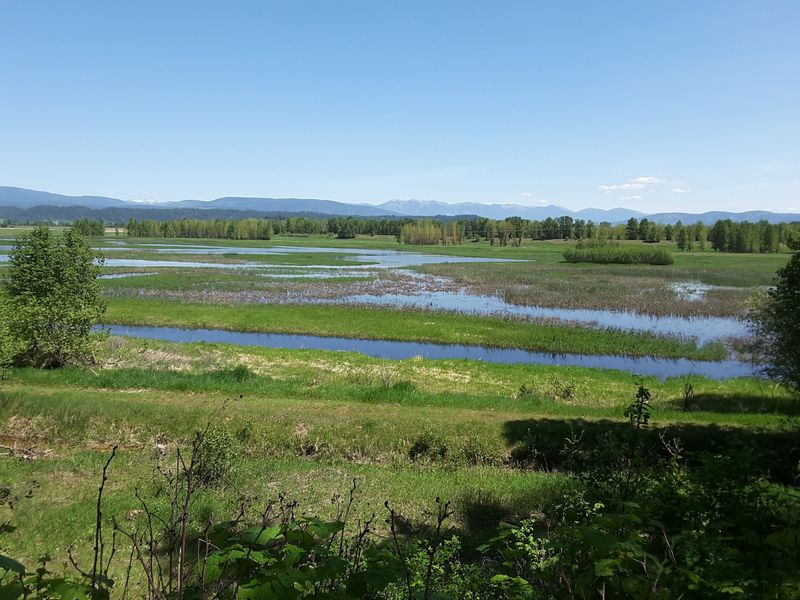
Early November in the Panhandle brings a double feature. Duck migration peaks at Kootenai National Wildlife Refuge right when bald eagles arrive, and the eagles are not just there for the scenery.
Tucked against the Selkirk Mountains near Bonners Ferry, this 2,774-acre refuge supports more than 220 bird species through the year. Tens of thousands of waterfowl rest here along the Pacific Flyway, including swans, mallards, northern pintails, and several kinds of teal.
By late November, ponds start to freeze. The remaining ducks and geese move to the open Kootenai River and keep feeding in the refuge grain fields, so there is still plenty to watch.
Birds are only part of the cast. Deer, elk, moose, beavers, osprey, and peregrine falcons all live in this flood plain, and hawks patrol the fields overhead.
A 4.5-mile auto tour route loops through the refuge, and hiking trails climb toward a waterfall in the mountains that makes a fun half-day goal for kids. Picnic spots and restrooms are available.
When snow closes the tour route, it turns into a quiet trail for snowshoes and skis.
Address: 287 West Side Rd, Bonners Ferry, Idaho 83805.
4. Deer Flat National Wildlife Refuge Admin Building And Visitor Center In Nampa
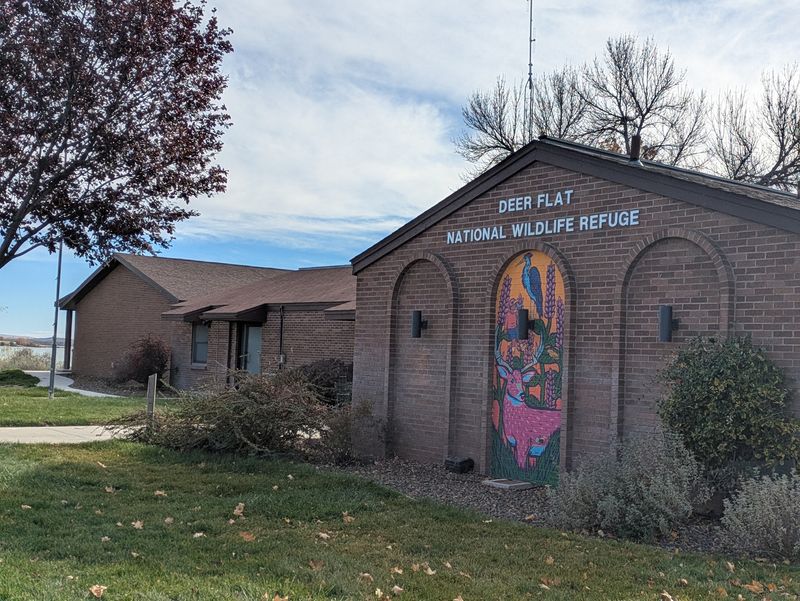
President Theodore Roosevelt signed off on this refuge back in 1909, making it one of the oldest in the country. More than a century later, it sits right on the edge of the busy Treasure Valley, a few minutes from Nampa grocery stores.
Lake Lowell is the star. Up to 6,000 Canada geese usually settle on the water by mid-October, and by mid-November that number can climb to around 15,000 as colder weather pushes more birds south.
Ducks of many kinds share the lake, and the area is recognized as an Important Bird Area for nesting western and Clark’s grebes. Walkers often spot California quail, hawks, harriers, kestrels, and even young bald eagles, plus mule deer and rabbits.
The visitor center is the best place to start, especially with kids. Interactive exhibits, a list of short nature films, and friendly, knowledgeable staff help young visitors figure out what they are looking at.
Over ten miles of trails, some of them accessible, wind through the refuge. Picnic tables and restrooms are on site, and dogs are allowed.
The center is open most weekdays and Saturdays, so check before you drive.
Address: 13751 Upper Embankment Rd, Nampa, Idaho 83686.
5. Bear Lake National Wildlife Refuge In Montpelier
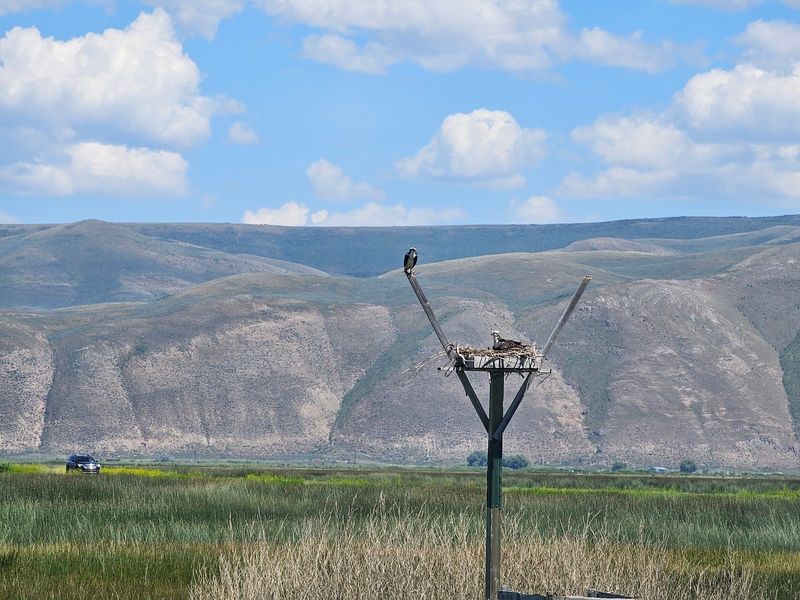
Follow the sign off Highway 89 near Paris, Idaho, and you will bump along a long dirt road before the marsh opens up. That slow approach is part of the charm, and it keeps the crowds thin.
Bear Lake National Wildlife Refuge sits just north of the famous turquoise lake in southeast Idaho, near Montpelier. While summer visitors pack the beaches to the south, this wetland quietly hosts cranes, osprey, and nesting bald eagles.
Cranes are a highlight. These tall gray birds stalk through the shallow water, and their rattling calls carry across the marsh long before you see them.
Spring and early summer bring baby birds along the trail, which kids love. Come late summer and fall, the same wetland becomes a resting stop for birds heading south, so timing your visit to the season makes a big difference in what you see.
The refuge is open around the clock, and there are public restrooms. Signs along the trail explain the local birds, turning a simple walk into a mini lesson.
Mornings on weekends can be busier, while weekday visits tend to be calm.
Address: Montpelier, Idaho 83254.
6. Market Lake Wildlife Management Area – Idaho Fish and Game In Roberts
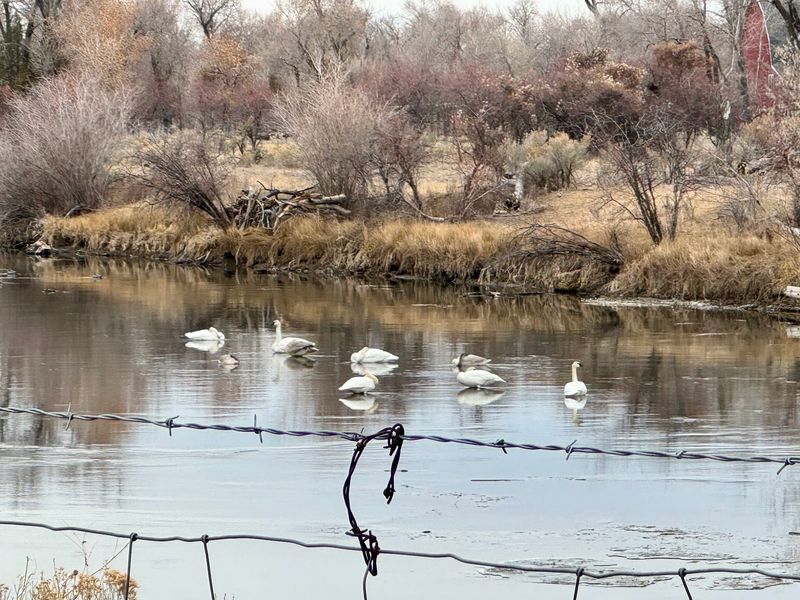
Trumpeter swans are the biggest waterfowl in North America, and in October and November they pour into a marsh just north of Roberts. Watching one land, wings wide and feet out, feels a bit like seeing a small plane touch down.
Market Lake Wildlife Management Area, run by Idaho Fish and Game in Jefferson County, was once a huge flood plain. Today it is managed as a stopover for migrating and nesting waterfowl and shorebirds, with more than 180 bird species using it during the year.
Many trails lead out to different parts of the marsh, so you can follow the action as birds move around. A wildlife viewing blind lets you sit hidden and watch without spooking anyone.
Its value goes beyond local pride. Market Lake has been named a Global Important Bird Area by the National Audubon Society and BirdLife International.
Some activities are restricted at certain times of year to protect nesting and migrating wildlife, so read posted signs before heading down a trail. Public restrooms are available, and the flat walks suit kids well.
It is an easy hop off Interstate 15 between Idaho Falls and Rexburg.
Address: 804 N 2900 E, Roberts, Idaho 83444.
7. Mud Lake Wildlife Management Area – Idaho Fish and Game In Terreton
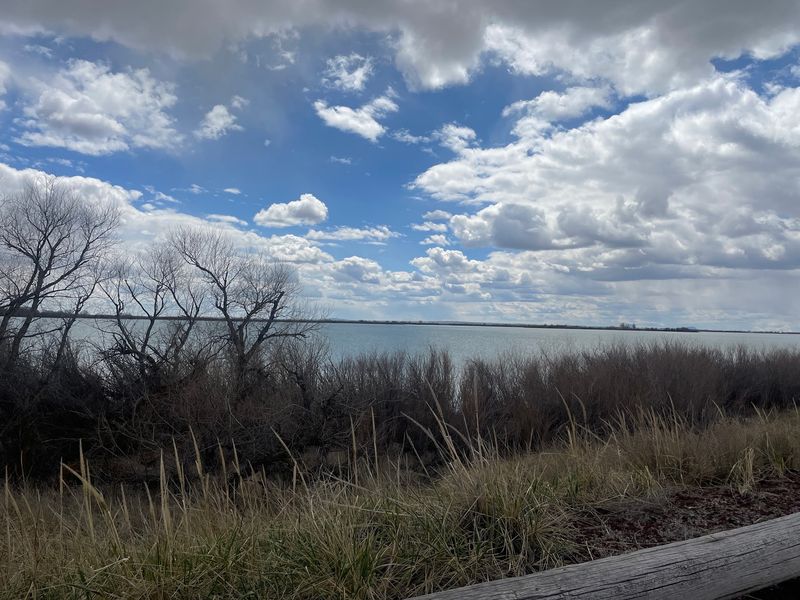
Twenty-eight kinds of waterfowl and forty-nine kinds of shorebirds. Those numbers explain why birders keep coming back to this big, shallow lake in Jefferson County.
Mud Lake Wildlife Management Area, near Terreton, mixes open water with wide marshes. During spring and fall, visitors can spot trumpeter swans, bald and golden eagles, owls, falcons, and several hawk species working the shoreline.
As late fall turns cold and the marsh freezes, most migrants push south. A tough crew stays behind, though, including bald eagles, rough-legged hawks, and mule deer that spend the winter here.
Wildlife sightings are not limited to birds. Upland game birds, elk, moose, and muskrats all turn up, and the lake holds bass for anglers.
Summer evenings bring boats and kayaks onto the water, making this one of the more active spots on the list. For camping, the north access area is cleaner and more open than the south campground.
Public restrooms are available, and the area stays open around the clock.
It is a working landscape out here, with farm fields and big skies, so bring snacks and a full tank before leaving Idaho Falls or Rexburg.
Address: Mud Lake Wildlife Management Area, Terreton, Idaho 83450.
8. Fort Boise WMA – Idaho Fish and Game In Parma
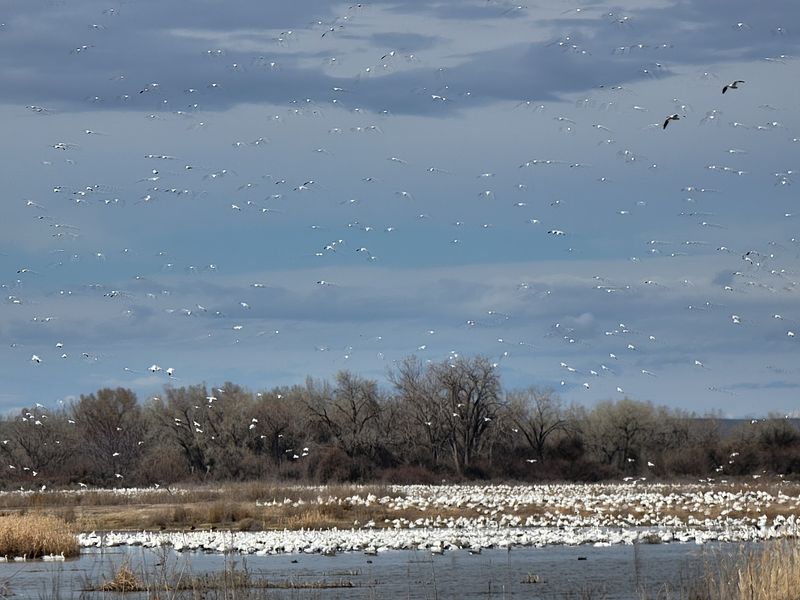
Two rivers meet just outside Parma, and the birds noticed long before we did. Fort Boise WMA sits where the Boise River flows into the Snake, creating ponds, wetlands, and fields across about 1,630 acres of western Idaho.
Fall brings wigeon, pintails, and other ducks dropping into the ponds to rest. Canada geese, mallards, and wood ducks also nest here, so the area hums with activity much of the year.
The real headline comes in late winter and early spring. Up to 60,000 snow geese and white-fronted geese pour in, with numbers usually peaking in March.
Thousands spiral down from the sky at once, a sight some birders compare to famous migrations in Africa.
An elevated viewing platform gives a clear look over the nearby ponds, which helps when flocks are spread wide. Most people come to hunt, fish, or watch birds, so expect to share the area during hunting seasons.
Some interior areas close from February through July to protect nesting waterfowl, but plenty of the WMA stays open. Dress in layers, since wind off the rivers can bite.
Address: 20847 Old Fort Boise Rd, Parma, Idaho 83660.