8 Nebraska Places That Tell The Story Of Native Nations Before Statehood
In 1806, an American explorer asked Pawnee leaders to lower a Spanish flag and raise an American one. That swap happened in what is now Nebraska, decades before anyone drew a state line.
I love that moment because it flips the usual story. The Pawnee were the hosts, holding a big village of earth lodges along the river.
Outsiders had to come to them.
Nebraska still holds the places where that older story played out. There are carvings in sandstone, bluffs where villages stood, and a chief’s moccasins in a quiet visitor center out west.
The best part is how many of these spots sit along roads you may already drive. A few are a short trip from Omaha or Lincoln.
Others reward a full Panhandle day. So how much of this history has been hiding in plain sight near your own town?
1. Pawnee Villages Historical Landmark
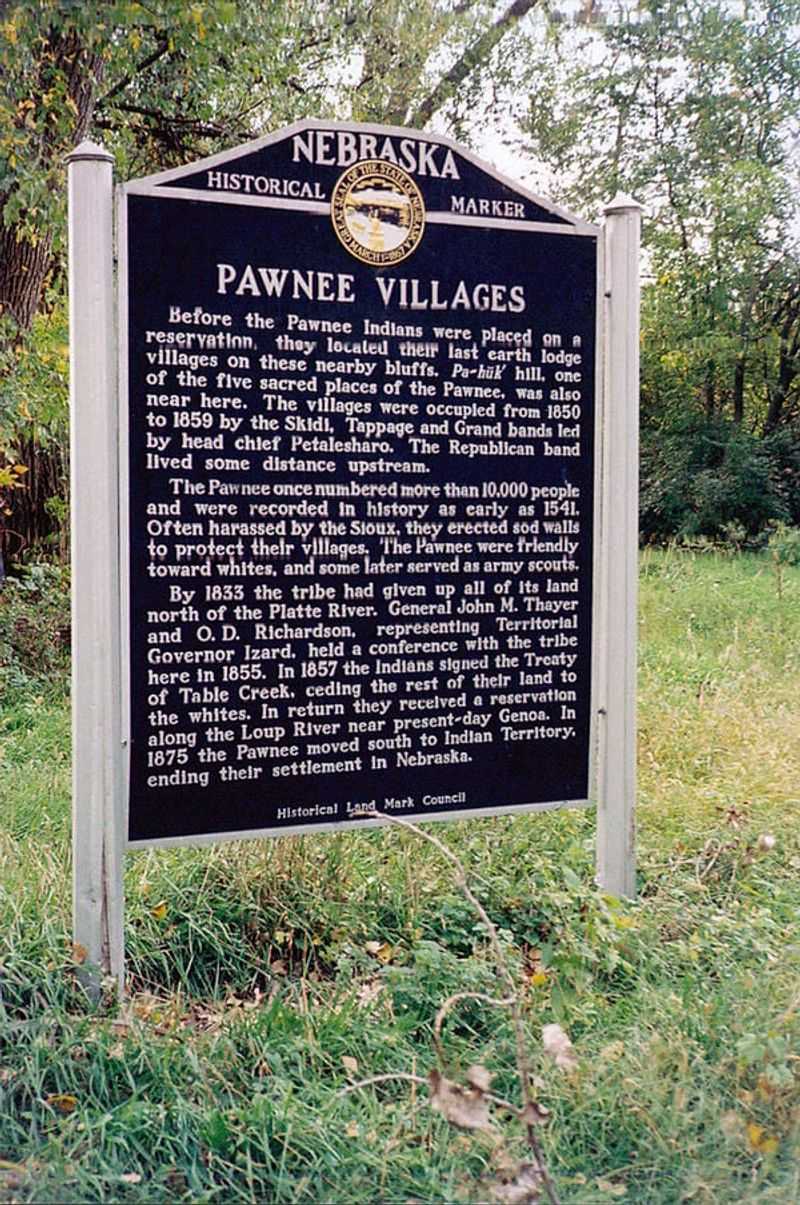
Some history sits on a hilltop and waits for you to pull over. Near Fremont, the Platte River bluffs hold a story that most drivers zip right past.
Before the Pawnee were moved onto a reservation, they built their last earth lodge villages on these nearby bluffs. That makes the spot a kind of final chapter for Pawnee village life along this stretch of the river.
You won’t find a big museum or a gift shop here. The landmark works as an interpretive roadside viewpoint, open outdoors for anyone who stops.
That simplicity is the point. You get the land itself, the same bluffs and river valley the Pawnee chose for their homes.
Earth lodges were large, dome-shaped homes built with timber and covered with earth. Picturing a cluster of them on these slopes changes how the whole Dodge County view feels.
The setting stays rural and agricultural, with fields rolling out from the river. Kids can handle a stop like this easily, since it takes little time and no tickets.
Pair it with a Fremont errand or a Sunday drive. It’s a quick stop with a long memory, and it sets the stage for every place that follows on this list.
Address: Fremont, NE 68025
2. Republican Pawnee Village Historical Marker
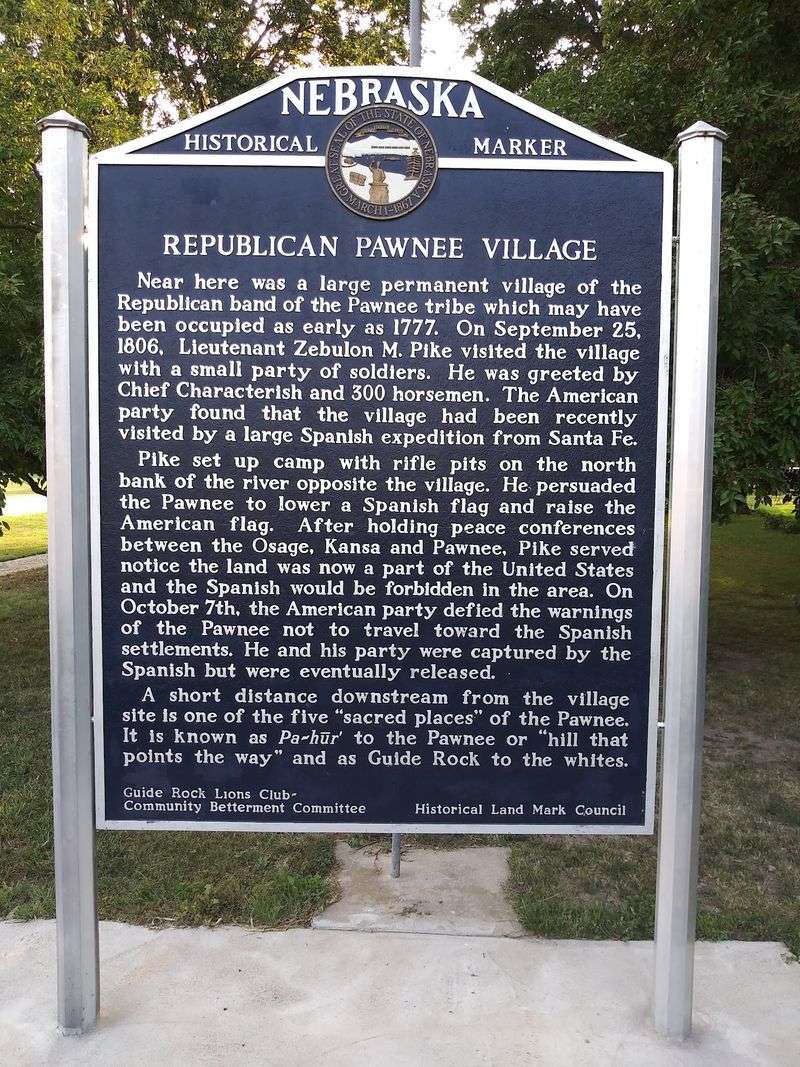
A town of around 200 people holds one of the biggest flag stories in Nebraska history. Guide Rock is where a quiet marker points you toward it.
In 1806, explorer Zebulon Pike visited a Pawnee village on the Republican River. He persuaded Pawnee leaders to take down a Spanish flag and fly an American one instead.
Think about who held the power in that scene. Pike was a guest in a large, well-established Pawnee community, and the leaders were weighing rival nations.
The official Nebraska State Historical Society marker interprets that pre-statehood village and its place in the shifting politics of the era. It reads like a short history lesson you can finish standing beside your car.
The Kitkehahki band of the Pawnee lived in villages in this area for decades. The Republican River name even traces back to Republican Pawnee, a label early outsiders used for this band.
Practical bonus: the marker has on-site parking with a wheelchair accessible lot. That makes it an easy stop for grandparents and little ones alike.
South-central Nebraska rewards slow driving. Let this marker be your excuse to wander farm roads and see the valley the Pawnee called home.
Address: State St, Guide Rock, NE 68942
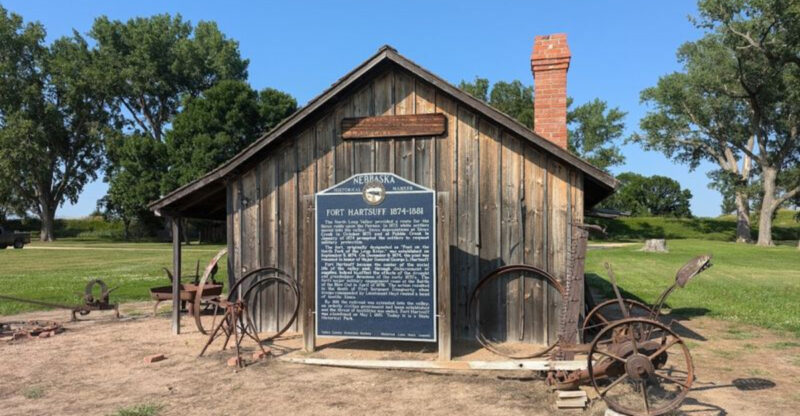
3. Fort Atkinson State Historical Park
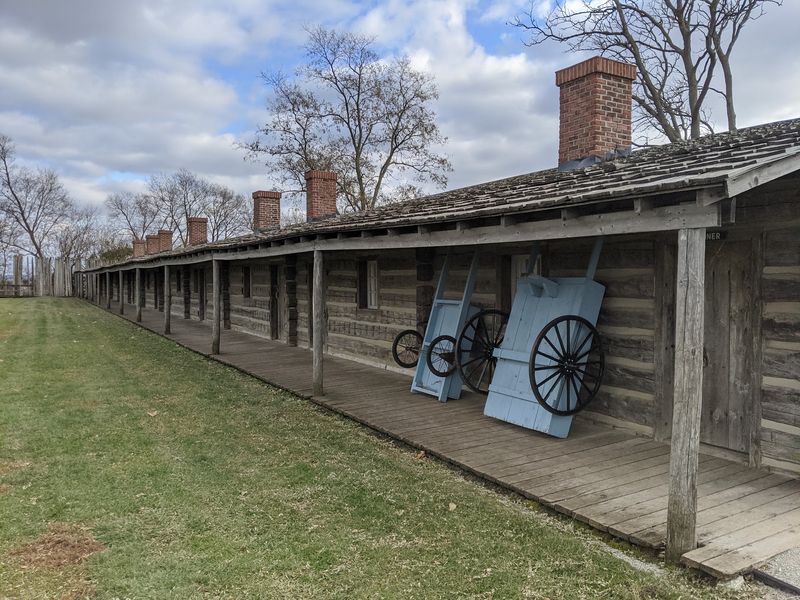
Lewis and Clark held a council with the Otoe and Missouria here in 1804. Years later, the Army built a fort on that same Council Bluff.
Fort Atkinson was the first U.S. military post west of the Missouri River. It managed relations with the Pawnee, Omaha, Otoe, Missouria, and other nations long before Nebraska became a state.
Today you can roam a reconstruction of the fort, complete with barracks, gates, and a council house. That council house deserves a slow look, since talks between nations shaped this whole region.
A visitor center fills in the background with museum displays on early 19th century life. A short hiking trail and picnic tables round out the grounds.
Want the place to feel lived in? On the first weekend of each month from May through October, reenactors and craftsmen stay at the fort and share displays and history.
Fort Calhoun is a small Washington County town of about 1,000 people. It sits a short drive north of Omaha, which makes this an easy afternoon outing.
Bring a lunch and let the kids explore. The grounds are open for wandering year-round.
Address: 201 S 7th St, Fort Calhoun, NE 68023
4. Genoa Indian Industrial School Museum
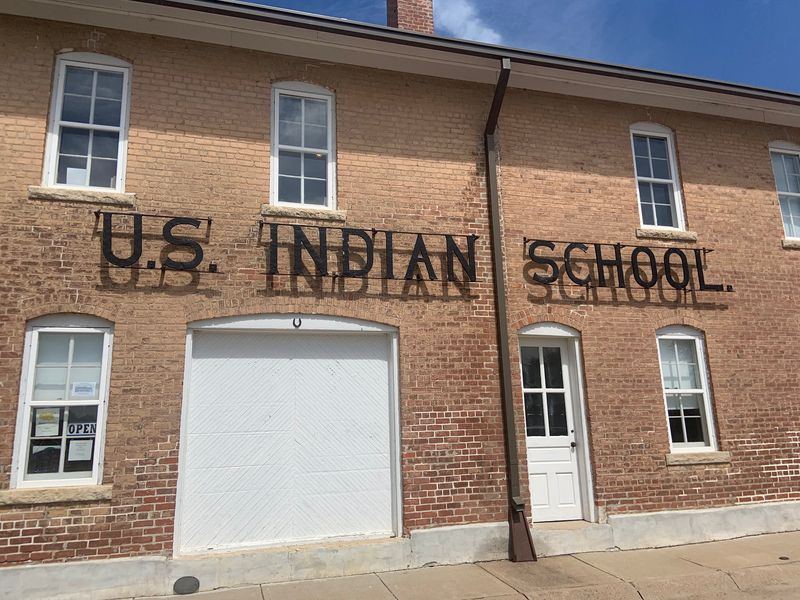
Genoa started out as something few Nebraskans would guess. In 1859, it became the agency headquarters for the Pawnee Reservation.
That was eight years before statehood, during a hard turning point for the Pawnee Nation. Their homelands had shrunk to a reservation in present-day Nance County.
The story didn’t end when the Pawnee were later moved to Oklahoma. The site went on to house a federal boarding school for Native children from many nations.
The museum now tells that layered history inside a quiet rural town of roughly 900 people. Its exhibits focus on teaching, and the place is known for being very educational.
This stop asks more of you than a scenic overlook does. You’ll learn how the reservation years connected to the boarding school era that followed.
It’s a thoughtful visit for older kids studying Nebraska history. The building offers wheelchair access and restrooms, so plan your snack stop elsewhere since there’s no restaurant.
Genoa sits within easy reach of Columbus. Make the drive with time to read slowly, because the details here carry real weight.
Few towns in Nebraska hold this much Native history in one spot. That alone earns Genoa its place on this list.
Address: 209 E Webster Ave, Genoa, NE 68640
5. Ash Hollow State Historical Park
People sheltered in Ash Hollow Cave for thousands of years. Archaeologists found layers of Native occupation stacked inside it like pages in a book.
That deep timeline is what sets this park apart. It covers ancient hunters and later Plains peoples, then jumps to one of the most painful events of the 1850s.
In 1855, the U.S. Army attacked a Lakota camp nearby in what’s called the Battle of Blue Water.
It happened twelve years before Nebraska statehood and changed relations on the Plains.
The visitor center holds a museum and a collection of Native American artifacts. It also boasts sweeping views over the valley below.
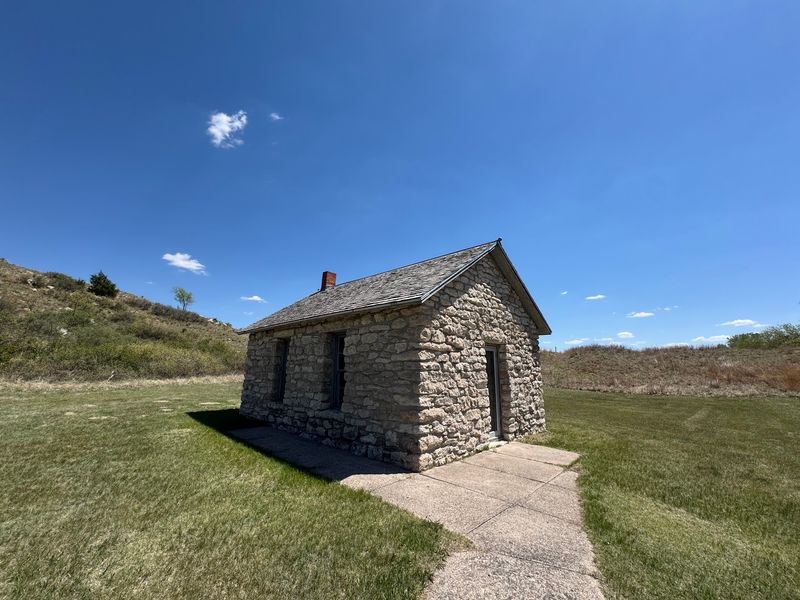
The park offers cave tours, so you can see the shelter that drew people here for so long. Walking trails and a one-room schoolhouse add more to explore.
Lewellen is a remote village of about 200 people in western Nebraska. Plan ahead, since the visitor center typically closes on Tuesdays and Wednesdays.
Restrooms and plenty of parking make the stop easy for families. Pack food, though, because the park doesn’t have a restaurant.
Address: US-26, Lewellen, NE 69147
6. Museum of the Fur Trade
Beaver pelts once moved across the northern Plains like currency. Near Chadron, a museum sits on the site of an 1837 trading post where that exchange played out.
Native nations were the backbone of the fur trade. Their hunting skill, trade routes, and goods made the whole system work long before Nebraska became a state.
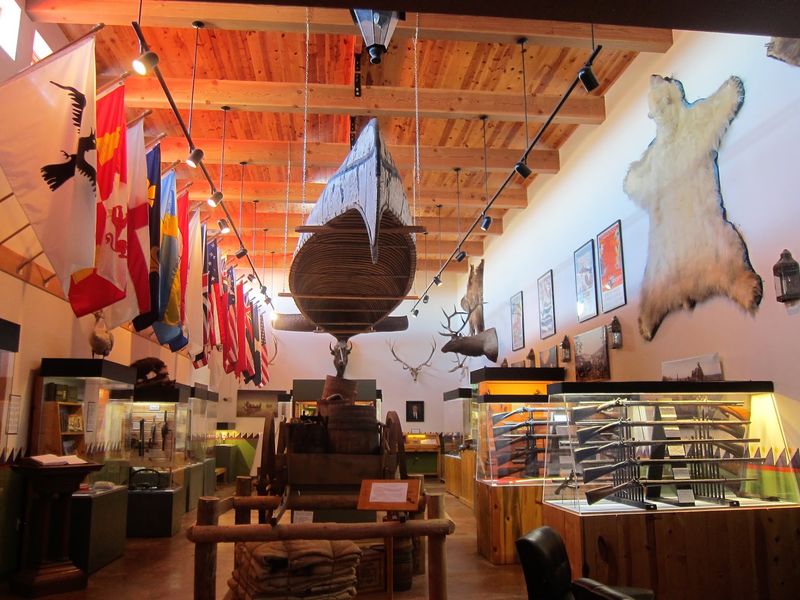
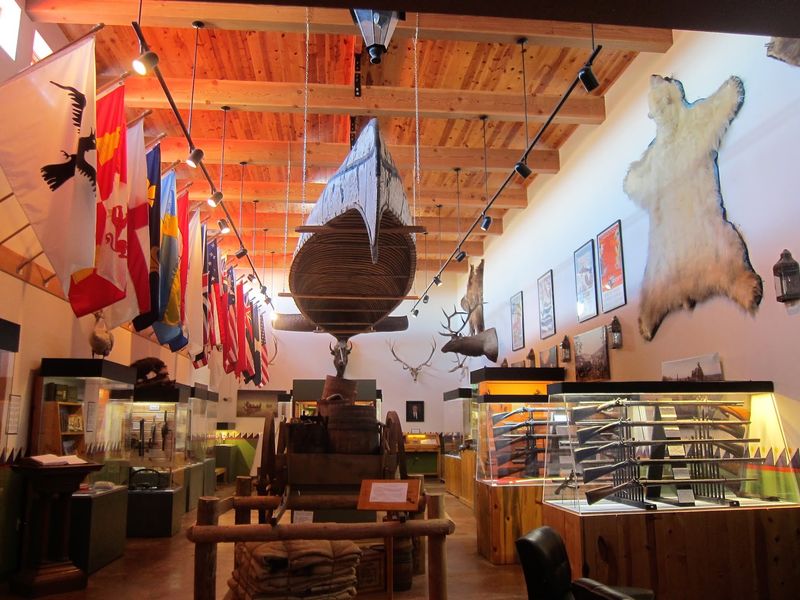
The museum covers the fur trade in North America and around the world. It holds a substantial collection of Native American artifacts alongside a large collection of period firearms.
Exhibits trace Native and settler interactions from the 1700s into the mid-1800s. A short film helps set the scene before you start browsing the cases.
Head outside for the hands-on part. You’ll find tipis, a sod house, and a reconstructed trading post on the grounds.
Chadron is a Panhandle town of about 5,200 people near the Pine Ridge landscape. The museum sits along US-20, so it’s easy to fold into a northwest Nebraska road trip.
A gift shop waits at the end if you want a souvenir. Families tend to find plenty here for curious kids who like seeing real objects up close.
Address: 6321 US-20, Chadron, NE 69337
7. Agate Fossil Beds National Monument
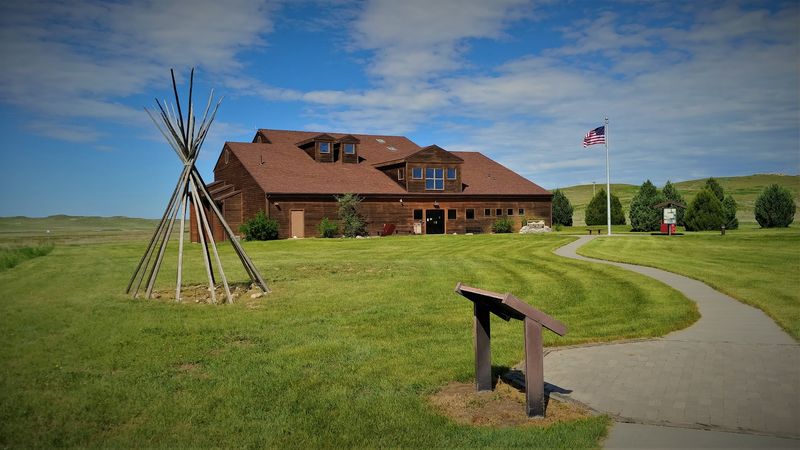
Fossil hunters show up for ancient mammals. Many leave talking about a pair of moccasins instead.
Rancher James Cook owned this land in the late 1800s. He formed a friendship with Oglala Lakota Chief Red Cloud, and Lakota visitors gave Cook gifts over the years.
Those gifts became the James H. Cook Collection, now on display in the visitor center.
It includes Red Cloud’s moccasins and a chief shirt, along with other Lakota and Cheyenne items.
The pieces show stunning skill in beadwork and quillwork from the 19th century. They also tell a story of trust between two men during a tense era on the Plains.
Long before any ranch, this valley served as home and hunting ground for the Lakota and other nations. Walking the trails across the mixed-grass prairie helps you feel that wide-open space.
You’ll also spot fossils, including the strange spiral burrows called Devil’s Corkscrews. Kids usually love those.
Harrison is one of Nebraska’s smallest villages, with fewer than 300 people. The parking lot is free, and the drive itself is part of the adventure.
Address: 301 River Rd, Harrison, NE 69346
8. Indian Cave State Park
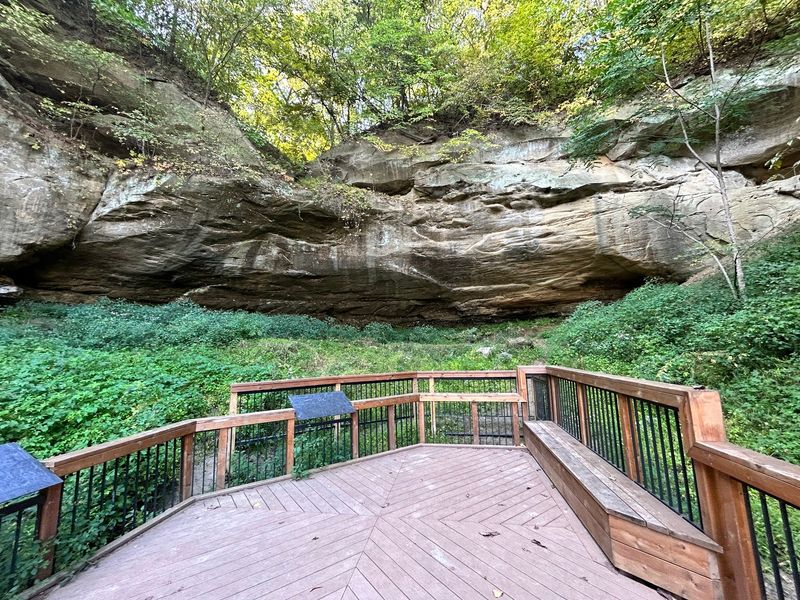
Carvings on a sandstone wall have outlasted roughly 1,500 years of Missouri River weather. They’re among the few known petroglyphs in this part of the country.
The images show human and animal figures cut into the cave by Native people. You view them from an accessible boardwalk with seating and interpretive signs.
That boardwalk also opens onto views of the Missouri River. It’s a fine spot to pause and wonder who stood there first.
The park’s land was ancestral ground for many nations, including the Otoe, Missouria, Omaha, Pawnee, and Ponca. Plenty of others hunted and traveled through as well.
Beyond the cave, you get some of the best hiking on the Missouri River. Rugged, wooded bluffs give the trails real elevation for eastern Nebraska.
Families can camp, picnic, fish, and let kids loose on the playground. Dogs are welcome too, which makes a weekend getaway simple.
Shubert is a tiny Richardson County village of about 150 people. The park stays open around the clock, so sunrise hikes are on the table.
End your trip through Nebraska’s Native past here, where the oldest marks of all still speak from the stone.
Address: 65296 720 Rd, Shubert, NE 68437