10 North Carolina Antique Styles Collectors Are Racing To Find Before 2025 Ends

North Carolina holds a treasure trove of antiques that tell stories of mountain craftsmanship, coastal traditions, and industrial heritage.
Collectors across the state are hunting for specific styles that capture the spirit of generations past, from handmade furniture to folk art pottery.
As the year winds down, certain pieces are becoming harder to find, making them even more valuable to those who appreciate authentic Carolina history.
1. Appalachian Handcrafted Furniture

Mountain craftsmen created furniture that could survive generations, using wood from local forests and techniques passed down through families.
Walnut, cherry, and maple pieces from the 1880s through the 1940s showcase dovetail joints and hand-planed surfaces that machines could never replicate.
Each chair, table, or cabinet carries the personality of its maker, with subtle variations that prove human hands guided every cut.
Collectors appreciate how these pieces fit modern homes while honoring traditional design.
The weight and sturdiness feel different from contemporary furniture, offering a sense of permanence.
Auction houses report increasing competition for authenticated Appalachian pieces, especially those with documented maker history.
Prices tend to climb when provenance links furniture to specific mountain communities or family workshops.
Finding original finishes intact adds significant value, though gentle restoration may be necessary for functional use.
2. Seagrove Pottery From Lesser-Known Artists
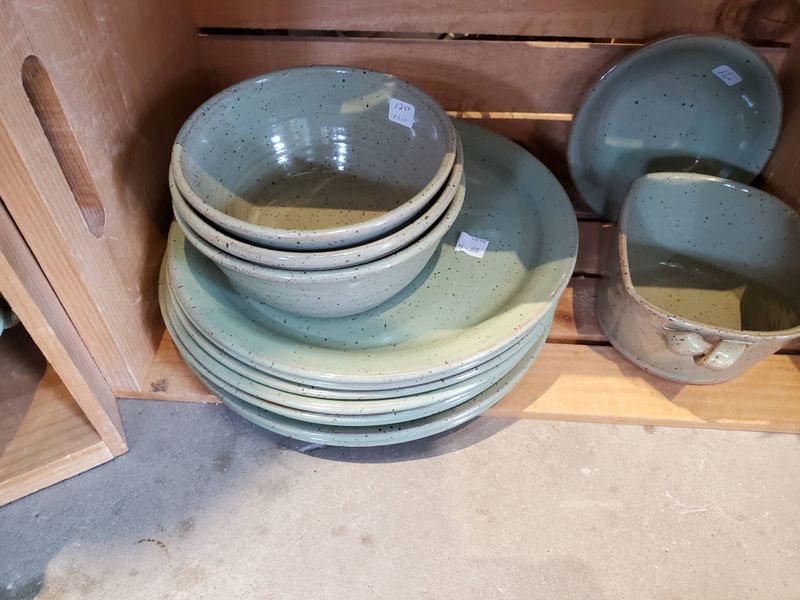
While famous Seagrove potters command top dollar, smaller studios produced equally beautiful work that flew under the radar for decades.
Red clay pieces from 1930 through 1960 reveal the region’s pottery tradition through functional forms and experimental glazes.
Maker’s marks stamped or carved into the bottom provide authentication, though some talented artisans never signed their work consistently.
Collectors visit Seagrove antique shops and estate sales hoping to discover undervalued pieces before others recognize their significance.
The pottery’s practical beauty appeals to those who want to use antiques daily rather than display them untouched.
Chips and cracks lower value significantly, so condition matters when determining fair prices.
Glaze colors and firing techniques varied between studios, creating distinct visual signatures that knowledgeable collectors can identify.
Research into lesser-known potters continues to uncover fascinating stories about rural artisans who supported families through their craft.
3. Textile Mill Memorabilia
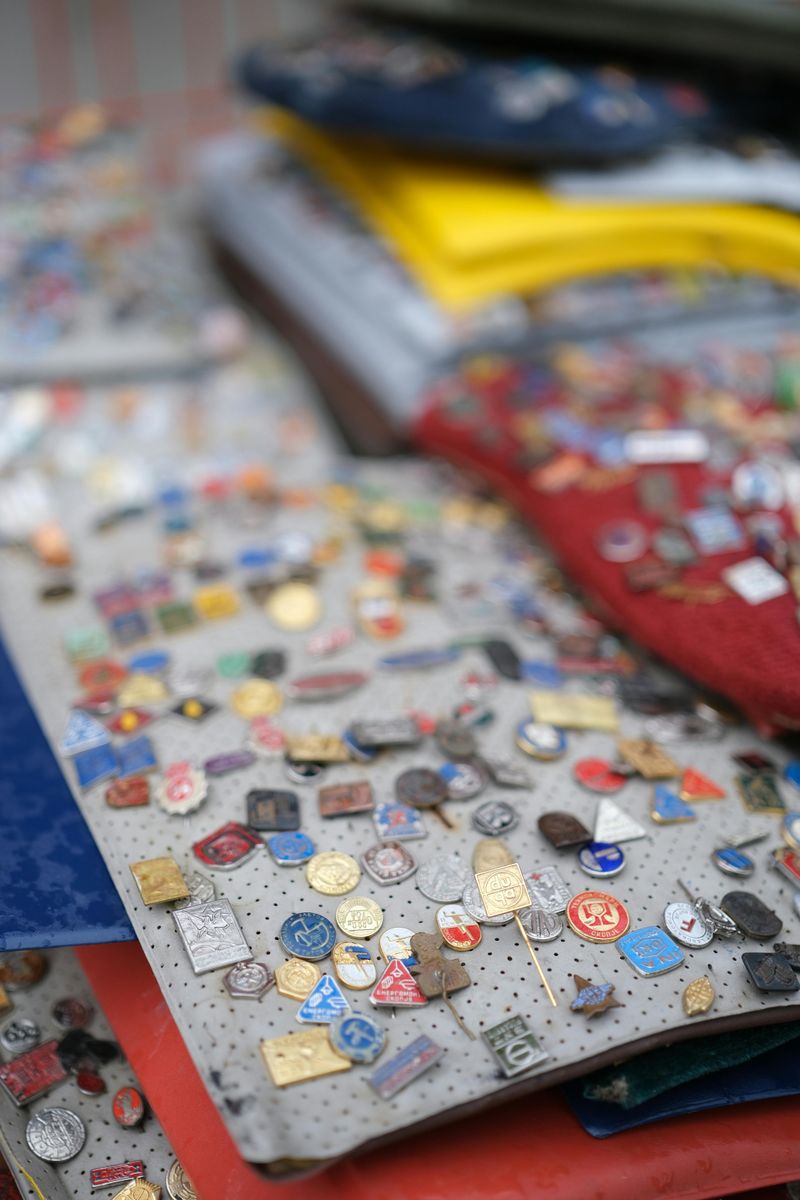
Factory whistles once regulated entire communities, signaling shift changes that structured daily life around mill operations.
Employee badges, company store tokens, and payroll documents preserve memories of North Carolina’s textile industry heyday.
Mills that closed before 1950 left behind artifacts that now document working conditions, company practices, and community structures built around fabric production.
Collectors interested in labor history seek these items to understand how industrial development shaped the state.
Original photographs showing workers at looms or children in mill villages add context that increases memorabilia value.
Some families discover relatives’ employment records or badges in attics, connecting personal history to broader industrial narratives.
Prices remain relatively affordable compared to other antique categories, though rare items from specific mills command premium amounts.
Museums developing textile history exhibits actively acquire these materials, recognizing their importance in telling complete stories about North Carolina’s economic development and social change.
4. Piedmont Tobacco Farming Artifacts
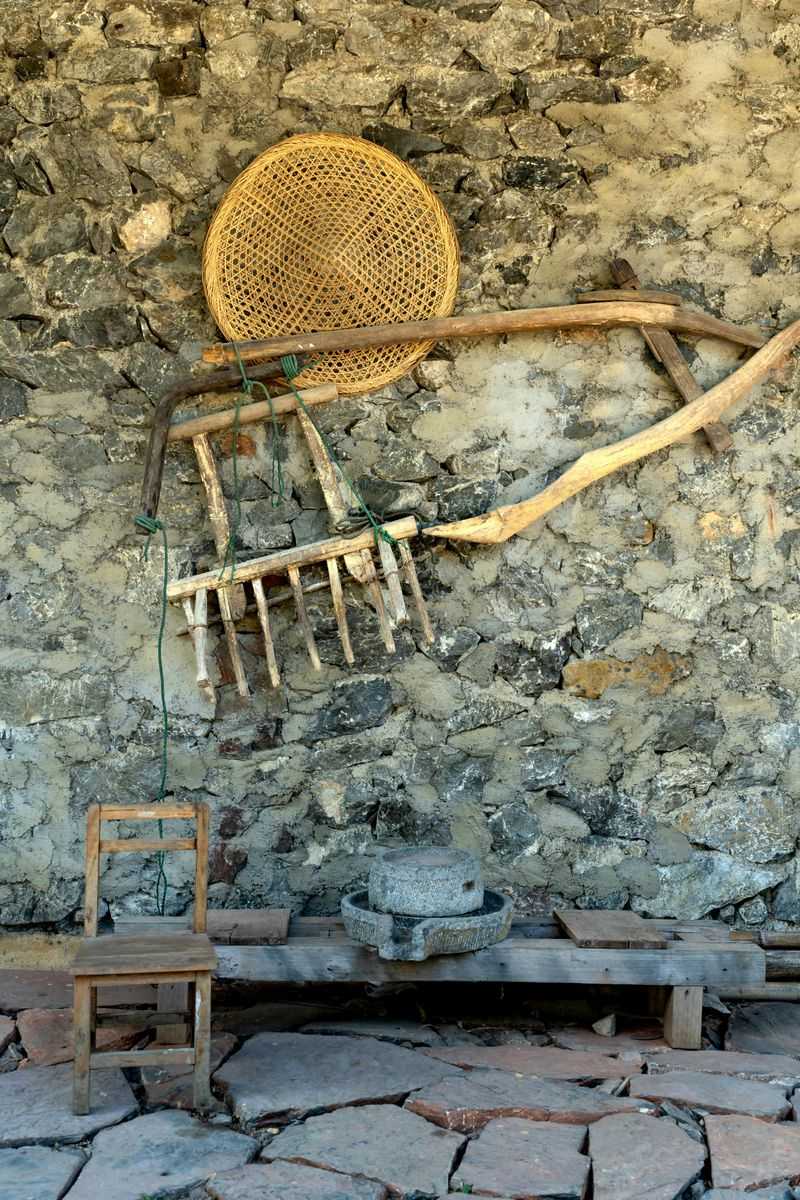
Tobacco baskets woven from oak splits carried crops from field to auction, their construction designed to allow air circulation while protecting delicate leaves.
Auction tags bearing farm names and tobacco grades document the marketing system that connected growers to manufacturers.
Warehouse signs and specialized tools like tobacco knives represent an agricultural tradition that defined the Piedmont region for generations.
Clear provenance matters tremendously – artifacts with documented connections to specific farms or auction houses carry more historical value.
Collectors appreciate items showing honest wear from actual use rather than pristine pieces that may lack authentic history.
Tobacco’s controversial legacy complicates collecting, yet these artifacts preserve important agricultural and economic history worth understanding.
Prices vary based on item type, condition, and documentation quality.
Some collectors focus on specific aspects like basket construction techniques or auction system evolution, building specialized collections that preserve particular knowledge.
5. Moonshine Stills And Prohibition Items
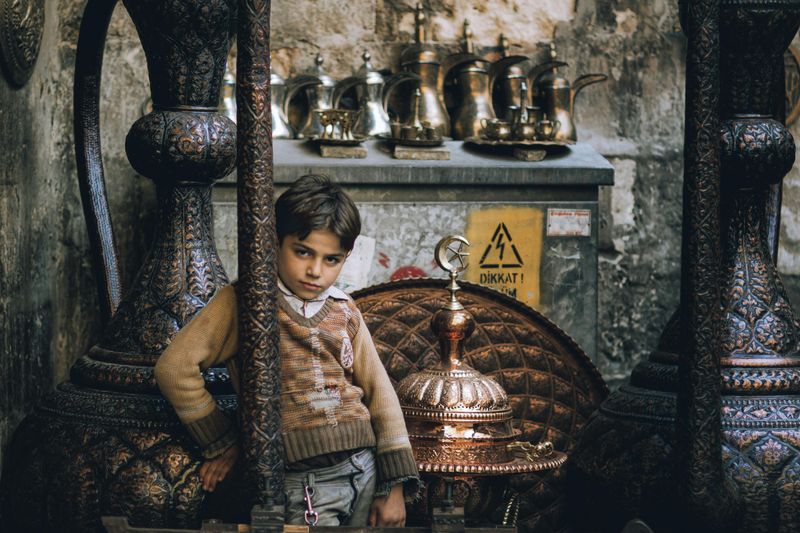
Copper stills hidden in mountain hollows produced illegal spirits that kept families fed during hard times and Prohibition years.
The craftsmanship required to build effective distilling equipment demonstrates ingenuity born from necessity and tradition.
Mash barrels, condensing coils, and jugs bearing period markings tell stories of cat-and-mouse games between moonshiners and revenue agents.
Collectors fascinated by outlaw history seek authentic equipment, though legal considerations complicate ownership in some jurisdictions.
Stills vary in size from small experimental rigs to operations capable of significant production volumes.
Provenance proving equipment’s age and origin increases value substantially, especially when connected to known moonshiners or documented raids.
Museums in mountain regions display stills as part of exhibits exploring economic survival strategies and cultural resistance to government regulation.
Reproductions and decorative pieces flood the market, so authentication requires examining construction methods, copper patina, and wear patterns consistent with actual use.
6. Mid-Century Newspaper Tubes
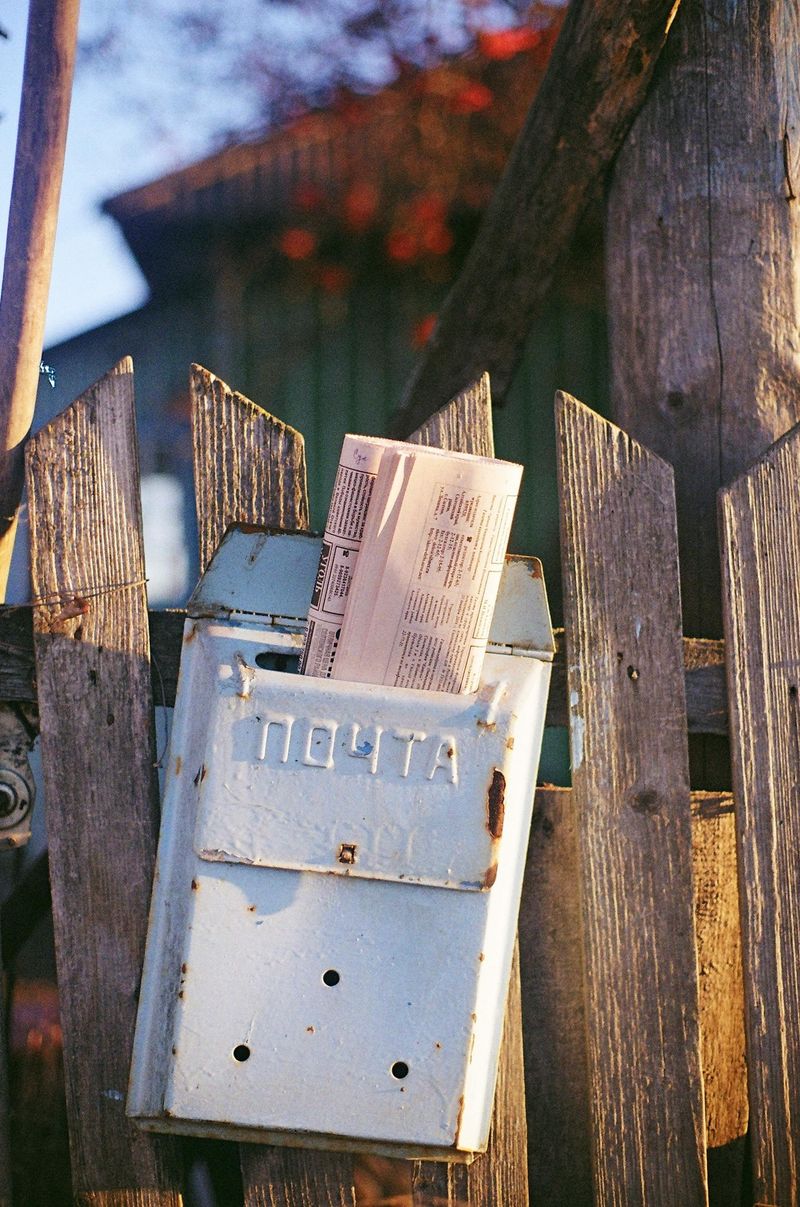
Metal tubes affixed beneath mailboxes protected newspapers from weather while carriers made their rounds through neighborhoods.
Mid-century designs varied by manufacturer, with some featuring decorative elements or advertising from local papers.
Values between seventy-five and two hundred fifty dollars reflect condition, age, and any unique markings or designs.
Older tubes showing honest wear but intact structure appeal most to collectors building displays of everyday objects from past decades.
Some enthusiasts restore tubes to working condition for actual newspaper storage, while others appreciate them as sculpture representing changing media consumption.
Well-preserved examples with original paint or unusual designs fetch higher prices at antique markets.
The shift to digital news makes these physical delivery artifacts increasingly nostalgic.
Collectors sometimes focus on tubes from specific newspaper companies or geographic regions, creating themed collections.
Rural routes used different tube styles than suburban installations, adding variety to what might seem like mundane objects at first glance.
7. Navajo Saddle Blankets
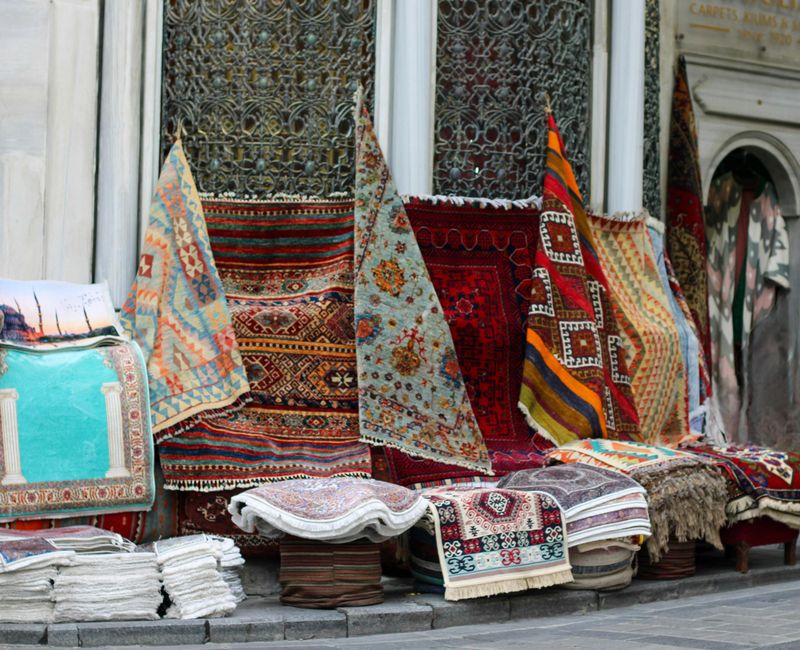
Handwoven saddle blankets from the 1890s through 1930s showcase Navajo weaving traditions that produced both functional gear and artistic expression.
Values ranging from five hundred to five thousand dollars reflect size, condition, pattern complexity, and dye authenticity.
Diagonal lazy lines visible in the weave indicate hand production rather than machine manufacturing, providing key authentication evidence.
While associated with Southwest regions, these blankets traveled with ranchers and horse traders throughout North Carolina’s equestrian communities.
Collectors appreciate the geometric patterns and natural dye colors that have aged beautifully over decades.
Proper storage and display preserve fragile textiles that deteriorate when exposed to harsh light or humidity.
Appraisers examine weaving tightness, wool quality, and pattern execution when determining value.
Museums feature exceptional examples in exhibits exploring Native American art and Western equipment evolution.
Owning authentic pieces requires research to avoid reproductions and understand ethical collecting practices regarding Native American cultural items.
8. Arcade Jockey Racers

Carved wooden jockeys once raced across arcade game boards, their hand-painted silks faded now but still bright with early twentieth-century optimism.
Derby racing games entertained fairgoers and arcade visitors with mechanical simplicity that required no electricity – just clever engineering and painted wood.
Values between one hundred twenty and one thousand dollars depend on carving quality, paint condition, and completeness of sets.
Folk art collectors appreciate these pieces as sculpture even when separated from original game mechanisms.
Each jockey shows individual character through carving details and color choices that reflect their maker’s artistic decisions.
Complete game boards with all original pieces command premium prices, though single jockeys find homes in collections focused on carnival memorabilia or painted wood folk art.
North Carolina’s agricultural fairs once featured these games, connecting them to state entertainment history.
Restoration debates divide collectors – some prefer original paint despite wear, while others accept careful touching-up to preserve designs from disappearing entirely.
9. Traditional Face Jugs
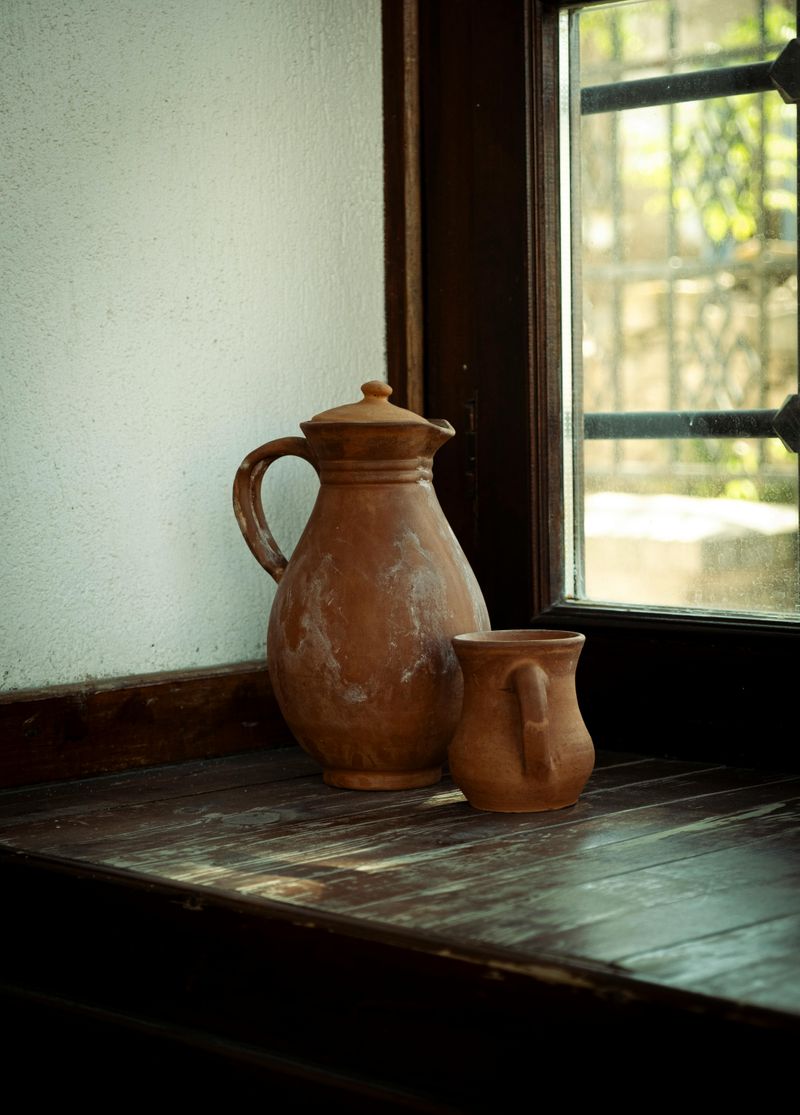
Face jugs emerged from Southern pottery traditions, combining practical storage with whimsical or sometimes haunting facial features.
Early 1800s examples showcase incredible creativity, with each face expressing different emotions through clay and glaze.
Corn-cob stoppers and furtive glances add personality that makes these pieces instantly recognizable as folk art treasures.
The tradition may have African roots, carried forward by enslaved potters who infused functional objects with artistic expression.
Collectors debate the meanings behind various facial expressions and design elements, though definitive answers remain elusive.
Authentic early face jugs rarely appear on the market, and prices reflect their scarcity.
Reproductions exist, so buyers need to examine clay composition, wear patterns, and construction methods carefully.
Museums feature face jugs in exhibits exploring American folk art and Southern cultural history.
Owning an authentic example connects collectors to artistic traditions that persisted despite difficult circumstances.
10. Cherokee Crafts Pre-1950
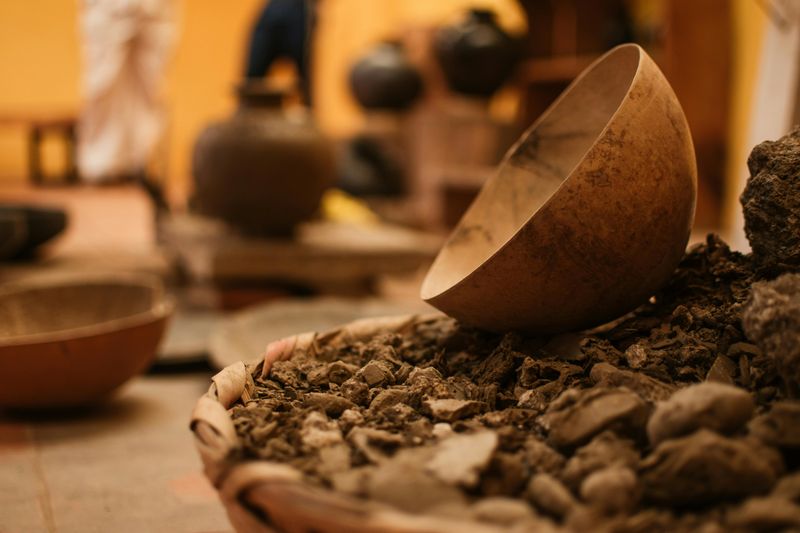
Rivercane baskets woven by Cherokee artisans represent centuries of knowledge about plant materials and pattern-making techniques.
Authentic pieces from before 1950 display tight weaving and natural dye colors that have mellowed beautifully over decades.
Pottery shaped by hand and carved wooden masks demonstrate cultural traditions that connect today’s collectors with North Carolina’s original inhabitants.
Museums and private collectors seek items with clear documentation of Cherokee origin and age.
The materials themselves tell part of the story – rivercane grows in specific regions, and traditional pottery clay comes from known sources.
Ethical collecting requires verification that pieces were acquired properly, respecting both cultural heritage and legal guidelines.
Prices vary widely based on size, condition, and artistic complexity.
Some collectors focus on specific basket patterns or pottery styles, building specialized collections that preserve particular aspects of Cherokee artistic tradition.