16 California Coastal Towns Locals Say Have Shifted Away From Their Easygoing Beach Roots
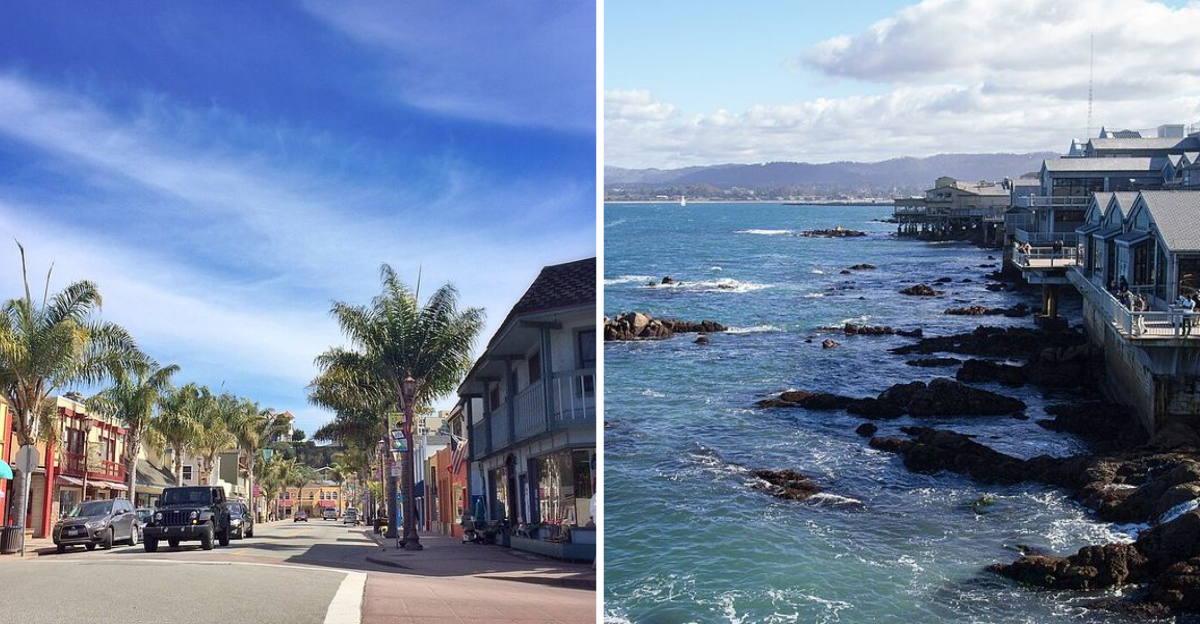
California’s coastline used to be filled with small beach towns where everyone knew each other and life moved at a slower pace.
Over the years, many of these communities have changed in ways that make longtime residents feel like strangers in their own hometowns.
Rising prices, vacation rentals, and new crowds have transformed the relaxed vibe that once defined these special places.
1. Cayucos
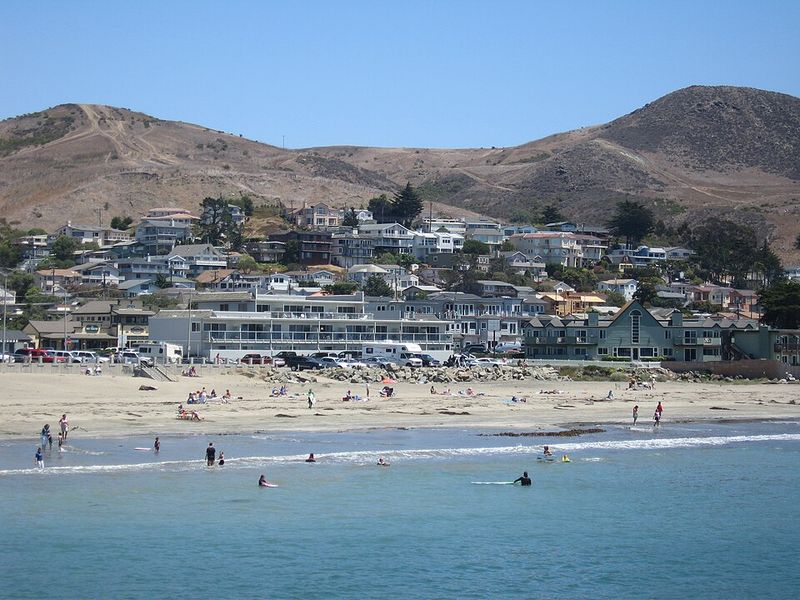
Something felt different when I visited this central coast gem recently.
Cayucos sits along Highway 1 in San Luis Obispo County at 10 Cayucos Drive, Cayucos, CA 93430.
Around 2,500 people still call this place home, but many houses sit empty most of the year.
Short-term rentals have taken over entire blocks.
Property prices have climbed so high that families who lived here for generations can barely afford to stay.
The old community spirit has faded as neighbors become temporary tourists.
Local shops struggle because fewer year-round residents walk the streets.
Empty vacation homes line the beach where kids once played together daily.
Many locals feel their town has become a weekend getaway rather than a true community.
2. Stinson Beach
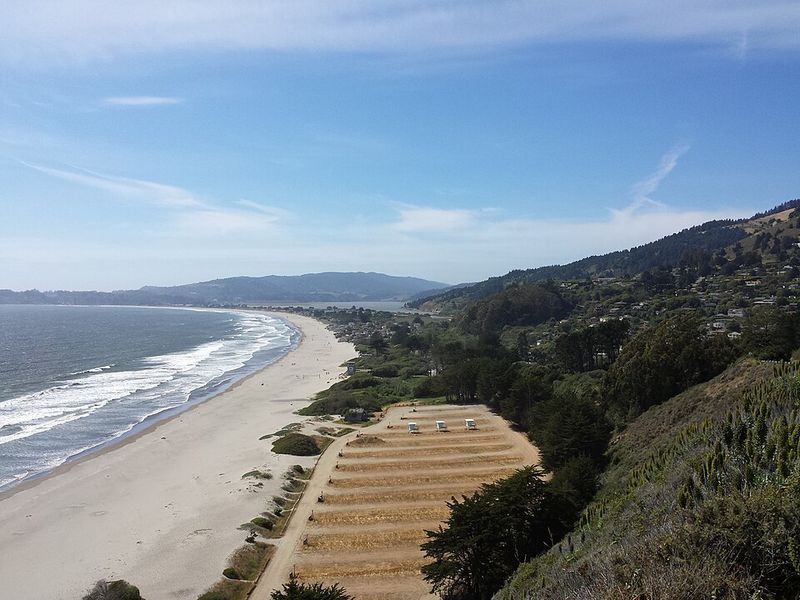
Population numbers tell a shocking story here.
Stinson Beach is located in Marin County at 3605 Shoreline Highway, Stinson Beach, CA 94970.
Between 2016 and 2022, this community lost 38% of its residents, dropping to just 371 people.
What really stands out is that in 2022, not a single child under 15 lived here.
Schools closed and playgrounds emptied as families moved away.
Short-term rentals replaced permanent homes, turning neighborhoods into hotel zones.
The local grocery store sees more tourists than familiar faces now.
Weekend crowds flood in, then disappear by Monday morning.
Longtime residents remember when children rode bikes down every street and neighbors gathered for potlucks regularly.
3. Bolinas
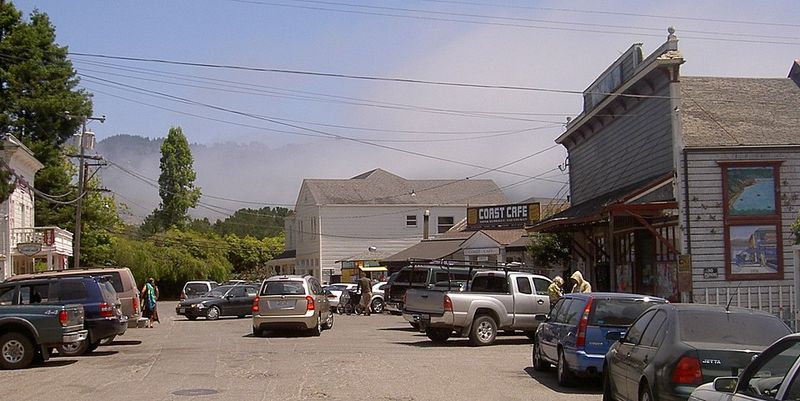
This town famously removed its road signs to keep visitors away.
Bolinas sits in western Marin County at 100 Wharf Road, Bolinas, CA 94924.
For decades, residents fought to preserve their isolated, quirky character.
Now even locals worry they’re losing that battle.
Vacation rentals have spread through town despite the community’s resistance to change.
What used to feel like a cozy hometown now resembles a vacation rental suburb.
Artists and fishermen who built this community can’t afford the skyrocketing rents anymore.
The unique spirit that made Bolinas special is slipping away.
Newcomers arrive for Instagram photos rather than community connection.
Old-timers miss the days when everyone pitched in during storms and shared their catches.
4. Capistrano Beach
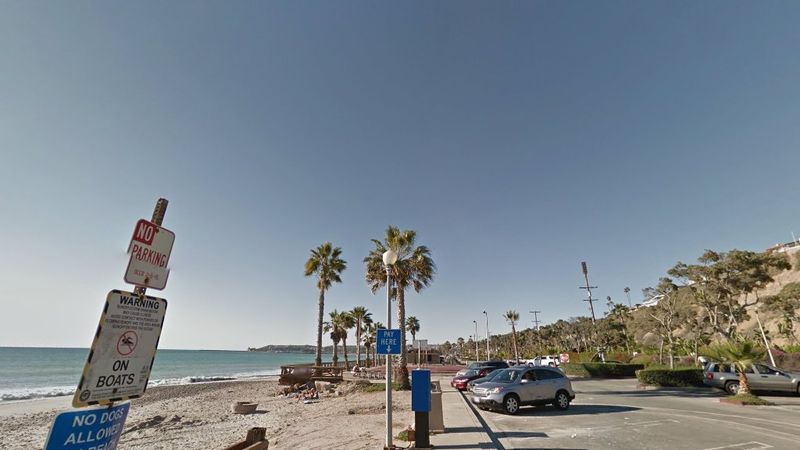
Recent storms revealed how much this neighborhood has changed.
Capistrano Beach is part of Dana Point at 35005 Beach Road, Dana Point, CA 92624.
Development started way back in 1925, and transformation has continued ever since.
The old Capistrano Beach Club and pier were built, then torn down over the years.
Natural forces and human development keep reshaping the coastline.
Storm erosion recently caused a boardwalk to collapse and destroyed an outdoor basketball court.
Rising sea levels threaten more damage every winter.
Longtime residents remember when the beach felt stable and permanent.
Now everyone wonders what will disappear next.
The easygoing beach culture has been replaced by constant worry about property values and climate impacts.
5. Lunada Bay
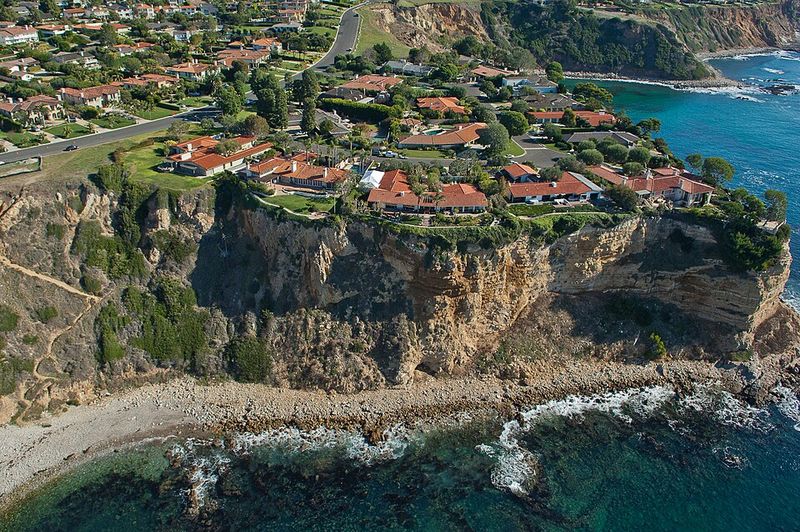
Aggressive territorial behavior ruined the welcoming vibe here.
Lunada Bay sits in Palos Verdes Estates at 375 Paseo Del Mar, Palos Verdes Estates, CA 90274.
A group called the Lunada Bay Boys gained notoriety for hostile localism.
These surfers intimidated outsiders, sometimes violently, to keep waves for themselves.
Their territorial actions contradicted everything beach culture should represent.
Lawsuits and media attention eventually exposed their behavior.
The open, friendly atmosphere that once defined California surfing disappeared here.
Public access became a battleground instead of a shared resource.
New visitors feel unwelcome rather than embraced by the community.
Many remember when surfers shared waves and helped beginners learn, but those days seem gone from this exclusive enclave.
6. Laguna Beach
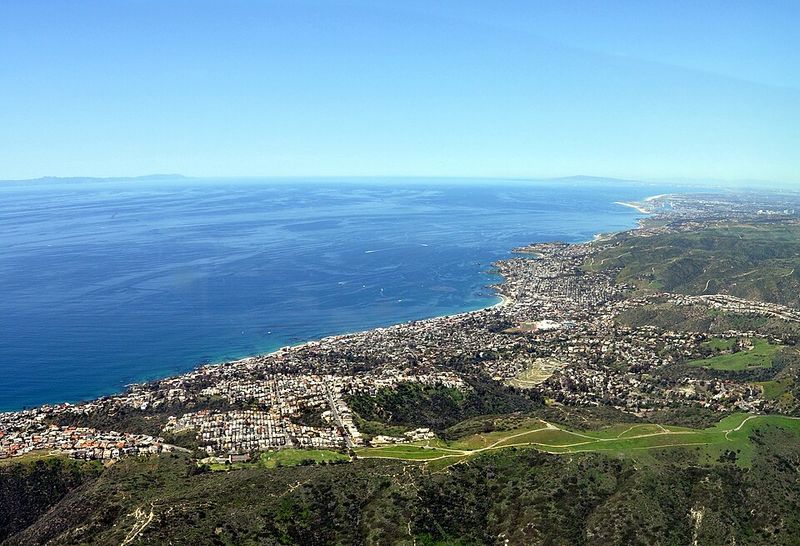
Art galleries and million-dollar homes replaced the bohemian artist colony.
Laguna Beach stretches along the Orange County coast at 505 Forest Avenue, Laguna Beach, CA 92651.
Painters and sculptors once lived in simple cottages here, creating art inspired by the ocean.
Now luxury developments and high-end boutiques dominate downtown streets.
Working artists can’t afford rent in the town they helped make famous.
Summer crowds pack the beaches so tightly you can barely find sand.
Parking costs more than many locals used to pay for monthly rent.
The relaxed creative spirit has been replaced by wealth and exclusivity.
Old-timers talk about sunset drum circles and spontaneous beach parties that would never happen in today’s polished version.
7. Malibu
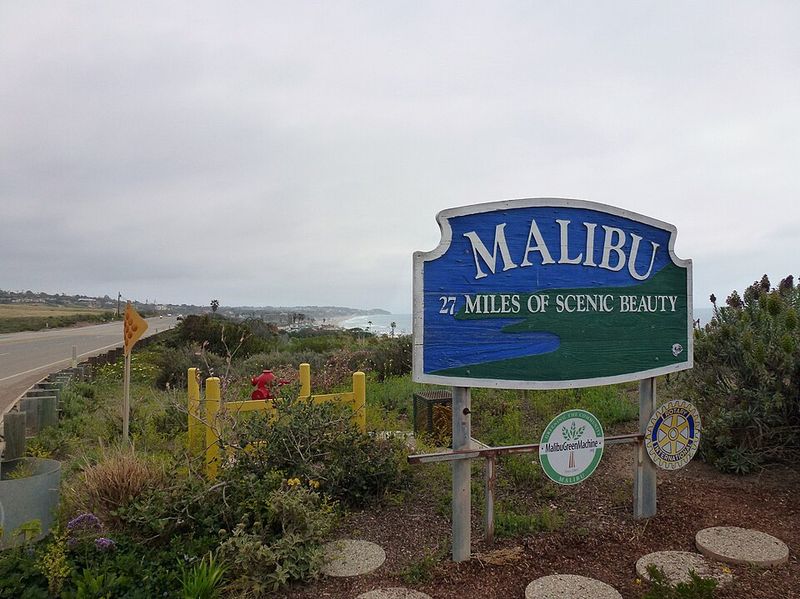
Celebrity mansions and beach access battles define this coast now.
Malibu runs along Pacific Coast Highway in Los Angeles County at 23825 Stuart Ranch Road, Malibu, CA 90265.
Surfers and beach bums once camped freely along this stretch of sand.
Today, private gates and security guards block public access to many beaches.
Homeowners worth millions fight to keep people off the sand below their properties.
Traffic jams stretch for miles every weekend as visitors hunt for parking.
The laid-back surf culture has been buried under wealth and exclusivity.
Local surfers remember when anyone could paddle out without facing hostility.
Now even finding a legal path to the water requires research and determination.
The transformation feels complete and irreversible.
8. Carmel-by-the-Sea
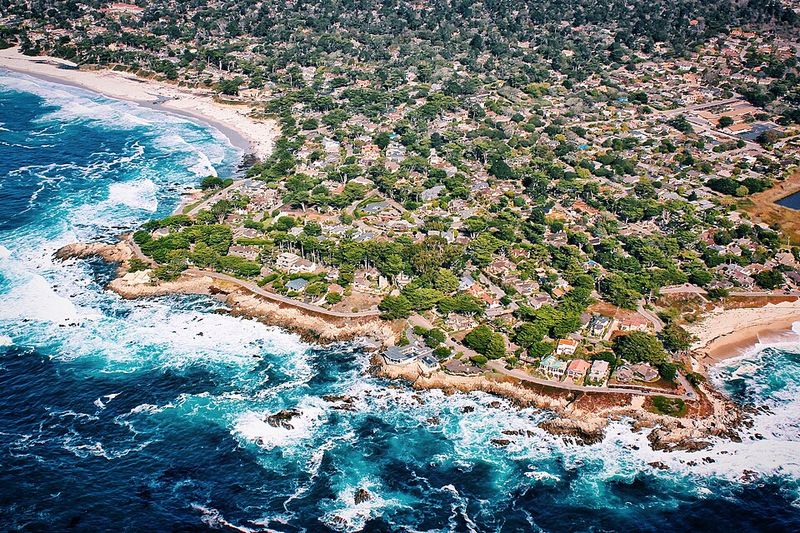
Fairy-tale cottages now cost several million dollars each.
Carmel-by-the-Sea sits on the Monterey Peninsula at Monte Verde Street and Ocean Avenue, Carmel-by-the-Sea, CA 93921.
Artists and writers founded this village seeking affordable beauty and inspiration.
Today, only the wealthy can afford to live in these storybook homes.
High-end galleries and designer boutiques replaced the quirky local shops.
Tour buses unload thousands of visitors daily who snap photos and leave.
The creative community that built this town has been priced out completely.
Locals remember when poets gathered in coffee shops and musicians played for tips on corners.
Now everything feels curated for tourists with deep pockets.
The authentic artistic soul has been replaced by commercial perfection.
9. Santa Barbara
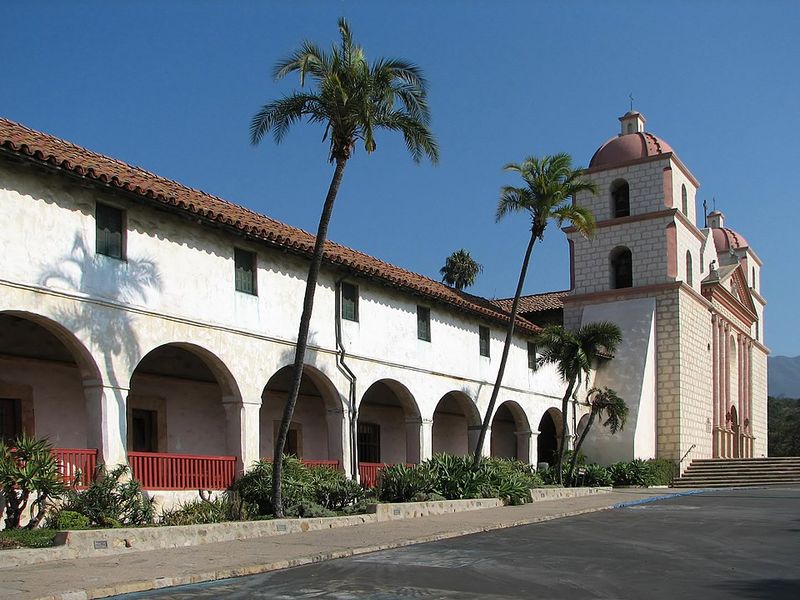
Working families can’t survive in this coastal paradise anymore.
Santa Barbara spreads along the central coast at 1 State Street, Santa Barbara, CA 93101.
Teachers, firefighters, and service workers once lived alongside wealthy residents here.
Now housing costs have pushed most working people to inland communities an hour away.
The economic diversity that created a real community has vanished.
Beaches fill with visitors from Los Angeles while locals work multiple jobs to afford rent.
The easygoing vibe disappeared when everyone became stressed about money.
Downtown feels more like an outdoor mall than a community gathering place.
Old residents talk about block parties and neighborhood barbecues that don’t happen anymore.
The town has become beautiful but hollow, lacking the authentic connections that once thrived here.
10. Half Moon Bay
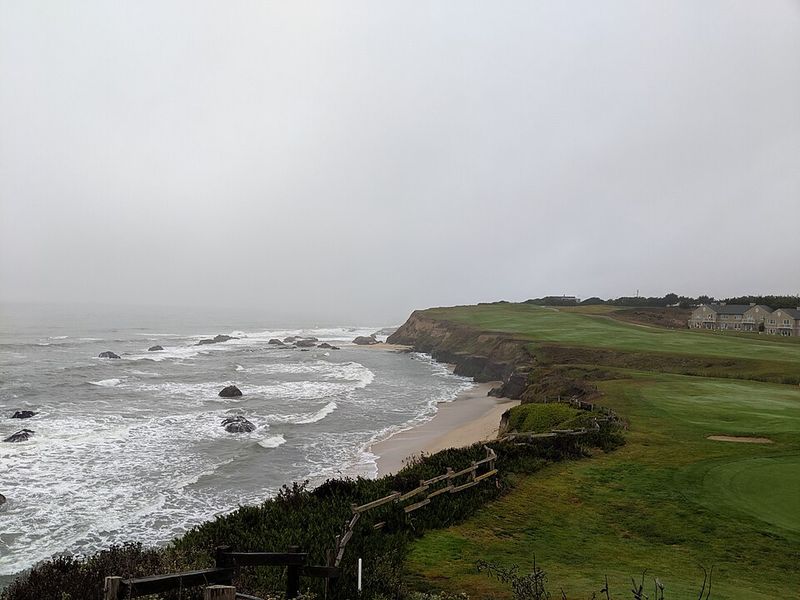
Tech money from Silicon Valley transformed this farming community.
Half Moon Bay sits on the San Mateo County coast at 501 Main Street, Half Moon Bay, CA 94019.
Fishing families and pumpkin farmers built this town over generations.
Now tech workers commute from here, driving up home prices beyond what locals can pay.
The annual pumpkin festival attracts massive crowds that overwhelm the small downtown.
Commercial fishing operations struggle as wealthy newcomers complain about boat noise and smells.
Agricultural land gets sold for housing developments aimed at commuters.
The working-class beach culture has been replaced by wine bars and upscale restaurants.
Longtime residents feel like outsiders as their town becomes a bedroom community for San Francisco wealth.
11. Capitola
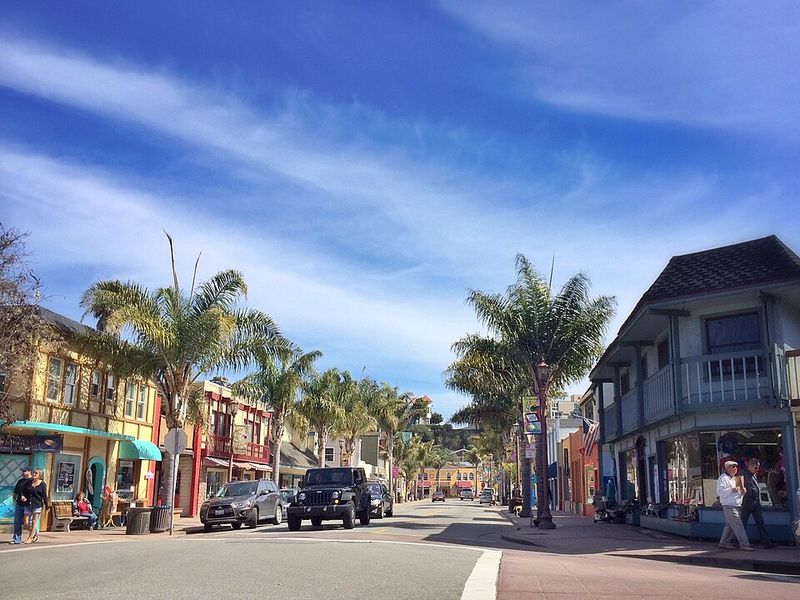
Colorful beach cottages became expensive vacation rentals almost overnight.
Capitola sits in Santa Cruz County at 420 Capitola Avenue, Capitola, CA 95010.
Families spent entire summers in the tiny cottages that line the beach here.
Now those same cottages rent for thousands per week to tourists.
Year-round residents have been replaced by a rotating cast of vacationers.
The village atmosphere disappeared as neighbors stopped knowing each other.
Local kids can’t afford to live in the town where they grew up.
Summer crowds make it impossible for residents to enjoy their own beach.
What used to feel like a secret hideaway now appears in every California travel guide.
Old-timers miss the quiet winters when the community came together without tourist distractions.
12. Pismo Beach
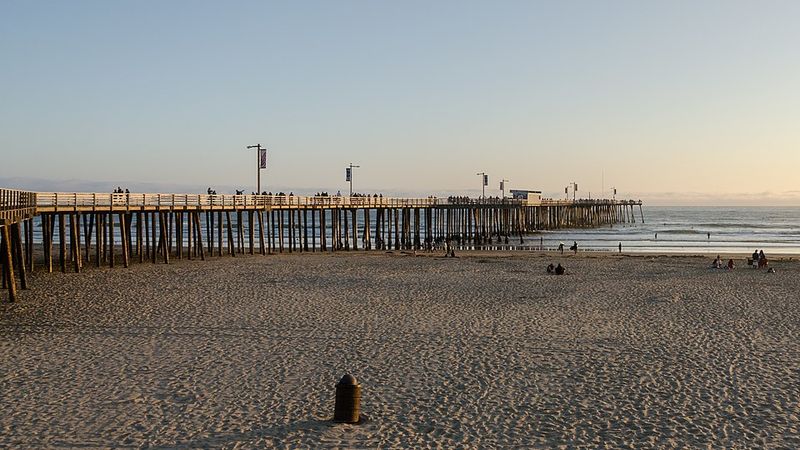
Clam digging and beach camping gave way to hotels and chain restaurants.
Pismo Beach sits on the central coast at 760 Mattie Road, Pismo Beach, CA 93449. Families once drove right onto the sand and camped for weeks at a time.
Now regulations and development have changed the entire experience.
The famous clam population crashed, ending a tradition that defined this town.
Hotels replaced small motels, and corporate chains pushed out local diners.
The funky beach town feel has been polished into generic coastal tourism.
Longtime visitors remember bonfires, guitar music, and strangers becoming friends on the beach.
Today feels more controlled and commercial.
The spontaneous, carefree spirit that made Pismo special has been regulated and developed away.
13. Avila Beach
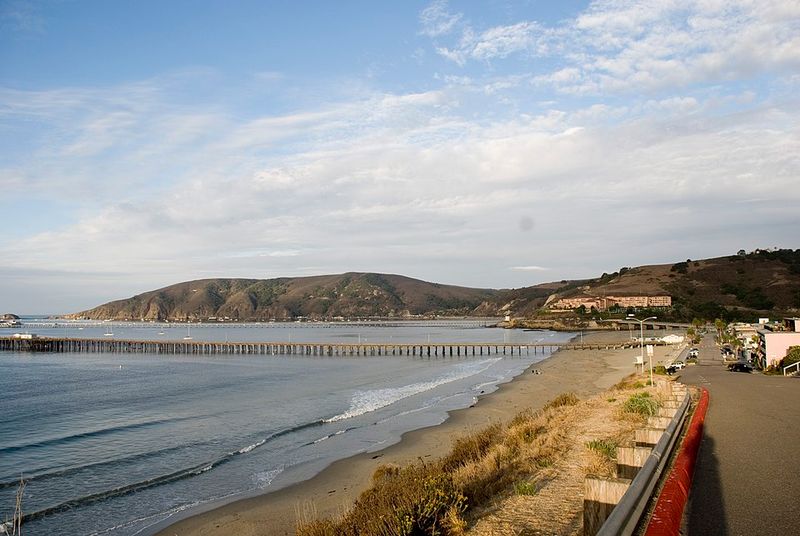
Environmental cleanup led to a complete rebuild that changed everything.
Avila Beach sits in San Luis Obispo County at 101 San Miguel Street, Avila Beach, CA 93424.
Oil contamination forced the town to tear down most buildings in the 1990s.
The reconstruction created a sanitized version that lacks the old character.
What rose from the cleanup looks more like a planned development than an organic beach town.
The quirky dive bars and weathered buildings that gave Avila personality are gone forever.
New construction brought higher prices and a more upscale crowd.
Old photos show a scrappy, authentic beach community that no longer exists.
The rebuilt town serves tourists well but doesn’t feel like home to longtime residents.
Progress erased the imperfect charm that made this place special.
14. Monterey
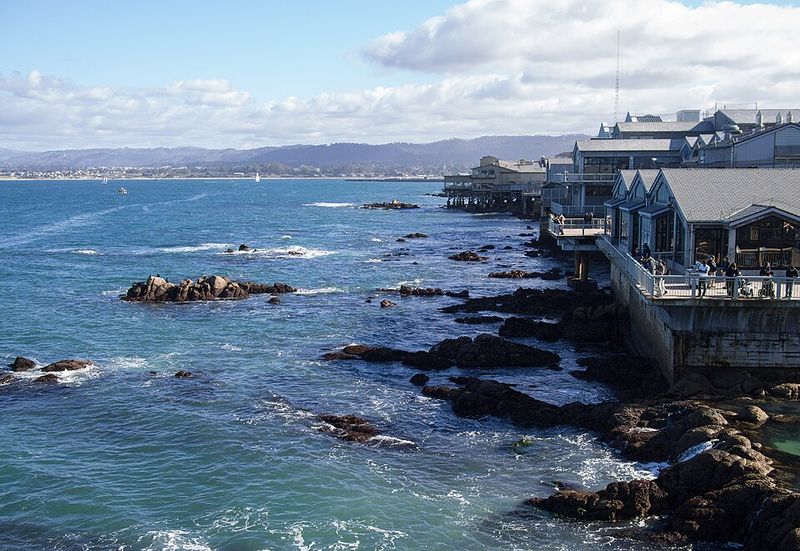
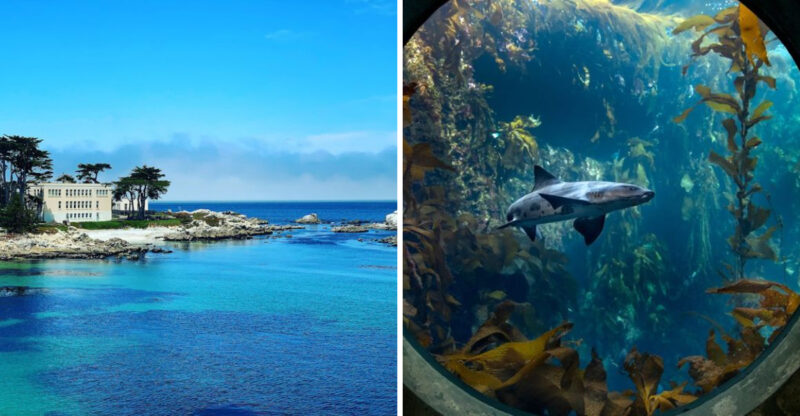
Cannery Row transformed from working waterfront to tourist attraction.
Monterey sits on the central coast at 443 Pacific Street, Monterey, CA 93940.
John Steinbeck wrote about the sardine canneries and rough-edged workers who defined this place.
Now those same buildings house t-shirt shops and chain restaurants.
The fishing industry that built this city has shrunk to almost nothing.
The famous aquarium brought tourism that changed the town’s entire identity.
Working-class neighborhoods became too expensive for the service workers who keep tourism running.
Locals remember when fishing boats outnumbered tourist boats in the harbor.
The authentic maritime culture has been replaced by a theme park version of itself.
Old Monterey exists only in books and memories now.
15. Ventura
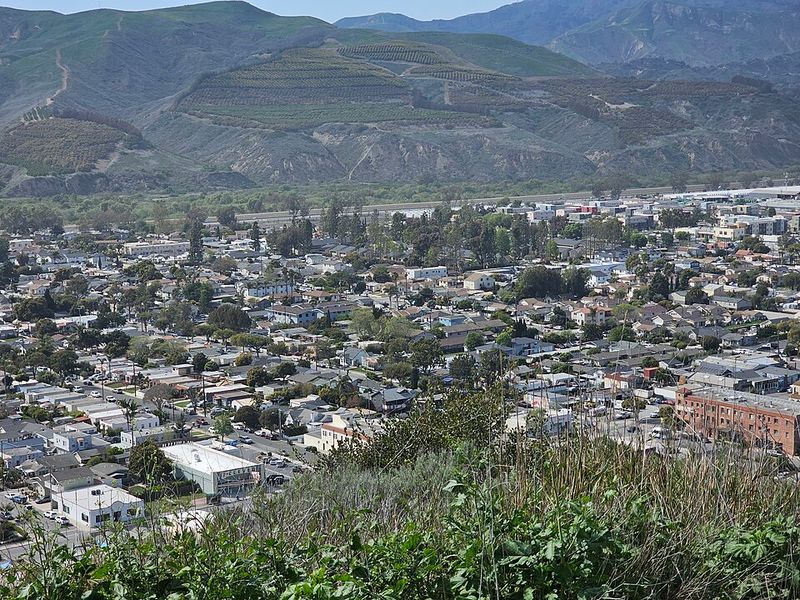
Urban sprawl crept down from Los Angeles and changed everything.
Ventura stretches along the coast in Ventura County at 501 Poli Street, Ventura, CA 93001.
This used to be a separate community with its own identity and slower pace.
Now it feels like an extension of Los Angeles County’s endless development.
Traffic increased, housing prices soared, and the small-town feeling disappeared.
Surf culture still exists but competes with commuter culture for dominance.
Local businesses struggle against chains that can afford higher rents.
The agricultural land that once surrounded town became housing tracts and shopping centers.
Old residents remember driving to the beach through orange groves instead of subdivisions.
The transformation happened gradually but completely, leaving little of the original character intact.
16. San Clemente
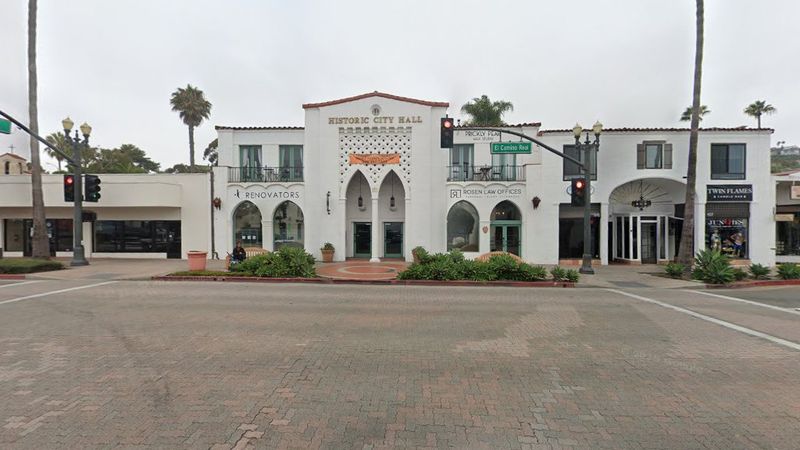
The Spanish village atmosphere couldn’t survive Orange County’s growth.
San Clemente sits in southern Orange County at 910 Calle Negocio, San Clemente, CA 92673.
Founder Ole Hanson envisioned a Mediterranean-style village by the sea.
That vision held for decades until regional growth caught up.
Housing developments filled every available space, bringing traffic and crowds.
The relaxed surf town vibe has been diluted by commuters and tourism.
Local surf spots became battlegrounds as population density increased.
Families who lived here for generations can’t afford current housing prices.
The downtown maintains its architectural style but feels more like a movie set than a real community.
Old-timers remember when everyone knew each other and life moved at beach pace, not freeway speed.