11 Pennsylvania Foods Named After Obscure Towns – How Many Have You Tried?
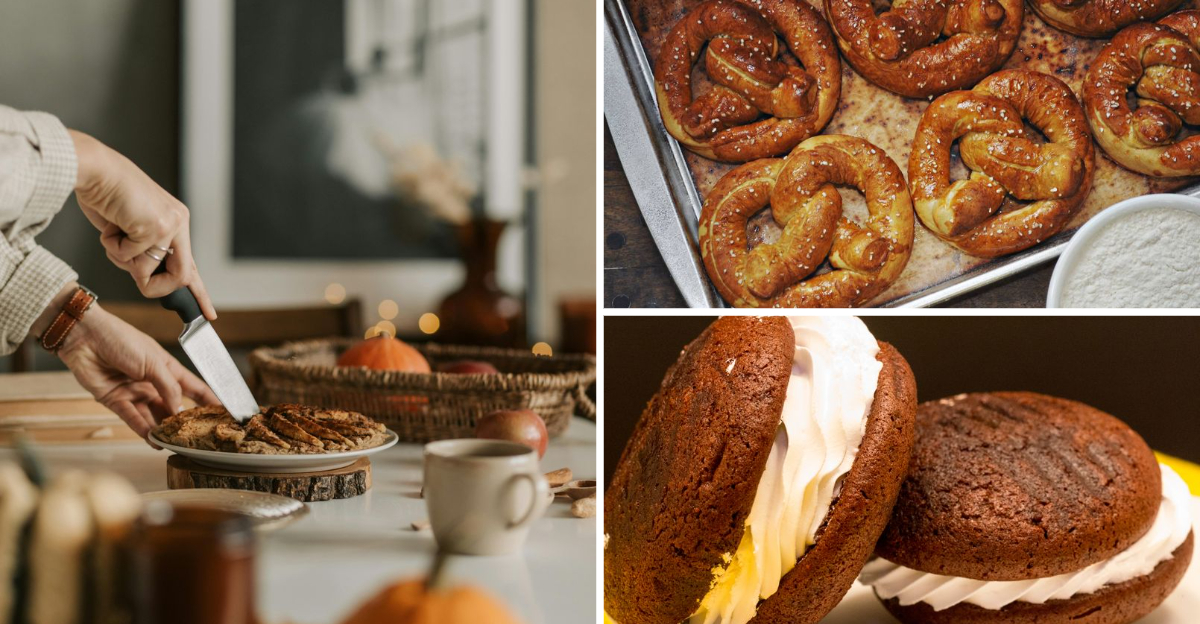
Pennsylvania’s food scene holds more secrets than most people realize, tucked away in small towns that gave their names to iconic dishes.
From smoky meats to fried dough balls, these culinary creations tell stories of immigration, tradition, and local pride that have lasted generations.
Many of these foods remain hidden gems, known mostly to locals and food enthusiasts who hunt for authentic regional flavors.
Testing your Pennsylvania food knowledge means exploring corners of the state where recipes haven’t changed in over a century.
1. Lebanon Bologna
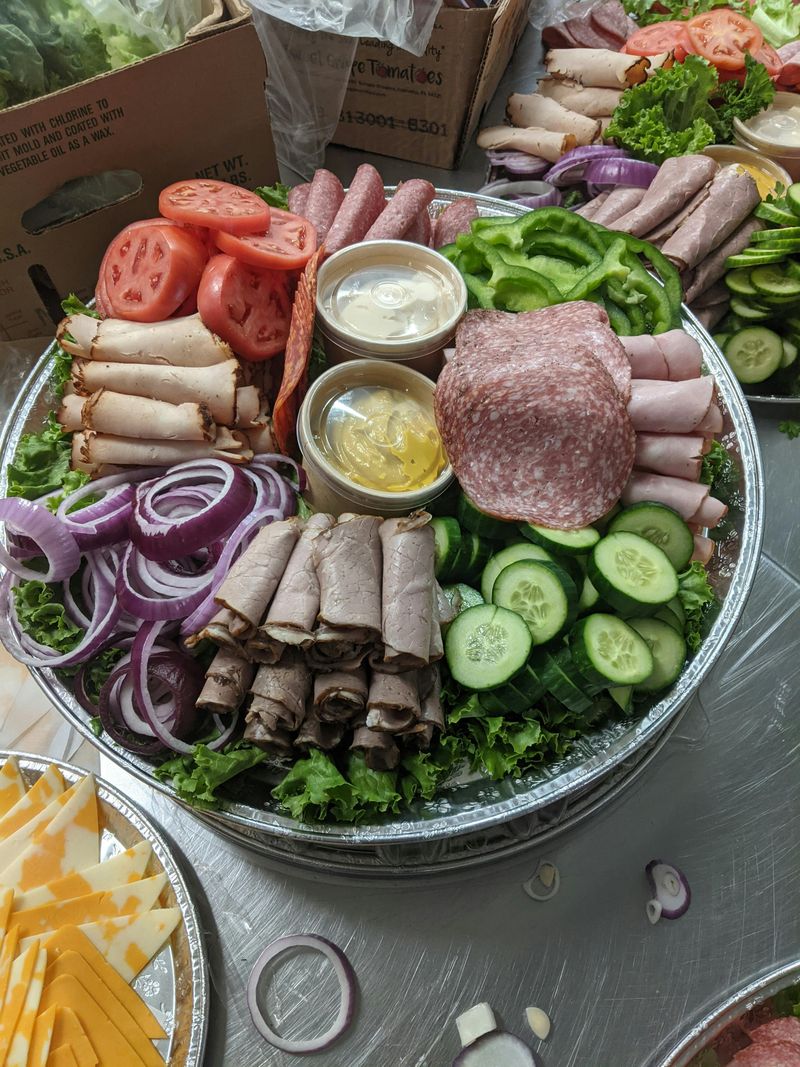
Lebanon County’s signature smoked sausage has been perfecting its craft since the 1800s, when Pennsylvania Dutch settlers brought their meat-curing traditions to the rolling farmlands.
The beef gets a distinctive tang from a sweet-and-sour brine before spending days in smokehouses filled with hardwood smoke.
What emerges is a dark, almost mahogany-colored meat with a flavor profile that sits somewhere between salami and pastrami, but with its own unmistakable character.
Locals slice it thin for sandwiches, cube it for cheese platters, or roll it with cream cheese for quick appetizers that disappear at potlucks.
Seltzer’s Smokehouse Meats, located at 209 N Railroad St, Palmyra, PA 17078, still uses traditional recipes passed down through generations of the same family.
The shop offers tours where visitors can watch the smoking process and sample different varieties before taking home vacuum-sealed packages.
Grocery stores across Pennsylvania stock Lebanon bologna, but nothing compares to buying it fresh from the source where the smokehouses still perfume the air.
2. Old Forge Pizza
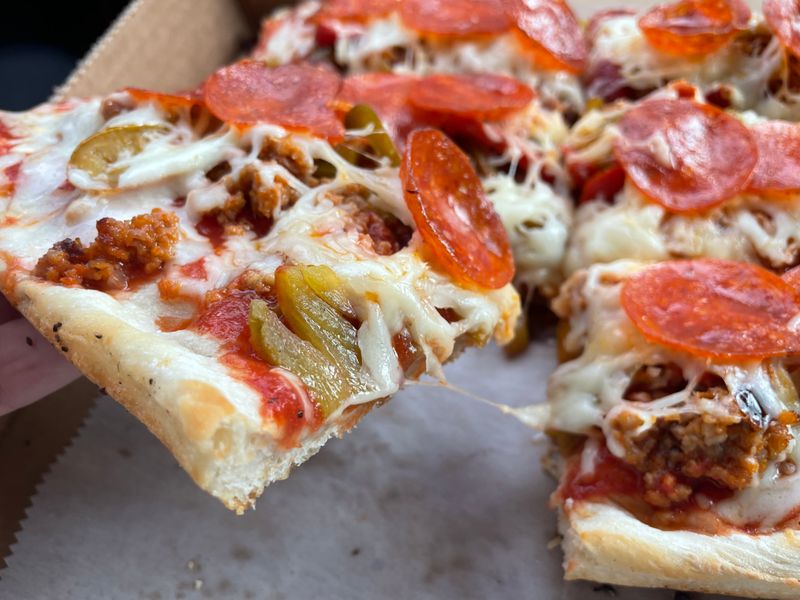
A small borough in Lackawanna County claims the bold title of ‘Pizza Capital of the World,’ and one bite of their rectangular creations makes you understand why residents defend that claim fiercely.
Old Forge’s pizza tradition dates back to Italian immigrants who adapted Sicilian recipes to available ingredients, creating something entirely new in the process.
The crust rises thick and airy, providing a pillowy base for sauce that’s sweeter than typical pizza tomato sauce, often enriched with caramelized onions that add depth.
Instead of standard mozzarella, pizzerias here use a blend that might include American cheese, creating a creamy, melty topping that browns beautifully.
Arcaro & Genell Restaurant, situated at 443 South Main Street in Old Forge, Pennsylvania 18518, has been serving their version since 1962 to packed dining rooms.
The pizza comes cut into squares rather than triangles, making it easy to share and sample different topping combinations without committing to a whole slice.
Weekends see lines out the door, so arriving early on weekday evenings offers the best chance for a table without a long wait.
3. Altoona-Style Pizza

Blair County’s railroad city developed its own pizza identity that defies everything most people expect when they order a pie.
The Altoona Hotel gets credit for originating this style, which starts with a thick, Sicilian-inspired crust that can support the weight of unusual toppings.
Instead of pepperoni, salami takes center stage, sliced thin and layered generously across the surface alongside diced green bell peppers.
A slice of yellow American cheese tops each square, added during the final minutes of baking so it melts but maintains its shape.
All Star Pizza & Subs, located at 2101 6th Ave, Altoona, PA 16602, continues this tradition with recipes that haven’t changed since the mid-20th century.
The American cheese creates a creamy, mild contrast to the tangy sauce and spiced salami, while the peppers add a slight crunch and vegetal sweetness.
First-timers often raise eyebrows at the description, but locals insist you can’t judge until you’ve tasted how these unexpected elements work together in perfect harmony.
4. Erie Pepperoni Balls
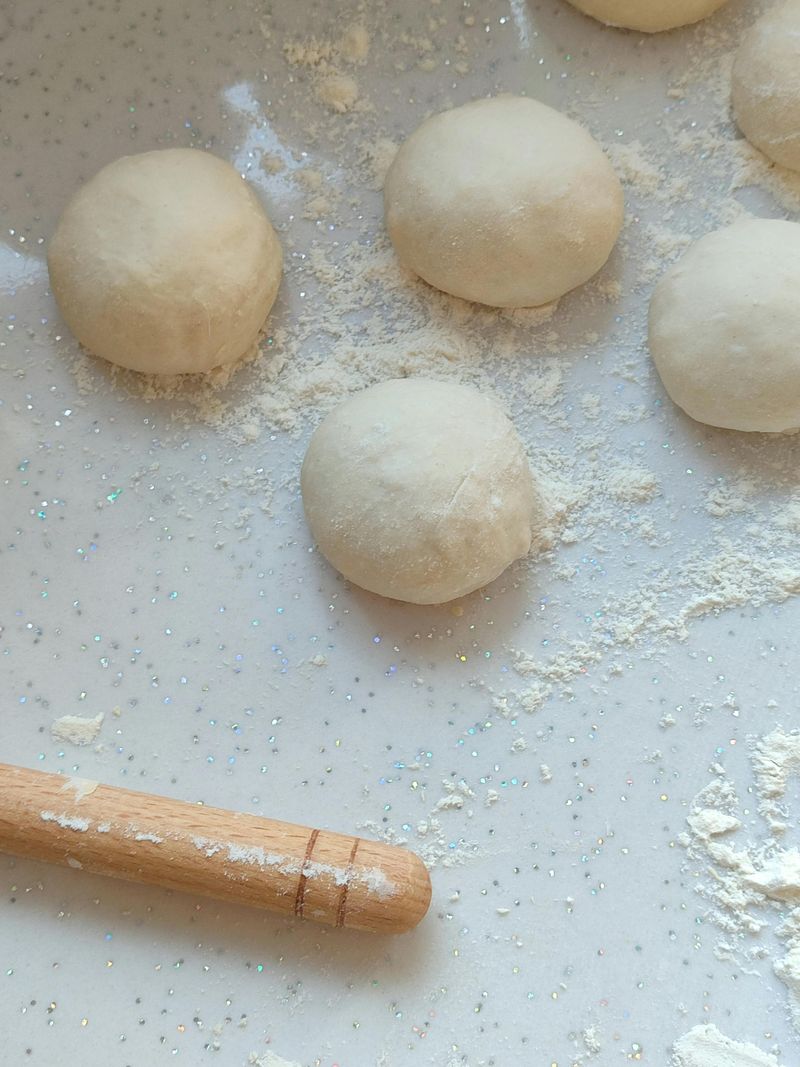
Northwestern Pennsylvania’s lakeside city created the ultimate portable snack for people who want pizza flavors without the mess of folding slices.
These golf-ball-sized creations consist of pizza dough wrapped around pepperoni and cheese, then deep-fried until the outside turns golden and crispy.
The result is a hand-held pocket of melted cheese and spicy pepperoni encased in bread that’s crunchy on the outside and soft within.
Stanganelli Italian Foods, found at 602 E. 25th St. Erie, PA 16503, has been rolling and frying pepperoni balls since 1921 for generations of hungry customers.
Most places serve them with a side of marinara sauce for dipping, though purists argue they’re perfect on their own.
They appear at every local gathering, from church festivals to high school football games, where vendors sell them by the half-dozen from warming trays.
The key to eating them safely involves waiting a few minutes after they come out of the fryer, since the cheese inside retains heat like molten lava.
Frozen versions exist in Erie-area grocery stores, but fresh-made ones from bakeries and pizzerias offer incomparably better texture and flavor.
5. Reading Pretzel
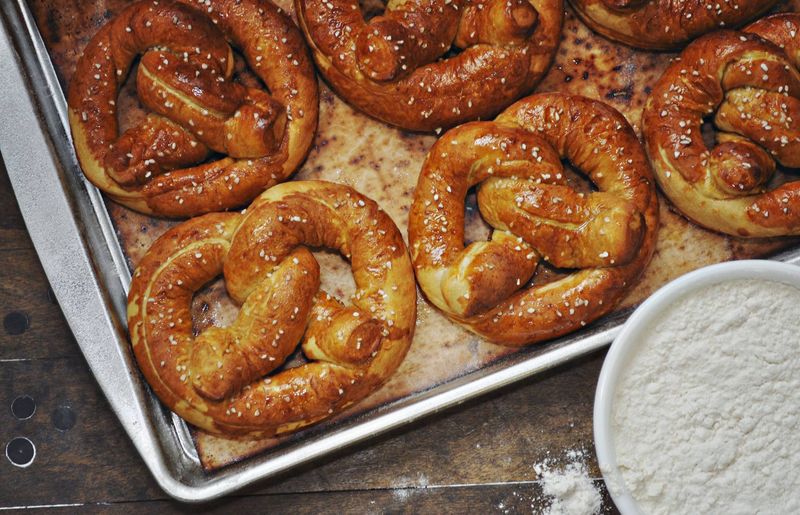
Berks County’s largest city earned the nickname ‘Pretzel City USA’ through decades of pretzel-making excellence that continues to this day.
Reading’s pretzels distinguish themselves through their deep brown color, achieved by a longer baking time that creates a chewier texture than the pale, soft pretzels found elsewhere.
German immigrants brought pretzel-making traditions to the area in the 1800s, and their descendants refined techniques that produce pretzels with crispy exteriors and tender insides.
The traditional twisted shape remains popular, though Reading bakeries also produce pretzel rods, nuggets, and sandwich-sized rounds for burger buns.
Tom Sturgis Pretzels, located at 2267 Lancaster Pike, Reading, PA 19607, operates a retail store where visitors can watch pretzels being twisted by hand.
The slight alkaline taste from the baking soda bath gives Reading pretzels their characteristic flavor, enhanced by coarse salt crystals that don’t dissolve during baking.
Locals eat them plain, with mustard, or split and filled with cold cuts and cheese for sandwiches that pack well for lunches and road trips.
6. Hanover Soft Pretzel

York County’s pretzel hub takes a different approach than Reading, producing softer, lighter-colored pretzels that practically melt on the tongue.
Hanover’s pretzel tradition runs so deep that multiple generations of families have worked in the same pretzel bakeries, perfecting the art of the twist.
The dough here gets less baking time, resulting in pretzels that are pillowy soft with just a hint of chew and a delicate crust that barely crunches.
Martin’s Pretzels, situated at 1229 Diamond Street in Akron, Pennsylvania 17501, still hand-twists every pretzel using techniques that date back to 1935.
Watching the twisters work is mesmerizing – their hands move so fast the dough seems to knot itself into perfect shapes without conscious thought.
These pretzels are best eaten warm, when the butter glaze still glistens and the dough releases gentle steam with each bite.
They don’t keep as long as harder varieties, which is rarely a problem since bags tend to empty within hours of purchase.
Hanover pretzels pair beautifully with sweet mustard, cream cheese, or even peanut butter for an unexpectedly delicious combination.
7. Hershey Chocolate
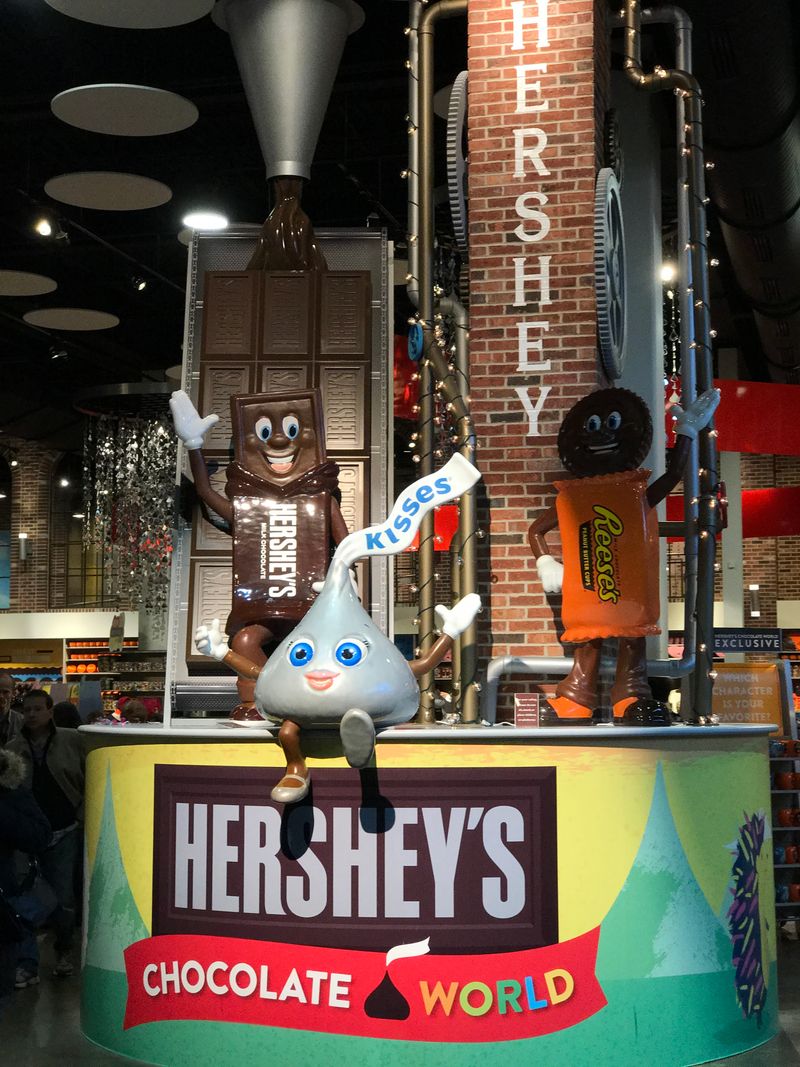
Dauphin County’s sweetest town literally smells like chocolate, thanks to the factory that transformed a small farming community into America’s chocolate capital.
Milton Hershey built his chocolate empire here in 1903, creating not just a factory but an entire town designed around chocolate production.
Hershey’s Chocolate World, located at 101 Chocolate World Way in Hershey, Pennsylvania 17033, offers free tours that show how cocoa beans become the familiar brown bars found in stores nationwide.
The milk chocolate formula that Hershey developed has a distinctive slightly tangy taste that Americans grew up with, making it instantly recognizable.
Beyond the classic bars, Hershey produces Kisses, Reese’s Cups, and dozens of other candies that have become Halloween and holiday staples.
The town itself celebrates its chocolate heritage with street lamps shaped like Kisses and avenues named Chocolate and Cocoa.
Visiting during weekdays allows guests to see actual production through viewing windows, though the tour operates year-round regardless of factory schedules.
The on-site store stocks special varieties and limited editions not available in regular grocery stores, making it worth browsing even for chocolate fans who’ve visited before.
8. Bethlehem Apees
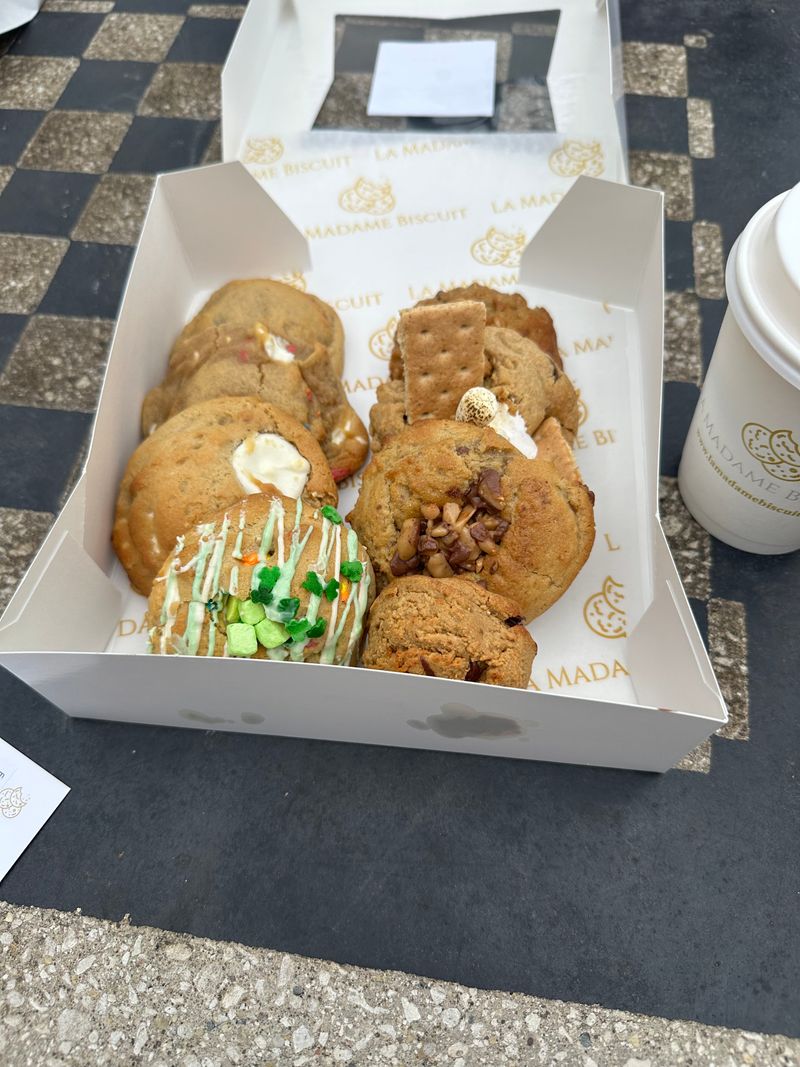
Northampton County’s Christmas City preserves a cookie tradition brought by Moravian settlers who arrived in the 1740s seeking religious freedom.
Apees (pronounced AY-pees) are simple sugar cookies that look unassuming but deliver surprising flavor through their combination of butter, sugar, and subtle spices.
The Moravian Book Shop, found at 428 Main Street in Bethlehem, Pennsylvania 18018, sells these cookies year-round along with other traditional Moravian baked goods.
The name possibly derives from the letter ‘A’ that was sometimes stamped on the cookies, or from the initials of an early baker whose identity has been lost to time.
Unlike thick, chewy cookies, apees spread thin during baking, creating crispy edges and slightly softer centers that snap cleanly when bitten.
They contain no eggs, which allowed them to keep longer in the days before refrigeration – a practical consideration for settlers storing food through harsh winters.
The flavor is straightforward but refined, letting the quality of the butter shine through without competing spices or extracts.
Dunking them in tea or coffee softens them just enough to release their sweetness without making them soggy or falling apart in the cup.
9. York Peppermint Pattie
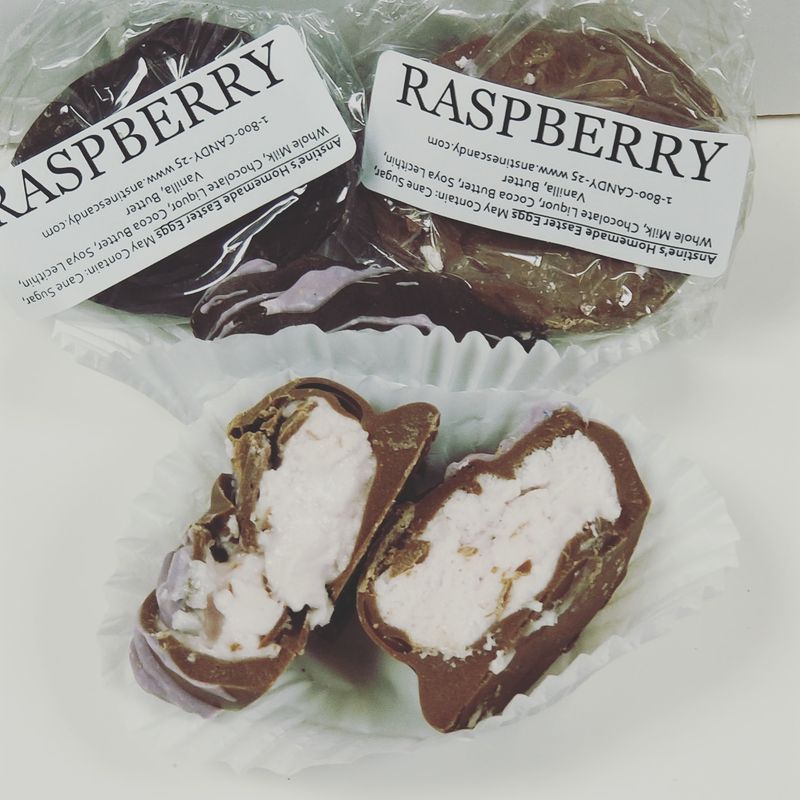
South-central Pennsylvania’s historic city gave its name to a candy that delivers an intense cooling sensation through the marriage of dark chocolate and peppermint cream.
Henry Kessler created the York Peppermint Pattie in 1940, originally calling it the York Cone because of its peaked shape before switching to the flatter disc format.
The candy features a firm white peppermint fondant center that’s much mintier than most chocolate-mint combinations, coated in dark chocolate that’s less sweet than milk chocolate.
While production eventually moved out of York, the city’s name remains on every wrapper, connecting the candy to its Pennsylvania roots.
The York County History Center, located at 121 N Pershing Ave, York, PA 17401, includes exhibits about local food innovations including the Peppermint Pattie.
The sensation of biting through the chocolate to reach the cool mint center has made these candies popular for eating straight from the freezer on hot summer days.
Their strong mint flavor makes them less versatile for baking than milder chocolate-mint candies, though crushed Peppermint Patties can top ice cream or brownies effectively.
The distinctive foil wrapper helps preserve freshness while making them easy to spot in candy aisles or mixed Halloween candy bowls.
10. Shoo-Fly Pie From Lancaster
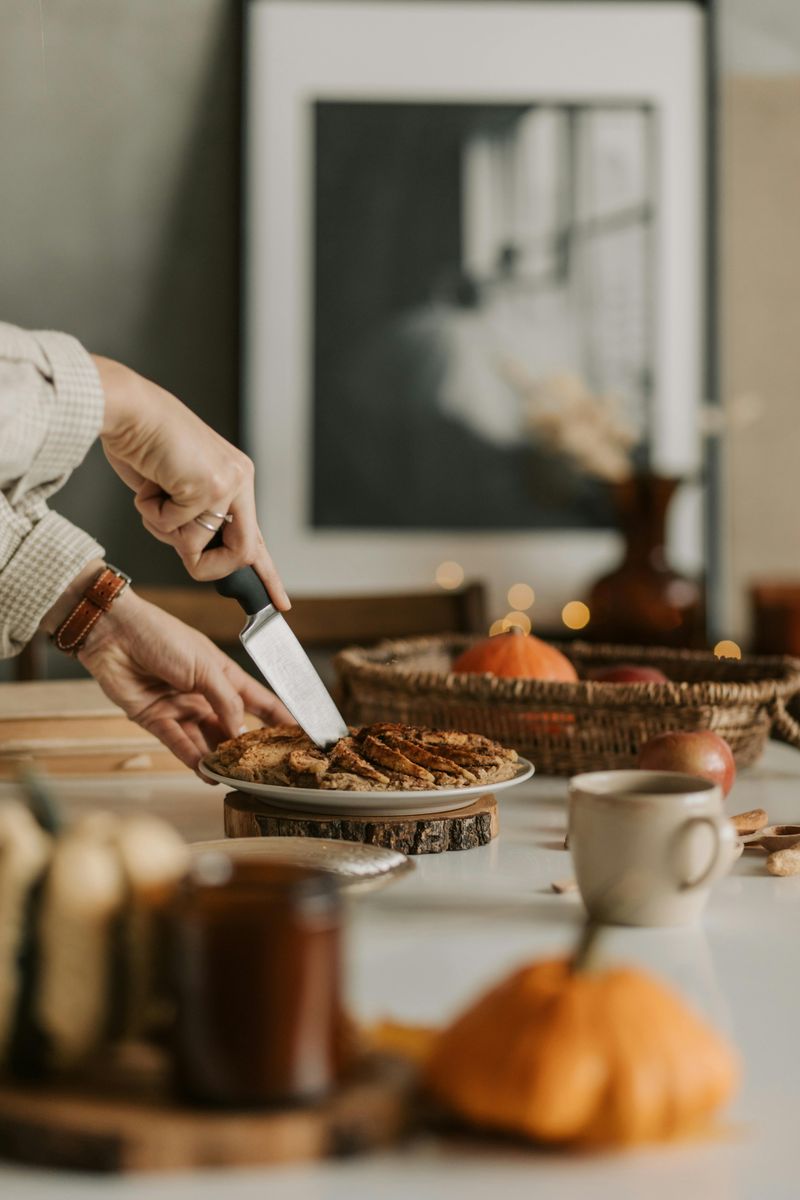
Lancaster County’s Pennsylvania Dutch community created a dessert so sweet that bakers supposedly had to shoo flies away from cooling pies, giving this molasses-based treat its unusual name.
The pie exists in two versions: wet-bottom, with a layer of gooey molasses custard beneath the crumb topping, and dry-bottom, where crumbs mix throughout for a cake-like texture.
Bird-in-Hand Bake Shop, situated at 542 Gibbons Road in Bird-in-Hand, Pennsylvania 17505, bakes fresh shoo-fly pies daily using recipes passed down through Pennsylvania Dutch families.
The filling combines molasses, brown sugar, and sometimes corn syrup, creating an intensely sweet flavor that’s balanced by the less-sweet crumb topping made from flour, butter, and spices.
Its origins trace back to resourceful cooks who needed desserts they could make from pantry staples without eggs or dairy, which were scarce in winter months.
The pie tastes best at room temperature when the molasses layer reaches its ideal consistency – neither too runny nor too firm.
Coffee or unsweetened tea makes an excellent accompaniment, cutting through the sweetness and cleansing the palate between bites.
Tourists often buy whole pies to take home, though they should know the pies are quite rich and a little goes a long way.
11. Whoopie Pie From Lancaster County

Lancaster County’s Amish bakers turned leftover cake batter into one of Pennsylvania’s most beloved treats by sandwiching sweet cream filling between two soft chocolate rounds.
The name supposedly comes from children shouting ‘Whoopie!’ when they found these treats in their lunch pails, though the true origin remains debated among food historians.
Each half resembles a thick, cakey cookie rather than traditional cookies, with a texture that’s tender and moist without being crumbly.
The filling traditionally consists of marshmallow fluff mixed with butter and powdered sugar, creating a sweet, fluffy center that squishes out slightly when you bite down.
Bird-in-Hand Farmers Market, located at 2710 Old Philadelphia Pike #9706 in Bird-in-Hand, Pennsylvania 17505, features multiple vendors selling freshly made whoopie pies in classic and creative flavors.
Modern variations include pumpkin, red velvet, and peanut butter versions, though purists maintain that chocolate with vanilla cream is the only authentic option.
The pies are substantial enough to share, though their portability and lack of required utensils make them dangerously easy to eat solo.
They keep well for several days when wrapped properly, making them popular items for care packages and gifts to homesick Pennsylvania natives living elsewhere.