Missouri Homeowners Wish They Skipped These Bathroom Renovations
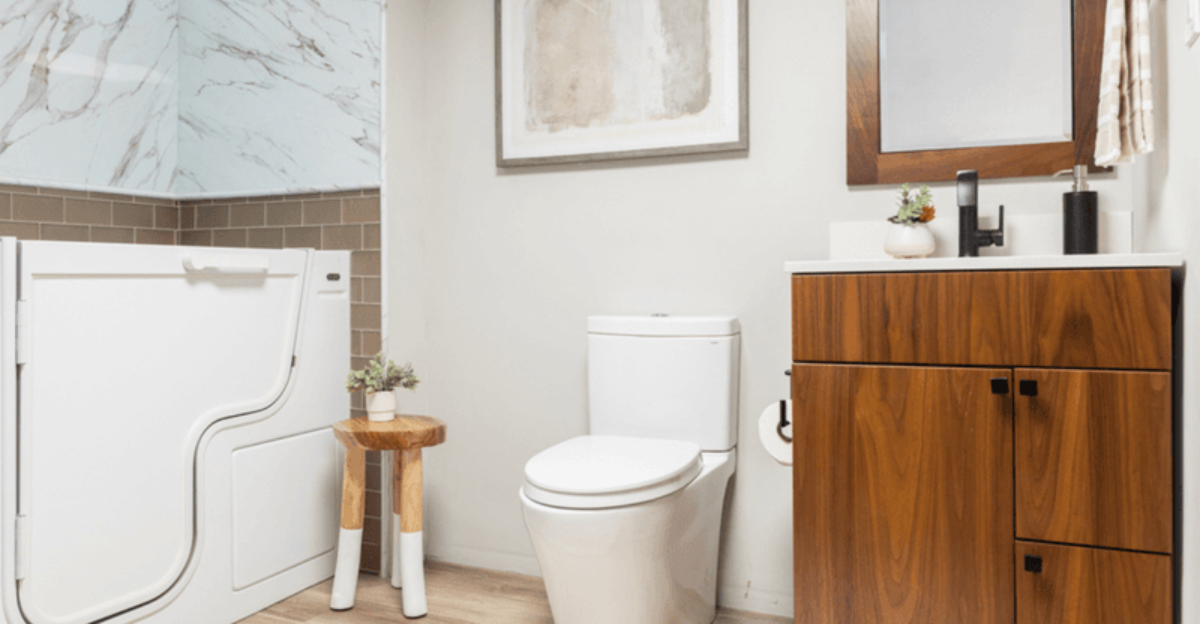
Bathroom renovations can transform a home, but not every project turns out as planned.
Many Missouri homeowners have learned expensive lessons about what works and what doesn’t when updating their bathrooms.
From budget disasters to design choices that seemed perfect on paper but failed in real life, these renovation regrets are more common than you might think.
Understanding these mistakes before starting your own project can save thousands of dollars and countless headaches.
Blowing The Budget Without A Safety Net
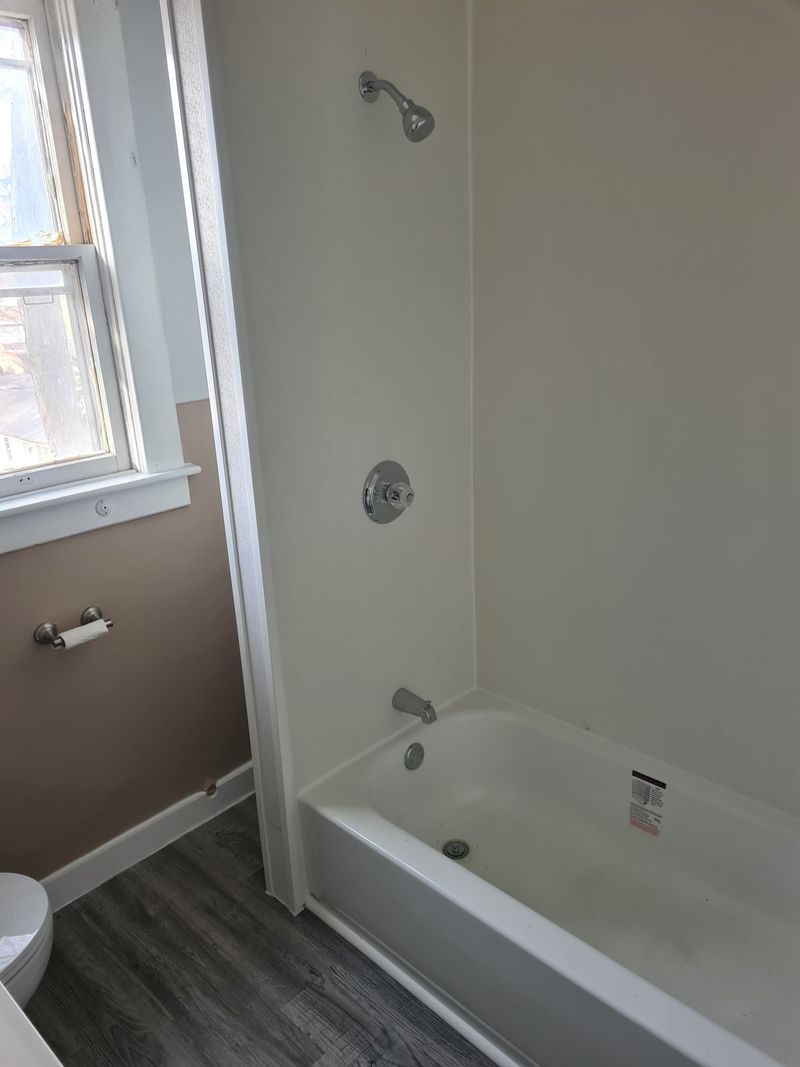
Budget overruns have become the nightmare scenario for countless Missouri families tackling bathroom makeovers.
Research shows that 78% of homeowners exceeded their planned spending on recent renovation projects, with nearly half going over by at least $5,000.
The financial pain doesn’t stop when construction ends.
About 63% of homeowners have taken on debt to complete their bathroom updates, and more than a third struggled to pay their credit card bills afterward.
Setting aside an emergency fund of at least 20% beyond the estimated project cost can prevent these painful situations.
Unexpected problems like hidden water damage or outdated plumbing often appear once walls open up, and contractors may discover issues that require immediate attention.
Without financial breathing room, homeowners face impossible choices between completing the project properly or cutting corners that lead to future problems.
Tackling Complex Plumbing And Electrical Work Alone
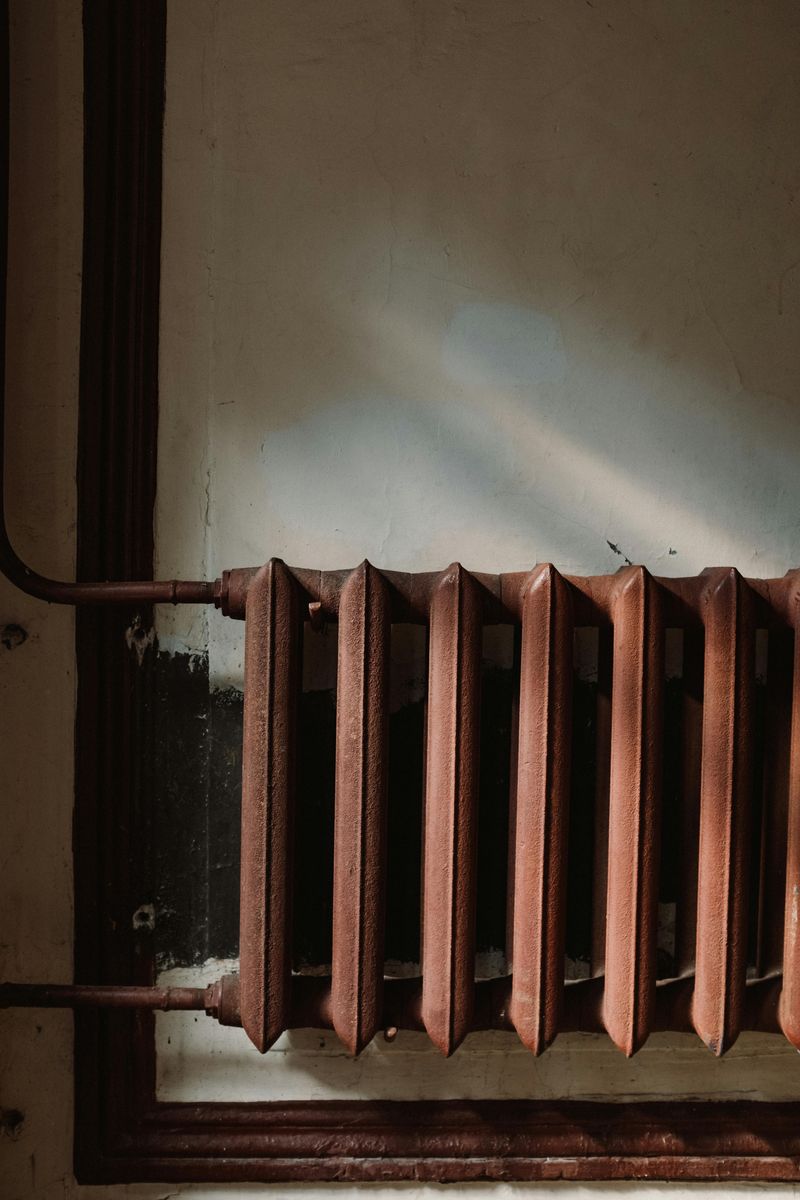
Confidence can quickly turn into costly mistakes when homeowners attempt complicated bathroom work themselves.
Plumbing and electrical systems require specialized knowledge that takes years to develop, and one wrong connection can create dangerous situations.
A Zillow survey revealed that 53% of homeowners regretted DIY projects involving room additions or expansions, particularly bathrooms, because the complexity exceeded their expectations.
Water lines, drain systems, and electrical circuits all need precise installation to function safely and meet building codes.
Professional contractors carry insurance and warranties that protect homeowners if something goes wrong during or after installation.
Licensed plumbers understand Missouri’s specific building requirements and can spot potential problems before they become emergencies.
While YouTube tutorials make everything look simple, they rarely show the years of experience needed to handle unexpected complications that arise during real-world projects.
Choosing Trendy Vessel Sinks Over Practical Options
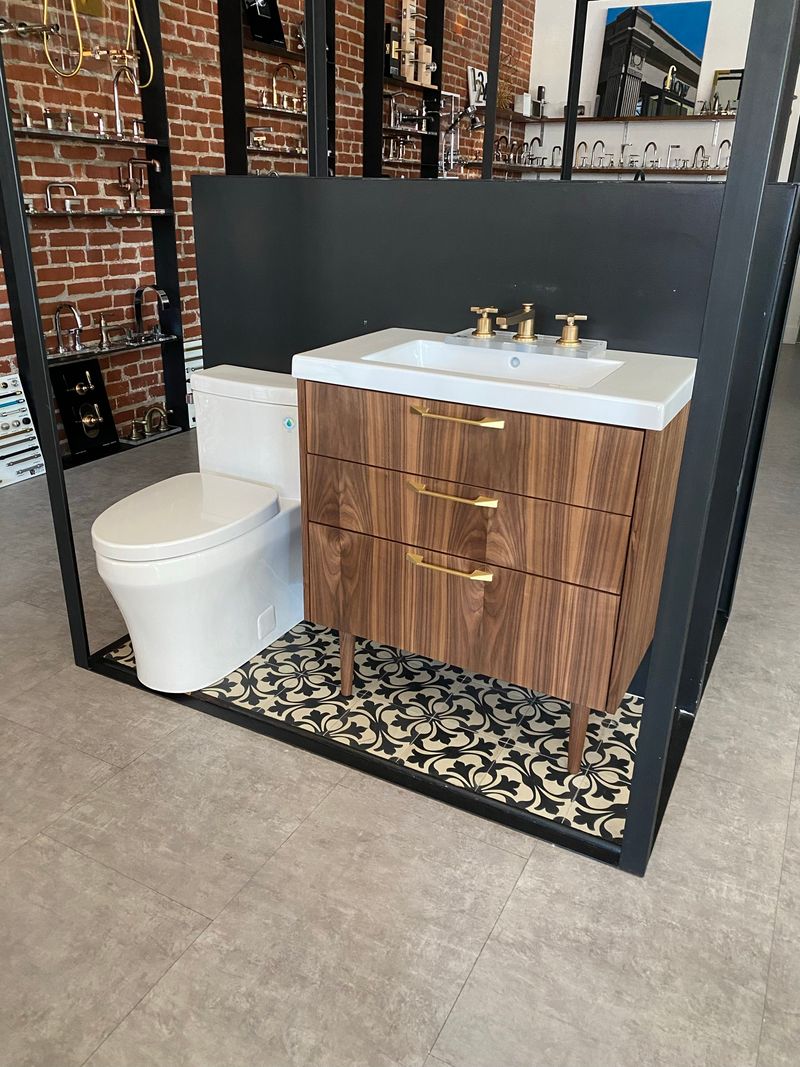
Vessel sinks look stunning in design magazines, sitting like sculptural bowls atop bathroom counters.
Their elevated position and artistic shapes catch the eye immediately, making them popular choices for homeowners wanting statement pieces in their renovations.
Daily reality tells a different story than the glossy photos suggest.
Water splashes everywhere during normal handwashing because the faucet sits higher than traditional sinks, and cleaning around the base where the sink meets the counter becomes a frustrating chore.
Children and shorter family members struggle to reach vessel sinks comfortably, creating accessibility issues that weren’t obvious during the planning phase.
The countertop space around these sinks often gets soaked, damaging wood finishes and creating constant maintenance headaches.
Traditional undermount or drop-in sinks provide better functionality for everyday family life, containing water splashes and offering easier cleaning while still looking attractive and modern.
Skipping The Planning Phase And Winging It
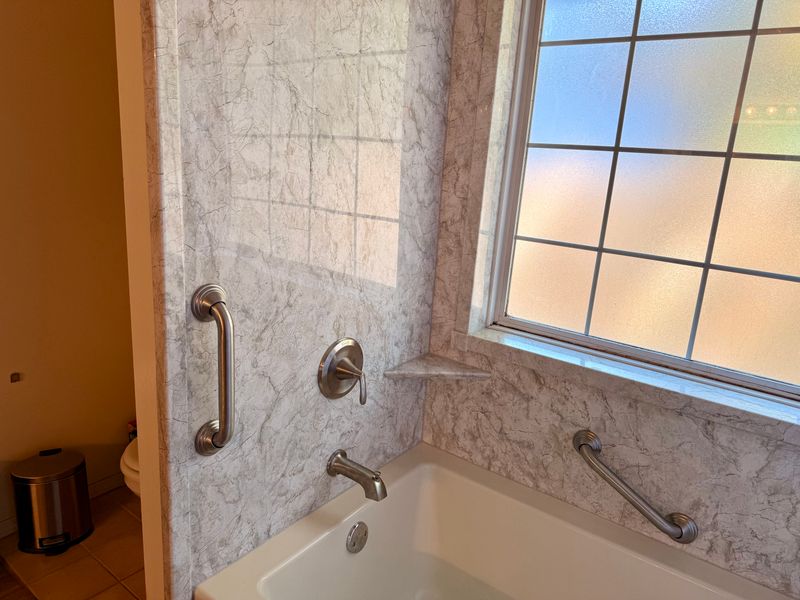
Jumping into demolition before creating detailed plans feels exciting but usually leads to regrettable outcomes.
Bathrooms require careful consideration of storage needs, lighting placement, ventilation systems, and traffic flow patterns that affect daily comfort.
Common planning failures include forgetting to include enough outlets near mirrors, placing towel bars in awkward locations, or installing beautiful tile floors that become slippery when wet.
Poor ventilation planning leads to mold growth and humidity problems that damage the entire renovation within months.
Professional designers spend weeks measuring, drawing, and revising bathroom layouts before any construction begins.
They consider how cabinet doors will open, where people will stand while using different fixtures, and how natural light changes throughout the day.
Creating detailed floor plans with exact measurements, fixture locations, and electrical placements prevents expensive mid-project changes when contractors discover that the dream layout doesn’t actually fit the available space.
Hiring The Cheapest Contractor Without Proper Vetting

Rock-bottom bids often signal serious problems rather than great deals.
Contractors who significantly underbid competitors may lack proper licensing, insurance coverage, or the experience needed to handle complicated bathroom renovations correctly.
Checking references, verifying licenses, and reviewing previous work takes time but prevents nightmares like abandoned projects, shoddy workmanship, or contractors who disappear with deposit money.
Missouri requires contractors to carry specific insurance and licensing for plumbing and electrical work.
Experienced contractors charge more because they employ skilled workers, use quality materials, and stand behind their work with warranties.
They also understand how to handle unexpected problems without constant change orders that inflate final costs.
Meeting with at least three contractors, asking detailed questions about their process, and reviewing actual examples of their completed bathrooms helps identify professionals who will deliver quality results rather than create expensive problems.
Forgetting About Permits And Building Codes
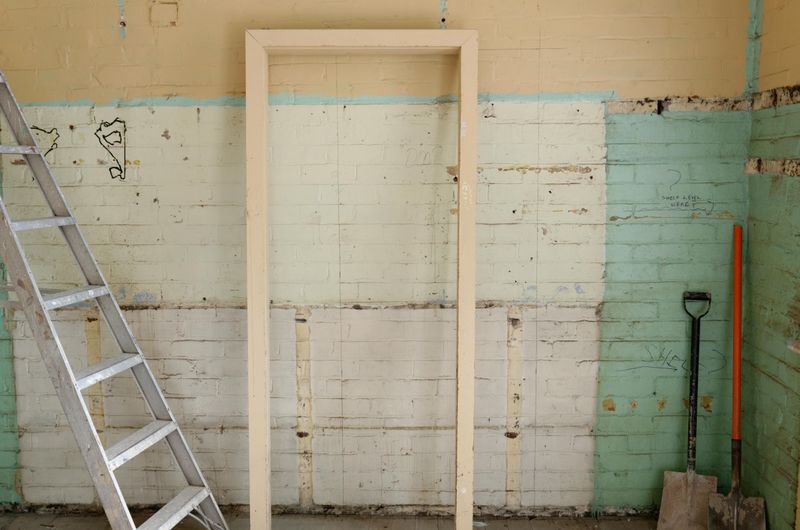
Permit requirements might seem like unnecessary bureaucracy, but they protect homeowners and future buyers from dangerous installations.
Moving plumbing lines, changing electrical circuits, or altering structural walls all typically require permits in Missouri communities.
Skipping permits creates multiple problems beyond potential fines.
Insurance companies may deny claims for damage related to unpermitted work, and selling the home becomes complicated when buyers discover renovations weren’t properly documented.
Building inspectors catch safety issues that homeowners and even some contractors might miss, like improper venting that allows dangerous gases to accumulate or electrical work that creates fire hazards.
The inspection process adds time to projects but ensures everything meets current safety standards.
Researching local permit requirements early in planning allows homeowners to factor these costs into budgets and schedules.
Most building departments offer helpful guidance about which projects require permits and what documentation they need.
Prioritizing Looks Over Everyday Functionality
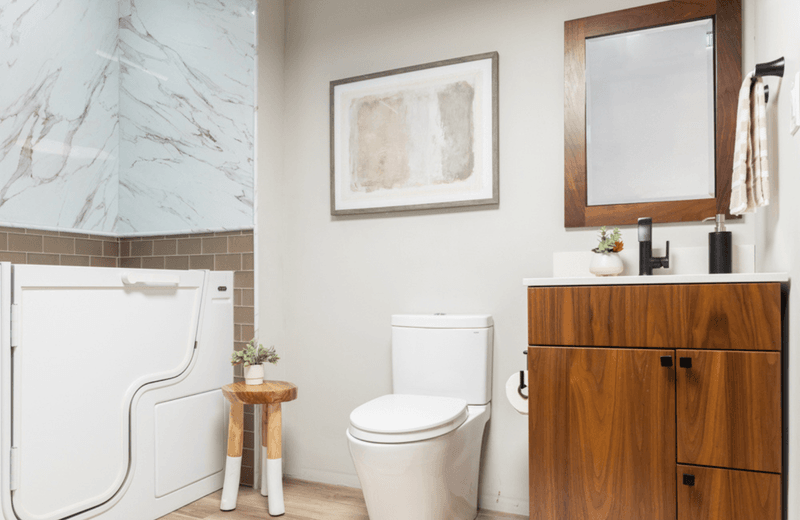
Instagram-worthy bathrooms don’t always support real family life.
Floating vanities without storage leave toiletries cluttering countertops, and frameless glass showers require constant squeegee work to maintain their pristine appearance.
Design magazines rarely show where families store cleaning supplies, extra toilet paper, hair dryers, or the dozens of other items that bathrooms need to accommodate.
Sacrificing cabinet space for visual minimalism creates daily frustration when there’s nowhere to put essential items.
Adequate storage, proper task lighting around mirrors, and durable surfaces that withstand daily use matter more than trendy design elements that photograph well but function poorly.
Families with children especially need bathrooms that handle messy reality rather than serving as showpieces.
Successful renovations balance aesthetics with practical needs like accessible storage, easy-to-clean surfaces, and fixtures positioned for comfortable daily use by everyone in the household regardless of height or mobility.
Selecting High-Maintenance Materials And Finishes
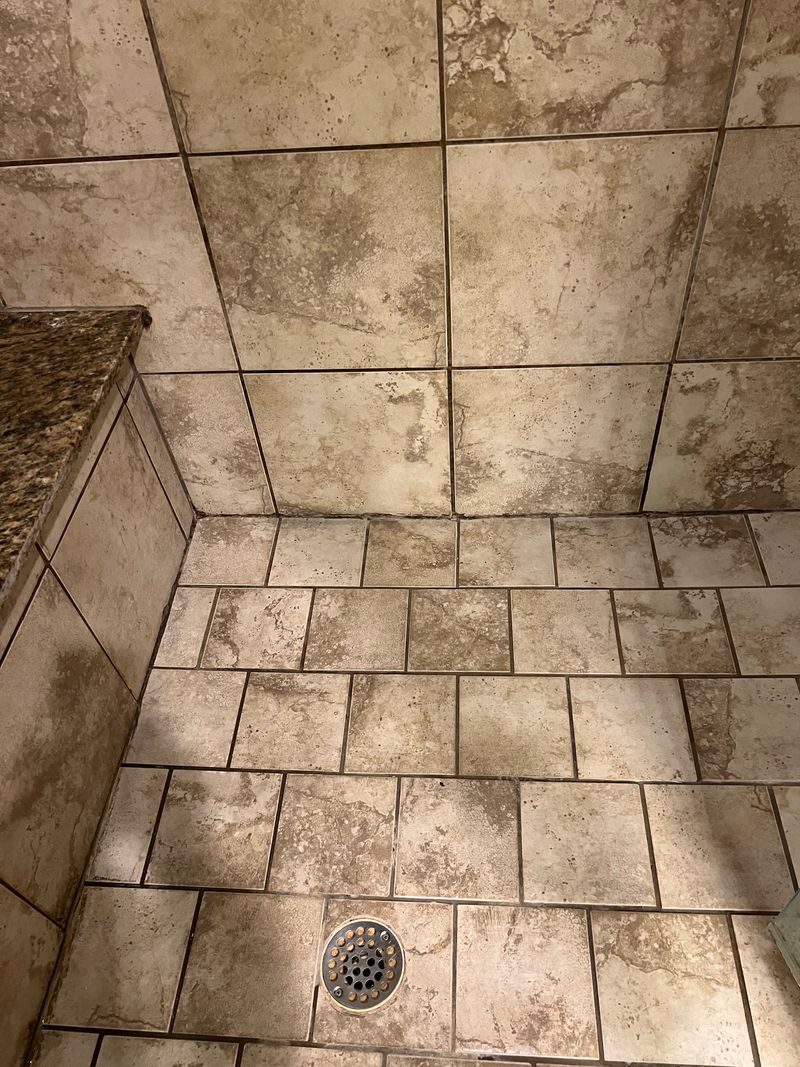
Intricate penny tile floors and elaborate mosaic patterns look spectacular initially but demand hours of cleaning time weekly.
Grout lines collect dirt and require regular sealing to prevent staining, turning beautiful design choices into maintenance burdens.
Natural stone countertops need special cleaners and periodic resealing to maintain their appearance, while certain tile finishes show every water spot and fingerprint.
What seemed like a small consideration during planning becomes a daily annoyance when living with high-maintenance surfaces.
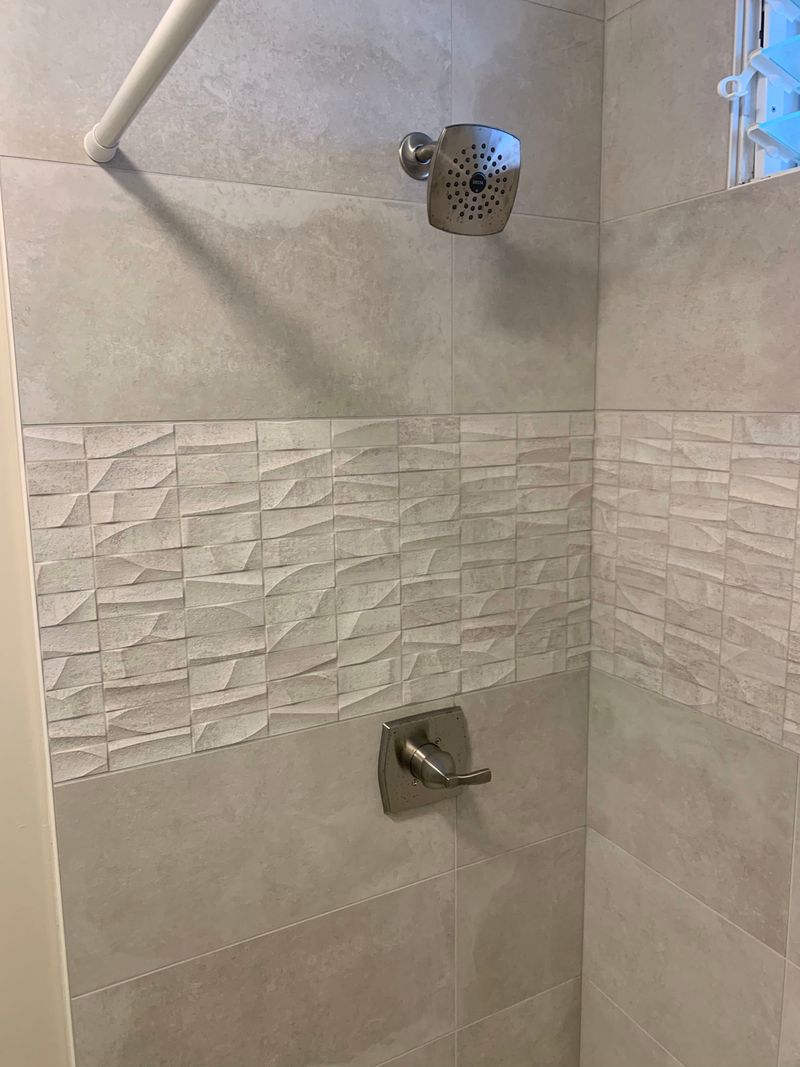
Textured wall tiles trap moisture and soap residue in their crevices, creating perfect environments for mildew growth that requires aggressive cleaning.
Glass shower doors need squeegee treatment after every use to prevent hard water buildup that eventually becomes impossible to remove completely.
Selecting materials that balance beauty with practical maintenance requirements ensures the bathroom stays attractive without demanding excessive cleaning time or expensive professional maintenance services.
Ignoring Future Accessibility And Aging-In-Place Features

Young homeowners often design bathrooms for their current abilities without considering future needs.
Deep soaking tubs become difficult to enter and exit as mobility changes, and bathrooms without proper blocking for future grab bar installation require expensive retrofitting later.
Universal design features like curbless showers, wider doorways, and reinforced walls for support bars benefit everyone regardless of age or ability.
These elements don’t make bathrooms look institutional when incorporated thoughtfully during initial construction.
Growing families may need different bathroom configurations as children arrive or elderly parents move in.
Flexible designs that accommodate changing needs prevent costly renovations every few years when circumstances shift.
Installing blocking behind shower walls for future grab bars costs minimal money during construction but saves thousands if added later.
Choosing lever-style faucets instead of knobs and ensuring adequate maneuvering space creates bathrooms that remain functional through all life stages.
Buying Cheap Materials To Save Money Upfront
Bargain fixtures and discount materials rarely deliver long-term value in bathroom environments.
Constant moisture exposure, temperature changes, and daily use quickly reveal quality differences between premium and budget-grade products.
Cheap faucets develop leaks within months, low-grade tile cracks under normal stress, and inexpensive vanities warp when exposed to humidity.
Replacing failed materials costs far more than investing in quality products initially, especially when labor expenses get added twice.
Bathrooms represent one of the most challenging environments in homes, requiring materials specifically designed to withstand moisture, temperature fluctuations, and frequent cleaning.
Builder-grade products lack the durability needed for long-term performance in these conditions.
Quality materials come with warranties that protect the investment, and reputable manufacturers stand behind their products when problems occur.
Spending appropriately on fixtures, tile, and finishes that will last decades makes more financial sense than repeatedly replacing cheap materials that fail prematurely.
Inadequate Waterproofing Behind Tile And Fixtures
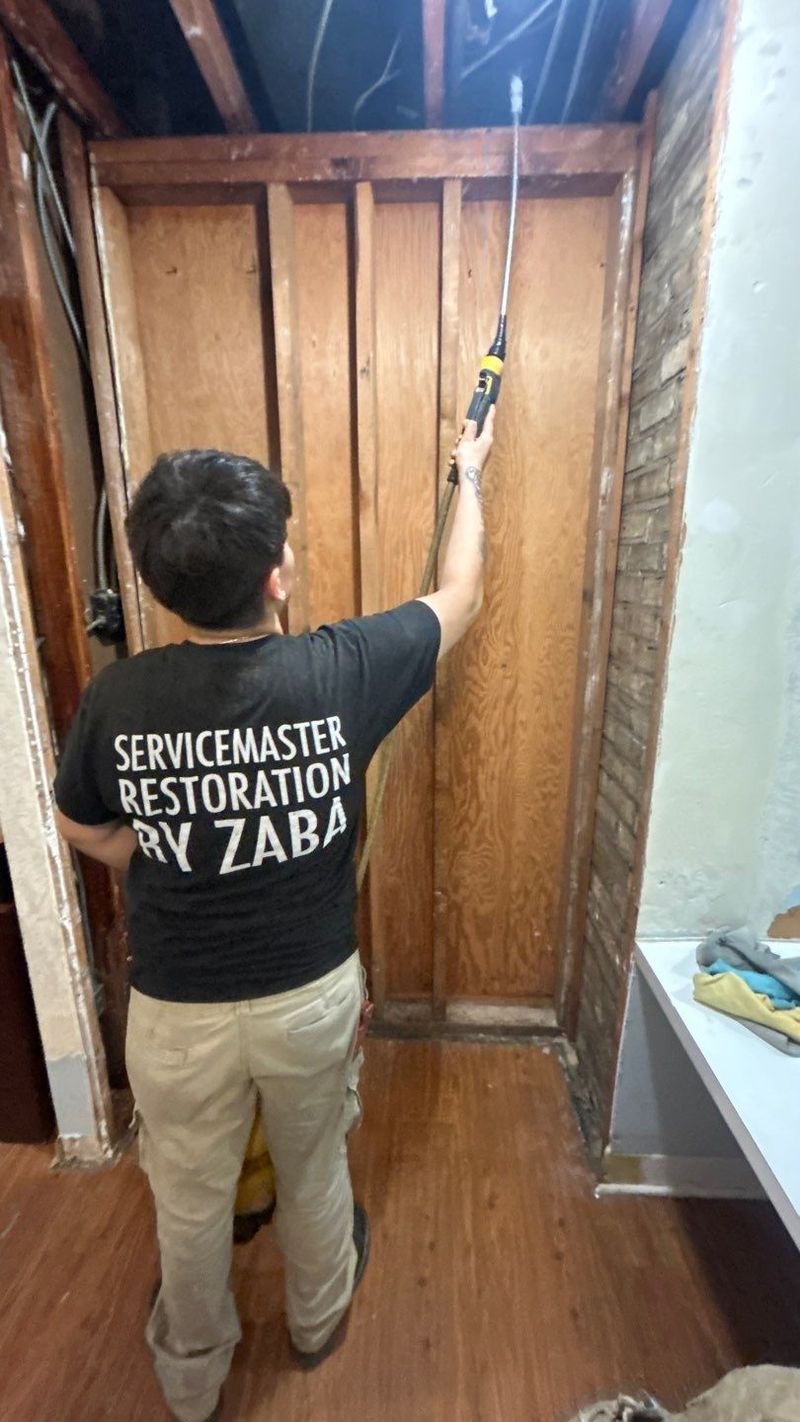
Water finds every weakness in bathroom construction, and inadequate waterproofing creates devastating damage that often stays hidden until major problems develop.
Proper moisture barriers behind tile and around fixtures represent critical investments that prevent structural damage.
Skipping waterproof membranes in shower areas or using incorrect products allows water to penetrate walls and floors, rotting framing members and creating toxic mold growth.
By the time homeowners notice problems, extensive damage has already occurred behind finished surfaces.
Modern waterproofing systems include specialized membranes, proper slope for drainage, and careful detailing around penetrations where fixtures connect.
Professional installers understand these requirements and use products designed specifically for wet areas.
Cutting corners on waterproofing saves minimal money during construction but creates repair bills that dwarf the entire original renovation budget.
Properly waterproofed bathrooms protect the home’s structure and maintain healthy indoor air quality for decades without moisture-related problems.
Installing Inadequate Ventilation Systems
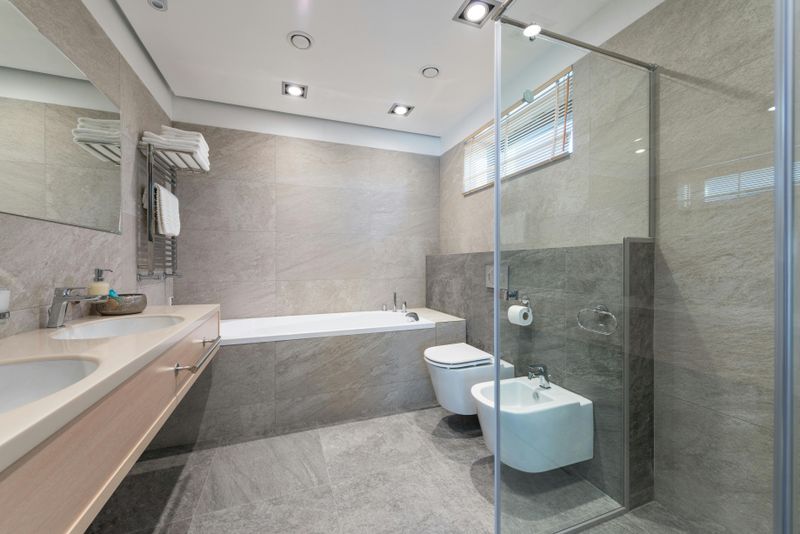
Undersized exhaust fans or poorly positioned ventilation systems allow moisture to accumulate, creating perfect conditions for mold growth and material deterioration.
Bathrooms generate enormous amounts of humidity that must be removed effectively to prevent damage.
Many homeowners install the minimum required fan size without considering actual bathroom volume or how many people use the space.
Inadequate ventilation leaves mirrors constantly fogged, paint peeling from walls, and musty odors that never quite disappear.
Proper ventilation systems should exchange the entire bathroom air volume multiple times per hour, with fans vented directly outside rather than into attics where moisture causes different problems.
Quiet, powerful fans encourage actual use instead of sitting unused because they’re too noisy.
Adding humidity-sensing switches that automatically activate fans when moisture levels rise ensures ventilation happens even when people forget to turn on the fan manually, protecting the renovation investment from moisture damage.
Following Short-Lived Design Trends Too Closely
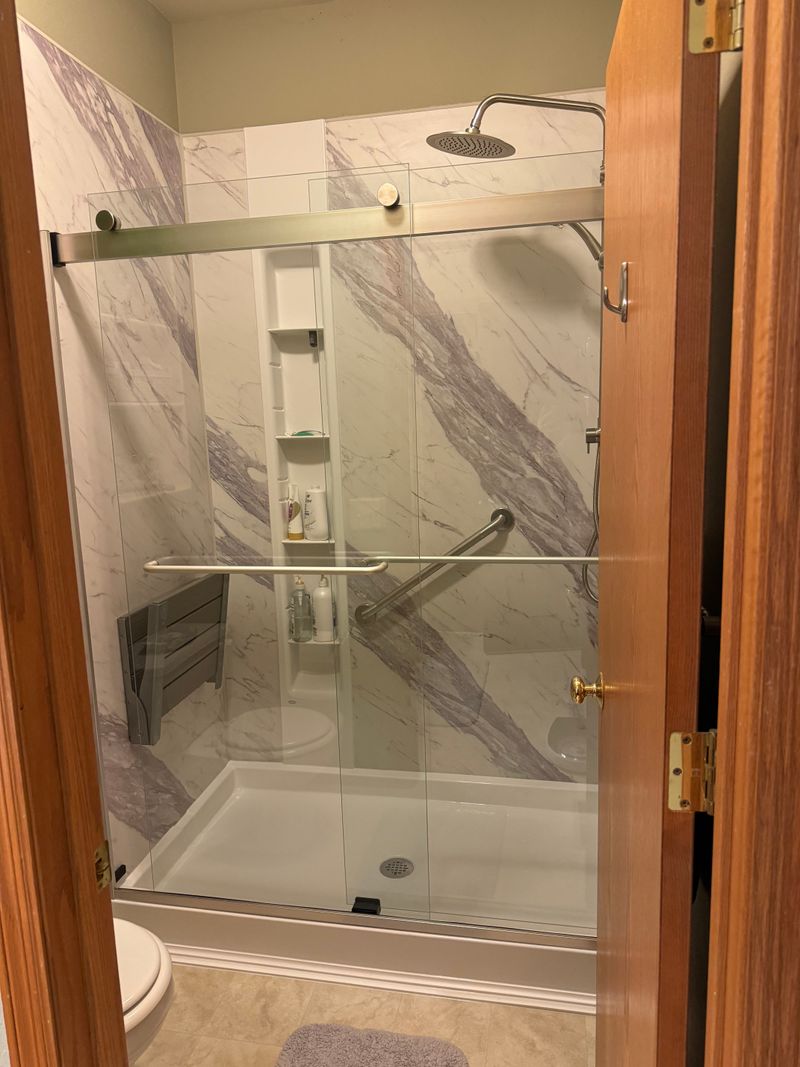
Design trends cycle quickly, and bathrooms renovated to match current fads can look dated within just a few years.
Bold color schemes, trendy tile patterns, and fashionable fixtures that dominate design blogs today often become tomorrow’s renovation regrets.
All-gray bathrooms saturated social media recently, but homeowners who committed fully to this trend now find their spaces feeling cold and impersonal.
Extremely trendy fixtures cost significant money but lose their appeal as design preferences shift toward new styles.
Classic design choices with timeless appeal provide better long-term satisfaction and maintain home value more effectively than chasing every new trend.
Neutral foundations allow personality through easily changed elements like towels, artwork, and accessories.
Investing in quality classic fixtures and finishes, then adding trendy touches through inexpensive accessories, allows bathroom style to evolve without requiring complete renovations every few years.
Timeless designs remain attractive and functional regardless of shifting design fashions.