Experience Washington Through Its Most Creative And Immersive Restaurants
Washington’s dining scene pulses with creativity, color, and bold flavors that transform every meal into a story worth sharing.
From street food bursting with spices to fine dining wrapped in architectural wonder, the restaurants here offer far more than plates of food.
They invite you into worlds where chefs paint with ingredients, where atmosphere becomes part of the experience, and where every bite feels like discovery.
Whether you crave the thrill of theatrical presentations or the comfort of nostalgia reimagined, these spots deliver unforgettable moments that linger long after the last course.
Spice Waala
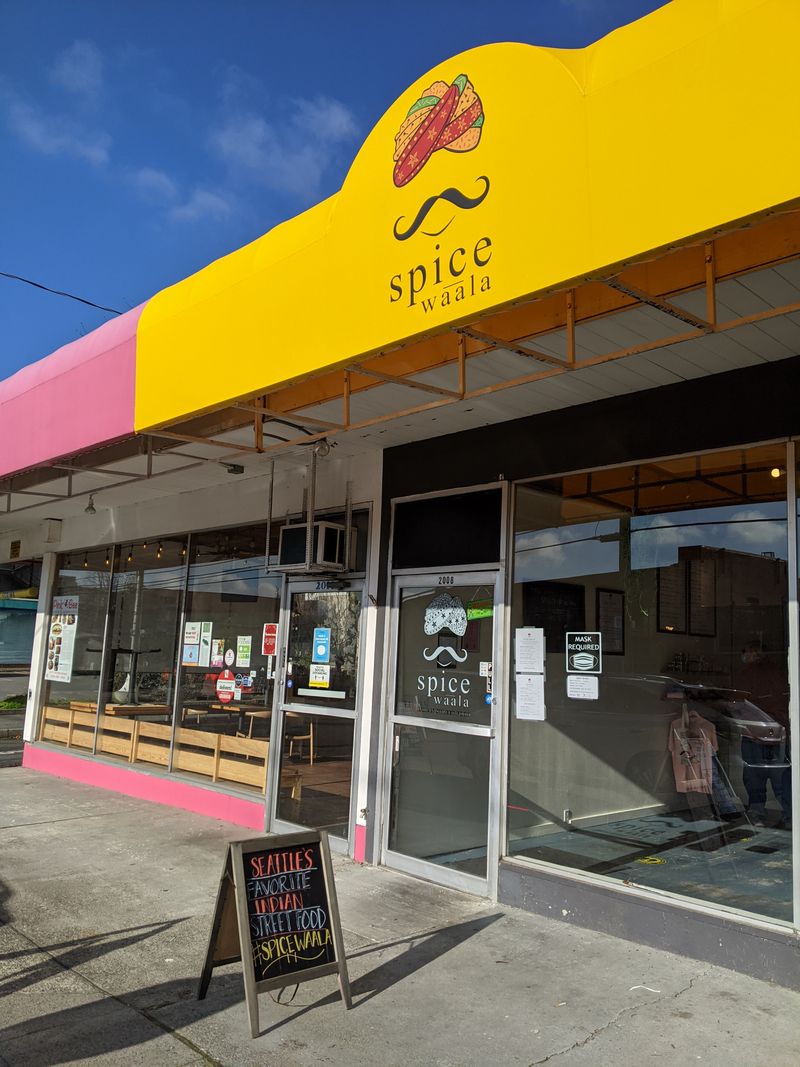
Street corners in India burst with sizzling pans, aromatic spices, and vendors calling out to hungry passersby.
Spice Waala captures that electric energy at 2008 NW 56th St, Seattle, bringing authentic flavors to Capitol Hill.
Samosas arrive golden and crisp, their flaky shells giving way to spiced potato filling that dances on your tongue.
The roti with paneer masala feels like a warm hug, soft bread wrapping around tender cheese cubes swimming in rich tomato gravy.
Mango lassi cools the palate between bites, its creamy sweetness balancing the heat perfectly.
Bright colors splash across the walls, creating an atmosphere that feels both festive and welcoming.
Each dish tells a story of generations-old recipes adapted for modern tastes without losing their soul.
The casual setting encourages you to relax, share plates, and experience food the way it was meant to be enjoyed.
Prices remain remarkably accessible, making authentic Indian cuisine available to everyone who craves adventure on their plate.
Canlis
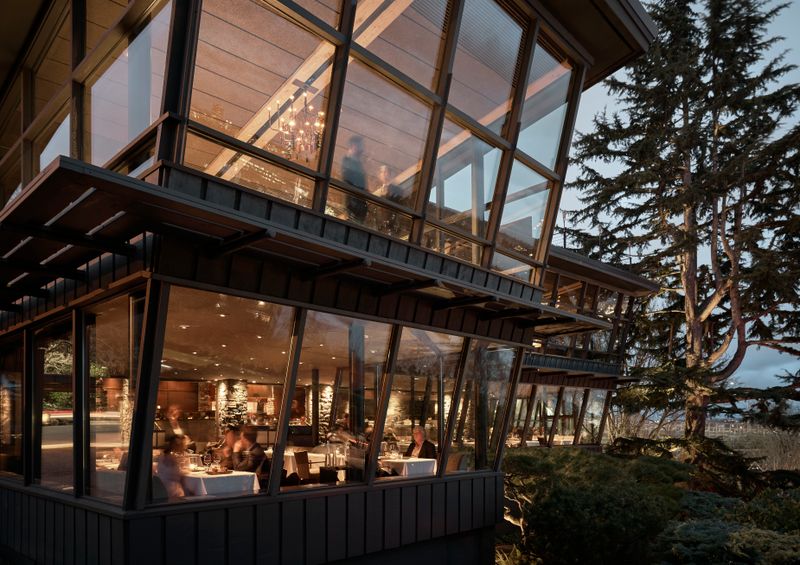
Perched above the city, this landmark has been turning meals into memories since the 1950s.
Canlis sits at 2576 Aurora Ave N, Seattle, where modernist architecture meets culinary artistry in spectacular fashion.
The building itself feels like a sculpture, with sweeping lines and massive windows framing views that change with every season.
Sablefish with hazelnuts arrives as edible poetry, the fish impossibly tender beneath a crust that adds textural magic.
Service here operates like a well-rehearsed ballet, attentive without hovering, knowledgeable without pretension.
The dining room glows with understated elegance, every detail considered, from the custom-designed chairs to the carefully curated art.
This isn’t just dinner; it’s an occasion, a celebration of what happens when passion meets precision.
Generations of families have marked milestones here, creating traditions that span decades.
The experience justifies the investment, delivering moments that photographs can’t quite capture and memories that recipes can’t replicate.
El Cielo
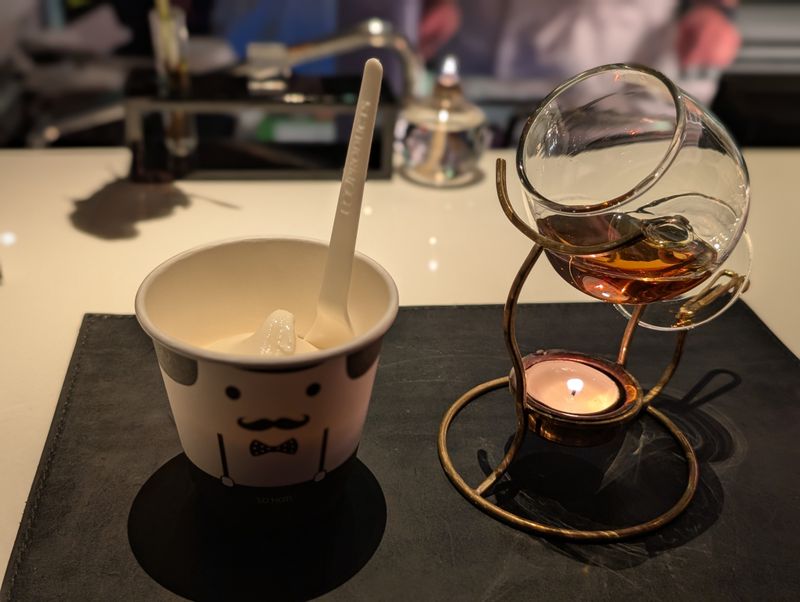
Imagine washing your hands in liquid chocolate before a meal that challenges everything you thought you knew about dining.
El Cielo brings this fantastical experience to 1280 4th St NE, Washington, where food becomes performance art.
The nineteen-course tasting menu unfolds like chapters in a novel, each plate revealing new surprises and textures.
Chocotheraphy isn’t just a gimmick; it’s a sensory awakening that prepares you for the journey ahead.
Latin American flavors anchor the experience, but the presentation pushes boundaries with playful creativity and technical wizardry.
Dishes arrive with instructions, invitations to touch, smell, and interact in ways traditional dining never encourages.
The atmosphere buzzes with curiosity and delight as diners discover edible illusions and flavor combinations that shouldn’t work but absolutely do.
This isn’t background noise dining; it demands your full attention and rewards it generously.
Hours disappear as the meal progresses, each course building anticipation for what magic might appear next.
Pineapple and Pearls
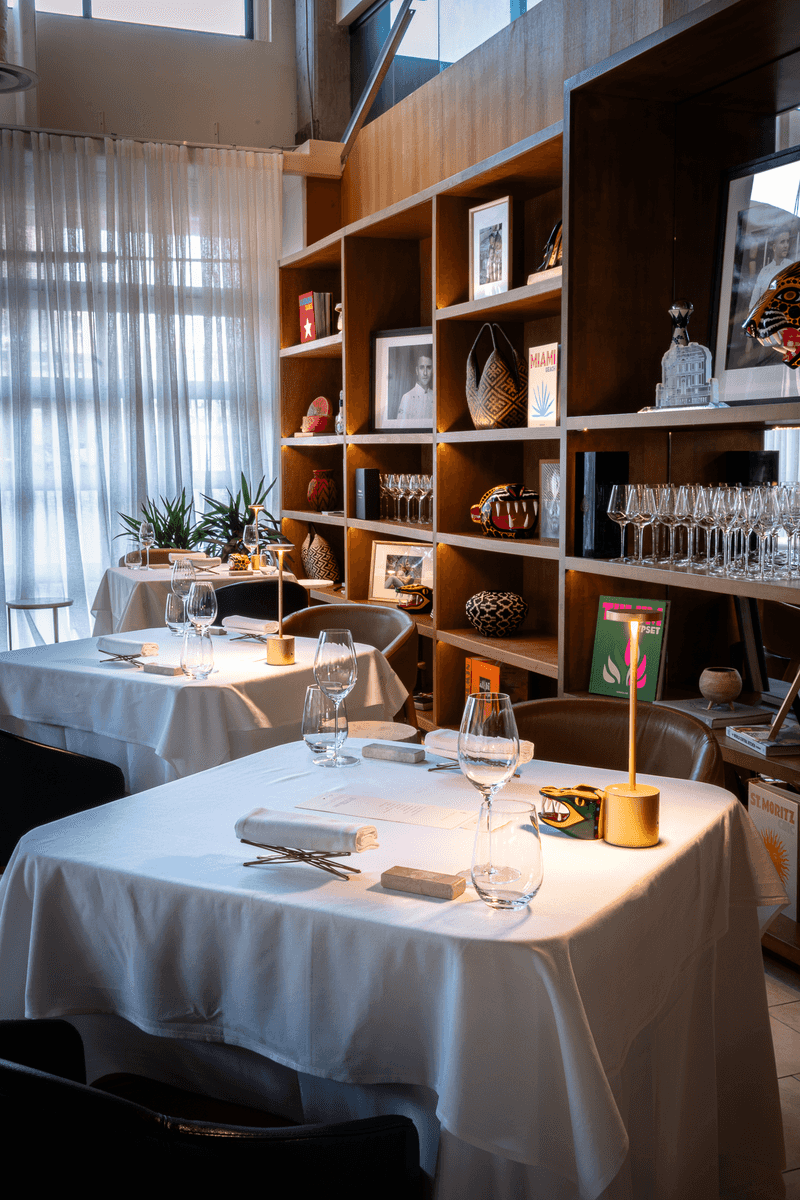
Disco balls and balloons might seem out of place in a temple of haute cuisine, but here they feel absolutely perfect.
Pineapple and Pearls defies convention at 715 8th St SE, Washington, earning two Michelin stars while maintaining a sense of playfulness.
Walnut lobster arrives as a conversation starter, the unexpected pairing challenging your assumptions about seafood preparations.
Funfetti pancakes prove that fine dining can embrace childhood joy without sacrificing sophistication or technical excellence.
The decor walks a tightrope between elegant and exuberant, creating an atmosphere that feels celebratory without being stuffy.
Each course demonstrates meticulous attention to detail, from the precision of knife cuts to the balance of acid and fat.
The fixed-price format removes decision fatigue, allowing you to surrender to the chef’s vision completely.
Staff members guide you through the experience with genuine warmth, explaining techniques without lecturing or showing off.
This restaurant proves that serious food and serious fun aren’t mutually exclusive concepts.
Ted’s Bulletin
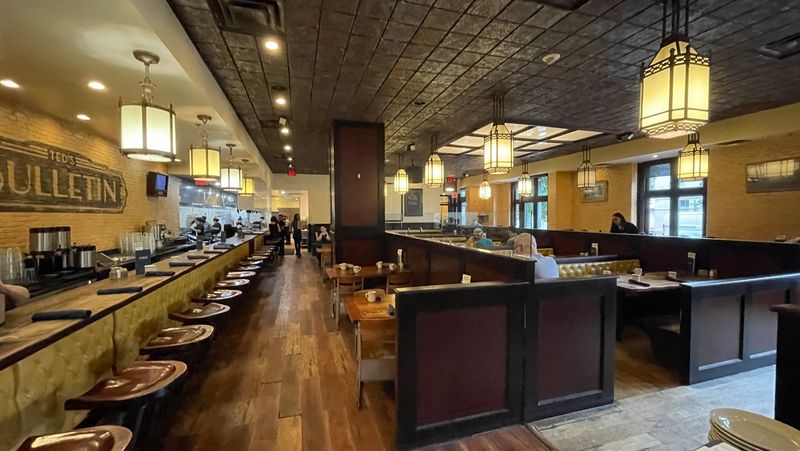
Nostalgia tastes surprisingly good when it’s executed with care and quality ingredients that honor the classics.
Ted’s Bulletin recreates the 1980s at 1818 14th St NW, Washington, complete with checkered floors and vinyl booths.
Breakfast arrives whenever you want it, because limiting pancakes to morning hours makes no sense whatsoever.
Homemade Pop-Tarts emerge from the kitchen warm and flaky, filled with seasonal fruit that actually tastes like fruit.
The menu reads like a greatest hits album of American comfort food, familiar favorites prepared with unexpected attention to detail.
Portions don’t apologize for their generosity, arriving on plates that challenge even the heartiest appetites.
The atmosphere encourages lingering over coffee refills, conversations that meander, and the kind of relaxation that disappears in fancier settings.
Families fill the booths on weekends, creating a soundtrack of laughter and clinking silverware that feels authentically lived-in.
Prices remain remarkably reasonable, proving that quality and affordability can coexist peacefully.
Communion
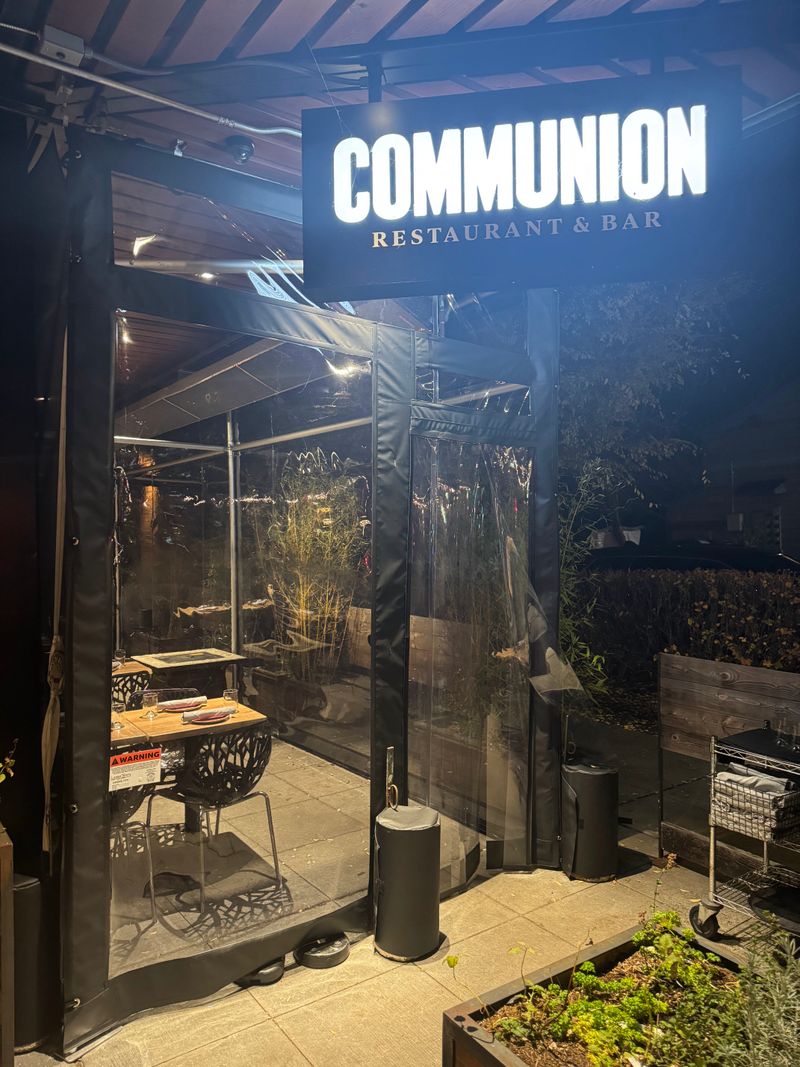
Neighborhood restaurants succeed when they balance ambition with approachability, creating spaces that feel both special and familiar.
Communion achieves this delicate equilibrium at 2350 E Union St, Seattle, focusing on Pacific Northwest ingredients prepared with clarity and respect.
The menu changes with the seasons, reflecting what’s actually growing rather than what corporate suppliers can ship from distant places.
Vegetables receive star treatment here, roasted and dressed in ways that make even skeptical eaters reconsider their relationship with produce.
The dining room feels intimate without being cramped, with lighting that flatters faces and encourages easy conversation.
Local farmers and foragers supply much of what appears on plates, creating a direct connection between land and table.
Prices reflect the quality without reaching into special-occasion-only territory, making repeat visits financially feasible.
The name itself suggests gathering and sharing, values that permeate every aspect of the experience.
This is the kind of place that becomes a regular haunt, where servers remember your preferences and each visit feels like coming home.
The Walrus and the Carpenter
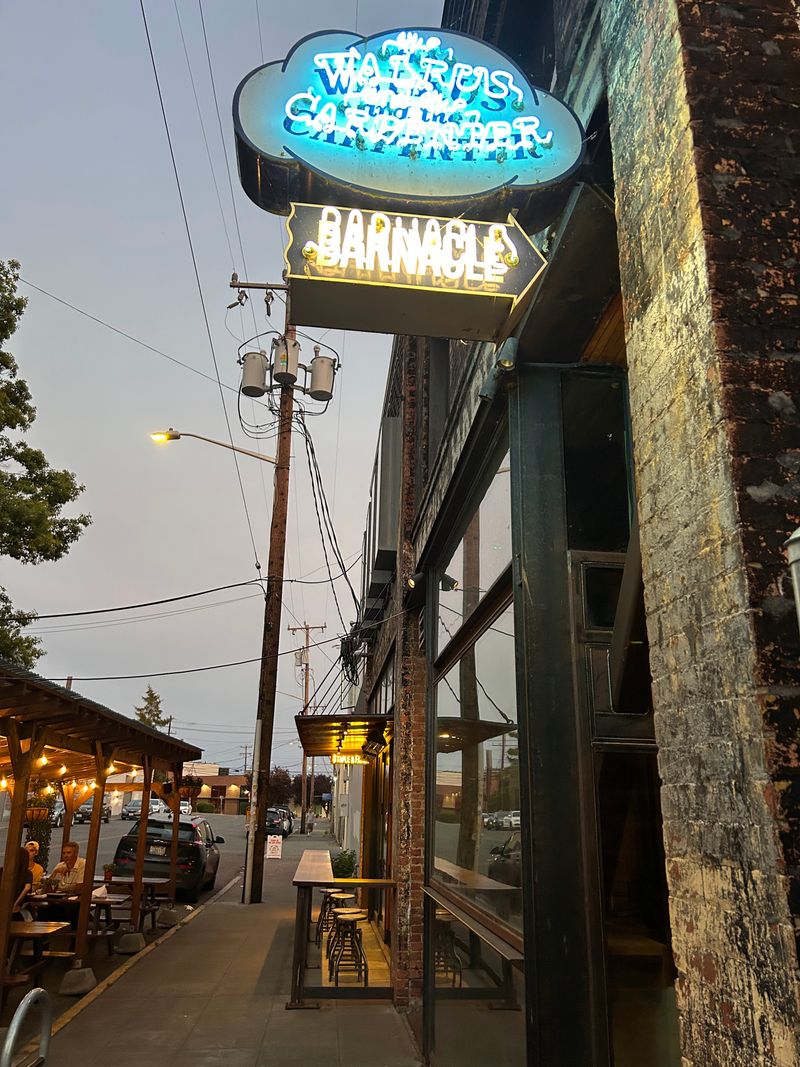
Oysters tell the story of the waters they grow in, each variety carrying distinct mineral notes and briny signatures.
The Walrus and the Carpenter celebrates this diversity at 4743 Ballard Ave NW #300, Seattle, where the oyster selection reads like a Pacific Northwest geography lesson.
The marble bar gleams under pendant lights, creating a stage for shuckers who work with practiced efficiency and obvious pride.
Small plates complement the shellfish beautifully, from smoked trout to roasted vegetables that taste intensely of themselves.
The atmosphere buzzes with energy, conversations overlapping as strangers become temporary neighbors at communal tables.
No reservations means showing up early or embracing the wait, which passes quickly at the adjacent bar.
Each oyster arrives pristinely fresh, accompanied by mignonette that enhances rather than masks the delicate flavors.
The industrial-chic space feels unpretentious despite the sophistication of the offerings, welcoming both oyster novices and seasoned enthusiasts.
This is food that connects you directly to the ocean, reminding you why people have been slurping mollusks for thousands of years.
Altura
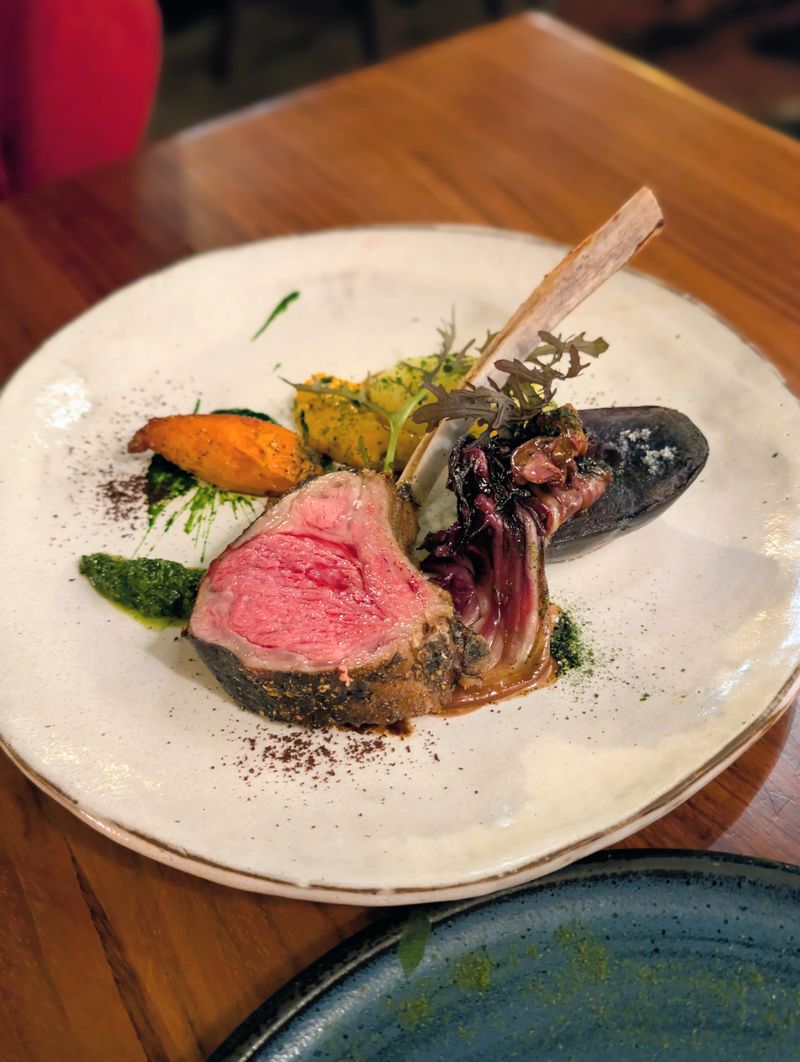
Italian cuisine reaches beyond red sauce and meatballs when chefs understand the regional diversity and seasonal rhythms of the peninsula.
Altura explores these depths at 617 Broadway E, Seattle, offering tasting menus that showcase technique without sacrificing soul.
The dining room maintains an understated elegance, allowing the food to command attention without competing with flashy decor.
Pasta arrives perfectly al dente, sauces clinging to each strand in ways that demonstrate the importance of proper emulsification.
Ingredients speak Italian but with a Pacific Northwest accent, local seafood and produce are integrated seamlessly into traditional preparations.
The pacing feels unhurried, courses arriving with enough time to savor and discuss before the next surprise appears.
Service strikes the ideal balance between formal and friendly, knowledgeable guides who enhance rather than interrupt the experience.
Each dish demonstrates respect for Italian culinary tradition while pushing boundaries with modern techniques and unexpected combinations.
This is the kind of meal that reminds you why people travel across oceans to eat well.
Off Alley
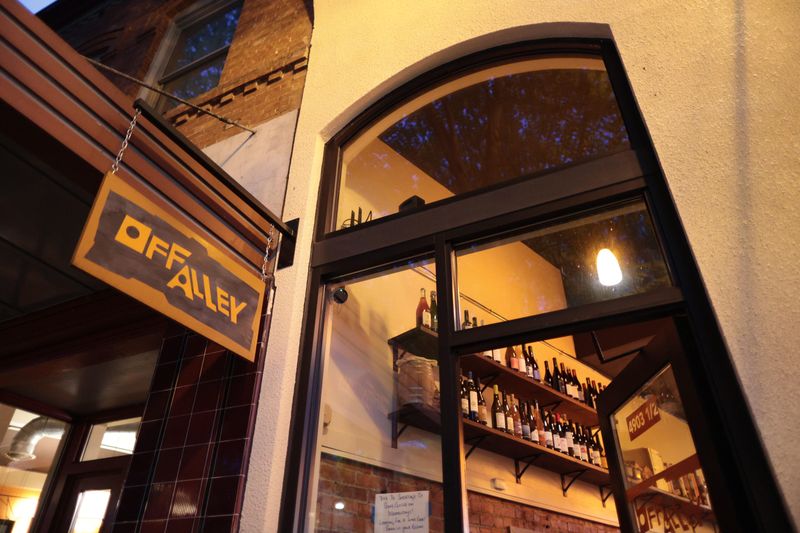
The best discoveries often hide in plain sight, requiring just enough effort to make finding them feel like winning.
Off Alley embraces this philosophy at 1/2, 4903, Rainier Ave S, Seattle, tucked away where only the curious and informed venture.
The space feels like a secret worth keeping, intimate and moody with lighting that creates pockets of privacy at each table.
Small plates encourage sharing and exploration, each dish compact but packed with flavor and textural interest.
The kitchen plays with global influences, borrowing techniques and ingredients from various traditions without appropriating or diluting them.
Presentation demonstrates care without veering into fussy territory, food that looks beautiful but remains approachable and meant to be eaten.
The atmosphere encourages conversation and connection, a refuge from the noise and rush of the streets above.
Menu items change frequently, rewarding repeat visitors with new discoveries and seasonal specialties that reflect market availability.
This is dining as adventure, where taking a chance on unfamiliar combinations usually pays off in unexpected ways.
Adana Restaurant
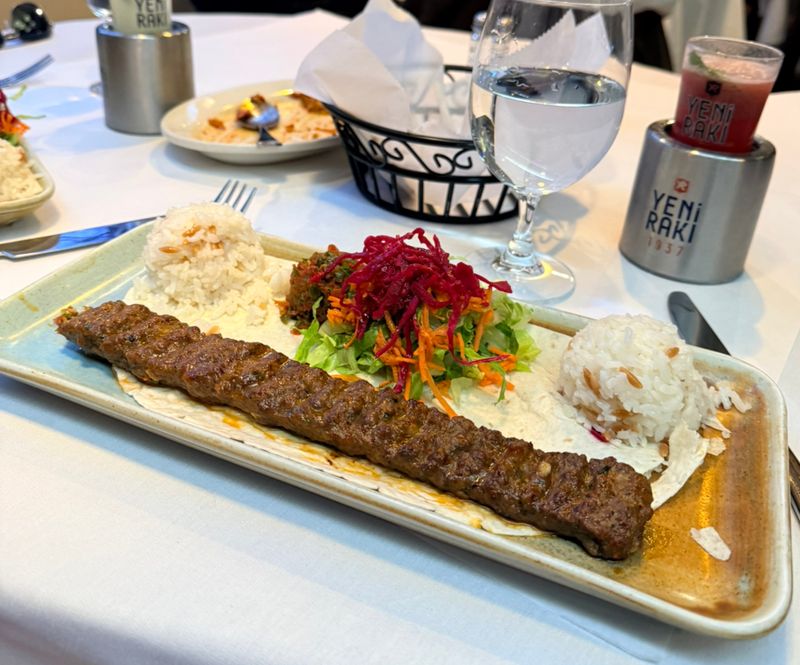
Turkish cuisine offers far more than most Americans realize, a complex tapestry of flavors shaped by geography and centuries of cultural exchange.
Ottoman Taverna shares this richness at 906 4th St NW, Washington, named after the empire that once spanned three continents and defined culinary traditions across regions.
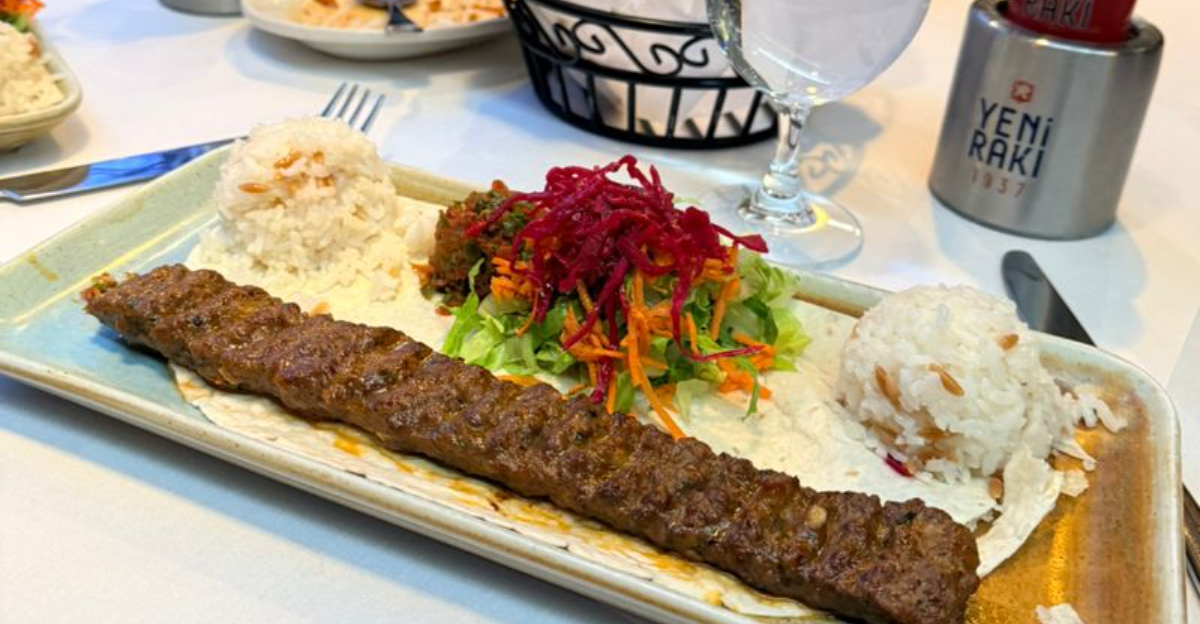
Mezze platters arrive as colorful introductions, small dishes of hummus, muhammara, and stuffed grape leaves inviting leisurely grazing.
The namesake kebabs deliver promised depth, marinated meats seasoned with fragrant spices and grilled over charcoal until tender and slightly smoky.
Pide emerges from the oven like Turkish pizza, the boat-shaped flatbread loaded with toppings and sporting perfectly blistered edges.
The dining room feels warm and welcoming, decorated with touches that evoke Turkey without resorting to theme-park excess.
Portions lean generous, encouraging family-style sharing and the kind of communal eating that defines Mediterranean food culture.
Prices remain accessible, making exotic flavors available to curious eaters without requiring a special-occasion budget.
This is food that travels well across borders, maintaining authenticity while adapting to new audiences with grace.
Archipelago
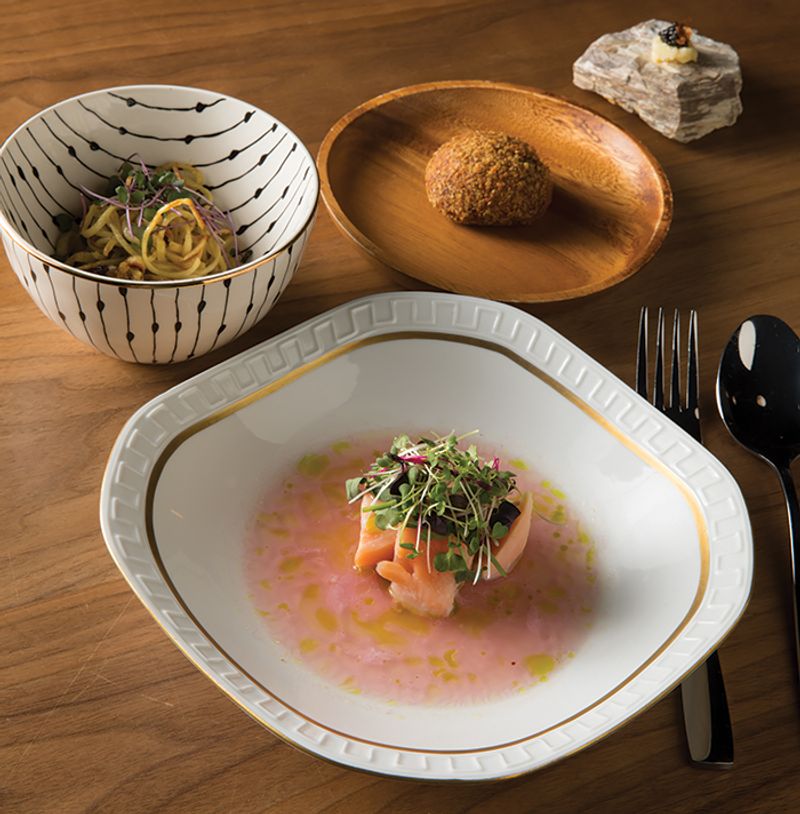
Filipino food deserves far more recognition than it receives, a cuisine that blends indigenous, Spanish, Chinese, and American influences into something entirely unique.
Archipelago champions these flavors at 5607 Rainier Ave S, Seattle, presenting Filipino cuisine through a modern lens that respects tradition while embracing innovation.
Lumpia arrives elevated, the classic spring rolls reimagined with unexpected fillings and dipping sauces that add layers of complexity.
Adobo gets deconstructed and reconstructed, familiar flavors appearing in new forms that challenge expectations while honoring the original spirit.
The menu educates as it entertains, descriptions helping diners understand the cultural context behind each dish without reading like textbook entries.
Presentation demonstrates artistic ambition, plates that photograph beautifully but never sacrifice flavor for appearance.
The space feels contemporary and cool, attracting a diverse crowd united by curiosity and appetite.
This restaurant proves that Filipino cuisine can hold its own alongside any other Asian food tradition in terms of sophistication and depth.
Each visit offers opportunities to expand your culinary vocabulary and challenge any preconceptions about what Filipino food can be.