13 Smoky Mountains Adventures That Showcase Tennessee’s Most Scenic Hiking
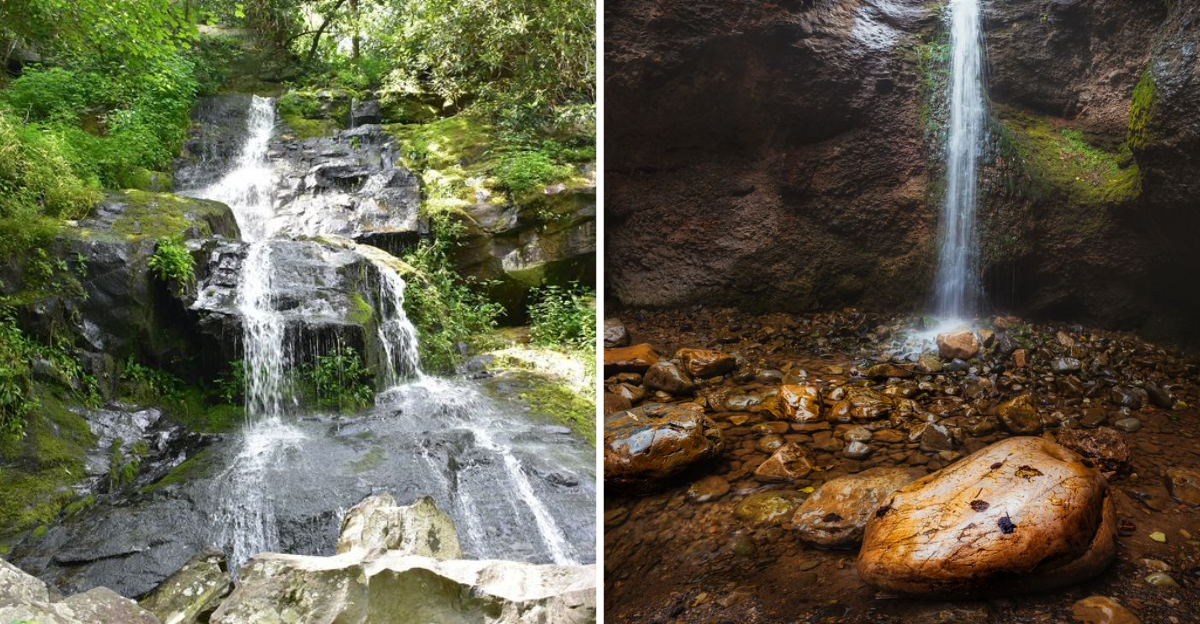
The Great Smoky Mountains stretch across Tennessee like nature’s masterpiece, offering trails that wind through misty forests, past rushing waterfalls, and up to breathtaking mountain views.
Whether you’re a seasoned hiker or just starting out, these paths promise adventures that’ll stick with you long after your boots are back in the closet.
From family-friendly strolls to challenging climbs, Tennessee’s portion of the Smokies delivers scenery that makes every step worthwhile.
1. Alum Cave Trail
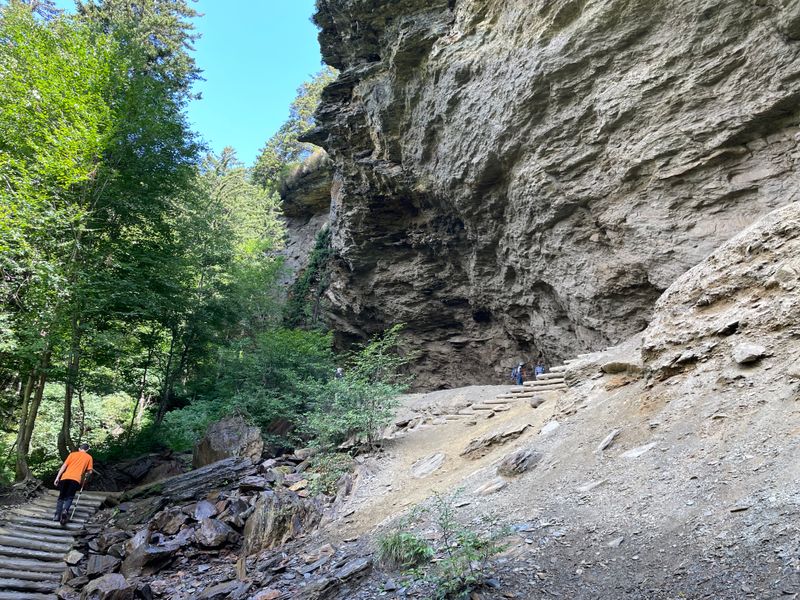
Standing beneath the massive rock overhang at Alum Cave Bluff feels like stepping into nature’s cathedral, where the mountain itself creates shelter overhead.
This 5-mile round-trip adventure climbs steadily through diverse terrain, passing the narrow Arch Rock tunnel and the inspiring views at Inspiration Point.
The path rewards hikers with panoramic mountain scenes that shift with every season, from spring wildflowers to autumn’s fiery colors.
Families with older kids often tackle this moderately strenuous trail, though the elevation gain of about 1,400 feet means everyone should come prepared with water and snacks.
The final approach to the bluff involves some rocky scrambling, adding just enough challenge to make reaching the destination feel like a real accomplishment.
2. Clingmans Dome Trail
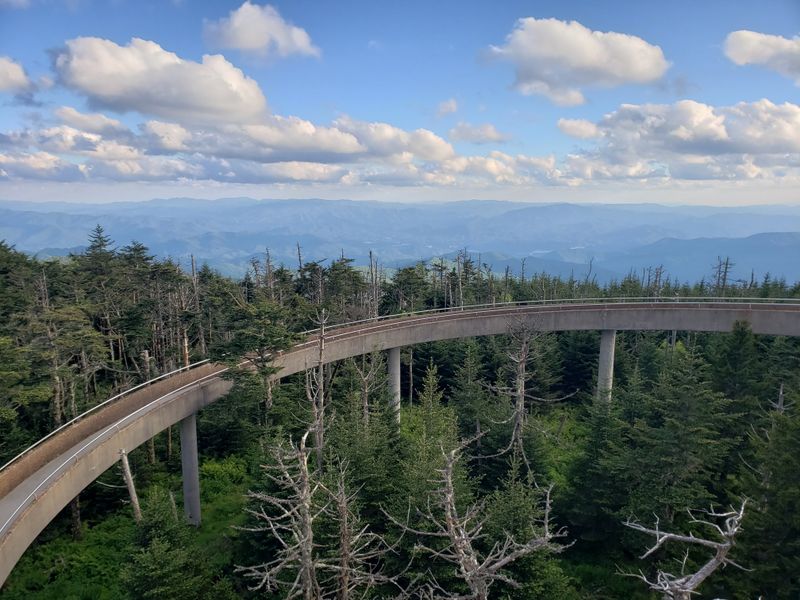
At 6,643 feet, Clingmans Dome claims the title of highest point in Tennessee, offering views that stretch across multiple states when weather cooperates.
The half-mile paved trail to the observation tower might be short, but the steep grade and high elevation can leave visitors huffing a bit.
Once you reach the unique spiral tower at the summit, the 360-degree panorama makes the climb absolutely worth it.
Early morning hikers often find themselves literally above the clouds, watching fog blanket the valleys below like fluffy white cotton.
The area’s spruce-fir forest creates an almost otherworldly atmosphere, especially when mist weaves through the dark evergreens, making this trail feel more like a journey to another realm than a simple walk.
3. Rainbow Falls Trail
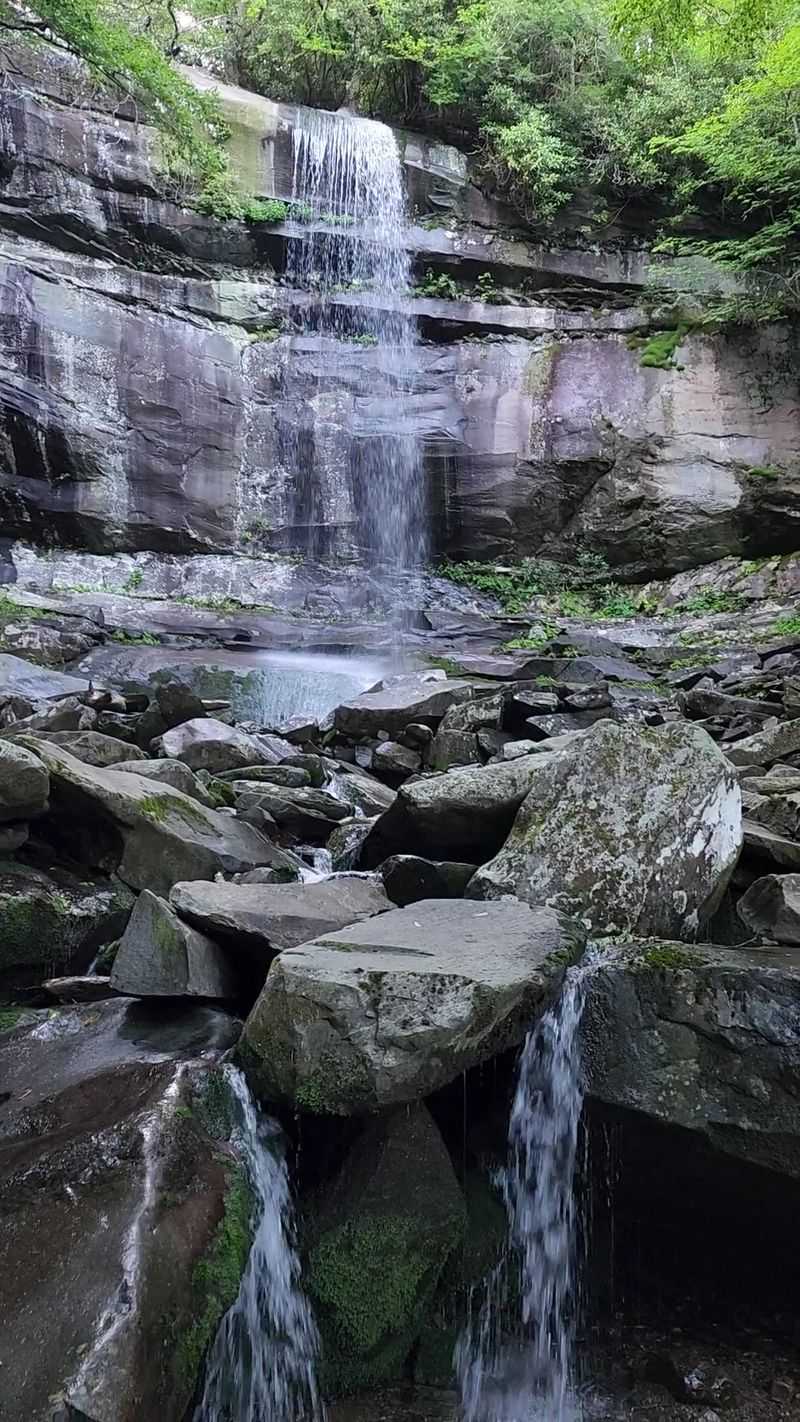
When afternoon sunlight hits the mist just right, this 80-foot waterfall lives up to its colorful name, casting rainbows that dance in the spray.
The 5.4-mile round-trip hike follows Rocky Fork creek upstream through beautiful forest, passing smaller cascades that preview the main attraction.
Though classified as strenuous due to the 1,500-foot elevation gain, the trail maintains a steady pace that most moderately fit hikers can handle.
Spring and early summer bring the highest water flow, creating thunderous plunges that soak anyone who ventures too close to the base.
Rhododendron tunnels along the path bloom spectacularly in late spring, adding bonus beauty to an already gorgeous hike that showcases why Tennessee’s mountains attract nature lovers from everywhere.
4. Andrews Bald Trail
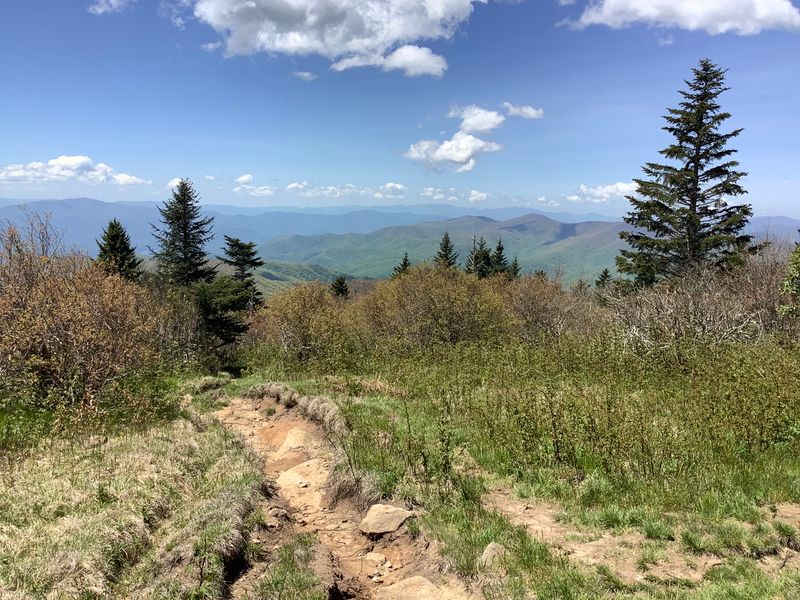
Mountain balds are mysterious grassy clearings that interrupt the forest canopy, and Andrews Bald offers one of the most accessible examples in the entire park.
Starting from Clingmans Dome parking area, this 3.5-mile round-trip trail descends through spruce-fir forest before opening onto the bald’s sweeping meadow.
The open space provides unobstructed views across wave after wave of mountain ridges that fade into the distance.
June brings flame azaleas that paint the bald’s edges in brilliant orange, creating photo opportunities that could fill an entire memory card.
The return trip means climbing back uphill, but the moderate grade makes it manageable for families with elementary-aged kids who can handle a few miles of walking with some huffing and puffing.
5. Charlies Bunion Trail
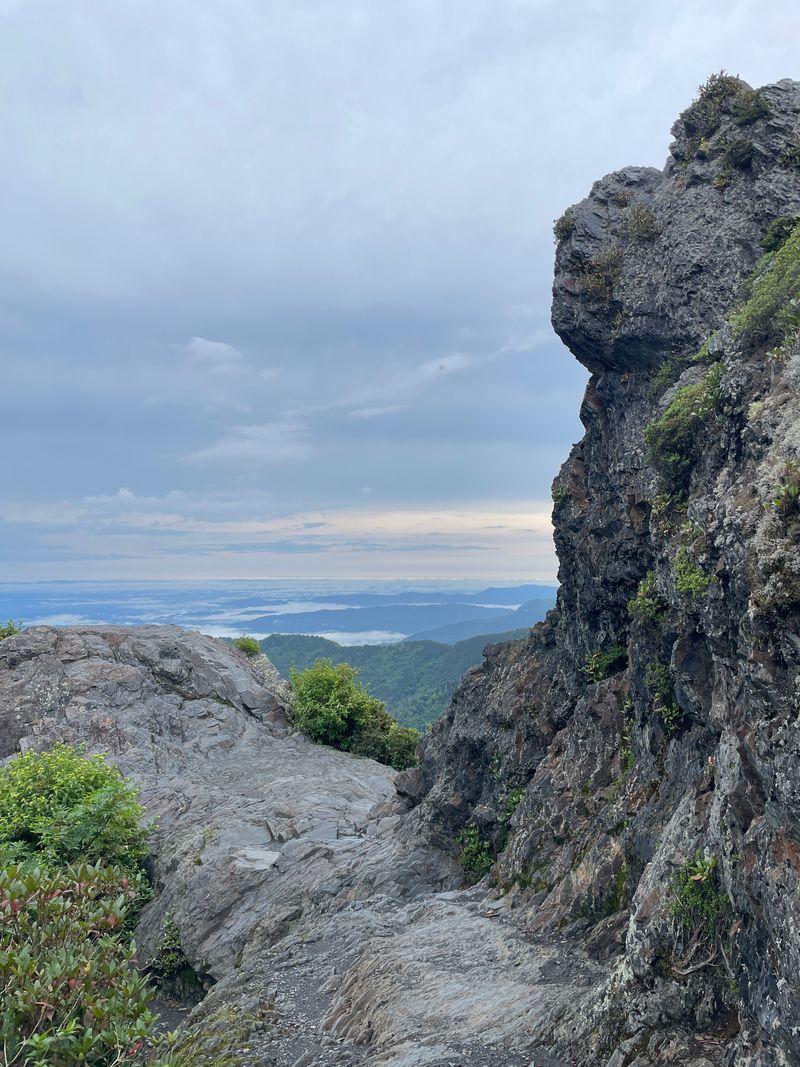
Named after a hiker’s sore foot that resembled this rocky outcrop, Charlies Bunion delivers drama with its exposed cliff faces and dizzying drop-offs.
The 8-mile round-trip hike follows the Appalachian Trail from Newfound Gap, climbing through forest before emerging onto this spectacular rock formation.
Brave souls who venture onto the narrow spine are rewarded with jaw-dropping views down into the valley and across to Mount LeConte.
This moderately strenuous trail gains about 1,600 feet in elevation, with some sections crossing exposed areas where wind can whip surprisingly hard.
Clear days offer the best visibility, though morning fog rolling through the valleys creates an ethereal atmosphere that transforms the landscape into something from a fantasy novel, making timing your visit part of the adventure.
6. Abrams Falls Trail
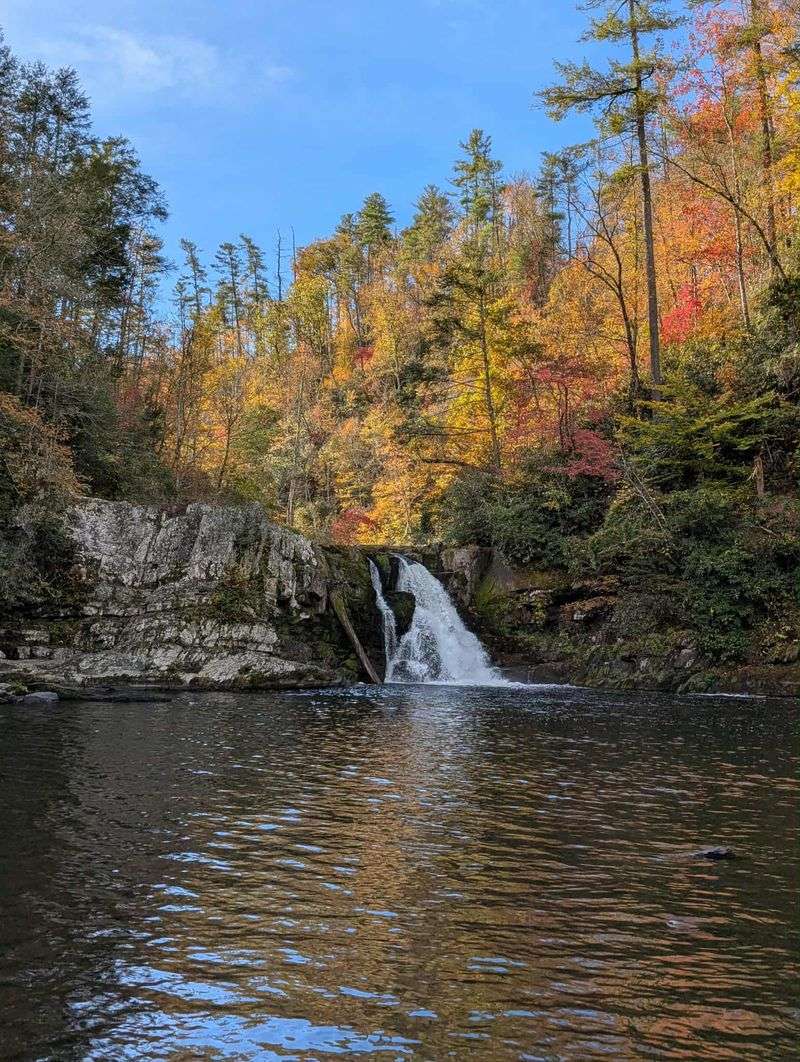
Volume matters more than height at Abrams Falls, where a relatively short 20-foot drop moves more water than any other waterfall in the Smokies.
The 5-mile round-trip trail from Cades Cove winds through diverse forest along Abrams Creek, crossing wooden bridges and passing through areas where wildlife sightings happen fairly regularly.
The powerful cascade creates a large pool at its base that looks tempting for swimming, though strong currents make it dangerous despite the inviting appearance.
Moderate difficulty means most hikers can complete this trail without too much struggle, though some rocky sections require watching your step.
The combination of Cades Cove’s historic buildings and this impressive waterfall makes for a full day of exploration that showcases both natural and cultural aspects of Tennessee’s mountain heritage.
7. Mount LeConte via Alum Cave
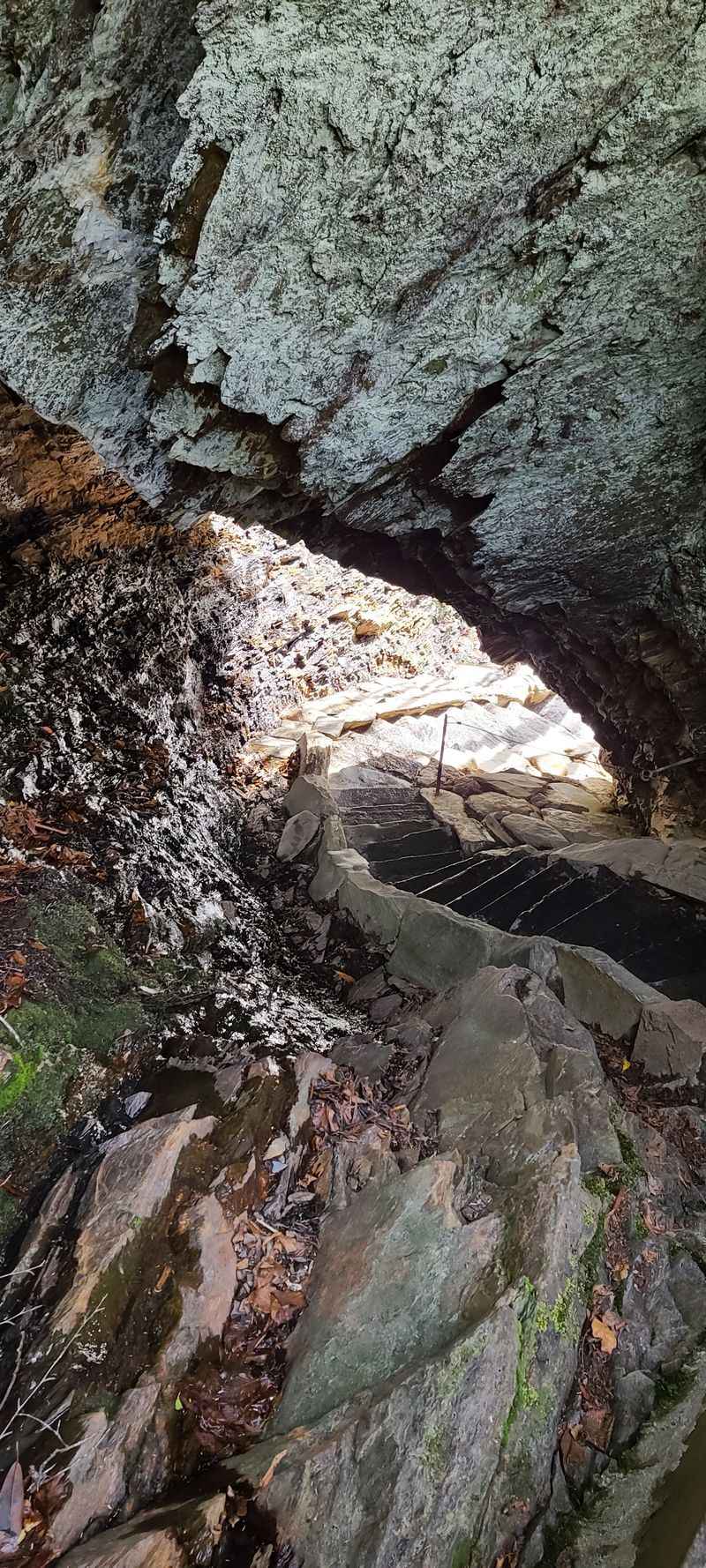
Reaching the third-highest peak in the Smokies requires commitment, but standing atop Mount LeConte at 6,593 feet delivers satisfaction that easy trails simply cannot match.
The 11-mile round-trip climb via Alum Cave Trail is the shortest but steepest route to the summit, gaining over 2,700 feet in elevation.
The final section involves navigating steep rock faces with cable handrails, adding adventure that gets the adrenaline pumping.
LeConte Lodge near the summit offers rustic overnight accommodations for those who book months in advance, making sunrise views possible without the brutal pre-dawn start.
The challenging nature of this hike means proper preparation is essential good boots, plenty of water, snacks, and weather-appropriate clothing can make the difference between a memorable adventure and a miserable slog up Tennessee’s iconic peak.
8. Ramsey Cascades Trail
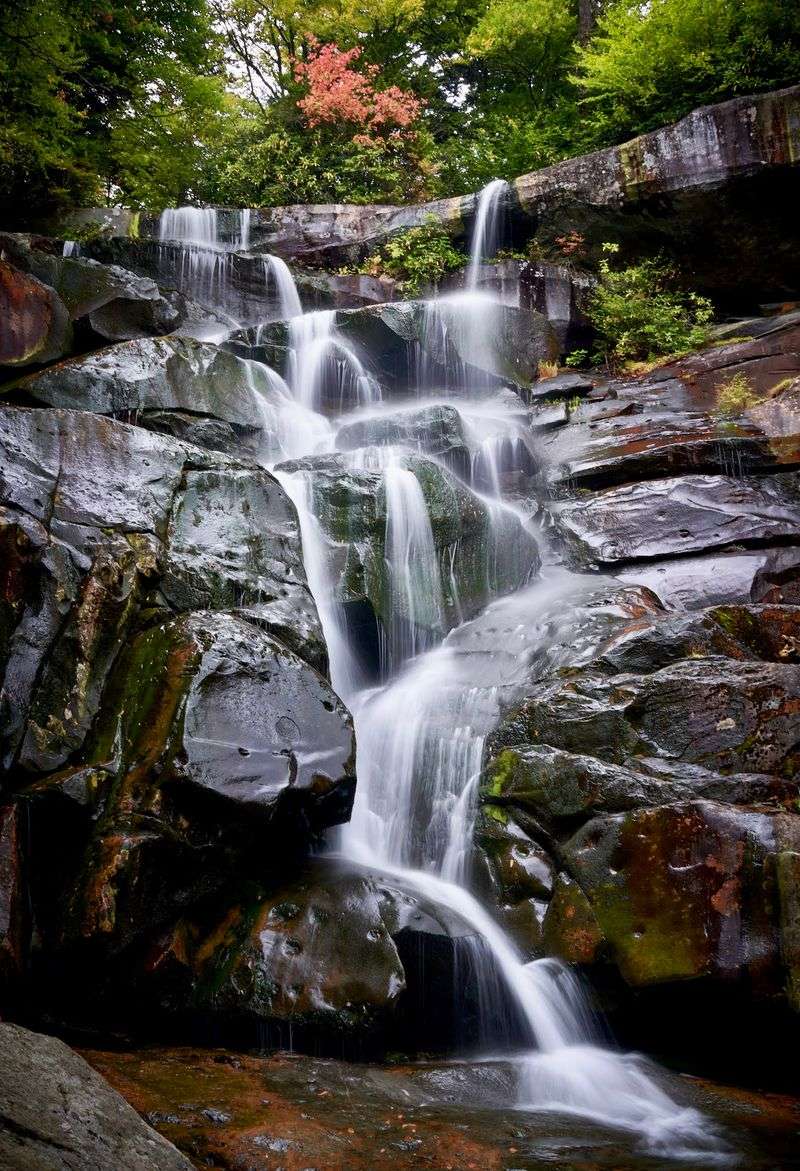
As the tallest waterfall in the national park, Ramsey Cascades commands respect with its 100-foot tumble down a series of rocky ledges that create multiple tiers of falling water.
The 8-mile round-trip trail passes through some of the park’s finest old-growth forest, where massive tulip poplars and hemlocks tower overhead like ancient guardians.
Multiple creek crossings on log bridges add variety to the hike, though high water can make these sections tricky.
Strenuous in classification, this trail gains about 2,000 feet and requires good fitness levels, but the reward of standing before such a powerful cascade makes the effort worthwhile.
Wildflowers carpet the forest floor in spring, while fall brings color that rivals any postcard, proving that timing your visit can enhance an already spectacular Tennessee hiking experience.
9. Grotto Falls Trail
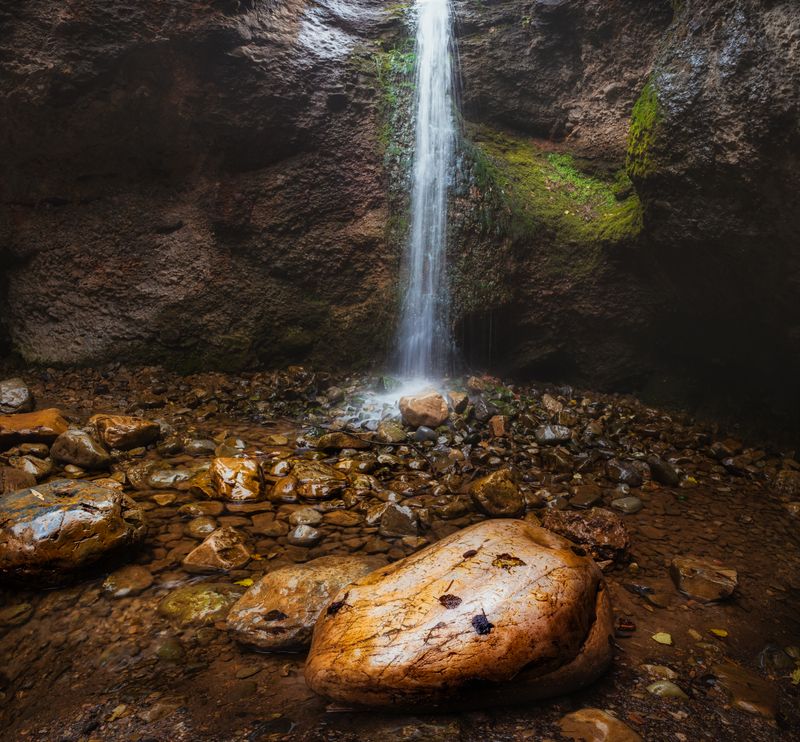
Walking behind a waterfall sounds like something from an adventure movie, but Grotto Falls makes it possible without any special equipment or daring acrobatics.
The 2.6-mile round-trip trail through hemlock forest leads to this 25-foot cascade where the path actually passes behind the falling water.
Kids absolutely love the experience of standing in the rock alcove while water curtains the opening, creating memories that’ll come up in conversation for years.
Moderate in difficulty with about 500 feet of elevation change, this trail suits families with school-aged children who want something more interesting than a simple nature walk.
The constant mist around the falls keeps the area cool even on warm days, and the moss-covered rocks create a fairy-tale atmosphere that makes this one of Tennessee’s most enchanting waterfall experiences.
10. Hen Wallow Falls Trail
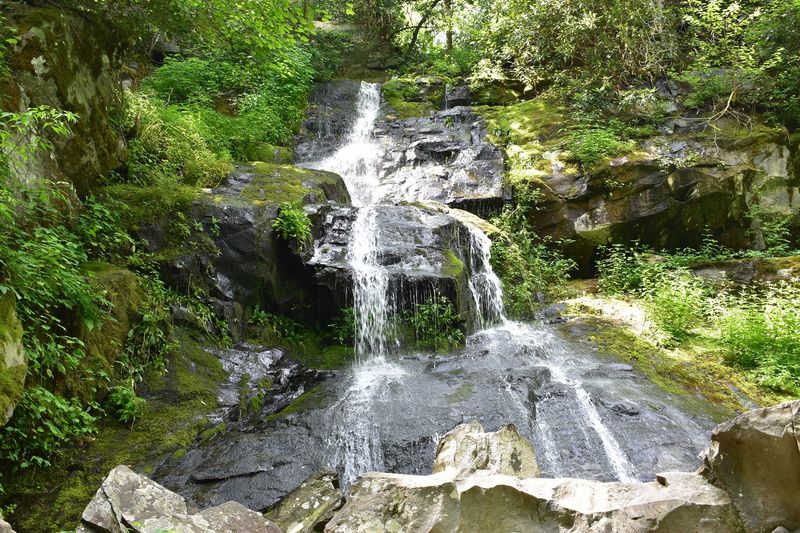
Tucked away in the quieter Cosby section of the park, Hen Wallow Falls offers a 90-foot ribbon of water that flows down a smooth rock face like nature’s own water slide.
The 4.4-mile round-trip hike follows an old logging road for much of the route, making for easy walking despite the moderate classification.
Spring brings the highest water flow, transforming the usually gentle cascade into a more impressive display that echoes through the surrounding forest.
Because Cosby attracts fewer visitors than areas like Cades Cove or Newfound Gap, hikers often enjoy this trail in peaceful solitude that’s increasingly rare in the popular Smokies.
The rhododendron tunnels along the path bloom beautifully in late spring, adding seasonal interest that makes repeat visits worthwhile for Tennessee residents who want to see the mountains through different seasons.
11. Porters Creek Trail
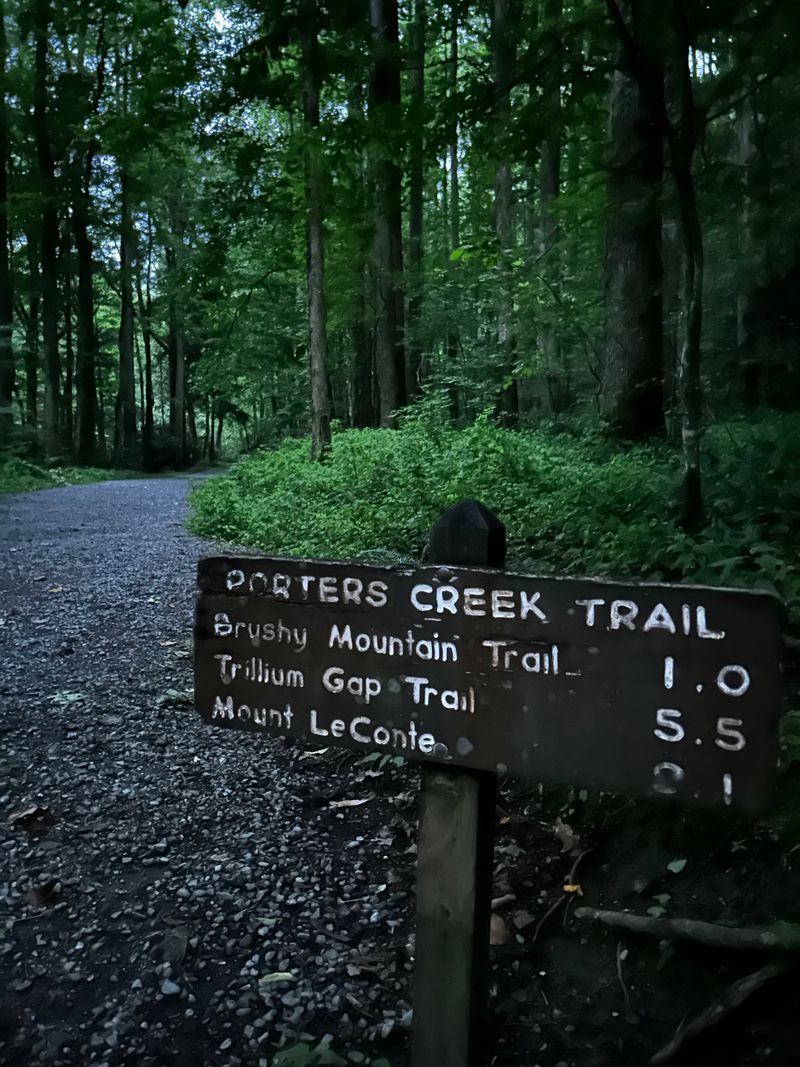
History and nature blend seamlessly along Porters Creek, where remnants of old homesteads peek through the forest like ghosts from Tennessee’s mountain past.
The 4-mile round-trip trail passes old stone walls, cemeteries, and building foundations that tell stories of families who once called these mountains home.
Spring transforms the area into a wildflower paradise, with trilliums carpeting the forest floor in white waves that photographers travel from far away to capture.
Moderate in difficulty, the trail eventually reaches a small waterfall, though many visitors find the historical elements and spring blooms more compelling than the cascade itself.
The combination of natural beauty and cultural history makes this trail especially meaningful for those interested in understanding how people lived in these mountains before the national park existed in 1934.
12. Chimney Tops Trail
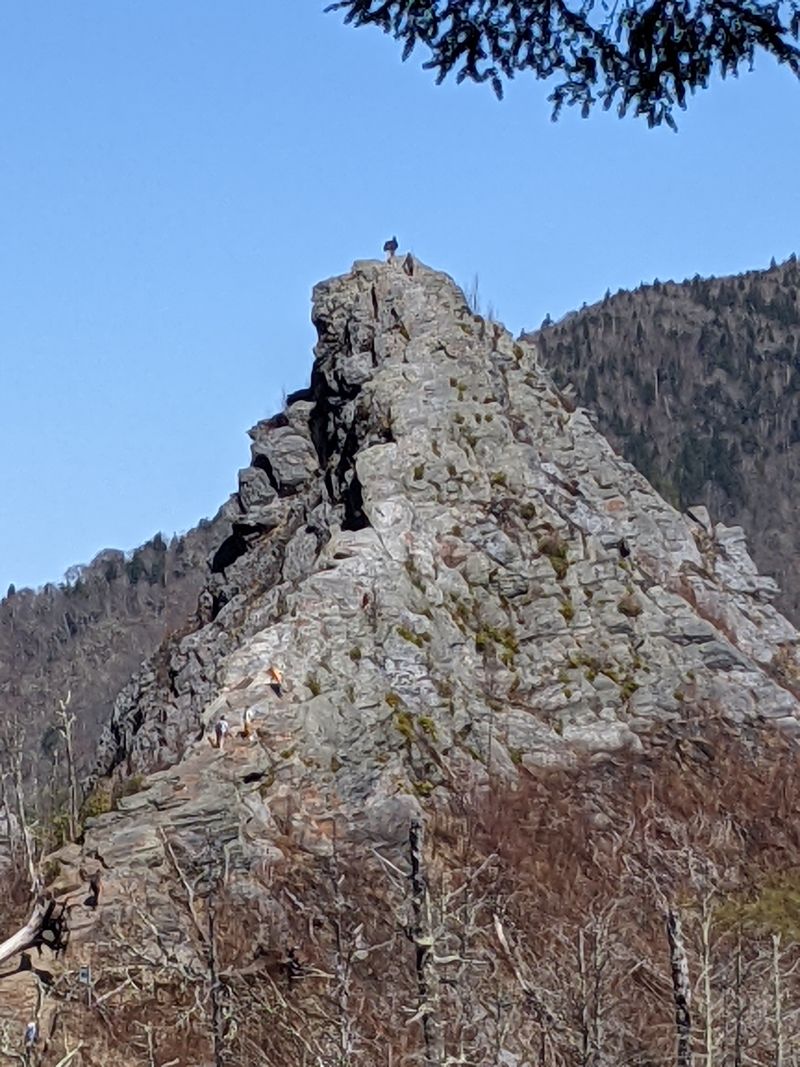
Two rocky knobs jut skyward like chimneys on this peak, giving the trail its name and providing one of the most dramatic summit experiences in the entire park.
The 3.5-mile round-trip hike packs serious punch with 1,400 feet of elevation gain, ending with a scramble up exposed rock that’s not for anyone afraid of heights.
Views from the top span 360 degrees, revealing mountain ranges that ripple toward distant horizons in every direction.
Recent wildfires changed the landscape along portions of this trail, but recovery has brought interesting ecological changes that nature enthusiasts find fascinating to observe.
The strenuous rating is well-earned, and the final climb requires using hands as well as feet, so hikers should assess their comfort level with exposure before committing to the full ascent of these iconic Tennessee peaks.
13. Maddron Bald Trail
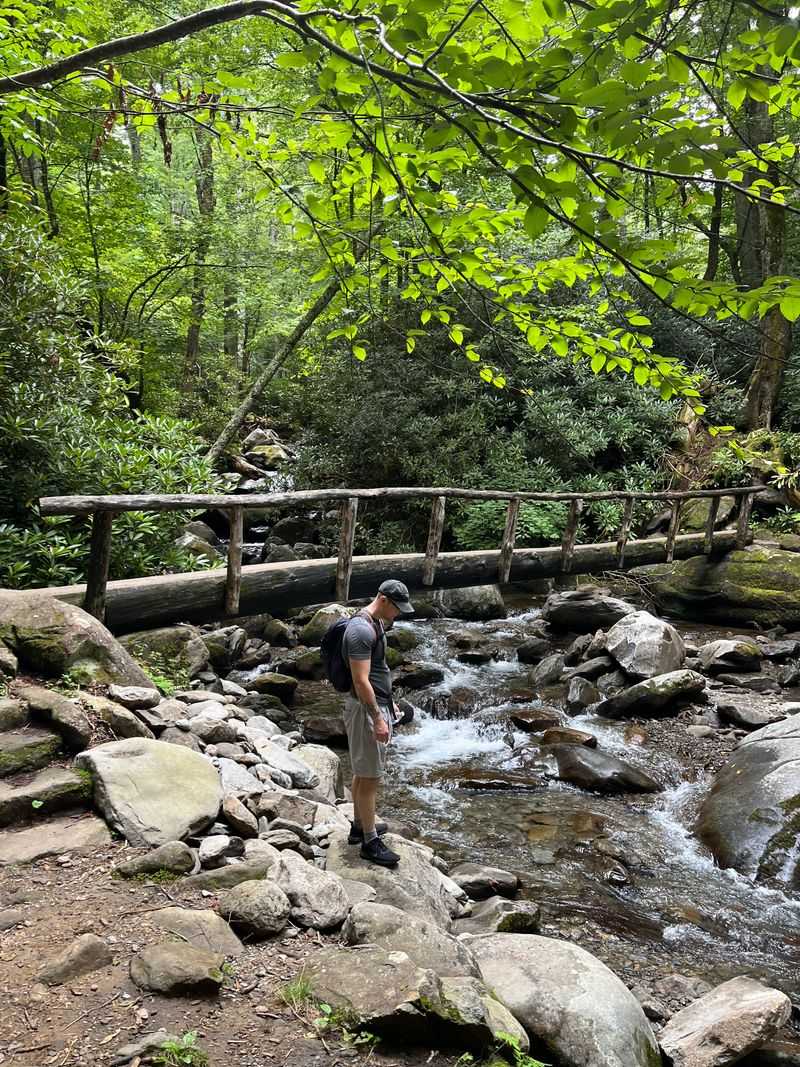
Ancient trees reaching toward the sky create a humbling atmosphere in Albright Grove, an old-growth forest accessed via the challenging Maddron Bald Trail.
This 7.2-mile strenuous hike involves multiple stream crossings and significant elevation gain, but the reward is standing among trees that were already massive when Tennessee became a state.
The loop through Albright Grove features hemlocks and tulip poplars with trunk diameters that seem almost impossible, reminding hikers that these mountains are truly ancient.
The trail continues beyond the grove to Maddron Bald, though many hikers consider the old-growth forest the main attraction.
Solitude comes easier here than on more popular trails, making this a good choice for those seeking quieter communion with nature away from the crowds that sometimes overwhelm the Smokies during peak seasons.