Easy Home Improvements Washington DIYers Love On Weekends
Weekend home improvement projects give Washington residents a chance to transform their living spaces without breaking the bank or their schedules.
From Seattle’s rainy neighborhoods to Spokane’s sunny streets, DIY enthusiasts across the state roll up their sleeves every Saturday and Sunday to tackle manageable upgrades.
These projects not only boost home value but also provide a satisfying sense of accomplishment that makes Monday morning feel a little sweeter.
Installing Floating Shelves
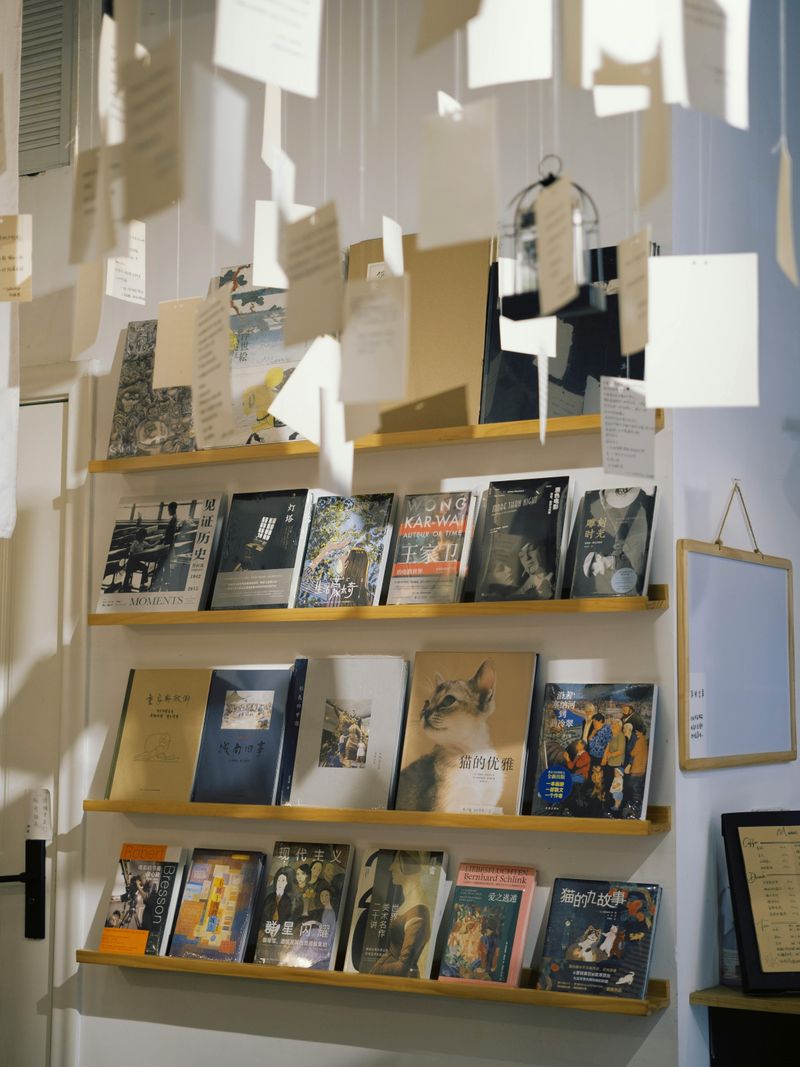
Nothing transforms an empty wall quite like floating shelves that seem to defy gravity.
Washington homeowners have discovered these sleek storage solutions at DIY Projects, located right in the heart of Seattle where creative minds gather daily.
The shop sits at coordinates that put it near Pike Place Market, making it easy to grab supplies after browsing fresh flowers.
Floating shelves work beautifully in kitchens, living rooms, and even bathrooms where space runs tight.
Installation requires only a level, drill, and about two hours of focused weekend time.
The brackets hide behind the wood, creating that magical floating effect everyone admires.
Choose solid wood for heavier items or lightweight pine for displaying small decorative pieces.
Staining or painting the shelves before mounting saves time and prevents drips on your walls.
Many Washington DIYers arrange succulents, family photos, and vintage finds on their new shelves.
The project costs less than fifty dollars but delivers a custom look that impresses every guest who visits.
Painting Accent Walls Or Rooms
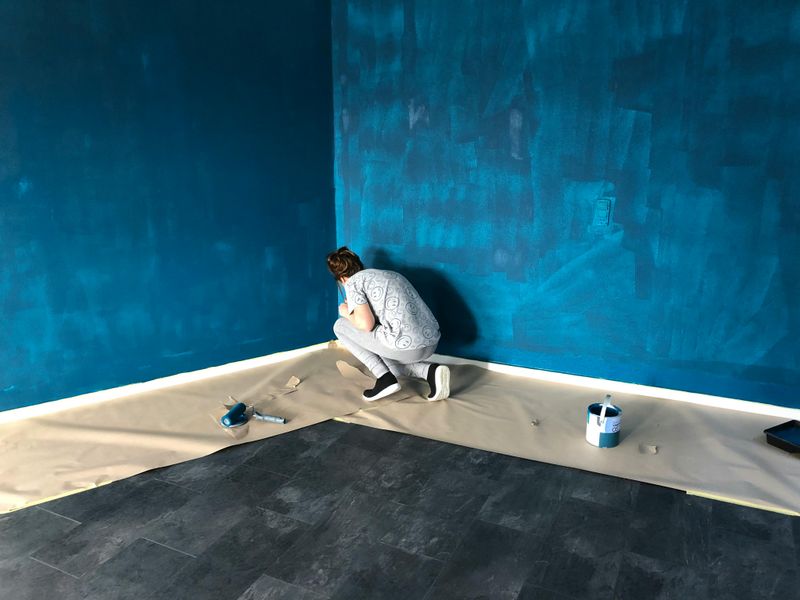
Color has the power to completely reshape how a room feels when you walk through the door.
Accent walls have become the signature move for Washington DIYers who want drama without overwhelming their spaces.
A single gallon of quality paint typically covers one accent wall, keeping costs remarkably low for the impact delivered.
Deep navy, forest green, and warm terracotta shades complement the Pacific Northwest aesthetic perfectly.
Prep work matters more than people realize.
Taping edges cleanly prevents those frustrating paint bleeds that ruin crisp lines.
Rolling on two coats ensures even coverage that looks professionally done rather than rushed on a Sunday afternoon.
The entire project takes about four to six hours, from furniture moving to the final cleanup time.
Washington’s mild climate means you can crack windows for ventilation without freezing even in early spring.
Choosing the right wall matters, too; typically, the one you see first when entering creates maximum visual punch.
This simple upgrade breathes new life into tired spaces without requiring contractor-level skills or expensive equipment investments.
Updating Cabinet Hardware
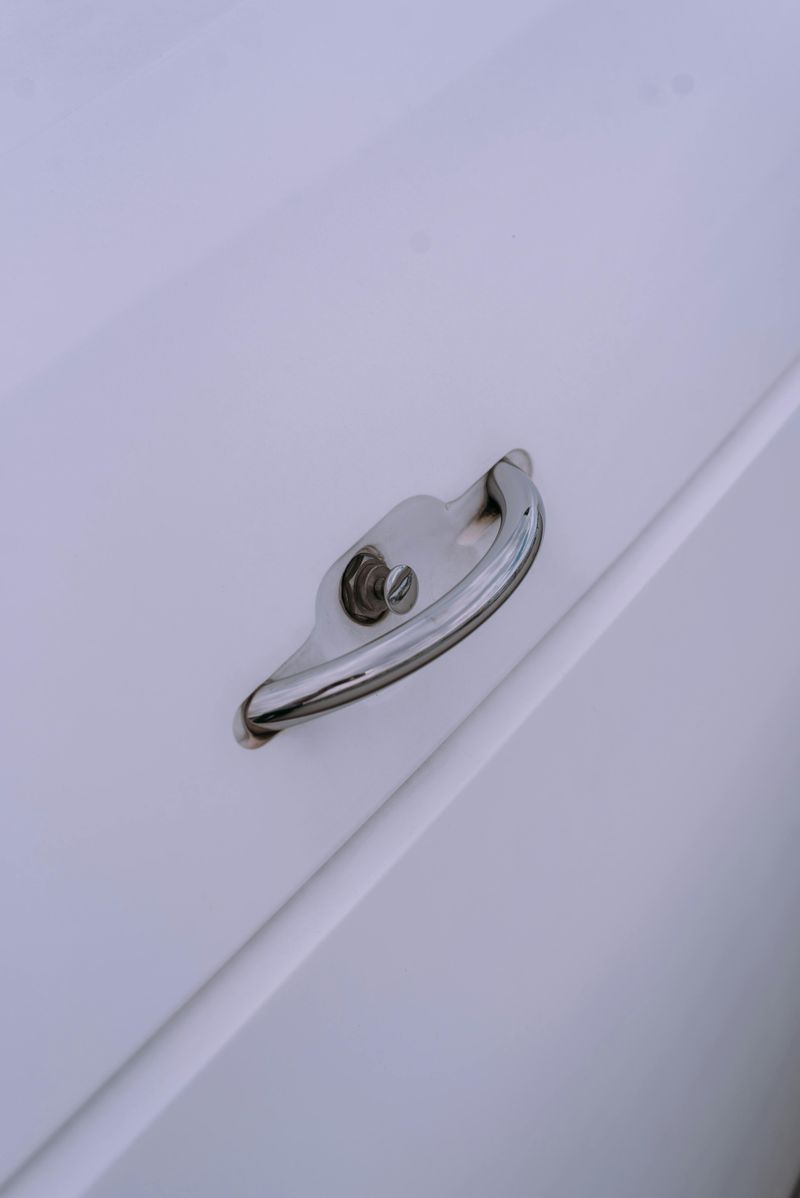
Small changes create surprisingly big differences, especially when it comes to tired cabinet pulls and knobs.
Swapping outdated brass hardware for sleek matte black or brushed nickel instantly modernizes any Washington kitchen.
The project requires only a screwdriver and maybe a drill if the new hardware spacing differs slightly.
Most cabinets use standard spacing, making replacement straightforward even for complete beginners tackling their first project.
Hardware stores across Washington stock hundreds of styles from farmhouse rustic to ultra-contemporary minimalist designs.
Measuring existing holes before shopping prevents the frustration of buying pieces that won’t fit your current setup.
Each handle or knob takes about two minutes to replace, meaning a full kitchen transforms in under an hour.
The cost runs between thirty and one hundred dollars depending on how many cabinets need updating.
This upgrade works wonders in bathrooms too, where vanity cabinets often sport the same outdated hardware for decades.
The tactile experience of opening drawers with beautiful new hardware makes cooking and organizing feel more luxurious daily.
Adding Peel-and-Stick Backsplash Tiles
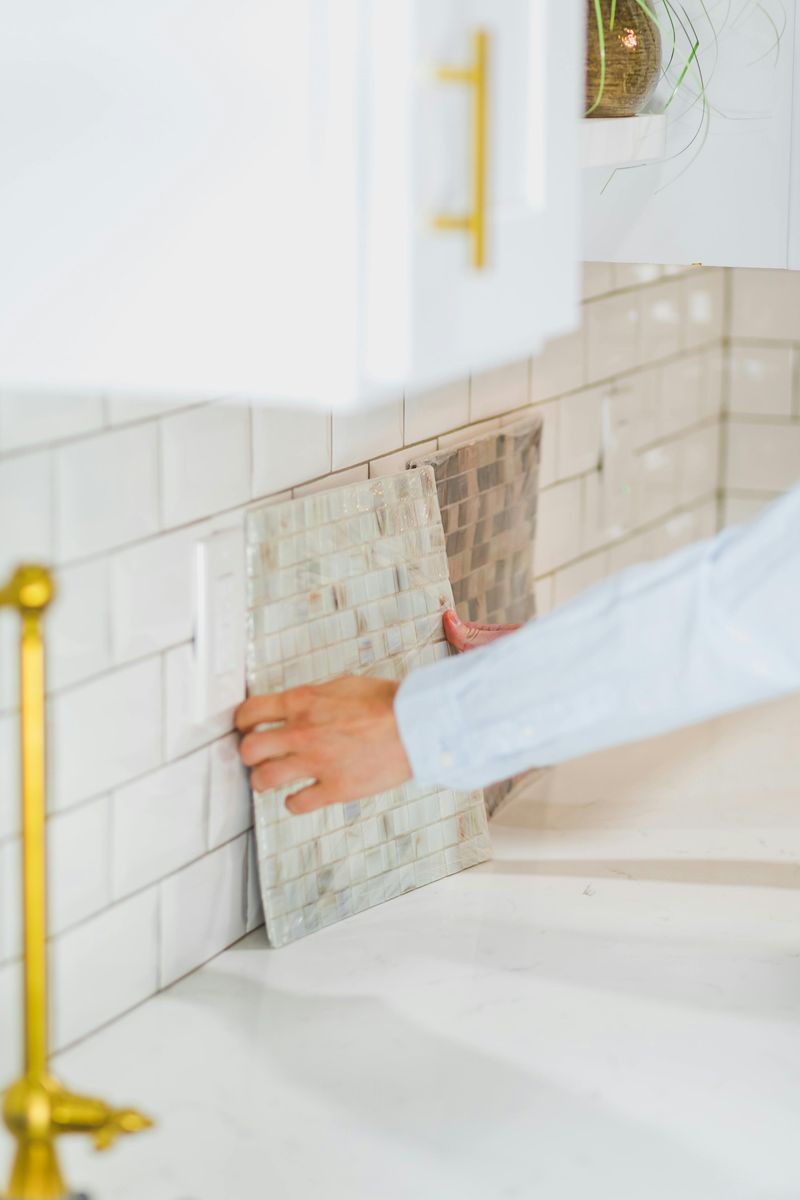
Backsplashes once required professional installation with messy grout and expensive tile-cutting tools that intimidated casual DIYers.
Modern peel-and-stick options changed everything by making this upgrade accessible to anyone with patience and steady hands.
These adhesive tiles come in subway patterns, geometric designs, and even realistic stone looks that fool most guests.
Washington kitchens benefit from the moisture resistance these tiles provide behind sinks and stoves where splashes happen constantly.
Cleaning the wall thoroughly before application ensures the tiles stick properly and last for years without peeling corners.
Measuring and planning the layout prevents awkward cuts at outlets or cabinet edges that look obviously amateur.
A sharp utility knife and straight edge handle any necessary trimming with precision that matches professional installations.
The entire backsplash typically takes three to five hours depending on kitchen size and pattern complexity chosen.
Costs range from fifty to two hundred dollars, delivering a custom look for a fraction of traditional tile work.
This project transforms rental kitchens too since the tiles remove cleanly when it’s time to move out eventually.
Creating A Small Indoor Herb Garden
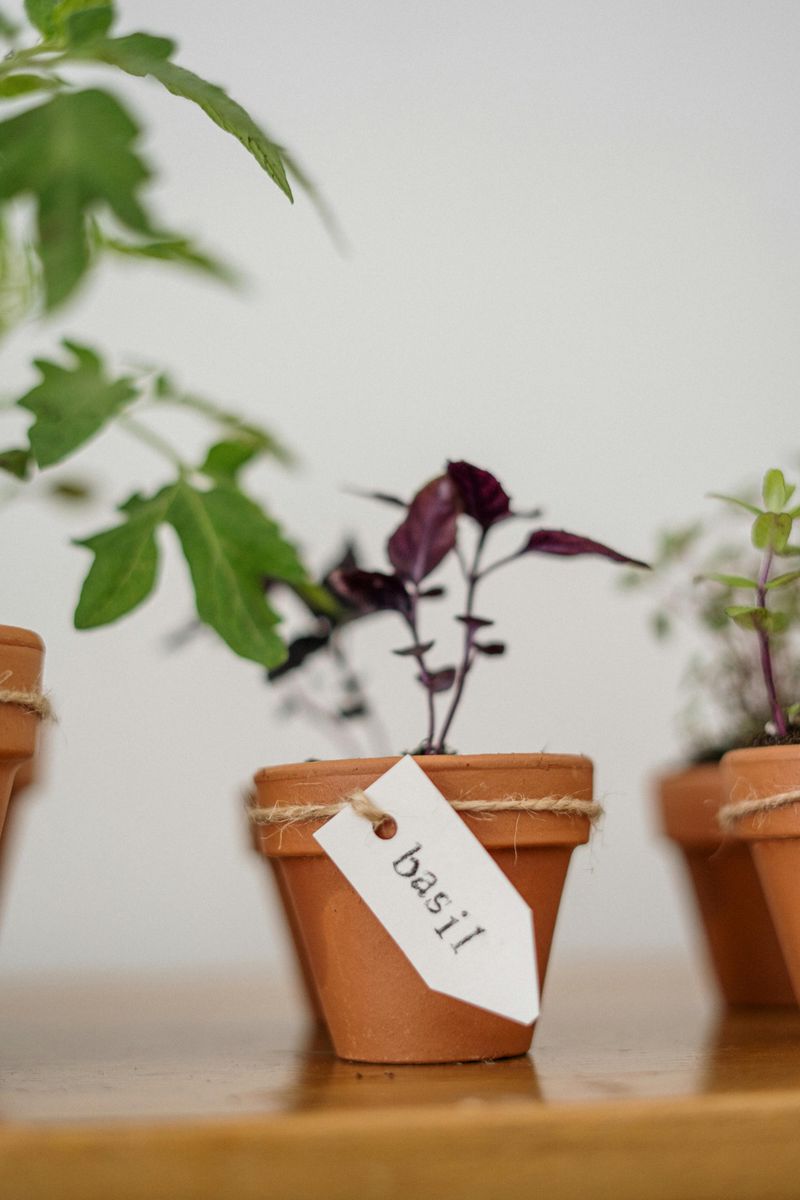
Fresh herbs elevate everyday cooking from ordinary to restaurant-quality with flavors that dried versions simply cannot match.
Washington’s climate makes year-round outdoor gardening challenging, but indoor herb gardens thrive on sunny windowsills.
Basil, parsley, cilantro, and thyme grow happily in small pots that fit perfectly on kitchen counters near cooking zones.
Starting from nursery plants rather than seeds gives you harvestable herbs within days instead of waiting weeks patiently.
Drainage matters enormously, pots without holes lead to root rot that kills plants faster than neglectful watering ever could.
South-facing windows provide the six hours of sunlight most herbs need to stay bushy and productive all season.
Snipping herbs regularly encourages bushier growth and prevents plants from getting leggy and unattractive over time.
The project costs under thirty dollars for pots, soil, and starter plants from any Washington garden center nearby.
Decorative containers add personality, vintage tins, ceramic bowls, or modern minimalist planters all work equally well functionally.
Having fresh herbs within arm’s reach while cooking makes you reach for them constantly, transforming simple meals effortlessly.
Replacing Light Fixtures Or Ceiling Fans
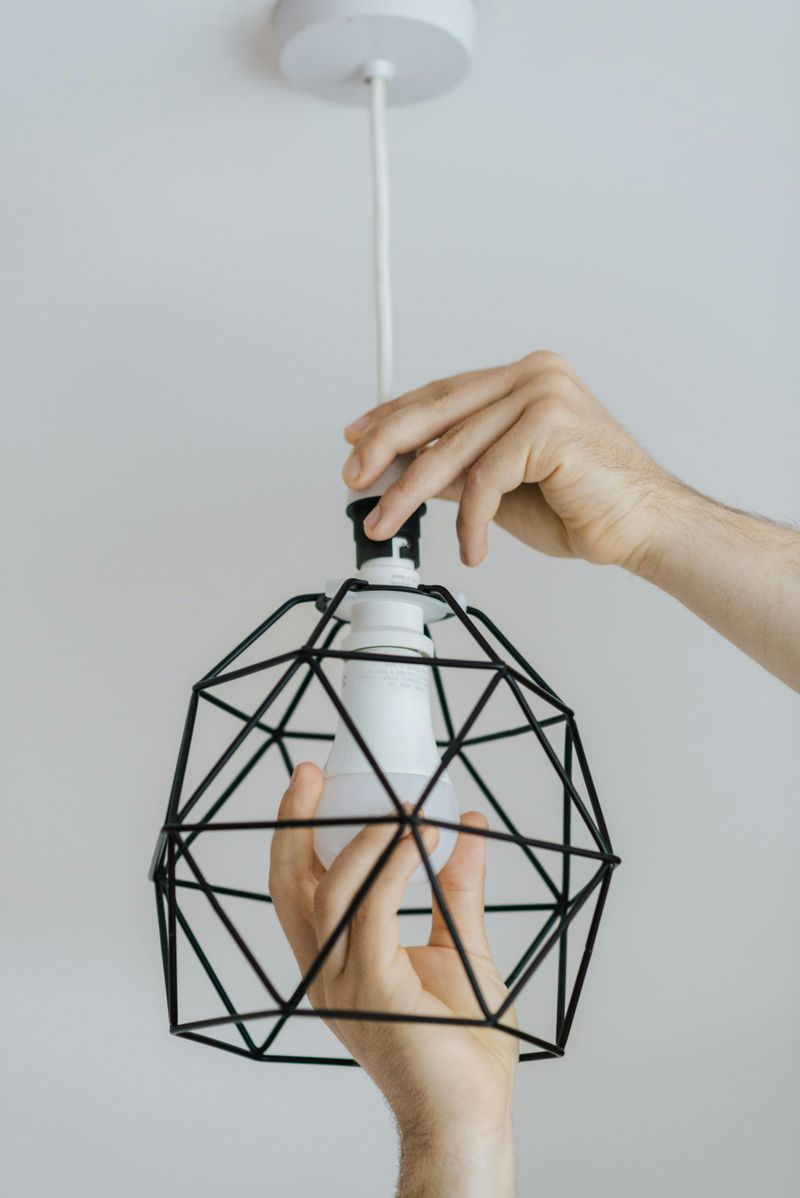
Lighting shapes the entire mood of a room more powerfully than most people realize until they make a change.
Outdated fixtures drag down otherwise beautifully decorated spaces with their dated styles and dim, unflattering light output.
Replacing them sounds intimidating, but actually ranks among the easiest electrical projects for careful weekend warriors to tackle.
Turning off the breaker before starting ensures safety, this step is non-negotiable regardless of your confidence level.
Most fixtures connect with simple wire nuts that twist together, requiring no special electrical knowledge or certification.
Washington hardware stores stock fixtures in every style from industrial farmhouse to sleek Scandinavian minimalism that suits any taste.
Ceiling fans with integrated lights serve double duty, circulating air during warm months while providing necessary illumination year-round.
The project takes about one to two hours per fixture, making it possible to update multiple rooms in one Saturday.
Costs vary wildly from thirty dollars for basic fixtures to several hundred for designer statement pieces that become room focal points.
The instant transformation when you flip the switch for the first time makes this project incredibly satisfying and worthwhile.
Installing New Door Handles And Knobs
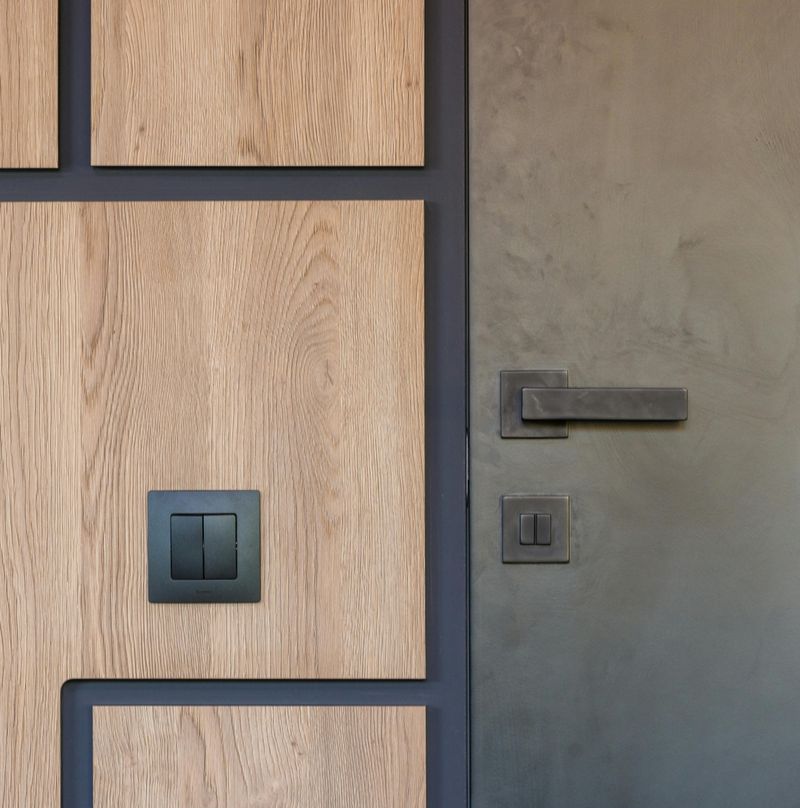
Every door in your home gets touched multiple times daily, making handles and knobs surprisingly important design elements.
Worn finishes, loose screws, and outdated styles silently announce that your home needs attention and refreshing updates.
New door hardware costs between ten and thirty dollars per door, making this one of the most budget-friendly upgrades available.
Installation requires only a screwdriver and about fifteen minutes per door, even for complete beginners with minimal tool experience.
Matching finishes throughout the house creates cohesion, matte black, brushed nickel, or oil-rubbed bronze all work beautifully.
Washington DIYers often tackle this project room by room over several weekends rather than all at once overwhelmingly.
Interior doors typically use passage sets without locks, while bathrooms and bedrooms need privacy sets with locking mechanisms.
Measuring the backset distance before shopping ensures you buy hardware that fits your existing door holes perfectly.
Some older doors have non-standard measurements requiring slight modifications, but most installations go smoothly without complications.
The subtle upgrade makes your home feel more polished and intentional every single time you reach for a door.
Building A Simple Coffee Table Or Side Table
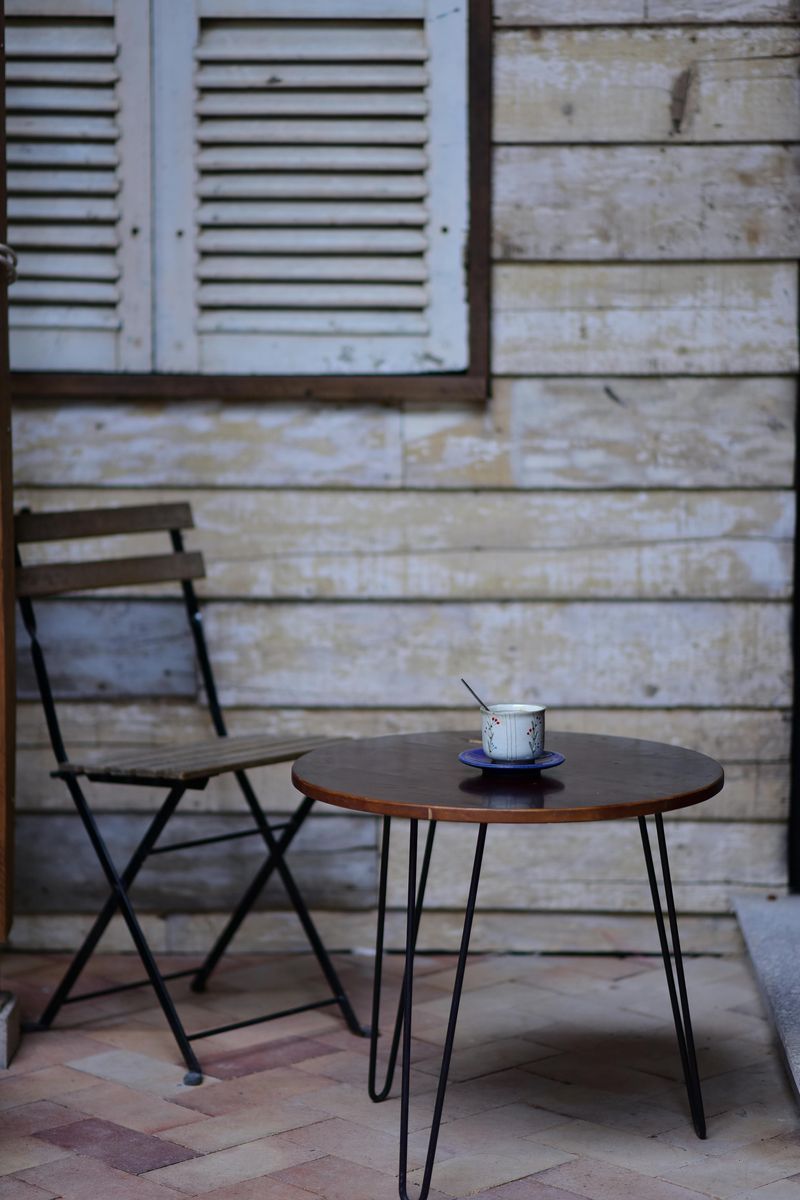
Furniture building sounds advanced, but simple table projects require only basic cuts and straightforward assembly techniques anyone can master.
A coffee table made from dimensional lumber and hairpin legs creates a custom piece for under one hundred dollars total.
Washington lumber yards sell pre-cut wood that eliminates the need for expensive saws or complicated measuring and cutting steps.
Sanding the wood smooth before assembly prevents splinters and creates a professional finish that feels pleasant to touch daily.
Staining or painting adds personality, weathered gray, natural wood tones, or bold colors all work depending on your style.
Pre-drilling screw holes prevents wood splitting, which is the most common mistake beginners make during their first builds.
Hairpin legs attach with simple screws, providing a mid-century modern look that complements most Washington home aesthetics perfectly.
The entire project takes about four to six hours spread across a weekend, including drying time for finishes applied.
Side tables require even less material and time, making them perfect starter projects before tackling larger furniture pieces.
Building your own furniture delivers immense satisfaction and a unique piece that no neighbor will ever have duplicated.
Installing Window Treatments (Blinds Or Curtains)
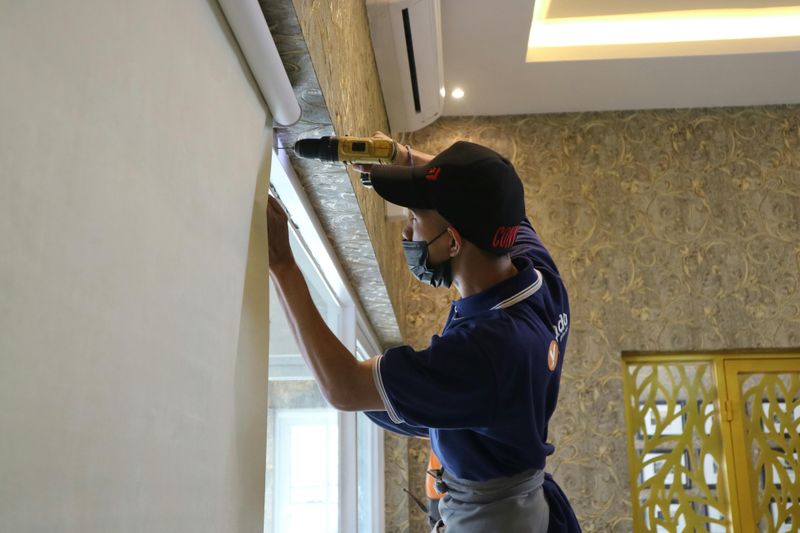
Bare windows make rooms feel unfinished and expose your private life to every passing neighbor and curious onlooker.
Window treatments provide privacy, light control, and a polished look that ties together your entire decorating scheme beautifully.
Curtain rods install with simple brackets that mount to the wall above the window frame with basic screws.
Hanging rods higher and wider than the actual window makes rooms feel larger and allows more light when curtains open.
Blinds offer precise light control and work perfectly in bathrooms and kitchens where curtains might get splashed or stained.
Measuring accurately before purchasing prevents the disappointment of treatments that don’t fit properly once you get home excited.
Washington homes benefit from insulating cellular shades that help regulate temperature during both rainy winters and surprisingly warm summers.
A drill makes installation faster, but a screwdriver works fine if you lack power tools in your current collection.
The project takes about thirty minutes per window, meaning you can outfit an entire room in one focused afternoon.
Costs range from twenty dollars for basic options to several hundred for custom treatments with designer fabrics and details.
Refreshing Outdoor Spaces with Planters Or Garden Beds
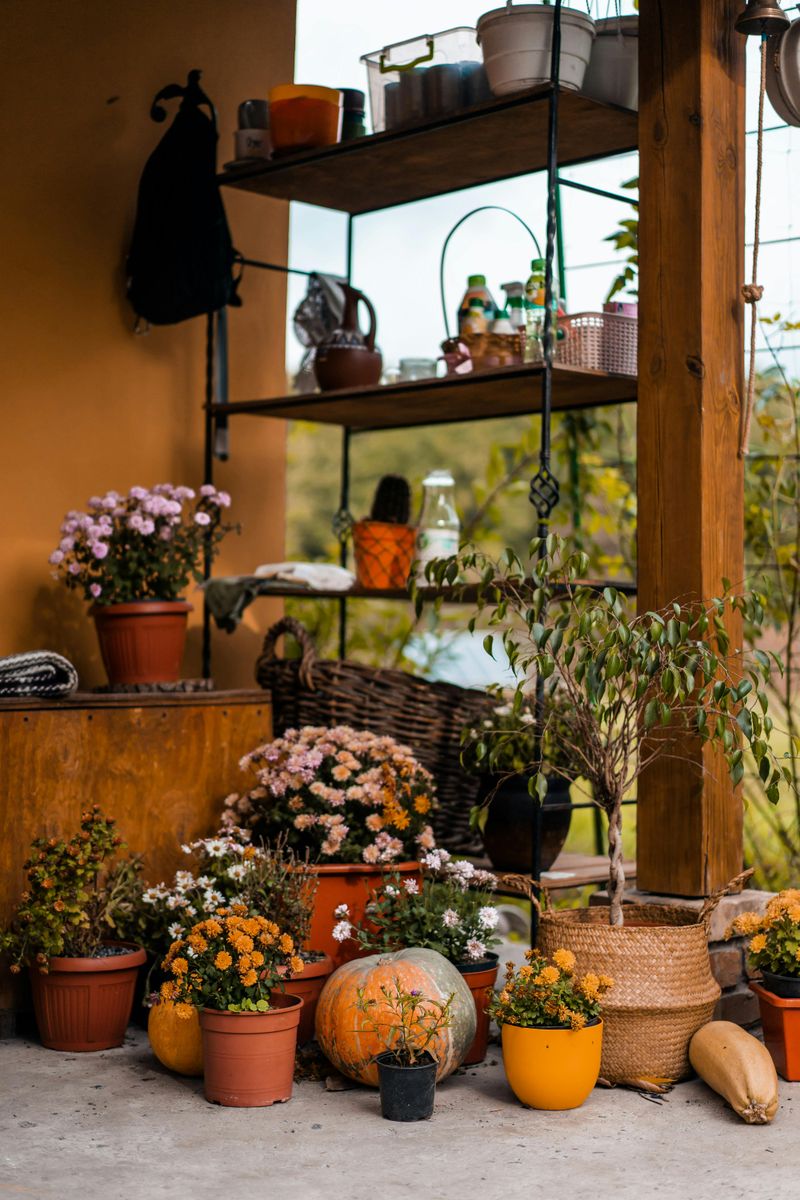
Outdoor spaces become true extensions of your home when thoughtfully planted and arranged with inviting seating and color.
Planters offer flexibility that in-ground gardens cannot match, moving them around creates new arrangements whenever inspiration strikes unexpectedly.
Washington’s growing season supports vibrant flowers, vegetables, and herbs that thrive in containers with proper drainage and sunlight.
Raised garden beds solve problems with poor soil quality while making gardening easier on backs and knees during planting.
Building simple beds from cedar or composite lumber takes about two hours and costs between fifty and one hundred dollars.
Filling them with quality soil and compost creates the perfect growing environment for tomatoes, peppers, and leafy greens.
Grouping planters in odd numbers creates visually pleasing arrangements that feel intentional rather than randomly placed around the yard.
Mixing heights and textures adds depth, tall grasses, trailing flowers, and compact herbs work beautifully together in combinations.
This project transforms patios, balconies, and yards into personal retreats where morning coffee tastes better surrounded by growing things.
The ongoing joy of watching plants grow and harvesting fresh produce makes this weekend project rewarding all season long.