13 North Carolina Food Sayings Outsiders Never Understand – But Locals Use Daily
Food talk here carries memory. It shows up in small moments, passed across tables and spoken without explanation.
North Carolina has built a way of speaking around food that reflects patience, pride, and long-held habits shaped by smoke, sugar, and early mornings.
These phrases aren’t decoration. They come from routines repeated for generations and meals that mattered long before anyone wrote them down.
Spend time in North Carolina and the language begins to reveal itself.
Meals carry expectation. Opinions come baked in. And the words used at the table often say more than the food itself.
1. Pass Me Some Of That Pig Pickin’
Community gatherings in North Carolina often revolve around a time-honored tradition that brings neighbors together for hours of slow-cooked perfection.
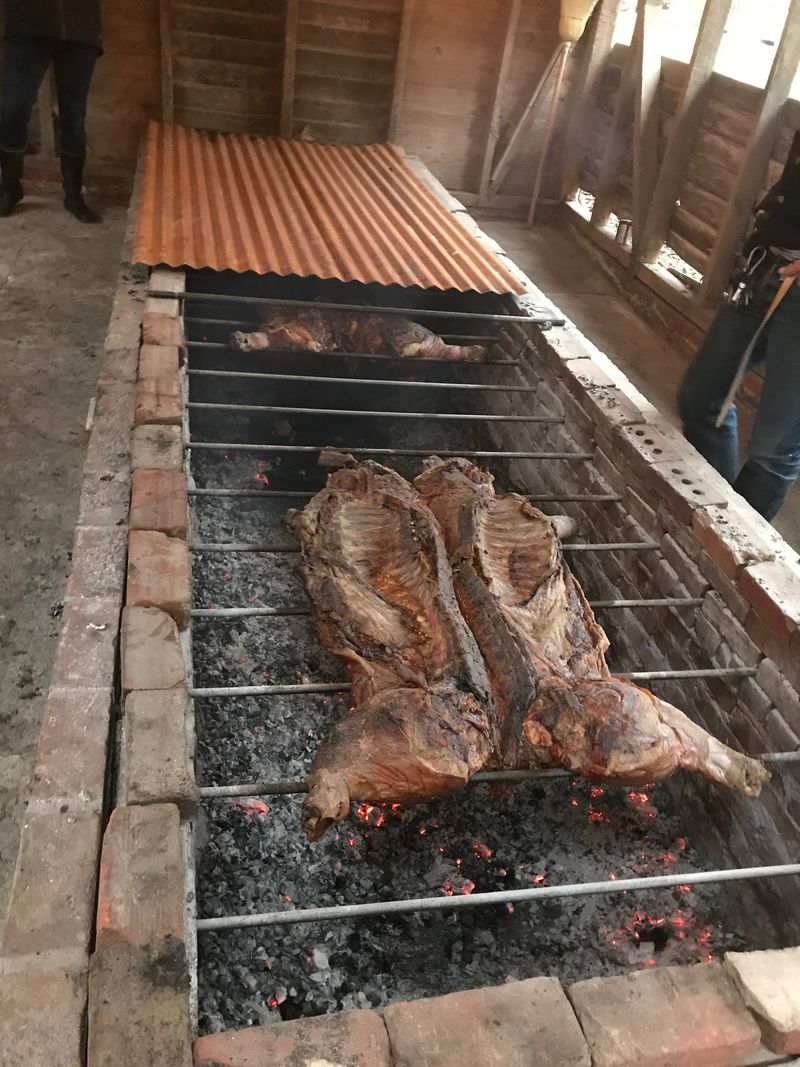
A whole hog gets seasoned and placed over hickory wood, where it roasts low and slow until the meat becomes tender enough to pull apart with bare hands.
The name comes from the actual practice of picking pieces of succulent pork directly from the cooked pig, usually served buffet-style on long tables covered with checkered cloths.
Families pass down their seasoning secrets through generations, creating subtle variations that spark friendly debates about whose pig pickin’ reigns supreme.
These events typically happen during warm months when outdoor cooking feels most natural, though die-hard enthusiasts brave cooler weather for the sake of tradition.
Side dishes like baked beans, potato salad, and coleslaw complete the spread, but the star always remains that perfectly smoked pork.
Newcomers quickly learn that attending a pig pickin’ means more than just eating – it represents acceptance into the community’s social fabric and culinary heritage.
2. That’s Good Enough To Make Your Tongue Slap Your Brains Out
When grandmothers across North Carolina want to describe food that transcends ordinary deliciousness, they reach for this wonderfully vivid phrase that perfectly captures culinary ecstasy.
The expression suggests flavors so intense and satisfying that your tongue might literally revolt against your brain in pure joy.
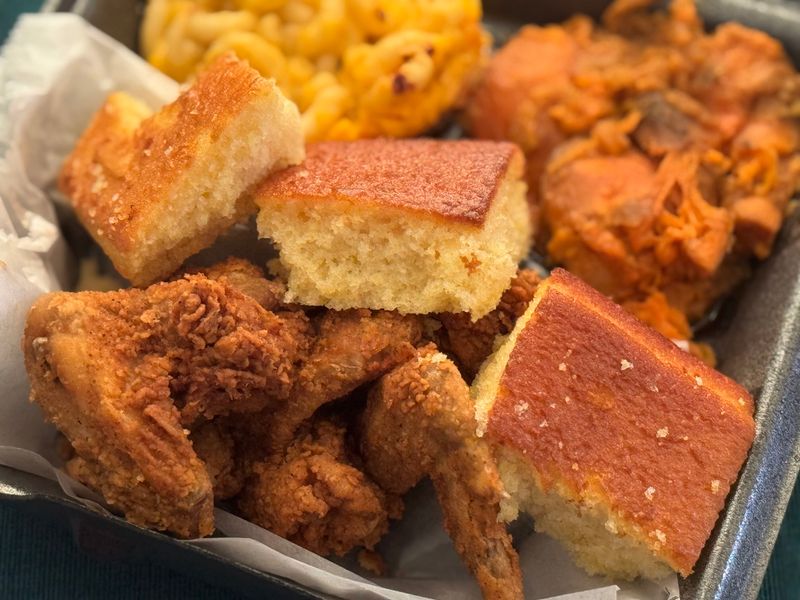
Dishes earning this supreme compliment usually include crispy fried chicken with seasoning that penetrates every layer, creamy banana pudding topped with golden meringue, or perfectly seasoned collard greens simmered with smoked meat.
The phrase works equally well for sweet and savory foods, demonstrating its versatility in North Carolina’s diverse food landscape.
Hearing this saying at Sunday dinner means the cook has achieved something truly special, and everyone at the table knows it without needing further explanation.
Younger generations sometimes shorten it or modify the wording, but the sentiment remains unchanged across decades.
Food critics might use fancy terminology, but locals trust this colorful expression to convey what really matters about exceptional cooking.
3. I Need Some Comeback Sauce With That
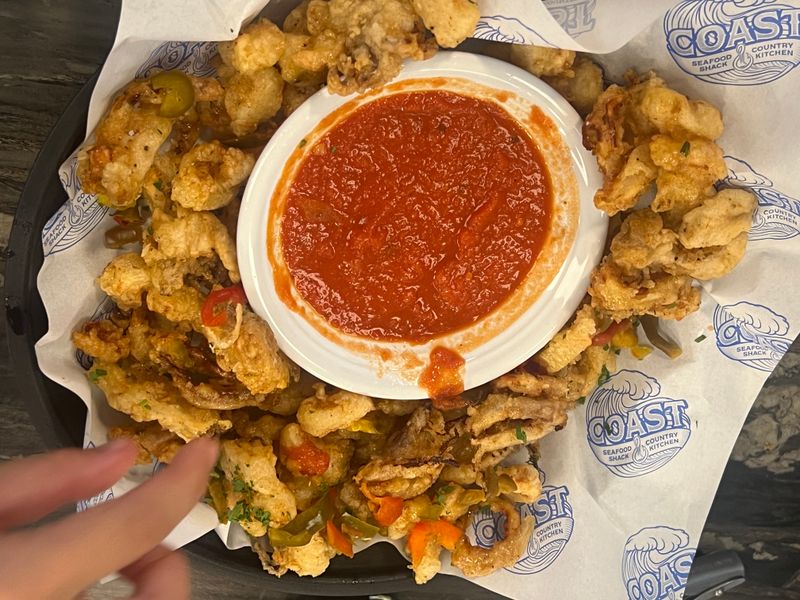
Coastal communities developed this signature condiment that combines mayonnaise, chili sauce, and various seasonings into something that keeps diners coming back for more – hence the clever name.
The tangy, slightly spicy mixture works magic on fried seafood, transforming ordinary shrimp or fish into something memorable enough to haunt your taste buds for days.
Every restaurant along the coast guards its specific recipe, creating subtle variations that locals can identify blindfolded after years of dedicated sampling.
Some versions lean heavier on the paprika, while others add extra garlic or a splash of hot sauce for those who prefer more heat.
Hushpuppies practically beg for a generous dip in comeback sauce, creating a flavor combination that defines coastal North Carolina dining experiences.
Visitors often request the recipe, though most establishments keep their exact proportions secret to maintain their competitive edge.
Taking home a container of comeback sauce after vacation has become a tradition for many tourists who develop cravings once they return to their home states.
4. Don’t Forget The Slaw On Top
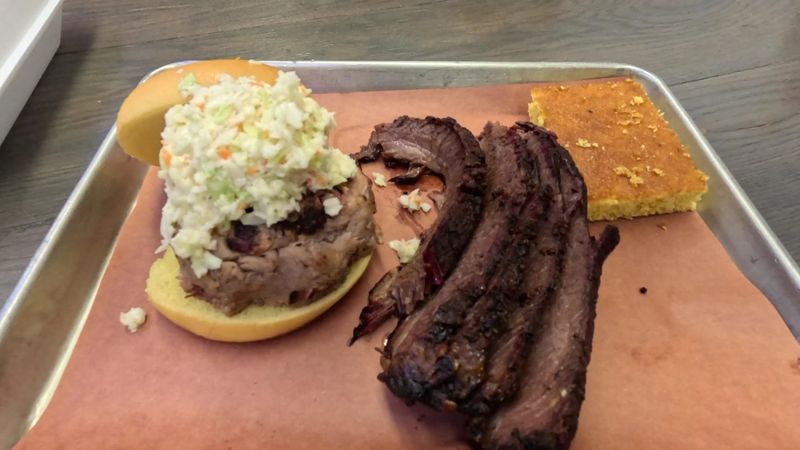
Barbecue sandwiches in North Carolina follow a sacred construction method that newcomers might initially question but quickly learn to appreciate.
Cool, creamy coleslaw gets piled directly onto the warm pulled pork, creating a temperature and texture contrast that elevates the entire eating experience beyond what either component could achieve alone.
The slaw provides a refreshing crunch that cuts through the rich, smoky meat while adding moisture that prevents the sandwich from becoming too dry.
Different regions prefer their slaw made with mayonnaise-based dressing or a lighter vinegar version, sparking debates as passionate as those surrounding barbecue sauce styles.
Ordering a barbecue sandwich without slaw on top immediately identifies someone as an outsider who hasn’t yet learned the proper way to enjoy this regional specialty.
Some establishments automatically include the slaw unless customers specifically request otherwise, understanding that most locals expect this standard preparation.
The practice has spread beyond state borders in recent years, but North Carolina remains the undisputed home of the slaw-topped barbecue sandwich tradition.
5. Sweet Tea With Enough Sugar To Stand A Spoon In
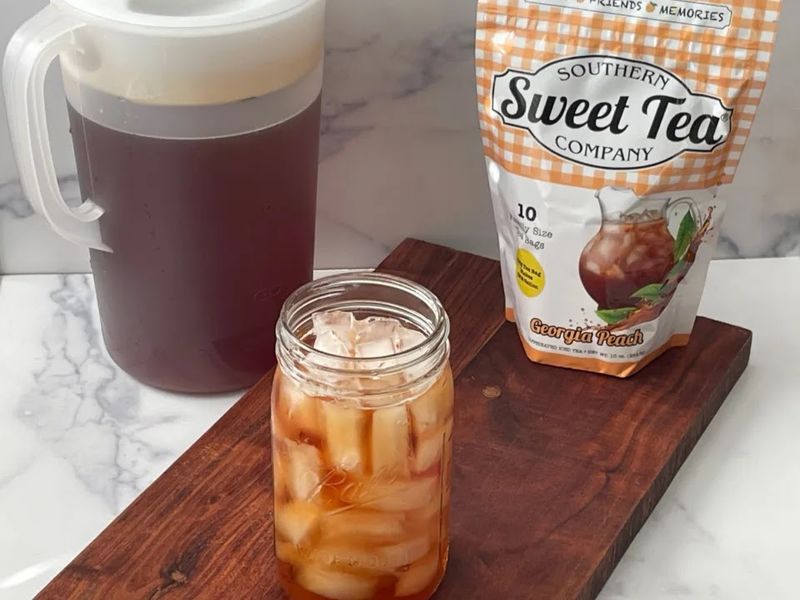
Southern hospitality flows through pitchers of tea so sweet that spoons allegedly remain vertical when placed in the glass, though this exaggeration perfectly captures the beverage’s legendary sugar content.
The key involves dissolving sugar while the tea remains piping hot, allowing far more sweetness to integrate than cold mixing could ever achieve.
Restaurants keep fresh batches brewing throughout the day, knowing that serving old or improperly sweetened tea constitutes a serious offense in the eyes of regular customers.
The ratio of sugar to tea varies by establishment, with some places developing cult followings based solely on their sweet tea recipe.
Asking for unsweetened tea raises eyebrows in traditional establishments, though most places now accommodate health-conscious customers without judgment.
Ice melting in the glass creates the perfect dilution over time, preventing the sweetness from becoming overwhelming as diners work through their meal.
Newcomers often underestimate the sugar content on first sip, experiencing a flavor intensity that takes some adjustment before becoming the comfort beverage that locals crave daily.
6. Gimme Some Livermush For Breakfast
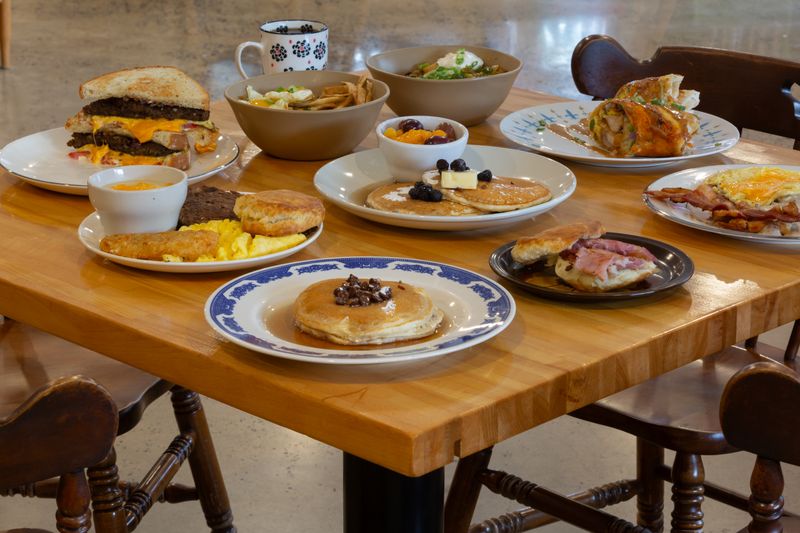
Western North Carolina mornings often feature a distinctive breakfast meat that combines pork liver and cornmeal into a loaf that gets sliced and fried until crispy perfection emerges.
The exterior develops a golden crust while the interior maintains a tender texture that pairs beautifully with scrambled eggs and fluffy biscuits.
Newcomers sometimes hesitate when learning about the liver content, but one taste of properly prepared livermush usually converts skeptics into enthusiastic fans.
Local diners and breakfast spots take pride in their livermush preparation, with some establishments gaining regional fame for their particular cooking technique.
The dish represents Appalachian resourcefulness, utilizing ingredients that might otherwise go to waste while creating something genuinely delicious and satisfying.
Festivals celebrating livermush draw crowds each year, featuring cooking competitions and creative recipe variations that push traditional boundaries.
Grocery stores in western counties stock multiple brands, allowing home cooks to prepare this breakfast staple without visiting restaurants, though many locals maintain strong preferences about which brand tastes most authentic.
7. You Want Eastern Or Lexington Style
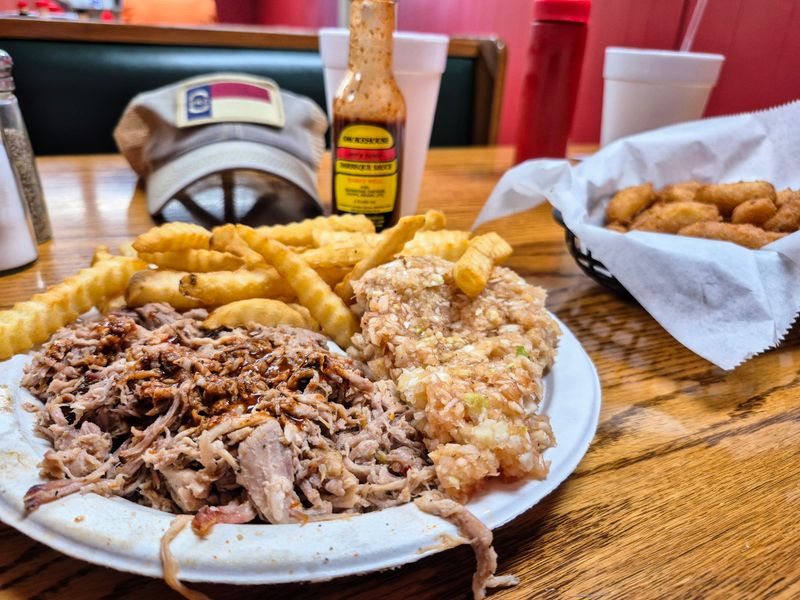
This seemingly simple question actually demands that diners declare their allegiance in North Carolina’s most enduring culinary debate, one that divides the state along geographical and philosophical lines.
Eastern style devotees insist that whole hog preparation with thin vinegar-based sauce represents the only authentic barbecue worth eating.
Lexington style supporters counter that pork shoulder cooked with a tomato-tinged sauce creates superior flavor and more consistent texture throughout each serving.
The divide runs so deep that some families avoid discussing barbecue preferences at holiday gatherings to prevent arguments that could last for hours.
Restaurants typically specialize in one style or the other rather than attempting to please both camps, understanding that trying to serve both often results in satisfying neither group completely.
Visitors unfamiliar with the distinction receive patient explanations from locals who take pride in educating outsiders about these important differences.
Competition barbecue teams spend years perfecting their chosen style, developing techniques and recipes that honor tradition while adding personal touches that distinguish their version from countless others across the state.
8. Let’s Go Get Some Calabash Seafood
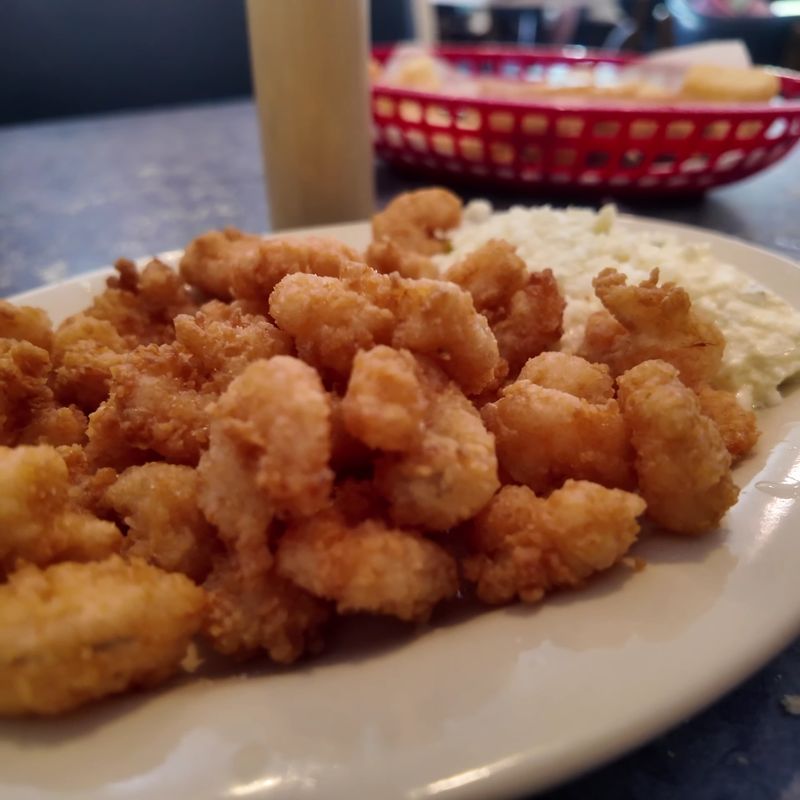
Coastal North Carolina developed a seafood preparation method that emphasizes light battering and quick frying, allowing the natural flavors of shrimp, flounder, and scallops to shine through without heavy breading overwhelming the delicate taste.
The technique originated in the small coastal town of Calabash, where restaurants began perfecting this approach decades ago.
Unlike heavily breaded alternatives found elsewhere, Calabash-style seafood features a thin, crispy coating that provides texture without dominating the eating experience.
Restaurants specializing in this method often serve enormous platters piled high with various seafood options, creating impressive presentations that satisfy even the heartiest appetites.
The saying now refers to any meal featuring this preparation style, regardless of whether diners actually travel to Calabash itself or visit one of many restaurants throughout the region that have adopted the technique.
Weekend trips to the coast frequently revolve around securing a table at favorite Calabash seafood establishments, where waiting lines stretch out the door during peak summer months.
Taking out-of-town guests for Calabash seafood has become a point of pride for locals who enjoy introducing others to this distinctly North Carolina culinary tradition.
9. Bless Your Heart, You Put Ketchup On Your Barbecue
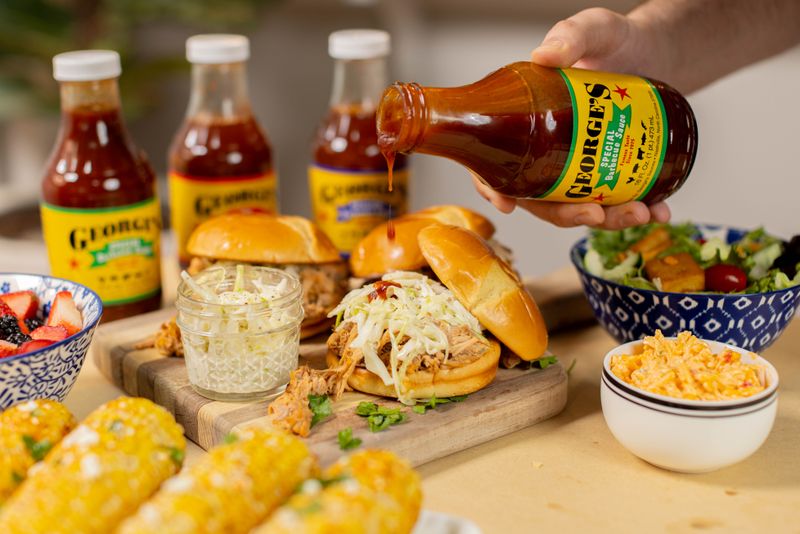
Few culinary transgressions inspire more polite horror among North Carolinians than witnessing someone reach for ketchup to top their carefully prepared barbecue, an act that suggests profound misunderstanding of regional food culture.
The phrase “bless your heart” softens the criticism while making the disapproval crystal clear to anyone familiar with Southern linguistic customs.
Barbecue in North Carolina comes with specific sauce traditions – vinegar-based in the east, tomato-tinged in Lexington – but ketchup falls completely outside acceptable parameters in either region.
The sweetness and thickness of ketchup fundamentally clashes with the carefully balanced flavors that pitmasters spend hours developing through proper smoking and sauce application.
Locals view this condiment choice as evidence that the offender lacks proper appreciation for authentic barbecue, possibly suggesting they would be equally happy eating fast food instead.
Restaurants typically don’t even keep ketchup bottles on tables, requiring customers to specifically request this controversial condiment if they absolutely must commit this culinary sin.
Longtime residents tell stories of witnessing ketchup incidents with the same dramatic flair reserved for particularly shocking social faux pas.
10. That Needs Some Chow-Chow On It
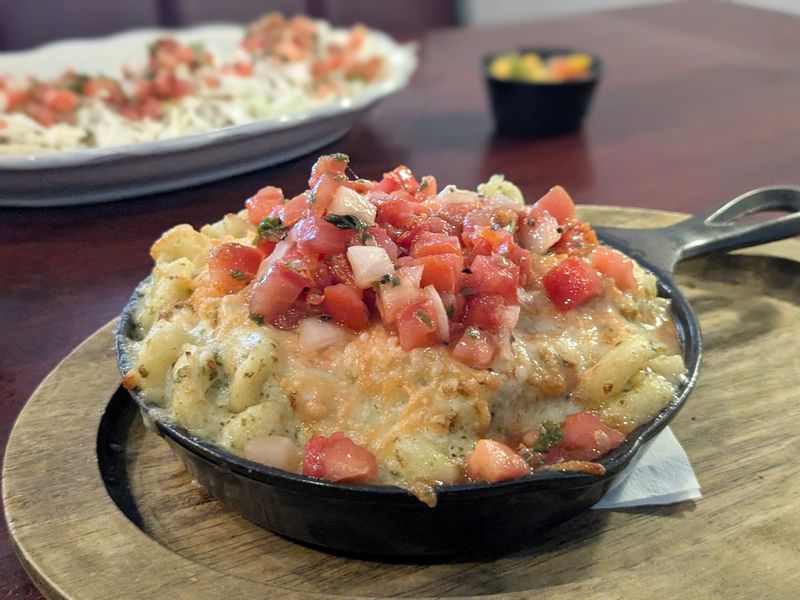
Gardens across North Carolina produce the vegetables that become this tangy, sweet relish combining green tomatoes, cabbage, onions, and peppers into a condiment that transforms ordinary dishes into something special.
The name sounds unusual to outsiders, but locals know exactly what flavor profile to expect when someone mentions chow-chow.
Home canning traditions keep this relish alive, with families preparing batches each fall when gardens overflow with end-of-season vegetables that might otherwise go unused.
The preservation process creates shelf-stable jars that provide bright, fresh flavor throughout winter months when gardens lie dormant.
Pinto beans benefit enormously from a generous spoonful of chow-chow, as do hot dogs, where the relish provides complexity that standard pickle relish cannot match.
Some cooks add chow-chow to chicken salad or use it as a burger topping, demonstrating the condiment’s versatility beyond traditional applications.
County fairs feature chow-chow competitions where judges evaluate color, texture, and the perfect balance between sweet and tangy flavors that defines exceptional versions of this beloved North Carolina staple.
11. We’re Having A Fish Camp Supper Tonight

Casual restaurants along rivers and lakes serve up fried catfish, hushpuppies, and coleslaw in a dining style that emphasizes generous portions and unpretentious atmosphere over fancy presentations or formal service.
These establishments embrace their working-class roots, offering satisfying meals at reasonable prices that keep families returning generation after generation.
The term “fish camp” originally referred to rustic lodgings where fishermen stayed during extended trips, but evolved to describe any restaurant serving this particular style of seafood preparation.
Seating often happens at long communal tables covered with vinyl checkered cloths, creating a social atmosphere where strangers might strike up conversations while passing the tartar sauce.
Many fish camps operate in buildings that look humble from the outside, with weathered siding and hand-painted signs that might discourage uninformed travelers who judge restaurants by exterior appearances.
Locals know that these unassuming structures often house the best fried fish in the county, prepared by cooks who have been perfecting their technique for decades.
Saying the family is having a fish camp supper signals a relaxed, hearty meal where conversation flows as freely as the sweet tea.
12. I Could Use Some Pepper Vinegar On These Greens
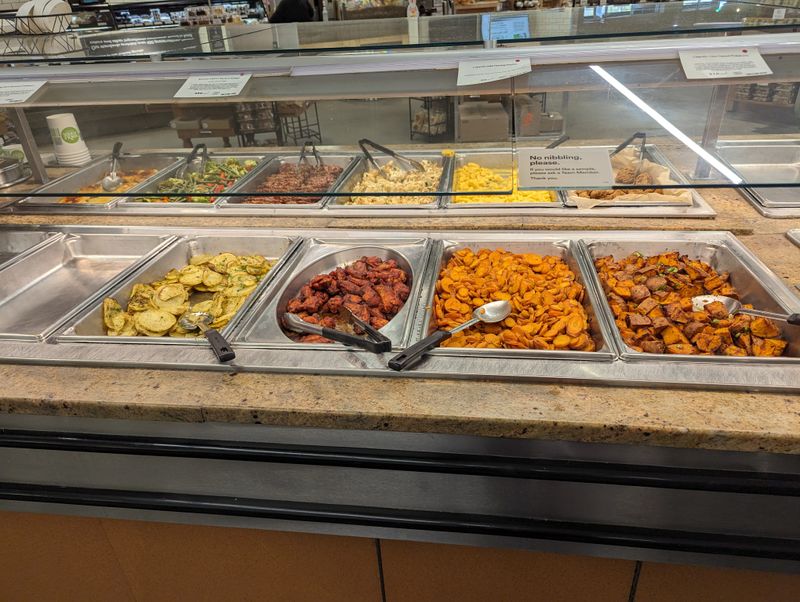
Hot peppers steeping in vinegar create a tangy, spicy condiment that appears on tables throughout North Carolina, particularly when collard greens or other cooked vegetables make an appearance.
The preparation involves nothing more complicated than adding whole peppers to vinegar and letting time work its magic as flavors meld together.
Each bottle develops its own heat level depending on pepper variety, steeping duration, and the ratio of peppers to vinegar used in preparation.
Some families maintain bottles that get refilled continuously for years, with older vinegar supposedly developing more complex flavors than fresh batches can achieve.
The sharp acidity cuts through the richness of greens cooked with fatback or ham hock, brightening the dish while adding a pleasant heat that builds gradually with each bite.
Restaurants serving traditional Southern vegetables typically keep pepper vinegar within easy reach, understanding that many customers consider it essential for proper greens consumption.
Making pepper vinegar at home requires minimal effort but maximum patience, as peppers need adequate time to infuse the vinegar with their distinctive flavor and heat before the condiment reaches its full potential.
13. Let’s Stop For Some Biscuits And Gravy Before Work
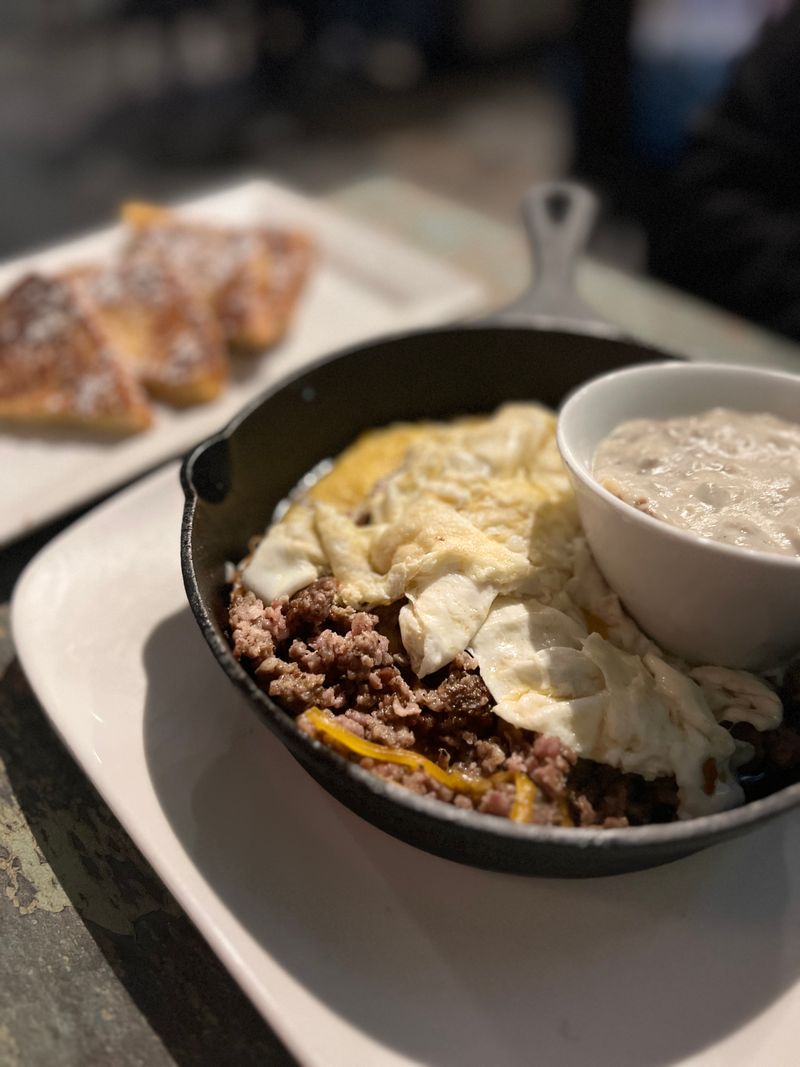
Early morning routines in North Carolina frequently include stopping at diners or fast-food spots that specialize in this hearty breakfast combination that provides fuel for long workdays ahead.
Fluffy biscuits get split open and smothered in creamy sausage gravy made from pan drippings, milk, and generous seasoning that creates stick-to-your-ribs satisfaction.
The quality of biscuits varies dramatically between establishments, with the best versions achieving that perfect balance between crispy exterior and tender, layered interior that pulls apart easily.
Gravy consistency matters too – too thick becomes gloppy and unpleasant, while too thin fails to properly coat the biscuit and provide adequate richness.
Construction workers, farmers, and early shift employees treat this breakfast as essential morning fuel rather than occasional indulgence, understanding that the protein and carbohydrates provide sustained energy through physical labor.
Some people judge entire restaurants based solely on their biscuits and gravy execution, refusing to return if this fundamental breakfast item disappoints.
The saying implies not just grabbing food, but participating in a morning ritual that connects North Carolinians across different backgrounds through shared appreciation for simple, satisfying comfort food done right.