This Abandoned Oklahoma Town Was Once A Hideout For Wild West Outlaws
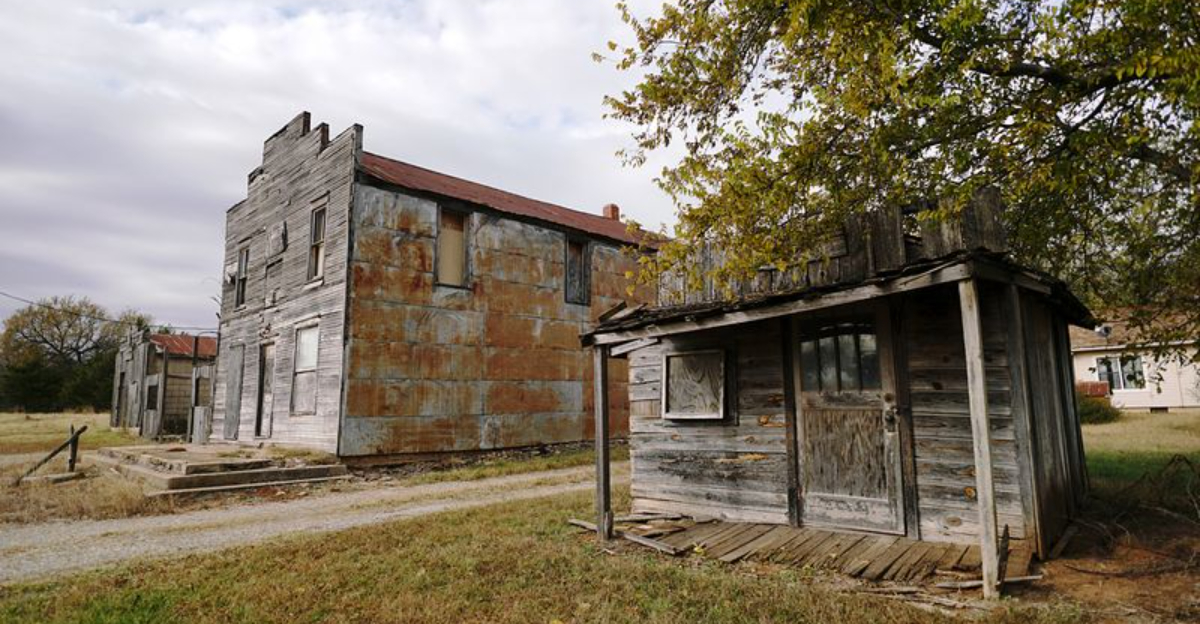
Deep in the Oklahoma prairie sits a ghost town that once buzzed with outlaws, gunfights, and Wild West legends.
Ingalls, Oklahoma, may look like empty fields and crumbling foundations today, but its history is packed with drama that could rival any Hollywood western.
From the Doolin-Dalton Gang to a deadly shootout with U.S. Marshals, this forgotten town holds stories that shaped the frontier.
Here are twelve fascinating facts about Ingalls and its place in outlaw history.
Born From The 1889 Land Rush
Ingalls came to life during one of the most chaotic events in American history – the 1889 Land Rush.
Thousands of settlers lined up at the border of the Unassigned Lands, waiting for the gunshot that would signal the start of the race to claim free land.
Families, fortune seekers, and dreamers charged across the prairie on horseback, in wagons, and even on foot, staking their claims wherever they could.
Ingalls was one of many small communities that sprouted up almost overnight as people built homes, stores, and saloons on their new plots.
Named after Kansas Senator John J. Ingalls, who helped open these lands to settlement, the town quickly grew into a modest frontier hub.
By the early 1890s, around 150 people called Ingalls home, making it a lively spot in an otherwise empty landscape.
A Favorite Hideout For The Doolin-Dalton Gang
Outlaws loved Ingalls because it offered the perfect mix of isolation and hospitality.
The Doolin-Dalton Gang, also called the Wild Bunch, made the town their unofficial headquarters during the early 1890s.
Led by Bill Doolin and William “Bill” Dalton, the gang was notorious for robbing banks and trains across Kansas, Oklahoma, and beyond.
Ingalls residents knew who these men were, but many chose to look the other way – either out of fear or because the outlaws spent money freely at local businesses.
The gang members would ride into town, drink at the saloon, play cards, and rest between heists.
For a while, Ingalls became a safe zone where lawmen rarely ventured, giving the outlaws a rare sense of security in their dangerous line of work.
The Battle Of Ingalls Shook The Town
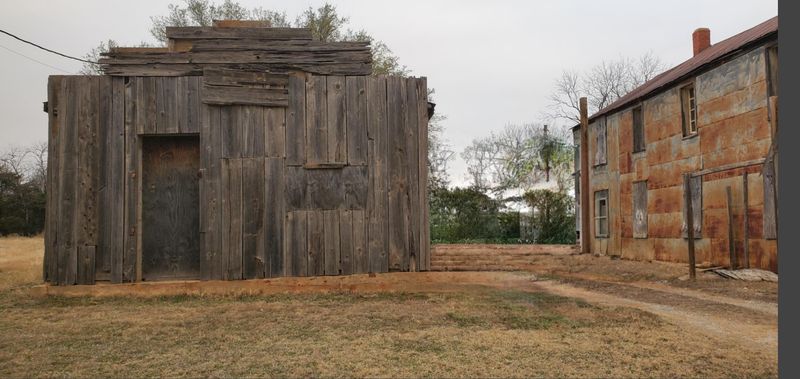
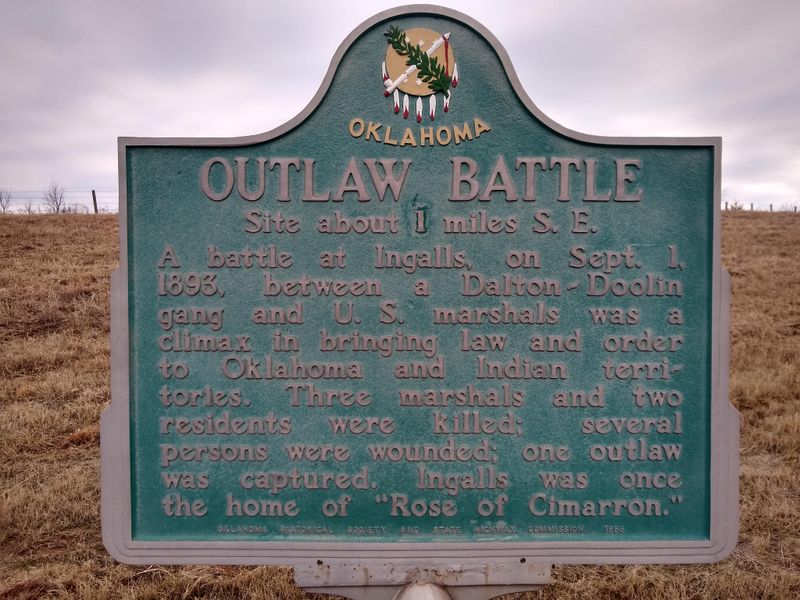
September 1, 1893, brought violence that would forever change Ingalls.
A posse of U.S. Marshals, led by Marshal Evett Dumas “E.D.” Nix, rode into town with one mission: capture the Doolin-Dalton Gang.
The lawmen tried to surprise the outlaws, but the plan went sideways fast. Gunfire erupted in the streets, turning the quiet town into a war zone.
Bullets flew between buildings, and residents scrambled for cover as the shootout raged.
When the smoke cleared, three lawmen and two civilians lay dead, with several others wounded on both sides.
“Arkansas Tom” Jones, a gang member, was captured after being trapped in a hotel, but the rest of the gang managed to escape into the prairie.
Three Lawmen Lost Their Lives In The Gunfight
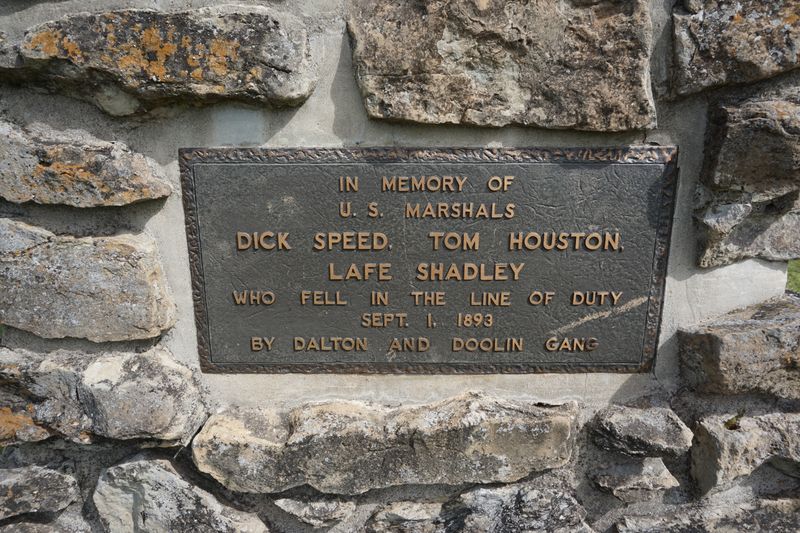
The Battle of Ingalls claimed the lives of three brave lawmen who came to bring outlaws to justice.
Deputy Marshal Thomas J. Hueston, Deputy Marshal Lafe Shadley, and Deputy Marshal Dick Speed all fell during the fierce gunfight.
These men were experienced officers who had faced danger many times before, but the outlaws’ firepower and desperation proved too much that day.
Their deaths sent shockwaves through law enforcement communities across the region and intensified efforts to hunt down the remaining gang members.
The loss also highlighted the extreme risks that frontier lawmen faced daily, often riding into hostile territory with little backup.
Today, a stone monument in Ingalls honors their sacrifice and reminds visitors of the real human cost behind Wild West legends.
Only A Few Structures Remain Today
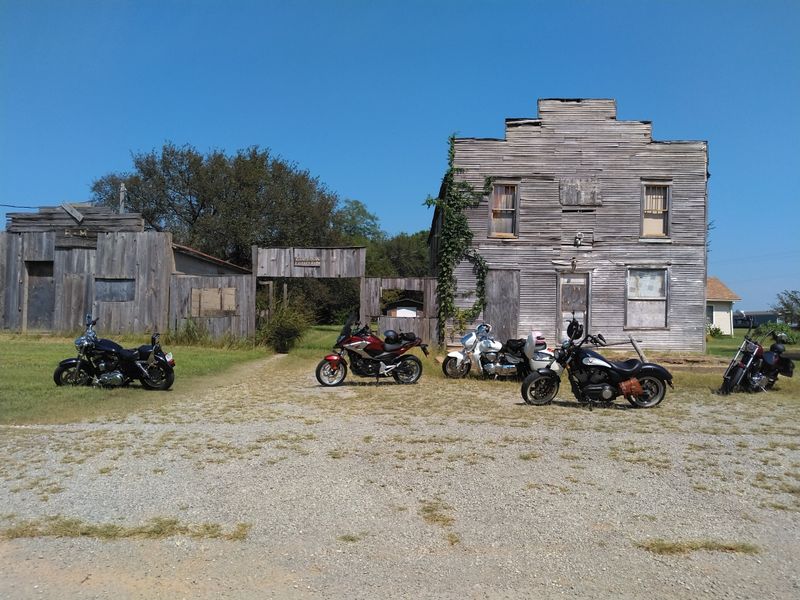
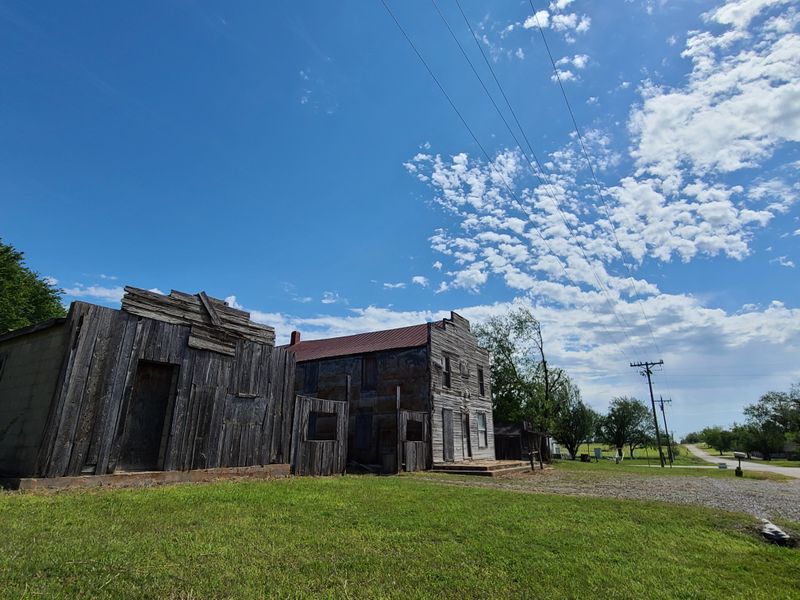
Visitors to modern-day Ingalls will find only faint traces of the town that once stood there.
The Ingalls Hotel, where Arkansas Tom made his stand, still has remnants visible, though time and weather have taken their toll.
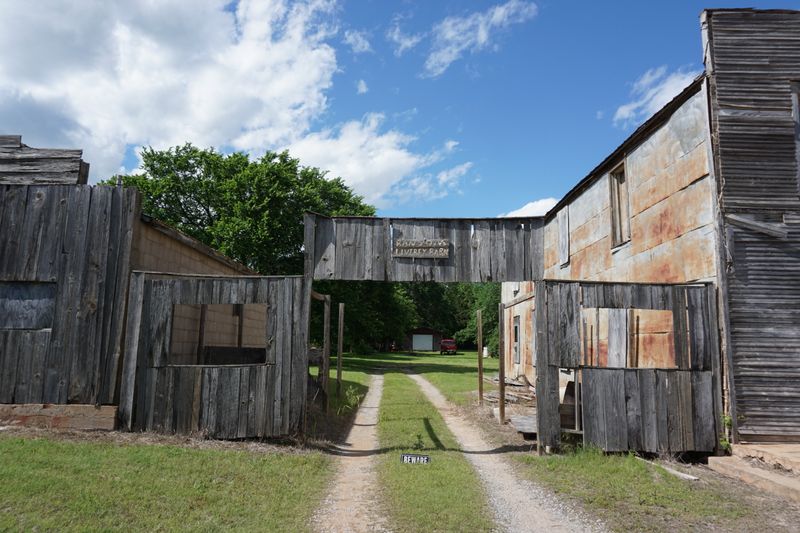
A livery stable, saloon foundations, and the old general store site can still be identified by those who know where to look.
Most structures have collapsed or been reduced to piles of rotting wood and rusted metal.
The prairie has reclaimed much of the land, with tall grasses covering what were once busy streets.
Despite the decay, these ruins hold powerful stories for history buffs and ghost town explorers.
Walking through the site offers a haunting glimpse into a vanished world where outlaws once roamed freely.
The Town’s Reputation Led To Its Decline
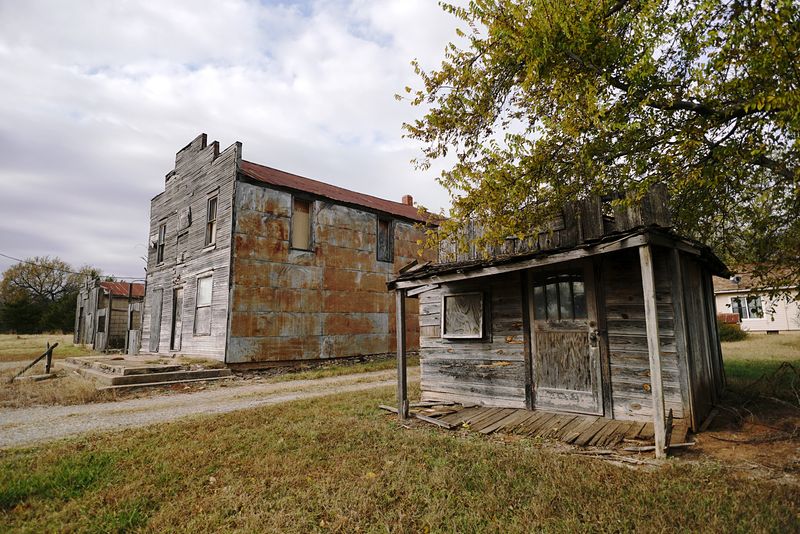
After the bloody shootout, Ingalls couldn’t shake its reputation as an outlaw haven.
Families and business owners began leaving, worried about more violence or unwanted attention from criminals and lawmen alike.
The town’s association with the Doolin-Dalton Gang made it difficult to attract new settlers or investments.
Trade routes shifted, and nearby towns like Stillwater grew while Ingalls withered.
The post office, a key sign of a town’s vitality, closed on October 31, 1907, effectively marking the end of Ingalls as a functioning community.
Within a few decades, most buildings were abandoned, and the prairie began reclaiming the land.
What once buzzed with frontier life became a quiet reminder of how quickly fortunes could change in the Wild West.
A Stone Monument Honors The Fallen
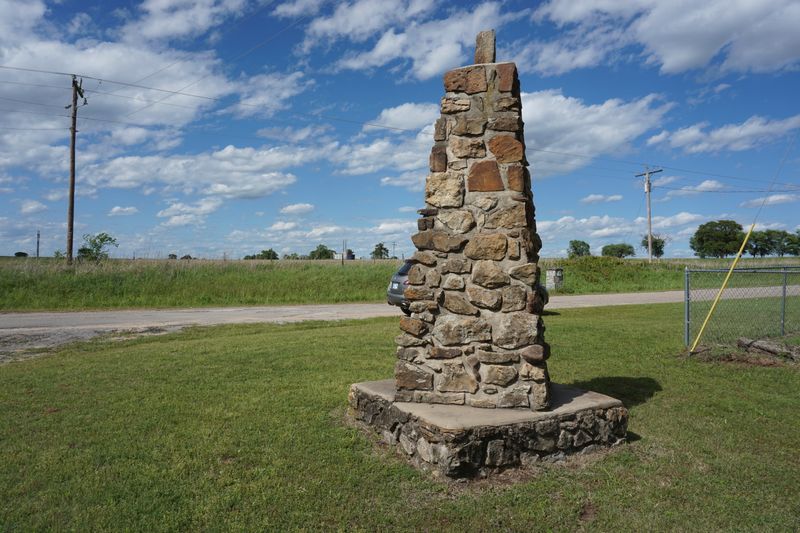
Near the site of the old town at Ash St, Stillwater, OK 74074, stands a stone monument dedicated to those who lost their lives during the Battle of Ingalls.
Erected to honor the three lawmen and two civilians killed in the gunfight, the marker serves as a somber reminder of the violence that once erupted here.
The monument includes names and brief details about the battle, helping visitors understand what happened on that September day in 1893.
It’s one of the few physical markers that acknowledge Ingalls’ place in Wild West history.
Many tourists and history enthusiasts visit the monument each year, paying their respects and imagining the chaos that unfolded over a century ago.
The quiet prairie surrounding the monument contrasts sharply with the gunfire and bloodshed it commemorates.
Ingalls Is About Ten Miles East Of Stillwater
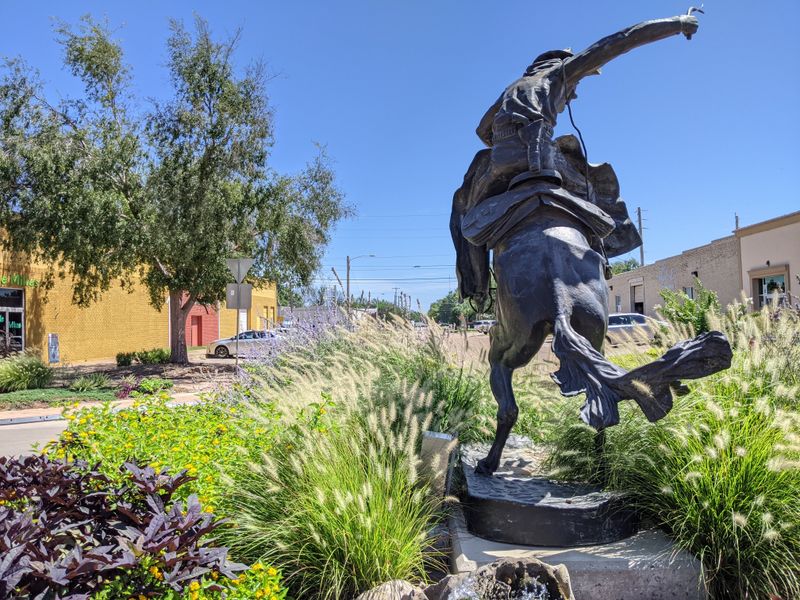
Finding Ingalls today requires a bit of effort, as it’s tucked away in the quiet countryside of Payne County.
Located roughly ten miles east of Stillwater, the ghost town site is accessible by rural roads that wind through farmland and prairie.
Stillwater, home to Oklahoma State University, serves as the nearest major town and a convenient base for visitors exploring the area.
The drive from Stillwater to Ingalls offers scenic views of Oklahoma’s rolling plains and agricultural landscape.
There are no formal tours or visitor centers at the site, so those interested should plan to explore independently.
Bringing a map or GPS is helpful, as road signs are sparse and the site itself is easy to miss without prior knowledge of its location.
The Doolin-Dalton Gang Robbed Trains And Banks
Before their downfall in Ingalls, the Doolin-Dalton Gang earned their fearsome reputation through a series of daring robberies.
They targeted banks in small towns where security was light and escape routes were plentiful.
Trains were another favorite target, as they often carried large amounts of cash and valuables.
The gang would stop trains in remote areas, force open safes, and disappear into the wilderness before lawmen could respond.
Their success made them legends among outlaws and nightmares for railroad companies and bankers.
Each robbery added to their notoriety and increased the pressure on law enforcement to stop them.
The gang’s boldness and skill kept them active for years, until the Battle of Ingalls began their unraveling.
Ingalls Offers A Window Into Frontier Life
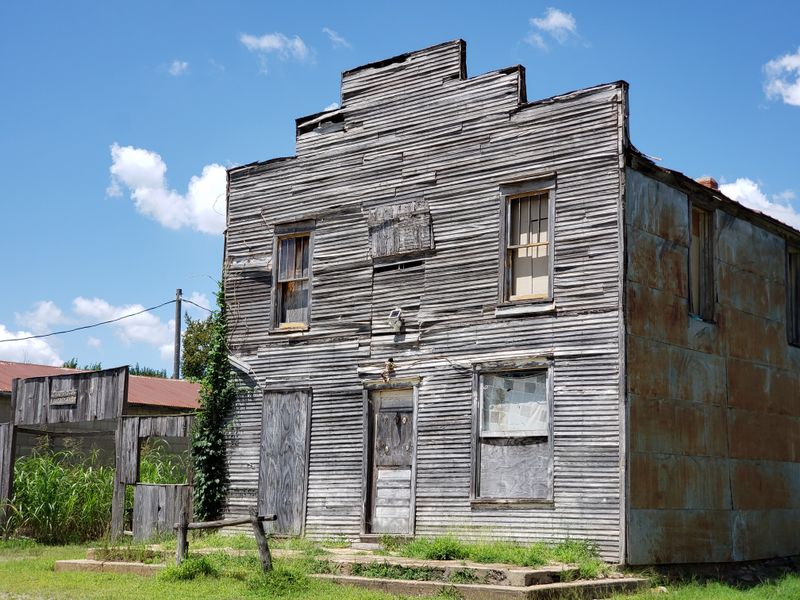
Beyond the gunfights and outlaws, Ingalls represents a snapshot of everyday frontier life in late 19th-century Oklahoma.
Settlers built homes from whatever materials they could find, often starting with sod houses or simple wooden structures.
General stores sold everything from flour and nails to fabric and medicine, serving as community hubs where people gathered to share news.
Saloons weren’t just places to drink – they functioned as social centers, meeting halls, and sometimes even courtrooms.
Life was hard, with families facing harsh weather, isolation, and constant uncertainty about crops, income, and safety.
Yet communities like Ingalls thrived for a time, driven by hope and determination.
Visiting the ghost town today helps modern audiences appreciate the resilience and grit required to survive on the frontier.