Southern Food Trends In Georgia That Will Define The Future Of Dining In 2026
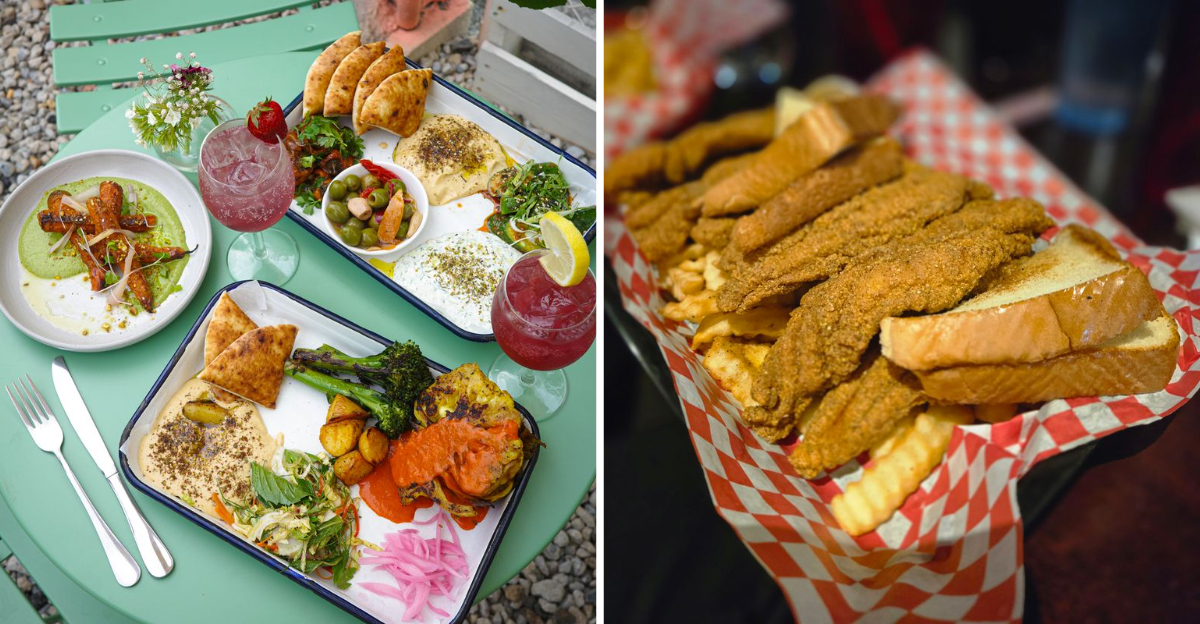
Georgia’s food scene is changing fast, and I’m excited to share what’s coming your way in 2026.
From bold new flavors to old-fashioned traditions getting fresh makeovers, the South is cooking up something special.
These trends show how Georgia chefs are mixing the past with the future, creating meals that honor tradition while embracing innovation.
1. Korean BBQ Meets Southern Ribs
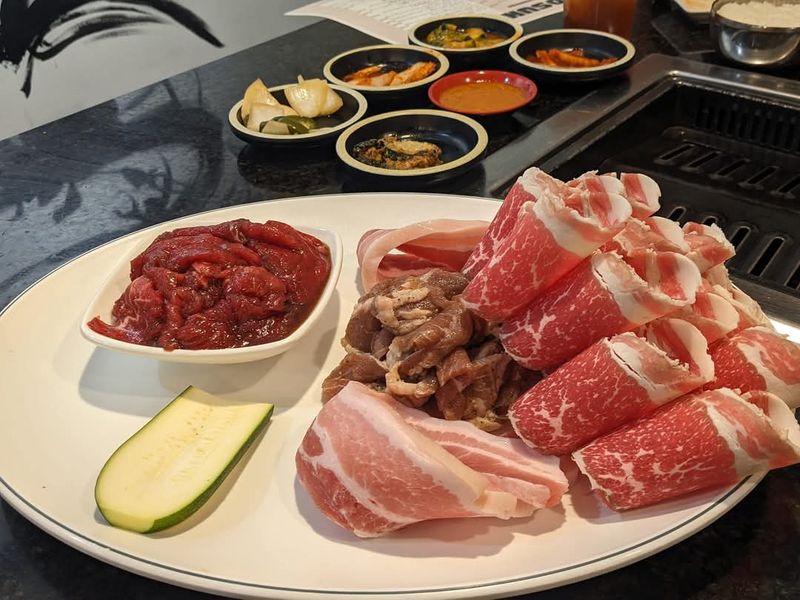
Imagine biting into tender ribs that taste like two worlds colliding in the best way possible.
Georgia pitmasters are taking their famous slow-cooked ribs and adding Korean gochujang, a spicy-sweet fermented pepper paste that brings serious heat and depth.
This fusion shows how Southern cooking is opening its arms to global flavors without losing its soul.
You’ll find these ribs glazed with sesame seeds and served alongside traditional coleslaw, creating a perfect balance.
The smoky meat pairs beautifully with the tangy Korean sauce, making every bite an adventure.
Restaurants across Atlanta and Savannah are already experimenting with this combination, and diners can’t get enough of it.
2. Caribbean Spiced Fried Chicken
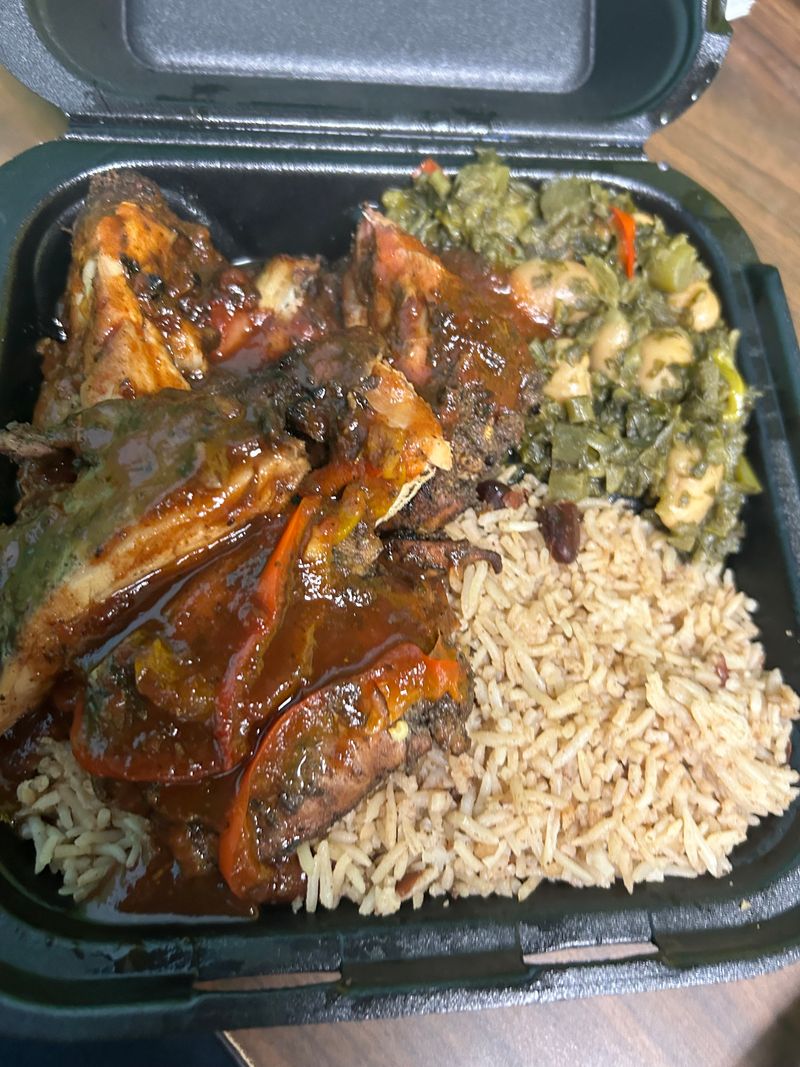
Fried chicken has always been a Southern staple, but now it’s getting a tropical makeover.
Chefs are coating their chicken in Caribbean jerk seasoning, which includes allspice, scotch bonnet peppers, and thyme before frying it to crispy perfection.
The result tastes like summer vacation mixed with Sunday dinner at grandma’s house.
This trend reflects Georgia’s growing diversity and willingness to experiment with bold spices.
The heat from the jerk seasoning doesn’t overpower the chicken’s natural flavor; it enhances it.
Many restaurants serve this dish with mango salsa or plantains, adding even more island vibes to the plate.
It’s comfort food with a passport.
3. Plant-Based Soul Food
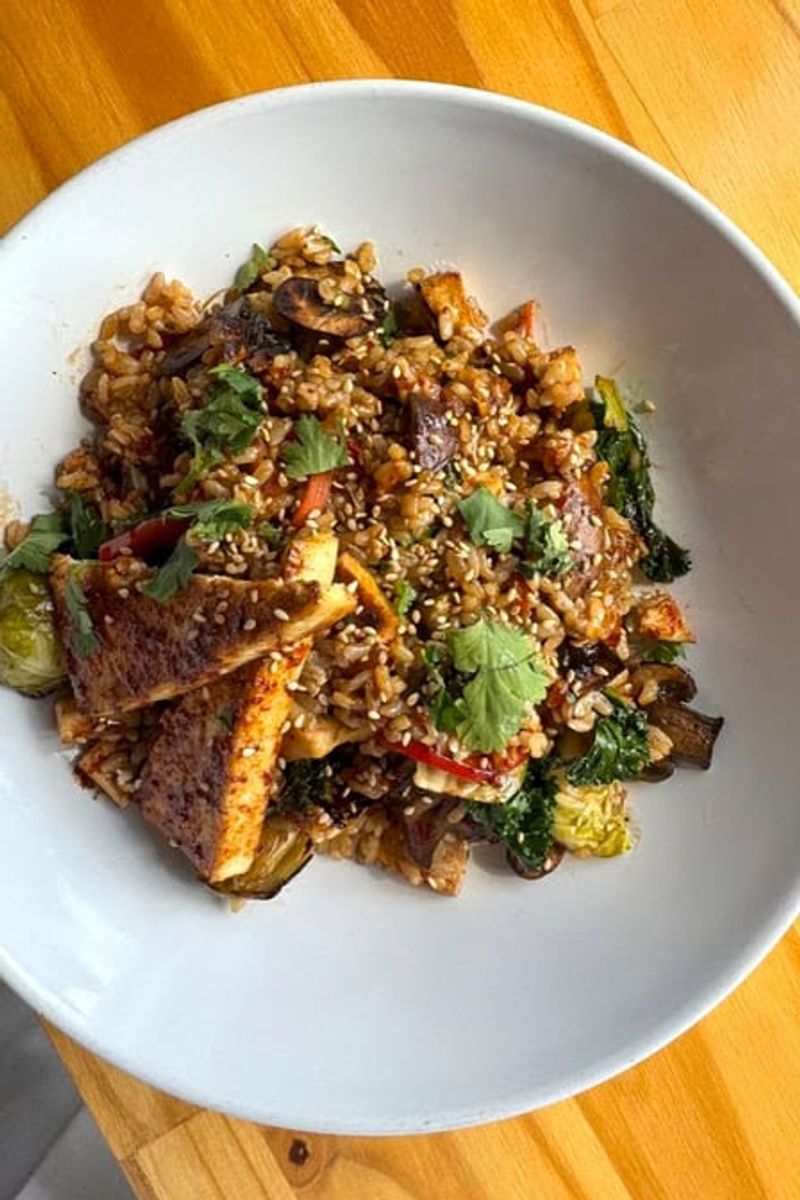
Soul food is getting a healthy makeover without sacrificing flavor or tradition.
More restaurants are offering plant-based versions of classic dishes like collard greens cooked without pork, black-eyed peas seasoned with smoked paprika instead of ham hocks, and cornbread made with flax eggs.
These dishes appeal to vegetarians and vegans while also attracting health-conscious eaters who still crave Southern comfort.
The key is using smart substitutions and bold seasonings to maintain that deep, satisfying flavor.
Chefs are proving you don’t need meat to make soul food soulful.
This trend also makes Southern cuisine more accessible to people with different dietary needs and beliefs.
4. Whole Food Transparency
Diners want to know exactly what’s going into their bodies, and Georgia restaurants are listening.
Menus now include detailed information about where ingredients come from, how they’re prepared, and what’s in each dish.
This transparency builds trust between restaurants and customers, especially for people with allergies or specific dietary goals.
You’ll see labels highlighting whole grains, minimal processing, and absence of artificial additives.
Restaurants are moving away from mystery sauces and hidden ingredients toward honest, straightforward cooking.
This shift reflects a broader cultural movement toward wellness and informed eating choices.
When you know what you’re eating, you can enjoy it even more.
5. Covered-Dish Dinners Return
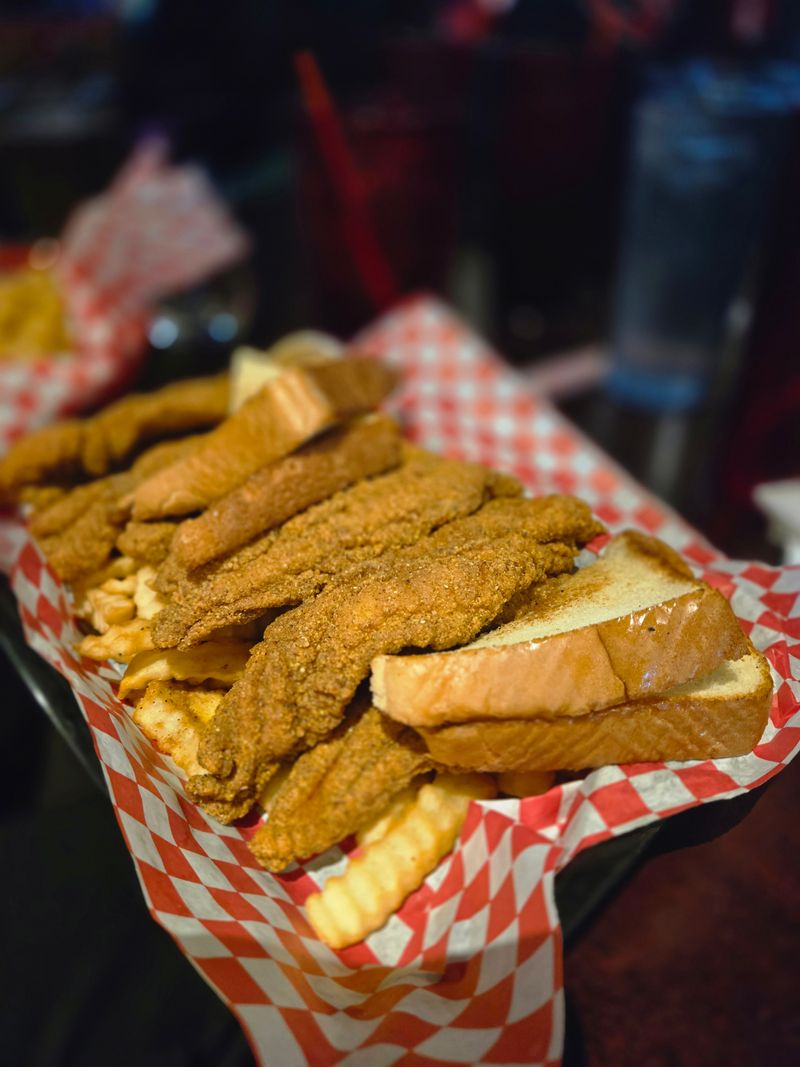
Sometimes the best trends are actually old traditions coming back to life.
Covered-dish dinners, where everyone brings a homemade dish to share, are making a big comeback across Georgia.
These gatherings emphasize community, conversation, and the joy of sharing food made with love.
Hosts often coordinate the menu to ensure variety, with people bringing everything from green bean casserole to peach cobbler.
This trend pushes back against the isolation of modern life and expensive restaurant dining.
It’s about connection as much as cuisine.
Churches, neighborhoods, and friend groups are rediscovering the simple pleasure of eating together around a table loaded with homemade goodness.
6. Elevated Pulled Pork
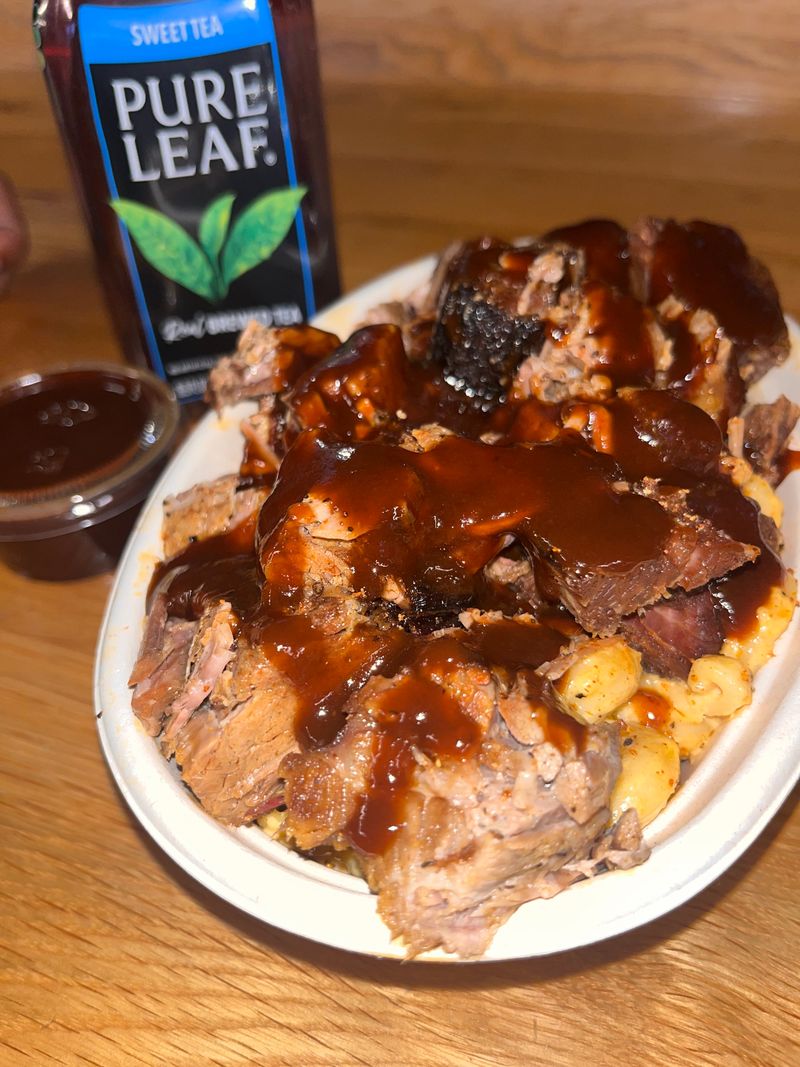
Pulled pork is getting fancy, and I’m here for it.
Chefs are taking this beloved barbecue staple and dressing it up with unexpected ingredients like pickled peaches, bourbon-infused sauce, or crispy fried onions.
The meat itself is still slow-smoked to tender perfection, but the presentation and accompaniments are more sophisticated.
This elevation doesn’t make pulled pork pretentious; it just shows new respect for a classic dish.
You might find it served on brioche buns instead of plain white bread, or paired with artisanal coleslaw made with apple cider vinegar.
These small changes make a big difference in the overall dining experience.
7. Dutch Oven Cooking Revival
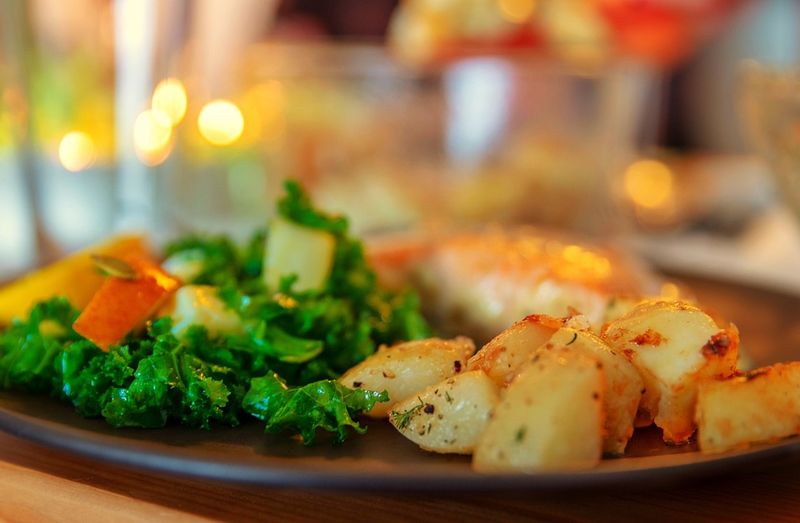
Sheet-pan dinners had their moment, but now Dutch ovens are stealing the spotlight.
These heavy cast-iron pots allow for slow, even cooking that brings out deep flavors in stews, roasts, and braised dishes.
Georgia cooks are rediscovering the magic of one-pot meals that simmer for hours, filling the house with amazing smells.
Dutch ovens work equally well on stovetops, in ovens, or over campfires, making them incredibly versatile.
You can make everything from chicken and dumplings to pot roast in these dependable cookware pieces.
This trend celebrates patience in cooking and the rich, layered flavors that only time can create.
8. Farm-to-Table Commitment
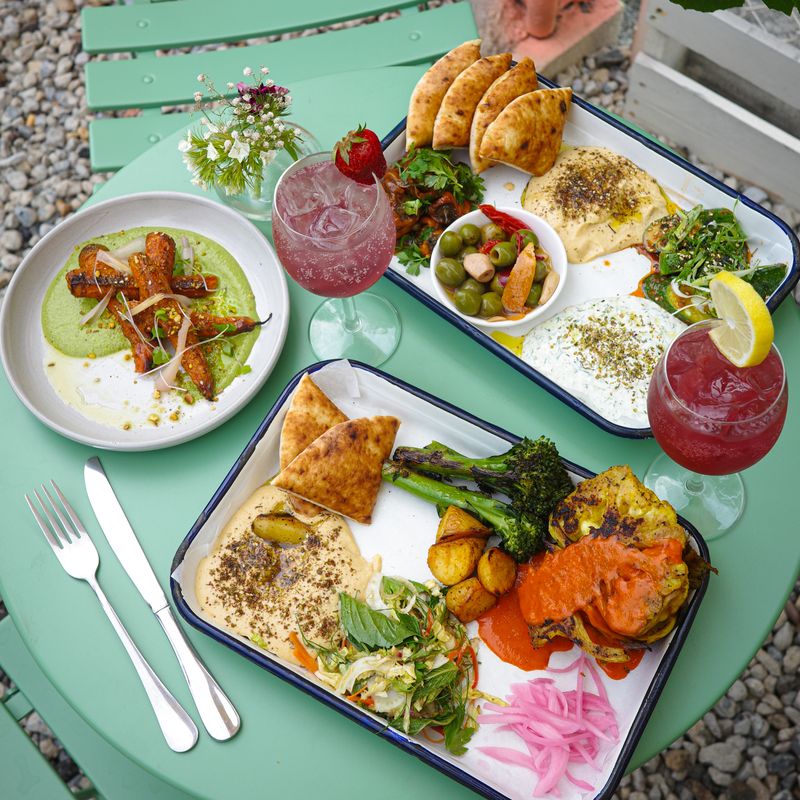
Supporting local farmers isn’t just good ethics; it’s good business and better eating.
Georgia restaurants are building relationships with nearby farms to source fresh vegetables, fruits, and meats directly from the people who grow them.
This practice reduces transportation costs and environmental impact while ensuring peak freshness and flavor.
Menus change seasonally based on what’s available, which keeps dining experiences interesting and varied.
You might see Vidalia onions in spring, peaches in summer, and pecans in fall, all sourced from Georgia soil.
This commitment strengthens local economies and creates a direct connection between diners and the land that feeds them.
9. Eco-Friendly Packaging

Sustainability extends beyond the menu to how food is packaged and served.
Georgia restaurants are switching from plastic and Styrofoam to compostable containers made from bamboo, sugarcane, or recycled paper.
These materials break down naturally without harming the environment, which matters to environmentally conscious diners.
Even utensils are getting an upgrade, with wooden forks and spoons replacing plastic ones.
This change requires investment from restaurants, but customers appreciate businesses that prioritize the planet.
Takeout and delivery services are becoming greener without sacrificing convenience.
When your meal arrives in packaging that won’t sit in a landfill for centuries, it just tastes better.
10. Beverage Pairing Experiences

Wine pairing isn’t new, but Georgia is expanding the concept to include cocktails, craft beers, and even sweet tea.
Restaurants are creating tasting experiences where each course comes with a carefully selected beverage that enhances the food’s flavors.
You might try bourbon paired with smoked brisket, or a peach-infused cocktail alongside fried green tomatoes.
These pairings show how drinks can be just as important as food in creating a complete dining experience.
Servers explain why certain combinations work, educating diners about flavor profiles and complementary tastes.
This trend elevates casual meals into memorable culinary adventures that engage all your senses.
11. Online Event Customization

Planning events just got easier with online platforms that let guests customize their experience before they arrive.
Georgia caterers and restaurants offer websites where people can RSVP, select their meal preferences, indicate dietary restrictions, and even choose dessert options in advance.
This system reduces waste by giving organizers accurate headcounts and specific food requirements.
It also makes guests feel valued because their preferences are acknowledged and accommodated.
The technology handles the logistics while human staff focus on preparation and service quality.
This combination of digital efficiency and personal attention creates smoother events where everyone gets exactly what they want.
12. Social Media Food Coverage

Food photography has become part of the dining experience itself.
Georgia restaurants are designing dishes with visual appeal in mind, knowing that beautiful presentations will be shared on social media.
Some venues even hire photographers to document special events and post real-time updates that generate excitement and engagement.
This practice turns diners into brand ambassadors who spread the word about great food experiences.
Restaurants benefit from free advertising while customers enjoy being part of a larger food community.
The trend encourages creativity in plating and presentation, making meals more artistic.
When food looks as good as it tastes, everyone wants to share it.