Massachusetts Real Estate: 6 Home Styles Losing Appeal And 7 Gaining Momentum

Massachusetts real estate is changing fast, and the homes that once topped every buyer’s wish list are now sitting longer on the market.
Meanwhile, fresh styles with smart features and sustainable upgrades are catching attention and selling quicker than ever.
Understanding which home styles are fading and which are rising helps both buyers and sellers make smarter decisions in today’s competitive market.
1. Cookie-Cutter Suburban Developments
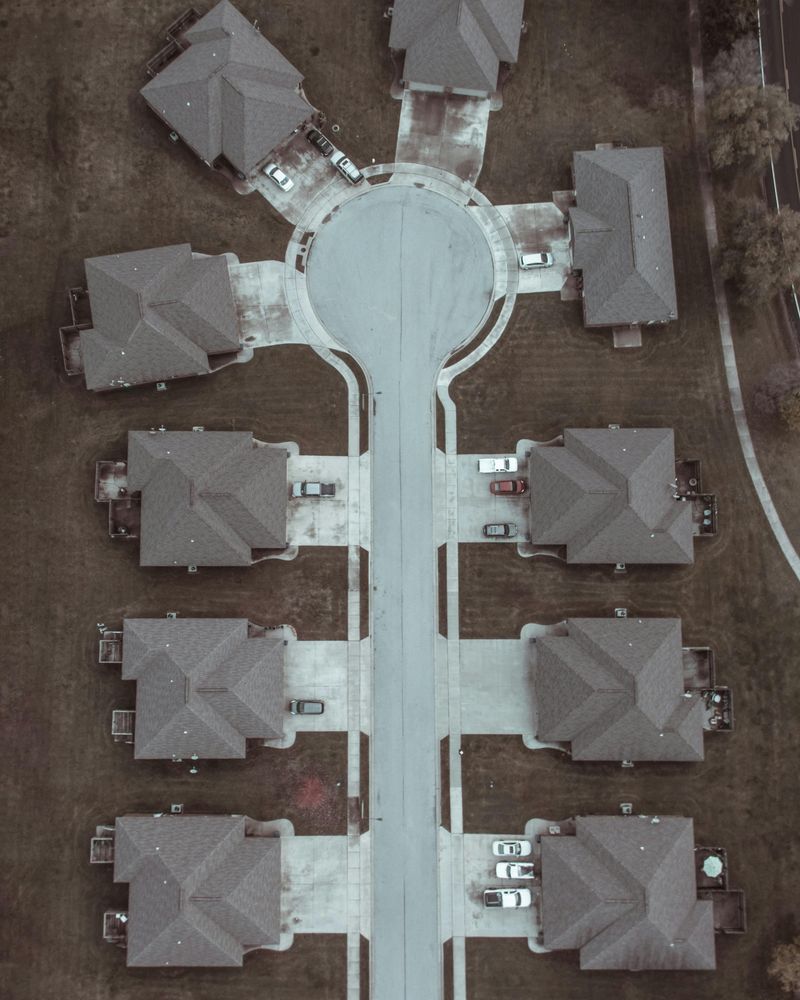
Uniformity used to mean predictability and ease, but today’s buyers crave character and individuality in their homes.
Mass-produced suburban developments with identical floor plans and cookie-cutter facades are struggling to attract interest.
Buyers want homes that feel unique, not like they walked into the same house three doors down.
Energy efficiency and thoughtful design have also become priorities, and many of these developments were built before green building practices became standard.
Outdated insulation, inefficient windows, and generic layouts make these homes feel less desirable compared to newer, more personalized options.
Neighborhoods lacking walkability, charm, or nearby amenities add to the challenge.
Buyers are willing to pay more for homes with personality, history, or eco-friendly features.
Cookie-cutter developments may need significant upgrades or price adjustments to stay competitive in Massachusetts’ evolving real estate landscape.
2. Split-Level Homes From The 1970s
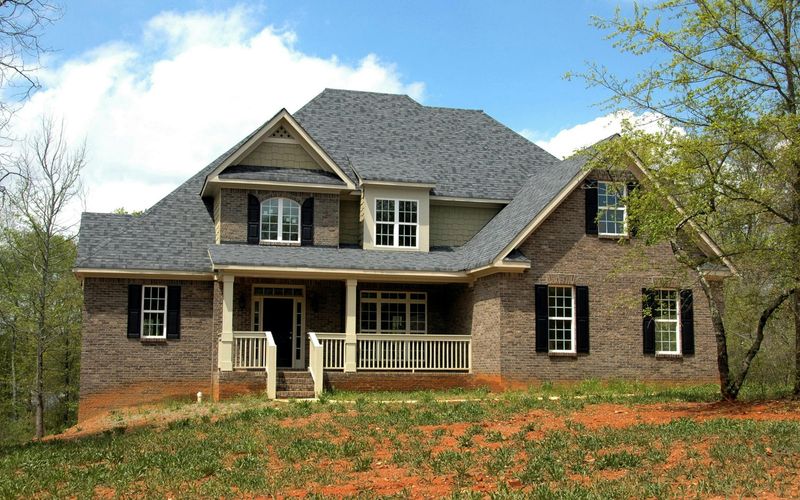
Split-level homes were a clever solution decades ago, but their compartmentalized layouts clash with today’s preference for open, flowing spaces.
Buyers now favor homes where the kitchen, dining, and living areas connect seamlessly, making split-levels feel chopped up and dated.
Renovating these homes to create open-concept living is often costly and structurally complicated.
Walls that divide levels aren’t easy to remove, and updating the flow usually requires major construction work.
The staggered staircases and separate zones that once defined the style now feel impractical for modern families.
Many of these homes also come with outdated finishes, low ceilings, and small windows that limit natural light.
Buyers looking for bright, airy spaces tend to pass over split-levels in favor of more contemporary designs.
Unless extensively remodeled, these homes may linger on the market longer than sellers expect.
3. Homes Without Home Office Space
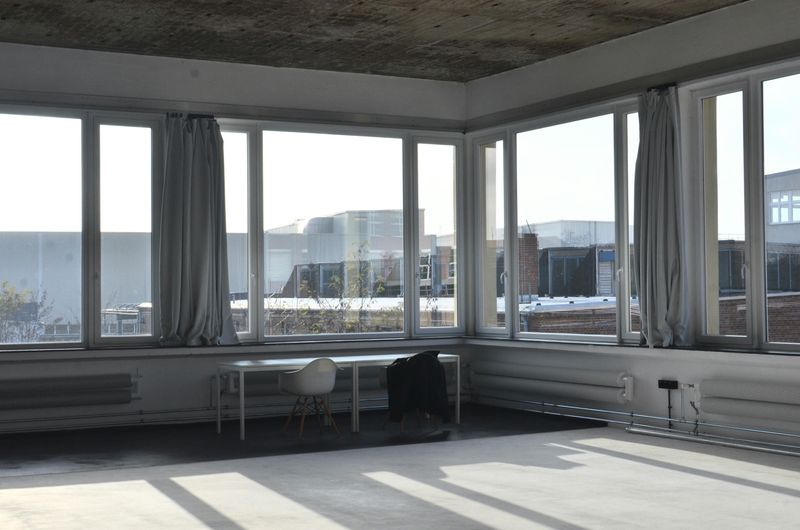
Remote work transformed how buyers evaluate homes, and properties without a dedicated office space are now at a disadvantage.
A spare bedroom or bonus room that can double as a quiet workspace has become essential for many families.
Homes lacking this flexibility feel less functional, especially for professionals working from home full-time or part-time.
Buyers don’t want to squeeze a desk into a corner of the living room or bedroom if they can avoid it.
They’re willing to pay more for homes with a proper office setup, good lighting, and a door that closes.
Properties without this feature may need creative staging or minor renovations to highlight potential office areas.
Converting a den, finishing a basement corner, or showcasing a quiet nook can help.
Without these adjustments, homes may struggle to compete against listings that already offer work-from-home convenience built in.
4. Ranch Houses On Valuable Land
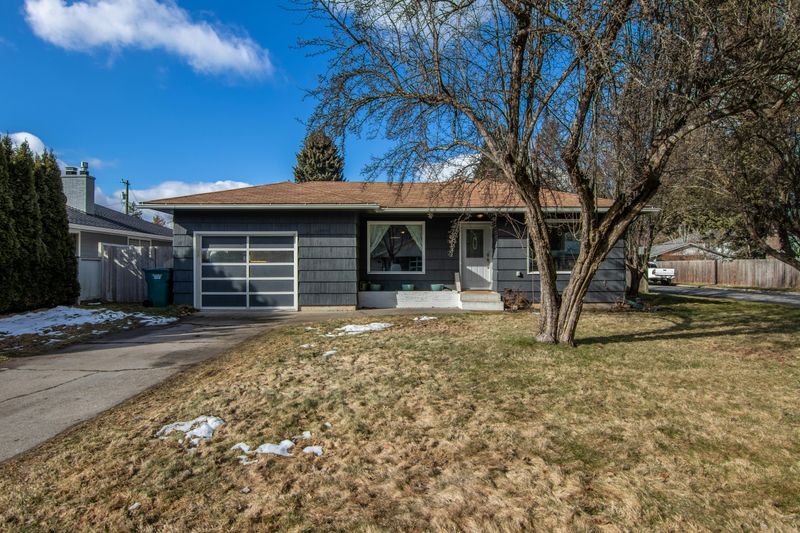
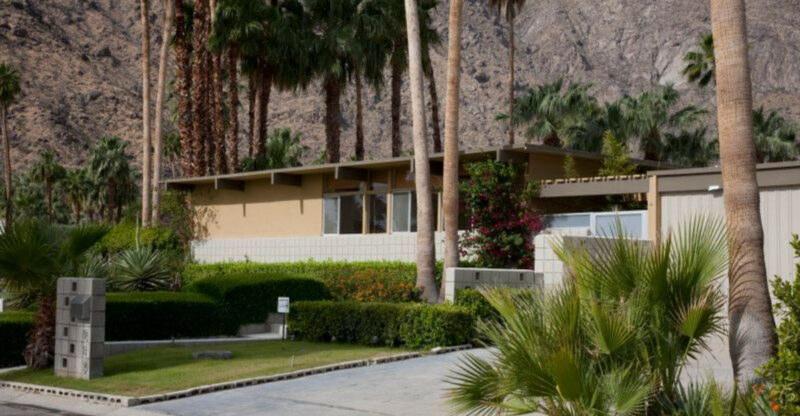
Single-story ranch homes sitting on prime lots are increasingly viewed as teardown opportunities rather than dream homes.
Developers and buyers with vision see the land value more than the existing structure, especially in high-demand neighborhoods.
These homes often occupy large parcels that could support bigger, multi-level designs with more square footage and modern amenities.
The modest footprint of a ranch doesn’t maximize the potential of valuable land, making redevelopment tempting.
Buyers looking for a forever home may hesitate to invest in a property that’s likely to be torn down by the next owner.
Ranch homes in desirable areas can still sell, but often at prices reflecting the land rather than the house itself.
Sellers should be realistic about whether the structure adds value or if the lot is the real asset.
Understanding this shift helps set appropriate expectations in today’s competitive Massachusetts market.
5. Homes With Outdated Energy Systems

Oil heating systems and poor insulation are red flags for buyers focused on sustainability and monthly expenses.
Massachusetts is pushing hard toward electrification and renewable energy, making homes with outdated systems feel like financial burdens.
Heating oil is expensive, and homes lacking proper insulation waste energy and money every winter.
Buyers calculate long-term costs carefully, and properties that need major energy upgrades often lose out to homes already equipped with efficient systems.
Heat pumps, solar panels, and modern insulation are now selling points, not luxuries.
Homes without these features may sit longer on the market or require price reductions to offset the cost of future upgrades.
Sellers can improve their position by investing in energy audits or highlighting any recent improvements.
As environmental awareness grows, homes clinging to outdated energy systems will continue to lose appeal in Massachusetts’ evolving real estate landscape.
6. Modern Farmhouse
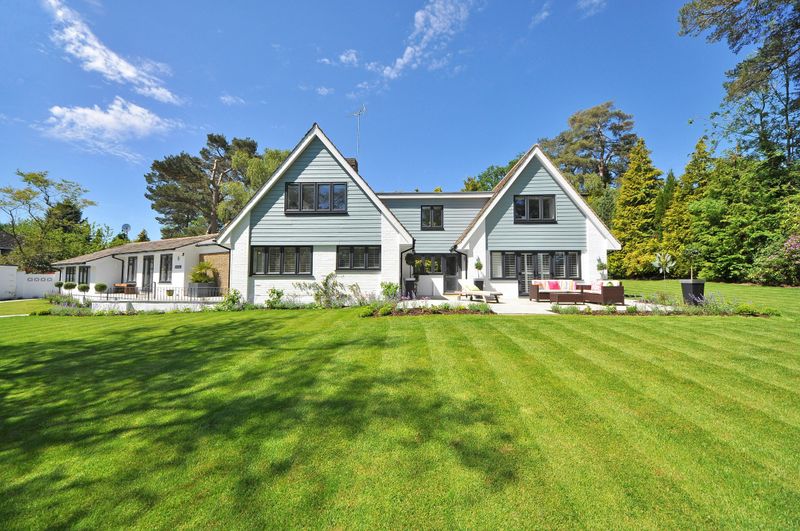
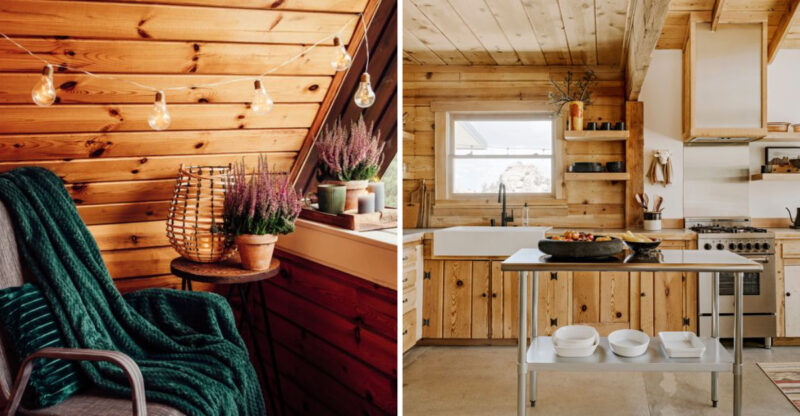
Barn doors and shiplap walls once ruled Pinterest boards and commanded top dollar across Massachusetts, but that wave has finally crested.
What was fresh and charming just a few years ago now feels overdone to many buyers scrolling through listings.
Features that used to add thousands to a home’s value are now seen as trendy rather than timeless.
Buyers today lean toward cleaner, more contemporary interiors with white oak floors, soapstone countertops, and streamlined finishes that feel less staged.
The farmhouse aesthetic hasn’t disappeared entirely, but it no longer guarantees a bidding war.
Homes heavy on rustic touches may need updating to appeal to the current wave of buyers seeking understated elegance.
Sellers might consider toning down overly themed spaces to broaden their home’s appeal.
Simple, neutral updates can help these properties compete in a market that’s moved on from the farmhouse frenzy.
7. Contemporary Open-Concept Designs
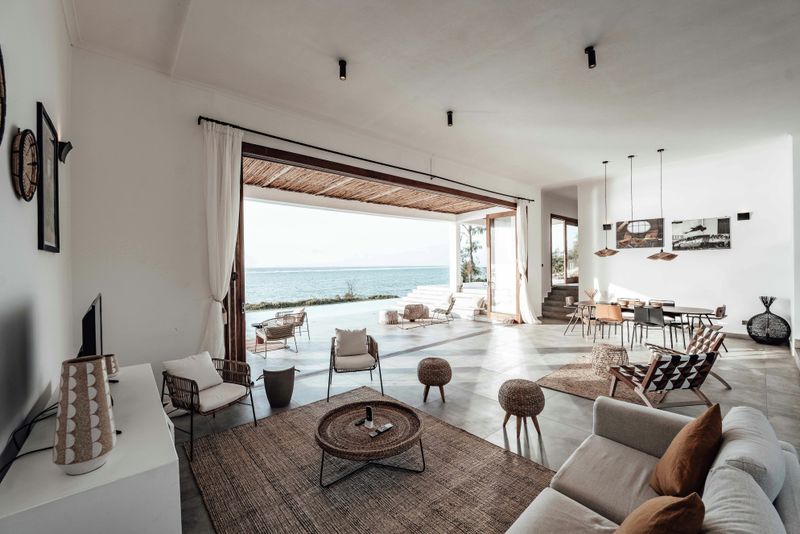
Open layouts that blend kitchen, dining, and living spaces into one cohesive area are dominating buyer wish lists across Massachusetts.
Families love the flexibility these designs offer, whether hosting friends, keeping an eye on kids, or simply enjoying a spacious, uncluttered feel.
Natural materials like white oak, stone, and warm metals add texture without overwhelming the minimalist aesthetic buyers crave.
Large windows and high ceilings enhance the sense of openness, making even modest square footage feel generous.
Buyers appreciate how these homes adapt to different lifestyles, from quiet evenings to lively gatherings.
The clean lines and neutral palettes also make decorating easier and more personal.
Homes with open-concept designs tend to sell faster and often attract multiple offers.
Sellers with these layouts should emphasize the flow and versatility in their listings to capture buyer interest immediately.
8. Homes With Dedicated Office Spaces

A quiet room with a door that closes has become one of the most requested features in Massachusetts real estate.
Remote work isn’t going away, and buyers need functional spaces where they can focus without distractions.
A spare bedroom, converted den, or finished basement area that serves as a proper office adds real value to a home.
Buyers look for good lighting, outlets for equipment, and enough space for a desk and storage.
Homes offering this setup stand out in listings and often sell faster than comparable properties without it.
Even small homes can benefit by creatively showcasing potential office areas during showings or staging.
Highlighting a cozy nook or adaptable space can make all the difference.
As more people embrace hybrid work schedules, the demand for dedicated office spaces will only continue to grow across the state.
9. Energy-Efficient Homes

Sustainability isn’t just a buzzword anymore – it’s a priority that’s reshaping what buyers want in Massachusetts homes.
Solar panels, upgraded insulation, energy-efficient windows, and modern HVAC systems reduce monthly costs and environmental impact.
Buyers appreciate homes that align with their values and save money over time.
Massachusetts offers incentives for renewable energy upgrades, making energy-efficient homes even more attractive.
Properties with these features often appraise higher and appeal to environmentally conscious buyers willing to pay a premium.
Sellers who’ve invested in green upgrades should highlight them prominently in listings and marketing materials.
Energy audits, utility bills, and certifications can provide proof of efficiency and reassure buyers.
As climate awareness grows and energy costs fluctuate, homes with sustainable features will continue gaining momentum in the competitive Massachusetts market.
10. Homes With Outdoor Living Spaces
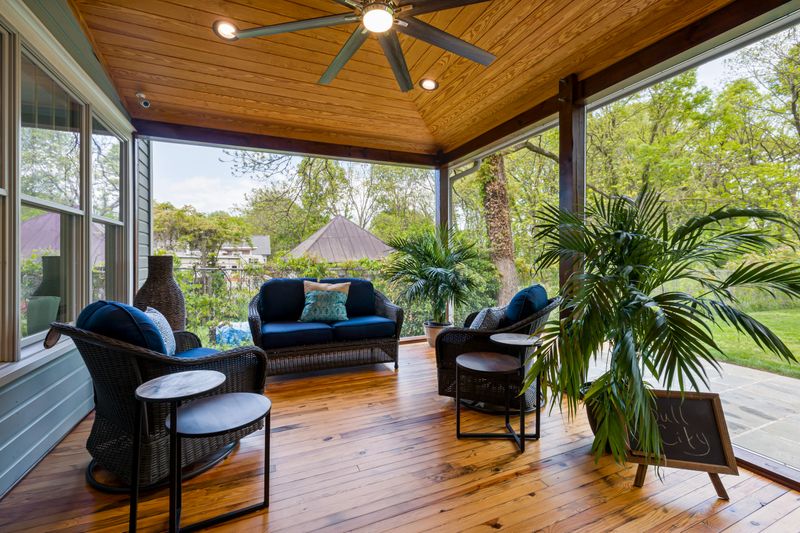
Private patios, decks, and usable yards have become essential for buyers seeking extended living areas beyond the walls of their homes.
Outdoor spaces offer room for grilling, gardening, playing, or simply relaxing after a long day.
Buyers value properties where they can enjoy fresh air without leaving their property or dealing with shared spaces.
Homes with thoughtfully designed outdoor areas – whether a cozy deck, a stone patio, or a fenced yard – appeal to families, pet owners, and anyone who loves entertaining.
Even small yards can feel inviting with the right setup and landscaping.
Sellers should stage outdoor spaces to showcase their potential, adding furniture, plants, or lighting to help buyers visualize possibilities.
Clean, well-maintained yards and decks signal care and quality.
As people continue prioritizing quality of life, homes with outdoor living spaces will remain highly desirable in Massachusetts real estate.
11. Updated Kitchens And Bathrooms

Kitchens and bathrooms sell homes, and buyers increasingly expect these spaces to be move-in ready with modern finishes and functional layouts.
Updated cabinetry, quality countertops, new fixtures, and efficient appliances make a home feel fresh and well-maintained.
Buyers don’t want to tackle major renovations right after moving in, especially in high-traffic areas like kitchens and bathrooms.
Contemporary color palettes, good lighting, and smart storage solutions add appeal and practicality.
Even modest updates – like new hardware, fresh paint, or updated lighting – can make a noticeable difference.
Homes with outdated kitchens and bathrooms often require price reductions or extended time on the market.
Sellers who’ve invested in these upgrades should showcase them with high-quality photos and detailed descriptions.
As competition remains strong, updated kitchens and bathrooms will continue to be key selling points across Massachusetts.
12. Homes With Proximity To Public Transportation
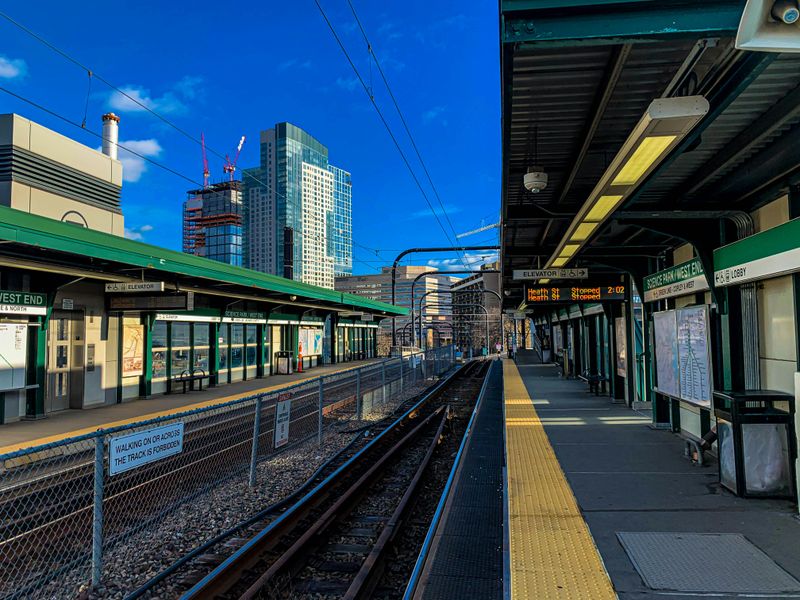
Younger buyers especially are prioritizing convenience, and homes near public transit options are climbing wish lists across Massachusetts.
Easy access to the MBTA or commuter rail reduces commute times, transportation costs, and the stress of daily traffic.
Walkability to train stations or bus stops adds value and appeals to buyers who prefer not to rely solely on cars.
Properties near transit hubs often attract professionals working in Boston or other urban centers who want suburban comfort without sacrificing convenience.
These homes tend to hold their value well and appeal to a broader range of buyers.
Sellers should emphasize proximity to transit in listings, mentioning walking distances and nearby routes.
Highlighting nearby amenities like cafes, shops, or parks accessible by foot or transit adds even more appeal.
As commuting patterns evolve, homes with strong transit access will remain highly sought after in Massachusetts real estate.
13. Homes With Smart Home Features

Smart thermostats, automated lighting, security cameras, and app-controlled systems are no longer futuristic luxuries – they’re expected by tech-savvy buyers.
These features offer convenience, security, and energy savings, making daily life easier and more efficient.
Buyers appreciate homes where they can control temperature, lighting, and security remotely, whether at work or on vacation.
Smart home technology also appeals to buyers looking for modern, move-in-ready properties that feel current and well-equipped.
Even basic integrations like smart doorbells or programmable thermostats can set a home apart from the competition.
Sellers with smart features should highlight them in listings and demonstrate functionality during showings.
Providing manuals or setup guides reassures buyers unfamiliar with the technology.
As technology becomes more integrated into daily life, homes with smart features will continue gaining momentum in Massachusetts’ competitive real estate market.