14 Foods From Pennsylvania That Outsiders Always Struggle To Pronounce (Or Get Wrong)
Pennsylvania’s food culture carries the weight of centuries, blending German, Italian, Polish, and other immigrant traditions into a menu that sounds like a linguistic puzzle to anyone from outside the state.
Words that roll off local tongues with ease often leave visitors stumbling, mispronouncing, or completely bewildered.
From breakfast staples to festival treats, these dishes represent more than just regional favorites – they’re edible history lessons wrapped in names that challenge even the most confident speakers.
1. Shoofly Pie
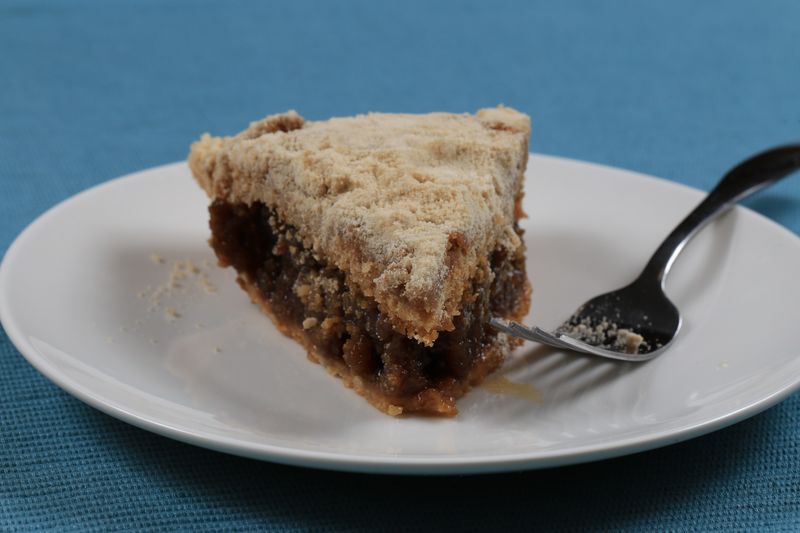
Molasses creates the soul of this Pennsylvania Dutch dessert, forming a sticky-sweet base that contrasts beautifully with the crumbly, cake-like topping sprinkled across the surface.
The name itself tends to trip up newcomers who expect something more sophisticated-sounding than a treat named after pesky insects.
Legend suggests flies were so attracted to the sweet molasses that bakers had to constantly shoo them away during preparation.
Two varieties exist in Amish country: wet-bottom and dry-bottom, each offering different ratios of gooey filling to crumb topping.
The wet-bottom version features a layer of cake beneath the molasses, creating textural complexity that surprises first-timers.
Bakeries throughout Lancaster County serve this old-world specialty year-round, though it tastes especially comforting with hot coffee on crisp autumn mornings.
Pronouncing it is straightforward – SHOO-fly pie – but visitors often pause, wondering if they heard correctly.
The humble name belies a dessert that has sustained generations of Pennsylvania families through harvest seasons and holiday gatherings.
2. Hoagie
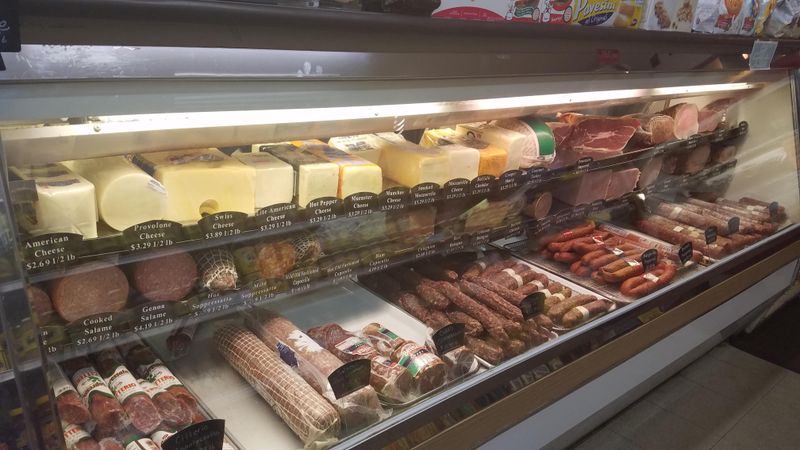
Philadelphia claims ownership of this sandwich masterpiece, though debates about its exact origin story continue to spark passionate conversations among locals.
The pronunciation – HOH-gee – sounds nothing like what outsiders expect when they first encounter the word in print.
Many visitors mistakenly call it a sub, hero, or grinder, earning gentle corrections from patient sandwich shop workers.
Traditional construction requires a specific order: meats layered first, followed by cheese, then vegetables, with oil and vinegar drizzled as the finishing touch.
The bread matters tremendously – a proper hoagie demands a long Italian roll with just the right balance of crusty exterior and soft interior.
Corner delis and specialty shops across the state have perfected their versions, each claiming subtle superiority over competitors.
The name supposedly derives from Hog Island, where shipyard workers popularized these hefty sandwiches during World War I.
Today, ordering a hoagie in Pennsylvania signals you understand regional food culture, while requesting a sub immediately identifies you as an outsider.
3. Scrapple
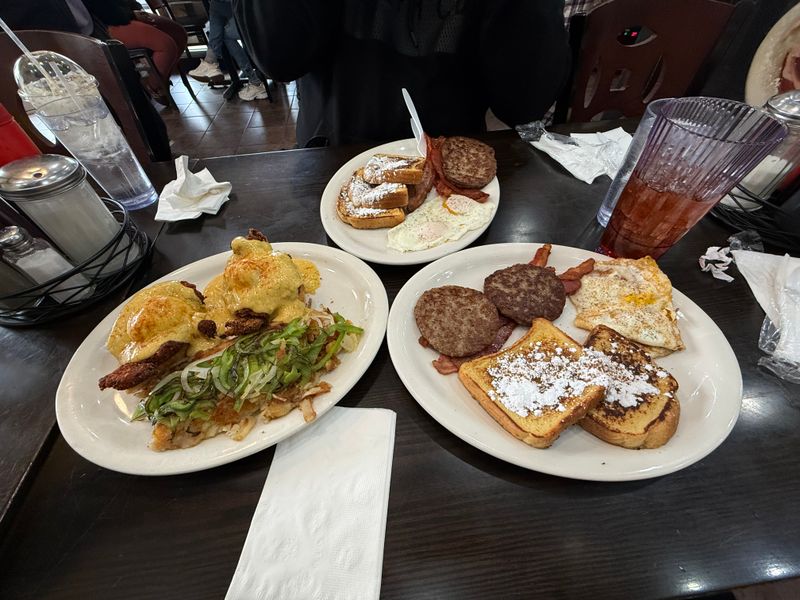
Resourcefulness defines this breakfast staple, born from German immigrant traditions of using every possible part of the pig.
Ground pork scraps mix with cornmeal, buckwheat flour, and spices, then get pressed into a loaf that chills overnight before being sliced and fried until the edges turn wonderfully crispy.
The name – SCRAP-ul – makes perfect sense once you understand its thrifty origins, though first-timers often wrinkle their noses at the concept.
Diners across Pennsylvania serve it alongside eggs and toast, where the contrast between crispy exterior and soft interior creates textural magic that converts skeptics into enthusiasts.
Some folks drizzle it with maple syrup, while others prefer ketchup or apple butter as accompaniments.
The gray color before cooking can seem off-putting, but proper frying transforms it into golden-brown deliciousness.
Finding scrapple outside the Mid-Atlantic region proves challenging, making it a true regional specialty that locals miss desperately when they relocate.
The pronunciation rarely causes trouble, but explaining what it actually contains often requires diplomatic phrasing.
4. Tastykake
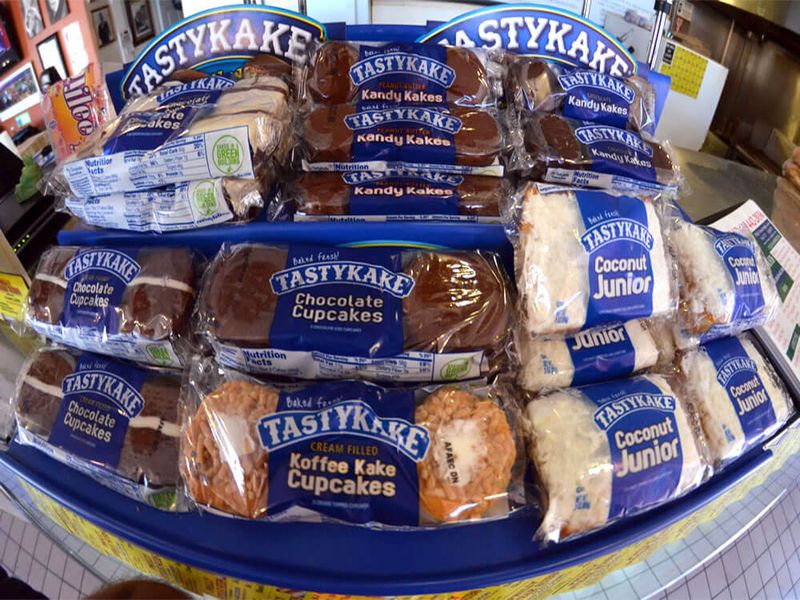
Philadelphia’s answer to mass-produced snack cakes has maintained loyal followers since 1914, when the company began baking treats that balanced sweetness with portion control.
Butterscotch Krimpets reign as the most beloved variety, featuring sponge cake layers coated in butterscotch icing that somehow tastes both nostalgic and addictive.
The pronunciation – TAY-stee-kake – seems obvious, yet visitors sometimes emphasize the wrong syllable or pause uncertainly between the two words.
Kandy Kakes offer another popular option, sandwiching peanut butter between chocolate-covered cake layers in perfectly portable squares.
Convenience stores throughout the state stock multiple varieties, and locals often grab boxes as quick desserts or lunchbox additions.
The brand represents affordable indulgence that has survived changing food trends and health-conscious movements.
Transplanted Pennsylvanians often request care packages containing Tastykakes, claiming nothing else quite captures the same flavor profile.
The company has expanded distribution beyond the state, though finding them elsewhere requires hunting through specialty sections or ethnic food aisles that stock regional American products.
5. Perogies
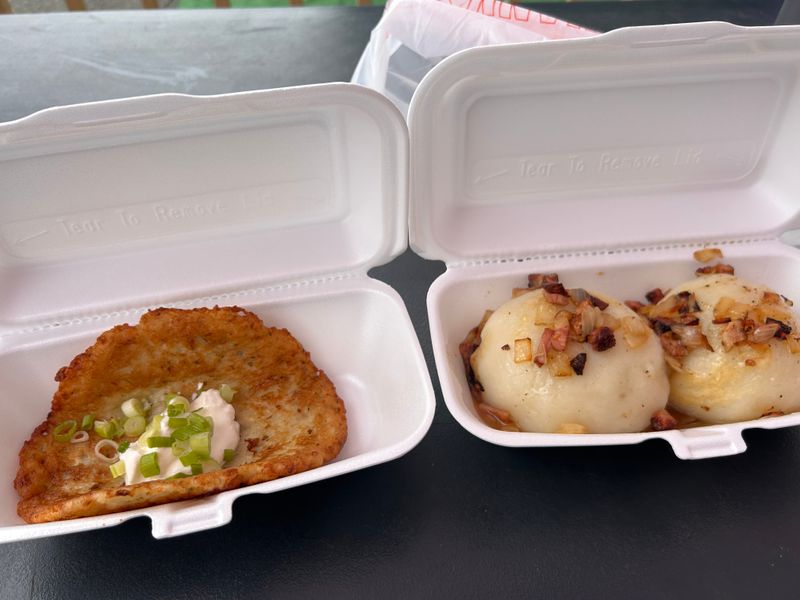
Polish heritage runs deep through Pennsylvania’s industrial towns, where generations of immigrants brought dumpling traditions that became local staples.
These half-moon pockets arrive stuffed with various fillings – potato and cheese combinations prove most popular, though sauerkraut, meat, and even fruit versions appear at church festivals and family gatherings.
The pronunciation – eh-ROH-gees – trips up outsiders who add extra syllables or stress the wrong parts of the word.
Preparation methods vary: some folks boil them until tender, while others prefer pan-frying until golden and slightly crispy around the edges.
Caramelized onions and sour cream serve as traditional toppings, adding richness that complements the pillowy dough.
Church basements throughout western Pennsylvania host perogy sales as fundraisers, where volunteers hand-pinch hundreds of dumplings using recipes passed down through generations.
Pittsburgh claims particularly strong perogy culture, with restaurants and bars serving them as comfort food that pairs surprisingly well with beer.
The spelling itself causes confusion – some use pierogi, others prefer perogy or pyrohy, depending on family background and regional custom.
6. Lebanon Bologna
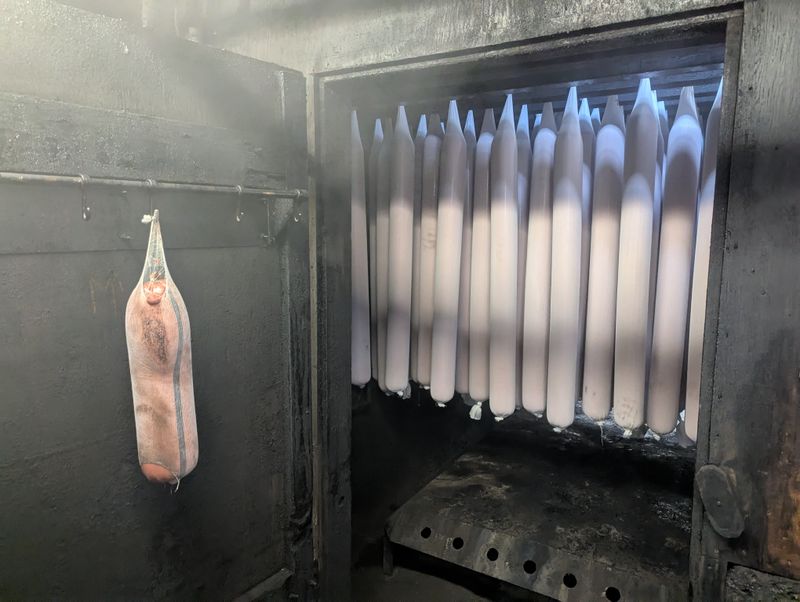
Sweet, smoky, and semi-dry, this specialty sausage from Lebanon County bears little resemblance to the standard bologna found in supermarket cold cuts sections.
The pronunciation – LEB-a-nun bo-LOH-na – requires emphasizing the first syllable of Lebanon, which newcomers often get wrong by using the country’s pronunciation instead.
Traditional preparation involves smoking beef in distinctive wooden smokehouses, creating a dark outer casing and tangy flavor profile that tastes nothing like its mass-produced namesake.
Local families slice it paper-thin and serve it on sandwiches, crackers, or alongside cheese plates at gatherings.
The texture falls somewhere between salami and standard bologna, with a firmness that comes from the smoking and curing process.
Seltzer’s and other Lebanon County producers have maintained traditional methods for over a century, resisting shortcuts that might compromise the authentic taste.
Visitors often express surprise at the intense flavor, expecting something mild and finding instead a bold, assertive sausage that demands attention.
Shipping it out of state has become big business, as former residents crave the specific taste they remember from childhood.
7. Whoopie Pie

Debate rages between Pennsylvania and Maine over which state invented this beloved dessert, though Amish bakers in Lancaster County have been making them for generations.
Two soft, cake-like chocolate cookies sandwich a generous layer of sweet cream filling, creating handheld indulgence that technically qualifies as a cookie but feels more like portable cake.
The name – WHOOP-ee pie – supposedly comes from the exclamation children made when they discovered these treats in their lunch pails.
Traditional versions stick with chocolate cookies and vanilla cream, though modern bakeries experiment with pumpkin, red velvet, and other creative variations.
The filling can be marshmallow-based or buttercream-style, depending on regional preferences and family recipes.
Size matters too – some whoopie pies measure just a few inches across, while others grow to sandwich-sized proportions that require two hands and serious commitment.
Pennsylvania designated the whoopie pie as an official state food in 2011, settling at least the political question if not the historical one.
Farmers markets and roadside stands throughout Pennsylvania Dutch country sell them fresh daily, often still slightly warm from the oven.
8. Stromboli
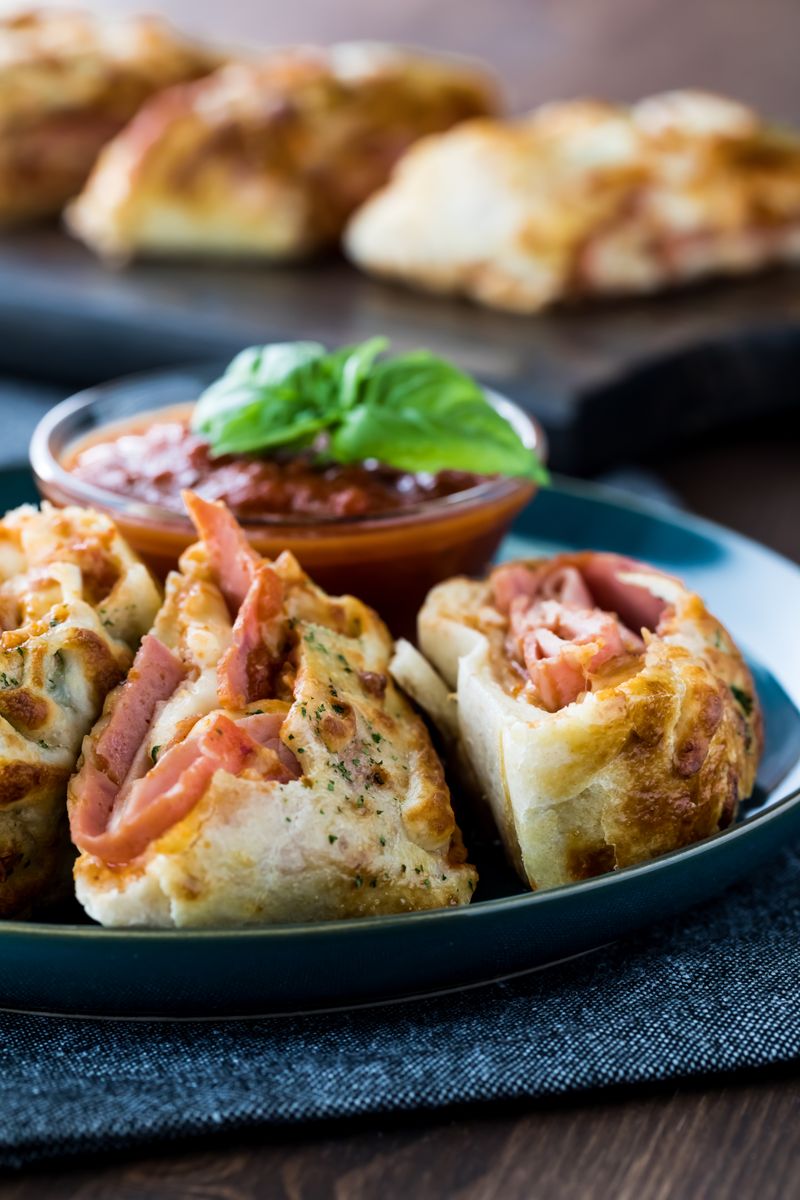
Romano’s restaurant in Essington claims credit for inventing this rolled pizza-dough creation in the 1950s, naming it after the Italian volcanic island.
Pizza dough gets stretched thin, layered with meats, cheeses, and sometimes vegetables, then rolled up jellyroll-style and baked until the crust turns golden and slightly crispy.
The pronunciation – STROM-boh-lee – sounds Italian enough that most people get it right, though the emphasis occasionally lands on the wrong syllable.
Confusion often arises between stromboli and calzones, which fold rather than roll and typically contain ricotta cheese.
Stromboli tends toward a drier interior focused on meats and mozzarella, making it more portable and less messy to eat.
Pizzerias across Pennsylvania offer their versions, each claiming subtle superiority in dough texture, filling combinations, or baking techniques.
Slicing reveals spiral layers of filling that make for impressive presentation at parties and casual gatherings.
Some establishments serve marinara sauce on the side for dipping, while purists insist properly made stromboli needs no embellishment.
The hefty, satisfying nature of stromboli makes it popular for feeding crowds without requiring plates or utensils.
9. Fastnachts
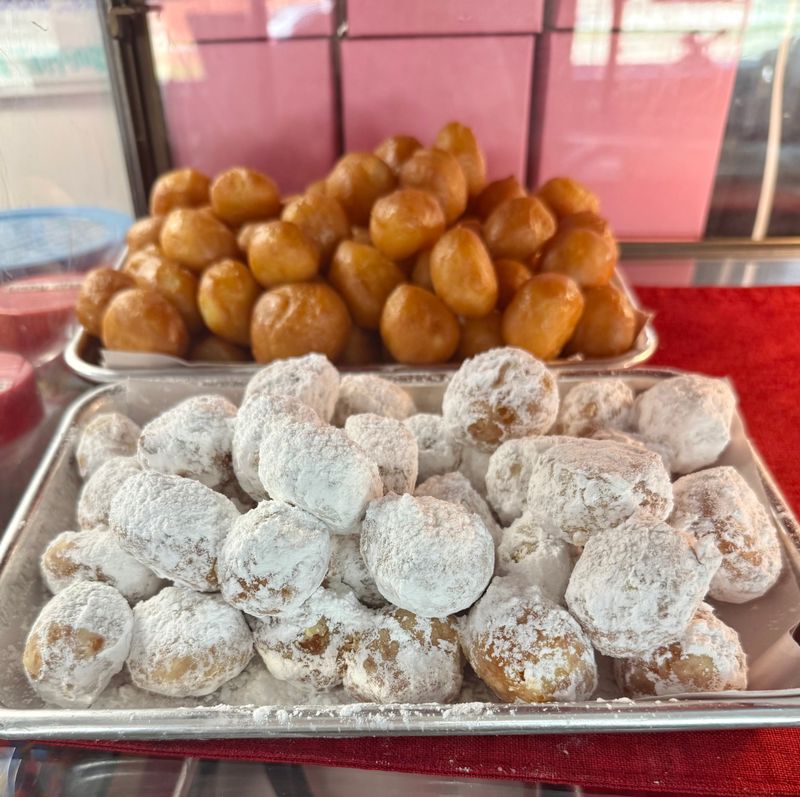
Shrove Tuesday brings these potato-based doughnuts to bakeries throughout Pennsylvania Dutch country, where tradition dictates eating them before Lenten fasting begins.
The pronunciation – FASS-nocks – stumps nearly everyone encountering the German-derived word for the first time, with the silent ‘t’ and guttural ending creating linguistic challenges.
Unlike typical doughnuts, fastnachts incorporate mashed potatoes into the dough, creating density and a slightly savory undertone that balances the sweetness.
Most versions arrive without holes, cut into squares or rectangles rather than circles, and dusted simply with powdered sugar or granulated sugar instead of fancy glazes.
The texture leans toward cake doughnuts rather than yeast varieties, though traditional recipes do use yeast for leavening.
Church sales and community fundraisers mark Fastnacht Day, with volunteers rising before dawn to fry hundreds of these treats.
The tradition stems from using up fats, eggs, and sugar before Lent, making fastnachts a practical solution to food management that evolved into beloved custom.
Finding them outside the pre-Lenten season proves nearly impossible, adding to their special-occasion status and nostalgic appeal among those who grew up with the tradition.
10. Haluski
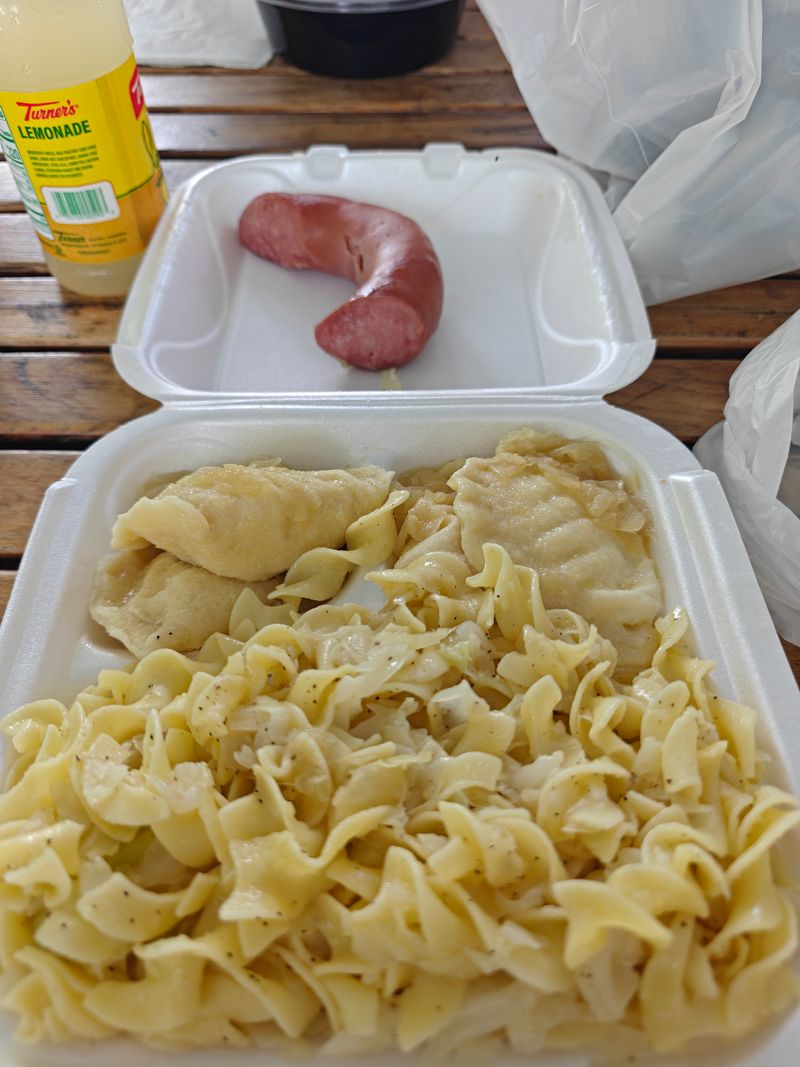
Eastern European immigrants brought this simple, satisfying dish to Pennsylvania’s coal mining regions, where it provided affordable, filling sustenance after long shifts underground.
Egg noodles and fried cabbage combine with butter – lots of butter – to create comfort food that tastes far better than its humble ingredient list suggests.
The pronunciation – ha-LOOSH-kee – challenges outsiders who struggle with the Slavic word structure and unfamiliar syllable emphasis.
Preparation requires patience: cabbage gets cooked slowly until it caramelizes and sweetens, losing any hint of bitterness or harsh flavor.
Some cooks add onions for extra depth, while others keep it strictly traditional with just noodles, cabbage, and butter.
The dish appears frequently at church dinners, family gatherings, and as a side dish accompanying roasted meats or kielbasa.
Variations exist depending on whether the family heritage leans Polish, Slovak, or Hungarian, with slight differences in seasoning and noodle shape.
The simplicity makes haluski accessible to home cooks, requiring no special equipment or hard-to-find ingredients.
Despite its peasant food origins, haluski has earned respect as nostalgic comfort food that connects younger generations to their immigrant roots.
11. Primanti Brothers Sandwich
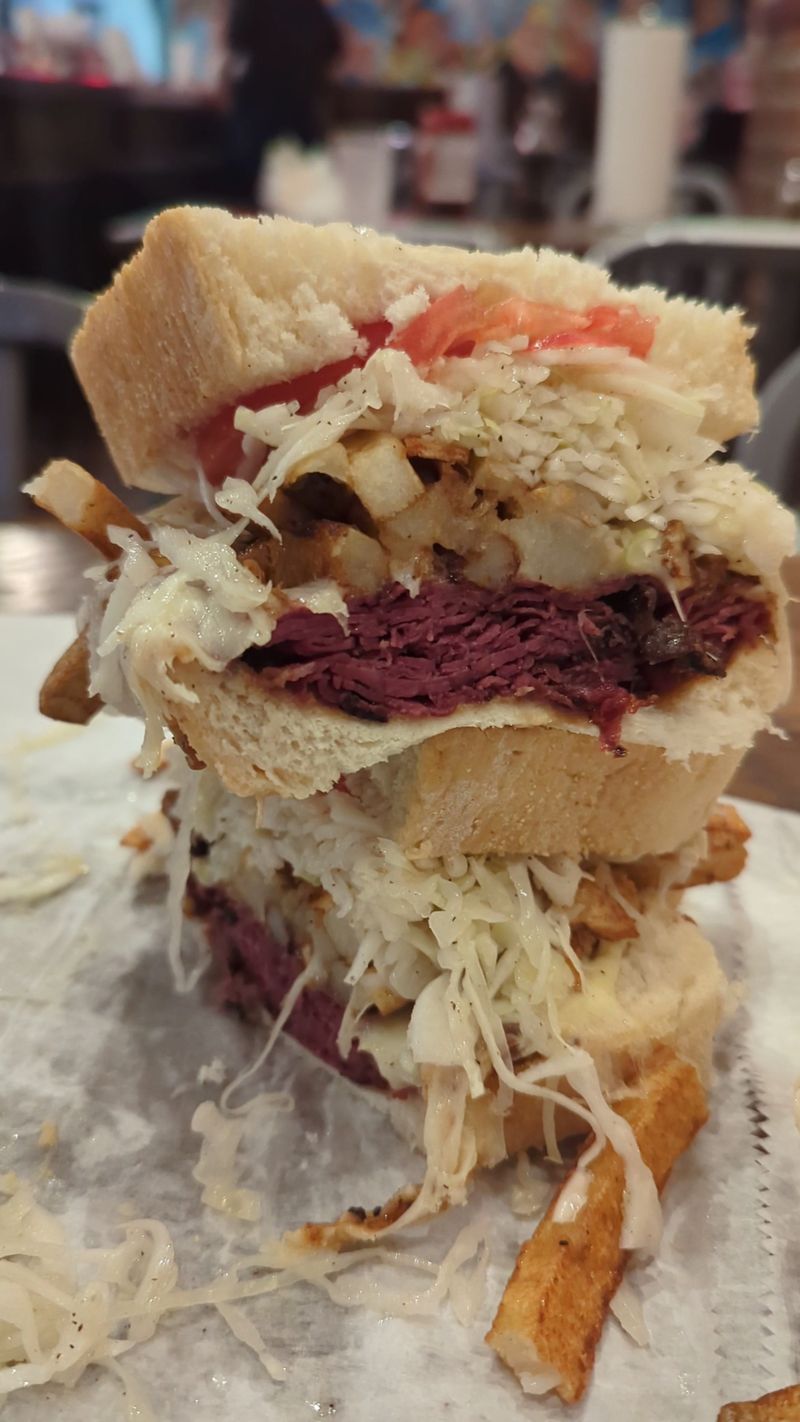
Pittsburgh’s most famous sandwich defies conventional construction by piling French fries and coleslaw directly onto the bread alongside meat and cheese.
The pronunciation – pri-MAN-tee BROH-thers – rarely causes issues, though the concept of fries as a sandwich ingredient bewilders first-time visitors.
Depression-era truck drivers inspired this creation, needing meals they could eat quickly with one hand while keeping the other on the steering wheel.
The original location in the Strip District has served these towering sandwiches since 1933, maintaining the same basic formula despite expansion to multiple locations.
Thick-cut Italian bread provides structural support for the generous fillings, which can include pastrami, capicola, steak, or various other proteins.
The coleslaw adds vinegary crunch that cuts through the richness, while the fries contribute starchy satisfaction.
Eating one requires strategy – attempting to pick it up often results in structural collapse, so many diners use fork and knife despite the sandwich’s working-class origins.
The combination sounds strange on paper but works surprisingly well in practice, creating a complete meal between two slices of bread that has become synonymous with Pittsburgh food culture.
12. Funnel Cake

County fairs and amusement parks wouldn’t feel complete without the sweet, fried dough spirals that have become synonymous with summer celebrations.
Batter gets poured through a funnel into hot oil, creating lacy, crispy patterns that puff up golden and get buried under powdered sugar.
The pronunciation – FUN-ul cake – seems straightforward, yet some visitors pause over whether it’s funnel or tunnel, especially when background noise makes listening difficult.
Pennsylvania Dutch influence shows clearly in this treat, which evolved from similar European fried dough traditions brought by German immigrants.
Modern versions sometimes add toppings like strawberries, chocolate sauce, or whipped cream, though purists insist powdered sugar alone suffices.
The best funnel cakes achieve perfect balance: crispy edges with slightly softer centers, not greasy despite the deep-frying process.
Making them at home requires courage and proper equipment – hot oil and pouring batter simultaneously demands attention and care.
Most people prefer leaving funnel cake preparation to fair vendors who have perfected the technique through thousands of repetitions.
The association with festivals and special occasions makes funnel cake taste like celebration itself, sweet and temporary and worth the calories.
13. Water Ice
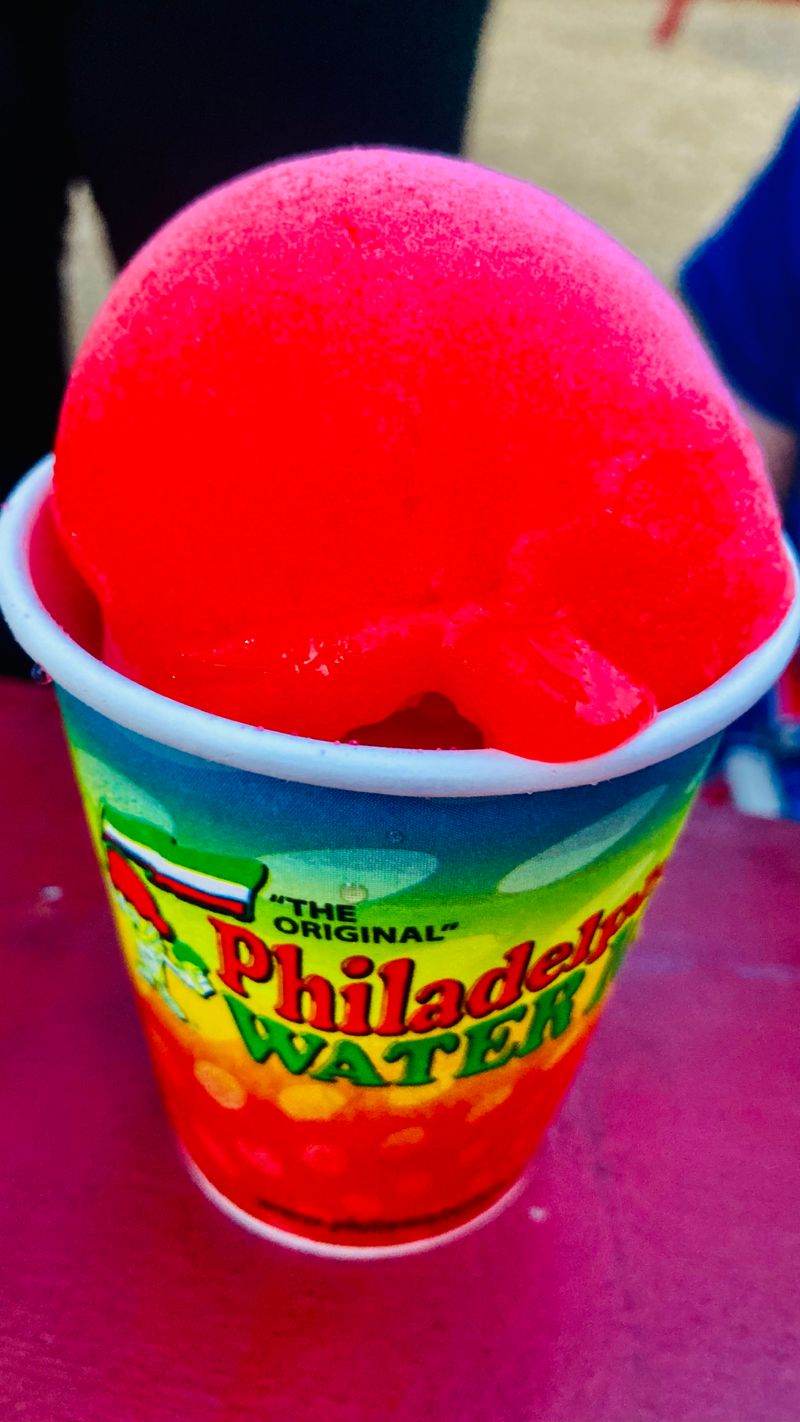
Philadelphia’s frozen dessert obsession centers on this Italian ice variation that locals pronounce as wooder ice, turning water into a distinctly regional sound.
Smoother than snow cones but icier than sherbet, water ice occupies its own category in the frozen treat spectrum.
The pronunciation trips up everyone from outside the Delaware Valley, where dropping the ‘t’ sound from water feels natural to natives but sounds bizarre to visitors.
Rita’s and other chains have spread water ice beyond Pennsylvania, though Philadelphia maintains the strongest cultural connection to this summer staple.
Fruit flavors dominate – cherry, lemon, mango – each tasting intensely of its namesake without the dairy fat that defines ice cream.
The texture comes from a specific freezing and stirring process that creates fine ice crystals rather than chunky shaved ice.
Corner stores and dedicated water ice stands do brisk business during hot weather, serving cups and cones to long lines of customers seeking relief from humidity.
Gelati – water ice layered with custard – represents the next level of indulgence for those who want creaminess alongside the icy refreshment.
The treat remains deeply connected to Philadelphia identity, marking summer’s arrival as reliably as baseball season.
14. Chipped Chopped Ham
Western Pennsylvania grocery stores dedicate entire deli sections to this regional specialty that barely exists elsewhere in the country.
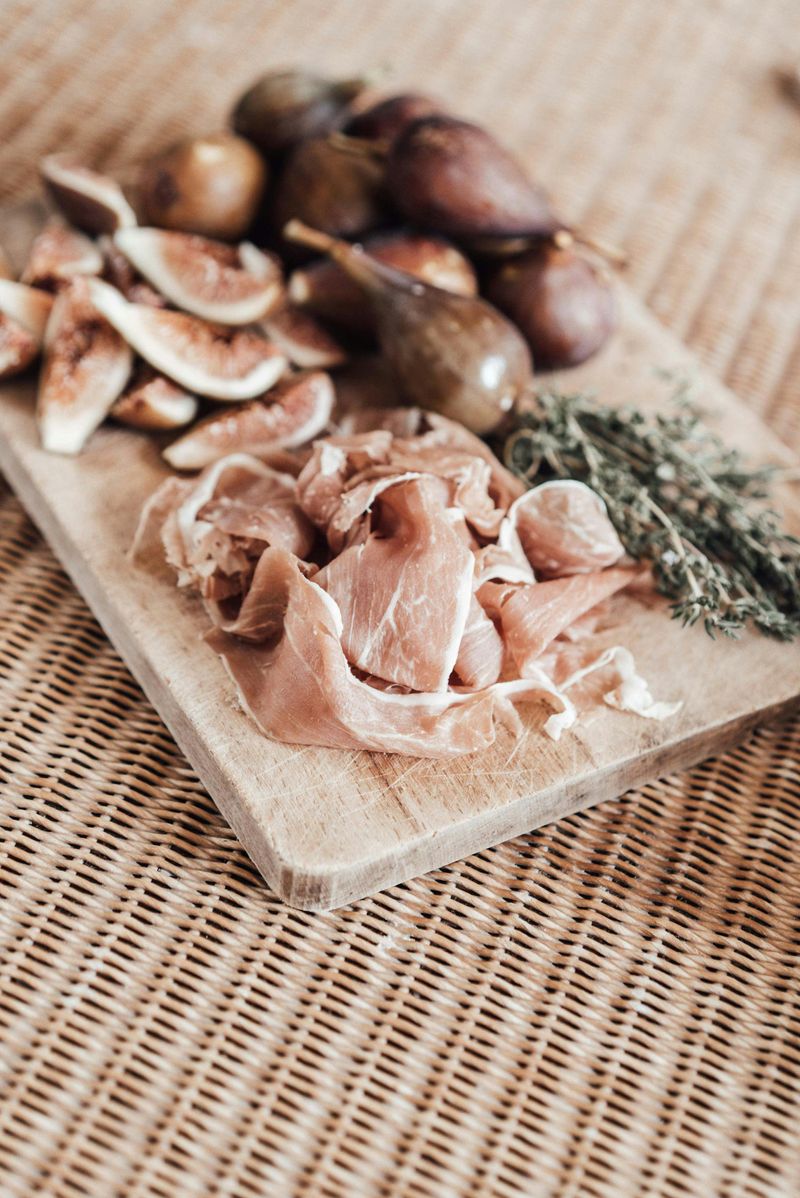
Ham chunks, trimmings, and seasonings get ground together, molded into loaves, then sliced impossibly thin – much thinner than standard deli meat – creating a texture that feels almost feathery.
The pronunciation causes no trouble since the name describes exactly what it is, though the concept itself puzzles outsiders who wonder why anyone needs ham sliced that thin.
Isaly’s popularized chipped chopped ham throughout Pittsburgh and surrounding areas, where it became the default sandwich meat for generations of families.
The fine slicing creates more surface area, making a little ham go further and creating a different mouthfeel than thicker-cut deli meats.
Sandwiches typically feature generous piles of the wispy slices, since each piece weighs almost nothing individually.
The texture works particularly well on soft white bread with simple condiments – mayonnaise and tomato being popular choices that don’t overwhelm the delicate ham.
Transplanted Pittsburghers often complain that delis elsewhere refuse to slice ham thin enough, not understanding the specific texture that defines proper chipped chopped ham.
The regional specificity makes it a true marker of western Pennsylvania food culture.