10 Antique Styles That Will Gain Popularity Among Pennsylvania Collectors In 2026
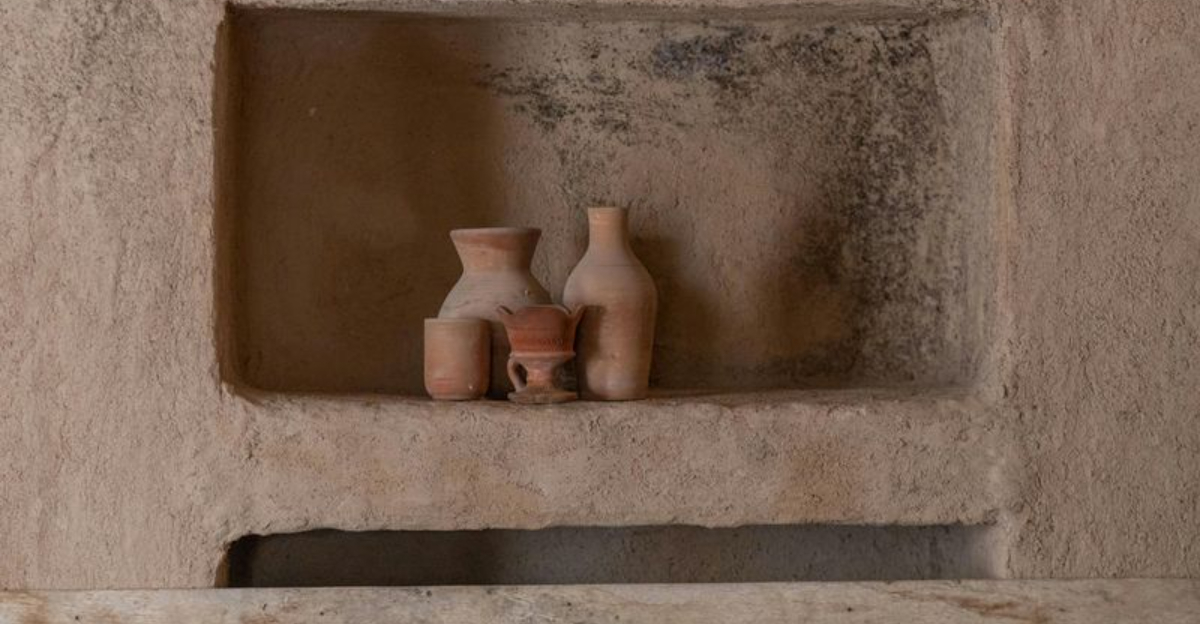
Behind every piece of antique furniture lies a story – one of craftsmanship, culture, and the passage of time.
In the hands of collectors, these treasures carry more than just aesthetic value; they hold a connection to a rich history that shaped generations.
Across Pennsylvania, from small-town collectors to seasoned experts, the hunt is on for pieces that encapsulate a moment in time.
These antiques aren’t just relics; they are windows into the lives of those who lived before us, offering a glimpse of the artistry and innovation that once defined the region.
The allure of these timeless objects goes beyond their surface – they speak of craftsmanship passed down through generations, bringing the past into modern-day homes with authenticity and grace.
1. Dutch Painted Furniture
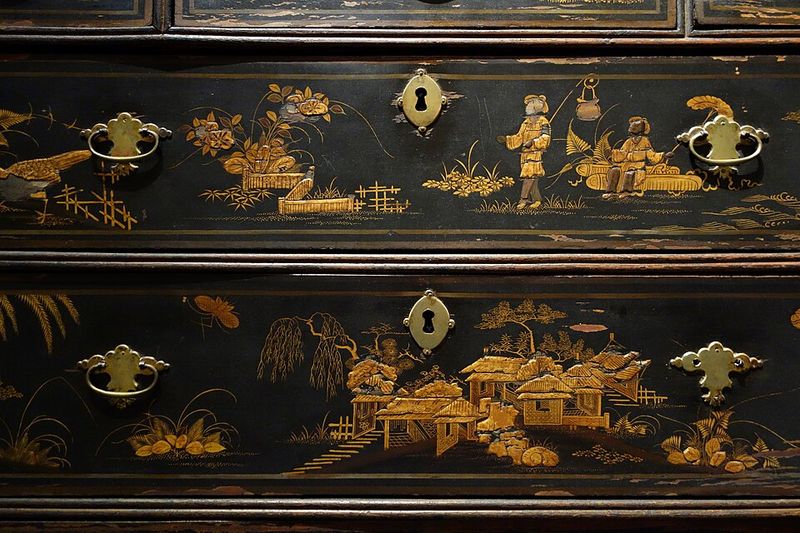
Bright colors and cheerful folk designs make these pieces absolutely unforgettable.
Craftsmen from German-speaking communities created furniture covered in flowers, birds, and hearts during the 1700s and 1800s.
These painted chests and cupboards tell a story about family traditions.
Collectors adore how these items bring warmth and personality into modern homes.
At the same time, they preserve cultural heritage.
Each piece is a reflection of the Pennsylvania Dutch spirit, combining practicality and artistry.
The vibrant colors stand out in any room, making them a popular choice for collectors looking to add a touch of history.
The distinct folk art designs are also seen as a form of cultural storytelling.
While they may have once been functional, these items are now treasured for their ability to capture the essence of a time and place.
Collectors appreciate the craftsmanship behind every hand-painted flower, bird, and heart.
The Pennsylvania Dutch furniture style offers a rare glimpse into the daily life and artistic traditions of early settlers.
2. Chippendale Chairs
Master craftsmen in colonial Philadelphia created some of America’s finest chairs during the mid-1700s.
Their attention to detail shows in every carved foot and graceful curve.
These chairs featured rich mahogany wood and sophisticated designs that impressed wealthy families.
I find it fascinating how Philadelphia furniture makers competed with London’s best workshops and often won.
The craftsmanship in these pieces is nothing short of extraordinary.
Philadelphia Chippendale chairs are known for their intricate designs and elegant form.
The curved legs and delicate carving make these chairs stand out in any room.
Their high-quality materials, including fine mahogany, give them a timeless appeal.
Collectors treasure these chairs not only for their beauty but also for their historical significance.
These chairs are an example of early American craftsmanship that rivals European styles.
The Philadelphia furniture makers’ ability to blend beauty and functionality created a lasting legacy.
Philadelphia Chippendale chairs are a must-have for serious collectors looking for a true piece of American history.
3. Blanket Chests
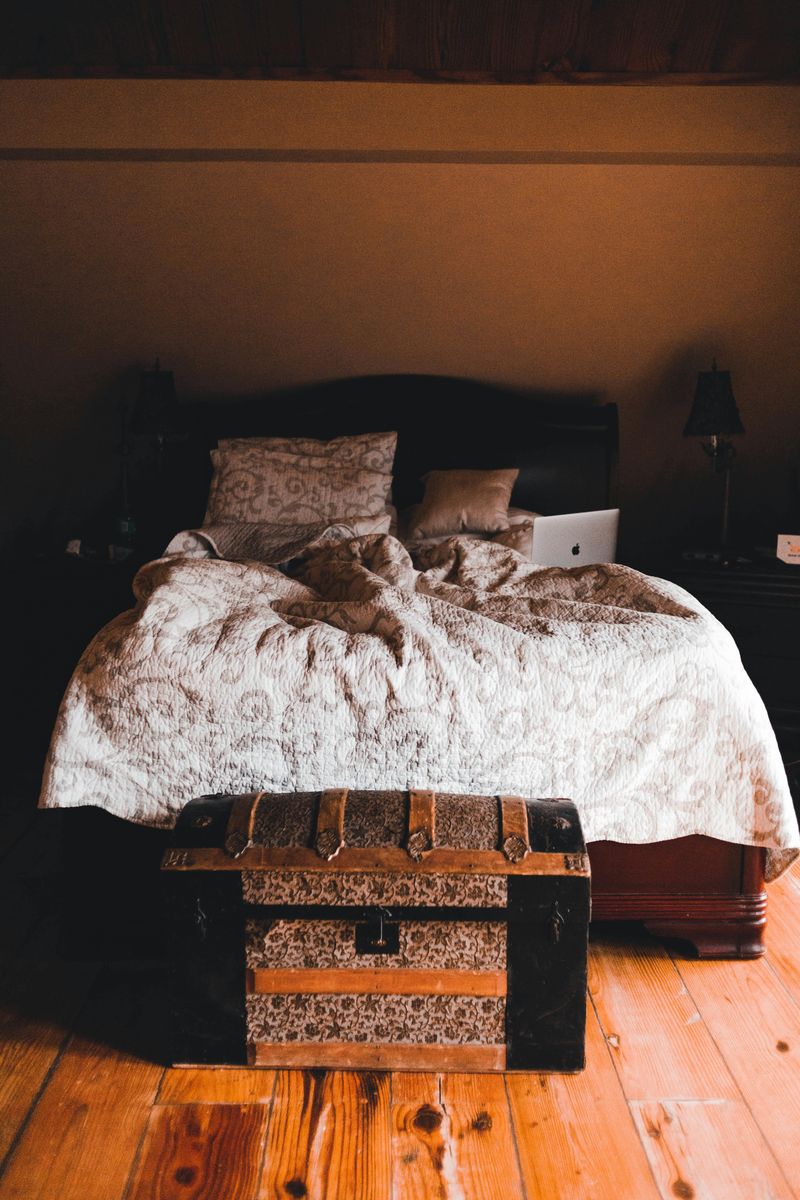
Young brides received these special storage chests as wedding gifts in Pennsylvania German communities.
Families painted names and dates right on the front to mark important occasions.
The chests held quilts, linens, and precious fabrics for new households.
Today, collectors value them for their historical significance and beautiful hand-painted decorations.
The intricate folk art designs showcase the traditions passed down through generations.
Lancaster County blanket chests are an iconic part of Pennsylvania German heritage.
The names and dates painted on the chests make them highly personal pieces of history.
Collectors appreciate the fact that these chests were both functional and artistic.
The combination of practical storage and artistic decoration makes them highly sought after.
These chests also serve as a window into the lives of early settlers and their family traditions.
The attention to detail and craftsmanship behind each chest speaks volumes about the community’s values and artistry.
Collectors seek these pieces for their authenticity and historical connection to Pennsylvania’s German-speaking communities.
4. Victorian Furniture
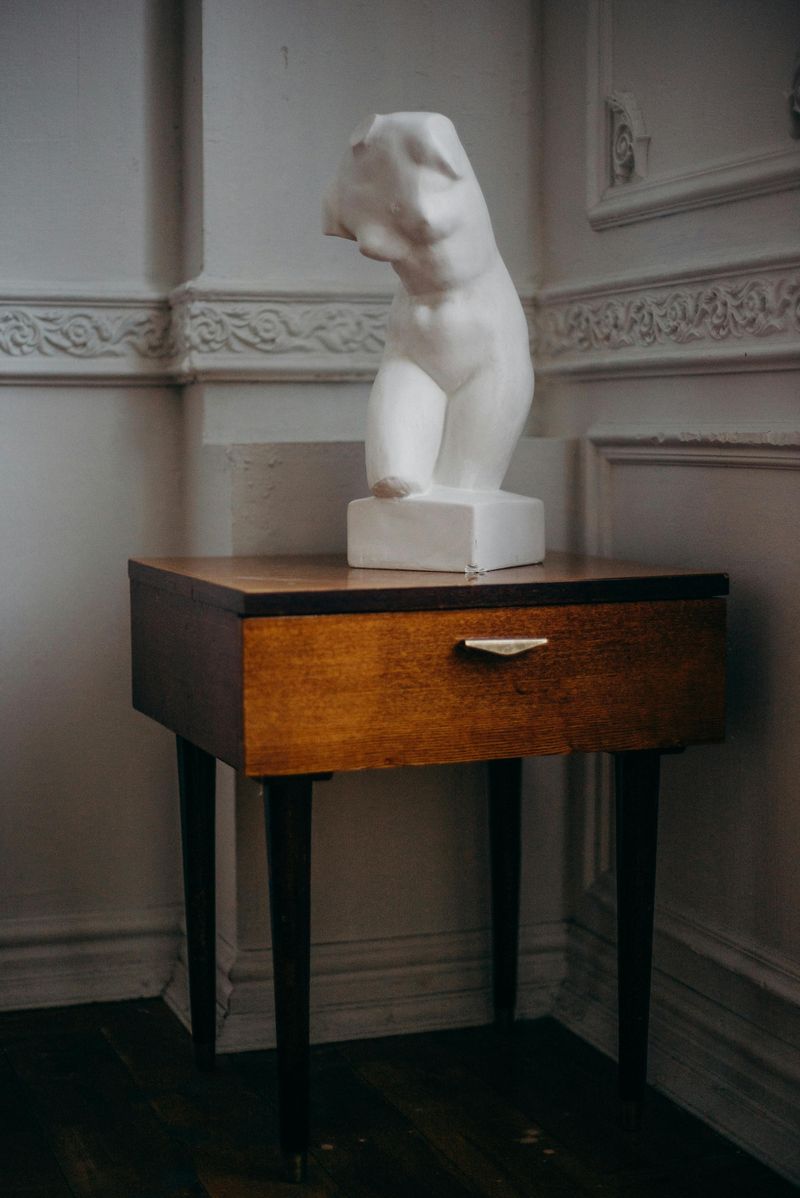
Angular designs and geometric carvings made this style wildly popular in Pennsylvania during the 1880s and 1890s.
Unlike curvy Victorian pieces, Eastlake furniture featured straight lines and honest construction.
Families filled their parlors with sideboards, chairs, and tables showing off machine-cut details.
The style represented modern thinking and practical beauty that still appeals to collectors today.
Eastlake furniture was known for its bold geometric designs, often including floral or geometric motifs.
The angular lines and machine-cut patterns gave these pieces a modern edge compared to earlier Victorian styles.
Collectors are drawn to the simplicity and honesty of Eastlake furniture, which made a statement during its time.
The furniture style reflects a move away from ornate Victorian excess toward more streamlined, practical design.
Today, Eastlake furniture is considered a perfect blend of utility and art, which adds to its appeal.
Collectors appreciate how Eastlake pieces fit seamlessly into modern homes while still offering a historic connection.
The rich history behind this furniture style continues to make it a favorite among collectors.
Victorian furniture offers a timeless balance of form and function that is hard to find in more modern pieces.
5. Fraktur Illuminated Documents

Schoolmasters and traveling artists created these gorgeous birth and marriage certificates for Pennsylvania German families.
Brilliant watercolors and fancy lettering turned important records into treasured keepsakes.
Birds, tulips, and hearts dance around family names written in beautiful Gothic script.
I love how each fraktur captures both official information and artistic expression in one stunning document.
These illuminated documents were an integral part of Pennsylvania German culture.
Collectors admire the artistic skill and attention to detail that went into each fraktur.
The colorful designs and flowing calligraphy are a testament to the skill of the artists who created them.
Each fraktur tells a story, not only of the person or family it represents but also of the cultural traditions of the time.
These illuminated documents serve as both a historical record and an artistic masterpiece.
Fraktur pieces are treasured for their ability to capture important life events with beauty and elegance.
Collectors are increasingly drawn to fraktur documents because of their rarity and cultural significance.
The intricate designs and historical context make them a highly sought-after collectible item.
6. Windsor Chairs
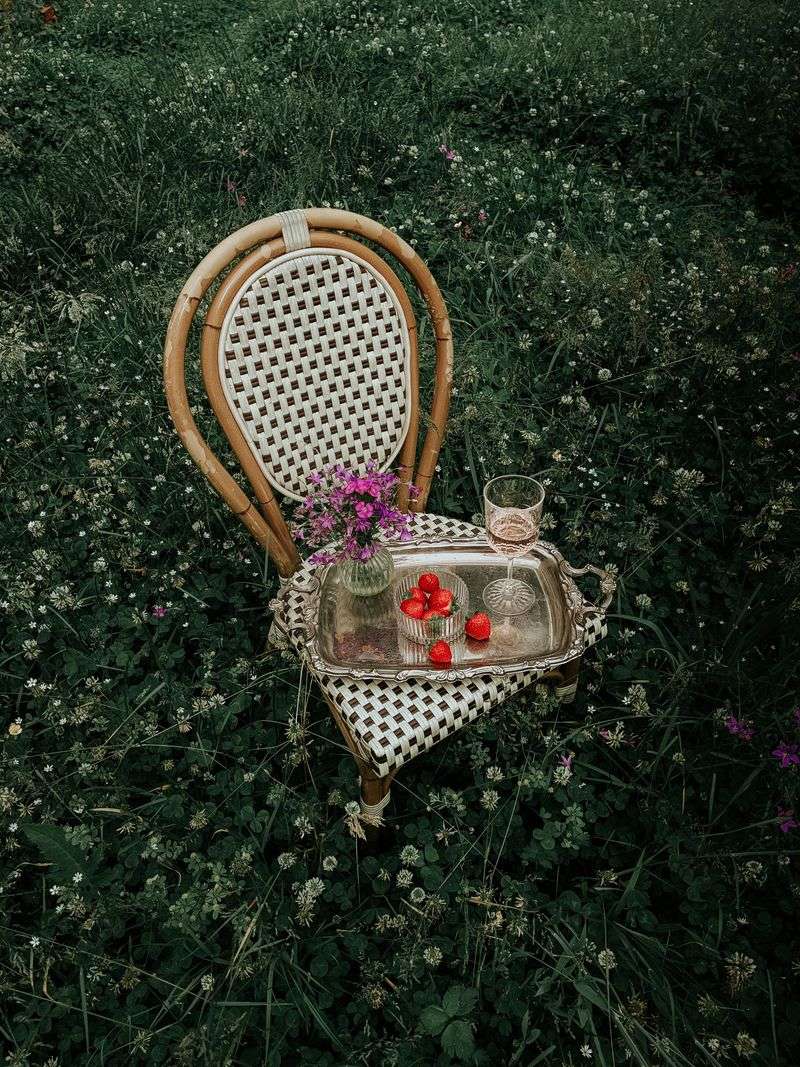
Chairmakers in Bucks County perfected the Windsor style using different woods for various parts.
They chose strong oak for legs and flexible hickory for curved back pieces.
The comfortable saddle seats made these chairs perfect for long meals and conversations.
Collectors appreciate how Pennsylvania craftsmen added their own regional touches to this classic design that originated in England.
Bucks County Windsor chairs are known for their comfort and craftsmanship.
The sturdy design and practical use made these chairs a staple in many early Pennsylvania homes.
Over time, the unique touches added by local craftsmen made Bucks County Windsor chairs stand out.
Collectors are drawn to these chairs for their combination of form, function, and history.
The craftsmanship of these chairs speaks to a time when quality was prioritized above all else.
Collectors seek these chairs for both their historic value and their timeless design.
Windsor chairs continue to be an iconic part of American furniture, with Bucks County versions being especially prized.
The attention to detail and the comfort of these chairs make them a favorite among collectors.
7. Redware Pottery With Sgraffito Decoration
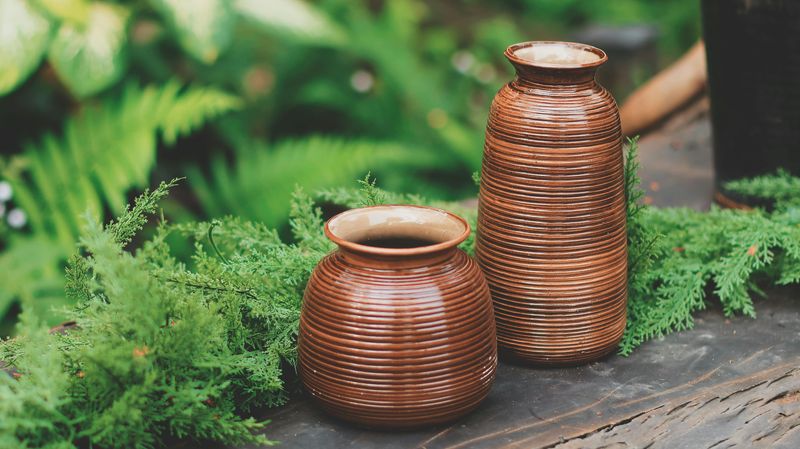
Potters scratched designs through colored slip to reveal red clay underneath, creating stunning contrast.
This sgraffito technique produced plates and bowls decorated with birds, tulips, and German sayings.
Each piece required skill and patience to create before the final firing.
Pennsylvania German potters made functional dishes that families actually used, which makes surviving examples incredibly special to collectors.
Collectors appreciate the beauty and craftsmanship of redware pottery, as it combines function and art.
The sgraffito technique used to create these designs is incredibly intricate, adding a unique touch to each piece.
The combination of red clay and colorful slip creates a striking contrast that stands out in any collection.
These pottery pieces offer a glimpse into the daily lives of early Pennsylvanians.
Collectors look for pieces that are well-preserved and feature beautiful, intricate designs.
Redware pottery represents a fusion of practicality and artistry, making it highly collectible today.
The skill required to create each piece and the historical significance of these items contribute to their desirability.
Collectors treasure these pieces for their historical connection to Pennsylvania German culture.
8. Mission Style Oak Furniture
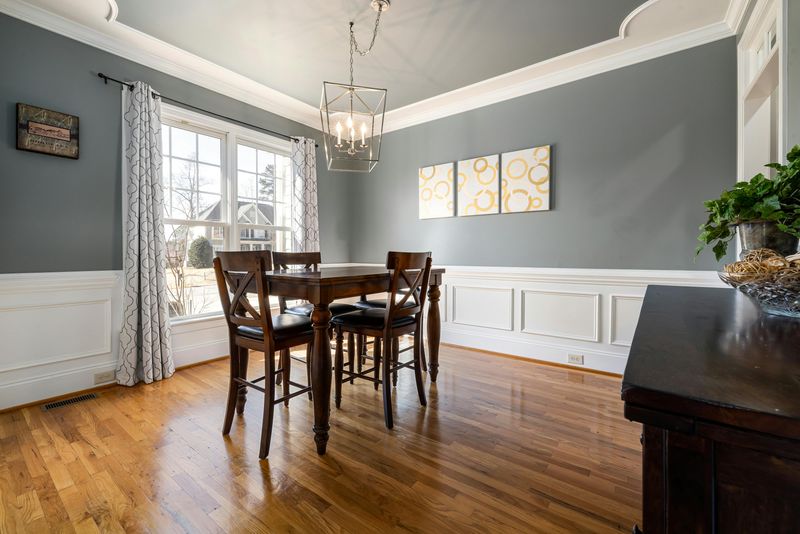
Simple, honest construction defined this early 1900s style that rejected fancy Victorian excess.
Pennsylvania furniture makers embraced exposed joinery and beautiful wood grain as decoration.
Quarter-sawn oak showed off ray fleck patterns that made each piece unique.
The Mission style emphasized craftsmanship and quality materials, values that resonate strongly with today’s collectors seeking authentic, well-made furniture.
Mission furniture is known for its clean lines and minimalistic design.
The use of natural wood grain as decoration is one of the most distinctive features of Mission furniture.
Collectors are drawn to the simplicity and durability of Mission oak furniture.
The style rejects unnecessary ornamentation in favor of honest, functional design.
Mission oak furniture fits perfectly in modern homes, offering both history and style.
The emphasis on craftsmanship and quality materials makes Mission furniture a prized possession.
Collectors appreciate how each piece tells a story through its natural materials and simple design.
Mission style furniture continues to be highly sought after for its enduring appeal and timeless beauty.
9. Stoneware Crocks
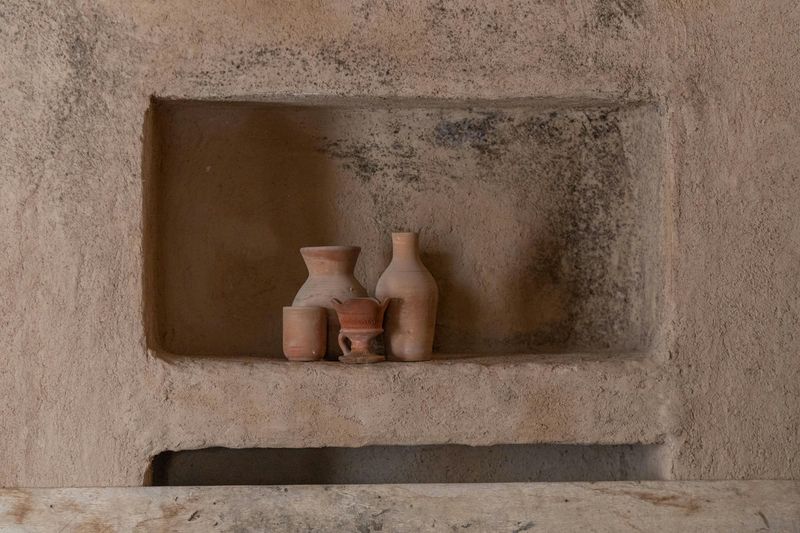
Potters in towns like Greensboro and New Geneva made sturdy crocks for storing food before refrigerators existed.
Their cobalt blue decorations turned everyday objects into art.
Each crock might feature birds, flowers, or simple swirls painted by hand.
The quality and craftsmanship behind these pieces make them highly collectible today.
Collectors hunt for pieces with clear maker’s marks because they help trace pottery history across western regions.
These stoneware crocks were essential tools for storing and preserving food in early Pennsylvania homes.
Today, they are highly prized by collectors for their combination of function and beauty.
The cobalt blue decorations on these crocks often represent the unique style of the region’s potters.
Many collectors look for crocks that feature specific patterns or markings to complete their collections.
The surviving pieces offer a glimpse into the everyday life of early Pennsylvanians.
These stoneware crocks reflect both the utilitarian needs of early settlers and their artistic flair.
The history captured in these crocks is one of innovation and cultural significance.
10. Federal Period Tall Case Clocks
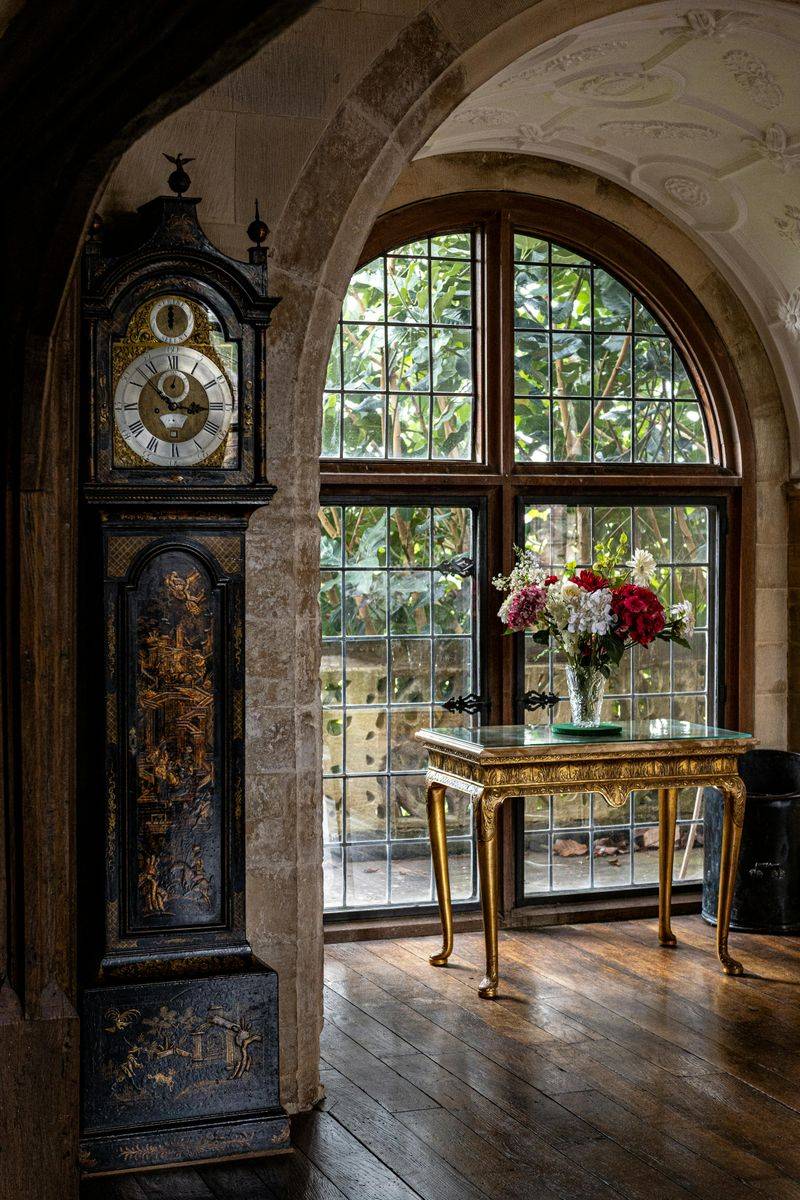
Pennsylvania clockmakers built towering timepieces that became family heirlooms passed through generations.
These grandfather clocks combined precise mechanisms with elegant cabinetry featuring inlaid decorations.
Brass dials often showed the maker’s name and town, creating historical records.
I admire how these clocks served both practical and decorative purposes, standing proudly in entry halls as symbols of prosperity.
Federal period tall case clocks are known for their elegance and craftsmanship.
The intricate inlaid wood designs on these clocks make them visually stunning.
Collectors value these clocks for both their historical significance and their artistic beauty.
The precision of the clockworks combined with the beauty of the cabinetry makes these timepieces a rare treasure.
Each clock tells a story of the skilled craftsmanship that went into its creation.
The inlaid designs often feature motifs that reflect the style of the period, adding to their allure.
Collectors hunt for these clocks because they represent a time when precision and beauty were held in the highest regard.
These clocks are not just functional objects; they are works of art that have stood the test of time.