10 Almost Untouched Alaska Wilderness Spots To Explore In 2026
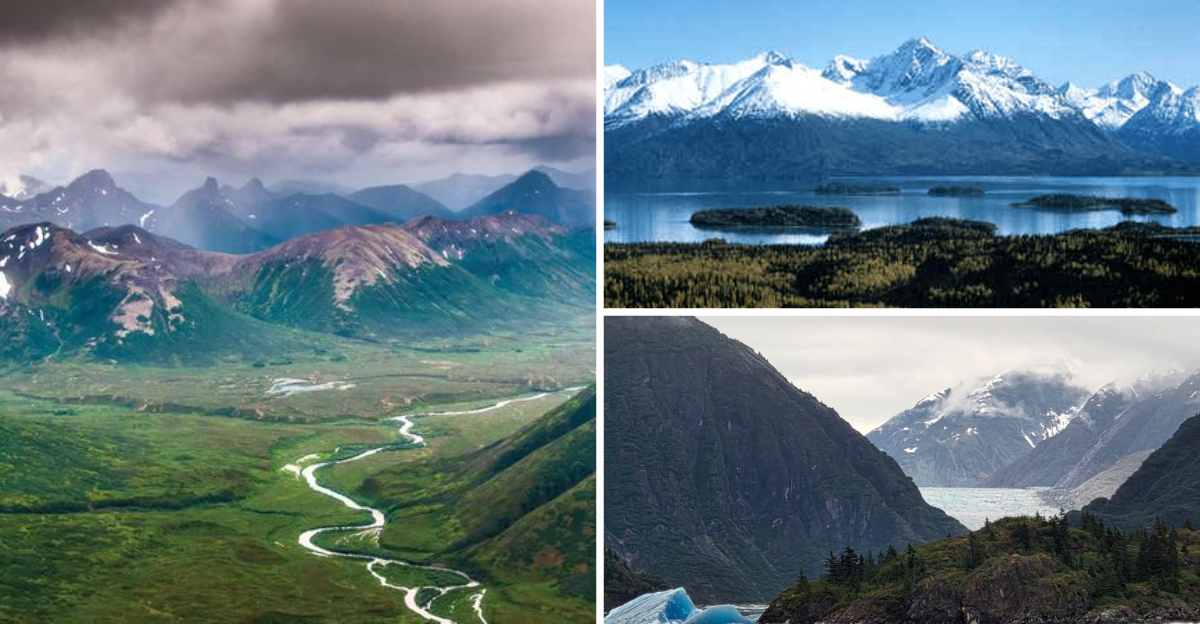
Spring in Alaska is a season of quiet transformation.
Snow slowly pulls back from valleys and coastlines, daylight stretches longer each week, and the wilderness begins to stir after months of deep winter.
It’s a truly special time of year. It’s less busy, more peaceful, and ideal for travelers who want to experience Alaska in its raw, untamed state.
Rather than zeroing in on well-known stops, I decided to highlighted some unique places in Alaska’s remote wilderness that truly shine in spring!
These are destinations where the landscape still feels untouched, where wildlife becomes more active, and where solitude is part of the experience.
If you’re dreaming of wide horizons, quiet moments, and unforgettable scenery, give these spots a try and experience The Last Frontier in all of its glory!
1. Gates Of The Arctic National Park And Preserve
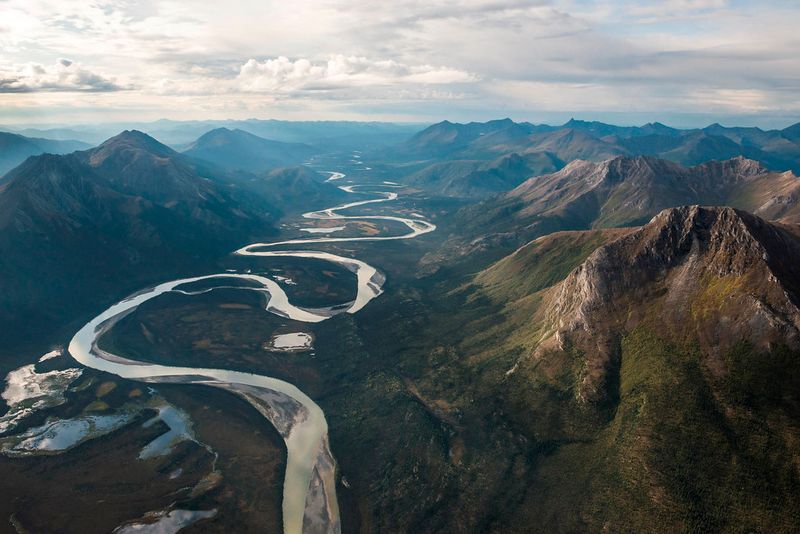
Gates of the Arctic is more feeling than map, a sweep of Brooks Range ridges where silence carries like a river of air.
It sits entirely north of the Arctic Circle, spread across the central Brooks Range near Bettles and Anaktuvuk Pass.
No roads, no trails, just wild country that invites you to read the land the way you would a story, one blueberry knoll and caribou track at a time.
You can fly a bush plane out of Fairbanks to Bettles, then hop deeper into river valleys like Alatna or John, where gravel bars make perfect stepping stones for a week-long traverse.
The Arrigetch Peaks spike the skyline with cathedral drama, and you can camp below them with the clean rush of glacial creeks in your ears.
Brown bears and wolves share the same blank canvas, and your job is to tread it lightly.
In late August, tundra turns to a quilt of reds and golds while the caribou drift across the Noatak headwaters.
You will practice patience because weather decides the schedule and clouds fly low like messengers.
Bring packrafts if you want to thread the valleys by water and a flexible plan that respects the park’s uncompromising freedom.
2. Wrangell–St. Elias National Park And Preserve
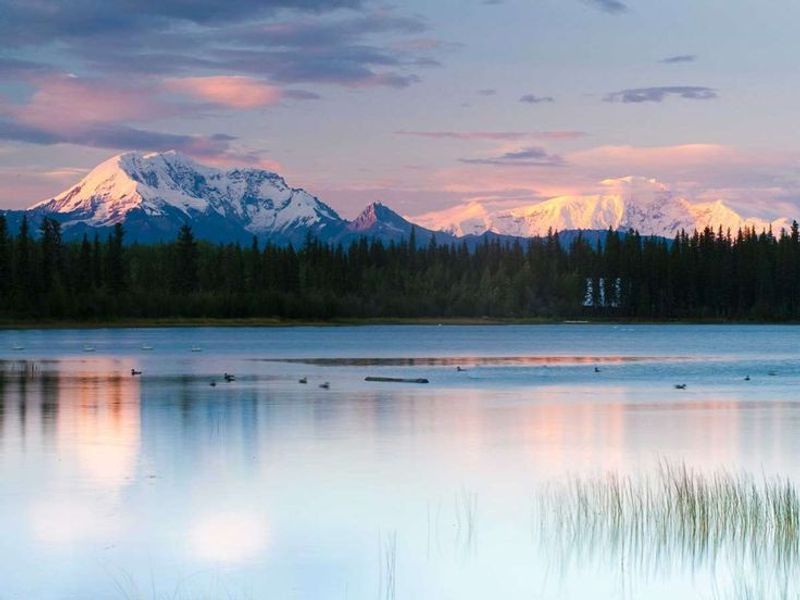
Wrangell–St. Elias is where superlatives go to stretch their legs, a giant among giants with summits that gleam like hammered steel.
The location unfurls across eastern Alaska, accessible via McCarthy Road to Kennecott and also the Nabesna Road near Slana.
You will feel small in the best way, walking on blue glass across Root Glacier and listening to its creaks like an orchestra tuning in cold air.
From the Kennecott Mines, wander past century-old structures and step onto the glacier for a route that slides toward Donoho Basin.
Fly-ins to the Bagley Icefield or remote strips near Skolai Valley drop you in a painter’s palette of ice, rubble, and wildflowers.
Moose ghost the willows, and Dall sheep flash white dots across cliffs that tilt into the sky.
If you want solitude, camp above the Kennicott River where twilight lingers and the mountains hold conversations with thunder.
The park’s size rewards those who plan food drops and accept that weather may pin you inside a tent with stories for company.
3. Noatak National Preserve
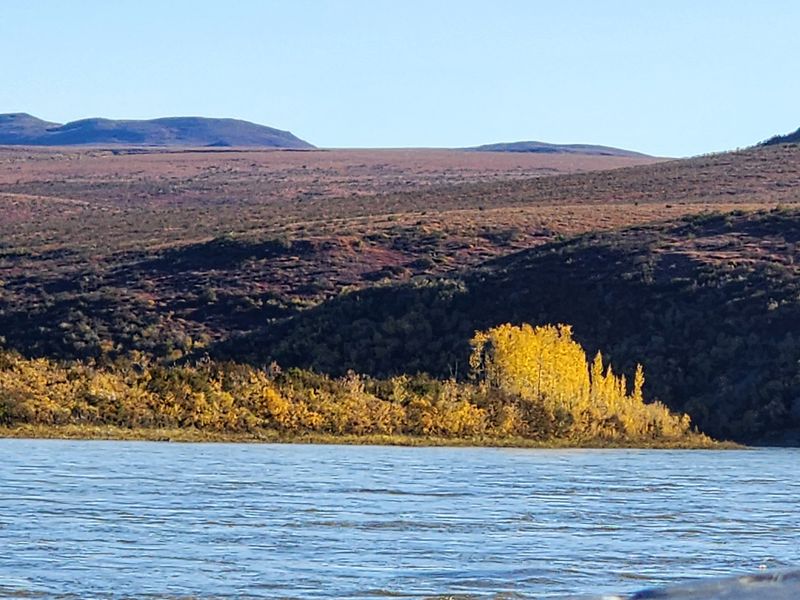
Noatak is a river dream stretched across open sky, a watershed so intact it feels like a heartbeat made of water.
The reserve flows west across northwestern Alaska between the Brooks Range and Kotzebue Sound, guarded by villages like Noatak and flows near Cape Krusenstern.
Launch a packraft where the headwaters braid through gravel bars and let the current become your itinerary.
As you float, the De Long Mountains lean close, and you will see wolf prints pressed like signatures into muddy banks.
Autumn arrives early, sweeping caribou south in restless waves that seam the horizon.
Camps come easy on sandbars with teal water and midnight sun that refuses to dim your grin.
This preserve is for travelers who appreciate silence punctuated by loon calls and the ripple of grayling.
Weather can flip quickly, though, and wind will test your paddle, so plan for cold hands and warm layers.
In 2026, make it a migration trip, timing the Western Arctic herd and letting their motion set the rhythm for yours.
4. South Baranof Wilderness
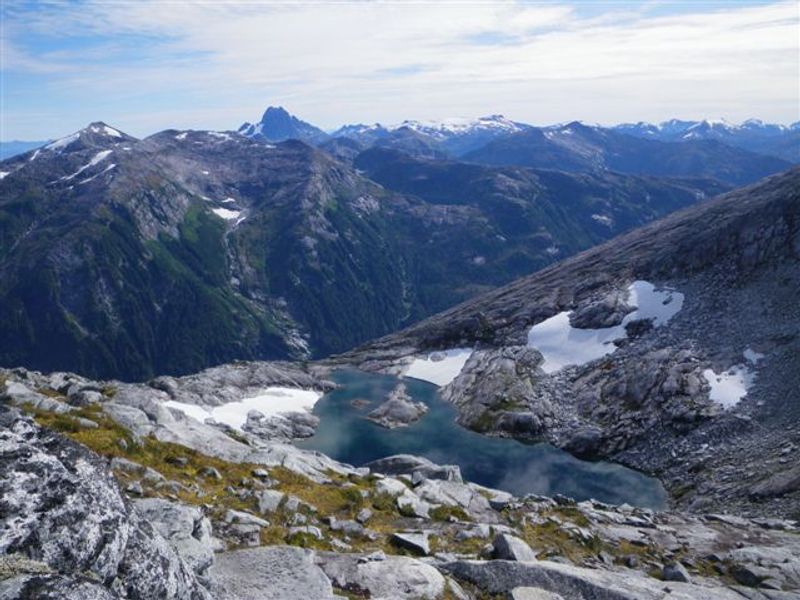
South Baranof Wilderness is rain and granite braided together, a place where waterfalls stitch cliffs and eagles underline the sky.
The spot wraps the southern half of Baranof Island in the Tongass National Forest, south of Sitka along coastal coves.
Kayak into glassy inlets and you will hear glaciers sigh while tidewater creaks talk in the hush between swells.
Hanging valleys pour cold ribbons into fjords where harbor seals lounge like commas on ice.
Brown bears patrol berry slopes, and the forest floor breathes musk and cedar while your paddle writes bright lines across jade water.
Choose a drop off near Red Bluff Bay, then camp on pocket beaches with old growth standing guard.
Here the weather is an artist, smudging fog into every shade of green and gray until the world feels freshly painted.
Navigation rewards patience, with tidal currents and chart work that make arrivals feel earned.
So, bring a packable drysuit, respect bear etiquette, and let the rain be part of the story you came to tell.
5. Kobuk Valley National Park
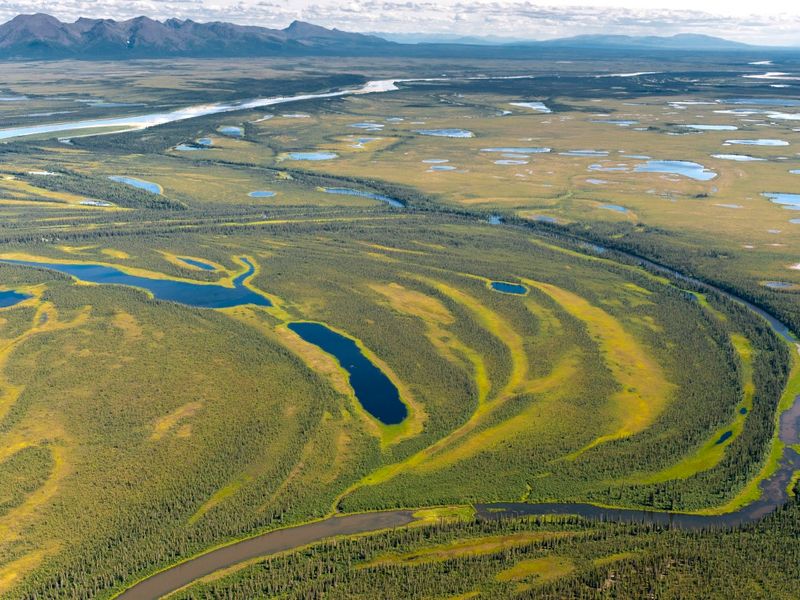
Kobuk Valley lifts a desert from the subarctic and asks you to walk its ripples like a secret beach.
The place lies in northwest Alaska along the Kobuk River between Bettles and Kotzebue, with the Great Kobuk Sand Dunes at its heart.
Fly in on wheels or floats and step onto warm sand that contrasts with spruce shade like a magic trick.
Caribou hooves etch calligraphy across the dunes during migration, and the river moves slow and chocolate smooth past cut-banks and bluffs.
You can hike toward Onion Portage where people have gathered for thousands of years to meet that moving sea of animals.
Each evening, wind combs the sand into fresh patterns, so your tracks become a brief conversation.
The park’s remoteness means solitude and weather that writes the rules, so flexibility is your most valuable gear.
Bring gaiters for hot sand and a raft for a lazy drift down Kobuk under a sky that barely sleeps.
Oh, and, don’t forget: time your visit for shoulder seasons to miss bugs and catch the first gold flare of tundra!
6. Lake Clark National Park And Preserve
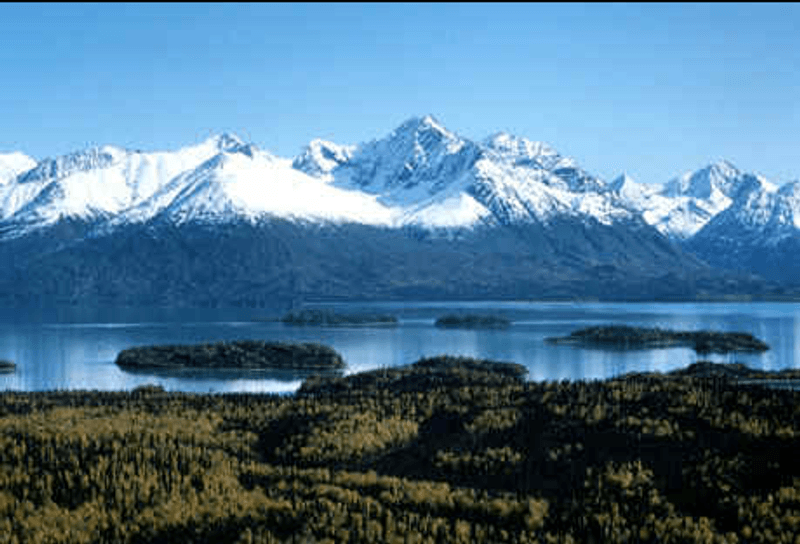
Lake Clark is a mosaic of water and fire, with turquoise basins guarded by the volcanoes Iliamna and Redoubt.
The spot stretches west of Cook Inlet, reachable by plane from Anchorage to Port Alsworth or coastal bear-viewing coves like Chinitna Bay.
I suggest you aim for June’s clarity and let Lake Clark reframe what wild comfort really means.
You will chase the glow of glacier-fed lakes and maybe forget how to speak when a bear rises sunlit from sedge.
Backpack the Telaquana route for days of valley walking and passes that open like secret doors.
Paddle between lakes where cliffs cavitate the sky and loons lay down nighttime music that follows you into sleep.
Salmon stack in rivers like living currents, and spruce ridgelines offer camps with long sight-lines and long stories.
Weather flips fast here, so keep a tidy camp and a flexible flight window.
Bring bear canisters, a packraft, and a lens that can keep respectful distance without stealing moments.
7. Chugach National Forest
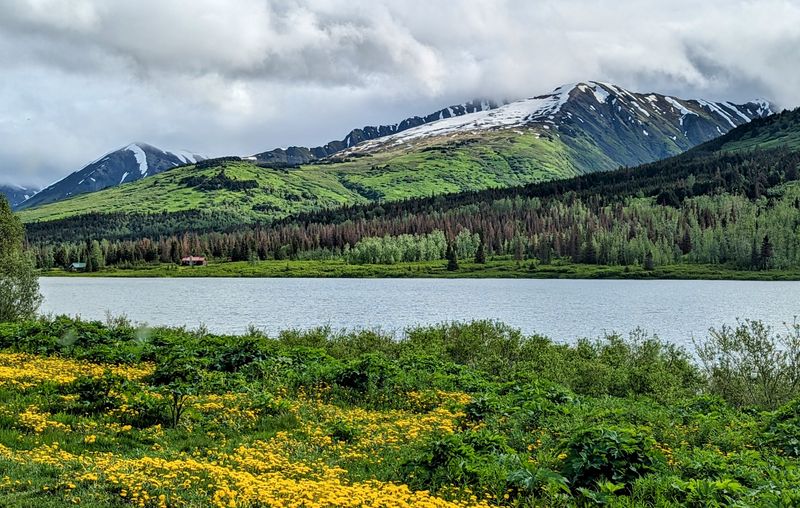
Chugach National Forest is Alaska’s coastal spellbook, where fjords turn pages with every tide.
It spreads across Prince William Sound, the Kenai Peninsula, and the Copper River Delta, reachable from Whittier, Seward, and Cordova.
You will glide through berg gardens while black rock walls rise dripping green, and the water keeps secrets in its reflected peaks.
Kayak to Blackstone Bay for a handshake with tidewater ice or ferry to Cordova and wander the delta’s wild bird metropolis.
Trail lovers can stitch cabin-to-cabin routes near Resurrection Bay while glaciers weave their blue grammar around every corner.
Sea otters roll like commas in kelp, and puffins punctuate the cliffs with improbable color.
Pack a marine chart brain and a storm-ready shell because forecasts are suggestions, not guarantees.
String together boat shuttles, forest cabins, and calm weather windows to craft your own epic sentence.
When the clouds lift, the sound shines like a page gilded in salt and sunlight, and you will want to read it twice.
8. Togiak Wilderness (Within Togiak National Wildlife Refuge)
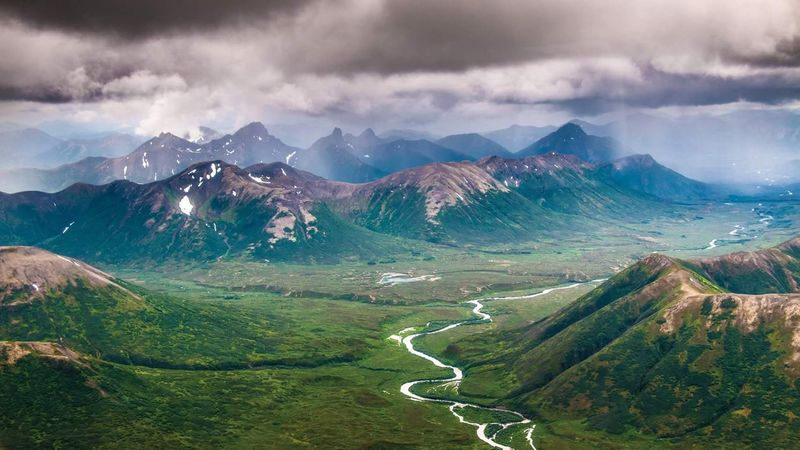
Togiak Wilderness feels like a secret spoken quietly, then carried by wind over braided rivers.
It sits in southwest Alaska within the Togiak National Wildlife Refuge between Dillingham and the Kuskokwim Bay coast.
Here, you can raft clear flows like the Goodnews or Kanektok where gravel bars bloom with lupine and tents glow warm against blue evening.
Salmon move like red banners beneath the surface, and brown bears work the banks with patient choreography.
Hills lift gently into walkable ridges, so you can glass for caribou and stitch day hikes between river miles.
Rain writes silver arrows across the water, and your paddle taps time for sandpipers skittering the shore.
Logistics are pure bush Alaska, with fly-in drop offs and weather calls that make flexibility essential.
Pair a raft trip with packable waders and a bear-aware kitchen that respects both appetite and distance.
If quiet is your compass, Togiak will keep the needle steady and the map unfolding with every bend.
9. Tracy Arm–Fords Terror Wilderness
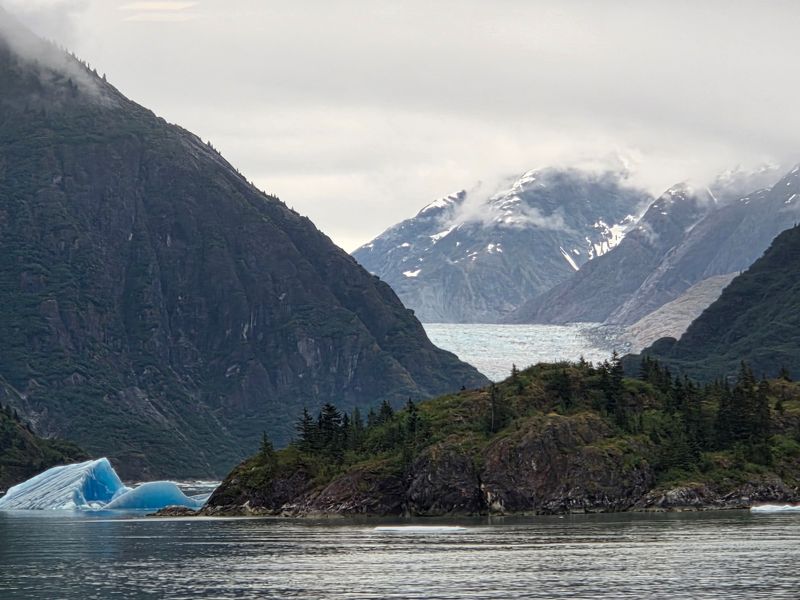
Tracy Arm–Fords Terror is a corridor of awe where walls rise abrupt and water braids light into motion.
The spot lies about 50 miles south of Juneau within the Tongass National Forest, with entrances via Stephens Passage.
Small boats and kayaks slip past brash ice to meet Sawyer and South Sawyer Glaciers, which crack and thunder like living cliffs.
At high tide, Fords Terror invites careful entry, a narrow where currents twist and reward patience.
Waterfalls pour from hanging snowfields like white handwriting across dark stone, and seals nap on bergs that bob in blue pools.
Eagles draw circles in cloud tatters while you tilt your head back just to fit everything in.
Timing is the magic here, with tide tables your passport and calm weather your stamp.
Book a charter or bring the skills to pilot safely and leave only ripples behind.
When the sun comes low, the granite catches fire, and the whole fjord feels like a cathedral humming.
10. Tebenkof Bay Wilderness
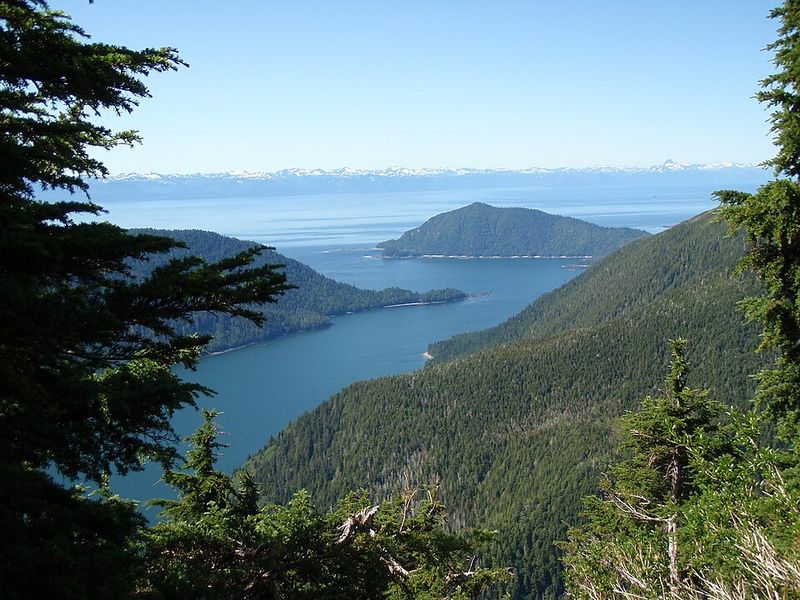
Tebenkof Bay is the quiet labyrinth, a wilderness of pocket coves where tides slide like whispers.
It curls through Kuiu Island in the Tongass National Forest, west of Petersburg and south of Kake across a maze of channels.
Kayak among islets that hold spruce like candles, and you will find otter families rolling through kelp like laughter.
Here navigation feels like a game of thoughtful choices, each turn a new chamber with its own echo.
Low tides reveal tidepools that flash starfish and crab, while high water stitches coves into smooth corridors.
Anchorages offer tucked camps where rain drums the fly and ravens practice their riddles in the trees.
Bring charts, an eye for weather windows, and respect for bears who patrol the beaches for shellfish.
When fog lifts, the bay shows a map made of reflections, and you will love getting lost in it on purpose.