Housing Trends Suggest These 15 Oregon Home Types Could Lose Value In 2026
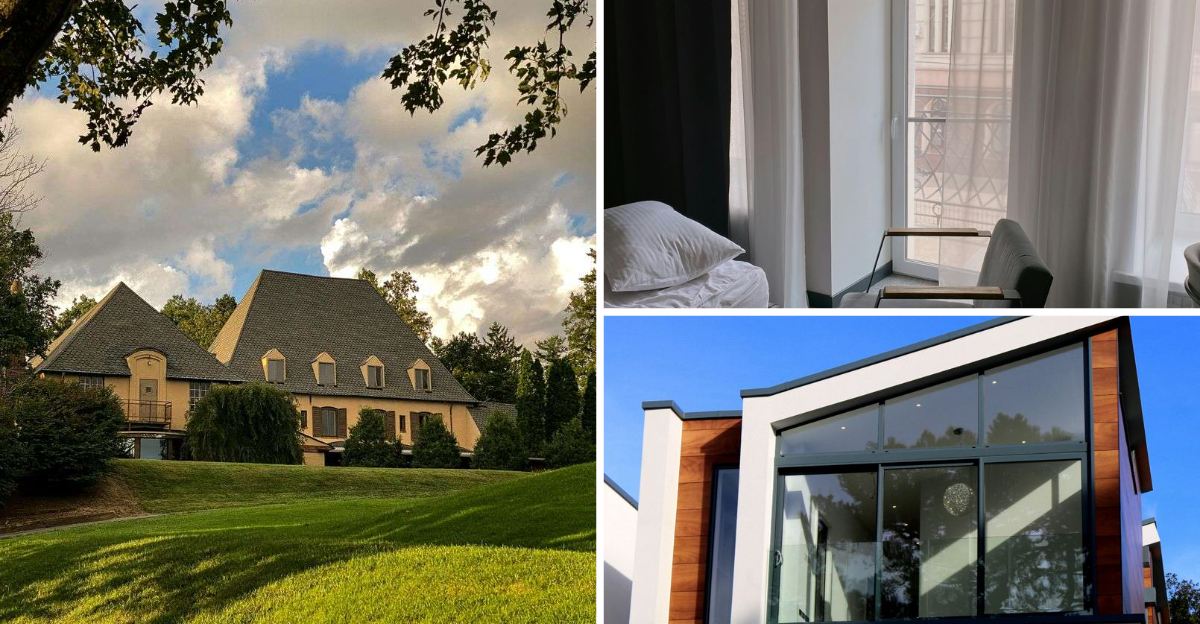
If you are eyeing the Oregon market in 2026, you can feel the winds shifting faster than a Columbia Gorge kiteboard.
As buyer priorities evolve and broader economic trends settle into place, not every type of home is expected to perform the same way.
Several factors are driving these shifts. But, in many cases, it’s not the state or city that matters most, but the type of home and how well it fits modern needs.
What felt practical or appealing a decade ago doesn’t always align with today’s expectations.
This list highlights the Oregon home types forecasted to dip in value as trends shift in 2026.
If you’re curious, read on so you can anticipate what might stall, negotiate like a pro, and decide where a strategic refresh could make all the difference!
1. Open Concept Floor Plans
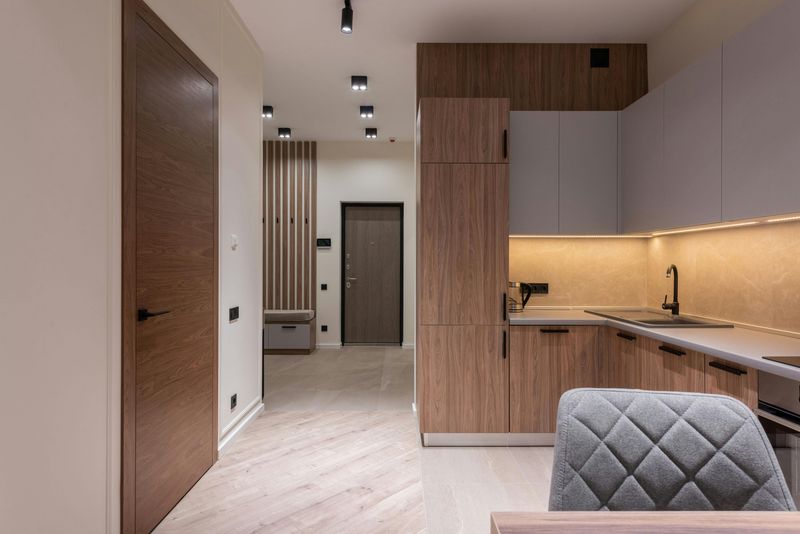
Once a darling of renovation shows, open concept living is losing steam as Oregon buyers crave separation and acoustical sanity.
Hybrid and remote work made it painfully clear that a blender and a Zoom call do not mix, and sound carries through open rooms like a coastal wind.
Utility bills also weigh in, since heating one giant volume is costlier than warming smaller, closable spaces in a damp climate.
Smoke from wildfire season and indoor air quality concerns make compartmentalization more appealing, encouraging doors and filtration by zone.
Expect homes with single sweeping great rooms to sit longer or face price trims unless sellers add smart partitions, glass sliders, or built in nooks.
That does not mean dark hallways are back, just smarter transitions that muffle noise and manage heat.
Buyers still love light, but they want control over it and the activities happening beneath it.
If you are selling, consider partial walls, millwork dividers, and quiet office pods to reframe openness into intentional, livable structure.
2. Cookie Cutter Suburban Developments

Mass produced subdivisions that copy paste elevations across a cul de sac are feeling stale as Oregon buyers gravitate toward character and walkability.
Listings in Portland metro, Salem, and Medford that lack architectural distinction are competing with neighborhoods offering ADU potential, mature trees, and nearby small businesses.
The sameness reads dated, and HOA restrictions often clash with native landscaping, solar placement, and accessory dwelling flexibility.
Remote work reshaped value around lifestyle, not just commute time, and many buyers now rank trail access, third places, and unique streetscapes higher than oversized lofted entries.
Rising insurance and maintenance costs also spotlight quality over quantity, with attention on envelope performance and materials rather than two story foyers.
Expect bland tract homes to discount unless they add individuality through facade updates, drought smart gardens, or energy upgrades.
If you are shopping, negotiate strongly when a subdivision offers little beyond square footage.
For sellers, consider curb appeal that actually differs from next door, plus modest interior reprogramming to carve a real office or studio from wasted loft space.
3. Tuscan Inspired Kitchens
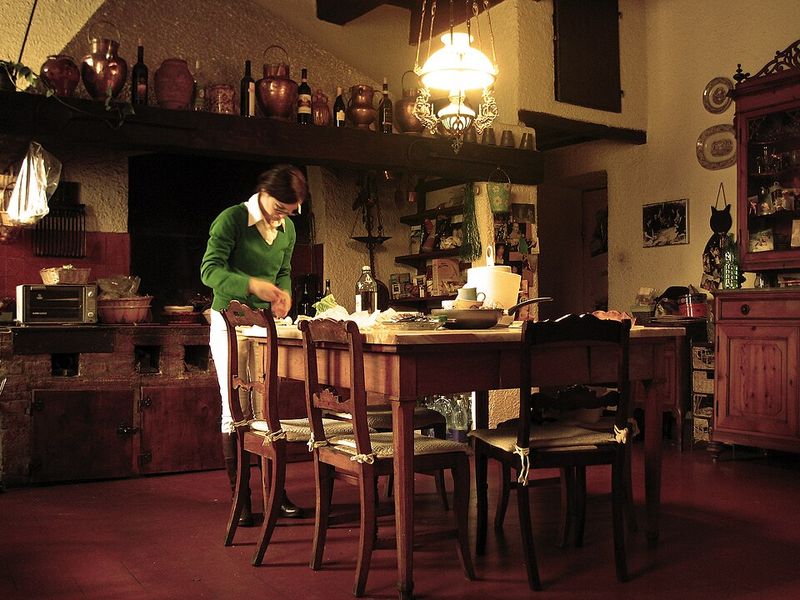
That once coveted Tuscan kitchen with dark cherry cabinets, ornate corbels, and faux finished walls now reads heavy against Oregon’s preference for bright, breathable spaces.
Buyers scrolling listings from Eugene to Hillsboro consistently heart lighter woods, quartz, and matte black or brass hardware instead of scrolled iron and tumbled stone.
Design reports show warm natural tones rising, but in simplified, Scandinavian meets Northwest ways rather than Old World motifs.
Sellers clinging to travertine and oil-rubbed bronze are finding their offers nicked for inevitable refresh budgets.
Even minor shifts, like painting cabinets, swapping hoods, and replacing sienna granite with honed quartz, can swing a buyer from later to now.
Energy efficient lighting also matters, as modern LEDs favor flatter palettes that bounce light without glare.
If your kitchen hosts arches and rope molding, a streamlined trim pass can change the whole read.
Expect valuations to dip unless updates lighten the palette, declutter details, and improve task lighting so the heart of the home feels fresh and functional!
4. Mediterranean Mansions

Large stucco palaces with terracotta roofs looked glamorous in sunnier markets, but Oregon’s rain, moss, and freeze thaw cycles expose upkeep and durability issues.
Big square footage magnifies utility costs when energy codes and climate goals push people toward tighter envelopes and smaller, smarter footprints.
Meanwhile, style preferences are sliding toward Northwest contemporary and updated midcentury that sit lighter on the land.
Oversized two story entries and curved iron staircases feel performative rather than practical for daily living and remote work.
Expect valuations to soften unless owners invest in high efficiency windows, heat pumps, and landscaping that makes the architecture feel less imported and more local.
Privacy is another friction, as epic window walls need shading and reduce comfort during summer heat waves.
If you are considering buying, budget for exterior maintenance and resiliency upgrades, then negotiate accordingly.
Sellers can salvage interest with envelope improvements, metal or concrete tile roof maintenance, and simplified trim!
5. Tiny Houses Without Functionality

The novelty halo around tiny houses has dimmed, especially for units that skimp on insulation, storage, and code compliant hookups.
Oregon’s damp winters expose the limits of poor ventilation and thin walls, pushing buyers toward small but solid cottages or well built ADUs.
Municipal rules have evolved, and permitted ADUs with full utilities often appraise better and rent more reliably than a cute but impractical tiny on wheels.
Insurance, financing, and siting add friction when a tiny lacks a foundation or certification.
Resale is tougher too, because many buyers now prioritize long term livability over Instagram charm.
Expect price pressure on minimal tiny homes unless sellers can document R values, vapor control, and legal placement that will transfer cleanly.
If you love compact living, the antidote is functionality, not just minimal square footage.
In Oregon, small works beautifully when built like a real house, and that is where dollars will concentrate while purely aesthetic tinies drift down in value.
6. Excessive Bonus Rooms

That cavernous bonus room over the garage used to scream possibilities, but now it often reads as waste.
Oregon buyers want purposeful spaces with daylight, good ventilation, and wiring for hybrid work, not a catchall cave.
Energy consciousness also highlights how difficult these rooms are to heat and cool, especially with knee walls and poor insulation at the roof-line.
When buyers run the math, splitting the space into a true office plus storage or an insulated media room often makes more sense than leaving it open.
Appraisers do not value vague potential as strongly as finished, functional square footage.
Expect offers to bake in renovation budgets, nudging prices down on homes that rely on the bonus room as a selling point.
Sellers can preempt this by adding skylights, mini split zoning, acoustic treatment, and built in cabinetry that defines use.
If there is an exterior wall, a dormer can unlock headroom and egress.
Clarity beats excess now, and the more a space declares its purpose, the faster buyers say yes without demanding a discount.
7. Gray Everything Interiors

The all gray look has finally met its cool toned ceiling, with Oregon buyers pivoting to warmer neutrals and natural textures.
Northwest light can already skew blue, and endless gray walls plus gray LVP cast a cold shadow in listing photos.
Agents report stronger response to soft whites and warm woods that photograph well in cloudy seasons and feel welcoming year round.
Beyond color, the monotone approach limits contrast, making spaces feel flat and smaller.
Paint is a relatively easy fix, but flooring swaps are pricier, so homes stuck in the gray era are seeing negotiability creep in.
Expect minor valuation dips unless sellers refresh key rooms and layer tactile materials like wool rugs and real wood accents.
If you are prepping to list, test paint under cloudy and sunny windows before committing.
Leaning warmer does not mean beige overload.
It means balancing the Northwest light so buyers feel comfort, depth, and a sense that the home has moved beyond yesterday’s filter.
8. Ultra Modern Glass Boxes
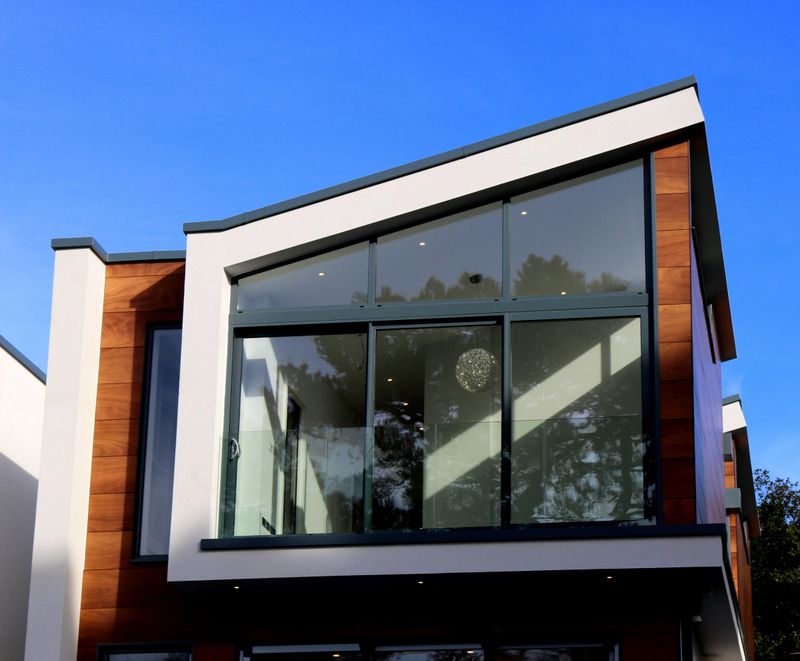
Floor to ceiling glass looks stunning against Oregon evergreens, but maintenance and comfort are real hurdles.
Privacy shades, bird strike mitigation, condensation control, and heating costs complicate daily living, especially during long rainy seasons.
Buyers increasingly ask about U values, exterior shading, and bird safe glazing rather than purely aesthetic glass walls.
Flat roofs and minimal overhangs can exacerbate water management issues, leading to careful inspections and contingency negotiations.
Values are holding best for high performance envelopes with triple pane windows, heat recovery ventilation, and thoughtfully shaded exposures.
Leaner builds without these upgrades are likely to see price adjustments as energy codes and insurance scrutiny tighten.
If you love the look, the fix is technology, not denial.
Rain screen cladding, insulated frames, and strategic solid walls will make the architecture liveable without sacrificing drama.
9. Rustic Farmhouse Replicas
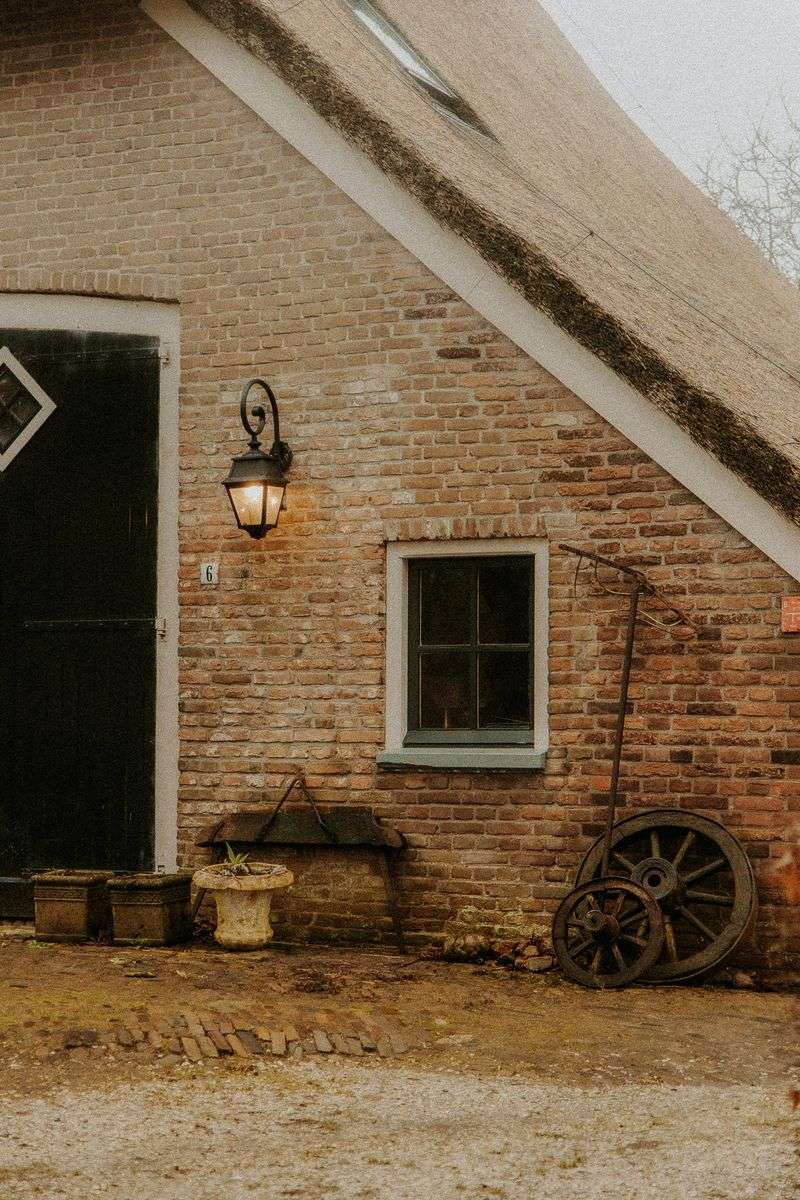
The copycat farmhouse formula of shiplap everywhere, sliding barn doors, and distressed light fixtures is losing oxygen.
Oregon buyers still love warmth, but the staged rusticity feels manufactured compared with real wood, honest metals, and uncluttered lines.
In urban cores like Portland, the look also clashes with Craftsman streetscapes and mid-century blocks, undercutting curb appeal.
Functionally, barn doors leak sound and privacy, which is a problem in hybrid work households.
Replacing them with quiet pocket doors and adding fewer, better natural materials tends to resonate more.
Expect discounts on houses leaning heavily on decor trends rather than construction quality or site specific design.
To pivot, steer toward timeless Northwest cues like vertical grain fir accents, durable fiber cement, and native landscaping.
If you keep a barn detail, pick one and make it excellent, not a theme park.
Oregon buyers are signaling that authenticity and performance outrank stylized props.
Pricing is anticipated to follow that sentiment going into 2026!
10. Carpet Dominated Homes
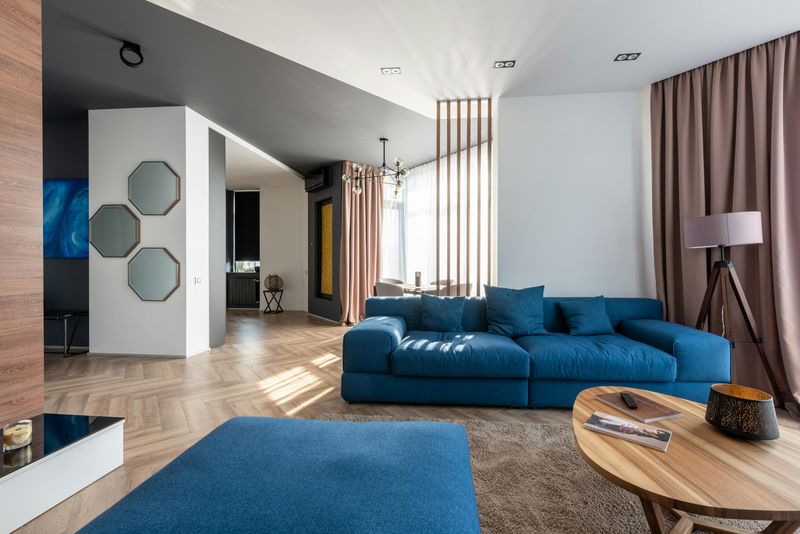
Wall to wall carpet everywhere is a tough sell now that hard surface floors dominate buyer wish lists.
Moisture, pets, and allergies make carpet maintenance harder, and photos of worn stair treads scare off weekend hikers with muddy boots.
Engineered hardwood, cork, and quality LVP perform better in wet seasons and clean up faster after trail days.
Acoustic comfort still matters, but rugs solve that without committing to continuous carpet.
Expect valuations to dip on carpet-heavy homes unless sellers preemptively swap key zones or offset with credits.
For bedrooms, plush carpet can still work, but keep it fresh, low VOC, and limited.
If you are listing soon, prioritize stairs and great rooms for hard surface upgrades.
The market is signaling durability and cleanliness, and Oregon lifestyles reward floors that shrug off rain, dogs, and weekend adventure grit.
11. Oversized Three Car Garages
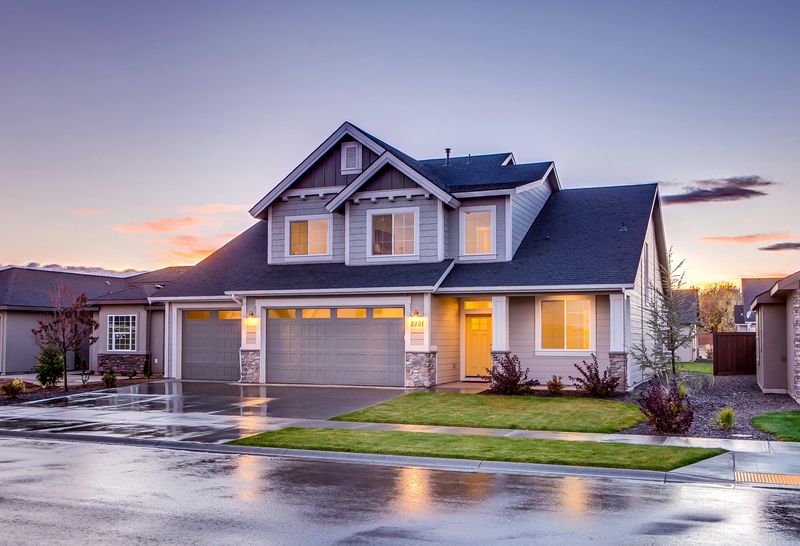
For years, the three car garage broadcasted status.
But Oregon’s shift toward smaller footprints, EVs, and bike culture makes giant garages feel overbuilt.
Street forward garages also erode curb appeal and walkability, undermining neighborhoods aiming for people first design.
With more households swapping one car for transit or e bikes, buyers want flexible storage without a facade dominated by doors.
Some cities encourage ADUs and studio conversions, which can repurpose one bay and increase income potential.
Still, unfinished oversized garages without insulation or power upgrades ask buyers to invest post closing, and appraisals rarely match seller expectations.
Expect softening unless there is clear utility like workshop wiring, EV charging, and conditioned space.
To rescue value, add proper electrical, air sealing, and a tidy mudroom link that integrates storage with daily life.
Consider glazing a bay or turning it into usable square footage if zoning allows.
In a market prioritizing function and form, the days of bragging via door count are slipping, and prices will adjust to that reality.
12. High Maintenance Wood Exteriors Without Protection
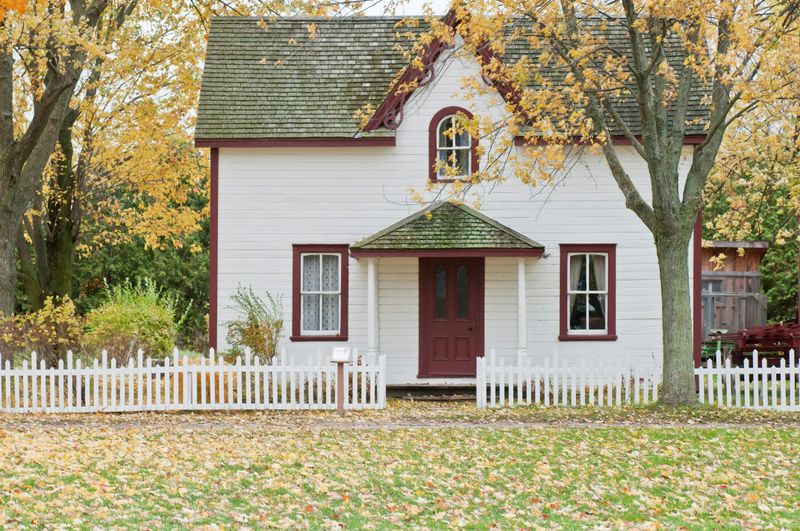
Wood siding can be gorgeous in Oregon, but untreated or poorly detailed assemblies age fast in wet seasons.
Moss, cupping, and end grain rot turn from charm to repair bills, and buyers know to ask about rain screens, flashing, and finish schedules.
Homes that skipped those steps now face steeper discounts as maintenance and insurance scrutiny rise.
Builders that embraced rain screens, cap flashing, and back primed cedar hold value because the envelope works.
Without those, listing photos tell the truth via streaks and swollen trim, and inspections confirm it.
Expect prices to sag unless sellers can show recent refinishing, proper detailing, and a plan for ongoing care.
There is a path forward: upgrade to fiber cement in problem areas, add overhangs, and ventilate the assembly.
Keep the warmth with real wood at protected entries and ceilings.
Oregon buyers love wood!
But they also love dry walls more, and value follows the assemblies that keep water out and beauty intact.
13. Homes Without Cooling Or Heat Pump Upgrades
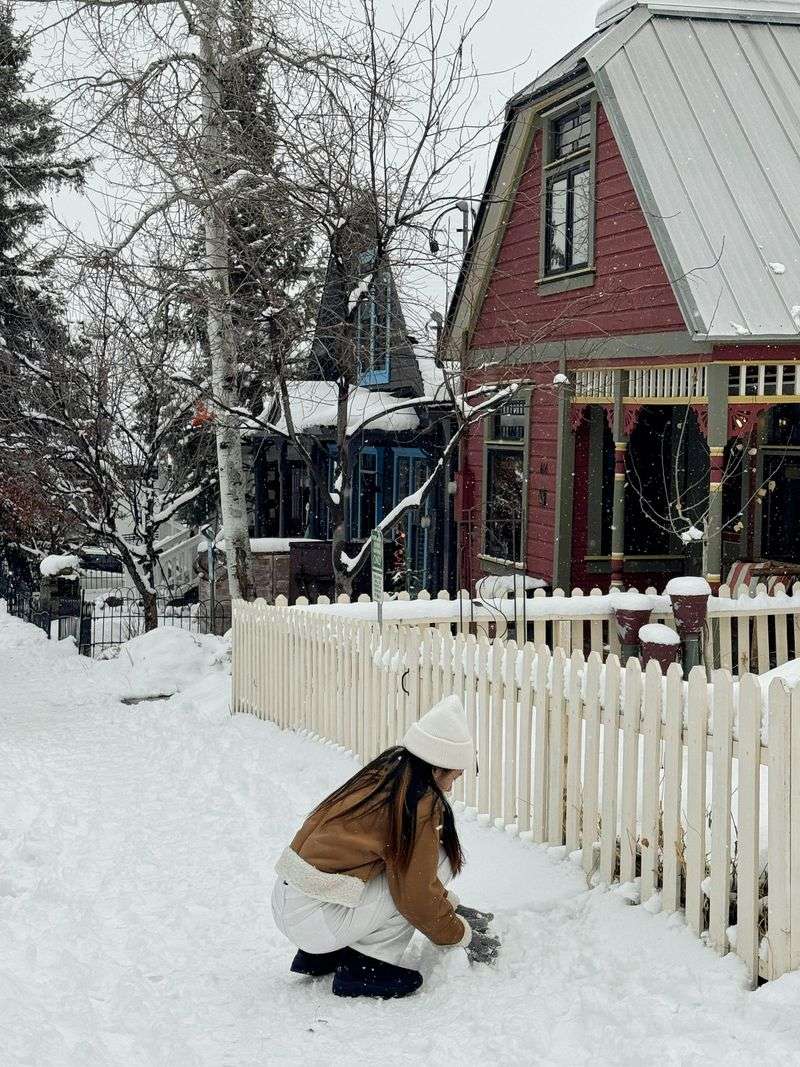
Summer heat waves have made cooling a must have across the Willamette Valley and even the coast some years.
Homes without AC or heat pump upgrades are getting dinged by buyers who remember smoky weeks and hot nights.
Heat pumps offer efficient heating and cooling, aligning with state energy goals and utility incentives that buyers factor into costs.
Older gas only systems feel dated and expensive to run, especially when electricity can be paired with rooftop solar later.
Inspections increasingly highlight duct sealing, filtration, and ventilation, and underperforming systems scare off sensitive buyers.
Expect value erosion on listings that read climate unprepared, particularly in areas hit by recent heat events.
To stay competitive, install a variable speed heat pump, upgrade filters, and add dedicated bedroom cooling zones.
Smart thermostats and documented utility savings help appraisals and buyer confidence.
Comfort has moved from nice to have to non negotiable, and pricing in 2026 will reflect that in Oregon.
14. Big Lawn-Centric Properties
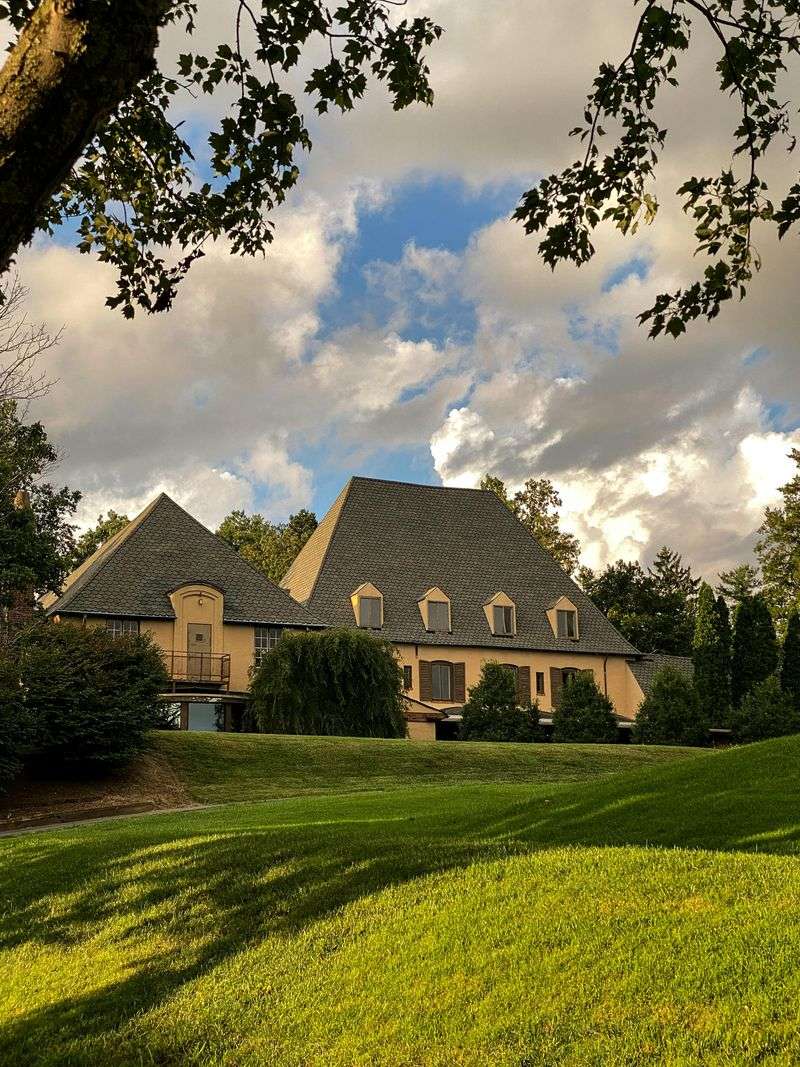
Expansive lawns are falling out of favor as Oregon leans into native landscaping, pollinator corridors, and lower water bills.
Buyers are tired of mowing and fertilizer cycles and want yards that work with the climate, not against it.
Cities also nudge residents toward less irrigation, and some HOAs are updating rules to allow wildflower and meadow plantings.
Maintenance costs and environmental awareness steer budgets toward patios, rain gardens, and edible landscaping.
Listings that tout giant lawns without outdoor living structure are seeing weaker engagement and longer days on market.
Expect price trims unless sellers reframe yards as sustainable, low upkeep, and seasonally useful.
If you are prepping, reduce turf, add native shrubs, and create defined zones for dining and play.
Oregon buyers want yards that perform and restore, and by 2026 properties still chasing the golf course look may lag on value.