6 Types Of Homes In The State of Georgia Likely To Lose Value In 2026 And 7 Expected To Perform Better
Georgia’s real estate landscape is shifting in noticeable ways, and the changes are happening faster than many homeowners expect.
What felt like a safe bet just a few years ago may no longer offer the same security as buyer priorities, costs, and lifestyles continue to evolve.
Across the Peach State, certain homes are facing growing headwinds tied to design, location, and long-term expenses.
At the same time, other property types are quietly gaining momentum as buyers focus on efficiency, convenience, and future-proof features.
The gap between what struggles and what succeeds is becoming harder to ignore.
1. Outdated Ranch-Style Homes In Suburban Areas
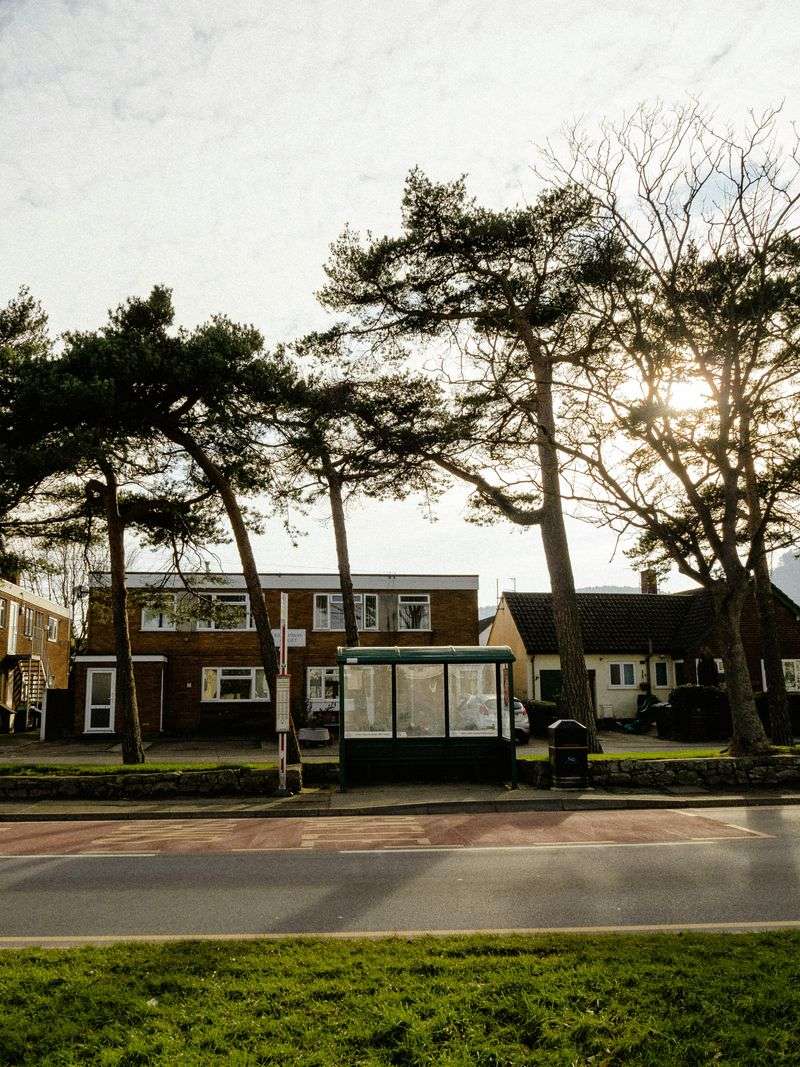
Many older ranch-style homes across Georgia’s suburban neighborhoods are gradually losing appeal as buyer expectations continue to shift toward more modern living standards.
These homes were once valued for their simplicity and single-level convenience but now struggle to compete with newer properties offering updated layouts and finishes.
Closed-off floor plans reduce natural light and limit flexibility, making interiors feel restrictive compared to today’s open and connected living spaces.
Low ceilings and smaller room dimensions can make these homes feel cramped, especially when buyers compare them to newer construction nearby.
Outdated kitchens with aging cabinets, countertops, and appliances often fail to meet modern buyer expectations during showings.
Older electrical, plumbing, and HVAC systems frequently raise concerns during inspections and increase perceived ownership risk.
Renovating these homes can require a significant financial investment that many buyers are unwilling to take on.
Younger buyers generally prefer move-in-ready homes that require minimal upgrades or cosmetic changes.
As a result, outdated ranch-style homes often remain on the market longer and face downward pressure on pricing.
2. Homes Near Overcrowded School Districts

School quality remains one of the strongest factors influencing home values across Georgia’s residential markets today.
Homes located near overcrowded school districts often lose appeal as class sizes increase and resources become stretched thin.
Parents pay close attention to enrollment numbers, teacher workloads, and classroom conditions when choosing where to live.
Even well-maintained homes can struggle to attract buyers if assigned schools appear overwhelmed or underperforming.
Buyers are increasingly willing to pay premium prices for homes zoned to stable, well-rated school districts.
At the same time, they actively avoid neighborhoods tied to overcrowded or declining school systems.
This shift in buyer behavior can happen quickly and dramatically reduce demand in certain areas.
Homes in these zones tend to sit longer on the market and require price reductions.
Over time, persistent overcrowding creates lasting downward pressure on surrounding property values.
3. Properties In Flood-Prone Zones Without Mitigation

Properties located in flood-prone zones across Georgia are becoming less attractive as buyers grow increasingly cautious about climate-related risks.
Many buyers now research FEMA flood maps and insurance requirements before scheduling showings, and this added scrutiny reduces overall demand.
Homes without proper elevation, drainage systems, or flood mitigation features raise immediate red flags for both buyers and lenders.
Flood insurance premiums have risen sharply in recent years, adding thousands of dollars to annual ownership costs.
Some lenders impose stricter financing requirements or higher down payments for high-risk flood zone properties.
Even homes with no history of flooding can suffer value loss due to perceived future risk and uncertainty.
Buyers worry about long-term resale challenges if flooding becomes more frequent or severe.
Mitigation upgrades such as elevation or drainage improvements can be expensive and disruptive for owners.
As awareness grows, demand for unprotected flood-zone homes continues to decline steadily.
4. McMansions Built During The 2000s Boom
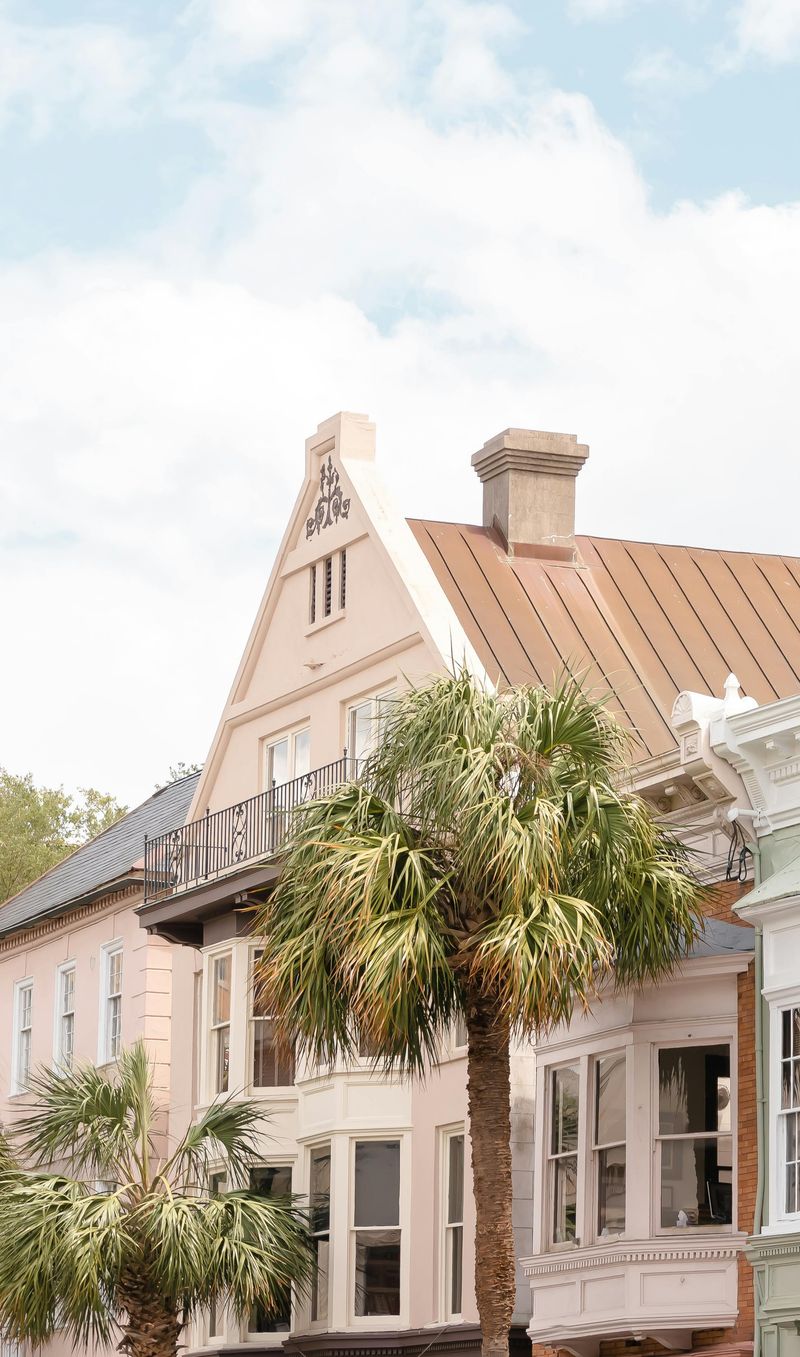
Many homes from the housing boom look impressive but reveal flimsy materials, craftsmanship, and design choices prioritizing scale over durability.
Despite enormous square footage, maintenance demands escalate quickly, surprising owners with repairs, premature replacements, and expensive upkeep across sprawling interiors.
Energy consumption in these houses drives utility bills into the thousands monthly, deterring buyers who prioritize efficiency, sustainability, and costs.
Awkward floor plans, oversized rooms, and unused spaces complicate daily life, making furniture placement difficult and undermining comfortable, functional routines.
Builder grade finishes, thin walls, and generic details feel dated today, clashing with preferences for craftsmanship, authenticity, and curated environments.
Consequently, many buyers now favor smaller, well built homes offering efficiency, flexible layouts, lasting materials, and long term value overall.
5. Condos In Overbuilt Urban Developments
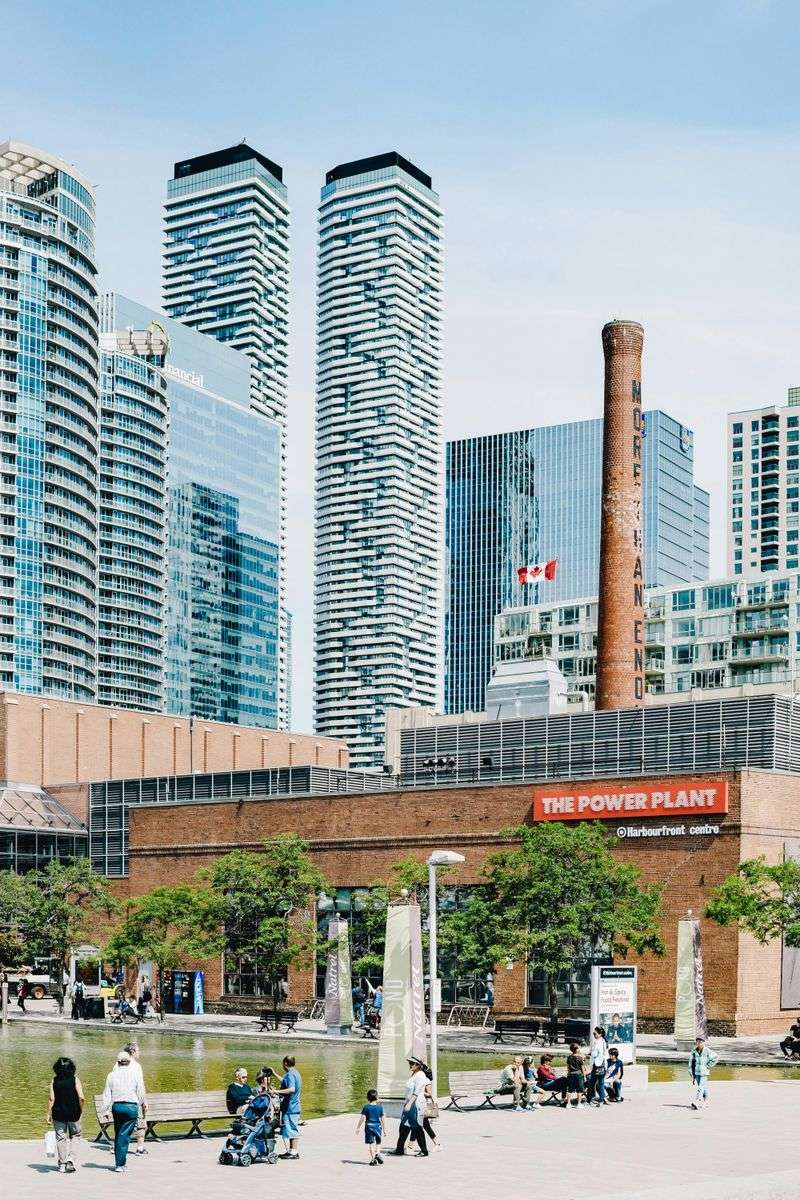
When developers flood a neighborhood with condominiums, the sudden surplus of units overwhelms demand and inevitably pushes selling prices downward.
Rising homeowners association fees compound the problem by adding recurring costs that make ownership far less attractive to cautious buyers.
Many buyers hesitate immediately once they learn monthly dues can rival or even exceed their actual mortgage payments today often.
In heavily overbuilt markets, each condo must compete against dozens of nearly identical units listed at the same time simultaneously.
This intense competition pressures sellers to cut prices aggressively, creating a downward spiral that erodes perceived value quickly locally overall.
As listings pile up, desperate owners undercut one another, shrinking equity and limiting long term appreciation prospects for most investors.
6. Homes With Dated Popcorn Ceilings And Carpeting

Popcorn ceilings and wall to wall carpet signal the 1980s, instantly dating homes and souring buyer perceptions before tours begin.
First impressions matter enormously in real estate, and these features trigger immediate negative reactions that linger throughout every showing experience.
Removing popcorn ceilings costs thousands of dollars, while replacing carpet across an entire home quickly becomes expensive for most sellers.
Because of these hassles, buyers prefer paying more upfront for properties that feel updated and truly move in ready today.
Dated finishes suggest deferred maintenance, amplify renovation anxiety, and raise doubts about overall care, quality, and ownership pride among buyers.
As a result, homes with these features often languish on the market longer, inviting price cuts and weaker offers eventually.
7. Energy-Efficient New Construction Homes

Smart buyers increasingly calculate long term ownership costs, recognizing that energy efficient homes can save thousands annually on utility expenses.
New construction featuring proper insulation, high efficiency HVAC systems, and solar ready designs consistently attracts premium prices in competitive markets.
Georgia summers are notoriously brutal, making cooling efficiency a top priority for homeowners focused on comfort and predictable monthly costs.
Energy efficient homes maintain stable indoor temperatures, reduce strain on systems, and outperform older properties during extreme heat conditions.
Buyers see these features as protection against rising energy prices and future climate driven weather extremes across the Southeast.
As a result, demand and home values for energy efficient properties are expected to rise steadily through 2026 and beyond.
8. Properties Near Major Job Centers And Tech Hubs

Georgia’s expanding tech industry is generating high paying jobs, and workers increasingly prioritize homes with short, convenient commutes.
Properties located within fifteen minutes of major employers consistently command higher prices and sell faster than more distant alternatives.
Proximity to job centers reduces daily stress, transportation costs, and time lost to traffic, making these neighborhoods especially desirable.
I have watched areas near expanding employment hubs appreciate rapidly as housing demand intensifies year after year.
As companies continue relocating to Georgia, thousands of well compensated employees enter the market seeking nearby housing options.
This sustained influx makes neighborhoods close to major job centers some of the safest and strongest real estate investments available.
9. Renovated Historic Homes In Revitalizing Neighborhoods
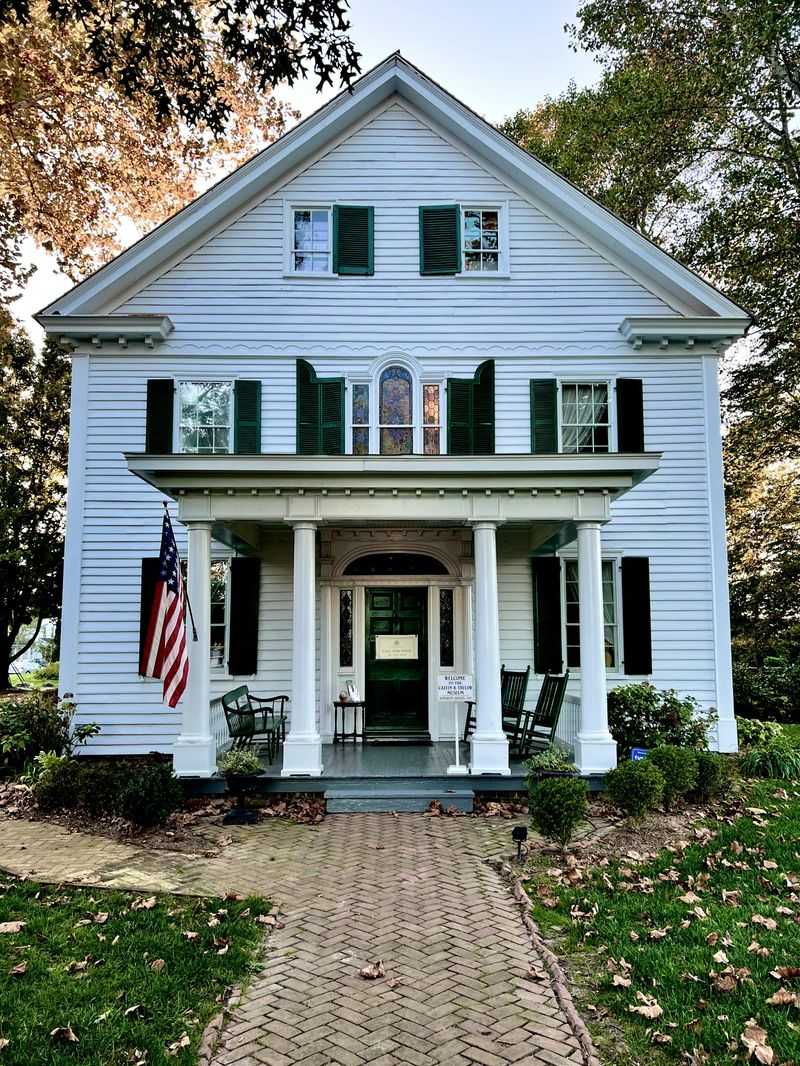
Character rich historic homes that blend original charm with thoughtful modern updates are exceptionally desirable in today’s market.
Buyers value unique architectural details, craftsmanship, and personality that simply cannot be replicated in cookie cutter new construction.
These homes stand out emotionally, creating stronger first impressions and deeper connections during showings.
Revitalizing neighborhoods add another layer of appeal, offering appreciation potential as nearby properties improve and new businesses arrive.
Ongoing investment in these areas signals long term growth, stability, and increasing demand from both residents and investors.
As a result, buyers are often willing to pay premium prices for authenticity paired with modern comfort, convenience, and livability.
10. Homes With Smart Technology Integration

Tech savvy buyers increasingly expect homes to function as intelligently and seamlessly as the devices they use every day.
Properties with integrated smart systems for security, climate control, and lighting consistently sell faster and command higher prices.
These features signal modern living, efficiency, and forward thinking design that appeals to today’s connected homeowners.
Adding smart technology is not just a trend, as it delivers measurable improvements in energy efficiency, safety, and daily convenience.
Buyers value the ability to monitor and control their homes remotely, whether adjusting temperatures or managing security systems.
This convenience and control make smart enabled homes increasingly competitive and desirable across Georgia’s evolving real estate market.
11. Properties In Walkable Mixed-Use Communities
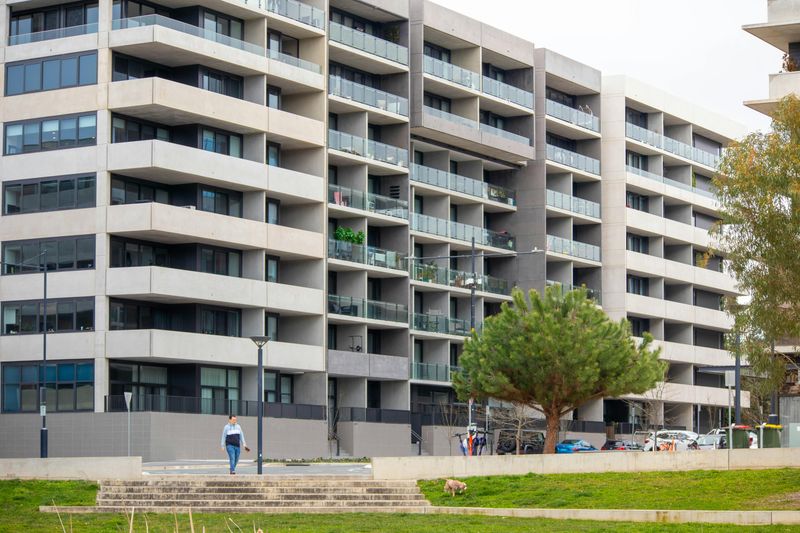
Car dependent suburbs are losing appeal as buyers increasingly seek walkable neighborhoods with nearby shops, dining, and daily amenities.
Mixed use developments that blend residential, retail, and office spaces are experiencing strong demand and consistent value growth.
Walkability improves quality of life by reducing driving, encouraging social interaction, and making everyday errands more convenient.
Access to coffee shops, grocery stores, parks, and entertainment within walking distance has become a major lifestyle priority.
These communities attract a wide range of buyers, from young professionals to downsizing retirees seeking convenience and connection.
The resulting diversity and steady demand are supporting rising property values in walkable neighborhoods through 2026.
12. Homes With Outdoor Living Spaces And Pools
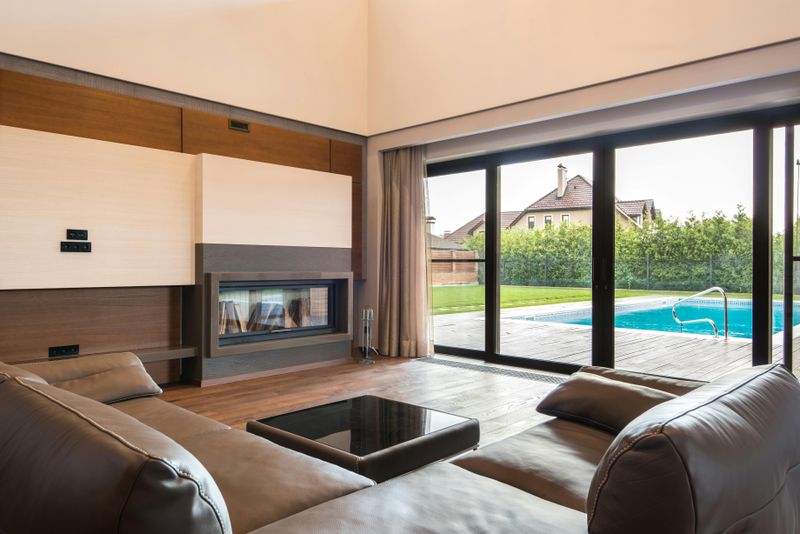
Georgia’s warm climate makes outdoor living spaces especially valuable, and buyers routinely pay premiums for usable, well designed yards.
Homes featuring pools, patios, fire pits, and outdoor kitchens deliver lifestyle benefits that clearly justify higher asking prices.
These amenities expand functional living space while supporting entertaining, relaxation, and year round enjoyment.
Since the pandemic, homeowners have placed even greater importance on private outdoor areas for personal retreat and social gatherings.
Properties that seamlessly connect indoor and outdoor spaces create resort like experiences without leaving home.
This added comfort and flexibility continue driving strong demand among buyers seeking both convenience and elevated daily living.
13. Smaller Homes Under 1,800 Square Feet In Desirable Areas
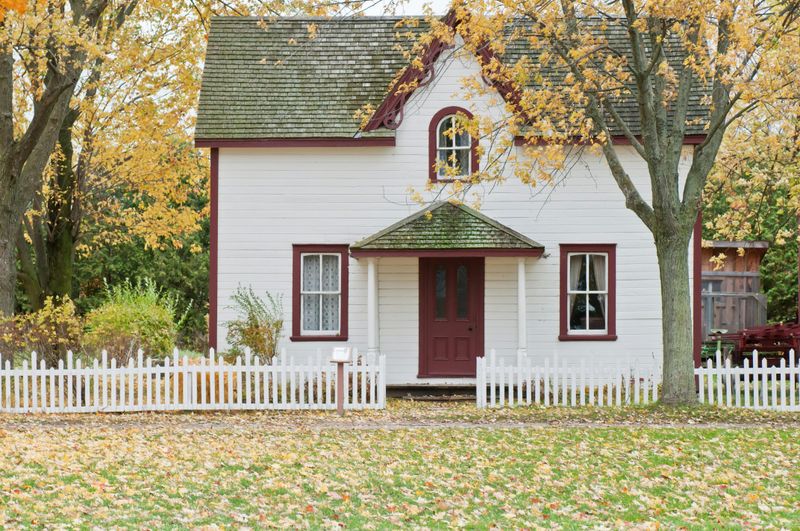
Affordability is king in today’s market, and smaller homes in prime locations offer the strongest overall value proposition.
First time buyers and downsizers are competing aggressively for these properties, pushing prices upward despite modest square footage.
Lower square footage translates to reduced maintenance, utility costs, and property taxes while still providing comfortable, functional living.
Buyers increasingly prioritize location, layout, and livability over sheer size when making purchasing decisions.
Homes near amenities, employment centers, or in desirable school districts consistently outperform larger homes in less convenient areas.
This combination of affordability, efficiency, and location makes smaller homes some of the smartest real estate investments for 2026.