These 18 Collectibles From Massachusetts Are Taking The Market By Storm
Collecting has always been a favorite hobby for many, but right now, Massachusetts is home to some of the most exciting collectibles on the market.
Some are rooted in the rich history and culture of Massachusetts, while others are unique finds that have captured the attention of collectors nationwide.
They span a range of categories, from antique furniture and sports memorabilia to art and locally-made crafts.
As they gain ground, many collectors see these items as not only a passion but also a smart investment.
If you’re looking to stay ahead of the curve, these are the pieces to keep an eye on!
With their continued soar in popularity, they’re sure to be a part of the collecting scene for years to come!
1. 1916 Babe Ruth Morehouse Baking Rookie Card
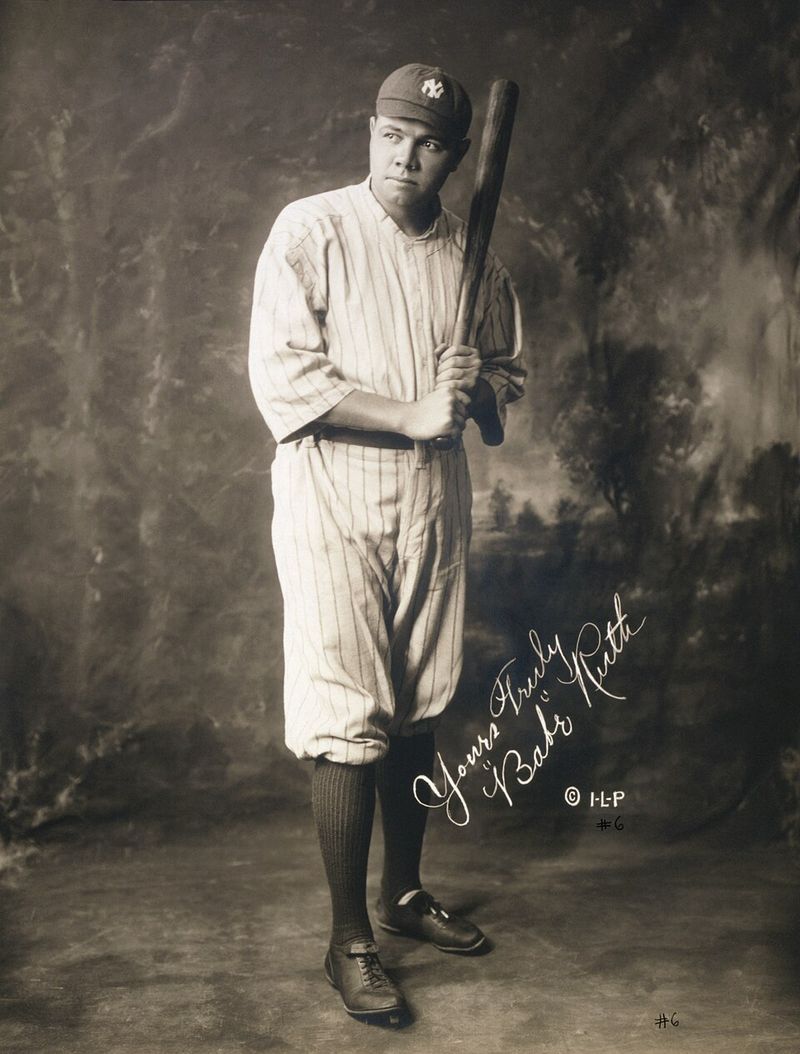
Massachusetts baseball lore just keeps delivering, and the 1916 Babe Ruth rookie card feels like lightning in a sleeve.
This Morehouse Baking issue is the kind of regional treasure that turns collectors into storytellers overnight.
The card’s clean typography and bakery tie in make it both a sports relic and a slice of Boston history.
Momentum is real here, with auction chatter setting six figure expectations and then some.
Every time another authentic example surfaces, it pushes demand across the entire run.
If you are sniffing around, look for period print characteristics, consistent stock thickness, and credible provenance linking back to New England bakeries.
Professional grading helps, but so does a sharp eye for trimming and gloss anomalies.
Even lower grade copies are gaining, and they often trade quickly among locals who understand the card’s hometown weight!
Stay nimble with pre auction inquiries and do not be shy about asking detailed scans of corners and caption clarity!
2. New Bedford High End Pokemon Haul

Pokemon heat is real, and New Bedford proved it with a headline grabbing smash and grab that targeted high end boxes and mint cards.
When thieves chase cardboard, you know demand is intense.
First edition boxes, premium promos, and graded grails keep breaking local price ceilings.
For you, the takeaway is simple: scarcity plus condition equals velocity.
Sealed product with intact cellophane and clean seams fetches top bids, while graded 9s and 10s anchor value.
Regional shops are tightening security and tightening their buy lists right along with it.
Chase set toppers, early Wizards of the Coast releases, and modern alt art cards that have strong cross market appeal.
Documentation and serial verification are essential, especially if items changed hands fast.
Want to play smart in Massachusetts?
Build relationships with store owners, ask about upcoming collections, and get your grading submissions timed with convention schedules.
The wave is still rising, and you can ride it with patience, sleeves, and a good checklist.
3. Boston Symphony Orchestra Vinyl And Test Pressings
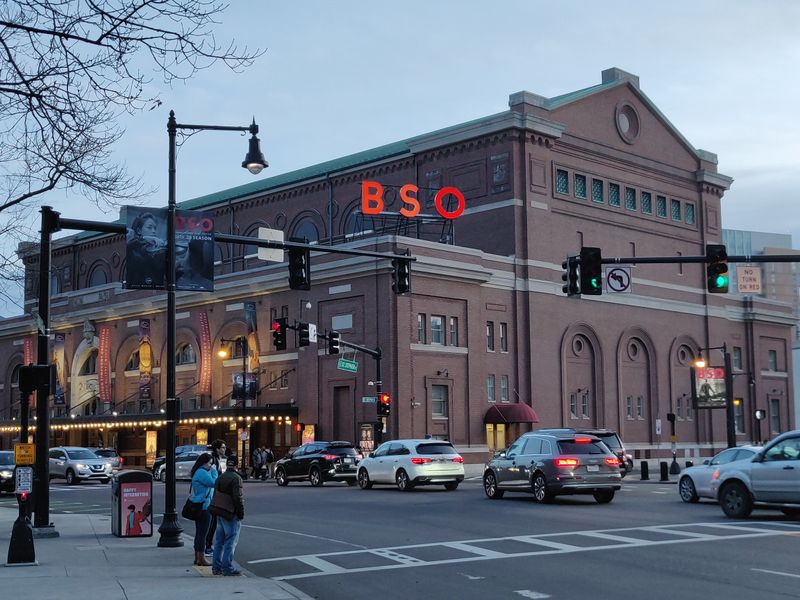
Classical vinyl is not just for purists anymore, and Boston’s own symphonic legacy adds an irresistible angle.
Early Boston Symphony Orchestra pressings, Living Stereo era gems, and quiet surface test pressings are all earning new attention.
Collectors love that blend of audiophile performance and hometown pride.
Condition rules this lane: clean jackets, sharp spines, and vinyl free of scuffs that produce ticks.
White label tests with session notes can double as historical documents, giving you a direct line to the hall’s sound.
Prices for rare conductors and standout soloists are inching up with each well documented sale.
Hunt in Cambridge basements, estate sales near Longwood, and specialty bins that most people flip past.
Verify matrix numbers, mastering initials, and pressing plant marks to confirm the edition.
Play grading matters, so do not skip a careful listen before committing.
When you demo a clean copy for a friend, it often sells itself.
In Massachusetts, classical grooves have local resonance and increasingly national demand.
4. Revolutionary War Buttons
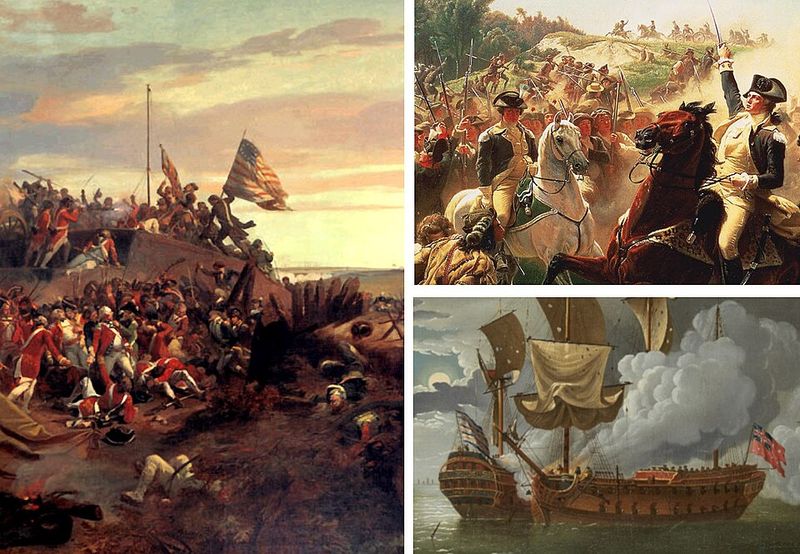
Small, brassy, and packed with history, Massachusetts war buttons are turning casual history buffs into collectors.
These little uniform pieces connect directly to town companies that drilled on commons you still walk across.
The designs vary by maker and era, and the right backmark can lift value fast.
Market momentum favors intact shanks, legible devices, and honest patina.
Provenance tied to a specific regiment or family archive commands a premium.
Button boards at local shows move quickly, especially for rarer state seal variations.
Diggers and dealers converge here, so expect competition and do your homework on reproductions.
Study back construction, casting seams, and period solder to avoid recent copies.
If you land a beauty with paperwork, store it in inert materials and keep humidity steady.
Bring a loupe, ask about the find spot, and record every detail for your files.
You are not just buying metal, you are buying Massachusetts soil turned story.
5. Shaker Furniture From Harvard And Hancock
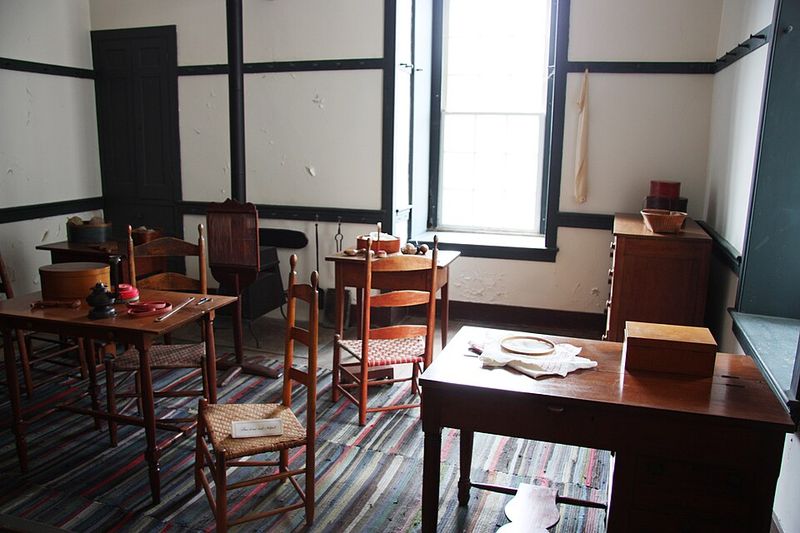
Simple forms, perfect joinery, and lived in New England soul make Shaker furniture a Massachusetts powerhouse.
Harvard and Hancock community pieces have that quiet charisma collectors crave.
Chairs, peg rails, and sewing stands feel timeless, and prices reflect the scarcity of untouched examples.
Look for original paint, hand cut dovetails, and wear patterns that match use, not distressing.
Provenance from Massachusetts families or community sales can set your piece apart.
Auction catalogs are peppered with Shaker surprises that outperform estimates.
Condition is king but tasteful repairs can be acceptable if documented.
Beware of later copies that mimic lines without period tool marks.
A good furniture specialist can spot planing signatures and drawer bottoms that tell the truth.
Measure twice, because scale affects room presence and collector appetite.
When a true Harvard rocker shows up, it does not linger.
You will feel the calm in the wood and the sustained demand in the final hammer price.
6. 1909-1911 T206 Finds With Cy Young
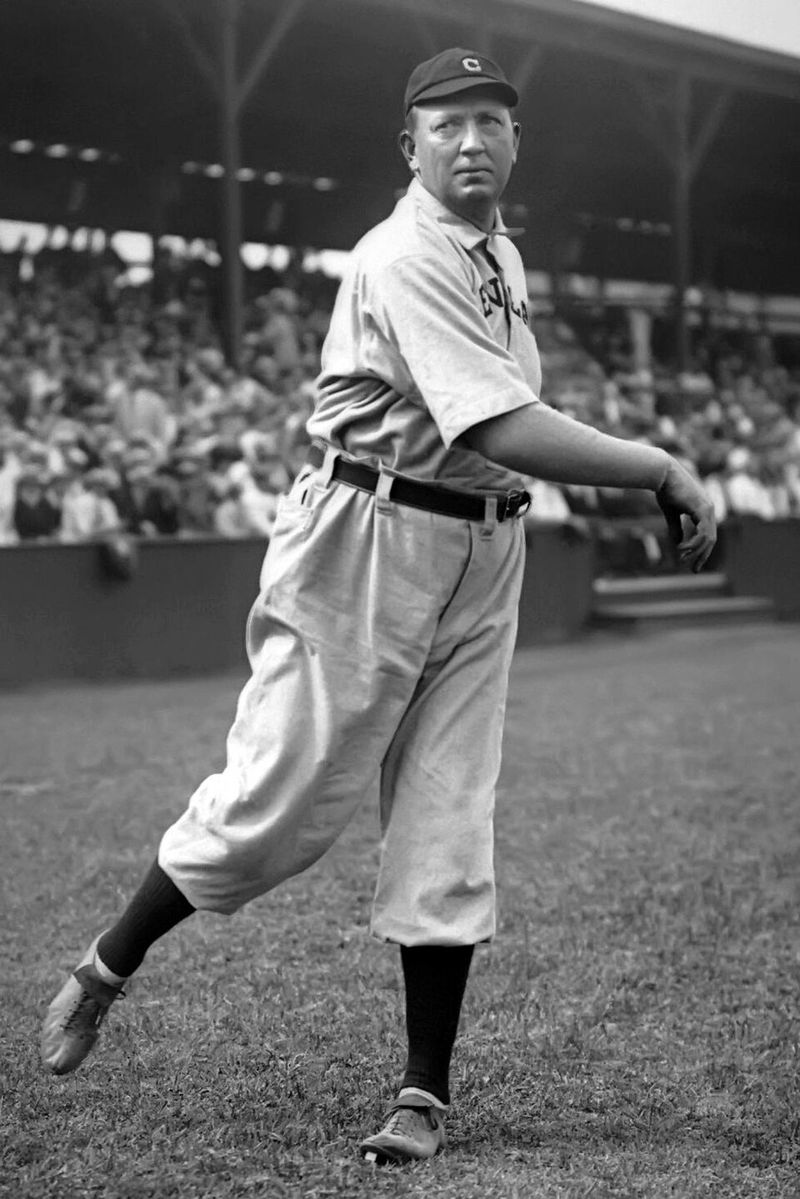
Only in Massachusetts does a $75 wooden chest become a portal to baseball’s golden age.
The recent find of 1909 1911 cards, including Cy Young and Christy Mathewson, reminds everyone that the Commonwealth’s attics still hide monsters.
T206s carry that tobacco era mystique that never cools, and any local provenance adds extra glow.
Prices are climbing for eye appeal first, grade second.
Centering, honest corners, and clean backs can outrun higher numeric grades with flaws.
Cy Young’s Boston connection makes his portrait especially magnetic for regional collectors watching auction tickers.
Before buying, compare ink saturation, registration, and font sharpness against known authentic examples.
Beware of press modern counterfeits that miss the period dot structure under magnification.
Third party grading is your friend, but savvy pre screening helps avoid heartbreak.
When you find a stunner, log the story: where it was stored, who owned it, and how it survived.
That narrative builds with every retelling and it matters here.
7. Salem Witch Trial Era Documents And Ephemera
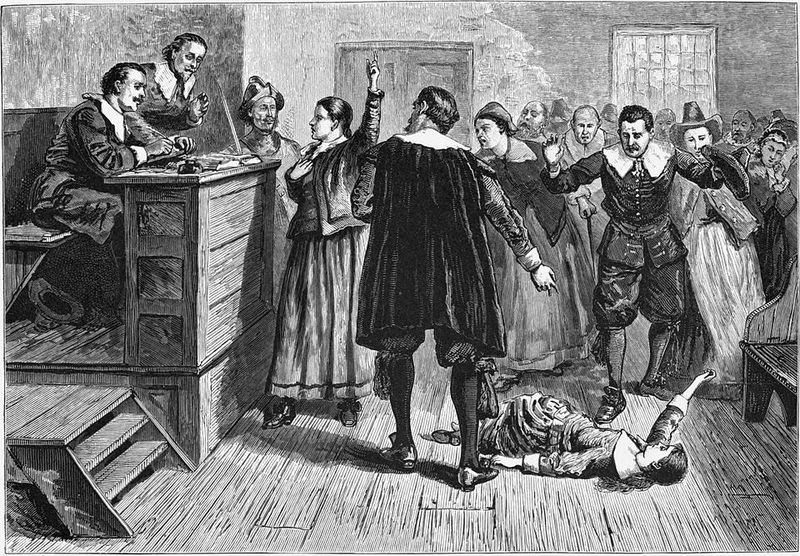
Salem’s story is global, and authentic trial era documents can electrify any collection.
Petitions, receipts, and later pamphlets that reference the proceedings carry emotional weight you feel as soon as you open the folder.
Massachusetts institutions chase these pieces, which pulls private values upward.
Authenticity checks matter: ink composition, paper watermarks, and handwriting comparisons to known clerks.
Later nineteenth century revival items have value too, but they sit in a different lane.
If provenance includes a local family archive, expect immediate attention.
Storage is conservation first: low light, buffered sleeves, and documented handling.
When selling, lead with context that connects names to locations around Essex County.
That is where the spark lives for buyers who have walked those streets.
Prices rarely retreat because the narrative is evergreen and supply is locked.
If you see a genuine piece with a traceable chain of custody, move decisively.
In Massachusetts, paper sometimes feels heavier than iron.
8. Cape Cod Scrimshaw And Whaling Logbooks
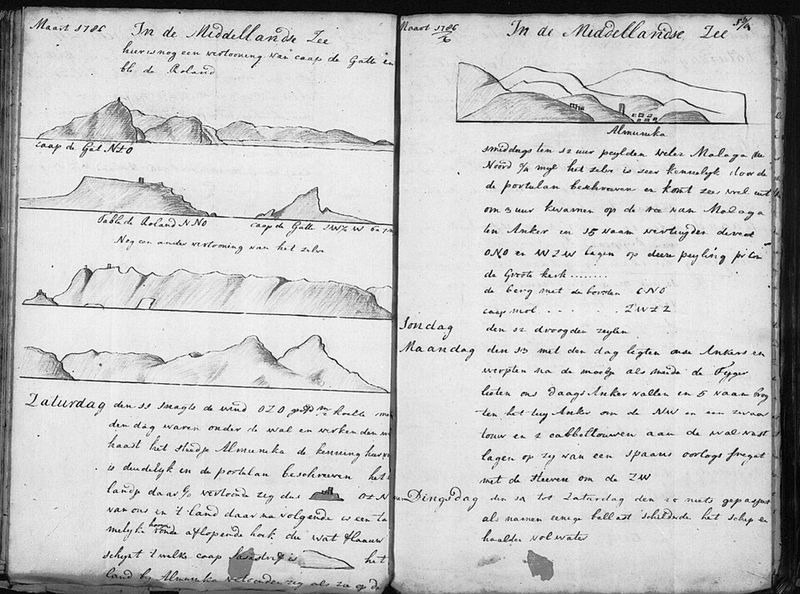
Scrimshaw from Cape Cod tells ocean stories in tiny engraved lines.
Whale teeth with ships, compsass roses, and portraits sit alongside logbooks that map hunts day by day.
Collectors are leaning into this category again, drawn by craftsmanship and maritime romance.
Authenticity hinges on patina, hand cut lines, and period pigment.
Modern tourist work looks too clean and lacks the layered wear of a sailor’s hand.
Logbooks with legible entries, weather notes, and named ports draw strong bids.
New Bedford and Provincetown dealers still surface gems, but competition is stiffer each season.
Conservation counts, so avoid aggressive cleaning that erases history.
Keep humidity controlled and display out of direct sun.
When a tooth and logbook share a ship name, you have lightning.
Pairings like that create museum level narratives right at home.
The market is steady to rising, with top examples charting new prices.
9. Boston Tea Party-Related Relics

Anything tethered to the Boston Tea Party lights up a room.
Tea chest fragments, protest broadsides, and contemporary engravings compress a famous night into tangible pieces.
Massachusetts collectors compete hard here, and each proven item tends to escalate future sales.
Provenance is everything: chain of custody, early exhibitions, and citations in trusted references.
Later commemoratives still sell, but true period artifacts are the rocket fuel.
Expect long verification timelines and happy phone calls when documentation lands.
Handle like a conservator, store like a librarian, and present like a curator.
Buyers want the narrative from dock to desk, with names, dates, and places pinned down.
Auctions around significant anniversaries often show a pricing bump.
If you hear about a family trunk with labeled fragments, do not dawdle!
Bring patience and a magnifier to the negotiation.
Boston history has a long memory, and prices match that endurance.
10. Roxbury Hip Hop Flyers And Mixtapes

Massachusetts hip hop history is finally getting its flowers, and Roxbury flyers tell that rise better than any timeline.
Hand cut letters, phone numbers, and sharpie borders call back to nights that built the scene.
When paired with original cassettes, the story becomes irresistible.
Condition helps, but authenticity and context trump perfection.
Names, venues, and dates that map to known crews generate demand quickly.
Proven stacks from DJs with set lists are seeing strong private offers.
Digitize, document, and bag properly, because paper and tape are fragile.
Capture oral histories when you can, since that provenance is gold later.
Local collectors champion this space, and national eyes are finally watching.
Hunt estate boxes, storage units, and radio station clear outs.
Prices are climbing as archives and museums wake up to the significance.
If you spot a flyer with early appearances, grab it and do not look back.
11. Cambridge MIT Computing Ephemera
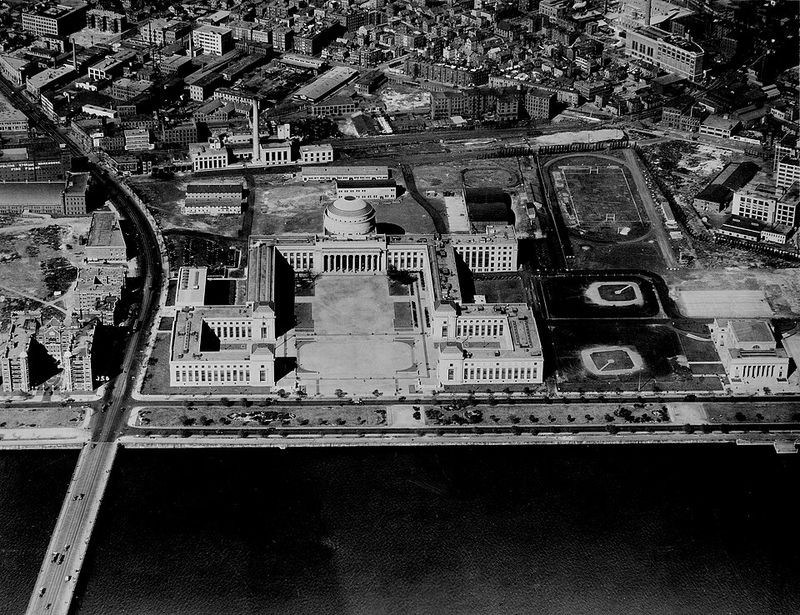
From punch cards to early micro kits, MIT ephemera ties tech history to Massachusetts sidewalks.
Lab manuals, campus computer club newsletters, and student built boards have become hot targets.
Collectors are chasing origin stories for the machines on their desks.
Authenticity comes down to dates, lab stamps, and verifiable project names.
Items linked to known researchers or competitions move fastest.
Even humble handouts can pop if they reference milestones in coding or hardware.
Preserve paper in acid free folders and shield boards from static.
A simple photo of the original owner on campus adds outsized value later.
University auctions and retiree boxes are rich hunting grounds if you are patient.
Expect steady appreciation because the tech narrative keeps widening.
When an item bridges MIT to a famous startup, demand spikes.
Massachusetts owns this storyline, and collectors want a piece.
12. Springfield Armory Krag And M1903 Components

Springfield Armory’s legacy means even small parts carry big history.
Krag and M1903 components with clear markings, period manuals, and inspector stamps are drawing fresh attention.
You do not need a full rifle to collect the story.
Look for crisp cartouches, matching numbers, and packaging that indicates original issue.
Provenance to Massachusetts veterans or the Armory itself adds that extra heartbeat.
Reproduction parts lurk, so study metal finish and machining details closely.
Organize with labeled trays, keep oil minimal, and document where each piece came from.
Sets that help complete restorations sell quickly to builders and museums.
A single rare sight or stock can change a project overnight.
Prices are up because supply is finite and restoration demand is steady.
When a local lot surfaces, it tends to move in hours.
Springfield keeps producing stories, and collectors are listening.
13. Gloucester Schooner Paintings
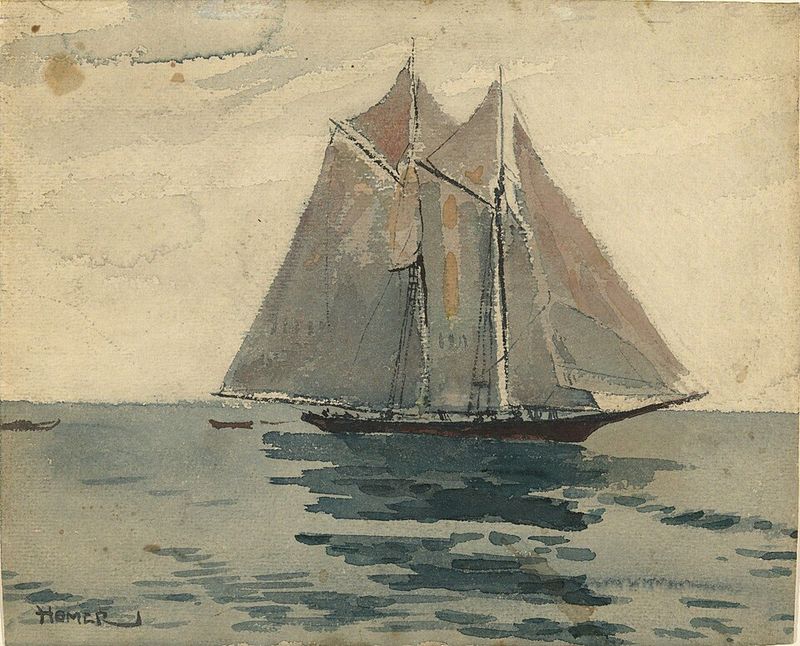
Gloucester’s working waterfront still paints itself, but early oils and photographs capture the soul.
Schooners under full sail, crew portraits, and harbor panoramas are enjoying renewed demand.
Maritime collectors love pieces that feel like salt and wind.
Authenticity is about brushwork, canvas age, and labels from regional galleries.
When a painting matches a documented vessel, the value conversation changes instantly.
Hang art away from the sun and track frames for condition issues.
Estate sales on the North Shore have surprised even seasoned pickers this year.
Prices show a steady climb for evocative scenes with good scale.
If your heart jumps when you see it, odds are someone else’s will too.
Gloucester keeps the wind in this category’s sails!
14. Lexington And Concord Commemorative Medals

Anniversary medals for Lexington and Concord bridge souvenirs and serious medals.
Sharp relief, original cases, and designer signatures push the best examples forward.
Massachusetts collectors appreciate how these pieces carry battlefield echoes without the fragility of paper.
Condition drives value: look for undisturbed patina, tight hinges, and intact ribbons.
Named pieces or presentation examples sit in their own tier. Auction results have crept upward as more people build themed trays.
Verify designers, mint marks, and edition sizes when possible.
Catalogs from centennial and bicentennial events help track authenticity.
If your piece comes with programs or photos, keep the package together.
Display on inert trays and avoid over polishing that erases character.
Medals photograph beautifully, which helps on resale.
Boston area shows have consistent demand, and the curve still points up.
15. Harvard Yard Yearbooks And Club Photos

Old Harvard yearbooks, class albums, and club photos are back in focus.
Names that later shaped law, science, and arts turn pages into treasure.
Massachusetts buyers love the campus connection, and national buyers follow the famous signatures.
Condition matters, but completeness matters more.
Marginalia, programs tucked inside, and inscriptions can add a surprising premium.
Team photos with early athletes or future leaders move first.
Check bindings, plate guards, and photogravure quality to confirm period production.
Beware of facsimiles that lack the tactile depth of old paper!
Library marks can be fine if they tell a clear origin story.
When an album includes a recognizable name, highlight it upfront!
The demand curve is steady because the alumni network never sleeps.
16. Boston Marathon Memorabilia And Bibs

The Boston Marathon is an engine of emotion, and its memorabilia captures that stamina.
Boston pride runs deep, and buyers feel it!
Vintage bibs, finisher medals, and early course maps are sprinting up the collecting charts.
Items tied to landmark years or notable runners carry extra pace.
Authenticity is about numbers, names, and timing chips where applicable.
Provenance from a runner, with photos or finish line newspaper clippings, seals the deal.
Condition helps, but honest sweat tells a better story than pristine blanks.
Frame with UV glass and acid free mounts to keep colors true.
Sets that include training logs or official jackets make compelling displays.
Charity bibs and milestone anniversaries often see wage bidding among locals.
Expect steady appreciation as the race keeps producing new legends.
If you can match a bib to a published result, you have something special!
17. Plymouth Colony Maps And Early Town Plans
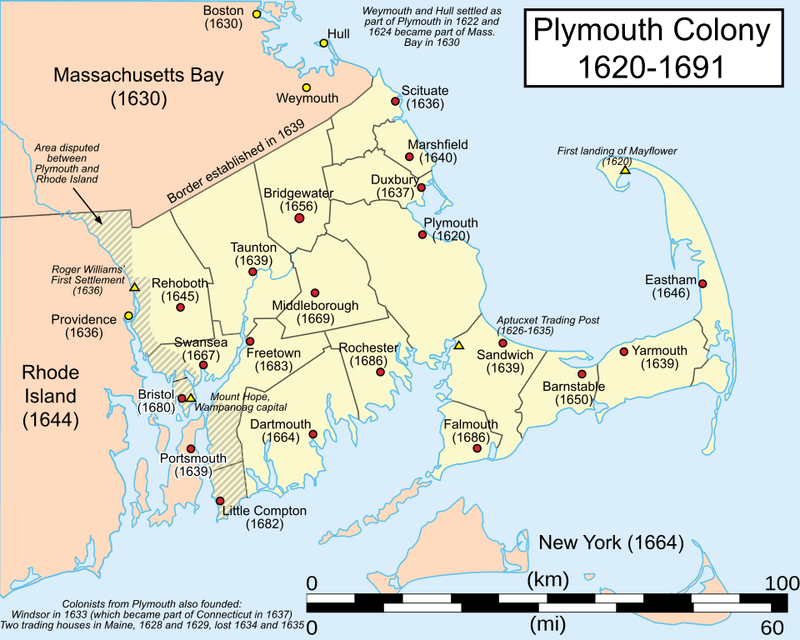
Maps turn Massachusetts history into a landscape you can unfold.
Plymouth Colony charts and early town plans show boundaries, meetinghouses, and the coast that shaped everything.
Collectors are finding renewed energy in pieces with crisp engraving and named landowners.
Authenticity checks include paper type, plate marks, and watermark visibility when lit.
Later reprints have a place, but first states and early impressions blaze brightest.
Pair maps with period documents for a fuller story that attracts higher offers.
South Shore estates sometimes reveal folios that sat quiet for generations.
Prices are trending up because maps bridge decor and scholarship.
If a plan aligns with a current neighborhood, demand multiplies.
In Massachusetts, geography sells memories as much as lines.
18. Fenway Park Seats And Signage
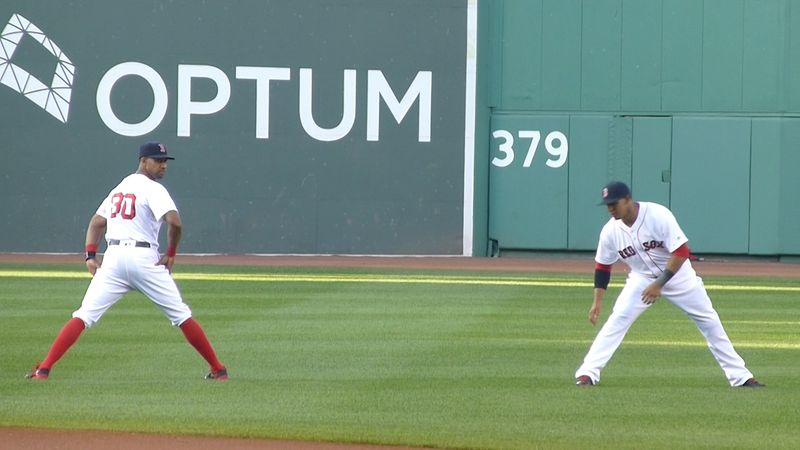
Fenway Park makes collectibles feel personal, and original seats and signage are the crown.
When the park rotates fittings, locals line up, and those pieces rarely come back to market.
The patina of green paint and the curve of old wood radiate story.
Verify serial plaques, removal paperwork, and any stadium sale documentation.
Beware of repaints that hide condition or mismatched metalwork.
Matching pairs and intact mounting hardware fetch premiums.
Display options range from wall mounts to small bench builds for an office.
Leave the scuffs, because they are the soul.
Prices are climbing alongside nostalgia and stadium renovations.
When a sign with iconic typography appears, do not hesitate.
After all, for Massachusetts locals, Fenway is not just a place, it is a heartbeat.