10 Depression Glass Patterns Georgia Collectors Prize
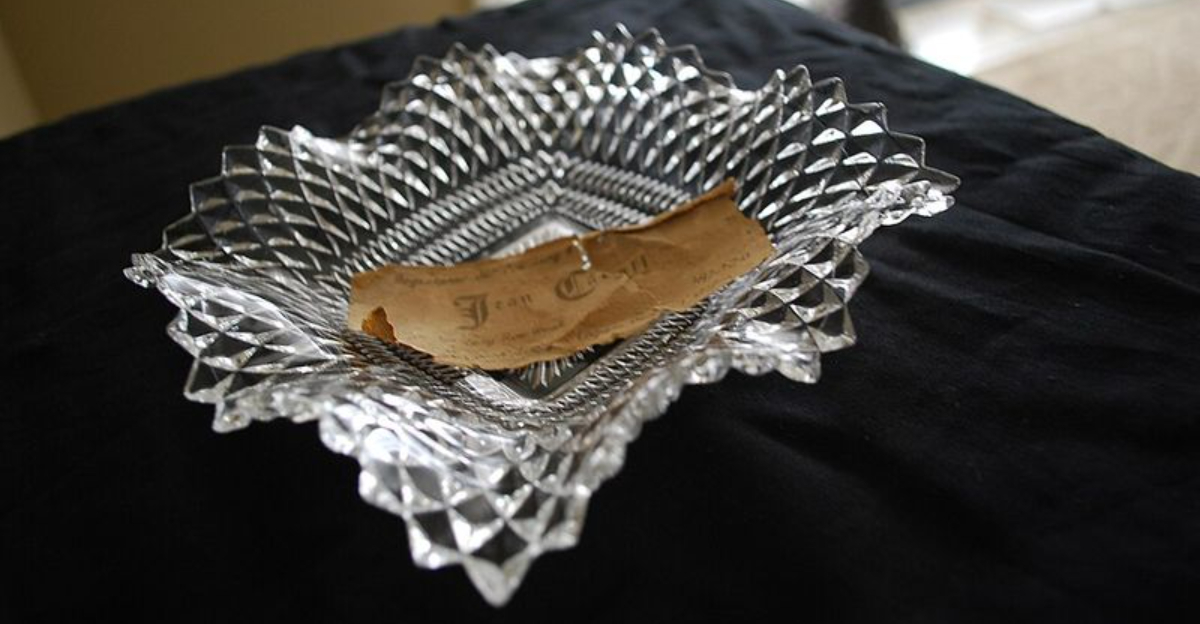
Depression glass continues to fascinate collectors because it represents beauty created during one of the most difficult economic periods in American history.
Produced primarily during the 1920s and 1930s, these colorful glass pieces offered households a sense of elegance and optimism when resources were scarce.
Today, collectors are drawn not only to the visual appeal of these patterns but also to the stories they tell about resilience, craftsmanship, and everyday life during the Great Depression.
Georgia collectors in particular have developed a deep appreciation for certain Depression glass patterns that blend artistry, rarity, and nostalgia.
From delicate florals to bold geometric designs, these twelve patterns remain among the most cherished and sought-after examples of Depression glass, continuing to enchant enthusiasts across generations.
1. Cameo
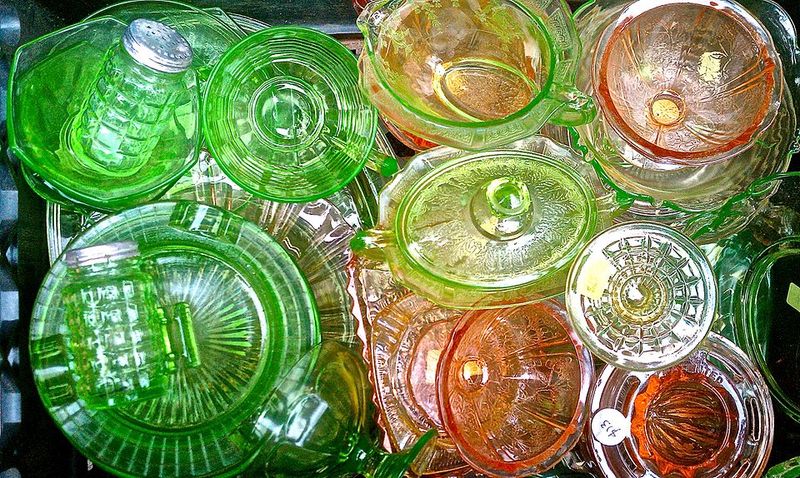
Cameo is widely considered one of the most iconic and emotionally resonant Depression glass patterns ever produced, largely due to its graceful depiction of a dancing ballerina framed by flowing floral elements.
The central figure appears almost frozen in motion, giving each piece a sense of elegance and storytelling that few other patterns can match.
Produced by the Hocking Glass Company between 1930 and 1934, Cameo was primarily manufactured in a soft green color that remains popular among collectors today.
While green pieces are relatively attainable, pink Cameo pieces are exceptionally rare and often command high prices due to their limited production.
Collectors are especially drawn to the balance of artistry and symbolism in this pattern, as it represents beauty and creativity during a time of widespread hardship.
Owning Cameo glass feels like preserving a small but powerful piece of American history.
2. Princess
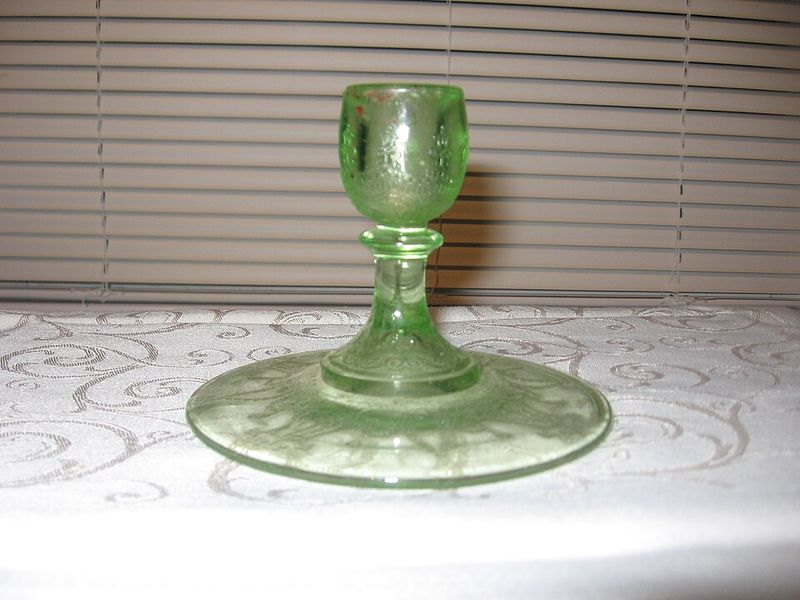
Princess stands out for its refined geometric design that reflects early Art Deco influences popular during the early 1930s.
Angular lines and faceted edges give this pattern a regal presence without overwhelming decorative excess.
Manufactured by the Hocking Glass Company, Princess was produced in several colors, though amber remains the most commonly collected.
Certain pieces, such as cream soup bowls and cake plates, are significantly rarer and therefore highly prized among serious collectors.
The appeal of Princess lies in its ability to feel both decorative and practical, making it a favorite among those who appreciate Depression glass that blends elegance with functionality.
Its enduring popularity reflects a timeless aesthetic that continues to resonate with modern collectors.
3. Madrid

This pattern is instantly recognizable thanks to its bold, curving patterns inspired by Spanish architectural motifs.
Introduced by the Federal Glass Company in 1932, this design brought a sense of dramatic flair to everyday tableware.
Amber Madrid pieces are the most commonly encountered, but blue examples are extremely rare and highly sought after.
Collectors often consider blue Madrid among the most valuable Depression glass finds due to its scarcity and visual impact.
The pattern’s strong lines and rich textures give it a commanding presence, making it especially appealing to collectors who favor bold statement pieces.
Madrid remains a testament to how expressive Depression-era glass could be.
4. American Sweetheart
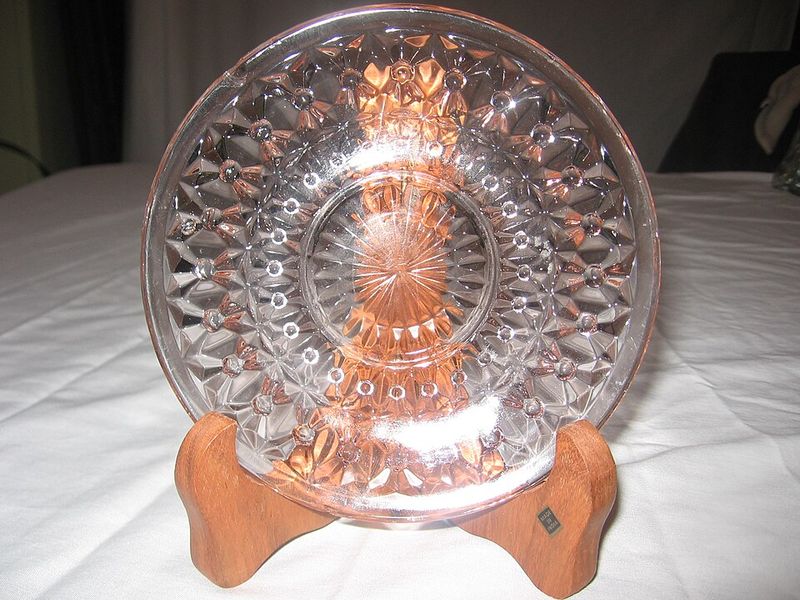
Such a design captures a sense of romance and delicacy that continues to charm collectors decades after its production.
Created by MacBeth-Evans in the early 1930s, the pattern features heart-like petals or open blossoms depending on how the design is interpreted.
The soft pink color most commonly associated with American Sweetheart enhances its gentle, feminine appeal.
Scalloped edges and flowing lines give each piece an almost lace-like quality when displayed in natural light.
Collectors value this pattern for its emotional warmth and graceful design, often choosing it for display rather than daily use.
American Sweetheart remains a favorite for those drawn to sentimental and visually soft Depression glass.
5. Patrician
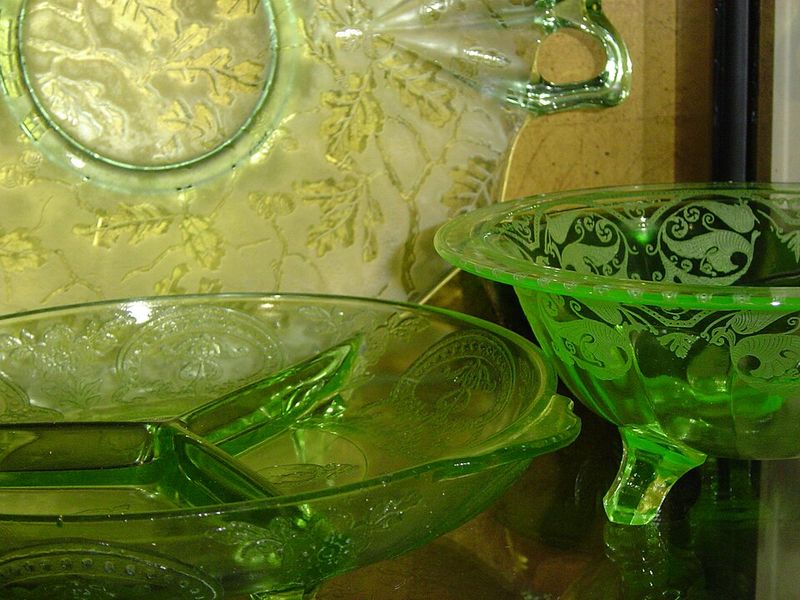
Understated elegance and refined simplicity define this pattern, making it a favorite among collectors who prefer subtle beauty over ornate decoration.
Produced by the Federal Glass Company between 1933 and 1937, the design features radiating lines that extend outward from the center in a spoke-like formation.
Amber pieces, particularly sherbet dishes, are especially valued for their warm tone and quiet sophistication.
The restrained design allows the glass itself to take center stage without relying on heavy ornamentation.
Collectors who favor timeless, classic aesthetics often gravitate toward this pattern for its balance of visual interest and restraint.
Its quiet beauty and versatility have ensured lasting popularity among Depression glass enthusiasts.
6. Mayfair
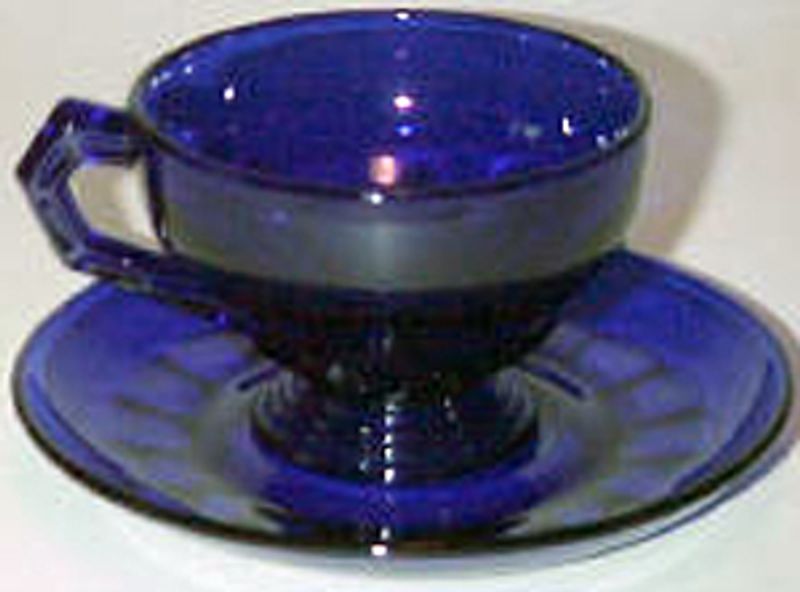
Romantic floral styling defines this pattern through open rose motifs that appear to bloom across every surface with graceful movement.
Produced by the Hocking Glass Company during the 1930s, it quickly became a favorite among households seeking beauty during difficult economic times.
The Moderntone Blue color variation is especially coveted today, often triggering competitive bidding at auctions and estate sales.
Covered candy dishes and cookie jars are considered the most prized pieces due to their scarcity and strong visual presence.
Collectors are drawn to the combination of delicate floral detail and limited color availability.
Its lush ornamentation continues to captivate enthusiasts who value decorative display pieces with emotional warmth.
7. Moongleam
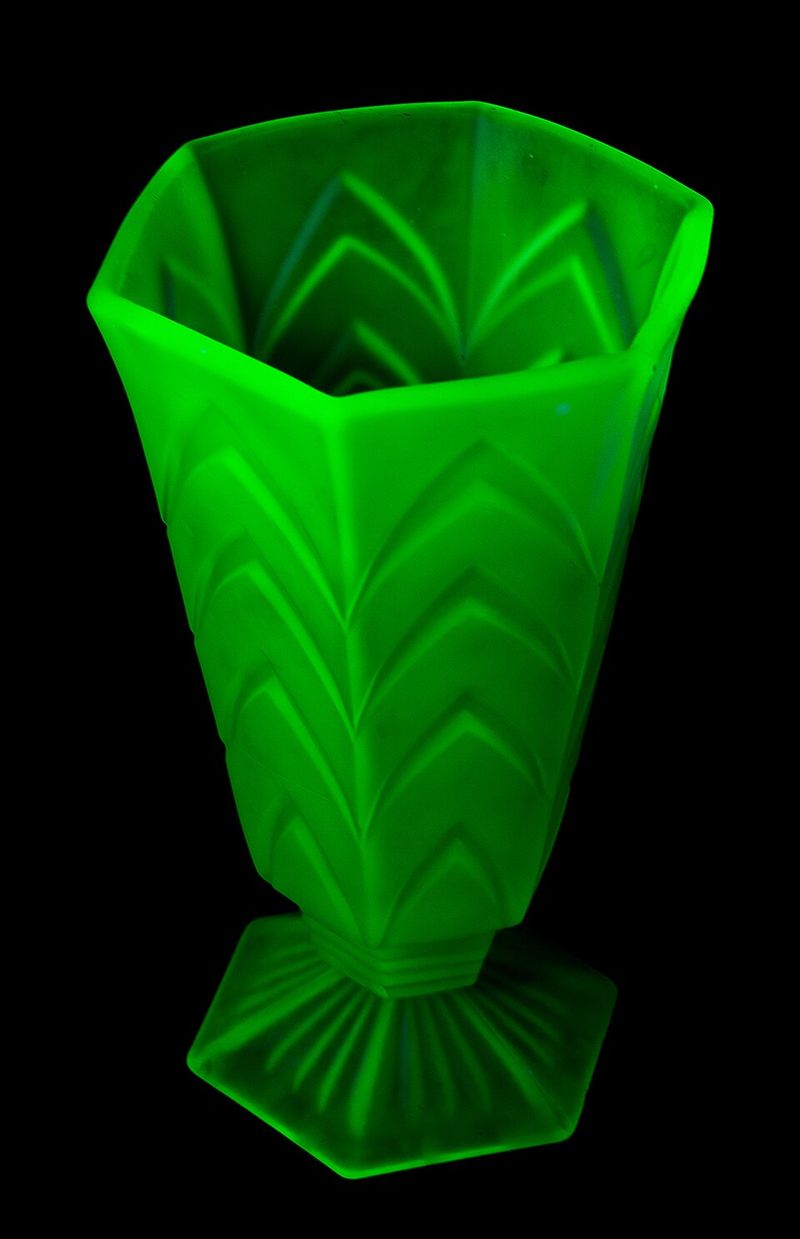
A luminous green tone defines this glassware, creating an effect that seems to capture and soften light as it passes through each piece.
Produced by the Heisey Glass Company during the 1920s and 1930s, the color was achieved through precise glassmaking techniques.
Candlesticks and compotes are especially desirable because their shapes allow the distinctive color to shine most dramatically.
The hue alone sets these pieces apart from other green Depression glass patterns.
Collectors often describe the visual effect as ethereal, noting how the glass appears to glow even in low light.
This combination of color mastery and refined form continues to enchant collectors who appreciate subtle elegance.
8. Miss America
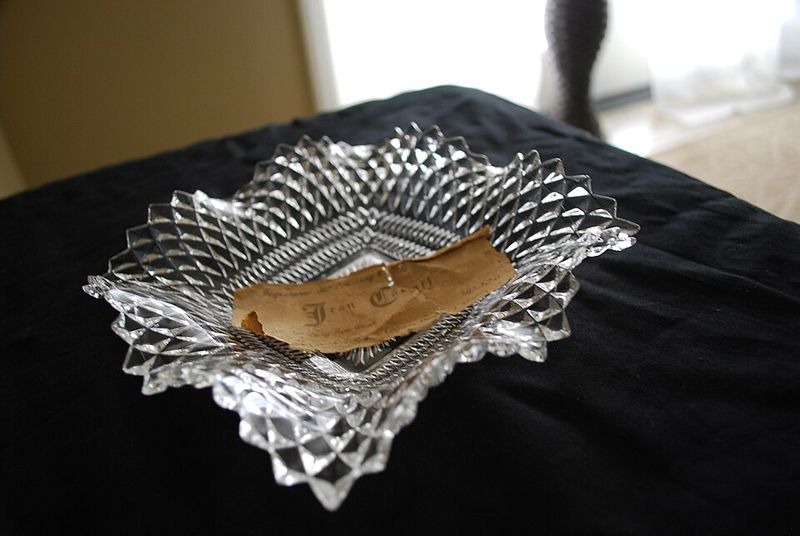
This pattern reflects a noticeable shift toward cleaner, more modern design sensibilities that emerged during the mid-1930s as consumer tastes began to evolve.
Produced by Hocking Glass from 1935 to 1937, the design features strong square shapes and sharply defined edges that create striking and dramatic light reflections.
Clear crystal pieces sparkle intensely, especially when arranged in display cabinets or placed under direct natural or artificial lighting.
Butter dishes and covered candy jars are among the most desirable items in the line due to their relative rarity and strong visual impact.
Collectors appreciate the precision, symmetry, and geometric clarity, which feel surprisingly contemporary even by modern design standards.
The enduring popularity of this pattern highlights its versatility, elegance, and ability to complement both vintage and modern collections.
9. Georgian
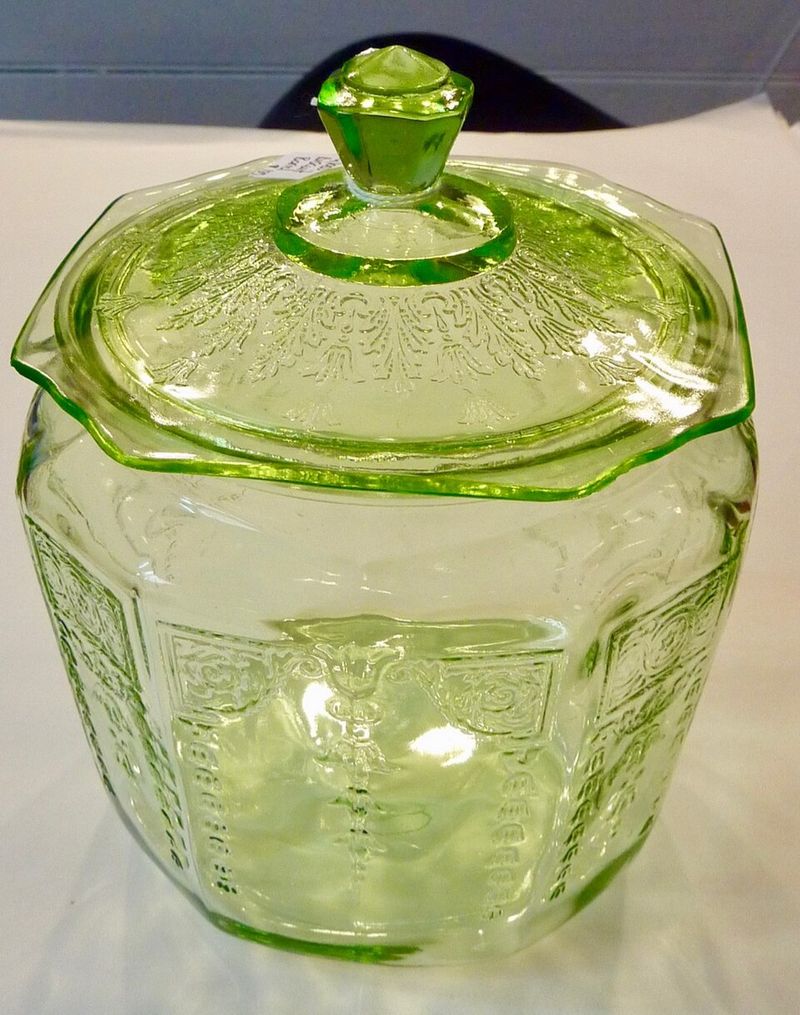
Romantic symbolism defines this pattern through the use of lovebirds nestled among flowing floral elements, creating an emotional design that resonated strongly during its era.
Produced by the Federal Glass Company between 1931 and 1936, the pattern reflected themes of companionship, hope, and affection during a time of widespread uncertainty.
The paired birds are widely interpreted as symbols of devotion and partnership, which gave the glass deep personal meaning for many households.
Collectors today are drawn to the storytelling quality embedded within each piece, rather than decorative appeal alone.
The combination of sentimental imagery and careful craftsmanship gives this pattern a timeless, heartfelt presence.
Its lasting popularity demonstrates how emotionally driven design continues to resonate with collectors across generations.
10. Sharon
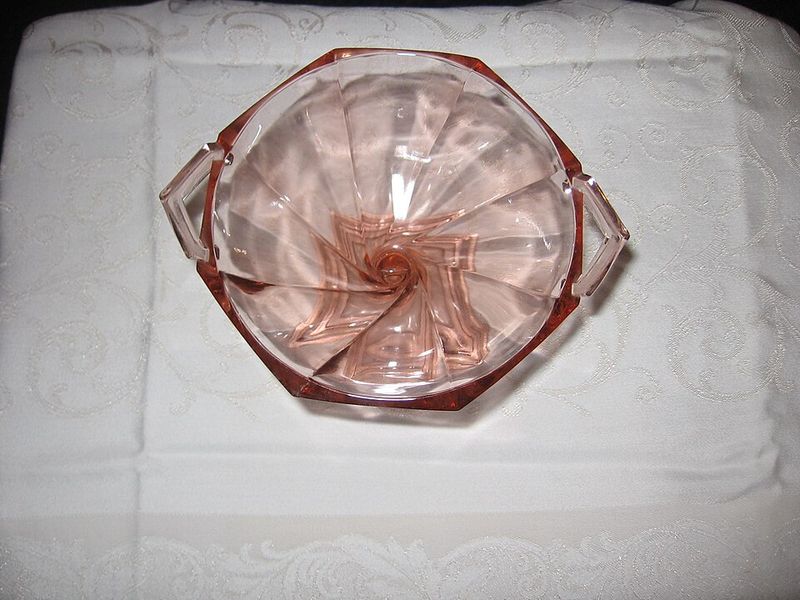
Lush floral decoration dominates this pattern through abundant cabbage roses and layered leaves that cover the surface with rich texture and detail.
Produced by the Federal Glass Company, the design showcases an impressive level of mold work that highlights the skill involved in Depression-era glassmaking.
Pink and amber examples remain the most commonly collected, each offering a distinct visual personality that appeals to different collector preferences.
The dense ornamentation creates depth and shadow that becomes especially striking when light passes across the glass.
Collectors value the romantic aesthetic and tactile richness that make each piece feel substantial and expressive.
This pattern continues to stand as a powerful reminder that beauty and artistry flourished even during the most challenging economic times.