Why Washed Linen Is The Must-Have Home Decor Trend In Washington State In 2026
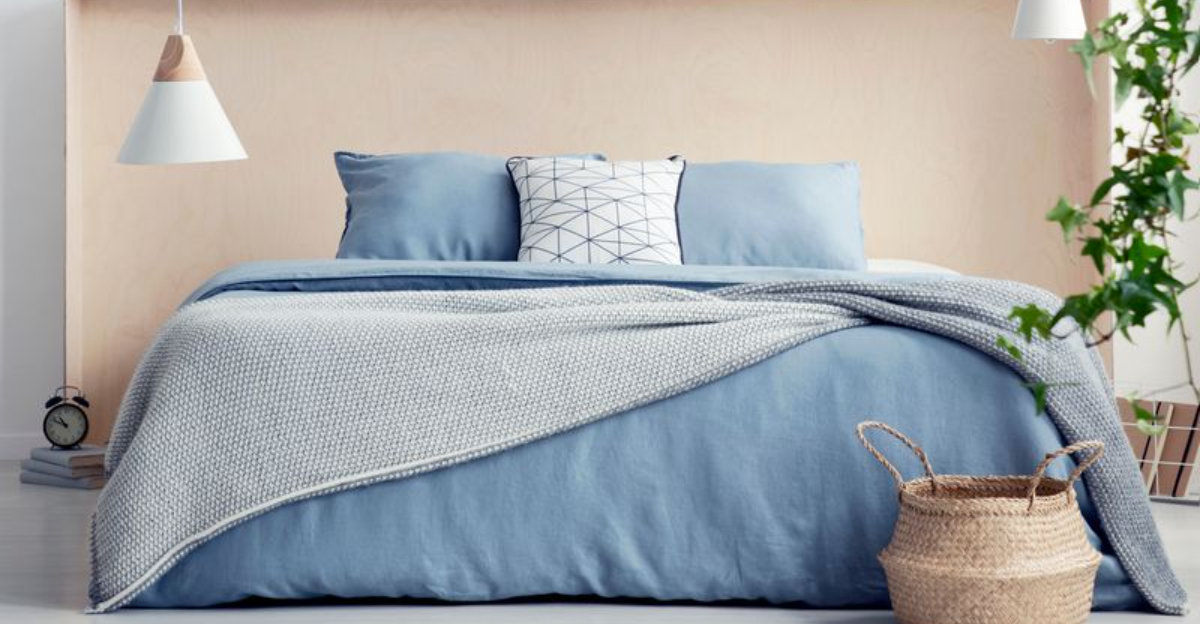
Washed linen has quietly become one of the most sought-after materials for homes across Washington State, transforming living spaces with its relaxed elegance and natural charm.
From bedrooms to living rooms, this breathable fabric brings warmth, sustainability, and effortless style to interiors that mirror the Pacific Northwest’s love for organic beauty.
As 2026 unfolds, more homeowners are choosing washed linen for its unique blend of comfort, durability, and eco-conscious appeal.
Here are compelling reasons why this timeless textile has earned its spot as a must-have decor trend in Washington homes this year.
Sustainability Meets Style in Every Thread
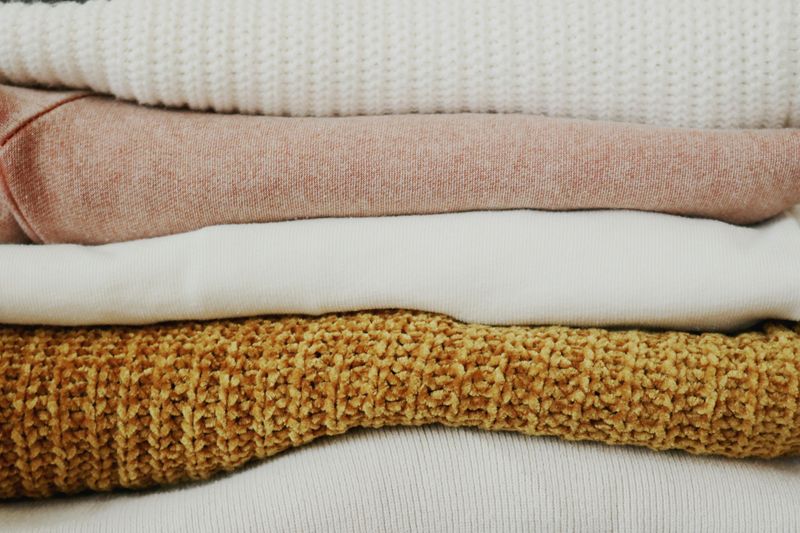
Flax plants need far less water and fewer pesticides than cotton, making linen one of the most environmentally responsible fabrics available today.
Washington homeowners who value green living appreciate that washed linen production leaves a smaller ecological footprint while still delivering beautiful results.
Every piece feels like a conscious choice rather than a compromise on aesthetics.
Biodegradability adds another layer of appeal for those mindful of waste and long-term environmental impact.
Unlike synthetic materials that linger in landfills for decades, linen naturally breaks down when its life cycle ends.
Choosing washed linen means investing in decor that respects both your home and the planet.
Local artisans and eco-focused shops across Washington State often carry linen goods that support sustainable supply chains.
This connection between material and values resonates deeply with communities that prioritize environmental stewardship.
Natural Tones That Soothe The Soul
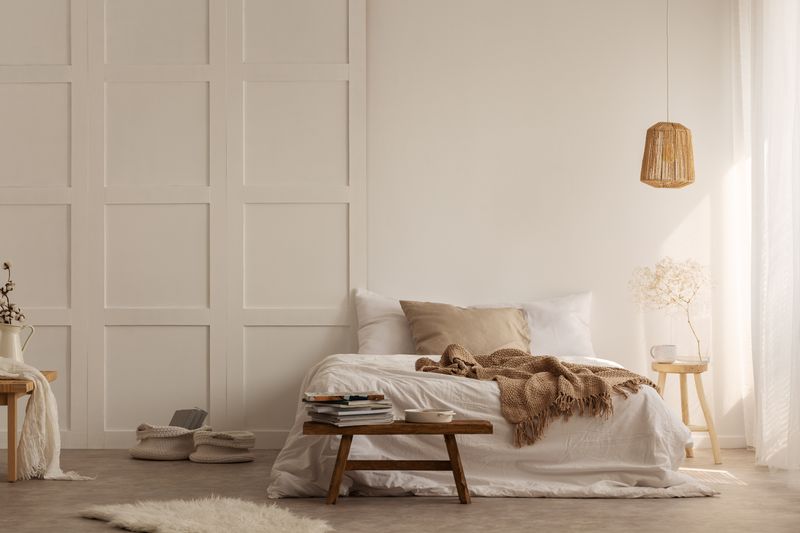
Soft beiges, gentle greys, and warm creams define the color palette of washed linen, creating interiors that feel calm and inviting without effort.
These neutral hues work beautifully in Washington homes where natural light shifts with the seasons and the landscape outside ranges from evergreen forests to coastal horizons.
The fabric’s understated elegance allows other design elements to shine while maintaining a cohesive, peaceful backdrop.
Biophilic design – a movement that emphasizes connection to nature – thrives when materials like washed linen are part of the picture.
The organic tones mimic the colors found in driftwood, river stones, and sandy shores, bringing the outdoors inside in a subtle yet meaningful way.
Rooms dressed in linen feel less like staged spaces and more like lived-in retreats.
Pairing washed linen with natural wood furniture or potted greenery enhances its soothing effect.
The result is a home environment that encourages relaxation and mindfulness, qualities highly valued in Washington’s wellness-oriented culture.
Versatility That Fits Any Design Vision

Whether your home leans minimalist, rustic, coastal, or eclectic, washed linen adapts effortlessly to complement your chosen aesthetic.
Its simple texture and muted colors serve as a flexible foundation that pairs well with bold accents or keeps things quietly sophisticated.
This adaptability makes it a favorite among interior designers and DIY decorators alike across Washington State.
In a minimalist space, linen adds warmth without clutter, softening stark lines and preventing rooms from feeling cold.
For farmhouse or cottage-style homes, it enhances the cozy, lived-in vibe that defines those looks.
Even in more contemporary settings, washed linen introduces an organic element that balances sleek surfaces and modern fixtures.
Mixing linen with other materials – like leather, metal, or ceramic – creates visual interest and depth.
The fabric’s neutral presence allows experimentation with textures and colors, giving homeowners creative freedom.
Washed linen works as a quiet hero, supporting whatever design story you want to tell.
Breathable Comfort For Changing Climates
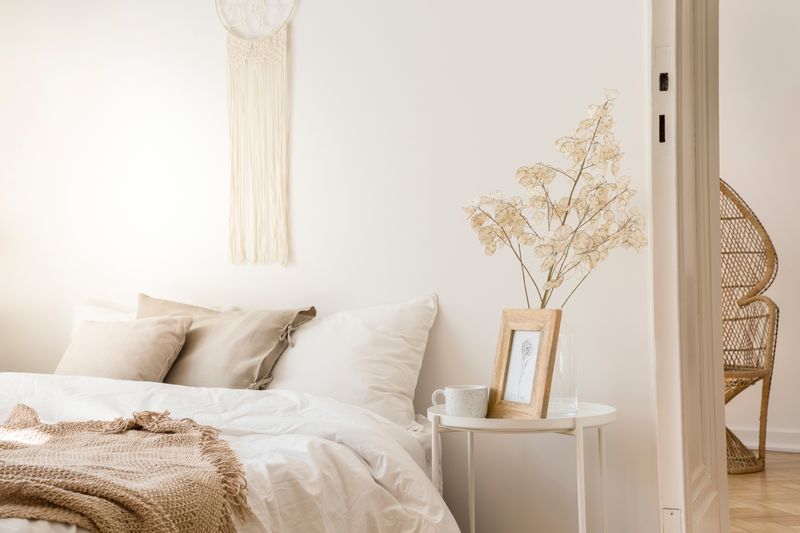
Washington’s climate can shift from damp, cool mornings to warmer afternoons, especially during spring and summer months.
Washed linen’s natural breathability helps regulate temperature, keeping spaces comfortable no matter the weather outside.
The fabric wicks away moisture and allows air to circulate, which is particularly helpful in bedrooms and living areas where comfort matters most.
Unlike synthetic textiles that trap heat and humidity, linen stays cool to the touch and dries quickly.
This makes it ideal for bedding, throw blankets, and even window treatments that experience varying light and temperature throughout the day.
Homeowners notice the difference, especially during warmer spells when heavy fabrics feel stifling.
Layering washed linen with other natural materials like cotton or wool allows for seasonal adjustments without overhauling entire rooms.
During cooler months, linen provides a breathable base layer that works well under heavier quilts.
Its year-round functionality makes it a practical investment for homes across the state.
Durability That Grows Better With Time
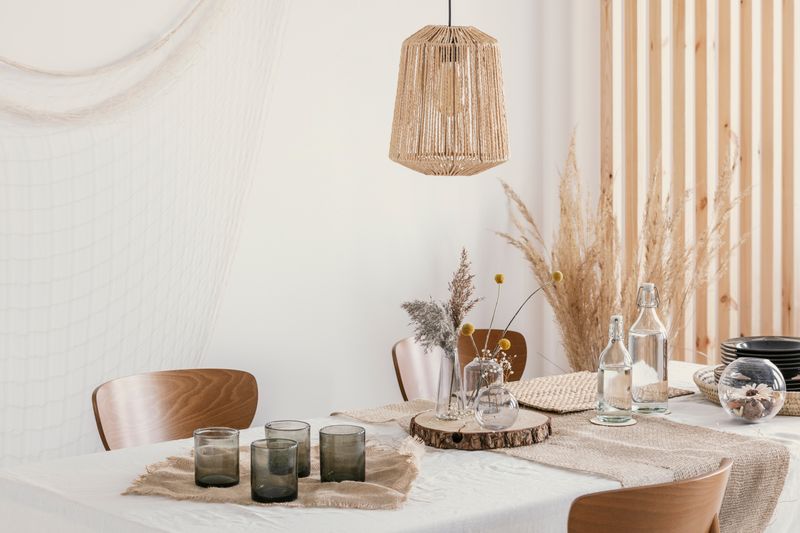
Linen is one of the strongest natural fibers, outlasting many other textiles even with regular use and washing.
Each trip through the laundry softens the fabric further, creating a texture that feels increasingly luxurious over time.
This quality appeals to Washington residents who prefer investing in long-lasting items rather than replacing decor frequently.
The natural rumpling and slight imperfections that develop with age add character rather than diminish value.
Unlike crisp, pristine fabrics that show wear as damage, washed linen embraces its lived-in look as part of its charm.
This forgiving nature makes it ideal for busy households, homes with pets, or anyone who values low-maintenance elegance.
Proper care is simple – most linen items can be machine washed and air dried without special treatments.
The fabric resists pilling and holds up well against everyday wear, making it a smart choice for high-traffic areas.
Washed linen is an investment that pays dividends in both beauty and practicality.
Warm Minimalism Brought to Life
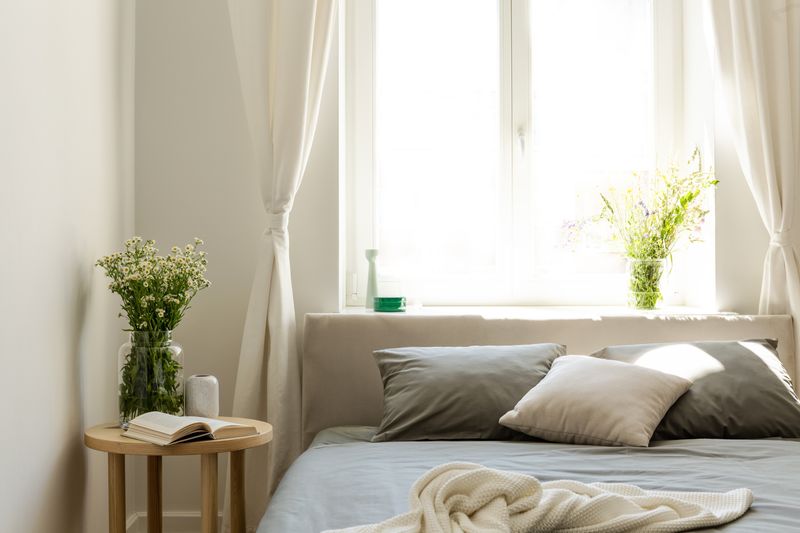
Stark minimalism has given way to a softer approach in 2026, where simplicity meets warmth through texture and natural materials.
Washed linen embodies this shift perfectly, offering clean lines without the coldness that can come with overly sparse design.
Washington homeowners embracing this trend find that linen adds just enough softness to make minimalist spaces feel welcoming.
The fabric’s gentle drape and subtle wrinkles introduce organic movement into rooms that might otherwise feel static.
This visual interest prevents interiors from appearing sterile while maintaining an uncluttered, intentional look.
Warm minimalism celebrates quality over quantity, and washed linen fits seamlessly into that philosophy.
Pairing linen textiles with warm wood tones, matte ceramics, and soft lighting creates an atmosphere that feels both modern and inviting.
The result is a home that looks curated but not overthought, comfortable but not cluttered.
Washed linen helps achieve that delicate balance, making it a cornerstone of this popular design direction.
Tactile Richness That Invites Touch

Smooth yet textured, washed linen has a distinctive feel that draws people in and encourages interaction with their surroundings.
The slightly nubby surface and relaxed weave create depth that flat, slick fabrics simply cannot match.
This tactile quality transforms everyday items – pillows, napkins, curtains – into sensory experiences that enhance the comfort of a home.
Interiors that engage multiple senses feel more complete and inviting, and touch is often overlooked in favor of visual appeal alone.
Washed linen remedies this by adding a layer of physical warmth and interest that makes spaces feel genuinely lived in.
Guests often comment on the cozy feel of linen-dressed rooms, even if they cannot pinpoint exactly why.
Layering different linen textures – such as a heavier weave for cushions and a lighter one for throws – adds dimension without overwhelming the eye.
This approach keeps rooms interesting while maintaining a cohesive, natural aesthetic.
Washed linen proves that great design is as much about how a space feels as how it looks.
A Reflection Of Washington’s Natural Beauty
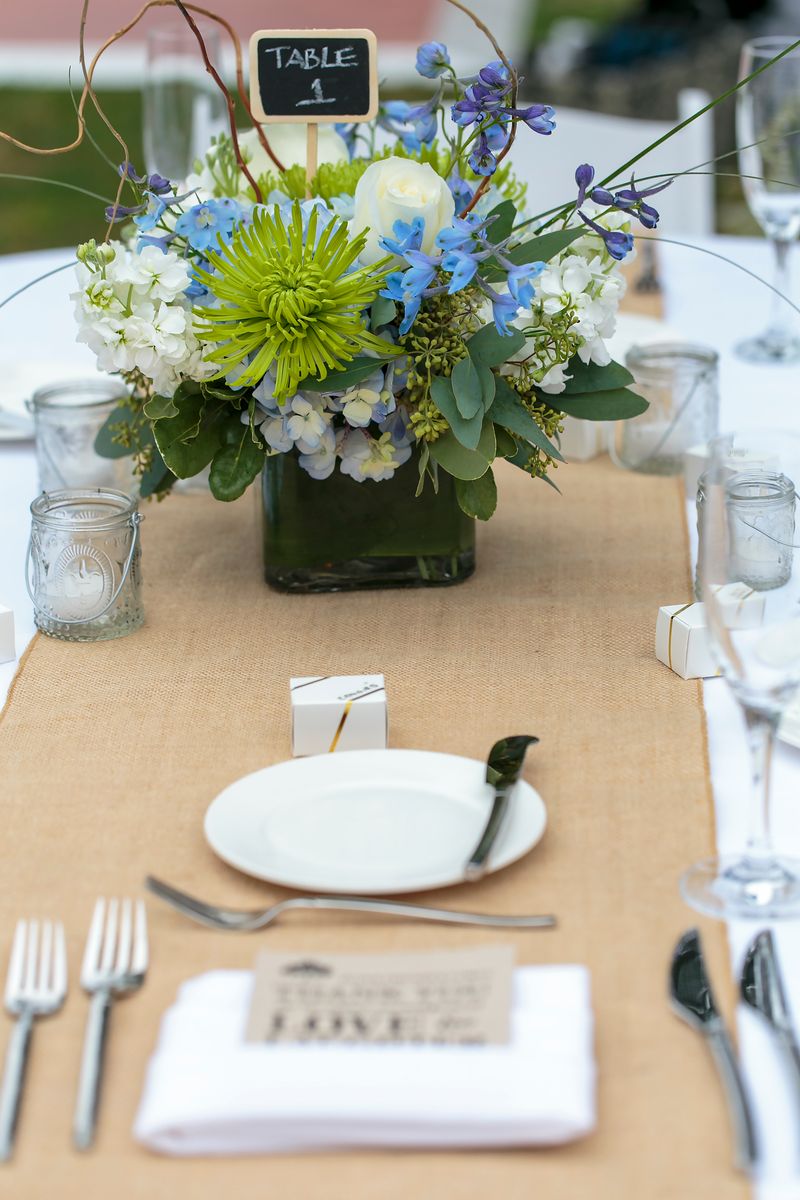
Washington State’s dramatic landscapes – from the San Juan Islands to the Cascade Mountains – inspire a design sensibility rooted in nature and authenticity.
Washed linen mirrors this connection with its organic origins and earthy aesthetic, making it a natural fit for homes throughout the region.
Residents who cherish the state’s natural beauty often seek decor that reflects those values indoors.
The fabric’s unrefined texture and muted colors echo the rugged coastlines, misty forests, and weathered driftwood found across Washington.
Incorporating linen into home decor becomes a way to honor and celebrate the local environment.
This cultural resonance strengthens the material’s appeal beyond mere aesthetics – it feels right for the place.
Supporting local artisans who work with natural fibers reinforces community ties and regional identity.
Many Washington-based makers and small businesses offer handcrafted linen goods that carry a sense of place and craftsmanship.
Choosing washed linen becomes an expression of both personal style and regional pride.
Perfect Pairing With Patina Blue
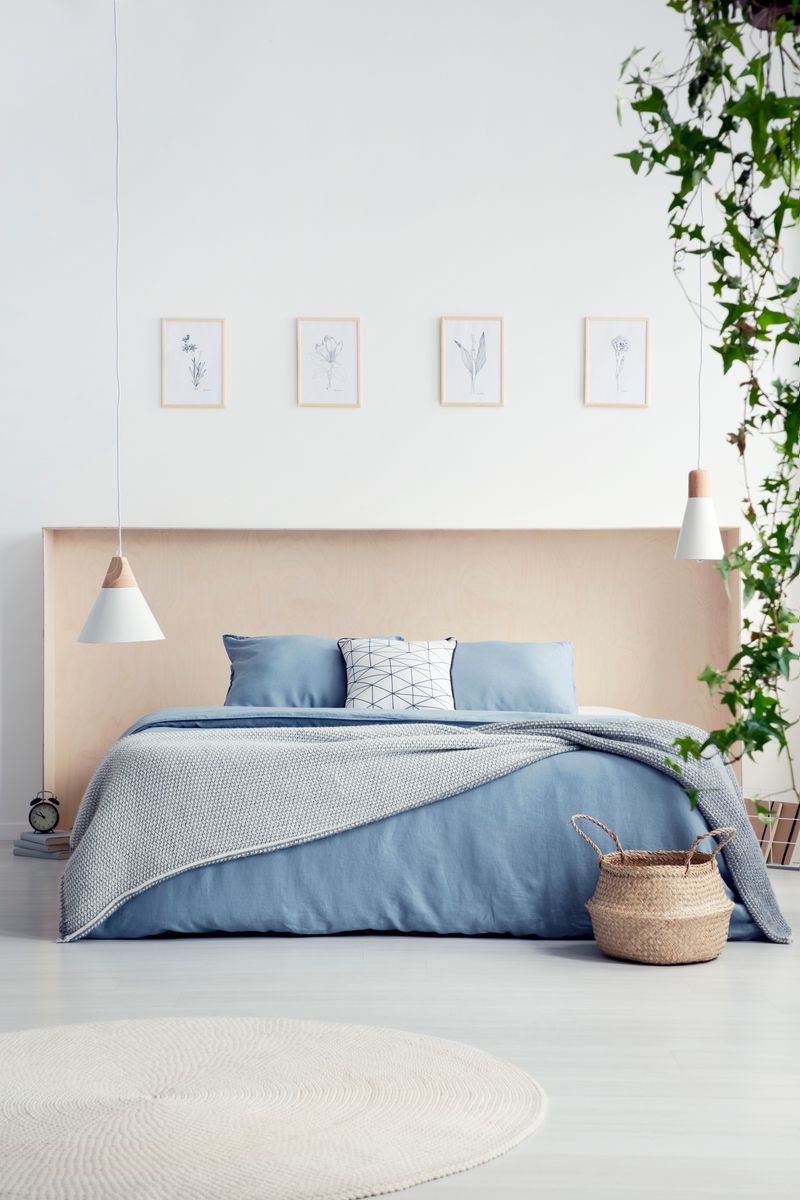
Etsy named Patina Blue its 2026 Color of the Year, a shade inspired by aged copper and weathered coastal elements.
This sophisticated blue-green hue pairs beautifully with the neutral tones of washed linen, creating interiors that feel both timeless and on-trend.
Washington homeowners experimenting with this combination discover a balance between contemporary color and classic texture.
Patina Blue adds depth and interest to linen’s soft palette without overwhelming its natural simplicity.
The two materials complement each other – linen provides a grounding, organic base while the blue introduces a pop of color that feels intentional yet understated.
Together, they create spaces that are visually engaging but never busy.
Incorporating this pairing can be as simple as adding blue-green throw pillows to a linen sofa or hanging patina-toned artwork above linen curtains.
The combination works in various rooms, from bedrooms to dining areas, offering flexibility and creative potential.
This color trend and washed linen are a match made for modern Pacific Northwest homes.
Supporting Local Artisans And Community
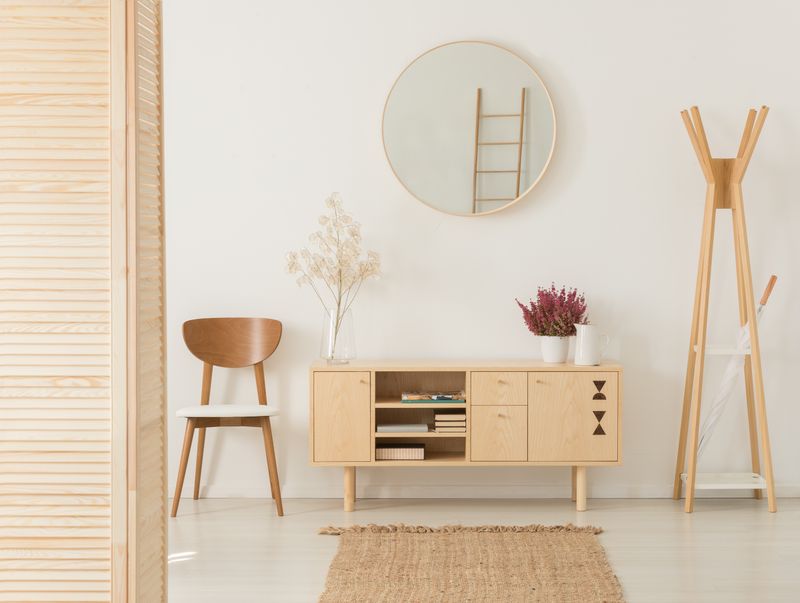
Choosing washed linen often means supporting small businesses and local makers who prioritize quality and craftsmanship over mass production.
Washington State is home to a thriving community of textile artisans, many of whom specialize in natural fibers like linen.
Purchasing from these creators fosters economic growth within the state while ensuring unique, well-made pieces for your home.
Local markets, boutique shops, and online platforms connect consumers with makers who pour skill and care into every item.
These transactions build relationships and tell stories, transforming home decor from impersonal purchases into meaningful investments.
Many artisans also offer custom options, allowing homeowners to tailor linen goods to their specific needs and preferences.
Supporting local also reduces shipping distances and environmental impact, aligning with the sustainability values that draw many to washed linen in the first place.
The sense of community and connection that comes from buying locally enhances the overall experience.
Washed linen becomes more than fabric – it becomes part of a larger narrative about place, people, and purpose.