The Montana Valley Village That Still Feels Frozen In Time
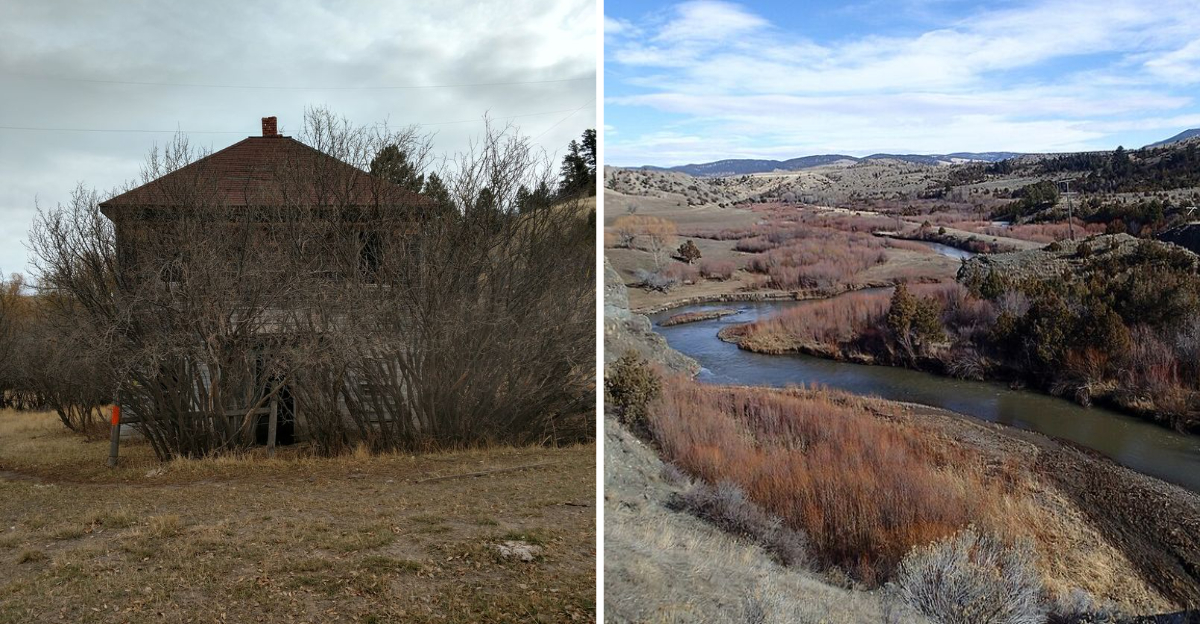
Tucked away in a narrow valley of northern Gallatin County, Maudlow stands as one of Montana’s most evocative remnants of the railroad era.
Weathered wooden structures and rusted tracks tell stories of a time when this tiny community thrived as a vital stop along the Milwaukee Road’s transcontinental line.
Though the trains stopped rolling through decades ago and most residents have moved on, Maudlow’s preserved buildings and untouched landscape create an atmosphere that feels suspended between past and present.
This unique place offering visitors a rare window into early 20th-century frontier life.
Named After A Railroad President’s Wife

R. A. Harlow served as president of the Montana Railroad, and his influence extended beyond business decisions into the naming of small communities along the line.
His wife, Maud, became immortalized when officials combined her first name with part of her husband’s surname to create “Maudlow.”
The first postmaster, George Dodge, later simplified the name to its current form.
This naming practice was common during the railroad expansion era, when company officials often honored family members or colleagues by attaching their names to new settlements.
Such personal touches created lasting connections between railroad leadership and the communities they helped establish.
Today, the name serves as a reminder of the personal stories woven into Montana’s development.
Few residents remain to recall the origin, but the name endures on maps and in historical records, preserving Maud Harlow’s legacy in this remote valley.
A Strategic Stop On The Milwaukee Road
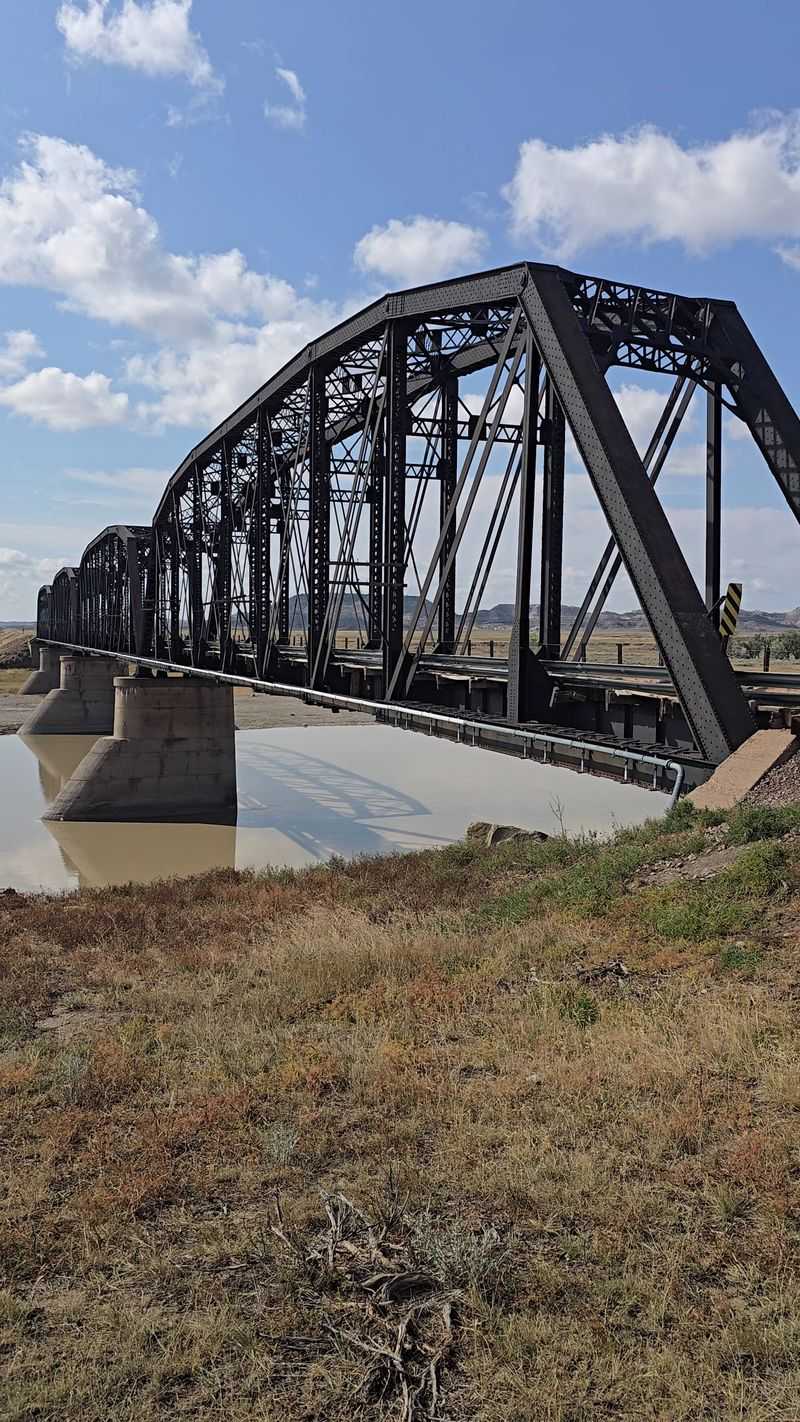
The Chicago, Milwaukee, St. Paul and Pacific Railroad – known affectionately as the Milwaukee Road – stretched across the American West as one of the last transcontinental lines built in the early 1900s.
Maudlow became a crucial station stop where trains could take on water, coal, and supplies while crews rested during the long journey across Montana’s challenging terrain.
Local ranchers and homesteaders relied on this stop to ship livestock and goods to distant markets.
The station also brought mail, news, and manufactured items to isolated families living in the surrounding valleys.
Railroad employees maintained section houses and equipment sheds in Maudlow, creating a small but vital community centered entirely around the tracks.
The strategic location in Sixteen Mile Canyon made it an ideal resting point between larger towns.
Without the Milwaukee Road, Maudlow would never have existed, and its abandonment decades later sealed the town’s fate as a frozen relic.
Sixteen Mile Canyon’s Scenic Beauty
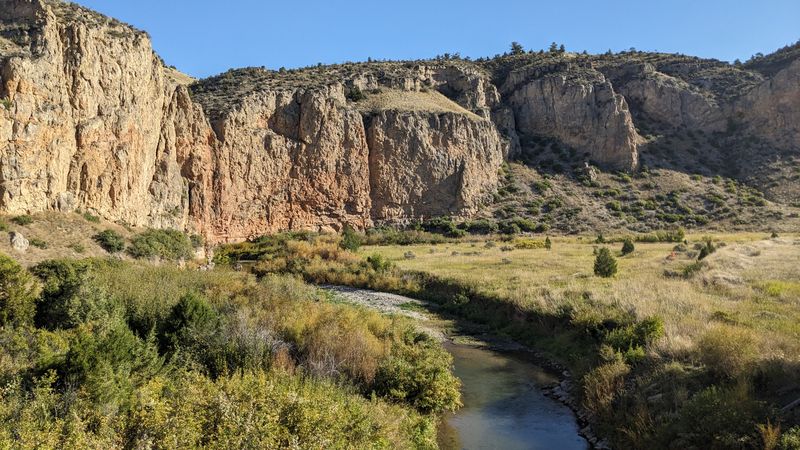
Travelers aboard the Milwaukee Road often remarked that the journey through Sixteen Mile Canyon ranked among the most spectacular stretches of the entire transcontinental route.
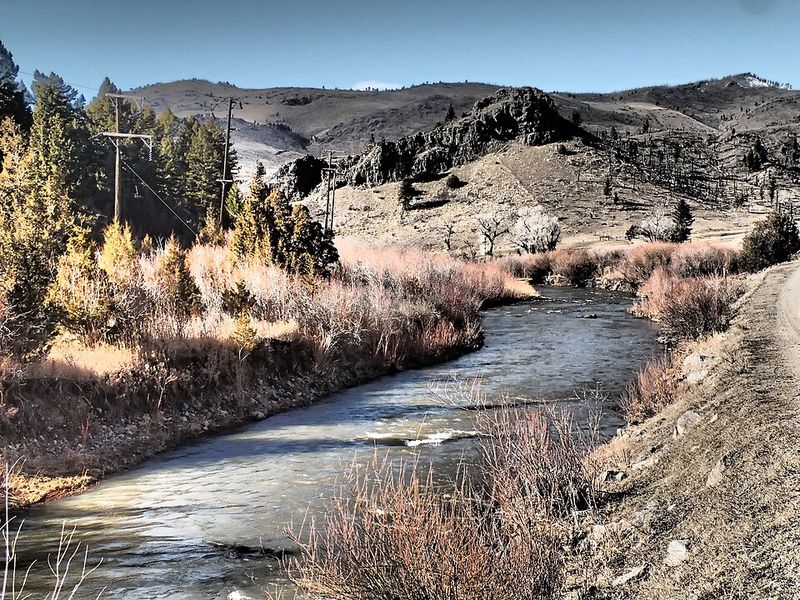
Steep canyon walls rise dramatically on both sides of the narrow valley, where Sixteen Mile Creek winds alongside the old railroad grade.
The canyon earned the nickname “Montana Canyon” due to its quintessential Big Sky Country characteristics – rugged rock formations, sparse vegetation, and wide-open skies visible above the towering ridges.
Passengers would press against train windows to photograph the scenery as locomotives chugged through this natural corridor.
Even today, visitors who make the trek to Maudlow find themselves surrounded by this unchanged landscape.
The isolation that once made the canyon challenging for railroad engineers now preserves its wild character.
Wildlife thrives in the area, and the creek continues its ancient path through the stone walls, just as it did when trains rumbled past daily.
Weathered Wooden Buildings Still Stand
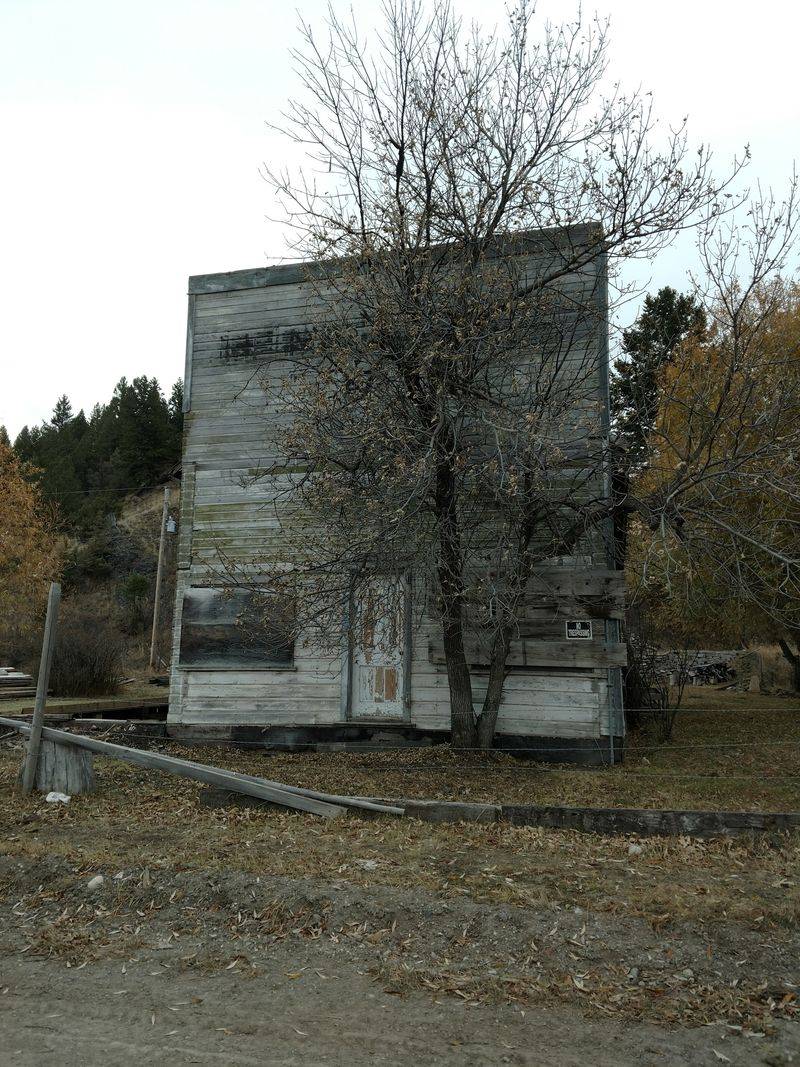
Walking through Maudlow feels like stepping onto a movie set, except these structures are authentically aged by decades of harsh Montana weather.
Several original wooden buildings remain standing, their boards silvered by sun and wind, roofs sagging under the weight of countless winter snows.
The dry climate has paradoxically helped preserve these structures, preventing the rapid rot that would claim similar buildings in wetter regions.
Nails protrude from warped planks, windows gape empty, and doorways open onto dim interiors where remnants of past lives occasionally surface – a rusted stove, a broken chair, fragments of wallpaper.
Photographers and history enthusiasts treasure these buildings as rare examples of unrestored frontier architecture.
Each structure tells a silent story about the families and workers who once called this remote valley home.
The buildings’ continued existence depends on their isolation, as development pressures that might threaten them elsewhere have never reached this forgotten corner of Gallatin County.
Railroad Abandonment In 1980

The Milwaukee Road faced mounting financial troubles throughout the 1970s as trucking and interstate highways drew freight away from rail transport.
Company executives made the difficult decision to abandon their Pacific Extension, including the line through Maudlow, in 1980.
For Maudlow’s few remaining residents, the closure meant the final severing of their connection to the outside world through the very infrastructure that had created their community.
Rails were pulled up, ties left to rot, and the right-of-way gradually returned to nature.
The abandonment transformed Maudlow from a barely-functioning community into a genuine ghost town almost overnight.
Without the railroad, there was simply no economic reason for anyone to remain.
Those who stayed did so out of stubborn attachment to the land rather than practical necessity.
The rusted remnants of railroad infrastructure – switch stands, signal foundations, and bridge abutments – now serve as monuments to the line that once defined this valley’s purpose and connected it to the broader world beyond the canyon walls.
Population Dwindled To Near Nothing
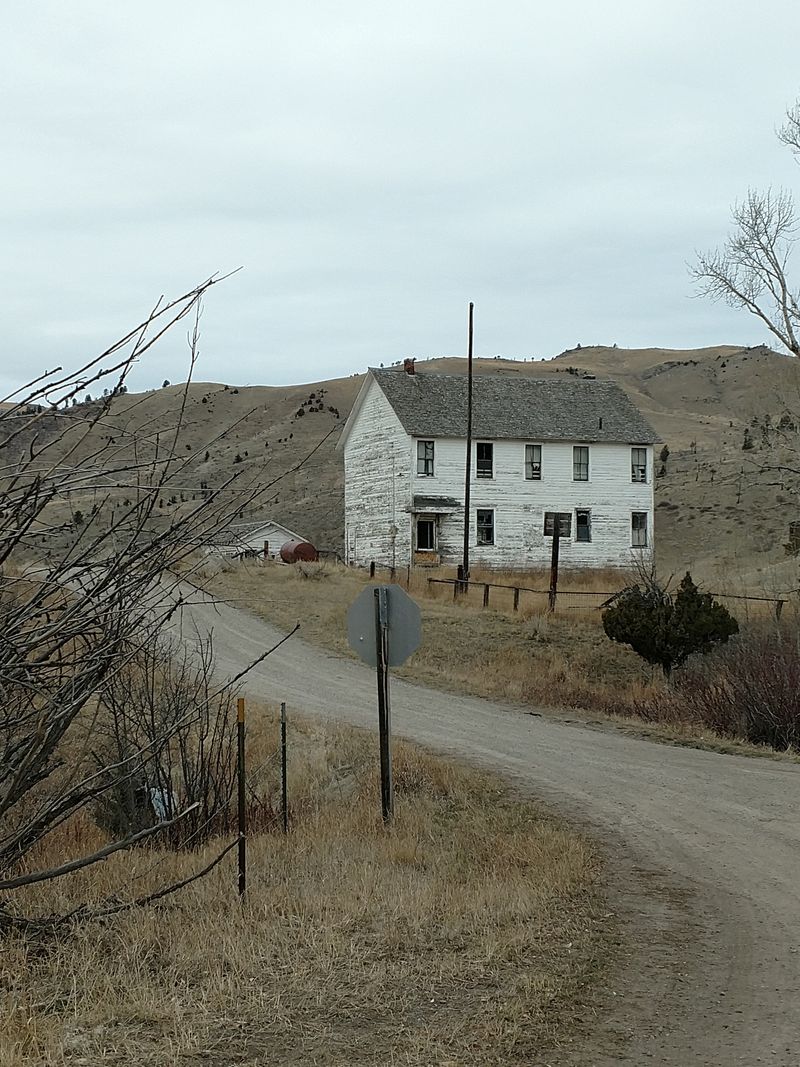
At its peak, Maudlow never housed more than a few dozen residents, but even that modest population represented a thriving community by frontier standards.
Railroad workers, their families, and local ranchers created a tight-knit social network centered around the depot and general store.
Children attended a one-room schoolhouse, families gathered for occasional dances, and the arrival of each train brought excitement and news from distant places.
As the railroad’s importance declined through the mid-20th century, families began moving to larger towns where jobs and services were more readily available.
By the time the tracks were abandoned in 1980, only a handful of die-hard residents remained, most of them elderly ranchers with deep roots in the area.
Today, Maudlow has no permanent population to speak of, though a few weathered structures may still shelter occasional visitors or serve as storage for distant landowners.
The census no longer bothers to count residents here, and the post office closed generations ago, leaving this valley to the wind and the memories.
Unincorporated Community Status

Maudlow never achieved formal incorporation as a municipality, remaining throughout its existence as an unincorporated community within Gallatin County.
This legal status meant the settlement had no official town government, no elected mayor or council, and no municipal services beyond what the railroad company or county might provide.
Residents handled their own affairs informally, relying on neighborly cooperation and the railroad’s infrastructure rather than governmental organization.
The post office provided the closest thing to an official presence, serving as a gathering point and communication hub.
This unincorporated status has implications even today, as there are no town boundaries to preserve, no municipal records to maintain, and no local authority to oversee the remaining structures.
The land simply exists as private property scattered across a remote valley, with the old townsite recognized more by tradition and historical maps than by any legal definition.
This administrative invisibility has contributed to Maudlow’s frozen-in-time quality, as no development regulations or municipal planning have ever guided its evolution or preservation.
Located Along Sixteen Mile Creek
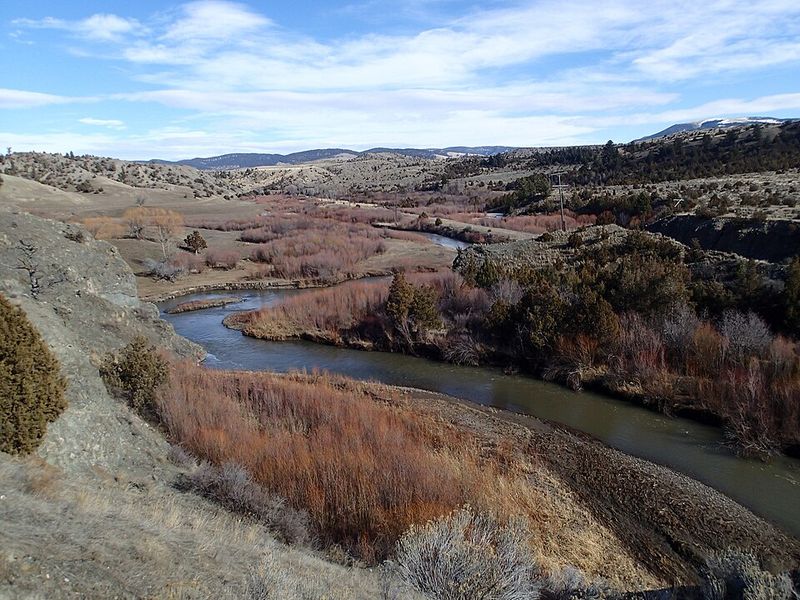
The creek that gives the canyon its name flows year-round through this narrow valley, providing the essential water source that made human settlement possible in this arid region.
Sixteen Mile Creek originates in the nearby mountains and follows a winding course through the canyon before eventually joining larger waterways in the valley below.
Early residents relied on the creek for drinking water, livestock watering, and the small gardens they attempted to cultivate in this challenging climate.
The railroad also used creek water for steam locomotives, pumping it into water towers for refilling engine tanks.
Today, the creek continues its ancient pattern, indifferent to the human drama that briefly unfolded along its banks.
Cottonwood trees cluster near the water, providing shade and habitat for birds and small mammals.
During spring runoff, the creek can swell considerably, reminding visitors of the powerful natural forces that shaped this landscape long before the railroad arrived and will continue long after the last building finally collapses into the earth.
Northern Gallatin County Location
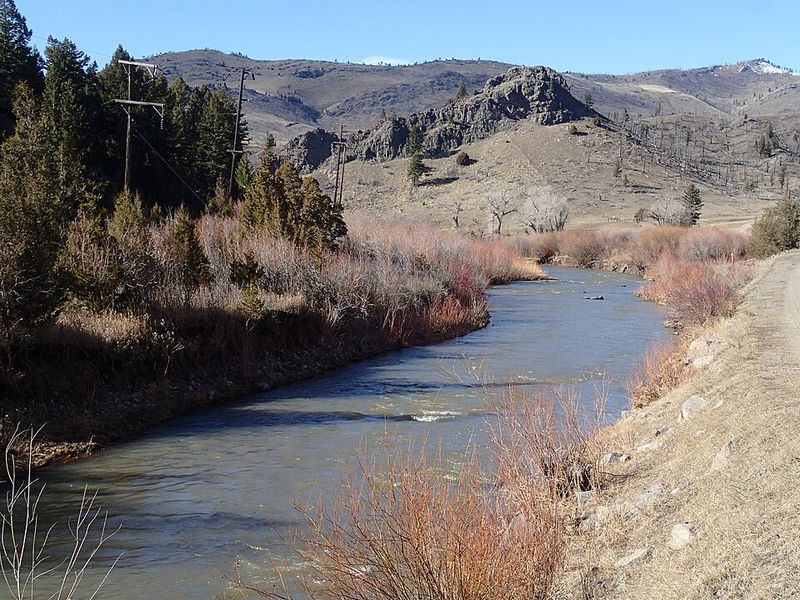
Gallatin County stretches across a vast area of southwestern Montana, encompassing both the bustling college town of Bozeman and remote wilderness areas that see few human visitors.
Maudlow sits in the county’s northern reaches, far from the population centers and tourist attractions that define the region for most people.
The location places Maudlow roughly between the communities of Ringling and Maudlow, though calling these “communities” overstates their current status – both are essentially ghost towns themselves.
The nearest functioning town of any size requires a significant drive over rough roads.
This northern location means harsher winters, shorter growing seasons, and greater isolation than communities in the more temperate valleys to the south.
The county provides minimal services this far from its population centers, leaving the area largely to ranchers working vast properties and occasional history seekers.
The distance from Bozeman’s growth and development has protected Maudlow from the sprawl that has transformed other historic sites in the county, preserving its authentic ghost town character through sheer remoteness.
Homesteader And Rancher Community
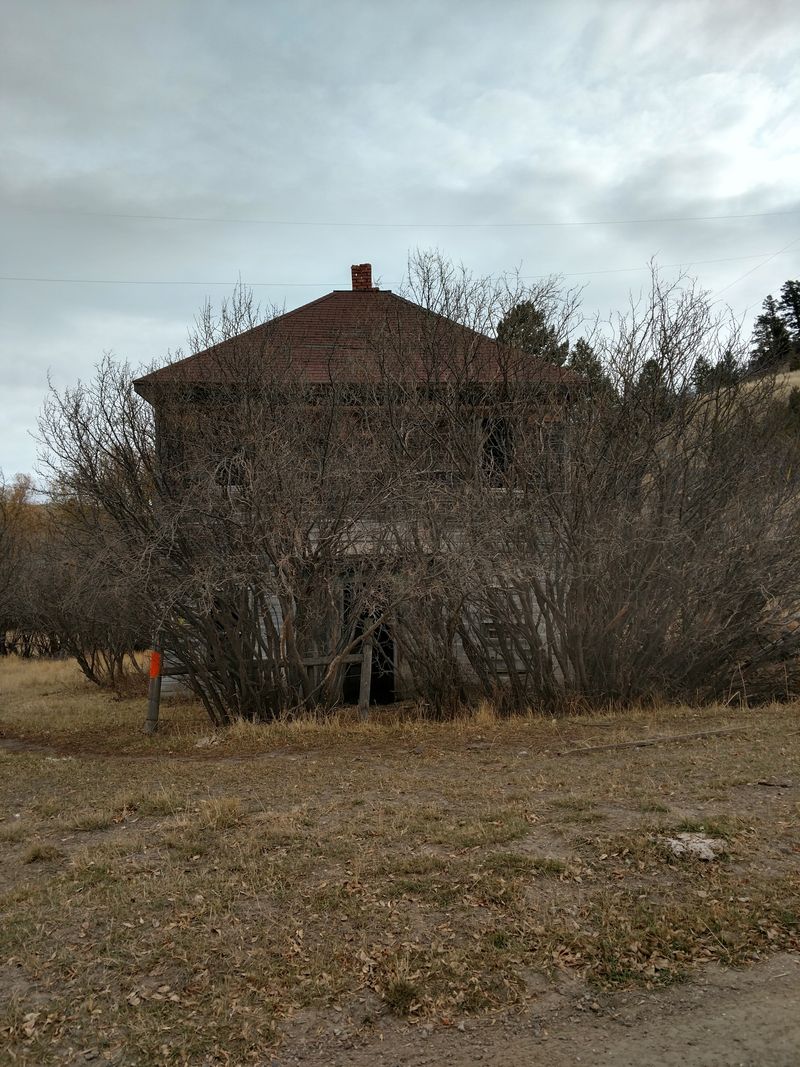
Beyond the railroad workers who staffed the station, Maudlow served a scattered population of homesteaders and ranchers who had claimed land in the surrounding valleys under various federal land grant programs.
These hardy families attempted to make a living from the thin soils and sparse rainfall that characterize much of Montana’s high plains.
Cattle ranching proved more viable than crop farming in this environment, and many homesteaders eventually expanded their holdings into larger ranches or sold out to neighbors with more capital and better luck.
The Maudlow depot became their lifeline to markets and supplies, allowing them to ship cattle to stockyards and receive manufactured goods they couldn’t produce themselves.
Social life revolved around the few occasions when isolated families could gather – holidays, community dances, and the simple excitement of train arrival days.
Children from distant ranches might board in town during school terms, creating temporary populations that swelled Maudlow’s numbers.
The ranching tradition continues in the broader region today, though the families who remain work vast properties and drive to distant towns for their needs, no longer depending on the ghost town that once served their predecessors.
Glimpse Into Montana Railroad Heritage
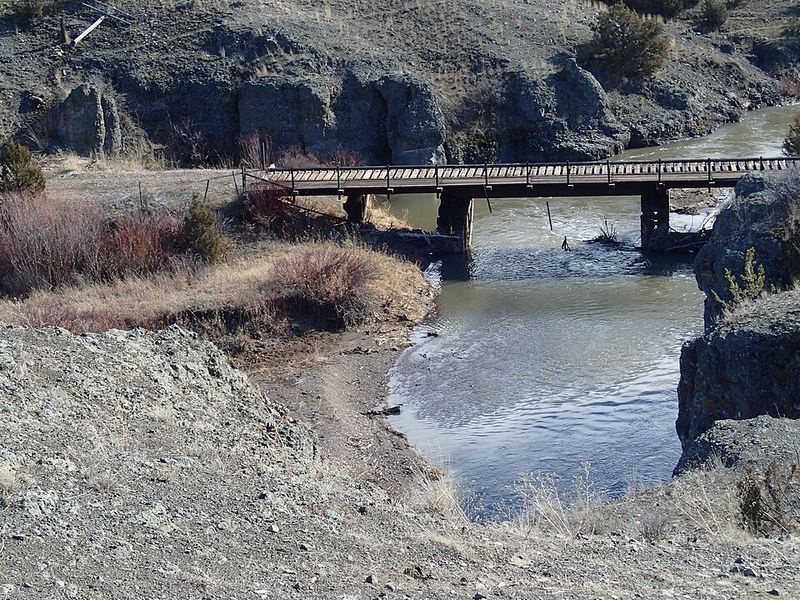
Montana’s development followed the railroad tracks westward, with communities springing up wherever the companies established stations, sidings, and maintenance facilities.
The Milwaukee Road’s Pacific Extension represented one of the last great railroad building projects in American history, completed just before automobiles and highways began to reshape transportation.
Maudlow embodies this brief but crucial era when railroads dominated Montana’s economy and connected isolated communities to national markets and culture.
The town’s rise and fall mirror the broader story of railroad-dependent communities across the West.
Historians and railroad enthusiasts value sites like Maudlow because they preserve physical evidence of construction techniques, community planning, and daily life from the railroad era.
Unlike restored or commercialized historic sites, Maudlow’s abandonment has left it largely untouched, offering authentic rather than interpreted history.
The Milwaukee Road itself has become legendary among railroad historians, and its remnants scattered across Montana form a kind of pilgrimage route for those interested in this chapter of Western development.
Maudlow stands as one of the most accessible and evocative stops on that route.
Silent Witness To A Bygone Era
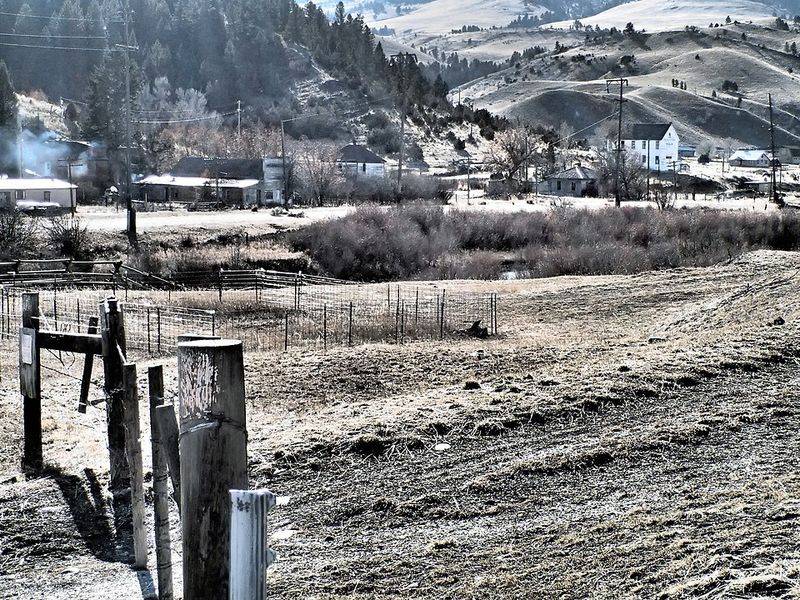
Perhaps Maudlow’s greatest significance lies not in what it actively preserves but in what it silently represents – the countless small communities that briefly flourished and then faded as economic forces shifted and populations moved on.
Walking through the empty townsite evokes a profound sense of impermanence and the relentless passage of time.
The buildings don’t speak, but their weathered boards and sagging frames communicate volumes about the hardships faced by those who built them, the hopes that drew people to this remote valley, and the disappointments that eventually drove them away.
Every rusted nail and broken window represents individual human stories that are now mostly lost to time.
Visitors often report feeling a strange mixture of melancholy and fascination when exploring Maudlow.
The site serves as a meditation on the transient nature of human settlement and the power of natural forces to reclaim what we temporarily occupy.
Unlike more dramatic ghost towns with violent histories, Maudlow simply faded quietly away, making it perhaps more relatable and poignant – a reminder that most human endeavors eventually return to silence.
Unique Destination For History Seekers
Adventurous travelers seeking authentic historical experiences rather than polished tourist attractions find Maudlow particularly rewarding.
The site offers no visitor center, no interpretive signs, no gift shop – just the raw experience of encountering history in its unfiltered state.
Reaching Maudlow requires commitment, as the roads leading to the site can be challenging, especially in wet weather or winter conditions.
Four-wheel-drive vehicles are often necessary, and visitors should come prepared with supplies, as services are nonexistent in the area.
Photography enthusiasts particularly treasure Maudlow for its authentic textures and the dramatic interplay of weathered human structures against the wild canyon landscape.
The site attracts fewer visitors than more famous Montana ghost towns, meaning those who make the journey often have the place entirely to themselves for contemplation and exploration.
Respect for private property and historical preservation ethics is essential, as the remaining structures are fragile and legally protected.
Those who visit responsibly come away with a deeper appreciation for Montana’s complex history and the resilient individuals who briefly made this remote valley their home.