16 Everyday Home Features In Washington That Can Cause Costly Code Issues
Toners, I’m all but confident you’ve been there.
You think that if something’s been part of your house for years, it must be fine!
But, in the Evergreen State, that assumption can lead to surprises.
Building codes change, standards evolve, and features that once passed inspection may no longer meet current requirements.
Others never fully complied to begin with, especially in older homes or DIY-heavy renovations.
What looks like a harmless upgrade can suddenly turn into a costly fix.
Things like stair dimensions, ventilation setups, or electrical changes often fly under the radar until someone knowledgeable takes a closer look.
Washington’s mix of older homes, coastal climate concerns, and strict safety regulations adds another layer of complexity.
Moisture control, energy efficiency, and fire safety standards are taken seriously, which means certain design choices can create problems without obvious warning signs.
This list breaks down some features that homeowners in Washington often overlook but that can violate building codes.
Understanding these common pitfalls may help you prevent expensive corrections, project delays, and unnecessary stress!
A little awareness now can save a lot of frustration later, especially when it’s time to renovate, refinance, or sell!
1. Unpermitted Backyard Sheds
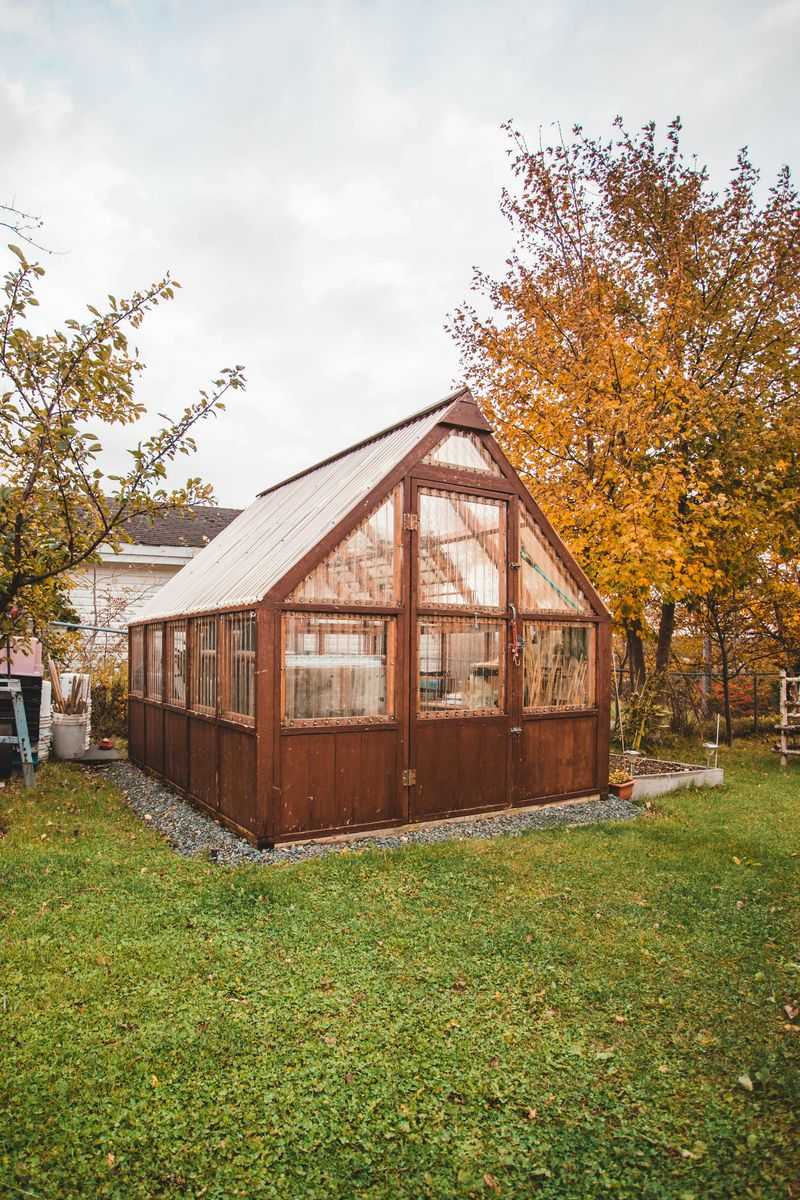
A backyard shed seems simple, but in Washington many jurisdictions require a permit if the structure exceeds certain size limits or includes electricity.
Cities like Seattle and Tacoma often set thresholds around 200 square feet, with zoning rules for setbacks from property lines.
Even smaller sheds may need to respect stormwater and impermeable surface caps, which can surprise homeowners.
You see, placement really matters.
A shed tucked too close to a fence can violate side or rear yard setbacks, especially on corner lots with special sight triangle rules.
If you plan to run power for lights or chargers, an electrical permit and GFCI protected circuits are typically required under the Washington State Energy Code and electrical code updates.
Drainage is another hidden tripwire.
Increasing hardscape can trigger on site infiltration requirements or stormwater best management practices, particularly in Western Washington where runoff rules are strict.
Before buying that prefab, check your city’s permit portal, verify distances from property lines, and confirm maximum height allowances.
If you are within shoreline zones or critical areas, additional review can apply even for small structures.
You will save headaches by sketching the location on a site plan and requesting a quick zoning review.
A little paperwork now beats a correction notice and forced relocation later.
2. Short Term Rental Conversions
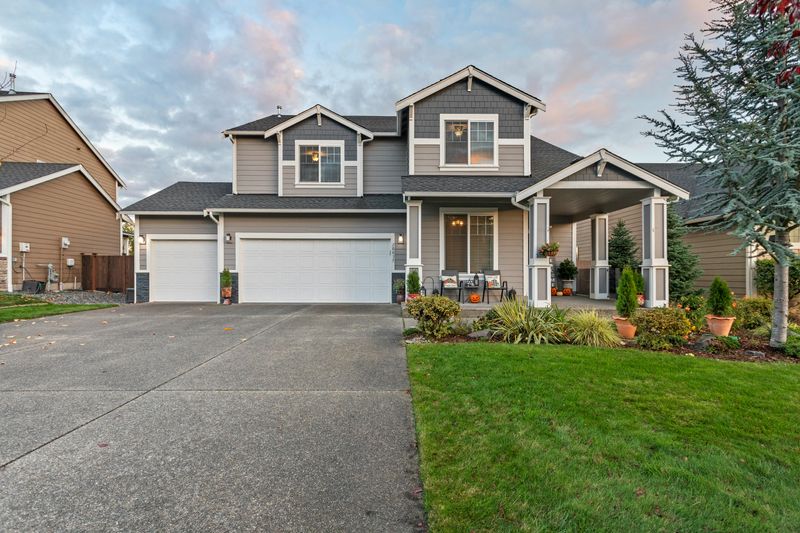
Turning a spare room into a short term rental feels easy until the rules kick in.
Seattle, Spokane, and other Washington cities often require a short term rental license, safety inspections, and limits on the number of units you can operate.
Fire egress, smoke alarms, and carbon monoxide detectors must meet current code.
Even if your space meets building standards, zoning can restrict transient lodging in certain residential zones.
Some cities cap night counts or require an on site operator, while condo and HOA rules can flatly prohibit nightly rentals.
Parking and trash service plans are common conditions placed on approvals.
Insurance can change once you host paying guests, and noncompliance may void coverage.
In older homes, bedroom window size and height are frequent fail points for emergency escape and rescue openings.
You might also need a Washington State Department of Revenue business registration for tax collection.
Start with your city’s short term rental program page, verify licensing steps, and confirm egress in every sleeping room.
Add interconnected smoke alarms and CO alarms per manufacturer specs, and document renter information for life safety.
With those boxes checked, you can welcome guests without inviting citations.
3. Front Yard Vegetable Gardens

Washington communities increasingly support urban agriculture, but front yard gardens can still clash with local codes or HOA covenants.
Many cities regulate height near sidewalks to preserve sightlines, and some require setbacks for raised beds.
Irrigation runoff onto public sidewalks can trigger nuisance or stormwater violations.
Structures like tall trellises or hoop houses may need permits if they exceed height thresholds or become roofed elements.
Compost bins can fall under solid waste rules if they attract pests.
In certain historic districts, front yard alterations may require design review to keep consistent streetscapes.
Consider using tidy edging, permeable paths, and plant heights that step down toward the street.
Check your city zoning code for allowable urban agriculture uses and peak fence or hedge heights.
If you belong to an HOA, read landscaping covenants that may limit vegetable beds in front yards.
Rainwater harvesting is welcome, but barrel placement and overflow routing should avoid neighboring properties.
Keep tools and soil piles contained so they do not encroach into the right of way.
With a quick rule check and thoughtful layout, your front yard can grow dinner without growing a citation.
4. Non-Conforming Fences
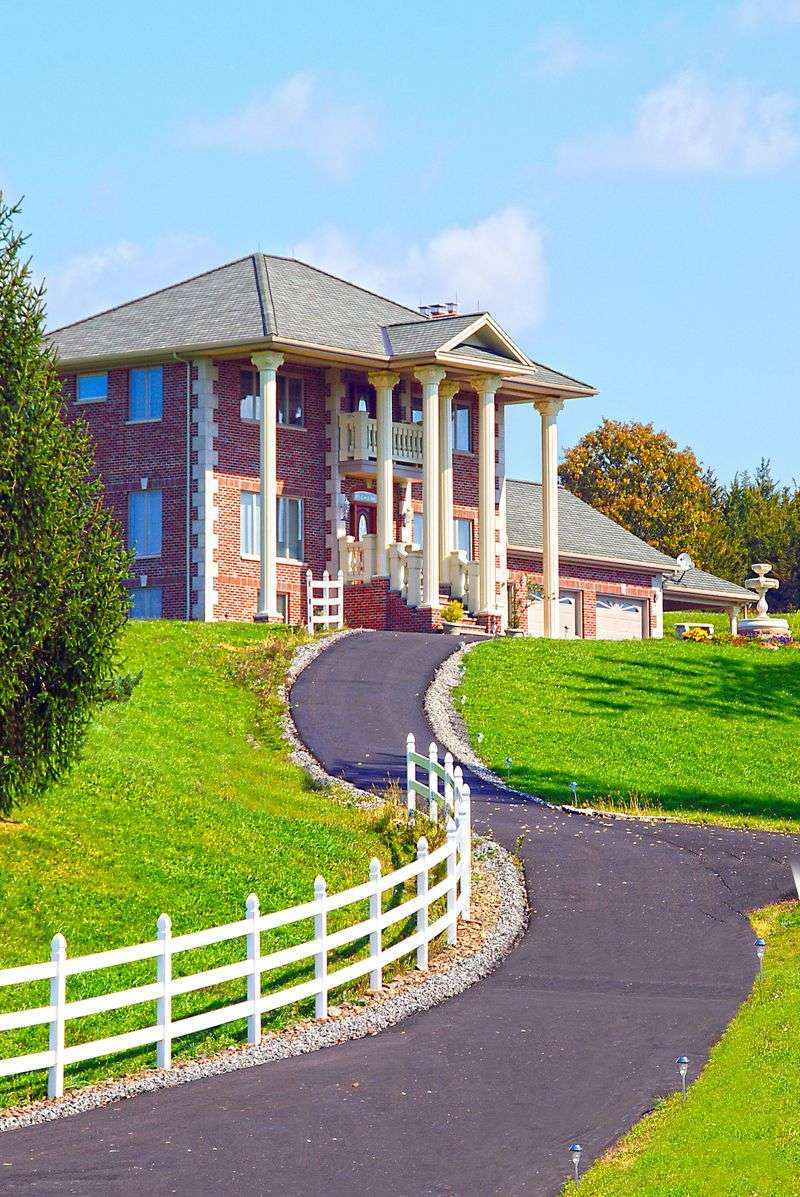
Fences are classic code traps.
Washington cities often cap front yard fence heights around 3 to 4 feet, with rear yard limits around 6 feet unless a permit allows more.
Corner lots face special visibility triangles that restrict fence height near intersections for safety.
Materials matter too.
Barbed wire, electric, or sharp top fences are frequently prohibited in residential zones.
If you place a fence on a public right of way by mistake, you could face removal orders and liability for damage to utilities or sidewalks.
Property lines are not always where you think.
A survey or recorded site plan helps prevent encroachment, which can lead to neighbor disputes and costly relocation.
In shoreline or critical areas, additional limitations apply, especially when wildlife corridors are involved.
Before building, verify zoning, measure from known points, and photograph utility locate marks.
Use corrosion resistant fasteners and proper post depth for wind and seismic conditions common in the region.
A short plan review now means you will not be stuck cutting down panels after an inspection.
5. Expanded Driveways
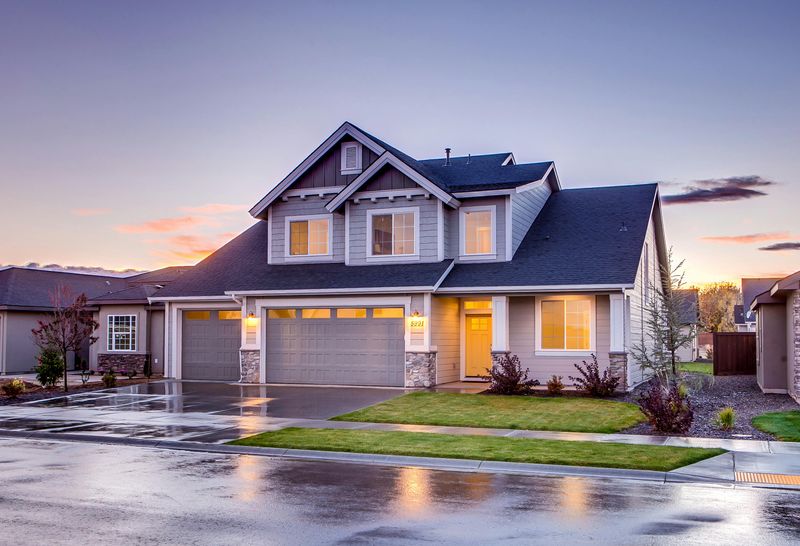
Widening a driveway can seem harmless, yet many Washington jurisdictions limit curb cuts, driveway width at the property line, and total impervious surface.
Expanding pavement can trigger stormwater requirements like infiltration trenches or pervious pavers.
Alterations in the right of way require a separate street use permit.
Driveway slope and drainage cannot shed water onto sidewalks or neighboring yards.
In steep areas, cities may require specific surfacing and traction measures.
If you cross a planting strip or remove a street tree, you will likely need permission from urban forestry staff.
HOAs often control driveway finishes and colors, so check covenants before pouring.
Some cities disallow gravel driveways due to track out onto streets.
If you are near a shoreline or critical area, hardscape expansions face additional scrutiny for runoff and habitat impacts.
Ask for a pre application with engineering or transportation staff to confirm allowable widths and stormwater needs.
Consider permeable pavers to stay under impervious limits while gaining vehicle space.
When it is all permitted, you get smoother parking and peace of mind.
6. Non-Compliant Swimming Pools
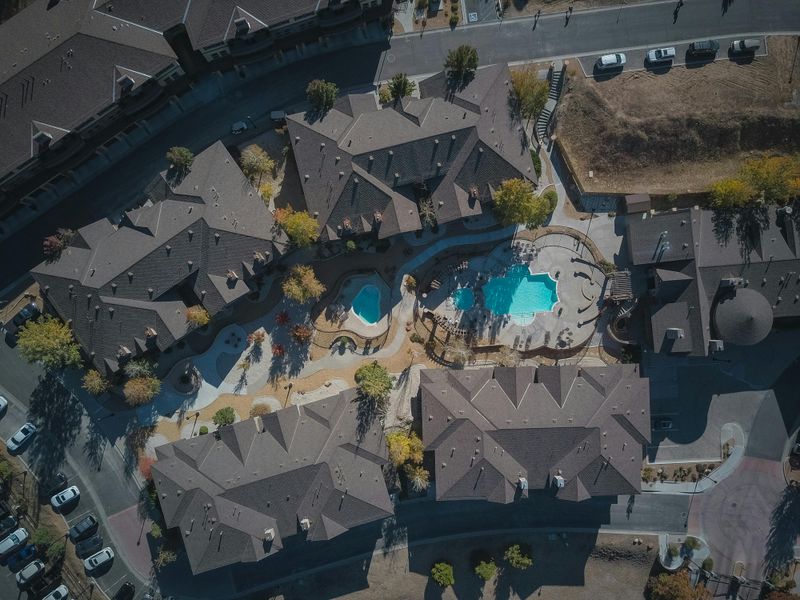
Backyard pools in Washington bring safety and permitting requirements you cannot skip.
Most jurisdictions mandate a barrier at least 4 feet high with self closing, self latching gates.
Door alarms or power safety covers may supplement, and anti entrapment drain covers are standard.
Electrical bonding and GFCI protection for pumps and lighting are required under the electrical code.
Setbacks from property lines and overhead power lines are critical.
In some areas, stormwater rules require managing pool discharge so chlorinated water does not hit catch basins.
Hot tubs often fall under similar barriers and electrical protections.
If you add a deck around the pool, structural permits follow with load and guardrail specs.
Maintenance access for emergency responders should remain unobstructed.
Start with your city’s residential pool handout, verify barrier design, and schedule electrical inspections.
Choose a listed safety cover and keep a life ring nearby.
With thorough planning, you can swim easy and code compliant.
7. Backyard Fire Pits
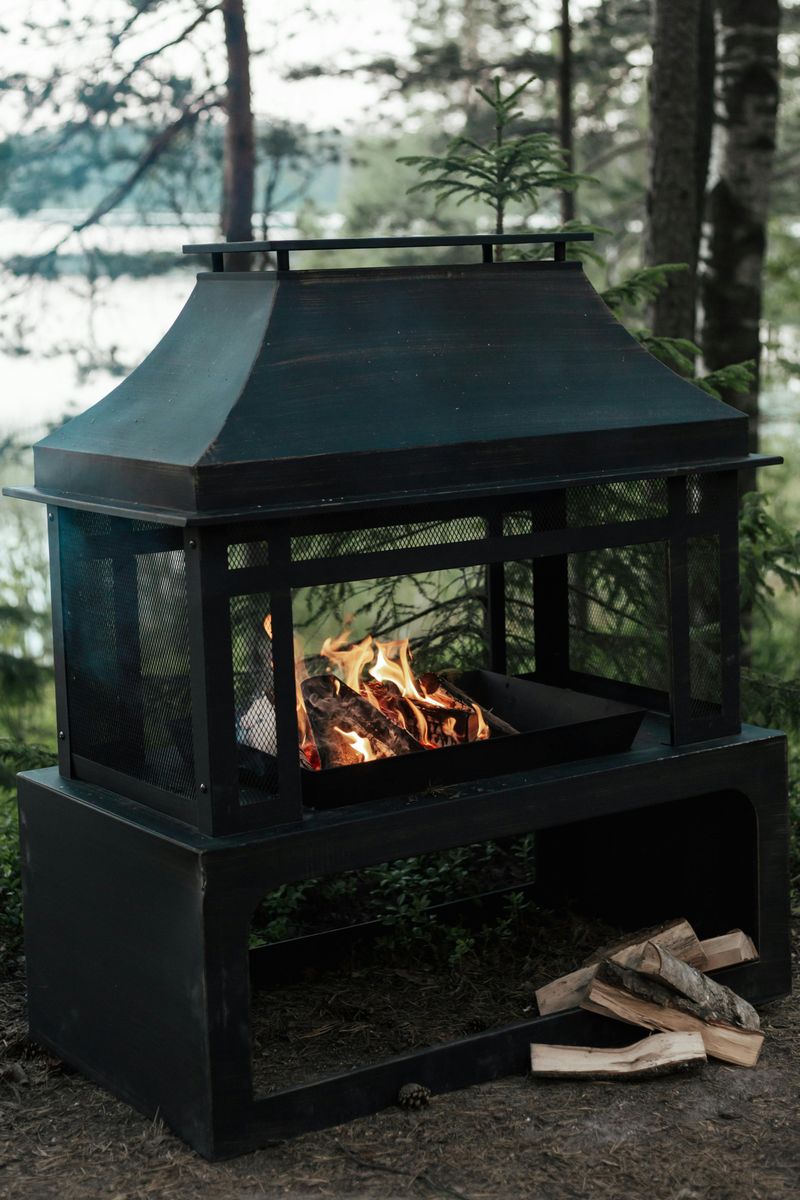
In Washington, recreational fire rules vary by county and season.
Local burn bans from clean air agencies can override your weekend plans, and setback requirements from structures and property lines often apply.
Gas fueled fire features may need permits, and wood burning devices face stricter rules.
Placement over decks requires heat shields and clearances to combustibles per manufacturer instructions.
Spark screens and noncombustible bases reduce risk of ember travel in windy conditions common near the Sound.
Smoke complaints can trigger enforcement if your setup creates a nuisance.
Check your local fire department and clean air agency for active restrictions.
Maintain a hose or extinguisher, and follow clearance distances from fences, sheds, and tree canopies.
In wildfire risk areas of Eastern Washington, additional defensible space guidelines can affect landscaping around a fire feature.
When in doubt, choose a listed gas appliance installed per code with a shutoff and proper ventilation.
Keep fuel storage separate and never burn yard waste.
With a few precautions, your backyard gathering stays warm and fully compliant.
8. Chicken Coops

Backyard chickens are popular, but Washington cities set clear limits.
Seattle allows a limited number of chickens but bans roosters, and coops must meet setback requirements from property lines and neighboring dwellings.
Manure management and rodent control plans are commonly required.
Structures larger than a small accessory coop may need permits, especially if wired for lights or heated waterers.
Ventilation, predator proofing, and weather protection are essential for welfare and to avoid nuisance complaints.
Keep feed in sealed containers and clean runs regularly to control odors.
HOAs sometimes prohibit poultry altogether, so check covenants before building.
If your lot sits in a critical area, additional review can apply.
Some jurisdictions specify minimum square footage per bird and distance from habitable spaces to limit noise and health issues.
Confirm your city’s animal control and zoning codes, then sketch a coop location that respects setbacks and drainage.
Use durable materials and provide covered runs to keep mud down in wet seasons.
With the right paperwork and design, your flock can thrive without ruffling legal feathers.
9. Unauthorized Home Businesses

Operating a business from home is common, yet Washington zoning codes limit traffic, signage, and employee counts.
A home occupation permit may be required, and certain uses like auto repair or retail sales with customer visits are often restricted in residential zones.
Parking and noise standards can apply.
If you store inventory, fire code rules on combustibles and egress may trigger.
Food related businesses must meet health department requirements and commercial kitchen standards.
Even seemingly quiet online operations can raise issues if delivery trucks or customers frequent your street.
HOA covenants may prohibit visible business activity or exterior modifications for signage.
If you add wiring or ventilation for equipment, electrical and mechanical permits can come into play.
Insurance policies also expect disclosure of business activity at home.
Check your city’s home occupation regulations, secure permits, and design workflows that minimize traffic.
Limit exterior changes and keep storage compliant with fire safety.
Done right, you keep clients happy and your neighborhood peaceful.
10. Pools Without HOA Or Zoning Review
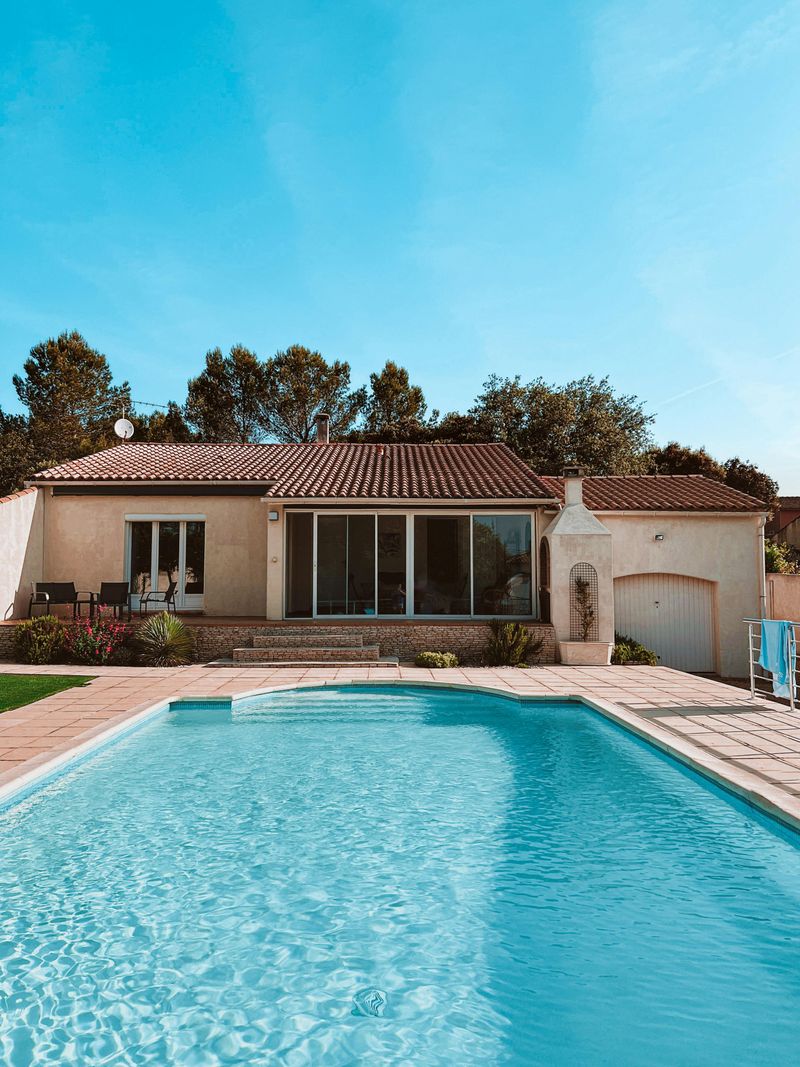
Even a permitted pool can stumble on HOA covenants or zoning overlays.
Washington neighborhoods often set aesthetic and location standards that exceed city code, including restrictions on noise, equipment placement, and fencing styles.
If your parcel is in a shoreline or critical area, extra review applies.
Equipment pads create noise that may violate local sound limits if too close to neighboring windows. Lighting glare can breach nuisance rules.
Mechanical screens and landscaping are sometimes required to buffer impacts.
Zoning may also cap lot coverage, and a pool plus decking can push you over.
If a prior plat contains conditions about open space, your design might conflict.
Insurance coverage depends on documented compliance with both public codes and private covenants.
Gather HOA approvals in writing before construction, confirm setbacks, and plan acoustic screening.
Coordinate with zoning for overlays affecting height, lighting, and impermeable surface.
With all signoffs aligned, you can relax without fear of a complaint.
11. DIY Electrical Rewiring Without Permit

Rewiring outlets or circuits without a permit is risky and illegal in many Washington jurisdictions.
The state electrical code requires permits and inspections to ensure proper grounding, AFCI or GFCI protection, and box fill compliance.
Incorrect wiring can overheat conductors and void insurance.
Older homes often lack dedicated circuits for kitchens and bathrooms, and retrofits must meet current standards.
Tamper-resistant receptacles are required in certain locations.
Exterior and garage outlets need weather resistant devices and in use covers.
Routing cables through seismic areas demands correct stapling, protection plates, and working clearances at panels.
Neutral and ground separation in subpanels is a frequent DIY mistake that inspectors flag.
Labeling and arc fault protection help reduce fire risk.
Apply for an electrical permit through your local or state portal, follow the Washington Administrative Code, and schedule inspections.
Use listed components and keep junction boxes accessible.
12. Accessory Dwelling Units (ADU) That Break Local Rules
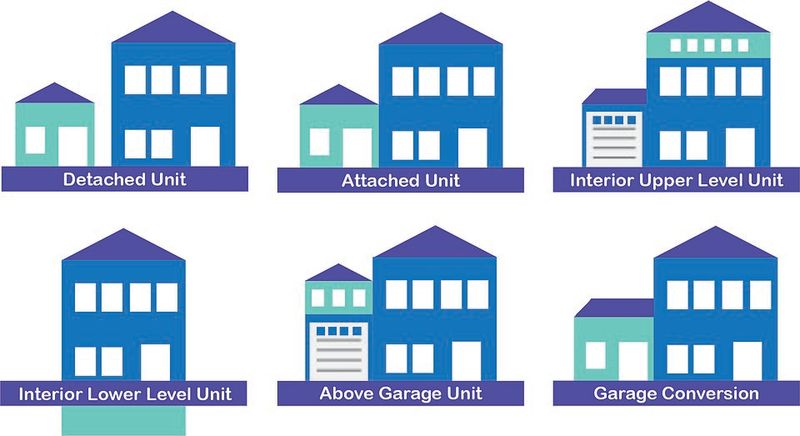
An ADU can meet building code yet still violate local occupancy or licensing rules.
Washington cities set limits on owner occupancy, short term rental use, parking, and maximum size or lot coverage.
Some require separate addresses and utility metering protocols.
Fire separation between units, egress windows, and sound transmission control are building code basics.
But zoning can restrict where doors face, whether detached ADUs are allowed, or how many bedrooms are permitted.
HOA covenants sometimes prohibit second units entirely.
Impact fees and school fees may apply depending on jurisdiction.
If you plan to rent, business licenses and rental registration programs can kick in.
Street parking constraints can become the sticking point during permit review.
Start by reading your city’s ADU ordinance and pre apply with a site plan.
Verify parking solutions and owner occupancy requirements.
With careful alignment, your ADU can add value without adding violations.
13. Decks Encroaching On Setbacks
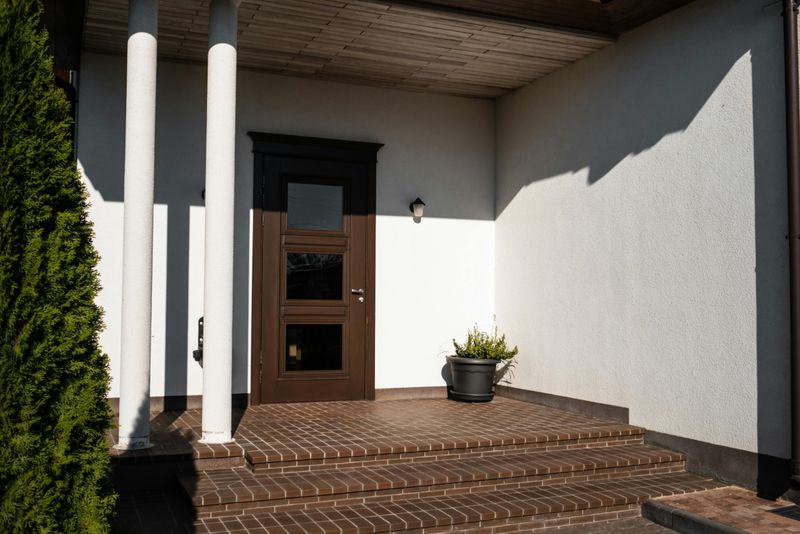
Decks look lightweight but they are serious structures under Washington code.
Most cities require permits for decks above a certain height, and zoning sets setbacks from side and rear property lines.
Encroaching over a setback can trigger removal, even if built well.
Guardrails, stair rise and run, and lateral load connectors are all inspected items.
Post footings must meet frost depth and be sized for loads, with special attention to ledger flashing on homes in rainy climates.
If your deck crosses critical slope buffers, geotechnical review may be required.
Property line certainty is essential!
Fences are not reliable indicators, so a survey helps.
Multi level decks can count toward lot coverage and height calculations that some homeowners overlook.
Check your city’s deck handout, measure from recorded property corners, and design within setbacks.
Use corrosion resistant hardware and proper flashing for long life.
Do it right and your deck becomes a safe, code clean extension of your living room.
14. New Fireplaces That Jeopardize Insurance

Adding a gas or solid fuel fireplace can affect code and insurance in Washington.
Venting clearances, hearth protection, and seismic anchoring of units and chimneys are critical.
Unlisted or improperly vented appliances risk carbon monoxide and denied claims.
Local clean air agencies regulate solid fuel devices, and some areas restrict wood burning appliances.
Manufacturer installation instructions become code, including vent heights above roofs and termination distances from windows.
Masonry chimneys may need liners and spark arrestors.
If you cut framing for a new chase, you must preserve structural loads and fire blocking.
Electrical for blowers and controls requires permits and GFCI where applicable.
Insurers often ask for proof of professional installation and inspection.
Choose a listed appliance, follow the manual to the letter, and schedule inspections
Keep clearances to combustibles and install CO alarms nearby.
With documentation in hand, your cozy upgrade stays safe and covered.
15. Materials That Miss Environmental Rules
Some materials pass building codes but fail environmental or health rules.
In Washington, stormwater programs restrict copper roofs or uncoated, galvanized materials that leach metals into runoff.
Pressure treated lumber must be used and disposed properly to avoid contamination.
Flooring adhesives and finishes can trigger indoor air quality concerns in tight energy efficient homes.
Vapor barriers and insulation types must match moisture strategies on the wet west side versus the dry east side.
Soundproofing foams and sprays may require documentation for flame spread.
Wildlife friendly lighting and bird safe glazing are encouraged near habitat areas and sometimes required in overlays.
Landscape materials can affect infiltration rates and critical area buffers.
Recycling and salvage ordinances in some cities require diversion reporting.
Before purchasing, check your city’s stormwater manual and the Washington State Department of Ecology guidance.
Pick low VOC finishes and compatible vapor control assemblies.
When you make smarter choices, your project will remain healthy for you and the watershed!
16. Smart Home Surveillance Without Consent

Smart cameras and doorbells are useful, but Washington’s privacy and wiretapping laws demand care.
Recording audio without consent can create legal exposure, and pointing cameras into a neighbor’s yard can be considered a nuisance.
HOAs sometimes limit exterior device placement and visible wiring.
Mounting cameras on shared fences or in common areas without permission is a common mistake.
Night vision glare or motion lights can violate lighting ordinances or disturb neighbors.
Data storage must be secured to prevent breaches that could trigger liability.
Configure zones to avoid capturing neighbor windows and disable audio unless you have consent.
Post notices if you record in shared entries or common areas.
Review city nuisance codes and HOA rules for exterior appearance.
Choose devices with privacy masking and good encryption.
Document your settings so you can show intent to comply if questions arise.