The Colorado Steakhouse That’s Served The Same Menu For 70 Years
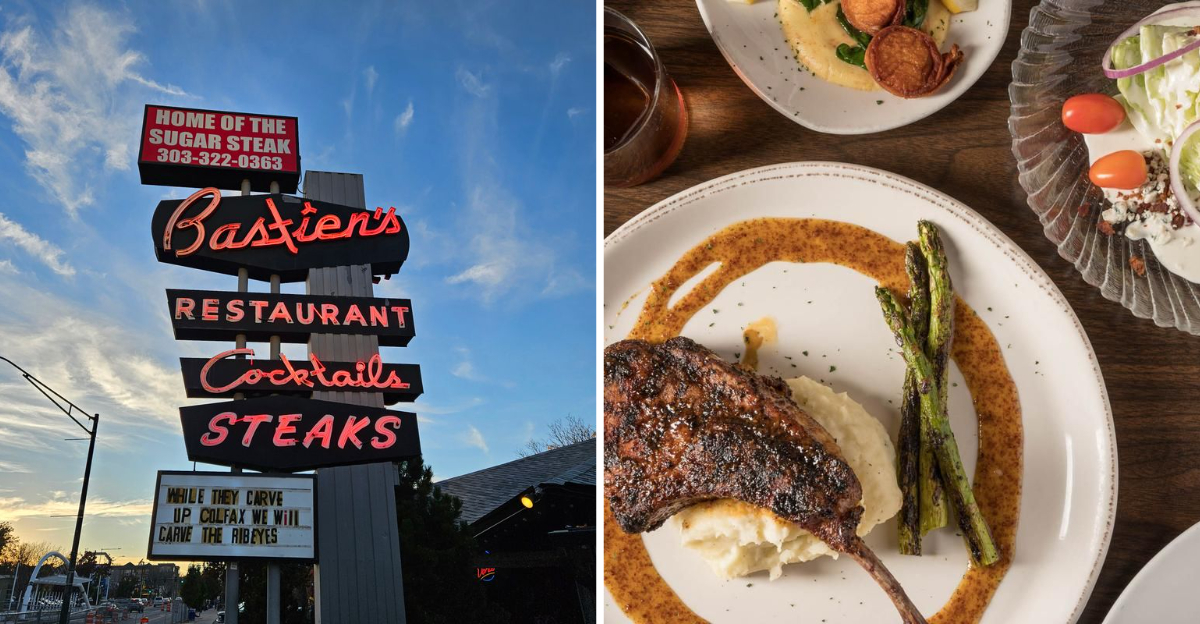
Tucked along East Colfax Avenue in Denver sits a steakhouse that refuses to follow food trends or change with the times.
Bastien’s Restaurant has been serving the same beloved menu since 1958, making it a rare gem in a city where restaurants come and go faster than Colorado snowstorms.
For over seven decades, this family-owned establishment has welcomed generations of diners who crave that classic steakhouse experience.
And that’s all thanks to red leather booths, dim lighting, and perfectly grilled cuts of meat that taste just as good today as they did when Eisenhower was president.
Family Legacy Spanning Four Generations
The Bastien family story in Denver’s dining scene reaches back to the 1930s, long before the current restaurant opened its doors.
When Joe Bastien Sr. founded Bastien’s Restaurant in 1958, he built on decades of culinary experience his family had already accumulated in the city.
The torch has passed through four generations now, with each one committed to preserving the traditions that made the restaurant special in the first place.
Operating at 3503 E Colfax Ave, Denver, CO 80206, the restaurant holds the distinction of being Colorado’s longest continuously family-owned eatery.
This achievement speaks volumes about consistency in an industry notorious for high turnover rates.
Most restaurants close within five years, yet Bastien’s has thrived for more than seventy.
The family’s dedication extends beyond just keeping the doors open – they’ve maintained the original recipes, cooking methods, and even much of the décor.
Walking into Bastien’s today feels remarkably similar to what diners experienced in 1958, creating a time-capsule dining experience that’s increasingly rare in modern America.
The Legendary Sugar Steak
Most steakhouses rely on salt, pepper, and maybe garlic to season their beef, but Bastien’s took a wildly different approach in the late 1950s.
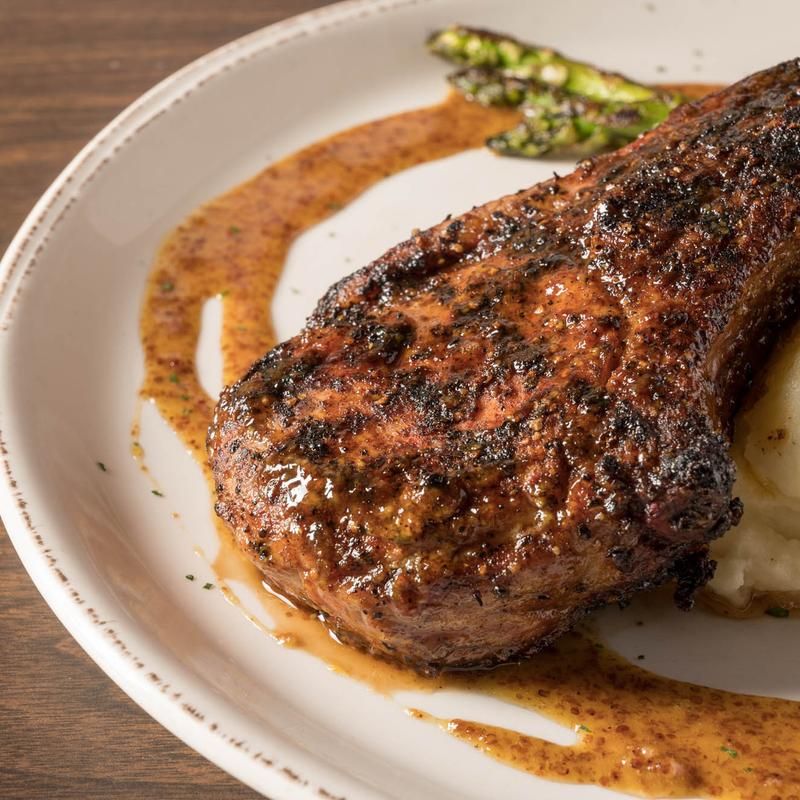
Their signature Sugar Steak features a New York strip rubbed with a proprietary blend of sugar and spices before hitting the grill.
The sugar caramelizes during cooking, forming a sweet-savory crust that contrasts beautifully with the beef’s natural richness.
First-time visitors often raise eyebrows at the concept of sugar on steak, but one bite usually converts skeptics into believers.
The sweetness never overwhelms – instead, it enhances the meat’s flavor while adding textural complexity through that caramelized exterior.
Regular customers have been ordering this exact preparation for decades, and many consider it the main reason to visit.
The recipe remains a closely guarded family secret, passed down through generations with the same care as grandmother’s jewelry.
Other restaurants have tried to replicate it, but none have quite captured the magic that makes Bastien’s version so memorable and craveable.
Iconic Googie Architecture

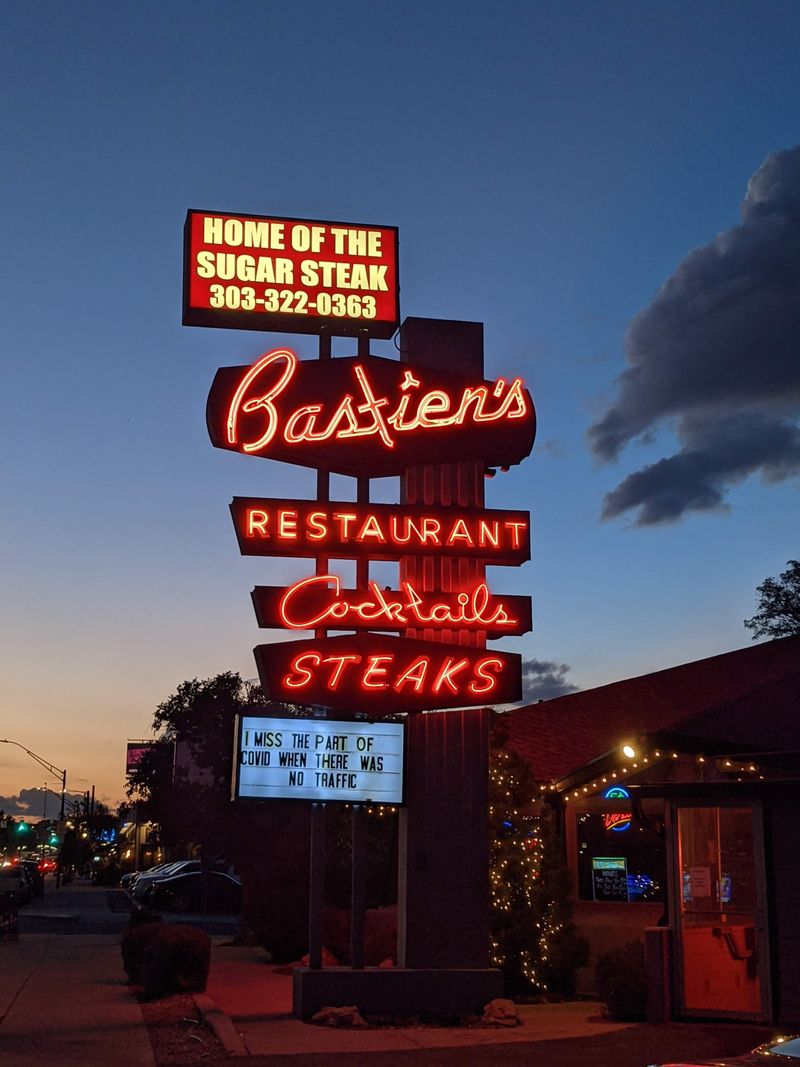
From the street, Bastien’s immediately catches attention with its bold angular roofline and dramatic slant that defies conventional building design.
This style, called Googie architecture, dominated American roadside culture during the Space Age era of the 1950s and early 1960s.
The aesthetic emphasized futuristic forms, sharp angles, and eye-catching elements meant to attract motorists cruising past at speed.
Finding intact Googie buildings today requires effort since many were demolished during subsequent decades when the style fell out of favor.
Bastien’s preservation of this architectural heritage makes it significant beyond just culinary history – it’s a physical artifact of mid-century American optimism and design philosophy.
The building’s protected landmark status ensures future generations can experience this distinctive aesthetic.
The exterior’s dramatic angles hint at the equally impressive interior, where the design continues with vintage elements throughout.
Walking toward the entrance, diners can appreciate details that modern construction rarely includes – custom metalwork, period-appropriate signage, and proportions that feel both grand and welcoming.
Three-Level Circular Dining Room
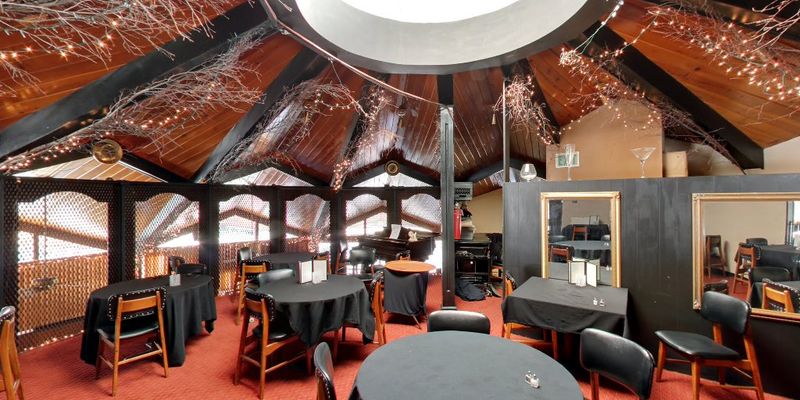
Stepping inside Bastien’s reveals an interior design as distinctive as its exterior, centered around a circular dining room that spans three levels.
This unusual layout creates intimate zones within a larger space, allowing the restaurant to feel both spacious and cozy simultaneously.
Each level offers slightly different perspectives of the room, with the upper tiers providing bird’s-eye views of the dining action below.
High ceilings amplify the sense of grandeur, drawing eyes upward to architectural details that modern restaurants rarely incorporate.
The multi-level approach also serves practical purposes – it increases seating capacity without making the space feel cramped or cafeteria-like.
Sound travels differently in this configuration, creating pockets of conversation rather than overwhelming noise.
Classic steakhouse elements appear throughout – rich wood tones, deep red leather upholstery, dim atmospheric lighting, and white tablecloths.
A grand piano sits prominently in the space, reinforcing the old-school elegance.
Everything feels deliberately preserved rather than artificially recreated, giving diners an authentic connection to the past.
Menu Unchanged For Seven Decades
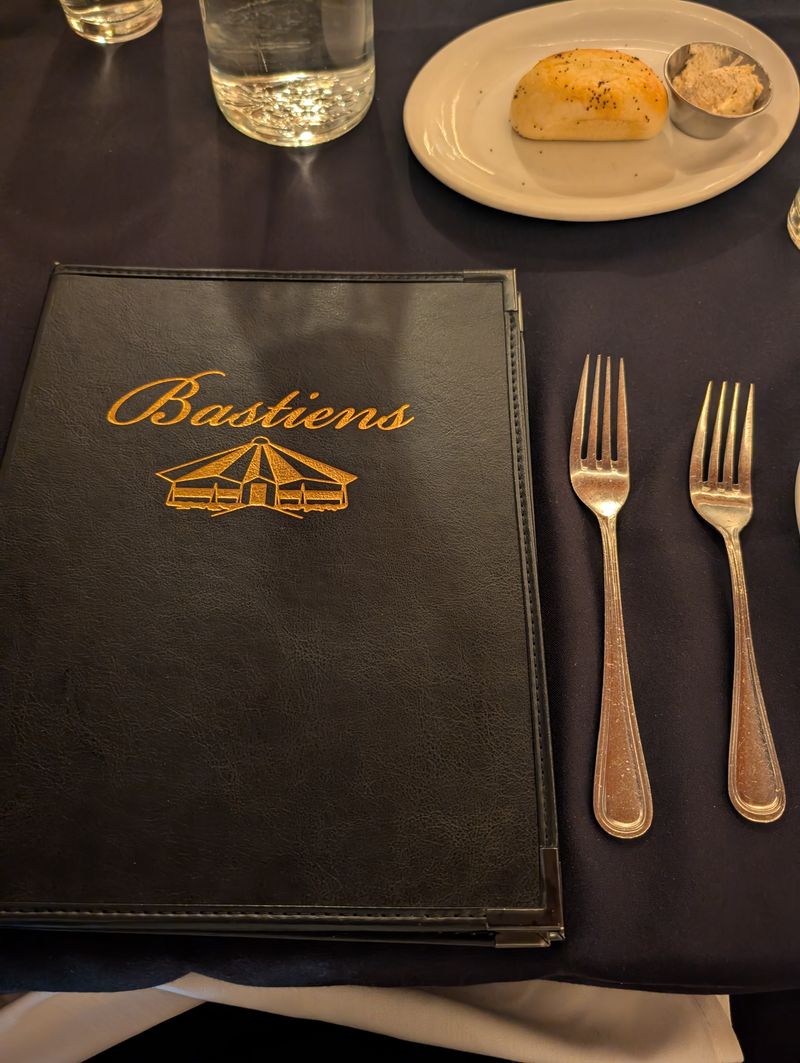
While most restaurants constantly tweak menus to chase trends or accommodate changing tastes, Bastien’s has maintained remarkable consistency since 1958.
The core offerings remain virtually identical to what Joe Bastien Sr. served during the Eisenhower administration.
This commitment to tradition means grandparents can order the exact same meal they enjoyed on dates as teenagers, sharing that experience with grandchildren decades later.
The menu leans heavily into classic American steakhouse territory – prime cuts of beef, seafood preparations that were popular mid-century, and sides that feel comfortingly familiar.
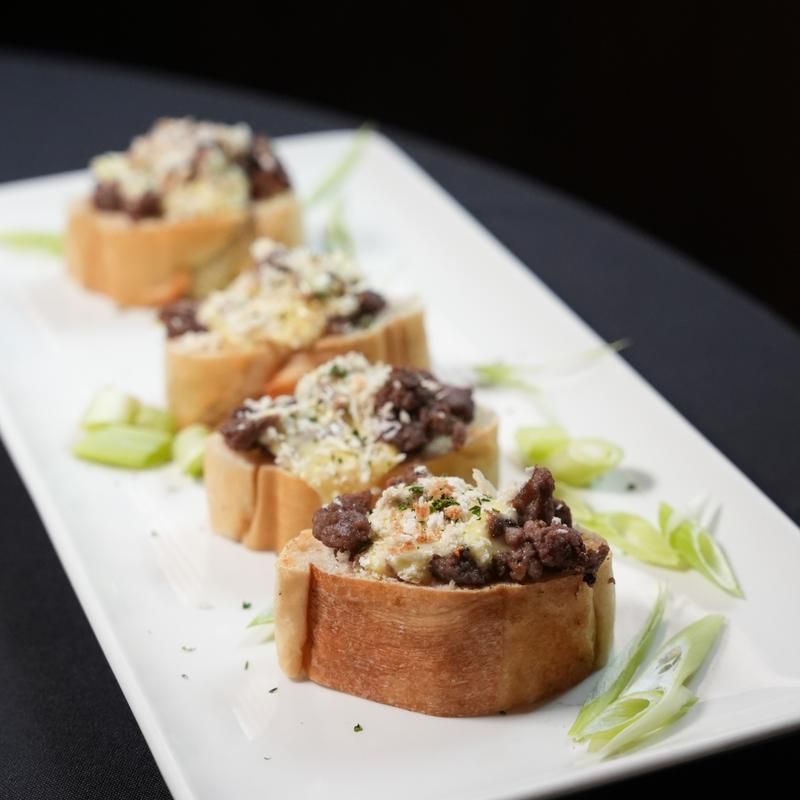
Escargot and shrimp cocktail still appear as appetizers, dishes that have fallen from favor at trendier establishments.
The kitchen executes these traditional items with the confidence that comes from preparing them thousands of times.
This unchanging approach creates predictability that regular customers deeply appreciate.
There’s no anxiety about whether favorite dishes will disappear or be “improved” beyond recognition.
The menu functions as an edible time capsule, preserving not just recipes but entire dining customs from an earlier era in American restaurant culture.
Denver Landmark Status Protection
Recognition as an official Denver landmark provides Bastien’s with legal protections that ensure its historic character remains intact for future generations.
This designation doesn’t happen automatically – it requires documentation of cultural significance, architectural merit, and community importance.
The city determined that Bastien’s met all criteria, acknowledging its value beyond mere nostalgia.
Landmark status restricts certain types of modifications, preventing owners from making changes that would compromise the building’s historic integrity.
Exterior alterations require review and approval, ensuring the Googie architecture stays true to its original vision.
Interior protections similarly guard against modernization that might erase the vintage atmosphere that makes the restaurant special.
For the Bastien family, this official recognition validates their decades of preservation work.
Rather than viewing landmark restrictions as burdensome, they embrace them as tools for maintaining authenticity.
The designation also raises public awareness about the restaurant’s historical importance, attracting visitors who specifically seek out Denver’s architectural and culinary heritage.
Protection status helps ensure Bastien’s won’t fall victim to redevelopment pressures that have claimed many other vintage establishments.
Contemporary Touches Within Tradition
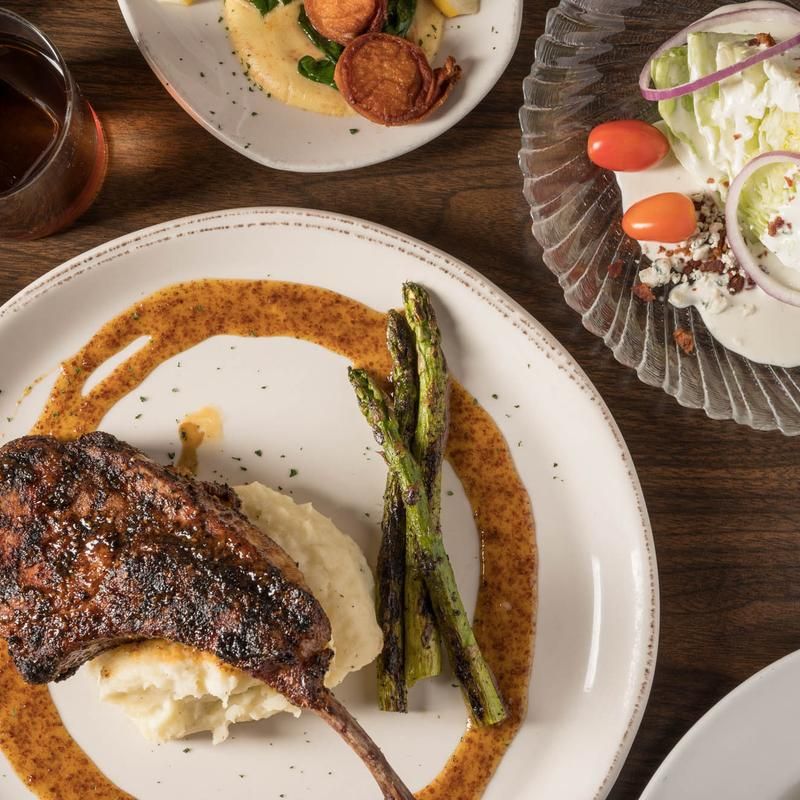
Despite its reputation for preserving the past, Bastien’s hasn’t remained completely frozen in time – the menu includes carefully selected modern additions that complement rather than compete with classic offerings.
Brown sugar-wasabi salmon represents a contemporary fusion approach, blending sweet and spicy elements that wouldn’t have appeared on 1950s menus.
A porterhouse with Korean BBQ sauce similarly nods to current culinary trends while maintaining the core steakhouse format.
The Denver Post recognized this balance in 2013, awarding the restaurant two stars for successfully bridging traditional and contemporary dining.
Critics noted how newer dishes coexist peacefully with vintage preparations like escargot, giving diners options without diluting the restaurant’s identity.
This approach shows thoughtful evolution rather than desperate trend-chasing.
The additions remain limited and selective, never overwhelming the menu’s classic foundation.
Regular customers can ignore the contemporary options entirely if they prefer, while newcomers or younger diners find entry points that feel more familiar to modern palates.
This strategy allows Bastien’s to honor its heritage while acknowledging that food culture continues developing.
East Colfax Avenue Location

Bastien’s sits along East Colfax Avenue, a street with its own colorful history as one of America’s longest continuous commercial corridors.
Stretching from downtown Denver into the eastern suburbs, Colfax has witnessed tremendous change over seven decades – neighborhoods transformed, businesses opened and closed, and the city’s character evolved.
Through all this flux, Bastien’s remained a constant presence.
The restaurant occupies 3503 E Colfax Ave, Denver, CO 80206, in a section of the avenue that blends residential areas with commercial strips.
This location places it slightly east of downtown’s densest core, in a zone that feels more neighborhood-oriented than touristy.
Parking is typically available nearby, making access relatively straightforward compared to restaurants in busier downtown zones.
Colfax Avenue’s reputation has fluctuated over the years, sometimes viewed as gritty and other times as authentically Denver.
Bastien’s endurance through these perception shifts demonstrates resilience and community connection.
The restaurant serves as an anchor point for locals who remember when this stretch of Colfax represented the height of Denver dining sophistication, before newer neighborhoods drew restaurant activity elsewhere.
Time-Capsule Dining Experience
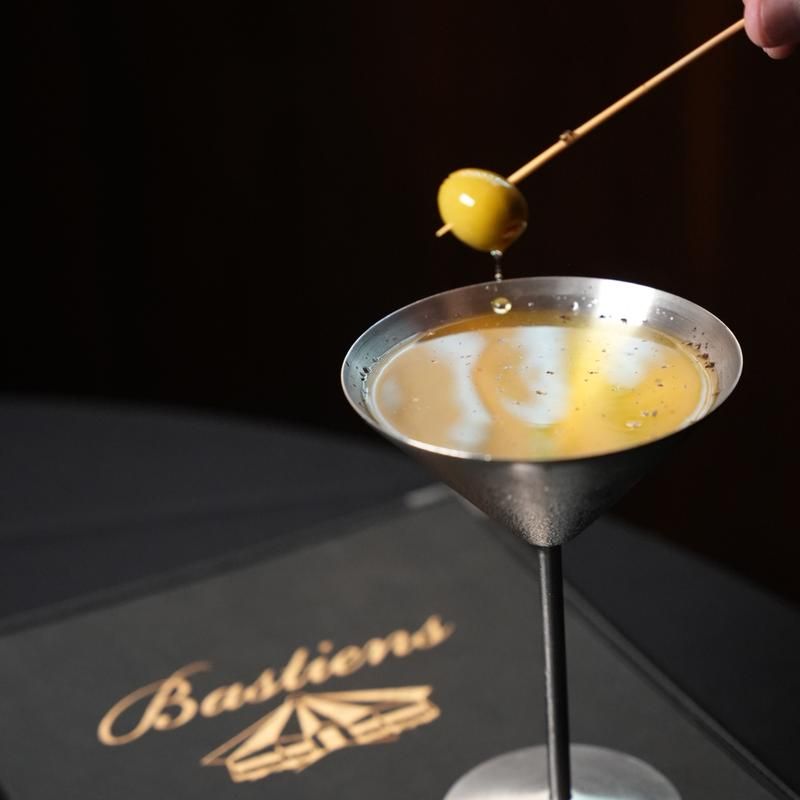
Eating at Bastien’s offers something increasingly rare in modern dining – an experience that genuinely transports guests to another era.
Everything from the dress code expectations to the service style reflects mid-century steakhouse culture, when going out for dinner meant dressing up and lingering over multiple courses.
The pace feels deliberately unhurried, counter to contemporary fast-casual dining trends.
Servers tend to be long-term employees who know regular customers by name and remember their preferences.
This continuity creates relationships that extend across years or even decades, adding personal connection to the dining ritual.
The service approach emphasizes attentiveness without hovering, allowing conversations to flow naturally while ensuring needs are met promptly.
Details throughout reinforce the vintage atmosphere – the weight of real silverware, the crispness of properly starched tablecloths, and the way cocktails are prepared and presented.
Even lighting plays a role, kept deliberately dim to create intimacy and romance.
For younger diners, it’s a glimpse into how earlier generations experienced fine dining.
For older guests, it’s a chance to revisit memories and share stories about dates, anniversaries, and celebrations held in these same rooms decades earlier.
Colorado’s Oldest Continuously Owned Restaurant
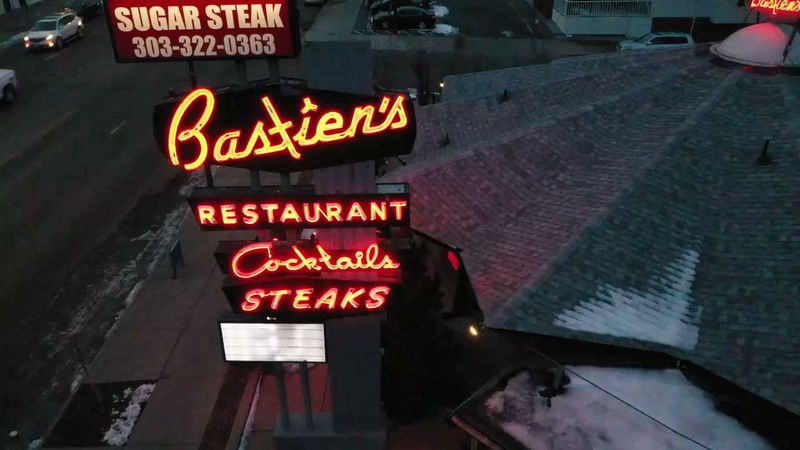
Among Colorado’s countless restaurants – from mountain lodges to urban bistros – Bastien’s holds a unique distinction as the state’s longest continuously family-owned establishment.
This record reflects not just longevity but consistent ownership, a much rarer achievement than simply staying open.
Many old restaurants have changed hands multiple times, but the Bastien family has maintained control since day one.
This continuity matters because it preserves institutional knowledge and family values that shape how the business operates.
Decisions get made with generational perspective rather than quarterly profit targets.
The current generation considers how choices will affect the restaurant decades into the future, knowing their children might eventually take over.
This long-term thinking influences everything from menu preservation to employee retention.
The record also carries responsibility – each generation of Bastiens becomes a steward of Colorado culinary history.
They’re not just running a restaurant; they’re maintaining a cultural institution that connects present-day Denver to its mid-century past.
This awareness shapes daily operations and major decisions alike, ensuring the restaurant remains true to its founding vision while adapting enough to survive changing economic landscapes and dining preferences.