12 Once-Beloved Arizona Foods Locals Say Are Nearly Impossible To Find Now
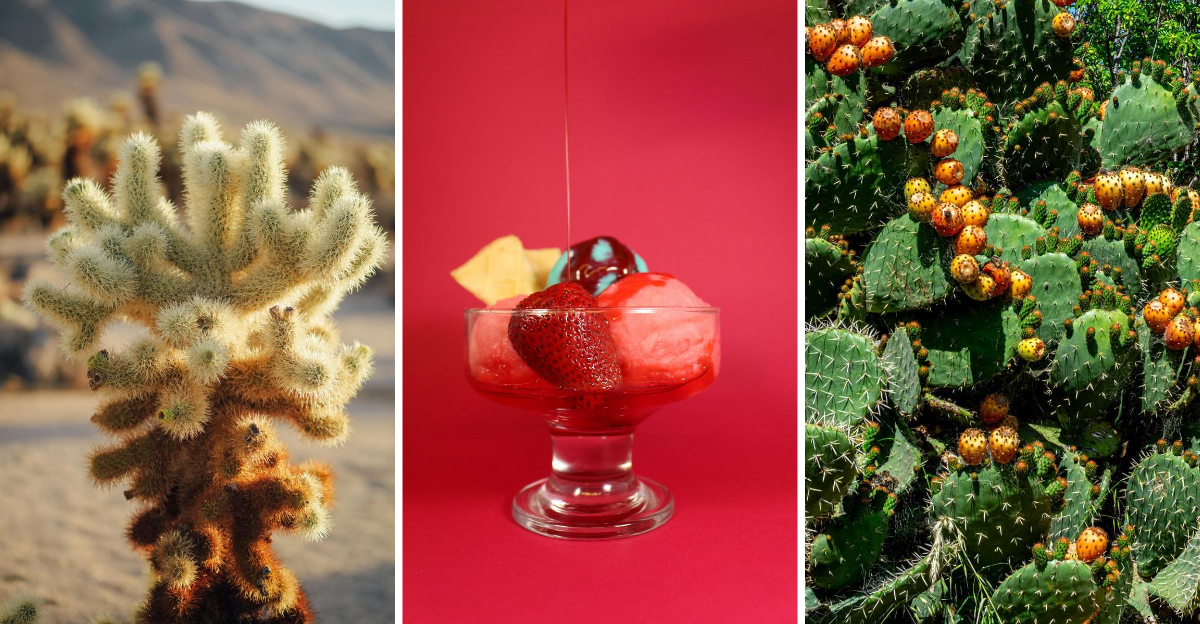
Arizona’s culinary scene has always been a colorful mix of Native American traditions, Mexican influences, and desert innovation.
Over the years, certain foods became local favorites, showing up at family gatherings, roadside stands, and neighborhood restaurants.
But as tastes changed and modern life moved faster, many of these beloved dishes quietly disappeared from menus and store shelves, leaving longtime residents with fond memories and empty plates.
1. Arizona Cheese Crisp
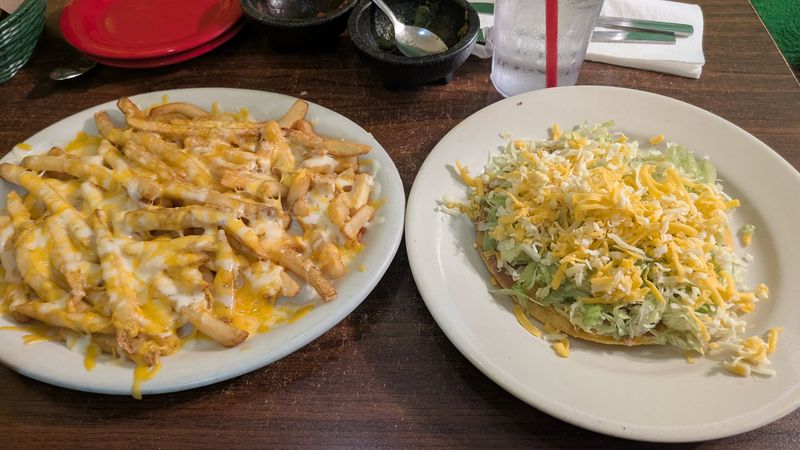
Back when comfort food meant simplicity, the Arizona cheese crisp ruled local menus with nothing more than a flour tortilla, butter, and shredded cheese.
Restaurants would brush a large tortilla with butter, pile on the cheese, and bake it until the edges turned golden and crackling.
The result was a dish that felt like a cross between a quesadilla and a pizza, but lighter and crispier than either.
Families loved ordering it as an appetizer to share, and kids adored the way the cheese stretched when you pulled a piece away.
These days, many newer restaurants have replaced it with fancier appetizers featuring truffle oil or exotic toppings.
Finding an authentic cheese crisp now requires hunting down old-school Mexican restaurants that still honor the original recipe.
The dish remains a nostalgic symbol of Arizona’s unpretentious approach to satisfying food.
2. Chimichanga
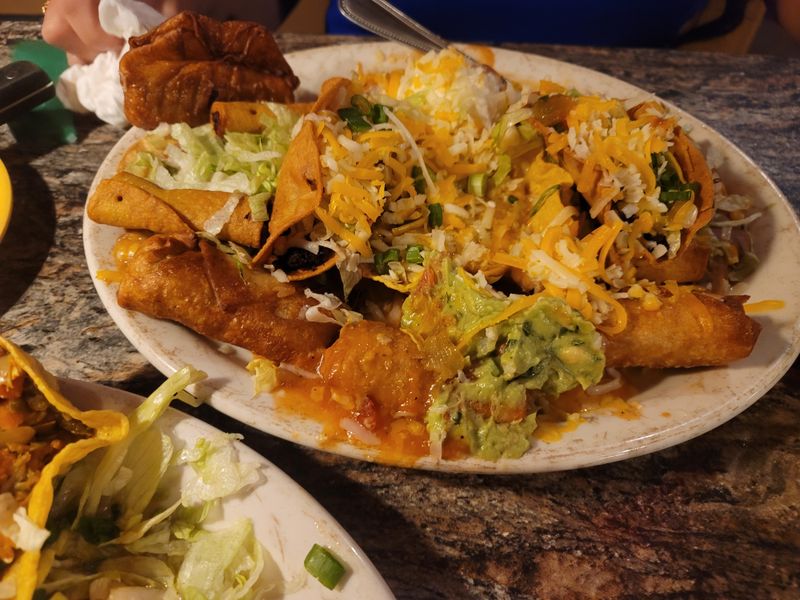
Legend has it that the chimichanga was born when someone accidentally dropped a burrito into hot oil and decided to serve it anyway.
Whether that story holds true or not, Arizona embraced this crispy creation with open arms, making it a staple at diners and Mexican eateries throughout the state.
The deep-fried exterior gave way to warm, savory fillings like shredded beef, beans, and rice, all held together in a satisfying crunch.
Restaurants would top them with sour cream, guacamole, and salsa, turning a simple concept into a hearty meal.
As health trends shifted toward lighter fare, many establishments quietly removed chimichangas from their menus or replaced them with baked versions that just didn’t hit the same.
Longtime locals still remember the days when every corner restaurant proudly featured this indulgent dish.
Finding an authentic fried chimichanga today feels like discovering a time capsule from Arizona’s bolder culinary past.
3. Carne Seca
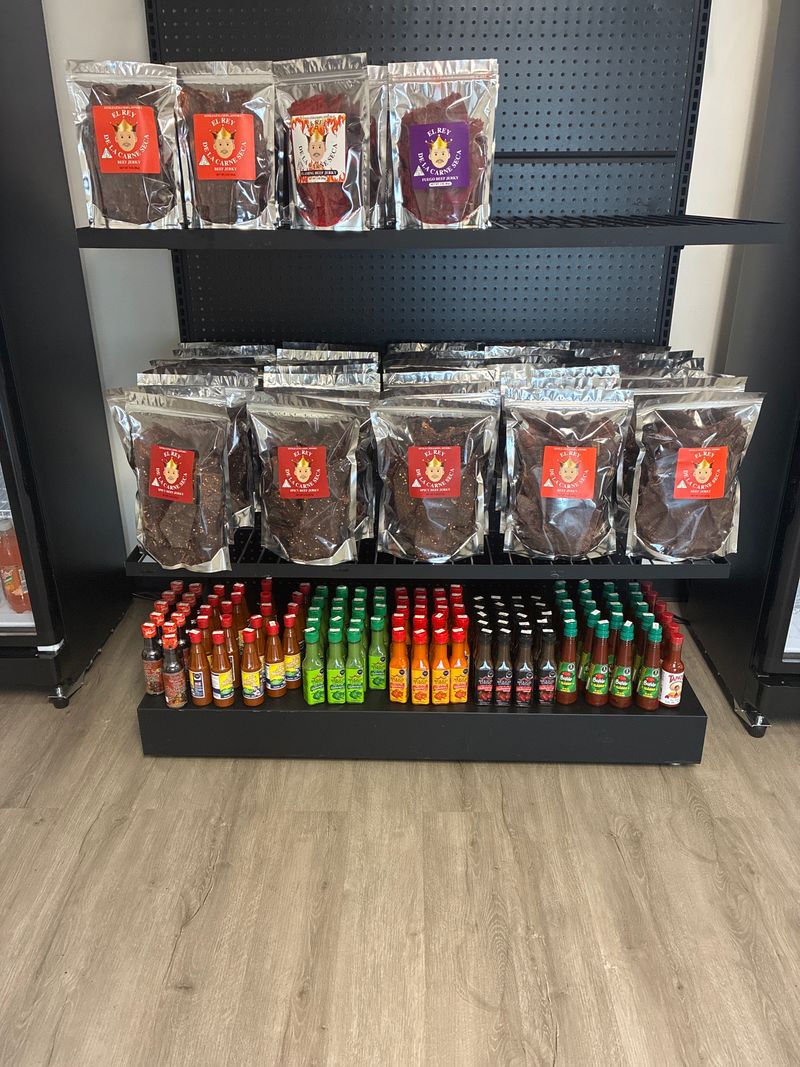
Long before jerky became a trendy gas station snack, Arizona families were making carne seca by drying strips of beef under the intense desert sun.
This traditional preservation method created meat with concentrated flavor and a texture that could be shredded and rehydrated for countless dishes.
Cooks would soak the dried beef, then simmer it with onions, tomatoes, and chiles to create a filling for burritos or a topping for eggs.
The process required patience and the right weather conditions, making it a seasonal ritual tied to Arizona’s climate.
Modern food safety regulations and the convenience of store-bought alternatives gradually pushed homemade carne seca into the background.
Some specialty markets still carry commercially produced versions, but they rarely match the quality of the sun-dried original.
For many older Arizonans, the smell of carne seca simmering on the stove remains a powerful memory of home cooking at its finest.
4. Prickly Pear Jelly
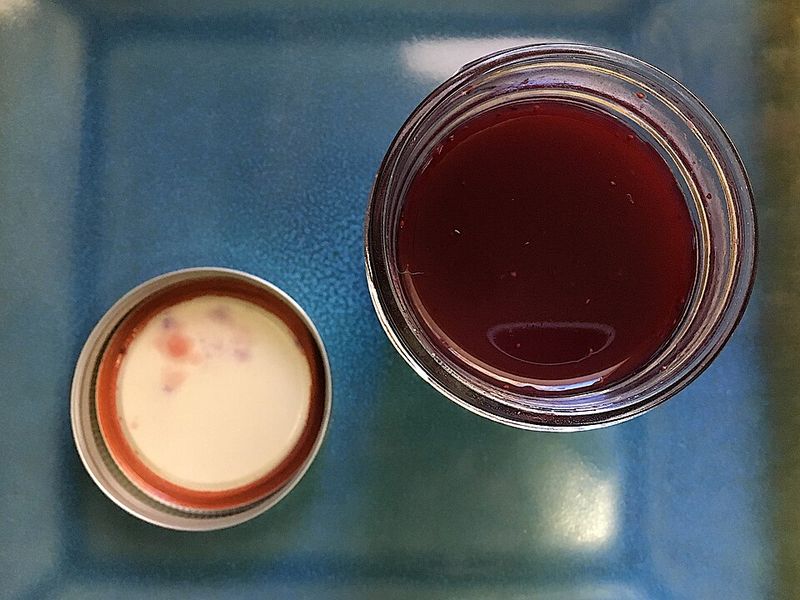
Harvesting prickly pear fruit was once a late summer tradition for Arizona families brave enough to handle the spiny cacti.
The vibrant magenta fruits, called tunas, would be carefully collected, peeled, and boiled down into a sweet-tart jelly that captured the essence of the Sonoran Desert.
Spread on toast or biscuits, the jelly offered a taste unlike anything found in typical grocery stores.
Making it required time, gloves, and a willingness to deal with the tiny, nearly invisible glochids that covered the fruit.
As fewer people had the time or knowledge to process prickly pears, homemade jelly became increasingly rare.
Tourist shops still sell commercial versions, but locals insist they lack the bright, fresh flavor of the homemade batches their grandmothers once made.
The decline of prickly pear jelly represents a broader shift away from foods that require hands-on harvesting and traditional preparation methods.
5. Mesquite Flour Pancakes
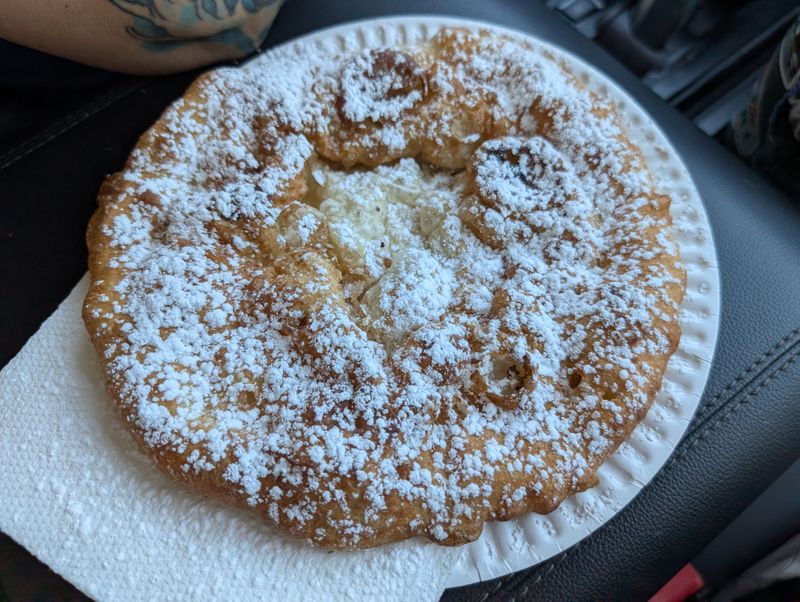
Native peoples in Arizona ground mesquite pods into flour long before wheat arrived in the Southwest, creating a naturally sweet ingredient with a nutty undertone.
Pancakes made with mesquite flour had a distinctive caramel-like flavor that set them apart from standard breakfast fare.
The flour added a subtle complexity that worked beautifully with butter and honey, creating a breakfast that felt both rustic and sophisticated.
As wheat became cheaper and more readily available, mesquite flour gradually disappeared from everyday cooking, relegated to specialty health food stores.
The labor-intensive process of harvesting and grinding mesquite pods made it impractical for commercial production on a large scale.
A few farm-to-table restaurants have recently attempted to revive mesquite flour dishes, but they remain rare and expensive.
For those who remember the original pancakes, nothing quite compares to the way mesquite flour transformed an ordinary breakfast into something uniquely Arizonan.
6. Tepary Beans
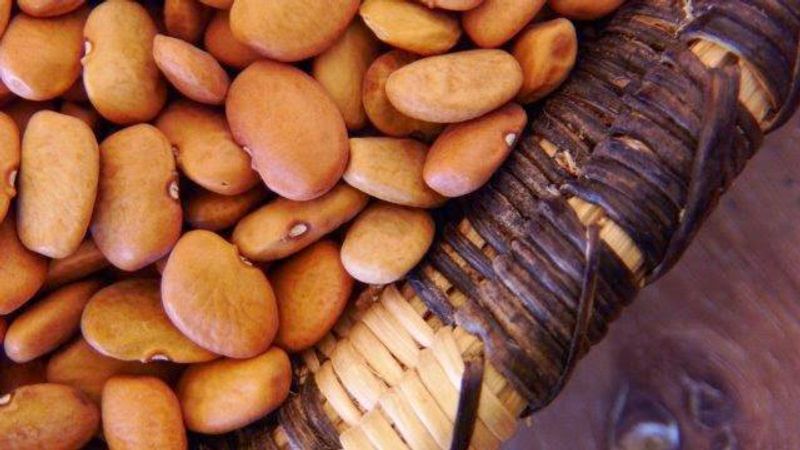
Tepary beans thrived in the harsh Sonoran Desert climate where other crops struggled, making them a crucial food source for Native American communities for thousands of years.
These small, drought-resistant legumes packed impressive nutrition and had a rich, earthy flavor that stood up well to bold seasonings.
Cooks would simmer them with chiles and herbs, creating hearty stews that sustained families through Arizona’s scorching summers.
The beans’ ability to grow with minimal water made them perfectly adapted to the desert environment, yet modern agriculture largely abandoned them in favor of more commercially popular varieties.
Finding tepary beans today usually requires visiting specialty Native American markets or ordering them online from small heritage seed companies.
The decline of tepary beans in Arizona kitchens reflects a broader loss of agricultural biodiversity and traditional foodways.
Food historians and Native communities have recently worked to reintroduce these beans, recognizing their cultural importance and environmental resilience.
7. Saguaro Fruit Syrup

Each summer, the Tohono O’odham people would harvest the bright red fruit from towering saguaro cacti using long poles made from saguaro ribs.
The fruit would be boiled down into a thick, sweet syrup used in ceremonies and as a precious sweetener throughout the year.
Making the syrup required climbing or reaching heights of twenty feet or more, then processing the fruit quickly before it spoiled in the desert heat.
The resulting syrup had a complex sweetness with hints of fig and strawberry, unlike any commercial sweetener.
Federal regulations protecting saguaro cacti and the labor-intensive harvest process have made this syrup extremely rare outside of Native communities.
Occasionally, tribal members sell small quantities at cultural events, but it remains largely unavailable to the general public.
The scarcity of saguaro fruit syrup highlights how legal protections and changing lifestyles have affected traditional food production in Arizona.
8. Cactus Candy
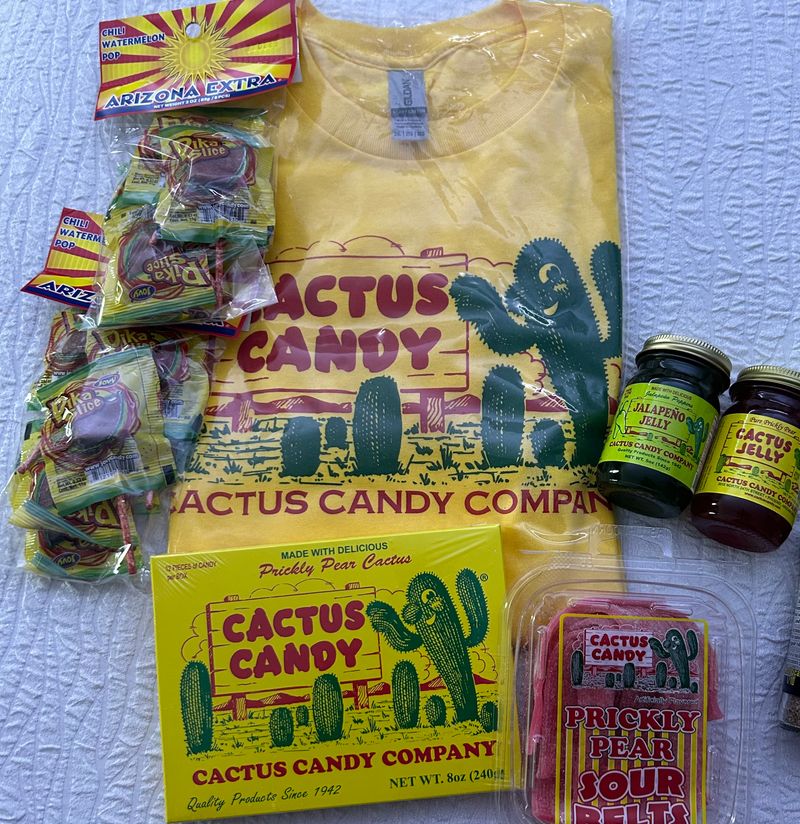
Roadside stands and gift shops across Arizona once displayed jars filled with jewel-toned cactus candy that looked almost too pretty to eat.
Made by cooking prickly pear fruit pulp with sugar until it crystallized, the candy offered a chewy, sweet treat that tasted faintly of watermelon and berries.
Children would beg their parents for a piece after long drives through the desert, making it part of countless family road trip memories.
The candy required careful temperature control and timing to achieve the right texture, skills that fewer artisans possess today.
Mass-produced versions eventually flooded tourist shops, but they often used artificial flavors and colors instead of real prickly pear.
Authentic homemade cactus candy has become increasingly difficult to find as the older generation of candy makers has retired.
What remains in most shops is a pale imitation that lacks the genuine fruit flavor and traditional preparation methods that made the original so special.
9. Green Corn Tamales
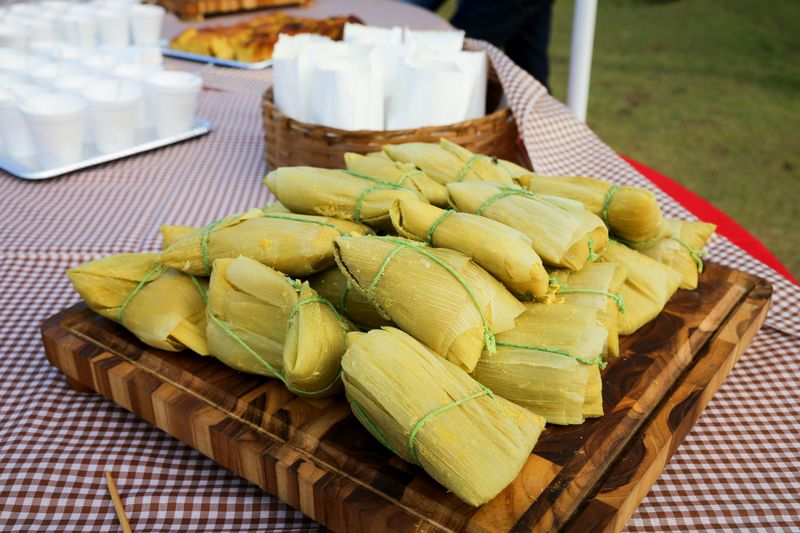
When sweet corn reached peak ripeness in Arizona summers, families would gather to make green corn tamales, a labor of love that required many hands.
Unlike traditional masa tamales, these used freshly ground sweet corn mixed with green chiles, creating a moist, sweet-spicy filling wrapped in corn husks.
The tamales had to be made during a narrow window when the corn was perfectly ripe, making them a fleeting seasonal treasure.
Grinding the corn, preparing the filling, and wrapping dozens of tamales took hours, turning the process into a social event.
As families became busier and frozen foods more convenient, fewer households maintained the tradition of making green corn tamales from scratch.
Some Mexican restaurants still offer them during corn season, but the homemade versions that once filled neighborhood kitchens have largely vanished.
The disappearance of green corn tamales represents the loss of seasonal cooking traditions that once connected families to Arizona’s agricultural rhythms.
10. Saguaro Seed Snacks
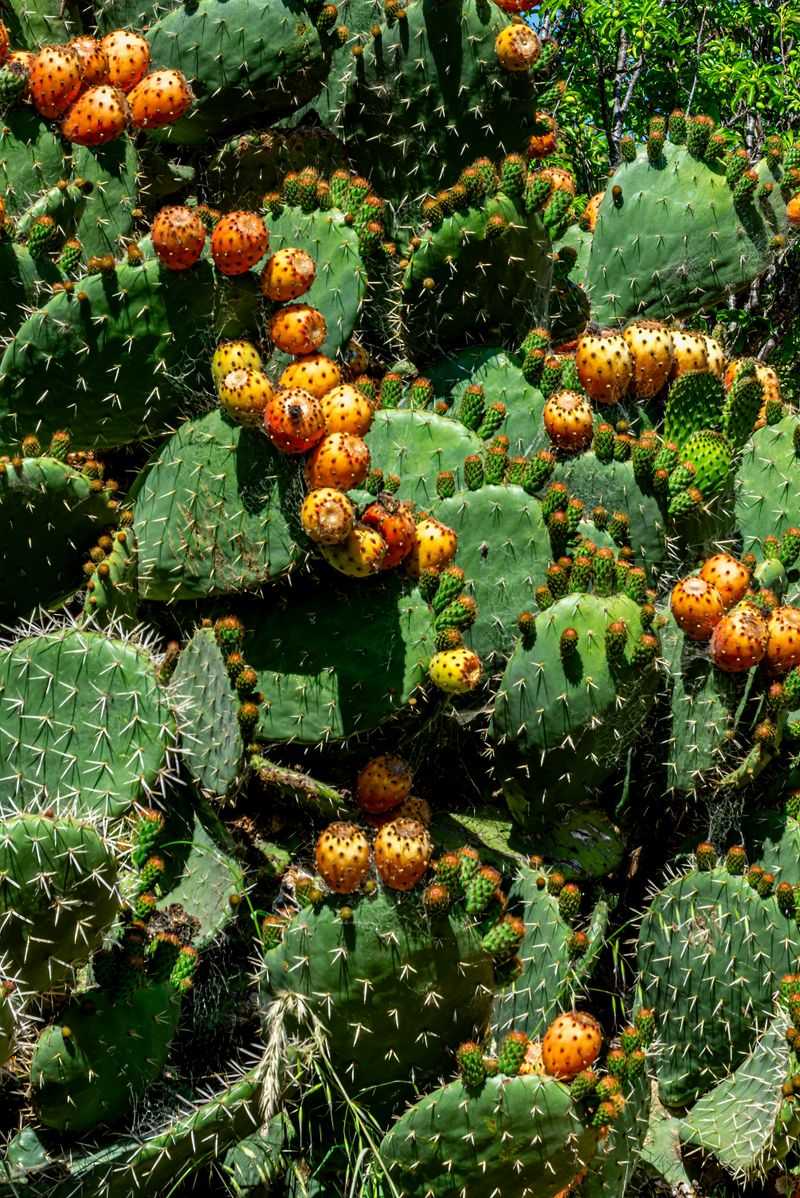
After processing saguaro fruit for syrup or jam, resourceful cooks would save the thousands of tiny black seeds and toast them for snacking.
The seeds developed a nutty, slightly smoky flavor when roasted, similar to sesame seeds but with their own distinct character.
People would sprinkle them on bread, mix them into trail mix, or simply eat them by the handful as a protein-rich snack.
Preparing saguaro seeds required patience to separate them from the fruit pulp and careful attention to avoid burning during toasting.
The same legal protections that limit saguaro fruit harvesting have made these seeds nearly impossible to obtain outside Native communities.
Even when available, the time investment required to process enough seeds for snacking discourages most modern cooks.
A few ethnobotanists and traditional food advocates have worked to document preparation methods, but saguaro seed snacks remain more historical curiosity than accessible food today.
11. Mesquite-Smoked Foods
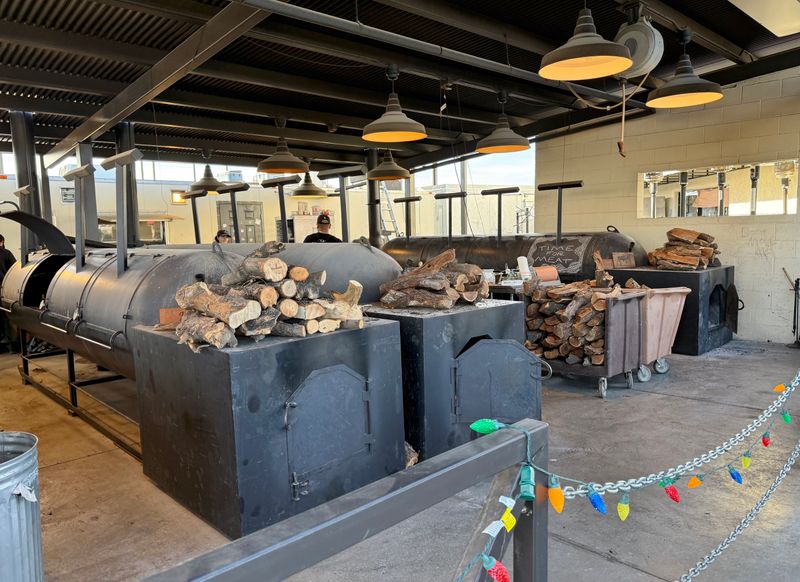
Mesquite wood gave Arizona barbecue a distinctive flavor profile that set it apart from Texas brisket or Carolina pulled pork.
The wood burned hot and imparted a strong, slightly sweet smoke that worked beautifully with beef, pork, and even vegetables.
Families would gather mesquite branches after trimming trees or clearing land, stockpiling wood for weekend smoking sessions.
The smoking process took hours of tending the fire and maintaining the right temperature, creating a ritual that brought people together.
As urban development reduced access to mesquite wood and gas grills became more convenient, traditional mesquite smoking became less common.
Many restaurants now use mesquite charcoal or liquid smoke flavoring, which provides a hint of the taste but lacks the authentic complexity.
True mesquite-smoked foods require the real wood, time, and knowledge that fewer Arizona cooks possess or practice today.
12. Cholla Buds
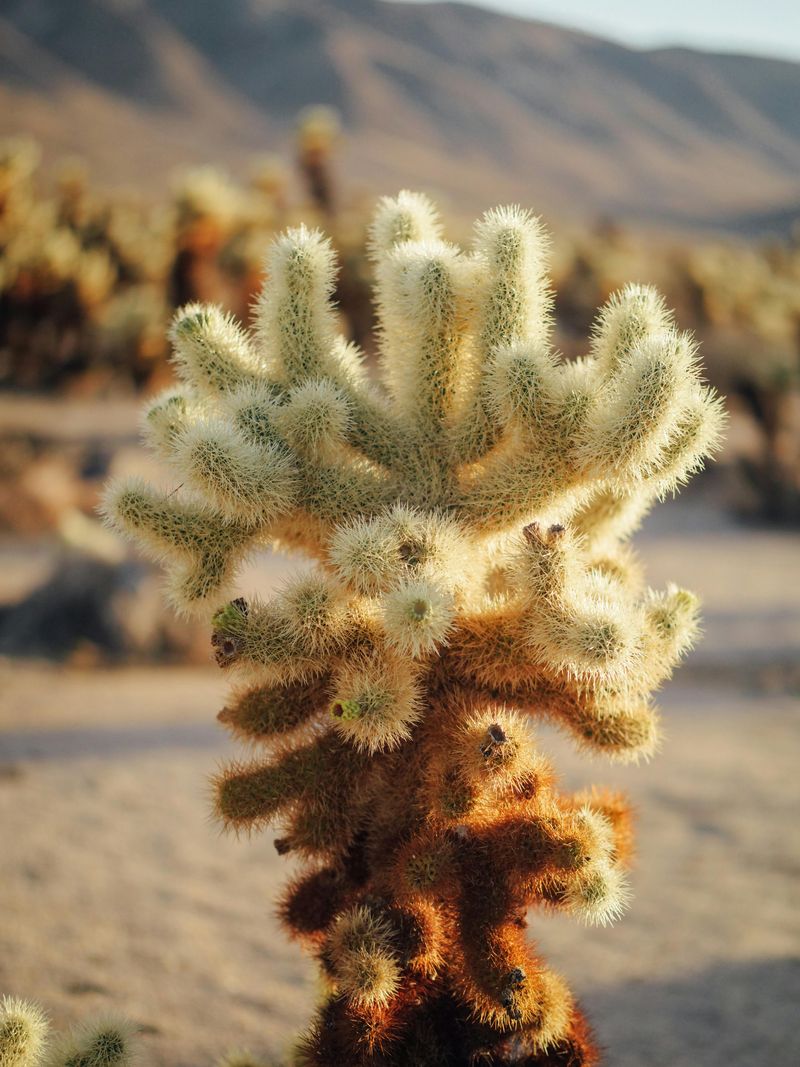
Cholla buds, harvested from the jumping cholla cactus before the flowers bloomed, were once a springtime staple for desert communities.
The buds had to be carefully removed to avoid the cactus’s notorious barbed spines, then dried or cooked to bring out their artichoke-like flavor.
Prepared properly, they offered a vegetable with a unique taste and impressive nutritional content, high in calcium and fiber.
Harvesting cholla buds required knowledge of the right timing and techniques passed down through generations of desert dwellers.
As traditional foodways declined and grocery stores offered easier alternatives, few people continued the practice of gathering and preparing cholla buds.
Some Native American communities and desert food advocates have recently worked to revive interest in cholla buds, hosting harvest workshops and cooking demonstrations.
Despite these efforts, cholla buds remain extremely rare in Arizona kitchens, known primarily to food historians and those committed to preserving indigenous culinary traditions.