15 Oregon-Approved Psyllium Husk Alternatives For Everyday Cooking
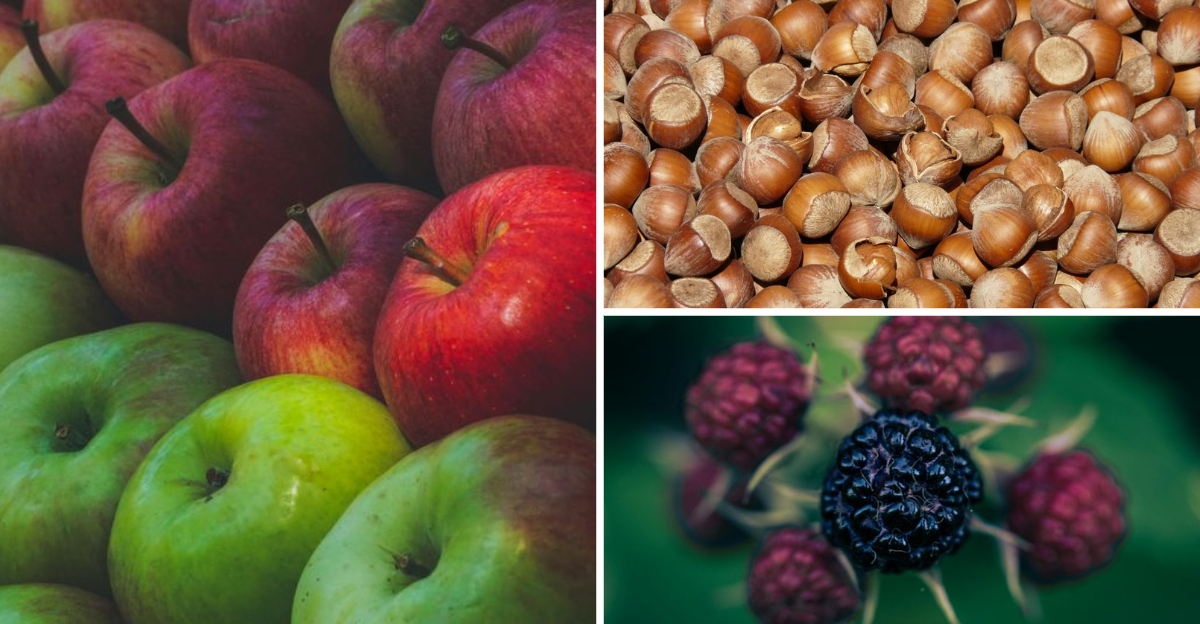
Psyllium husk gets a lot of attention in health-focused kitchens, but in Oregon, it is far from the only option people reach for.
With a strong culture of whole foods and ingredient awareness, many locals have learned to adapt when psyllium is unavailable, too strong, or simply not the right fit for a recipe.
Oregon kitchens tend to favor flexibility.
Home cooks experiment. Bakers tweak ratios.
Smoothie lovers adjust textures until things feel just right.
That is where psyllium husk substitutes come in.
Some offer similar binding power.
Others shine for digestion, fiber content, or how gently they work with the body.
A few are pantry staples that people already use without even thinking of them as replacements.
What makes these substitutes popular is practicality.
They are easy to find, easy to use, and fit naturally into everyday cooking.
Whether someone is baking gluten free bread, thickening oatmeal, or boosting fiber without upsetting digestion, there is usually more than one solution sitting on the shelf.
Stick around and you will discover exactly how to choose the right substitute for smoothies, sourdough, gluten free cookies, or weeknight soups!
1. Ground Flaxseeds
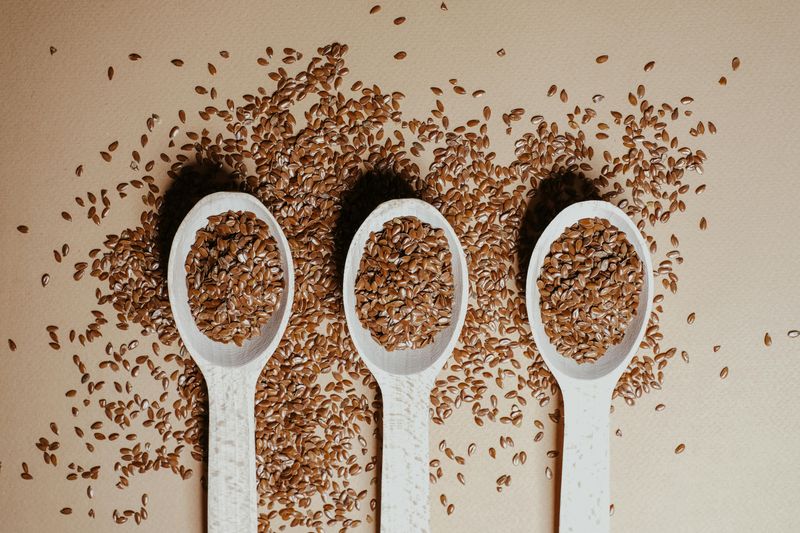
Ground flaxseeds are a go to in Oregon kitchens because they gel with water and create structure in baking.
Mix one tablespoon ground flax with three tablespoons water, let it sit for 5 to 10 minutes, and you have a reliable binder for cookies, pancakes, or veggie burgers.
You get fiber, omega 3s, and a pleasantly nutty note that does not overpower.
For bread, add one to two tablespoons per cup of gluten free flour to support moisture and crumb.
In smoothies, start with a teaspoon and build to a tablespoon to keep texture creamy instead of gritty.
Store flax meal in the fridge or freezer since the natural oils can go rancid if left out.
If you mill whole seeds at home, pulse briefly to avoid turning the mix pasty.
Golden flax tends to be milder, while brown flax is a bit earthier for robust loaves.
Hydration matters, so when swapping for psyllium, expect slightly less rise but a tender, cohesive bite.
Oregon’s Willamette Valley co-ops often carry fresh, locally milled flax meal, which keeps flavor bright.
Sprinkle it over yogurt, whisk into salad dressings, or fold into granola for extra crunch.
Keep drinking water through the day to help the fiber do its job gently.
2. Chia Seeds
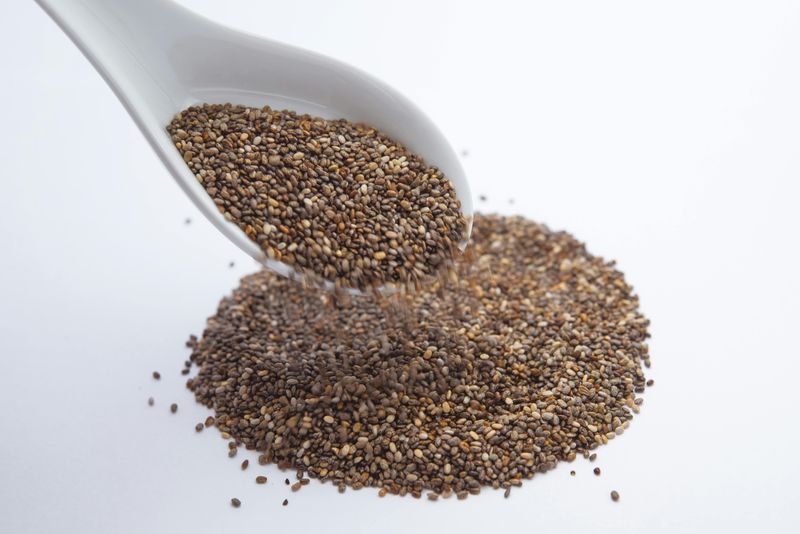
Chia seeds absorb up to 10 to 12 times their weight in liquid, forming a bouncy gel that stands in for psyllium in many recipes.
Stir one tablespoon chia into three tablespoons water, rest 10 minutes, and you have a thickening powerhouse for muffins, puddings, and smoothies.
The tiny crunch softens as it hydrates, leaving a clean finish.
For gluten free breads, combine chia gel with oat or sorghum flours to stabilize the crumb.
In jams, chia adds body without extra sugar, spotlighting Oregon berries like marionberries or blueberries.
Use white chia for a subtler look in light colored batters, and black chia for hearty, seeded styles.
Because chia thickens aggressively, adjust liquids gradually until the texture feels right.
A teaspoon of lemon juice brightens flavor and balances earthy notes.
If a recipe relies on psyllium’s elastic strands, pair chia with a pinch of xanthan gum for extra spring.
Keep chia in an airtight jar and rotate stock for freshness.
Sprinkle dry seeds over oatmeal for a pleasant pop, or fold gel into yogurt for instant breakfast.
When you want gentle digestion support minus grit, chia’s even gel and neutral taste make it a must-have staple.
3. Oregon-Grown Oat Fiber
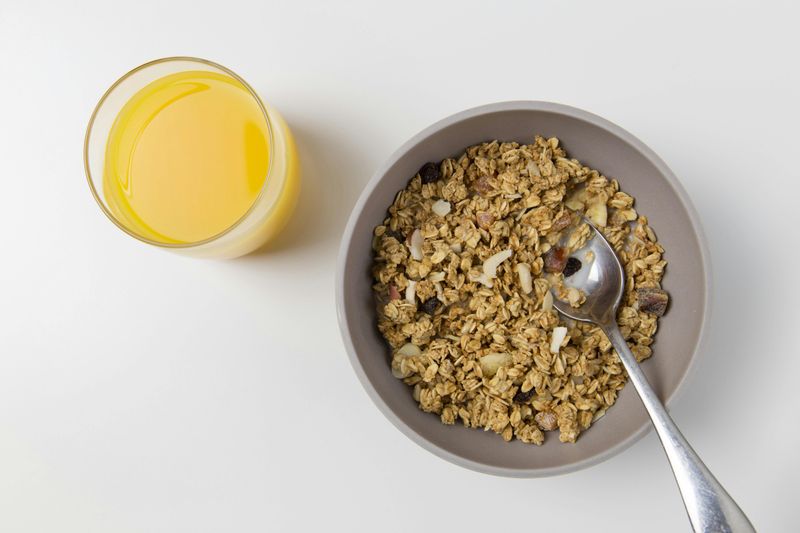
Oat fiber is the insoluble hull material milled into a fine powder, and Oregon growers supply excellent versions with a neutral taste.
Unlike oat flour, it is mostly fiber, so it adds bulk and absorbs moisture without much calories.
In baking, a tablespoon or two per cup of flour improves structure and tenderness.
When replacing psyllium, combine oat fiber with a small amount of xanthan or flax to mimic elasticity.
It keeps keto and gluten free loaves from collapsing while preserving a light crumb.
Since it is thirsty, increase liquid slowly until dough feels soft but not sticky.
The flavor stays mild, so spices and local honey free sweeteners shine.
For tortillas, a teaspoon stirred into the dough helps prevent cracking on the skillet.
In smoothies, a half teaspoon thickens without turning the texture gummy, useful for post hike snacks.
Store in a dry jar to prevent clumping!
If you want a rustic feel, pair oat fiber with buckwheat or teff and bake at slightly lower temperatures to avoid dryness.
Many Oregon bulk bins carry fresh stock, which translates to better aroma and consistent absorption, so small frequent purchases work best.
4. Marionberry Pectin
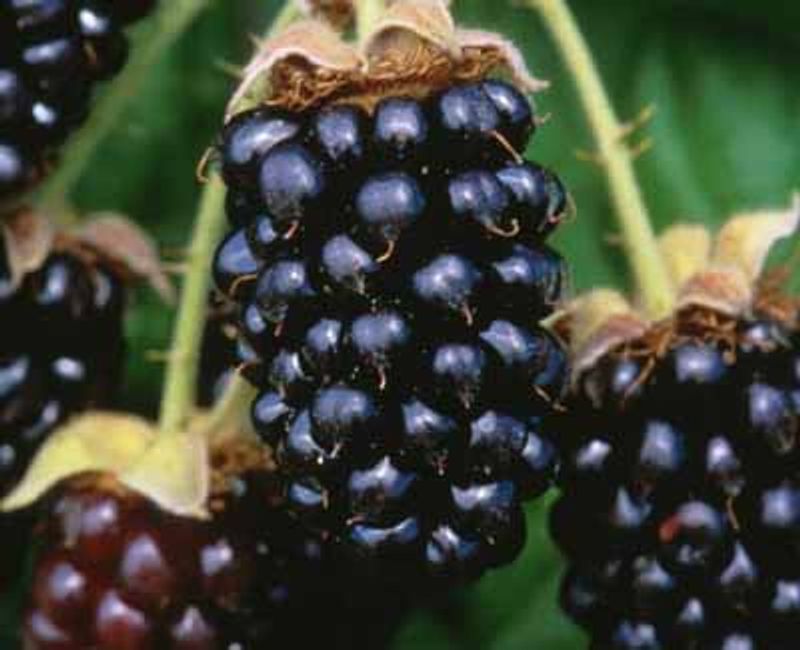
Marionberry pectin captures Oregon’s iconic berry character while lending gentle gelling power to sauces and bakes.
Pectin is a soluble fiber found in fruit cell walls, and marionberries are naturally rich, making it a smart swap where psyllium would otherwise thicken.
The result is a glossy set with subtle berry notes.
For chia jams or fruit sauces, a teaspoon or two of pectin compacts the texture without cloudiness.
In baking, whisk pectin with sugar or a dry ingredient first to prevent clumps, then hydrate over gentle heat.
Expect a softer, jam like cohesion compared with psyllium’s elastic pull.
Use it for fruit studded muffins, and glazes that benefit from a hint of berry aroma.
For savory applications, keep amounts modest and add lemon to keep flavors bright.
Because pectin needs acid and heat to fully activate, factor that into your timing.
Local farm stands often sell marionberry concentrates or dried pectin blends, which store well.
If a recipe needs more body, combine pectin with a small bit of agar for extra firmness.
You get digestible fiber plus that signature Oregon taste, turning everyday bakes into something a little special.
5. Coconut Fiber
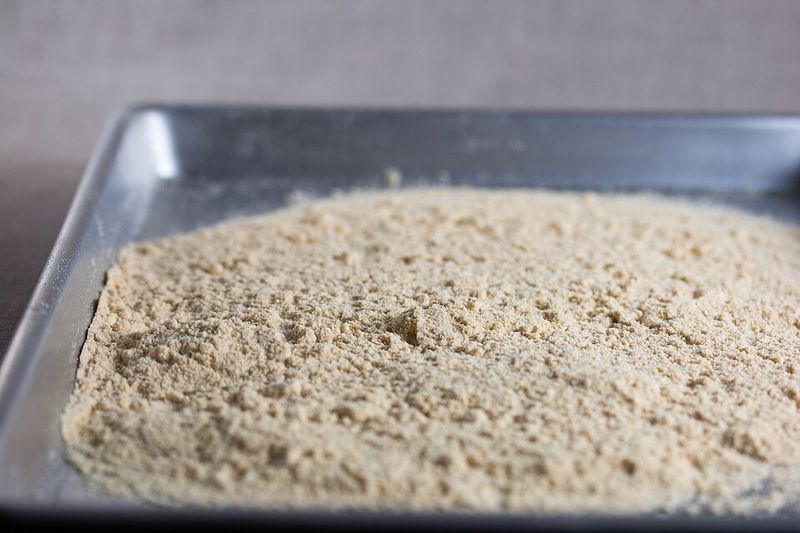
Coconut fiber, often labeled coconut flour, soaks up liquid quickly and adds gentle body to batters.
A little goes a long way, so when subbing for psyllium, start with one teaspoon and increase to taste.
The mild coconut note plays nicely with vanilla, cinnamon, and Oregon orchard apples.
Because it is very absorbent, add extra eggs or aquafaba to maintain tenderness in cakes and quick breads.
For tortillas or wraps, coconut flour teams well with tapioca starch to create flexibility.
In cookies, it encourages a soft interior while keeping edges crisp with proper fat balance.
Whisk thoroughly to break up clumps and rest the dough five minutes to gauge hydration.
If the mix seems dry, drizzle in warm water or milk until supple.
Compared with psyllium’s elastic gel, coconut fiber gives a cake like structure, so pair with flax or xanthan when stretch matters.
Store airtight to avoid moisture swings, since that changes absorption dramatically.
Local natural food stores across Oregon stock fresh coconut flour with consistent grind size.
Add a spoonful to smoothies for a thicker sip, or dust into pancakes for satisfying fluff without heaviness.
6. Hazelnut Meal
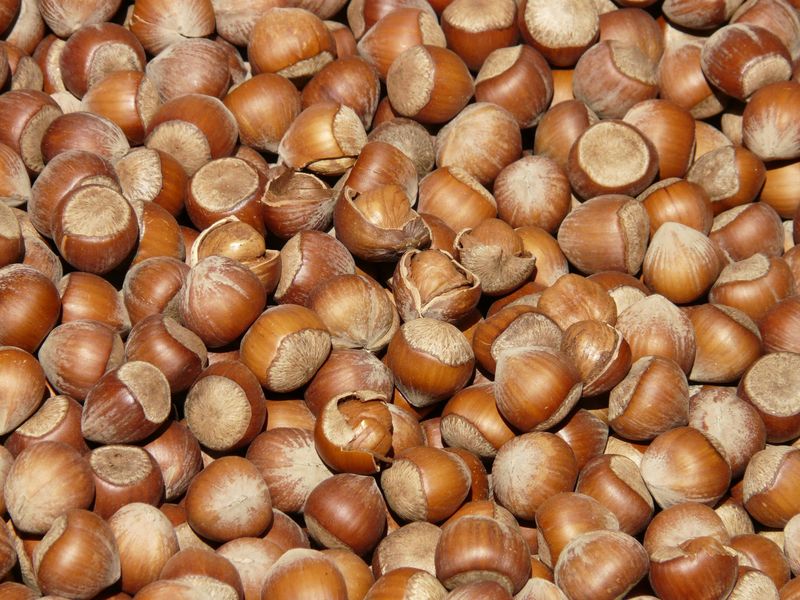
Oregon is famous for hazelnuts, and hazelnut meal brings fiber, protein, and a buttery aroma that upgrades bakes.
While it does not gel like psyllium, it adds structure and moisture retention when blended with oat, rice, or cassava flours.
Expect a tender crumb and toasty edges that feel pastry shop level.
To mimic psyllium’s binding, combine hazelnut meal with flax gel or a pinch of xanthan.
For biscotti or shortbread, it adds rich flavor and satisfying bite, perfect with coffee free alternatives.
In savory meatless balls, the meal helps bind while keeping interiors juicy.
Toast the meal lightly in a skillet to deepen nuttiness, then cool before mixing to avoid melting fats too early.
Use fine grind for cakes and a coarser grind for crunchy coatings.
If dough seems fragile, chill 20 minutes to firm the fats and improve handling.
Oregon farm markets often sell single origin hazelnut meal with a fresher aroma than big box options.
Keep it refrigerated to protect delicate oils.
When you want a wholesome swap that still feels indulgent, hazelnut meal delivers character and dependable texture without overshadowing other flavors.
7. Xanthan Gum

Xanthan gum is a powerful hydrocolloid produced by fermentation, widely used to add elasticity and hold in gluten free baking.
You only need a pinch: about 1/4 to 1/2 teaspoon per cup of flour for breads, less for cookies.
It dissolves easily and creates the springy chew psyllium often provides.
Blend it with dry ingredients first to prevent clumping.
For tortillas, a tiny amount keeps edges from cracking while rolling.
In sauces, xanthan thickens cold or hot, so you can whisk it into dressings or smoothies for instant body without heat.
If a recipe becomes too gummy, you likely used too much, so scale back by a pinch.
Combining xanthan with oat fiber or flax balances elasticity with tenderness.
It does not add flavor, letting Oregon ingredients like apples, berries, and hazelnuts speak clearly.
Keep the jar sealed and use micro spoons for accuracy.
For bakers transitioning from psyllium, xanthan often provides a closer crumb structure than seeds alone.
It is a small jar with big impact, and once dialed in, your loaves slice cleanly and your batters hold shape beautifully.
8. Apple Fiber
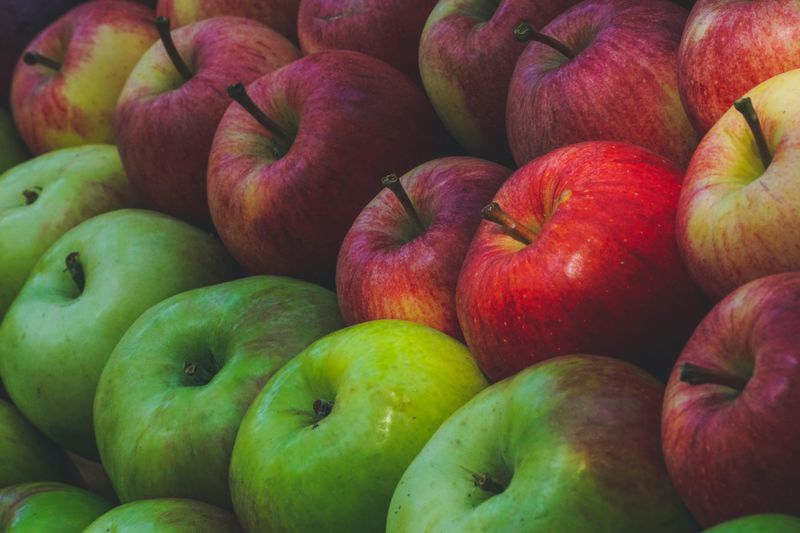
Apple fiber, milled from dried apple pomace, brings gentle sweetness and soluble fiber to batters and smoothies.
Oregon orchards supply plenty, and the flavor plays well with cinnamon, ginger, and nutty flours.
It does not gel like psyllium, but it thickens and adds body while supporting digestion.
Use one to two teaspoons per cup of flour in muffins or quick breads, then adjust liquids.
In overnight oats, a spoonful adds pie like aroma and helps keep the mixture cohesive.
For fruit sauces, apple fiber rounds off watery textures without turning them gluey.
To mimic psyllium’s binding, pair apple fiber with chia gel or a touch of xanthan.
Whisk it into dry ingredients to distribute evenly, then rest your batter for five minutes to hydrate.
Expect a tender, moist crumb with a friendly apple note that suits family bakes.
Keep it in a cool pantry to preserve aroma.
Many Oregon natural stores stock local apple fiber from cider makers, which feels fresher and brighter.
When you want a subtle thickener that tastes like fall and plays nicely in both sweet and savory, apple fiber hits the mark gracefully.
9. Seaweed Derivatives

Agar agar from red algae sets firm gels, making it great for vegan panna cottas, terrines, and jelly like layers.
Carrageenan offers different textures from soft to elastic depending on type.
Both are staples in coastal regions and serve as reliable thickeners where psyllium might otherwise be used.
For agar, dissolve powder in simmering liquid for a minute, pour, and cool to set.
Use about 1 teaspoon agar per cup for a firm gel, less for softer.
Carrageenan varieties like kappa and iota react with calcium and dairy differently, so match the type to your recipe’s base.
In gluten free baking, small amounts help stabilize batters and fillings without flavor impact.
For soups, a tiny sprinkle of carrageenan gives body without heaviness.
If switching from psyllium, expect cleaner cuts and less chew, ideal for layered desserts and clear fruit gels.
Source products from reputable suppliers that test for purity and consistency.
Oregon coastal stores often carry seaweed products alongside sushi supplies.
With a little measuring, you can dial in textures from tender wobble to sliceable firmness, opening options that go far beyond basic thickening.
10. Blackberry Seed Fiber

Blackberry seed fiber is a clever upcycle from Oregon’s abundant berry processing.
After pressing for juice, the seeds are milled into a fine, antioxidant rich powder with subtle fruity aroma.
It does not gel like psyllium, but it adds bulk, light thickening, and a pleasant color cast.
Blend one to two teaspoons into muffin or bar batters for texture and a hint of berry.
In smoothies, a teaspoon adds body without turning chalky.
For sauces, whisk with a little sugar to disperse before adding liquids and simmer gently for a rounded finish.
The flavor is delicate, so it will not take over baked goods.
Pair with lemon zest or vanilla to lift its berry notes.
If a recipe needs elasticity, combine blackberry fiber with chia gel or xanthan to recreate psyllium’s stretch.
Look for small Oregon producers or farmers market vendors who specialize in seed flours.
Store cool to protect color and aroma.
When you want fiber that fits seamlessly into everyday recipes and celebrates wild Oregon hedgerows, blackberry seed fiber brings nutrition and a dash of natural flair.
11. Hemp Fiber

Oregon’s hemp farms produce fiber rich powders that add earthy flavor, protein, and gentle thickening.
Hemp fiber does not create a gel like psyllium, but it bulks batters and boosts nutrition.
In smoothies, start with a teaspoon to avoid graininess, then increase as you prefer.
For breads and crackers, blend hemp with oat or rice flours for a hearty, rustic profile.
Add extra liquid because hemp absorbs more than you might expect.
If you need elasticity for sandwich loaves, pair hemp with xanthan or flax gel to stabilize the crumb.
The flavor leans nutty and green, which works beautifully with rosemary, garlic, and Oregon sea salt.
In energy bites, hemp fiber holds mixtures together with dates or nut butter, finishing with satisfying chew.
Rest doughs 10 minutes to hydrate fully before final adjustments.
Seek out local processors that test for quality and consistent milling.
Keep your bag sealed and refrigerated for freshness!
12. Mushroom Fiber
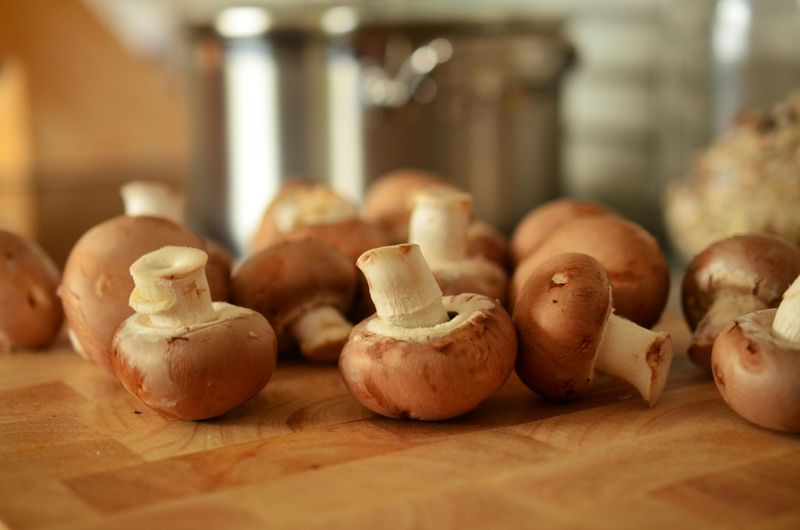
Dried and powdered culinary mushrooms like shiitake and maitake bring beta glucans, which add subtle thickening and savory depth.
While not a true gel like psyllium, mushroom powders round mouthfeel in soups, gravies, and plant patties.
A half teaspoon goes a long way, especially in broths.
For burgers or meatless balls, mix mushroom powder with oat fiber or breadcrumbs to bind and keep moisture.
In ramen style broths, it enhances body without clouding.
The umami plays well with Oregon produce, from onions to chanterelles when in season.
If you want more set, pair mushroom powder with arrowroot or agar depending on the dish.
Avoid overcooking, which can make flavors muddy; add near the end and simmer briefly.
In baking, a pinch in savory breads deepens complexity without shouting mushroom.
Local herbal shops often stock blends standardized for culinary use.
Store cool and dry, and use small amounts until you know the potency.
13. Grass-Fed Gelatin
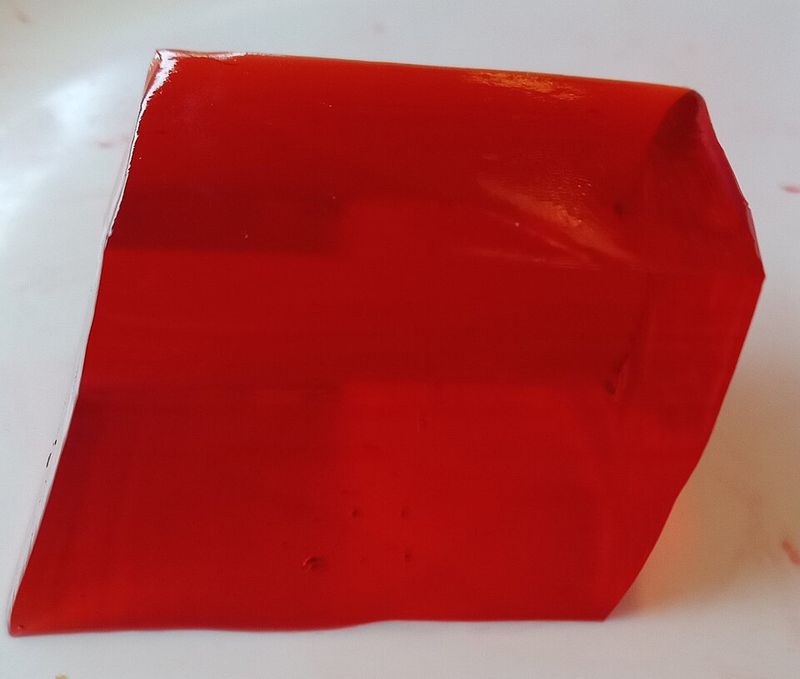
Grass fed gelatin sets into a clear, bouncy gel that replaces psyllium in custards, gummies, and certain breads where structure matters.
Bloom one tablespoon over cold water, then melt gently into warm liquid.
You get clean slicing and pleasant chew without grainy texture.
In gluten free bread, a teaspoon or two adds resilience and moisture retention, especially when paired with oat fiber.
For sauces, gelatin provides body that holds when cooled, great for aspics or terrines.
It is flavor neutral, letting Oregon herbs and vegetables stand forward.
Do not boil once dissolved, or the set can weaken.
For a softer gel, reduce the amount slightly; for firm cubes, increase by a half teaspoon.
If swapping from psyllium, expect less fiber but improved clarity and elasticity in gelled dishes.
Choose gelatin from pasture raised sources when possible.
Store dry and measure accurately for repeatable results.
When you want reliable setting power that behaves predictably and slices neatly, grass fed gelatin gives you pro level control at home.
14. Plantain Flour

Green plantain flour is starchy and mildly savory, bringing flexible structure to tortillas, waffles, and quick breads.
It does not replicate psyllium’s fiber gel, but it builds body and a pleasantly springy bite when hydrated well.
Mix with warm water and a touch of oil for pliable flatbreads.
For baking, blend plantain flour with almond or oat flour to balance density.
Add a pinch of xanthan or flax gel for elasticity if you are shaping loaves.
The flavor is neutral enough to pair with cinnamon or garlic, making it a versatile pantry player.
Rest batters 10 minutes so starches hydrate, then adjust with splashes of liquid to reach the target thickness.
For crispy edges, cook at slightly higher heat and let steam escape.
Compared with psyllium, plantain gives a cleaner, cake like structure and a golden finish.
Look for finely milled flour for smooth doughs, and store airtight to avoid moisture clumps.
Oregon specialty grocers and Latin markets often carry it.
When you crave bendable tortillas or tender waffles without psyllium, plantain flour steps up reliably.
15. Glucomannan (Konjac)
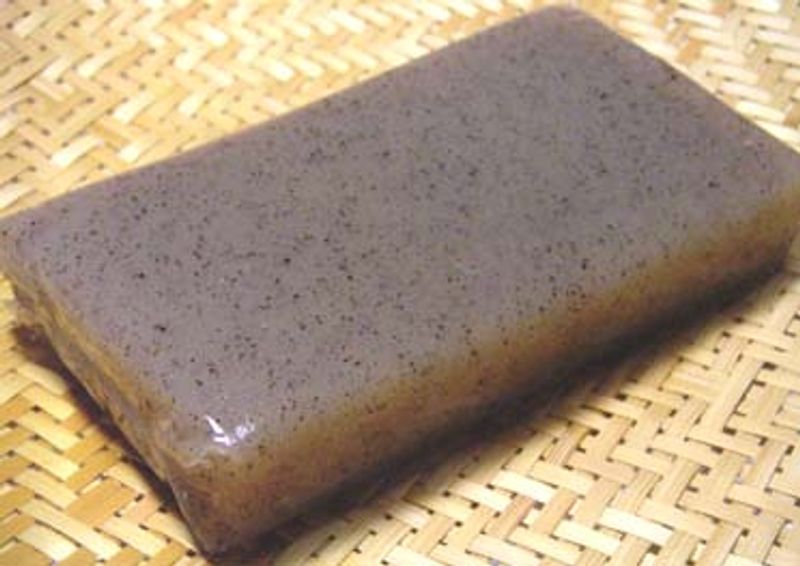
Glucomannan from konjac root is an ultra potent soluble fiber that thickens at tiny doses.
It forms a silky gel that can stand in for psyllium in smoothies, sauces, and some baked goods.
Start with 1/8 teaspoon per cup of liquid, whisking vigorously to prevent clumps.
Because it thickens as it hydrates, give mixtures a few minutes to set before adjusting.
In baking, pair glucomannan with oat fiber or almond flour to retain moisture and create a delicate crumb.
For low carb gravies, it gives nap without cloudiness or a starchy feel.
Use sparingly, as too much becomes slippery.
Sprinkle while blending to disperse evenly, and keep sipping water through the day to support fiber.
Compared with psyllium, glucomannan creates a smoother gel with less visible texture, ideal for creamy drinks and custards.
Choose products labeled food grade and store tightly sealed.
Many wellness shops in Oregon keep small jars behind the counter due to potency.
When precision matters and you want power without bulk, glucomannan offers control that makes recipes behave exactly how you imagined.