Why Dining In Chicago And New York City Is Just Not The Same Experience
Chicago and New York City both carry reputations as serious food cities, yet dining in each place feels like stepping into a completely different mindset.
The way restaurants present themselves often reflects the pace of the city around them.
In Chicago, meals tend to invite you to stay awhile and settle in.
In New York City, efficiency and momentum often shape the dining experience.
Menus in Chicago frequently lean into comfort and abundance.
New York City menus often prioritize range, speed, and constant change.
Restaurant spaces in Chicago feel designed for conversation and lingering.
New York City dining rooms are more likely to feel tightly choreographed.
Service styles differ in ways that regular diners notice immediately.
Chicago restaurants often emphasize warmth and familiarity.
New York City restaurants frequently highlight precision and professionalism.
Portion sizes tell their own story about expectations at the table.
Pricing structures reflect very different business realities.
Neighborhood loyalty plays out differently in each city.
The role of trend chasing varies more than people expect.
Even casual meals can feel surprisingly distinct depending on the city.
These differences do not make one better than the other.
They simply show how deeply food culture is shaped by place.
Pizza Culture: Fold It Or Fork It
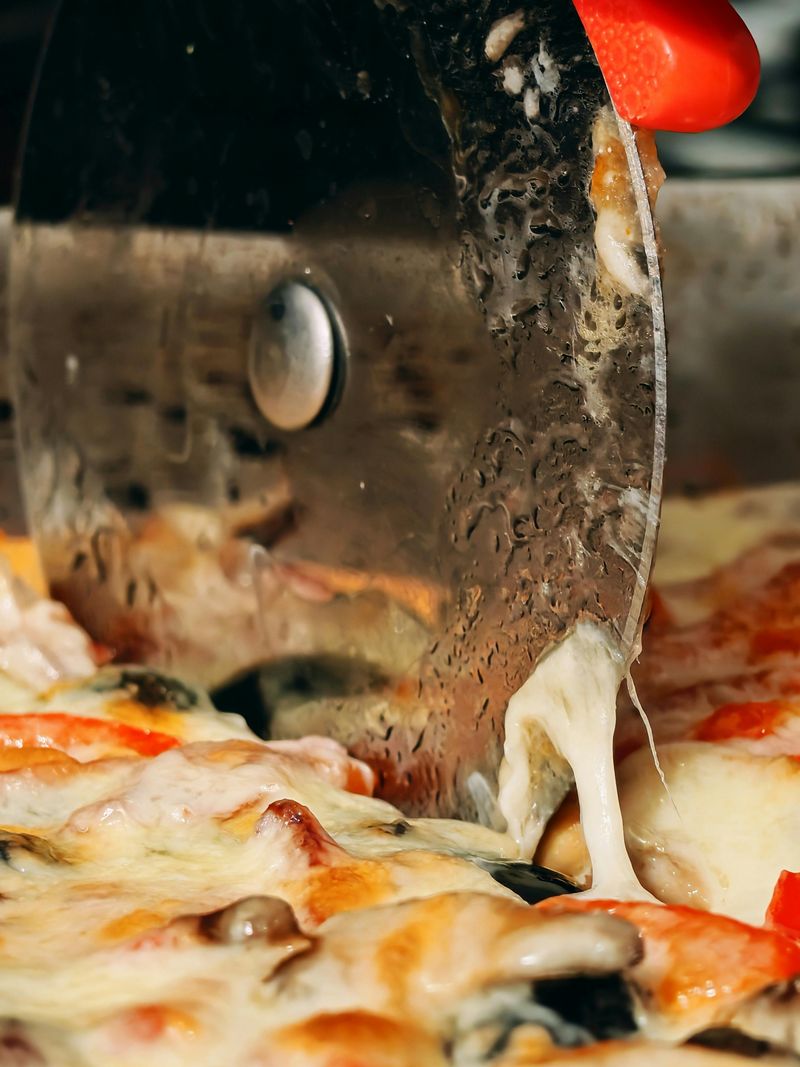
New York’s thin crust begs to be folded, hustled down the block, and devoured before the next crosswalk.
Chicago’s deep dish arrives like an event, a buttery cornmeal crust cradling cheese, toppings, and a bright, chunky sauce that insists you slow down.
You might stand at a counter in Brooklyn, while in River North you will likely settle in and plan the rest of the night around that casserole of glory.
Both cities worship their pies, but the rituals differ.
In Chicago, you order ahead, expect a bake time that rivals a short movie, and share slices that look like wedges of lasagna.
In New York, a slice shop turns over pies constantly, and the reheat is an art that keeps the base crisp while the cheese blisters.
The debate is not just texture, it is tempo.
New Yorkers crave portability and repetition, Chicagoans celebrate heft and ceremony.
Search menus and you will see it: Sicilian squares next to thin-crust tavern pies in Chicago, and in New York, grandma slices alongside coal-fired legends.
Same canvas, different cities, deeply personal loyalties.
Service Style: Efficient Hustle VS Midwestern Warmth
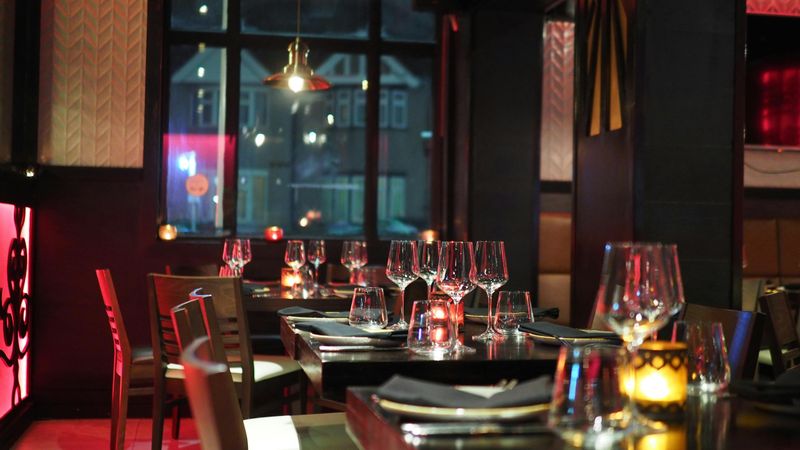
Service tells the city’s story as clearly as any dish.
In New York, servers move with crisp efficiency, reading tables fast, clearing plates promptly, and keeping the pace aligned with subway schedules.
You feel looked after, but the cadence is purposeful and lean, designed for high turnover and diners who know what they want.
Chicago’s hospitality stretches a bit wider.
Conversations linger, staff often recommend a few neighborhood spots, and timing flexes to make meals feel relaxed.
It is not slow, it is measured, a style that pairs with bigger booths and longer courses without rushing you out the door.
Neither approach is better, just tuned differently.
New York’s directness respects your time, while Chicago’s warmth respects your evening.
That means check drops will vary, follow-ups might be more frequent in the Big Apple, and refills or table touches may carry extra friendliness in Chicago.
If you plan a pre-show dinner in New York, you can count on punctual pacing.
If you are celebrating in Chicago, expect staff to help you stretch the night tastefully.
Two service philosophies, both refined by experience and density.
Space And Seating: Tight Tables VS Room To Breathe
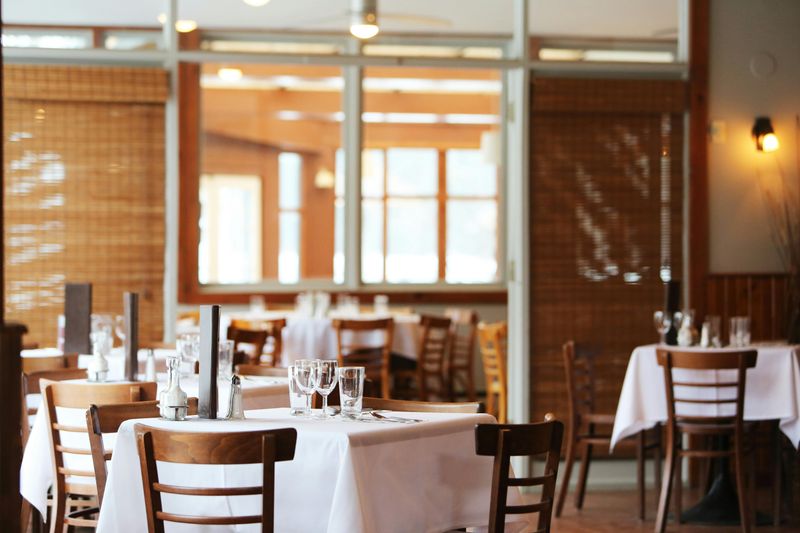
Real estate writes the floor plan.
In New York, square footage costs a small fortune, so tables tuck close, bar seating multiplies, and two-tops turn like clockwork.
You can feel the energy of the room instantly, animated and compact, where conversations overlap and you become part of the city’s chorus.
Chicago’s dining rooms often sprawl comparatively.
Converted warehouses, neighborhood taverns, and riverfront spaces give operators breathing room to stretch aisles and widen booths.
You notice wider pathways, stroller-friendly corners, and layouts that welcome longer hangs with friends or family.
Design follows function.
In Manhattan, efficient footprints increase seat count, and diners accept intimacy as part of the charm.
In Chicago, comfort drives the vibe, with more space for sharing plates, layered courses, and winter layers draped over chair backs.
Those choices ripple into the experience: noise levels, wait times, accessibility, even how many dishes you can fit at once.
Whether you thrive in the buzz or love elbow room, each city plays to its strengths.
The table is not just where you eat, it is how you inhabit the evening, and these two cities offer distinctly different blueprints.
Price And Portion Psychology
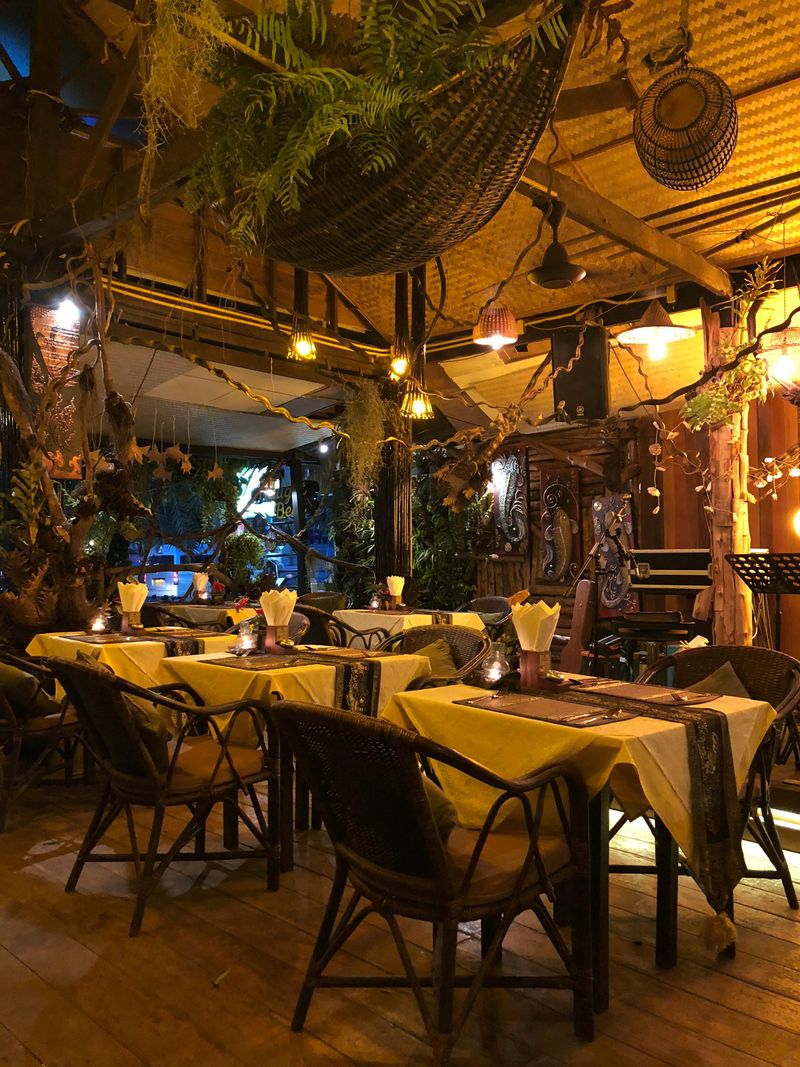
Sticker shock hits differently on each lake and river.
New York’s menu prices skew higher, especially in central neighborhoods, where rent, labor, and demand stack the bill.
Portions often lean balanced and composed, letting guests graze across courses or hop to another spot afterward.
Chicago tends to deliver more food per dollar, not just at deep-dish institutions but across steakhouses, taquerias, and neighborhood bistros.
You notice it in sides that feed the table, sandwiches that anchor a day, and entrees that do not require a second stop.
Many places aim for value without skimping on quality, aligning with a tradition of generous hospitality.
Budgeting strategy shifts with the skyline.
In New York City, plan for higher price points and consider prix fixe lunches, bar menus, or off-peak reservations.
In Chicago, you can often upgrade cuts, add another side, or split a dessert without doubling the spend.
Both cities reward research, but your money stretches differently.
That does not mean better or worse, just a recalibration of expectations.
When the check lands, it reflects the ecosystem: rents, suppliers, talent, and the daily tempo of locals who fuel the scene.
Reservation Reality And Waitlist Culture
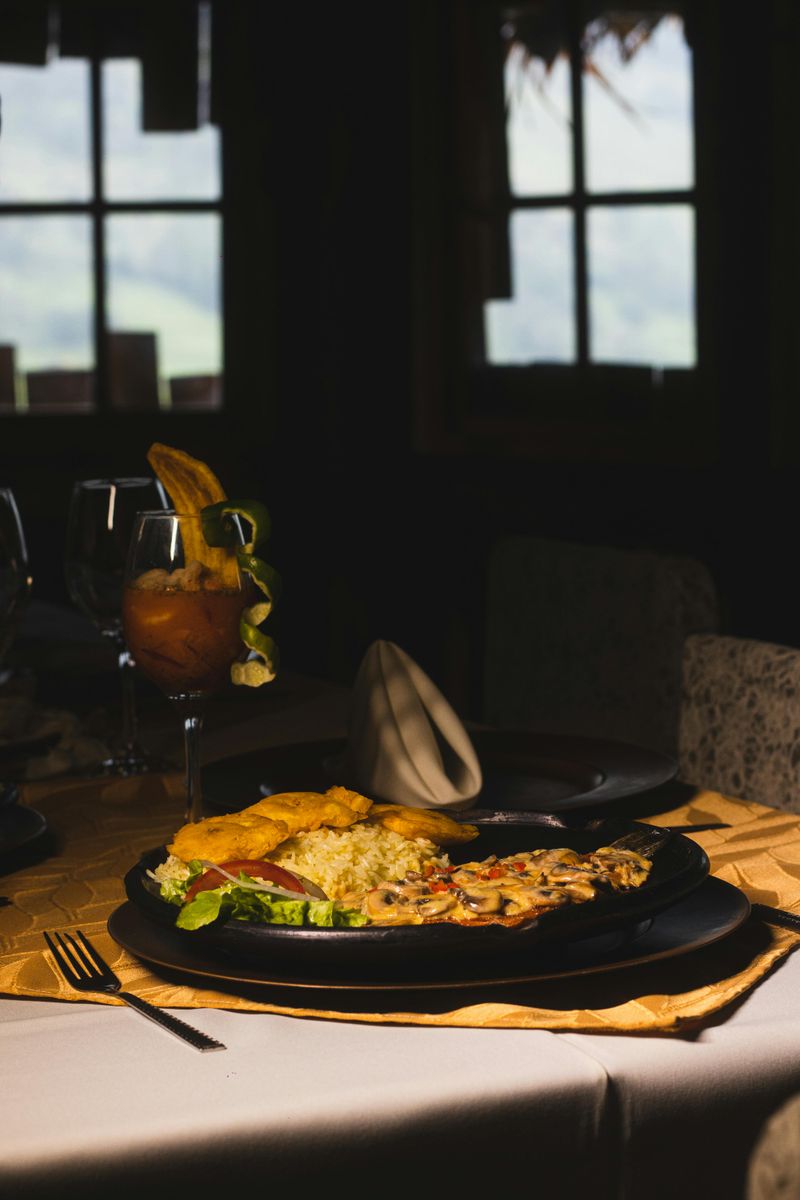
Scoring a table can feel like a sport, but the rules vary.
In New York, hot openings pack waitlists instantly, and reservations at trending spots evaporate at release times.
Walk-ins exist, yet you often queue outside tiny storefronts, watching hosts triage names with an efficiency that rivals a stage manager.
Chicago’s reservation game is competitive, but a touch less ruthless for many categories.
You will still set reminders for Michelin darlings, yet neighborhood gems often have same-week openings.
Walk-in lists can feel friendlier, with bars designed to hold you comfortably while you wait.
Strategy matters.
In Manhattan, leverage notifications, be flexible on times, and consider bar counters for the full menu.
In Chicago, try early week slots, widen neighborhood radius, and you might still snag prime dining hours.
Both cities reward persistence and punctuality, and both punish no-shows.
You are playing different calendars shaped by local demand, capacity, and press cycles.
Patience plus alerts equals dinner, but your odds swing with the skyline and the buzz cycle.
Neighborhood Flavor Maps

In New York, micro-neighborhoods compress the world onto a few blocks: a ramen alley, a stretch of West African kitchens, a cluster of Ukrainian bakeries, all within subway striking distance.
You can assemble a progressive meal across three spots on one street, each doing one thing incredibly well.
The density encourages specialization and intense identity.
Chicago’s flavors fan out by avenues and districts.
You explore Pilsen for tacos and murals, Devon Avenue for South Asian staples, Argyle for Vietnamese classics, and Greektown’s stalwarts near the West Loop.
Trips feel like mini journeys, with wider streets and bigger dining rooms anchoring the experience.
Transit changes the calculus.
New York’s subway lines drop you beside tiny marvels, while Chicago’s L trains and buses guide you to clusters that invite lingering.
Both cities showcase global depth, but the path between bites differs.
Plan your route, and you can taste a new country each hour in New York, or settle into a neighborhood afternoon in Chicago.
Flavor maps matter, and each city draws them with different strokes.
Culinary Accolades And Ambition
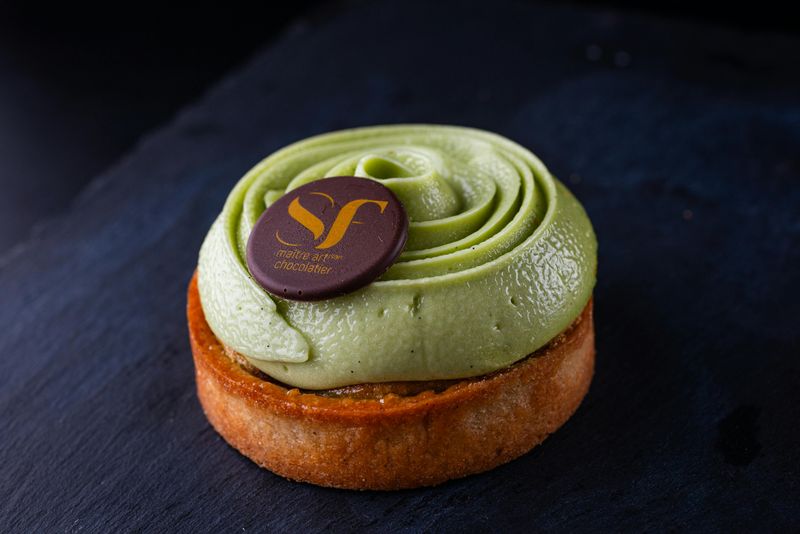
Awards tell you where ambition clusters.
New York holds the most Michelin stars in the country, spread across haute temples, creative counters, and neighborhood stunners.
That scale creates constant benchmarks, where chefs iterate, collab, and push formats to capture attention.
Chicago punches hard with fewer stars but outsized impact.
Restaurants like Alinea made experimentation mainstream, and the city treats tasting menus as canvases for big ideas.
The result is a scene that feels daring but grounded, with chefs embracing Midwestern ingredients and global techniques without pretense.
What you feel as a diner is momentum.
In New York, expect breadth, constant openings, and a leaderboard that shifts with seasons.
In Chicago, expect focused innovation, where tasting rooms, steakhouses, and neighborhood bistros coexist with unexpected harmony.
Both chase excellence through different infrastructures.
You win regardless, but your evening’s narrative changes: marathon of options in New York, intentional arc in Chicago.
Choose your challenge, reserve wisely, and let the ambition on the plate do the talking.
Iconic Staples: Dogs, Bagels, Beef, And Pastrami
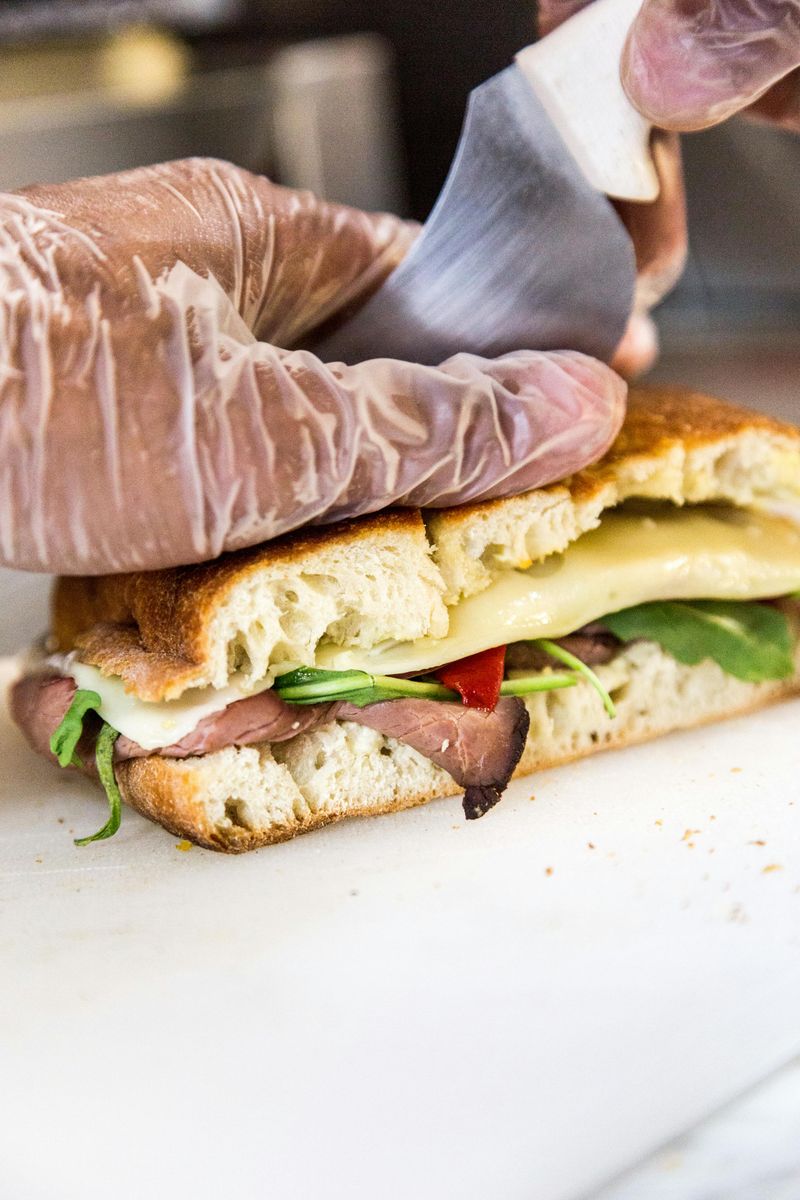
Signature bites shape expectations before you sit.
In Chicago, a classic dog hides under a garden of toppings, never ketchup, with a snap that announces itself.
Italian beef sandwiches drip with jus, often piled with sweet peppers or spicy giardiniera, and you will want extra napkins.
New York fires back with bagels dense and shiny, best with cream cheese or lox, and pastrami stacked like architecture between rye.
Thin-crust slices fold cleanly, and corner shops turn out breakfast sandwiches that carry commuters through the morning.
These items double as identity badges, shorthand for local pride.
Restaurants build on those icons differently.
Chicago menus weave giardiniera into salads and pizzas, treat beef as comfort, and lean into hearty sides.
New York spots riff on bagel textures, pastrami spices, and deli traditions, translating them into modern kitchens.
Order the classics to ground your trip, then chase the interpretations.
You will taste history alongside invention, and you will understand each city’s rhythm without reading a single street sign.
Speed Of The Meal: Sprint VS Stretch
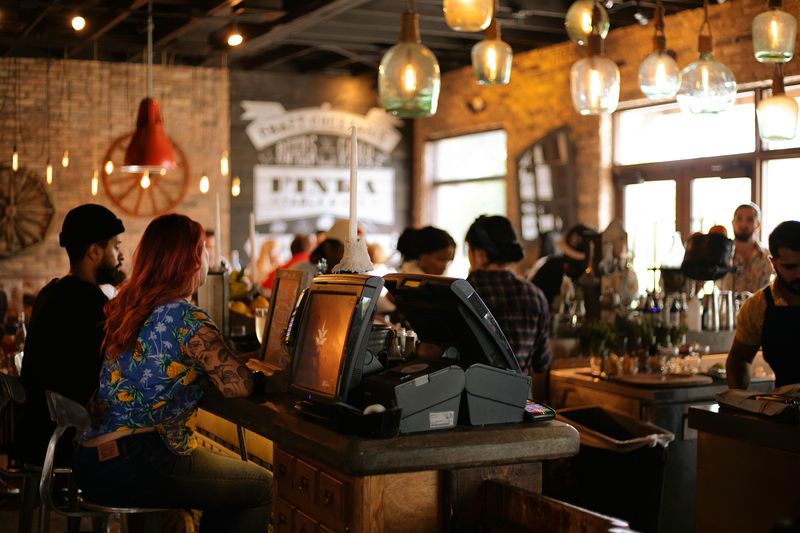
In New York, meal speed mirrors the sidewalks.
Lunch moves quickly, counter seating flips fast, and even full-service dinners can feel like elegantly timed choreography.
You might stack two short stops instead of one long reservation, sampling a specialty at each.
Chicago encourages a deeper sit.
You see it in bread service, in the way courses breathe, and in the unhurried pacing that gives conversation a chance to settle.
The calendar seems to bend around the table, and the city’s winter tradition of lingering dinners reinforces that rhythm.
Plan to match the tempo.
In Manhattan, grab snacks between appointments and slot in one focused dinner to anchor the day.
As for Chicago, you can let a single reservation hold the evening, then add dessert or a late bite only if you are still curious.
Both styles reward intention!
A sprint can taste like discovery, a stretch like satisfaction. Knowing the tempo elevates both.
Design And Ambience: Compact Cool VS Cozy Industrial

New York’s dining rooms often lean tight and moody, layering mirrors, shelves, and banquettes to maximize feel and function.
Lighting is strategic, playlists are calibrated, and the look says small but intentional.
You feel a movie scene unfolding around you, brisk and stylish.
Chicago favors warm industrial comfort.
Think brick walls, high ceilings, soft Edison glow, and room for a few large-format tables.
The effect is approachable and flexible, equally good for a casual catch-up or a celebratory meal that stretches.
Ambience shapes appetite.
In New York City, compact cool nudges you toward focused menus and quick-turn plates, while in Chicago, space encourages sharing, family-style platters, and layered sides.
Neither city lacks design chops, though.
They simply solve different problems with flair.
Pay attention to sound absorption, chair comfort, and table sizes, and you will predict how long you will want to stay.
The room tells you as much as the menu.
Weather-Proof Dining: Patios, Sidewalks, And Winters

Climate pushes creativity!
New York embraced outdoor sheds and sidewalk seating to weather tough seasons, compressing space but extending capacity.
Heat lamps and wind screens keep streetside tables viable, especially when nights turn chilly but the city refuses to pause.
Chicago’s winters demand heavier armor.
Enclosed patios, rooftop igloos, and thoughtfully insulated spaces make al fresco dining workable, but restaurants often pivot to hearty menus that suit the season.
When summer lands, patios explode along the river and neighborhood corridors, reclaiming months of social energy.
Expect menus and layouts to swing with the forecast.
In the Big Apple, narrow streets host inventive setups that align with dense blocks.
In Chicago, larger footprints allow more weatherized builds and seasonal transitions.
For diners, this means checking a restaurant’s latest patio policy, heat source, and seating map before you go.
The forecast is not background noise, it is part of the plan. Dress smart, book smart, and enjoy the city that shows up, snow or sun.
Global Variety VS Regional Comforts
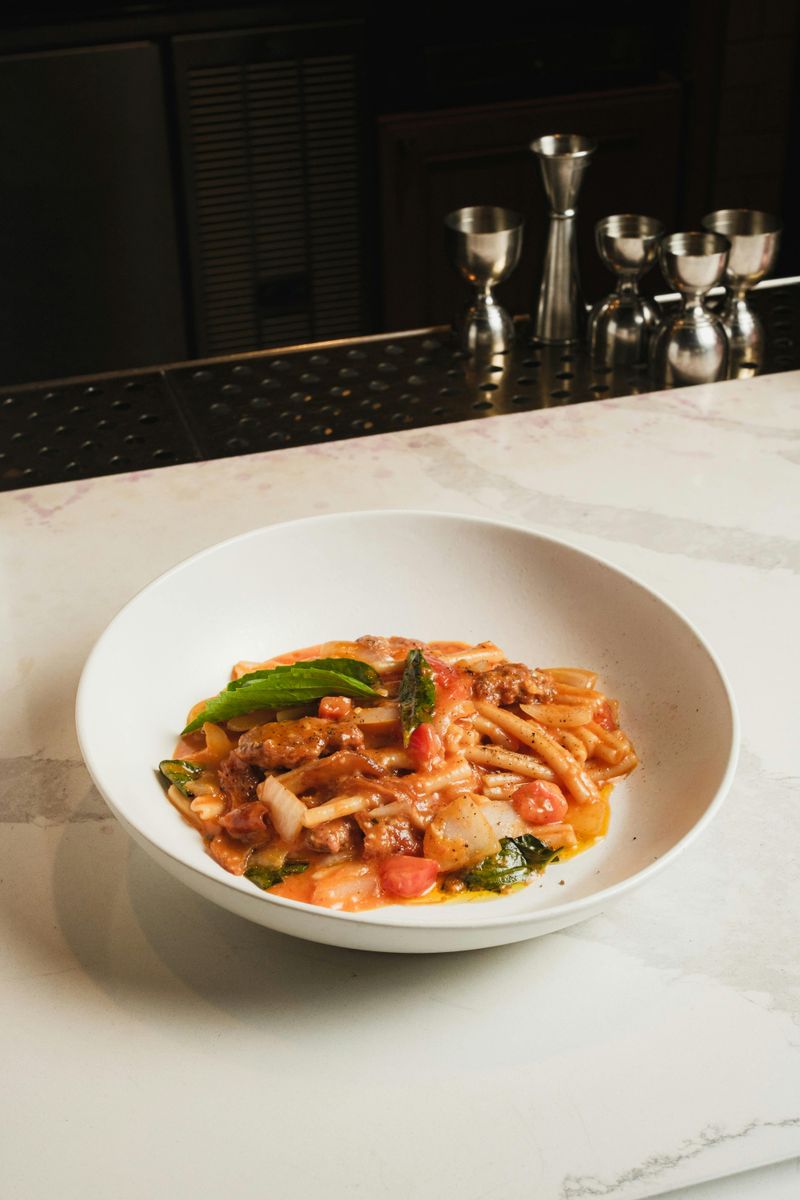
New York’s scale delivers astonishing global depth.
You can jump from Uyghur hand-pulled noodles to Georgian khachapuri to West African jollof within a single subway ride, each spot laser-focused and expert.
The variety is not just breadth, it is density, with multiple options for a given regional niche.
Chicago counters with regional comforts elevated by craft.
Think Midwestern produce, Great Lakes fish, Polish and Eastern European roots, and Mexican influences that run deep, especially in neighborhoods like Pilsen.
You find chefs who champion farm partnerships and use hearty canvases to express technique.
As a diner, the choice is narrative.
In Manhattan, hopscotch the globe, composing a tasting tour across blocks.
In Chicago, tuck into soulful plates that feel lived-in, then discover modern twists that respect tradition.
Both cities teach geography through flavor, and both reward curiosity.
Bring a list, build a route, and let the plates anchor your story.
Dining As A Night Out VS A Quick Intermission
Some cities make the reservation the destination.
Chicago often treats dinner as the main event, with pacing, portions, and ambience set to anchor an evening.
You arrive, settle in, and let the meal be the story that frames conversation and celebration.
New York frequently situates dining between other plans.
A quick bite before a show, a tight reservation between meetings, or a late-night stop after a performance.
The meal complements the city’s bustle, offering focused excellence in a compact window.
This shapes menu choices and table behavior.
In Chicago, multi-course paths and shared sides shine.
In New York, signature dishes and efficient service steal the spotlight.
When planning, ask what role dinner plays in your day.
Centerpiece or intermission, both cities excel at their script.
Your job is to pick the role you want the food to play, then book accordingly and enjoy the ride.