California’s Most Cringeworthy Home Trends Of The Past – And The Styles Set To Replace Them
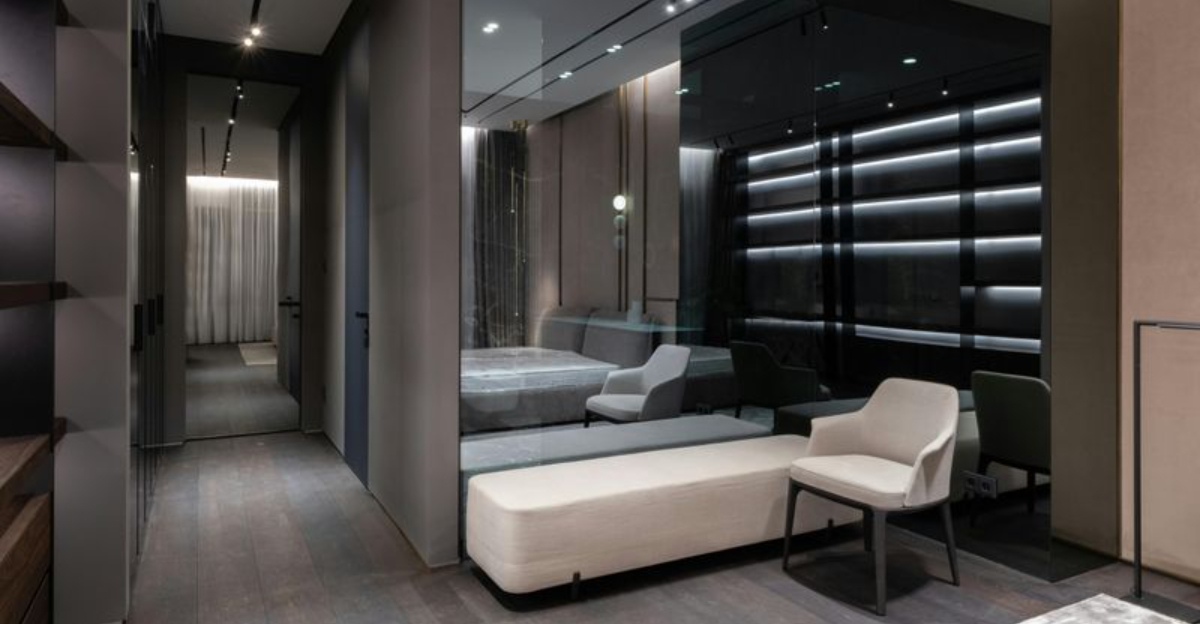
Design choices that once felt bold and stylish have a way of revealing their flaws with time, especially when daily living puts them to the test.
In California, homes built across different decades tell stories through darkened kitchens, textured ceilings, and finishes that now feel more frustrating than fashionable.
As lifestyles shift and priorities change, homeowners across California are rethinking what truly makes a space feel comfortable, functional, and timeless.
The result is a clear movement away from heavy, high-maintenance trends and toward cleaner lines, lighter materials, and designs that better match the way Californians live today.
Overly Dark Kitchen Cabinets
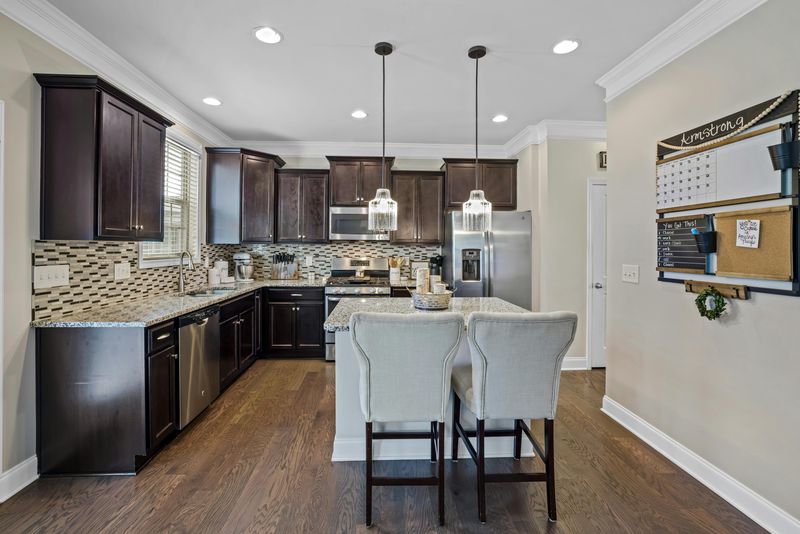
Dark espresso and black cabinets seemed like the height of sophistication just a few years ago, promising an elegant and moody atmosphere.
Homeowners across California embraced this trend, believing darker tones would hide stains and create a luxurious feel.
Reality turned out quite different.
Dark cabinets absorb rather than reflect light, making kitchens feel smaller and gloomier, especially in homes without abundant natural light.
The darkness can create a cave-like atmosphere that feels oppressive rather than cozy.
Cleaning these surfaces reveals every fingerprint, water spot, and dust particle, requiring constant maintenance.
Lighter woods, soft whites, and natural finishes are replacing the dark trend, opening up spaces and making kitchens feel fresh and airy.
Cream-colored cabinets and warm oak tones now dominate California kitchen renovations, bringing brightness back into the heart of the home.
Popcorn Ceilings
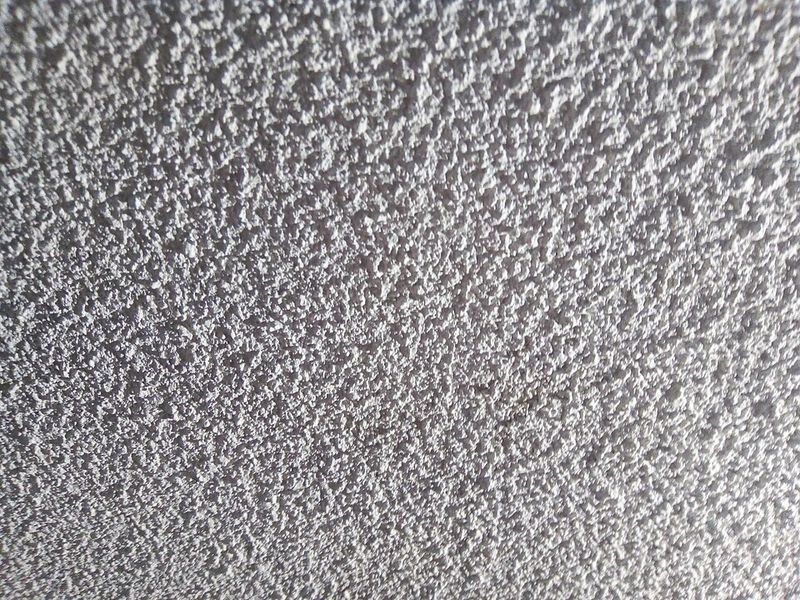
Walk into many older California homes and you might find yourself staring up at a bumpy, textured ceiling that looks like someone threw cottage cheese at it.
Popcorn ceilings became wildly popular during the 1970s and 1980s because they were cheap to install and helped hide imperfections in ceiling construction.
The problems became obvious over time.
Dust and cobwebs cling to every crevice of the texture, making cleaning nearly impossible without damaging the surface.
The bumpy finish also makes rooms feel shorter and dated, instantly aging any space.
Worse still, older popcorn ceilings may contain asbestos, requiring professional removal.
Smooth, flat ceilings are the modern standard, creating a cleaner look that makes rooms feel taller and more contemporary.
Removal projects have become some of the most requested renovations across California neighborhoods.
Wall-To-Wall Carpeting
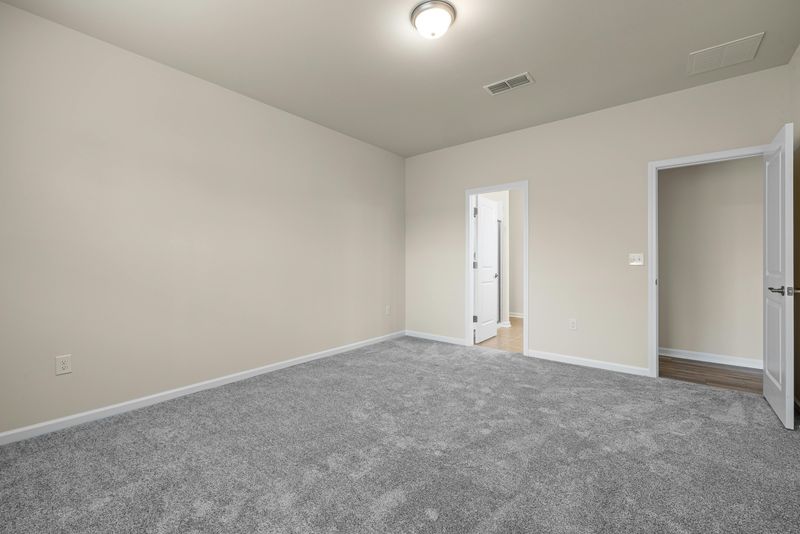
Carpeting every single room seemed practical and cozy decades ago, offering soft surfaces throughout the home.
California families installed plush carpets in living rooms, bedrooms, hallways, and even dining areas, believing it added warmth and comfort.
The downsides revealed themselves slowly but surely.
Carpets trap dust, pet dander, pollen, and allergens deep within their fibers, creating potential health issues for sensitive individuals.
Spills become permanent stains, and high-traffic areas develop worn paths that look shabby within years.
Maintenance requires regular vacuuming and professional cleaning, yet carpets still harbor bacteria and odors.
Hardwood floors, luxury vinyl planks, and tile have taken over California homes, offering easier cleaning and a more modern aesthetic.
Area rugs provide softness where needed without the commitment and maintenance headaches of permanent carpeting throughout the entire house.
Ornate Crown Molding
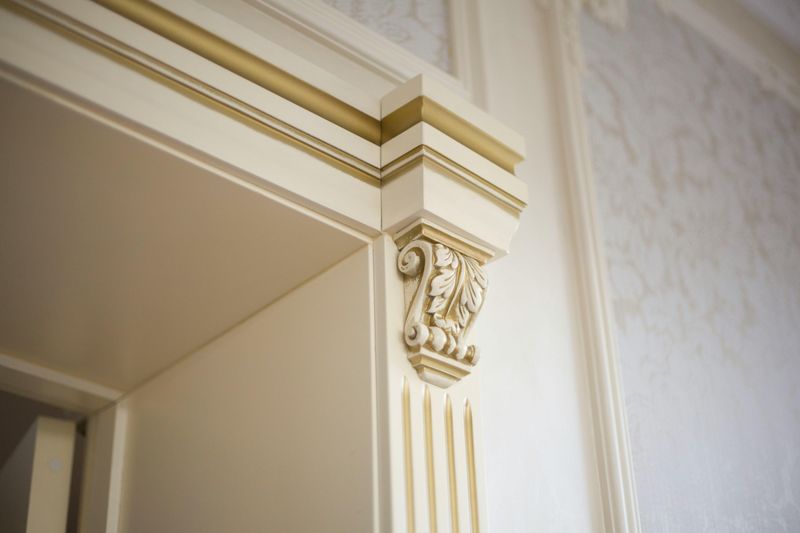
Elaborate crown molding with intricate carvings and multiple layers once signaled wealth and attention to detail.
California homeowners installed these ornate trim pieces believing they added character and elegance to rooms.
The reality proved less charming.
Dust accumulates in every groove and carved detail, requiring tedious cleaning with small brushes to reach all the crevices.
The busy designs can overwhelm a room, drawing attention to the ceiling rather than the furnishings and making spaces feel cluttered.
In smaller California homes, heavy crown molding actually makes ceilings appear lower and rooms more cramped.
Simple, clean trim lines now dominate contemporary design, offering subtle definition without visual chaos.
Minimalist molding or even no trim at all creates a sleek, modern look that feels spacious and uncluttered, perfect for California’s laid-back lifestyle.
Shag Carpeting

Long, luxurious fibers that tickled your toes seemed like the ultimate in comfort during the 1970s.
Shag carpeting came in wild colors and promised a soft, plush experience that regular carpet couldn’t match.
Anyone who actually lived with shag quickly discovered its nightmarish qualities.
Crumbs, pet hair, and small objects disappear into the deep pile, becoming nearly impossible to vacuum out completely.
The long fibers mat down in traffic areas, looking perpetually messy and unkempt.
Spills soak deep into the pile, creating mold risks and permanent stains that cleaning can’t fix.
Modern California homes favor low-pile area rugs over natural hardwood or tile floors, providing warmth without the maintenance disasters.
When softness matters, contemporary rugs offer easier care and cleaner aesthetics that won’t trap half your household items in their fibers.
Brass Fixtures
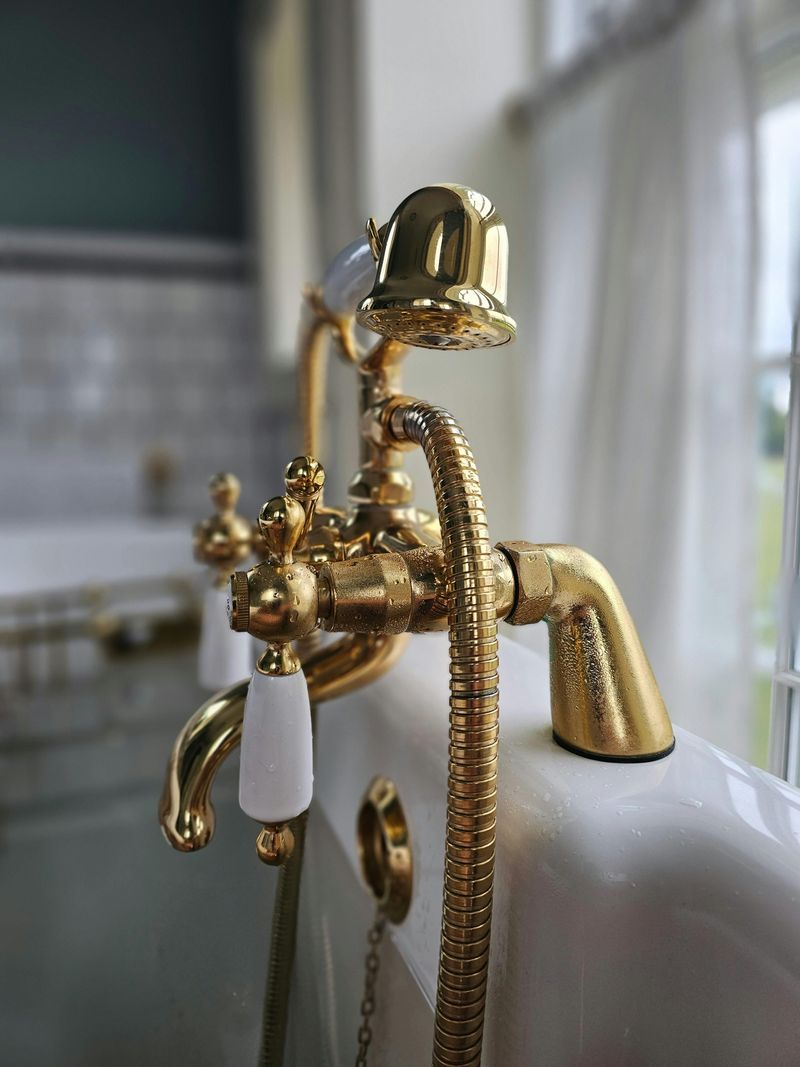
Gleaming brass faucets, cabinet pulls, and light fixtures dominated California bathrooms and kitchens throughout the 1980s and early 1990s.
The shiny gold finish promised a touch of luxury and seemed like a timeless choice that would never go out of style.
Time proved otherwise.
Brass fixtures quickly show water spots, fingerprints, and tarnish, requiring constant polishing to maintain their shine.
The yellow-gold tone clashes with modern color schemes that favor cooler, neutral palettes.
Dated brass instantly ages any room, making even recently renovated spaces look like time capsules from decades past.
Brushed nickel, matte black, stainless steel, and oil-rubbed bronze have replaced brass as the preferred finishes throughout California homes.
Contemporary fixtures offer durability and versatility while complementing rather than dominating the overall design scheme with their understated elegance.
Wallpaper Borders
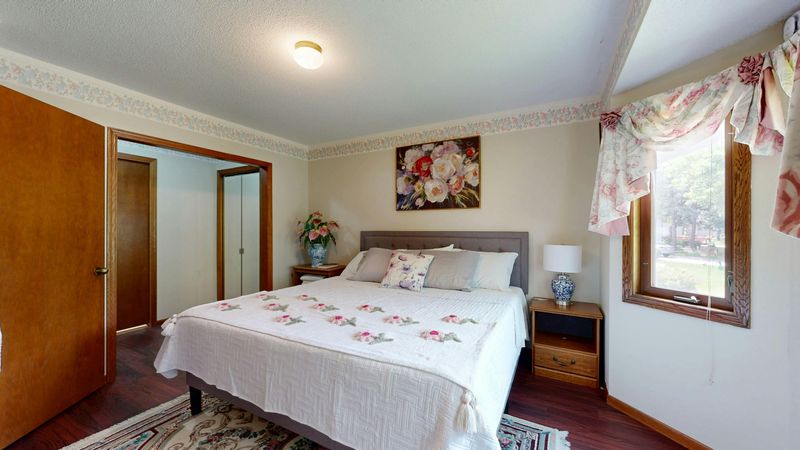
Running a strip of decorative wallpaper around a room at ceiling height seemed like an easy way to add personality without committing to entire walls of pattern.
California homeowners embraced borders featuring everything from country geese to ivy vines to geometric designs.
The visual effect turned out to be unfortunate.
Borders make ceilings appear lower by creating a horizontal line that cuts the wall height, making rooms feel smaller and more cramped.
The patterns often dated quickly, with styles that screamed specific eras rather than timeless design.
Removal became a nightmare, as the adhesive often damaged drywall or required extensive patching and painting.
Clean, painted walls with carefully chosen accent colors now provide visual interest without the dated look or difficult removal process.
California homes increasingly favor full accent walls or subtle textured paint finishes over decorative borders that chop up wall space.
Heavy Window Treatments
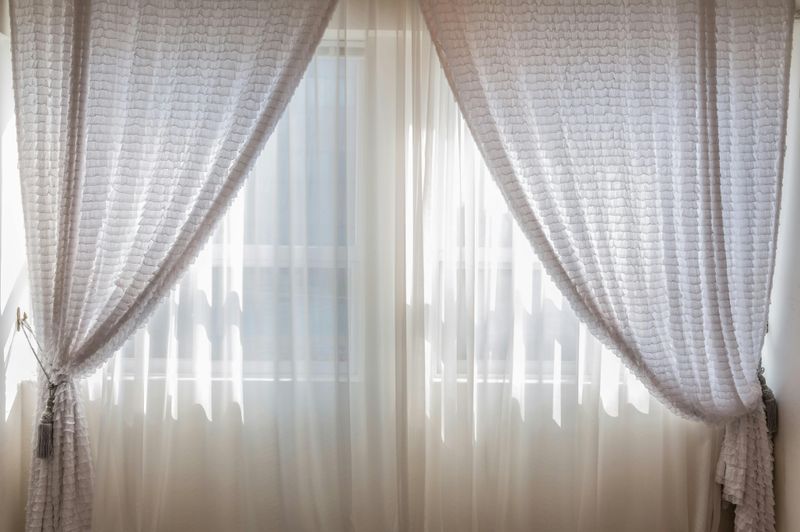
Layers of fabric, elaborate swags, and thick drapes once represented the pinnacle of window dressing.
California homeowners installed these heavy treatments believing they added elegance and helped with insulation.
The results blocked more than just drafts.
Heavy drapes prevent natural light from entering rooms, making spaces feel dark and stuffy even on sunny California days.
The fabric collects dust and requires professional cleaning, adding maintenance costs and hassle.
Bulky treatments also make windows appear smaller and rooms feel more closed-in, fighting against California’s indoor-outdoor lifestyle.
Simple roller shades, light linen curtains, and minimal blinds now dominate window treatments throughout the state.
These lighter options allow sunshine to flood interiors while still providing privacy when needed, perfectly matching California’s bright, airy aesthetic and connection to the outdoors.
Overly Open Floor Plans
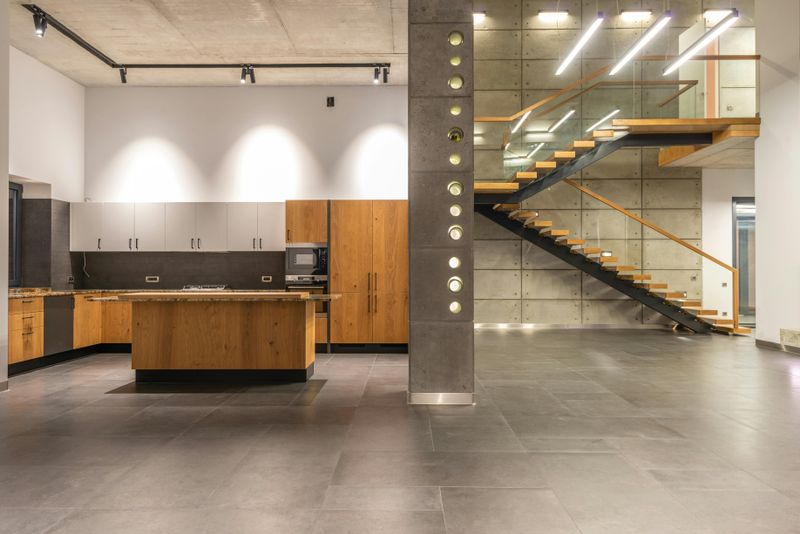
Knocking down every possible wall to create massive open spaces became the holy grail of home design.
California homeowners demolished walls between kitchens, dining rooms, and living areas, believing open layouts would make homes feel larger and more social.
Living in completely open spaces revealed unexpected problems.
Cooking smells travel throughout the entire home, and kitchen noise disrupts anyone trying to relax or work in adjacent areas.
Lack of defined spaces makes furniture arrangement challenging and reduces privacy for different activities happening simultaneously.
Temperature control becomes difficult when heating or cooling one enormous room rather than smaller, defined spaces.
Strategic room dividers, partial walls, and thoughtfully defined zones are returning to California home design.
These semi-open layouts maintain some flow while creating functional areas that allow different activities to coexist without constant interference and noise.
Faux Finishes On Walls
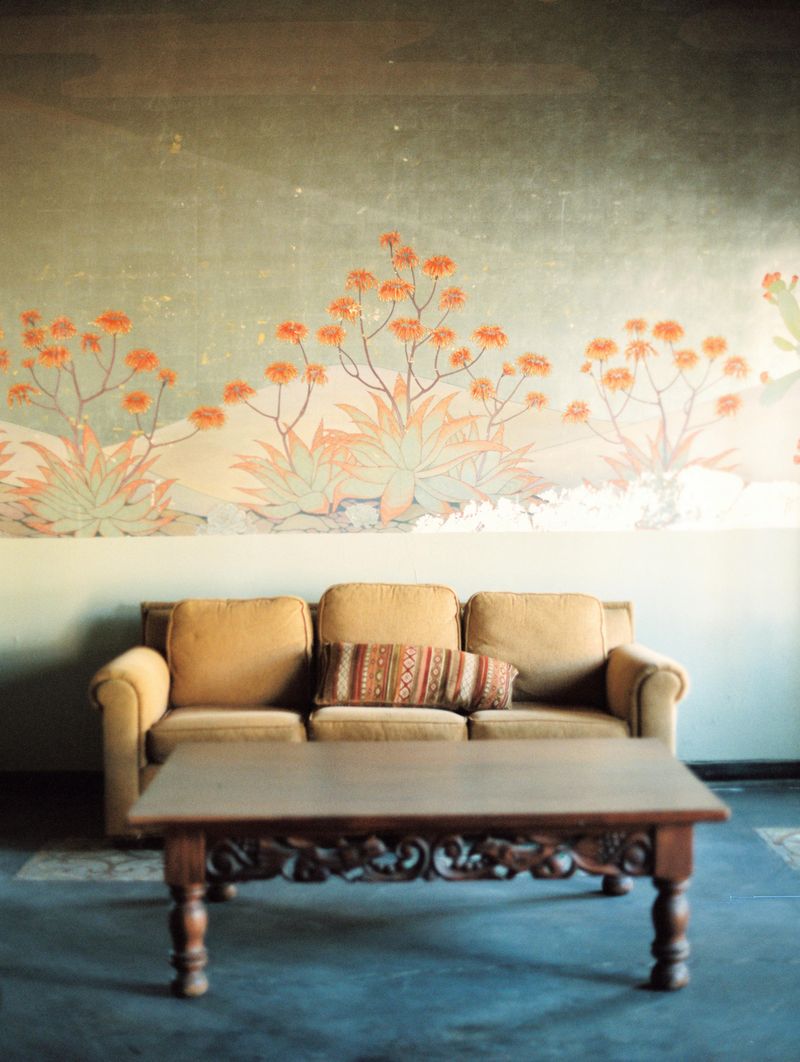
Sponge painting, rag rolling, and faux marble techniques promised to transform plain walls into works of art during the 1990s and early 2000s.
California homeowners spent weekends creating textured, multi-toned surfaces that seemed sophisticated and unique.
The trendy finishes aged poorly.
What looked artistic initially often became busy and distracting, overwhelming rooms with too much visual texture.
The techniques screamed specific time periods, instantly dating homes rather than providing timeless appeal.
Painting over faux finishes required extra coats and preparation to hide the textured surfaces underneath.
Solid paint colors in carefully chosen shades now dominate California walls, offering clean backgrounds that let furnishings and artwork shine.
Simple accent walls in complementary colors provide visual interest without the dated, overdone appearance of elaborate faux techniques that require specialized skills to execute properly.
Built-In Entertainment Centers
Massive wooden structures with precise cutouts for televisions and surrounding shelves for media equipment seemed like smart investments.
California families installed these custom built-ins believing they would organize electronics while adding architectural interest to living rooms.
Technology moved faster than furniture.
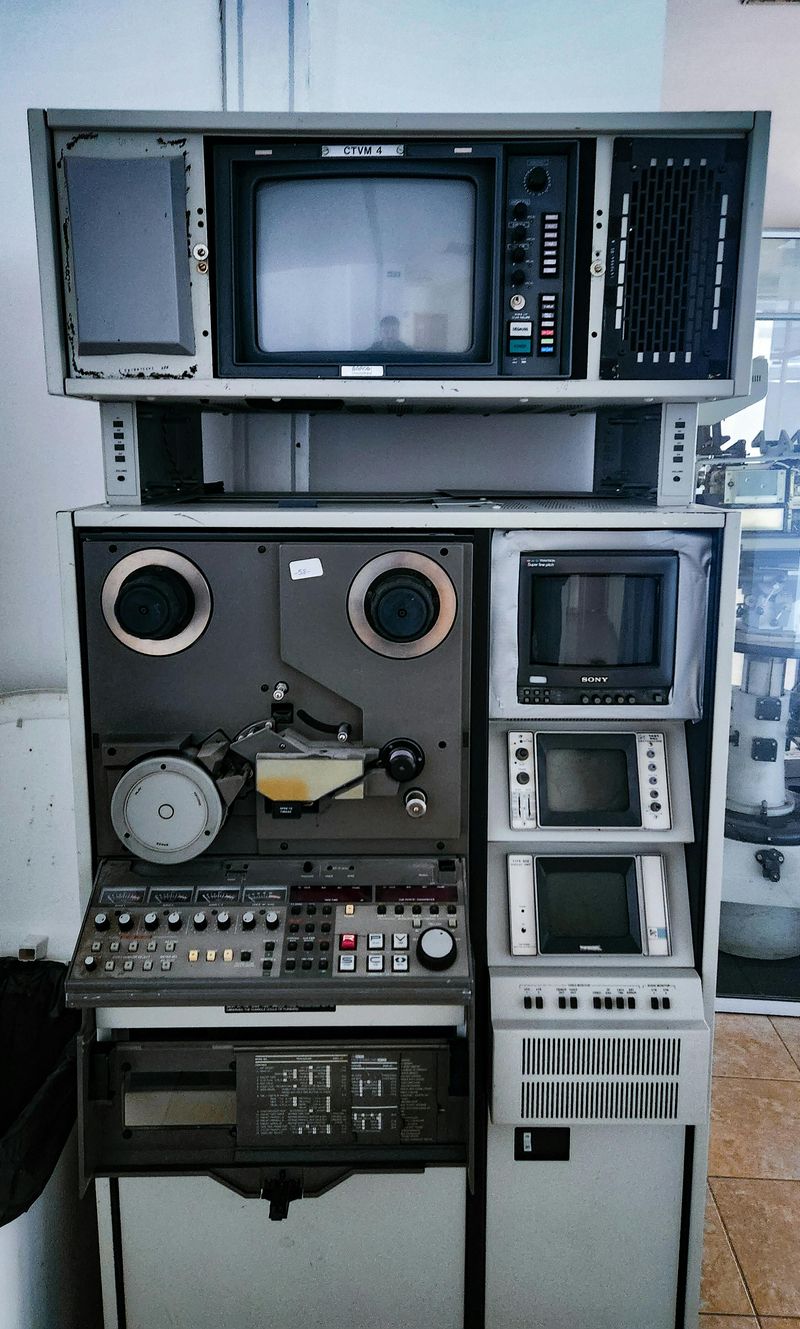
Bulky cathode-ray tube televisions disappeared, leaving awkward cabinet openings too deep for modern flat screens.
The rigid structures couldn’t adapt to changing technology or decorating preferences, becoming expensive obstacles rather than assets.
Removing built-ins often damaged walls and required patching, painting, and sometimes even flooring repairs.
Minimalist TV stands, floating shelves, and flexible media furniture now dominate California living spaces.
These adaptable solutions accommodate changing technology and design preferences while taking up less visual and physical space, creating cleaner, more versatile rooms that evolve with technology.
Tile Countertops

Installing individual tiles to create kitchen and bathroom countertops seemed practical and affordable decades ago.
California homeowners chose from colorful ceramic tiles, believing the grout lines added character and the surface would last forever.
The grout lines became the enemy.
Dirt, bacteria, and stains accumulated in every seam, requiring constant scrubbing with tiny brushes to maintain cleanliness.
Grout also cracked over time, allowing moisture to seep underneath tiles and potentially damage the substrate.
Uneven tile surfaces made rolling out dough or working with delicate tasks frustrating, and the dated appearance instantly aged kitchens.
Solid surface materials like quartz, granite, and butcher block now dominate California countertops, offering seamless, hygienic surfaces that require minimal maintenance.
These modern materials provide beauty and functionality without the cleaning nightmares and dated appearance of grouted tile surfaces that trap debris.
Carpeted Bathrooms

Soft, plush carpeting in bathrooms promised warmth and comfort for bare feet during the 1970s and 1980s.
California homeowners installed carpet around toilets, bathtubs, and sinks, believing it added luxury and coziness to utilitarian spaces.
Moisture and carpet proved to be a disastrous combination.
Water from showers, baths, and sink splashes soaked into carpet fibers, creating perfect conditions for mold and mildew growth.
The damp environment produced musty odors that no amount of cleaning could permanently eliminate.
Bathroom carpets also absorbed toilet splashes and other unmentionables, creating serious hygiene concerns that made most people cringe.
Waterproof tile, luxury vinyl, and stone flooring now standard in California bathrooms, providing easy-to-clean surfaces that handle moisture without health risks.
Modern bath mats offer softness when stepping out of the shower without permanent carpeting that harbors bacteria and mold.
Mirrored Walls
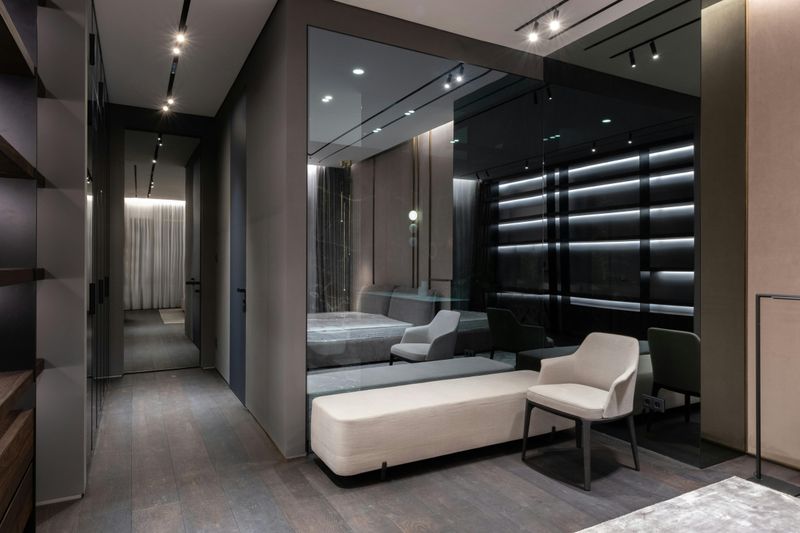
Covering entire walls with mirror tiles or large mirror panels seemed like genius during the 1980s.
California homeowners installed mirrored walls believing they would make small spaces appear larger and brighter by reflecting light and views.
The reality proved overwhelming.
Seeing yourself constantly from every angle felt disorienting and uncomfortable rather than spacious.
Mirrors showed every smudge, fingerprint, and water spot, requiring daily cleaning to look presentable.
The reflective surfaces also bounced light in sometimes unflattering ways, creating glare and making rooms feel more like dance studios than living spaces.
Removing mirrored walls modernizes homes instantly, allowing for painted surfaces or accent walls that add personality without the maintenance headaches.
Strategic mirrors placed thoughtfully still enhance light and space in California homes, but full mirrored walls have thankfully disappeared from contemporary design, replaced by more subtle and livable approaches.