These 9 California Antiques Are Nearly Worthless – But These 9 Could Be Goldmines
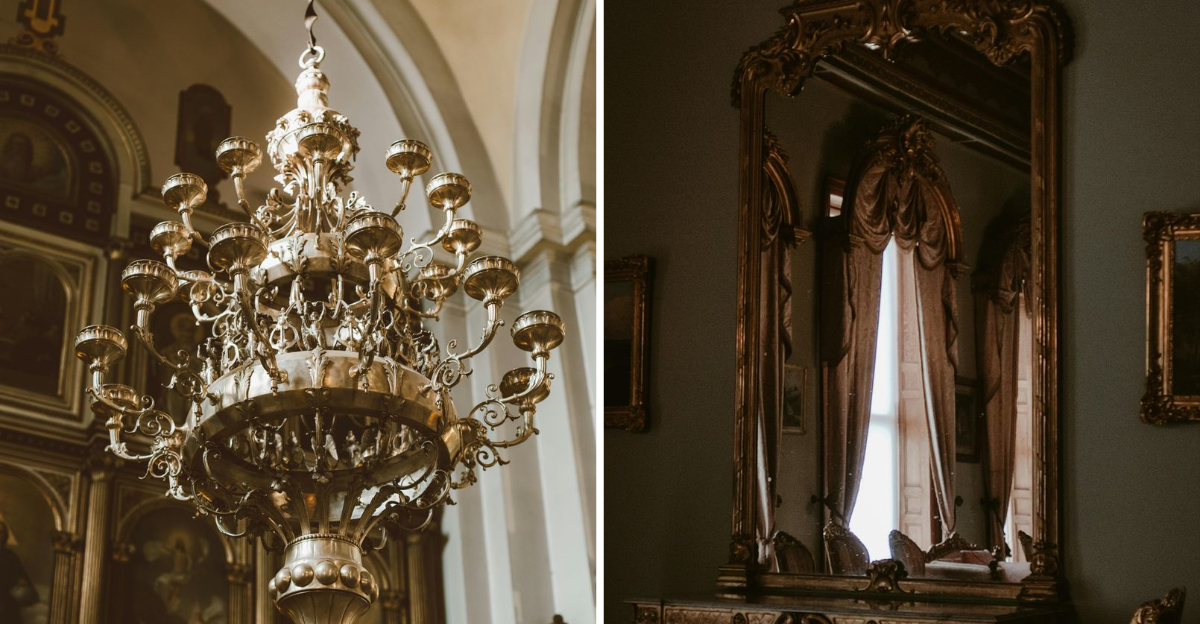
Antique hunting in California is never a simple matter of old versus valuable, because history, trends, and timing play a far bigger role than age alone.
Walk into one estate sale and you might see yesterday’s prized collectibles selling for pocket change, while another table holds an overlooked piece now worth serious money.
The state’s unique mix of design movements, pop culture, and lifestyle trends has created an antique market that shifts faster than most collectors expect.
Items once celebrated as must-have investments can quietly fall out of favor, leaving sellers stuck with heavy furniture or fragile décor no one wants anymore.
At the same time, certain California-made pieces are suddenly being rediscovered, prized for craftsmanship, rarity, or cultural significance that was ignored for decades.
This is where knowledge becomes more powerful than luck.
Knowing what has lost its shine can save collectors from wasting money, space, and time.
Knowing what is rising can turn a dusty corner find into a genuine windfall.
Some antiques look impressive but are quietly declining in value.
Others are hiding in plain sight, waiting for the right buyer to recognize their worth.
This guide separates the disappointments from the opportunities, revealing which California antiques are best left behind and which could be worth chasing.
Before you buy, sell, or pass something by, this is the insight that could make all the difference.
1. Mid-Century Teak Furniture (Nearly Worthless)
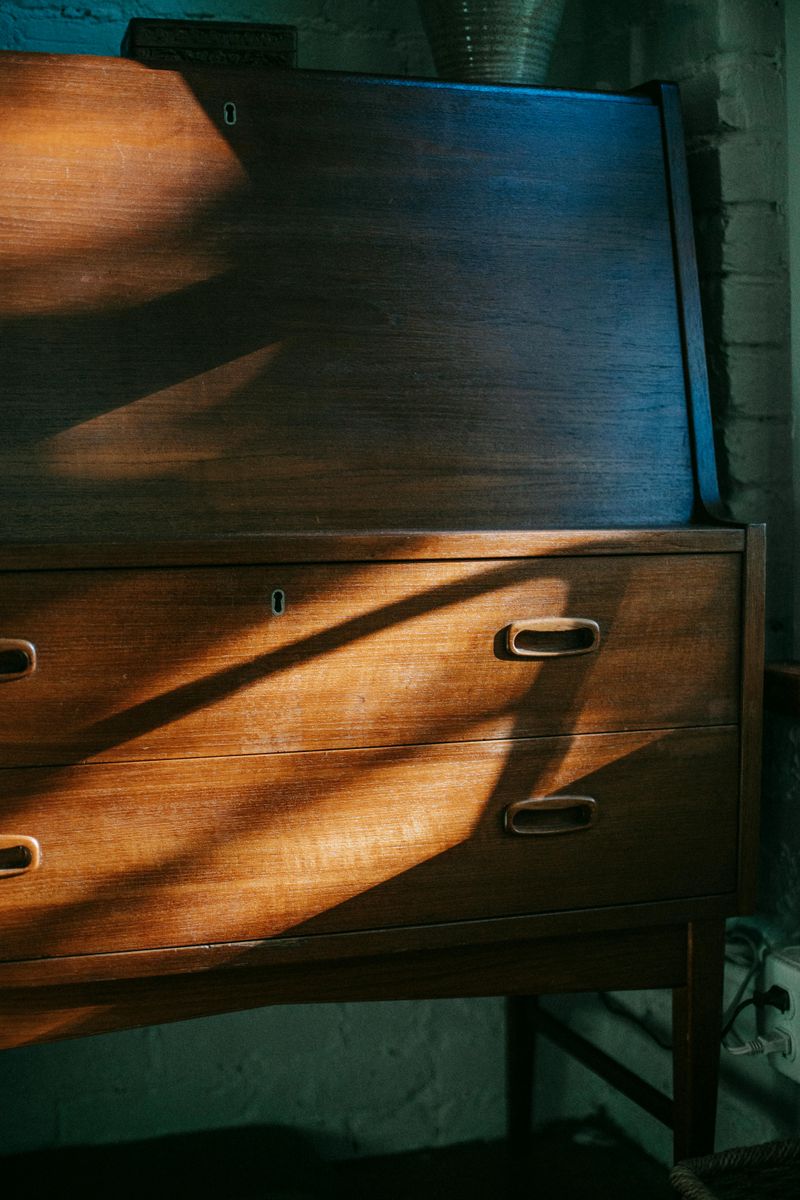
Teak furniture from the 1950s and 60s was once the crown jewel of California mid-century modern collecting, with sideboards and dining sets selling for thousands.
The market has cooled dramatically in recent years as mass retailers flooded stores with similar-looking designs at a fraction of the cost.
Younger buyers often prefer lighter woods or painted finishes over the heavy, dark teak that dominated decades past.
Condition issues also plague these pieces since teak requires regular oiling and maintenance that many owners skipped.
Scratches, water rings, and sun damage are common problems that significantly reduce value.
Unless a piece is signed by a famous designer like Hans Wegner or has documented provenance, most teak furniture now sells for less than original purchase prices.
The sheer volume of teak pieces available has created an oversaturated market where supply far exceeds demand.
Estate sales and thrift stores are packed with these items, and sellers often struggle to find buyers even at bargain prices.
2. Heath Ceramics Studio Pottery (Goldmine)
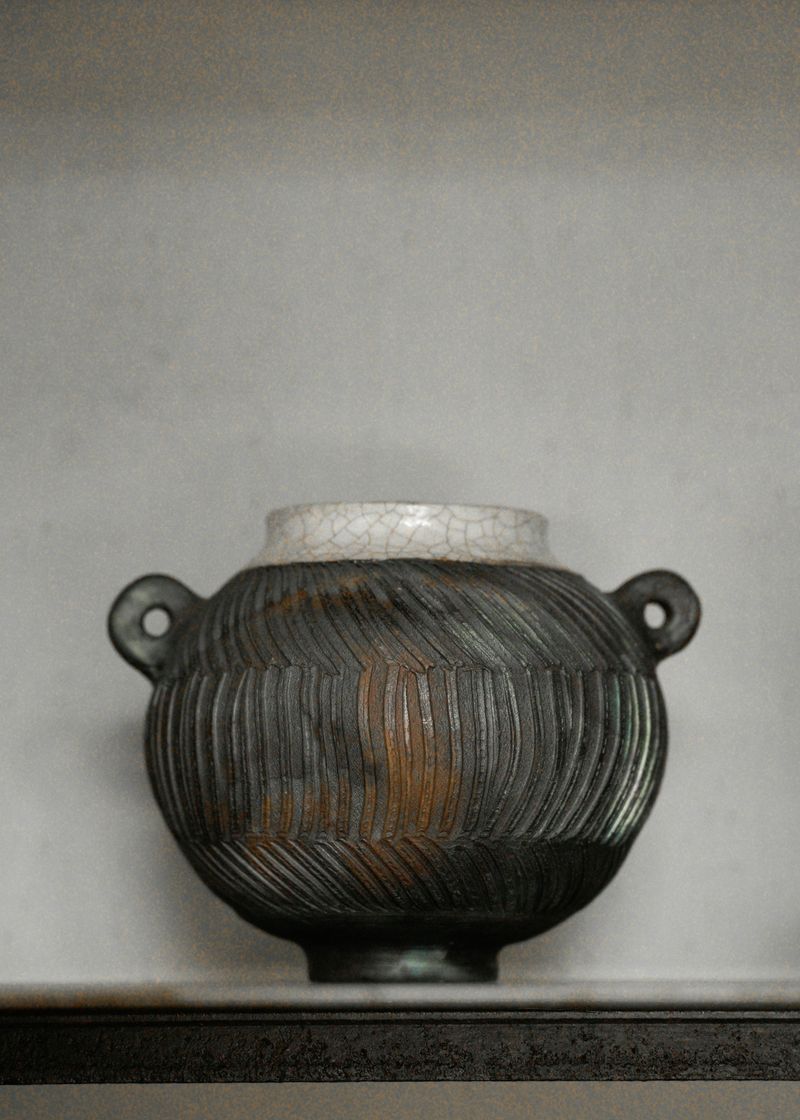
Edith Heath founded her Sausalito pottery studio in 1948, and her simple, elegant designs have become incredibly valuable in today’s market.
The factory still operates at 400 Gate 5 Road, Sausalito, CA 94965, producing both new pieces and honoring vintage designs that collectors prize.
Original mid-century Heath pieces feature distinctive glazes in colors like sage green, warm brown, and opaque white that have become signature looks.
Prices for vintage Heath have doubled or even tripled in recent years, with single dinner plates fetching $50 to $100 depending on color and condition.
Complete place settings can command $500 or more, while rare experimental glazes or discontinued patterns reach even higher amounts.
The pottery’s clean lines and neutral tones fit perfectly with modern minimalist aesthetics, driving renewed interest from younger collectors.
Authentication is key since the pottery marked pieces differently across decades, and knowing these marks helps determine age and value.
Chips and cracks significantly reduce worth, so condition matters enormously in this market.
3. Monterey Revival Furniture (Goldmine)
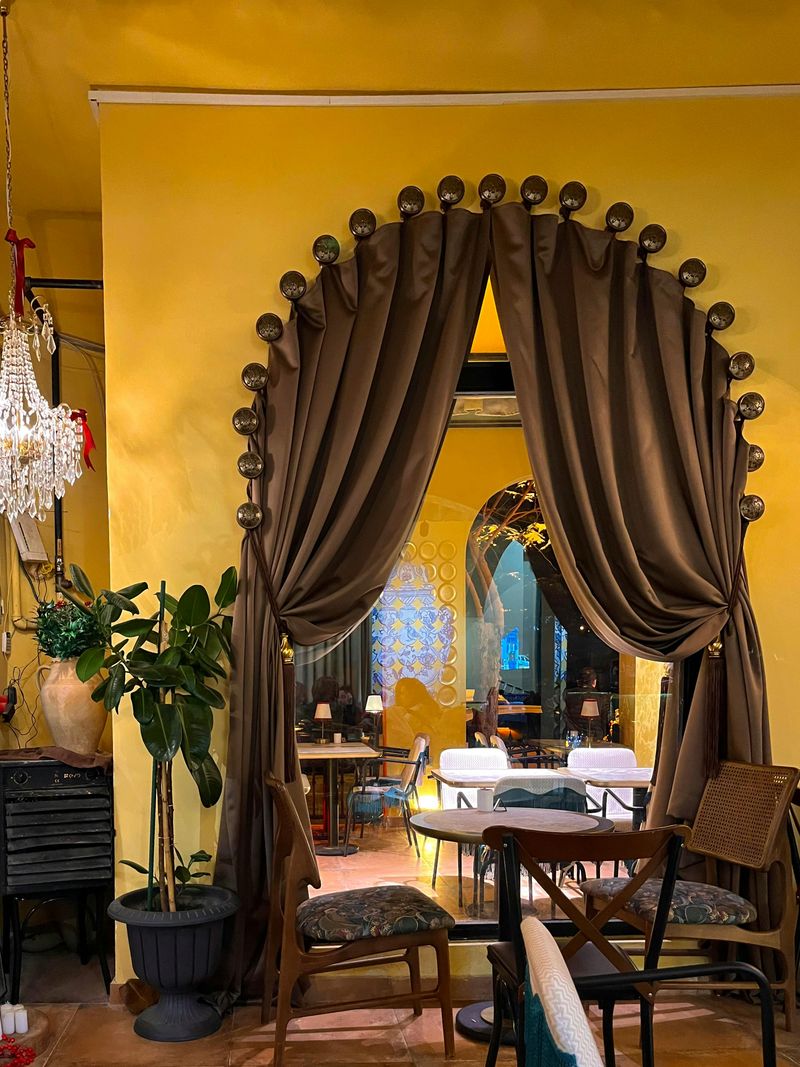
Chunky wooden pieces with Spanish colonial flair define Monterey Revival furniture, which emerged in California during the 1930s and 40s.
Hand-carved details, thick solid wood construction, and leather accents give these pieces a rustic yet refined character that stands out from other furniture styles.
Original Monterey pieces were crafted by skilled artisans who understood traditional Spanish woodworking techniques passed down through generations.
Values have climbed steadily as collectors recognize the quality craftsmanship and historical significance of this distinctly California style.
Chairs typically sell for $400 to $800, while dining tables can reach $3,000 or more depending on size and condition.
The furniture’s substantial weight and solid construction mean pieces have survived decades of use better than lighter vintage furniture.
Authenticity verification requires examining joinery methods, wood types, and hardware styles that changed across production years.
Reproductions exist, but original pieces show wear patterns and construction details that fakes cannot replicate convincingly.
The furniture works beautifully in both traditional and eclectic modern interiors, broadening its appeal across different buyer demographics.
4. California Pottery – Bauer, Metlox, Vernonware (Nearly Worthless)
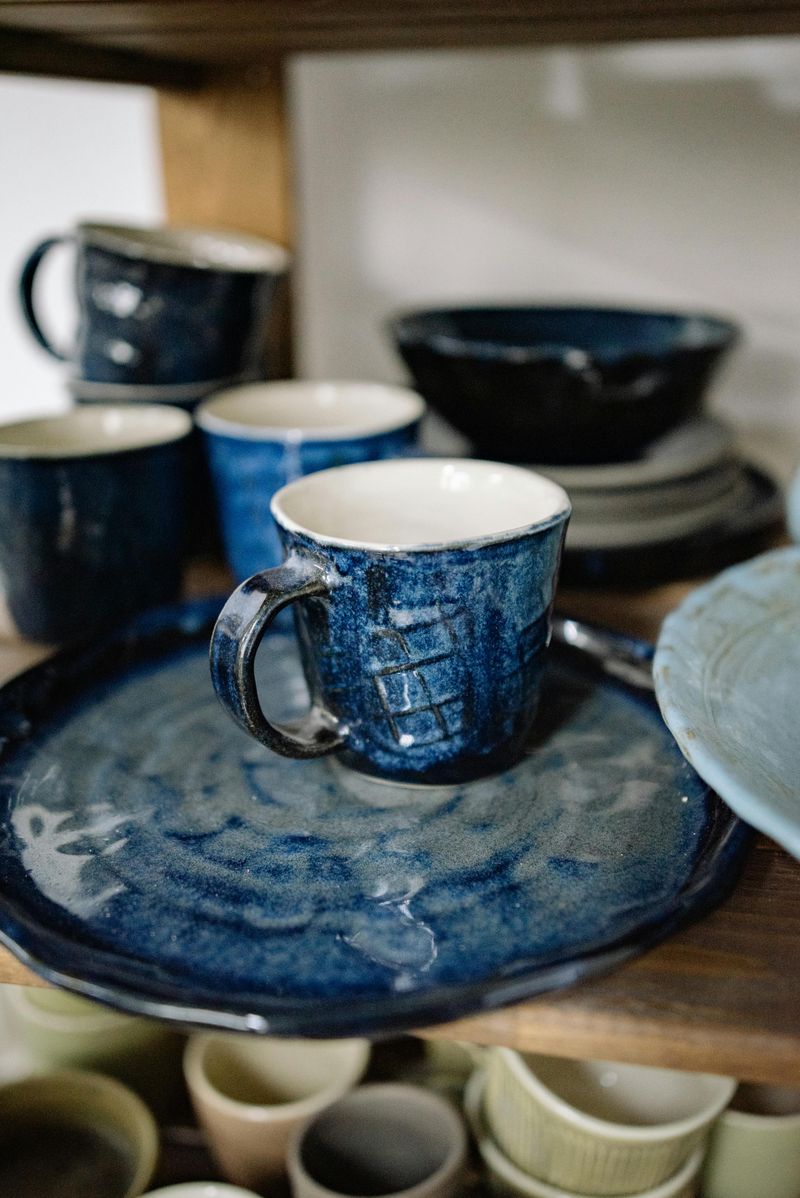
Bright colors and cheerful designs made California pottery from companies like Bauer, Metlox, and Vernonware incredibly popular from the 1930s through 1960s.
These dishes filled California kitchens and dining rooms, becoming everyday staples rather than special occasion pieces.
The pottery’s utilitarian purpose means most surviving examples show significant wear including chips, cracks, hairlines, and glaze loss that destroy collectible value.
Modern buyers prefer dishwasher-safe, microwave-friendly options that vintage pottery cannot provide without risk of damage.
The market has been flooded with these pieces as older generations downsize, creating massive oversupply with minimal demand.
Common patterns and colors that were mass-produced have virtually no resale value unless in absolutely pristine condition with original labels.
Even rare patterns struggle to sell because younger collectors lack nostalgia for these brands and find more appealing options elsewhere.
Thrift stores price most California pottery pieces at just a few dollars, and even at those low prices, items sit unsold for months.
Only museum-quality examples with exceptional provenance or extremely rare experimental glazes maintain any significant worth in today’s market.
5. Decorative Tilework – Malibu, Catalina, Batchelder (Goldmine)
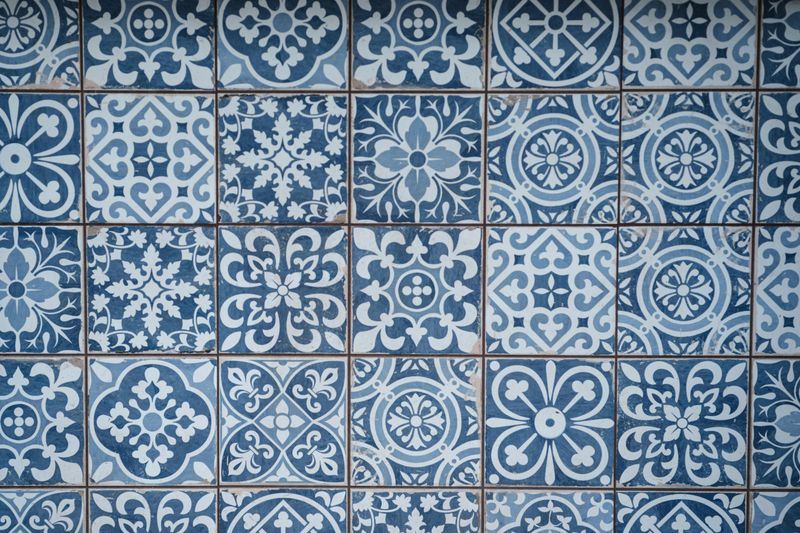
Handcrafted tiles from California studios represent some of the most sought-after architectural antiques in today’s market.
Malibu Potteries operated briefly from 1926 to 1932, producing stunning tiles with iridescent glazes that shimmer in changing light.
Catalina Island’s tile works created vibrant pieces with bold colors, while Ernest Batchelder’s Arts and Crafts designs featured intricate relief patterns inspired by medieval and nature themes.
Individual tiles now sell for $50 to $300 depending on maker, design complexity, and condition, with rare or unusual examples commanding even higher prices.
Complete fireplace surrounds or intact installations can fetch thousands of dollars when carefully removed and preserved.
Interior designers and architects actively seek these tiles for restoration projects and custom installations in high-end homes.
The tiles’ artistic merit and historical significance have been increasingly recognized by museums and collectors who appreciate the craftsmanship involved.
Each tile was essentially a small sculpture, hand-pressed or hand-painted by skilled artisans using techniques rarely employed today.
Condition matters enormously since chips, cracks, or glaze damage significantly reduce value, making pristine examples particularly precious in the current market.
6. Rattan And Wicker Patio Sets (Nearly Worthless)
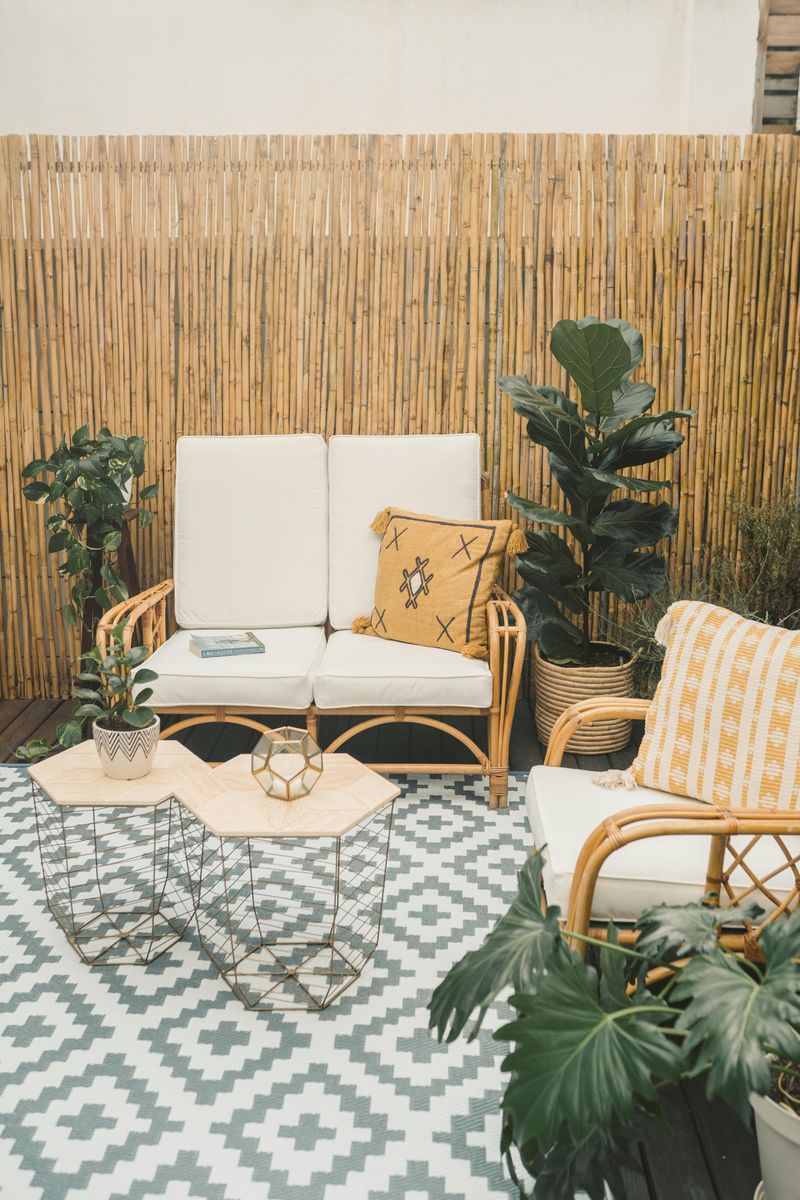
Natural woven furniture once defined California outdoor living, with rattan and wicker sets gracing patios and sunrooms throughout the state.
The bohemian beach aesthetic made these pieces popular from the 1960s through 1990s, and families invested in complete outdoor furniture suites.
Weather damage has devastated most surviving examples since rattan and wicker deteriorate quickly when exposed to sun, rain, and temperature fluctuations.
Dry rot, unraveling weaves, broken joints, and faded finishes are nearly universal problems that make restoration impractical or impossible.
Modern synthetic rattan and all-weather wicker offer superior durability at lower prices, making vintage natural fiber pieces obsolete for practical use.
Younger buyers decorating outdoor spaces choose low-maintenance materials over vintage pieces that require constant care and protection.
The bulky size of patio sets makes storage and transportation challenging, further reducing their appeal to potential buyers.
Estate sales routinely feature these items priced at giveaway levels, yet they still fail to sell because hauling costs exceed perceived value.
Unless a set is in exceptional condition or features unusual designer provenance, rattan and wicker patio furniture has essentially zero resale value in today’s market.
7. Vintage Surfboards From Famous Shapers (Goldmine)
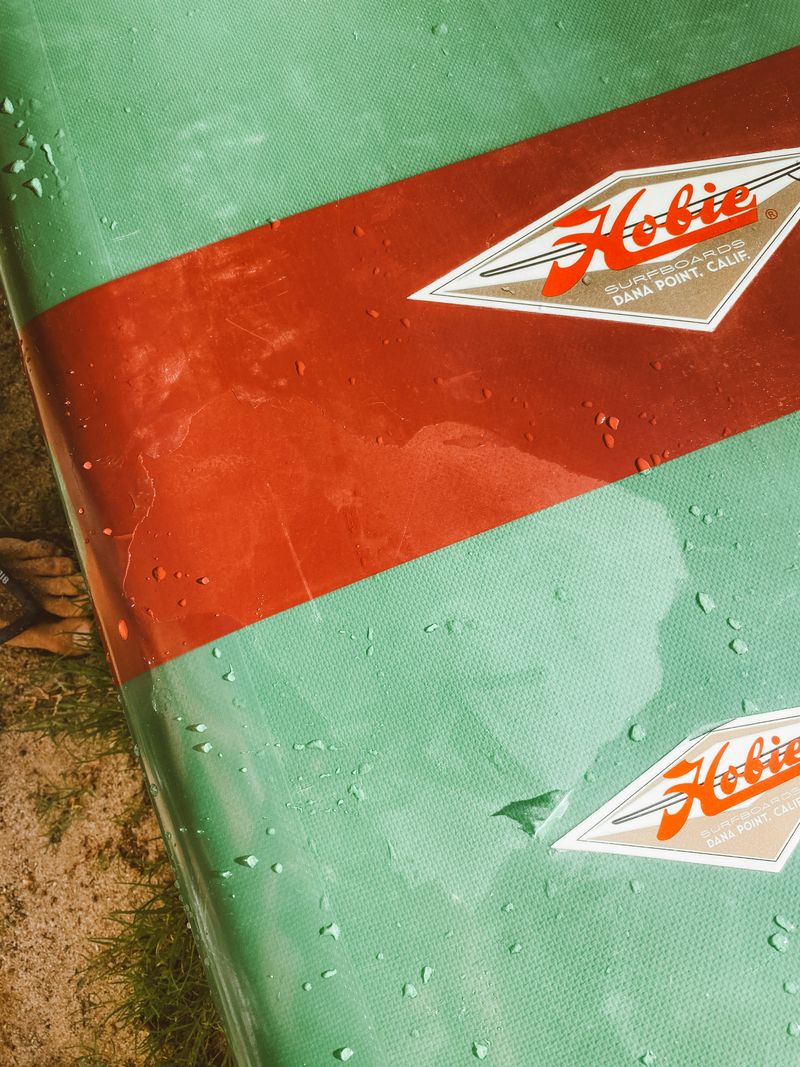
California’s surf culture created icons, and boards shaped by legends like Hobie Alter, Greg Noll, and Dale Velzy have become serious collector’s items.
Surfboards from the 1950s through 1970s represent the golden age of longboard design before the shortboard revolution changed everything.
Original boards from famous shapers carry both sporting history and cultural significance as artifacts of California’s beach lifestyle.
Prices have climbed dramatically, with rare examples selling for $25,000 or more at specialized auctions and through collectors.
The Surfing Heritage and Cultural Center at 110 Calle Iglesia, San Clemente, CA 92672, preserves and displays significant boards, helping establish market values through exhibitions.
Authenticity is crucial since shaper signatures, construction methods, and design details help verify genuine vintage boards versus reproductions.
Condition affects value, but even boards with dings and repairs can command high prices if provenance is solid.
Collectors prize boards with competition history, famous owner connections, or documented use in significant surf sessions or films.
The intersection of art, sport, and California history makes these surfboards appealing to diverse collectors beyond just surf enthusiasts, driving continued price appreciation.
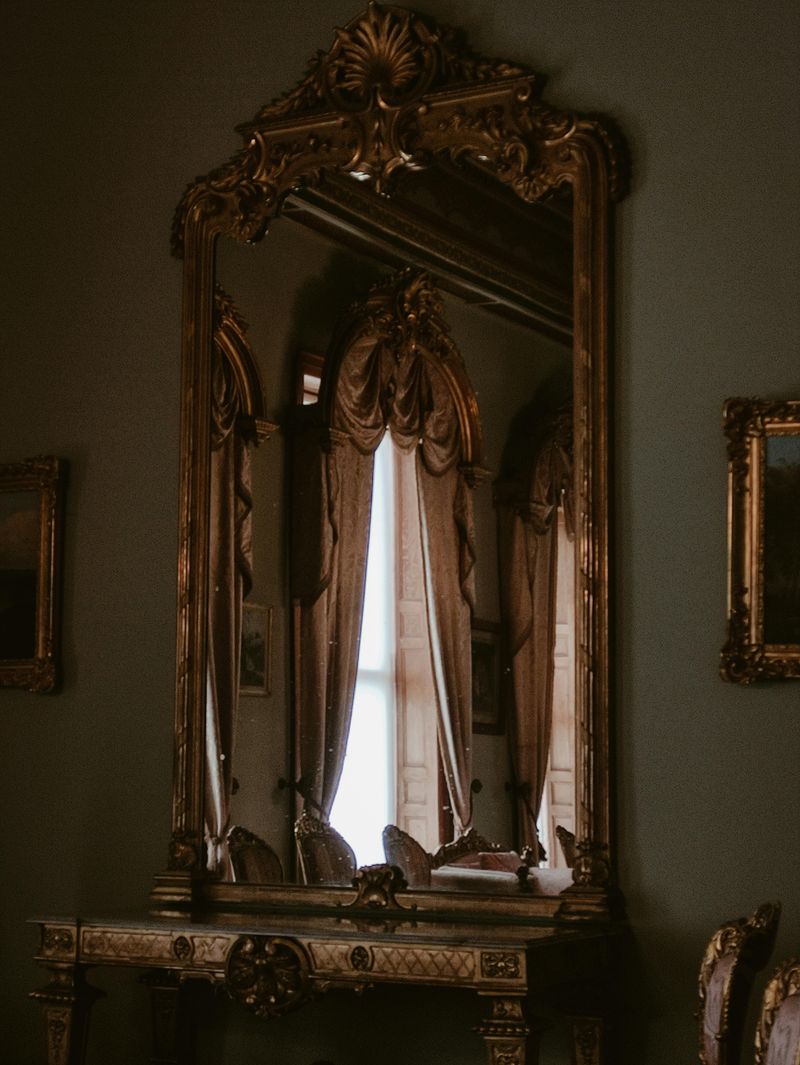
8. Hollywood Regency Mirrors And Consoles (Nearly Worthless)
Edith Heath founded her Sausalito pottery studio in 1948, and her simple, elegant designs have become incredibly valuable in today’s market.
The factory still operates at 400 Gate 5 Road, Sausalito, CA 94965, producing both new pieces and honoring vintage designs that collectors prize.
Original mid-century Heath pieces feature distinctive glazes in colors like sage green, warm brown, and opaque white that have become signature looks.
Prices for vintage Heath have doubled or even tripled in recent years, with single dinner plates fetching $50 to $100 depending on color and condition.
Complete place settings can command $500 or more, while rare experimental glazes or discontinued patterns reach even higher amounts.
The pottery’s clean lines and neutral tones fit perfectly with modern minimalist aesthetics, driving renewed interest from younger collectors.
Authentication is key since the pottery marked pieces differently across decades, and knowing these marks helps determine age and value.
Chips and cracks significantly reduce worth, so condition matters enormously in this market.
9. Early California Wine Memorabilia And Winery Advertising (Goldmine)

Vintage wine crates, enamel signs, bottle labels, and promotional materials from early California wineries have become highly desirable collectibles tied to the rise of American wine culture.
Items connected to historic Napa and Sonoma producers capture a period when California wine was still defining its global reputation.
Pre-Prohibition and early post-Prohibition advertising pieces are especially valuable due to their scarcity and historical context.
Original signage featuring bold typography, hand-painted details, or regional imagery resonates strongly with collectors and designers alike.
Condition plays a major role, as intact colors, legible text, and minimal restoration significantly increase market value.
Collectors often seek pieces that clearly identify specific vineyards, winemakers, or early brand identities.
Wine memorabilia appeals beyond traditional antique circles, attracting hospitality designers and luxury homeowners.
Well-preserved examples frequently sell for thousands, with rare signage climbing much higher.
As California wine history continues to gain recognition, these artifacts show strong long-term investment potential.
10. Vintage Pyrex Mixing Bowls (Nearly Worthless)
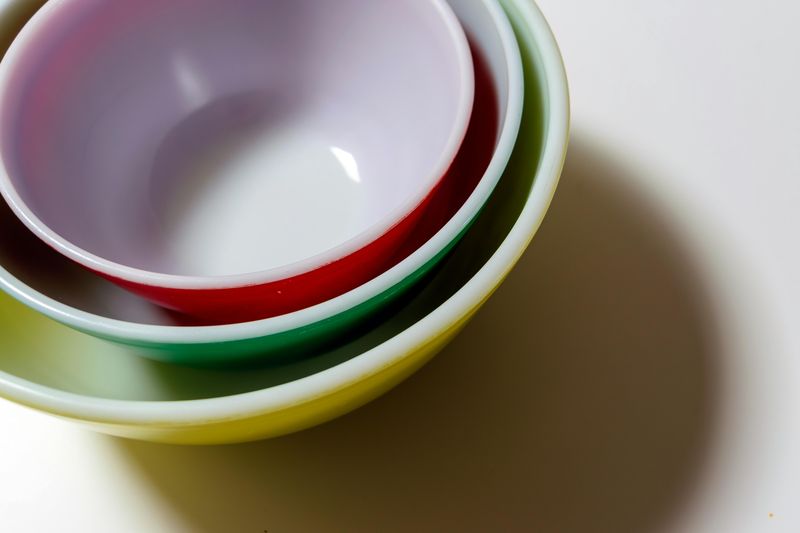
Colorful Pyrex bowls in cheerful patterns once seemed destined to become valuable collectibles, with early adopters paying premium prices for rare colors.
The collecting bubble has burst completely as the market became oversaturated with common patterns that were mass-produced in enormous quantities.
Thrift stores, garage sales, and online marketplaces overflow with Pyrex bowls priced at just a few dollars, yet many still fail to sell.
Modern glass and ceramic bowls serve the same functional purpose while offering features like microwave-safe lids and stackable designs.
The nostalgic appeal that drove early collecting has faded as younger generations lack personal connections to these kitchen items.
Only extremely rare patterns or colors in absolutely pristine condition with original packaging maintain any significant value.
Common issues like scratches on the exterior paint, chips on rims, and worn patterns from dishwasher use plague most surviving examples.
The sheer volume of available Pyrex means buyers can be extremely selective, passing over any pieces with even minor flaws.
What once seemed like a smart collecting investment has become a cautionary tale about market saturation and changing tastes in the antiques world.
11. California Art Glass Vases (Goldmine)
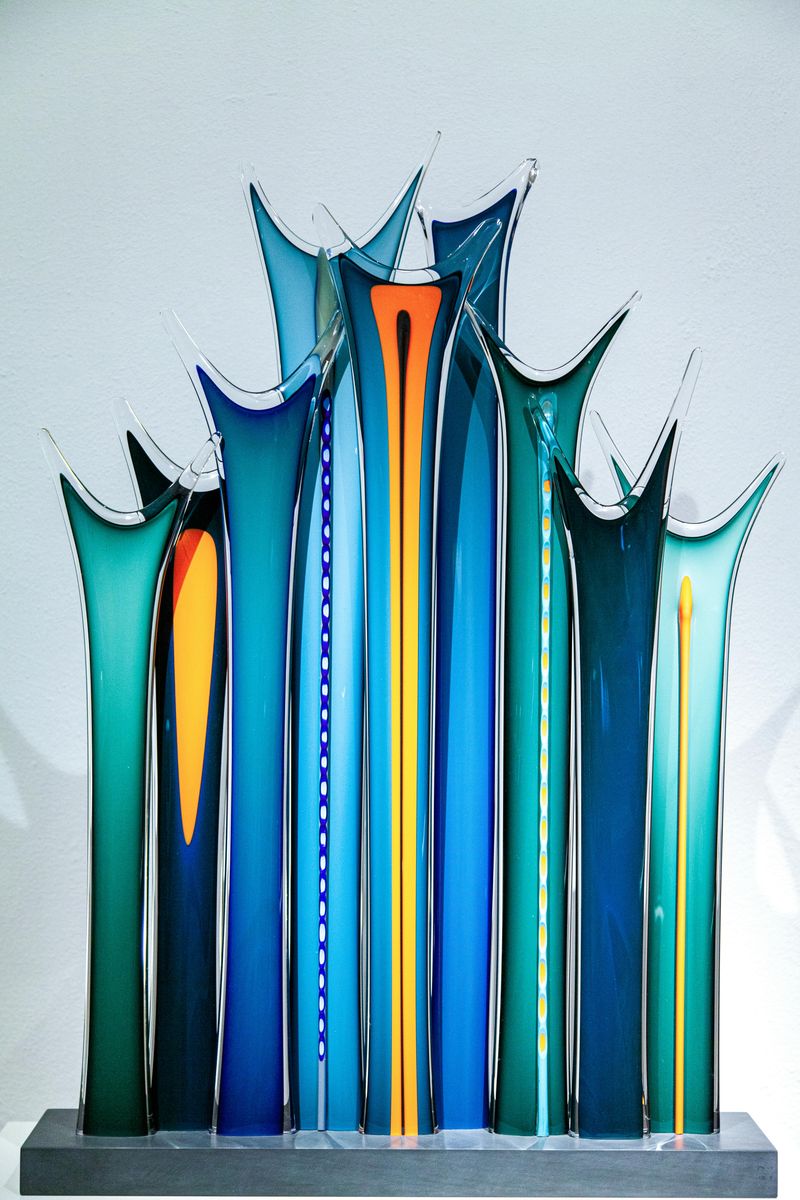
Hand-blown glass from California studios represents true artistry, with each piece being completely unique and bearing the maker’s signature style.
Artists like Steven Correia and studios like Lundberg Studios have created stunning vases that combine technical skill with artistic vision.
The tradition of California glass blowing stretches back decades, with artists developing distinctive techniques and color combinations that identify their work.
Small vases typically start around $200, while larger statement pieces can reach $2,000 or more depending on the artist’s reputation and the piece’s complexity.
Collectors appreciate that no two hand-blown pieces are identical, making each vase a one-of-a-kind artwork rather than mass-produced décor.
The glass catches and reflects light in ways that photographs cannot fully capture, making these pieces dramatic focal points in contemporary interiors.
Provenance and artist signatures significantly impact value, so documentation and marks are essential for authentication.
The California art glass movement continues today, with new artists building on traditions while developing innovative techniques and styles.
Investment potential remains strong as fine craft and handmade objects gain appreciation in an increasingly mass-produced world, and museum acquisitions have validated the artistic merit of top California glass artists.
12. Vintage Waterbed Frames (Nearly Worthless)
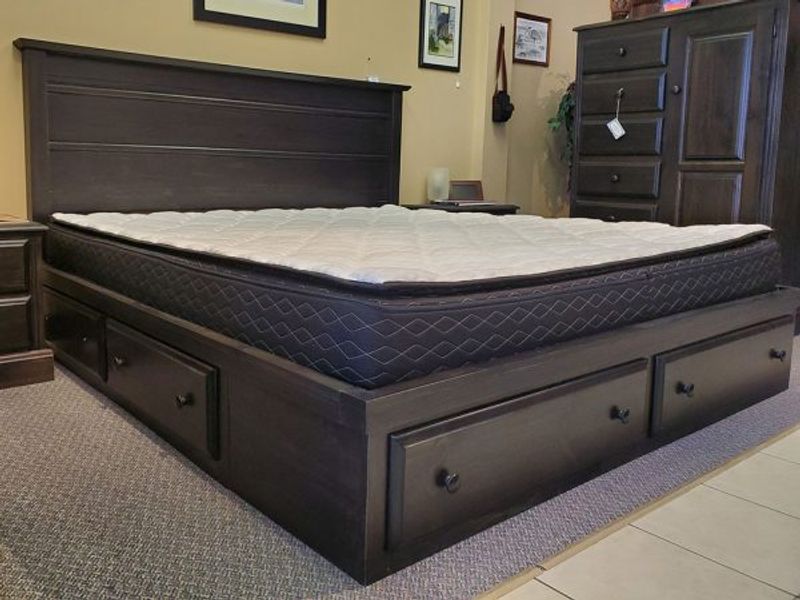
Waterbeds once symbolized relaxed California living, especially during the height of their popularity in the 1970s and 1980s when unconventional bedroom furniture felt bold and modern.
These oversized frames were often constructed with mirrored headboards, built-in drawers, and heavy composite materials that were designed to support massive water-filled mattresses.
As tastes shifted toward simplicity and functionality, waterbeds quickly fell out of favor due to maintenance issues, leaks, and temperature control challenges.
Most surviving frames suffer from swollen particle board, peeling veneers, and outdated finishes that are expensive or impossible to restore properly.
Transporting these frames is cumbersome and costly, requiring significant labor for an item that holds little appeal for modern buyers.
Contemporary mattress technology offers better comfort, support, and convenience without the drawbacks associated with waterbeds.
Younger generations show almost no interest in dedicating valuable bedroom space to such bulky furniture.
Estate sales frequently struggle to give these frames away.
In today’s resale market, vintage waterbed frames carry virtually no monetary value.
13. Mission Revival Lighting Fixtures (Goldmine)
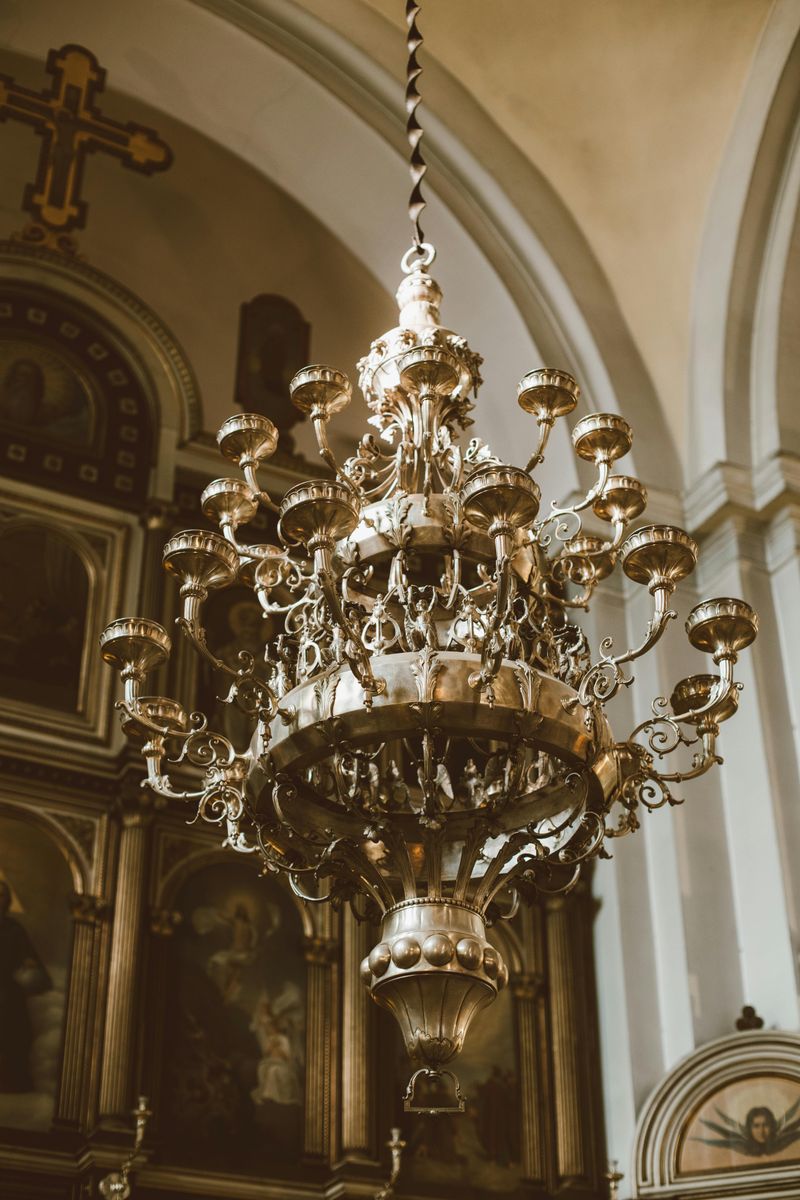
These lighting fixtures emerged during the early twentieth century as architects and designers across California drew inspiration from Spanish missions, creating lighting that felt both rustic and intentional.
These chandeliers, lanterns, and wall sconces were typically handcrafted from wrought iron, mica panels, and hand-forged metal elements, giving each piece a distinct character that modern reproductions struggle to replicate.
Many original fixtures were custom-designed for specific homes, churches, and civic buildings, which means surviving examples are far rarer than mass-produced lighting from later eras.
Collectors prize the warm, amber glow produced by aged mica shades, which soften light in a way that enhances architectural details and creates an inviting atmosphere.
Authentic Mission Revival fixtures often show hand-hammered textures, uneven rivets, and natural patina that signal true age rather than factory distressing.
Single wall sconces frequently sell for several hundred dollars, while large entryway or dining room chandeliers can command prices well into the thousands.
The ability to rewire these fixtures safely without compromising their original materials adds to their long-term appeal.
Demand continues to rise as California homeowners restore historic properties and seek period-correct details.
14. Vintage Entertainment Centers And TV Armoires (Nearly Worthless)
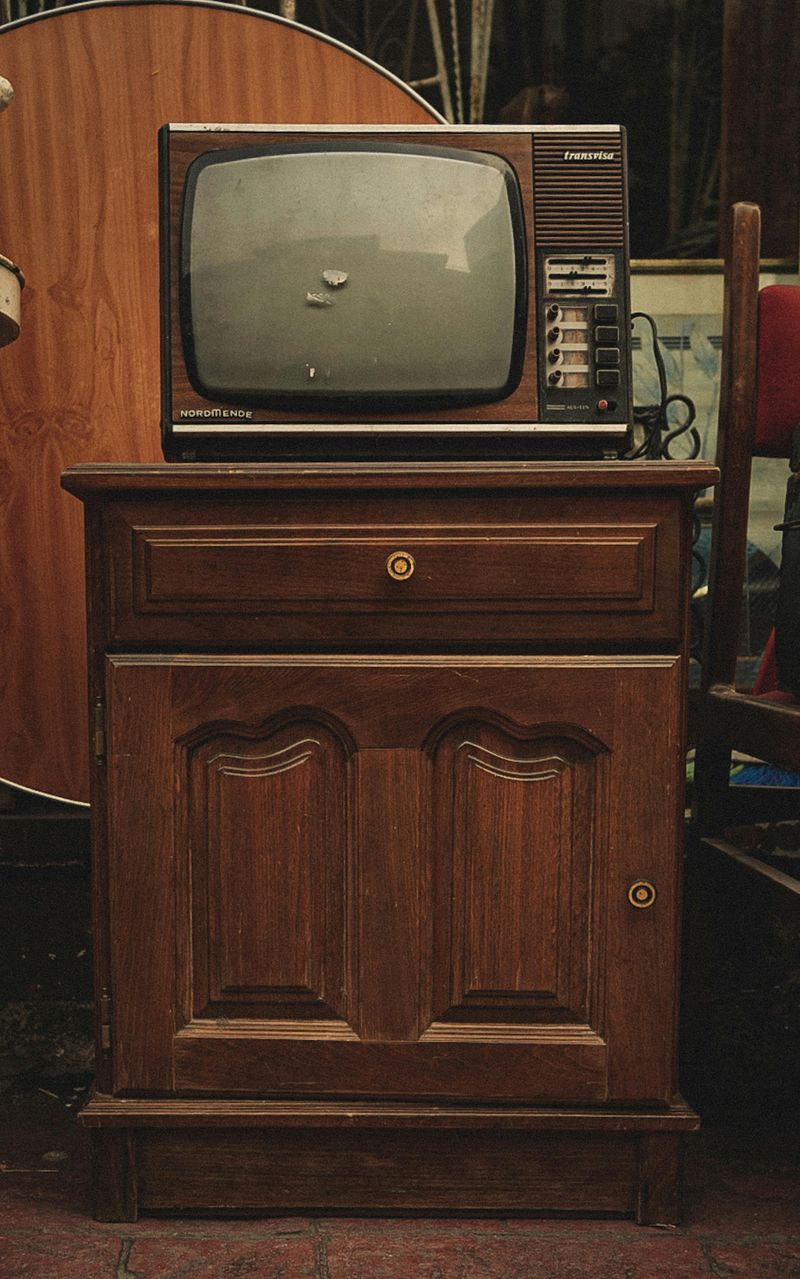
Massive entertainment centers once dominated California living rooms, designed to house bulky tube televisions, VCRs, stereo systems, and stacks of media equipment.
These cabinets were often marketed as high-end furniture investments, crafted from veneer-covered particle board with ornate trim meant to resemble fine cabinetry.
As televisions became thinner and wall-mounted, the original purpose of these units disappeared almost overnight.
Most entertainment centers are incompatible with modern electronics, lacking proper ventilation, wiring access, or appropriate dimensions.
Their sheer size makes them difficult to move, store, or repurpose without significant modification.
Wear from years of heat exposure often causes warping, peeling finishes, and weakened joints.
Younger buyers strongly prefer open shelving or minimalist media consoles that take up less visual and physical space.
Thrift stores and estate sales are flooded with these pieces.
In most cases, disposal costs outweigh any potential resale value.
15. Early California Plein Air Paintings (Goldmine)

Early California plein air paintings capture the state at a moment when landscapes were still largely untouched, documenting rolling hills, citrus groves, coastal cliffs, and golden light through the eyes of artists working outdoors.
These works, created primarily in the late nineteenth and early twentieth centuries, reflect a movement focused on natural light, atmosphere, and immediacy rather than studio perfection.
Artists such as Granville Redmond, William Wendt, and Guy Rose helped define this distinctly Californian style, and their influence continues to shape how the region is visually remembered.
Collectors value these paintings not only for their artistic merit but also for their historical documentation of California before large-scale development transformed the land.
Original canvases with intact signatures, period frames, and minimal restoration command particularly strong prices.
Even lesser-known plein air artists from this era have seen rising demand as buyers seek authentic regional artwork with cultural significance.
Condition plays a major role, as heavy overcleaning or repainting can drastically reduce value.
Well-preserved examples frequently sell for tens of thousands of dollars at auction.
Interest remains strong as museums and private collectors continue to compete for remaining works.
16. Antique China Cabinets And Formal Dining Hutches (Nearly Worthless)

Large china cabinets and dining hutches once symbolized refinement and prosperity, proudly displaying fine dishware and heirloom serving pieces in formal dining rooms.
These towering furniture items were designed for homes with dedicated dining spaces that modern California living no longer prioritizes.
Changing lifestyles have eliminated the need for bulky storage dedicated to rarely used formal dishes.
The heavy construction and fragile glass components make these cabinets difficult and expensive to transport.
Many pieces suffer from outdated finishes, warped wood, or broken shelving that reduces appeal further.
Younger buyers overwhelmingly favor open shelving, minimalist storage, or multifunctional furniture instead.
Even solid wood examples struggle to find buyers due to size and stylistic limitations.
Estate sales frequently price these pieces at minimal levels just to move them out.
In most markets, their value has dropped to a fraction of what owners once paid.
17. Vintage California Movie Posters (Goldmine)
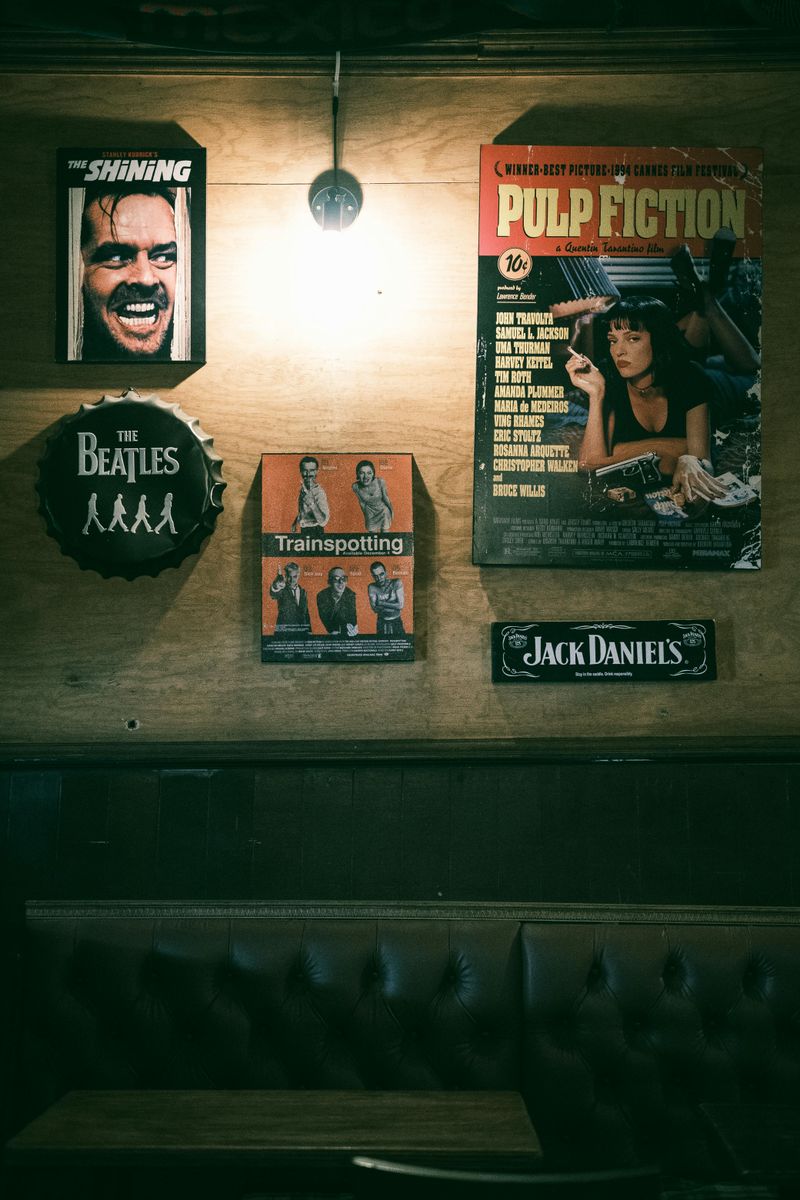
Original movie posters and lobby cards produced during Hollywood’s golden age represent a powerful intersection of art, entertainment history, and California cultural identity.
Printed in limited quantities and intended for temporary use, these paper items were never meant to survive, which makes well-preserved examples increasingly rare today.
Posters tied to classic films, major stars, or influential directors carry particular weight, especially when they feature striking original artwork rather than later reprints.
Lobby cards, often displayed inside theaters, offer smaller but equally collectible formats that appeal to space-conscious collectors.
Condition is critical, as folds, tears, fading, and restoration can dramatically affect value.
Authentic pieces with original printing marks and studio credits consistently outperform reproductions in the market.
Demand remains strong among film historians, interior designers, and pop-culture collectors alike.
Exceptional examples regularly sell for thousands, with rare titles reaching far beyond that.
As nostalgia-driven collecting grows, these artifacts continue to gain recognition as legitimate investment pieces.
18. Vintage California Home Exercise Equipment (Nearly Worthless)
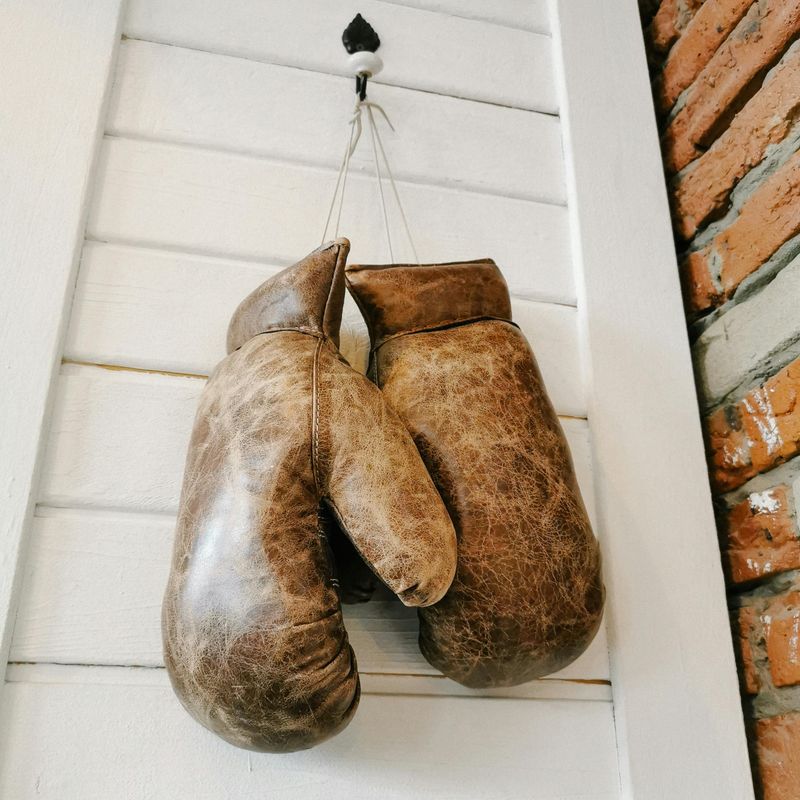
Home fitness equipment once promised revolutionary health benefits during the exercise booms of the late twentieth century.
Bulky treadmills, stationary bikes, vibrating belts, and resistance machines quickly became household fixtures across California.
Time has not been kind to these items, as mechanical wear, outdated technology, and safety concerns have rendered them obsolete.
Replacement parts are often unavailable, and repairs usually exceed the item’s resale value.
Modern fitness trends favor compact, digital, and multifunctional equipment over single-purpose machines.
Storage challenges further reduce appeal, as many units take up significant space without offering practical use.
Collectors rarely pursue exercise equipment unless tied to a celebrity or significant cultural moment.
Estate sales frequently struggle to give these items away.
Today, vintage home fitness machines are reminders of past trends rather than viable antiques.