12 New York Food Names That Sound Easy Until You Try Saying Them
New York menus can look friendly until your mouth meets a word that refuses to cooperate.
You point, you smile, and then you try to say it out loud while the deli line inches forward.
Some names look simple on paper but turn into a confidence test the moment you try saying them out loud.
Others come with silent letters, unexpected stress, or pronunciations that make absolutely no logical sense.
New Yorkers learn these food names early, often without realizing how strange they sound to everyone else.
For visitors, ordering can feel like walking into a pop quiz you did not study for.
Mispronouncing a dish rarely causes real trouble, but it can earn a raised eyebrow or a knowing smile.
These food names are tied to neighborhoods, history, and generations of everyday eating.
They reflect the city’s mix of cultures, accents, and stubborn loyalty to tradition.
If you have ever hesitated before ordering at a counter in New York, you are definitely not alone.
Let this guide be your shortcut to sounding like a local without whispering the order under your breath.
Stick with me, and you will leave with confidence, a full stomach, and zero side eye from the person behind the counter!
1. Knish (Kuh-Nish)
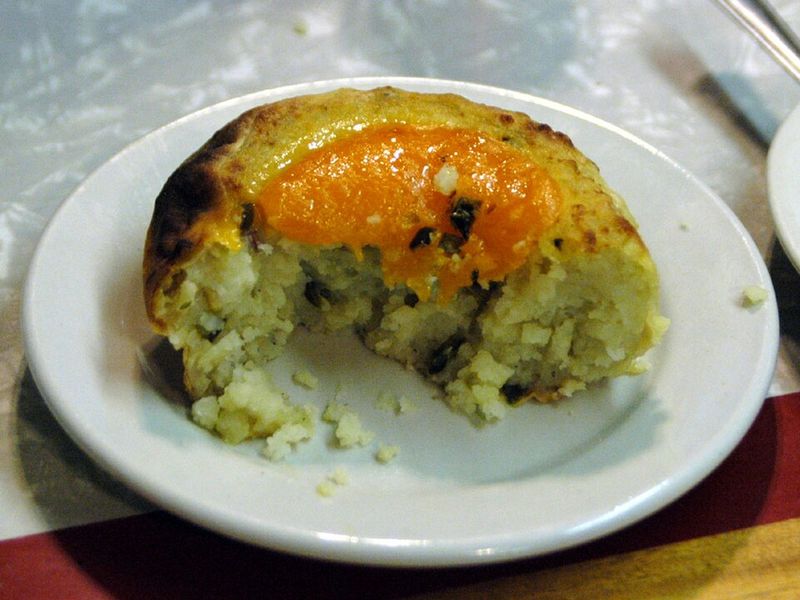
That little golden pillow at the deli case is not a “kuh-nish” or a “knish” with a hard k.
It is kuh-nish, emphasis on the second beat, like you are nudging a friend.
Bite in and you get mashed potato, kasha, or spinach wrapped in sturdy dough, baked or sometimes fried, classic to street carts and appetizing shops.
New Yorkers will ask for it with mustard, sometimes cut in half, and they will know exactly who makes a fluffy filling versus a dense one.
Yonah Schimmel on Houston Street is a pilgrimage for purists, where the knish is hefty and unmistakably old school.
If you want a tip, order a potato knish first, then branch into kasha or mushroom.
Do not overthink the pronunciation.
Start with a soft k that almost disappears, then land confidently on “nish”.
You will sound like you have been doing this for years, and honestly, that is half the magic of eating in New York.
2. Rugelach (Roo-Guh-Lakh)
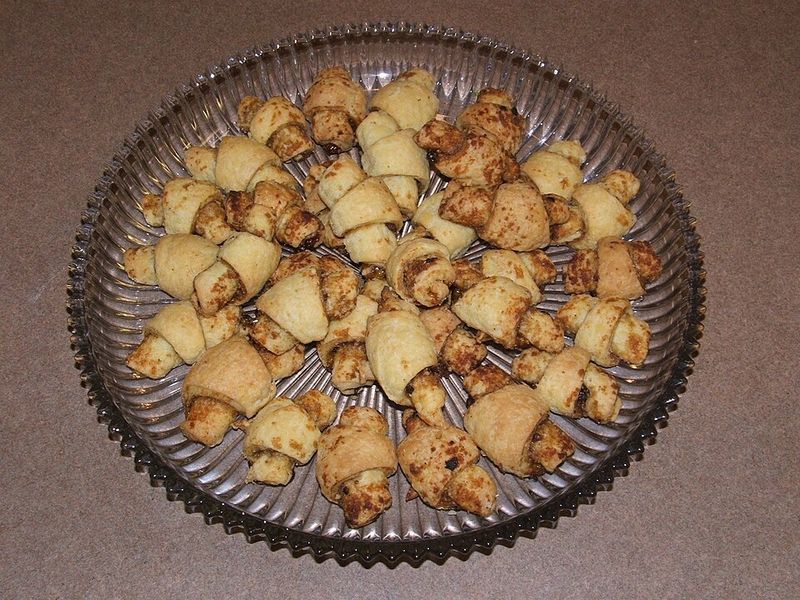
Those crescent swirls in the bakery window look innocent until you try to say them.
Rugelach is roo-guh-lakh, with that throaty kh at the end, like clearing your throat softly, not a harsh cough.
The dough is tender and buttery, sometimes cream-cheese based, rolled around fillings like apricot, raspberry, walnut, or chocolate.
You will find them at Jewish bakeries across the city, from Upper West Side counters to small Brooklyn spots.
Each shop has a house style: tighter roll, flakier crust, stickier glaze.
Some bakers sprinkle cinnamon sugar that caramelizes into a shiny, irresistible crust.
When ordering, do not drop the final sound.
Say “roo” like a cheerful shout, then “guh”, then “lakh” with that gentle rasp.
You will feel the word settle on your tongue right as the pastry melts there.
Walk away with a mixed dozen and you will make fast friends at any picnic bench in the city.
3. Bialy (Bee-Ah-Lee)
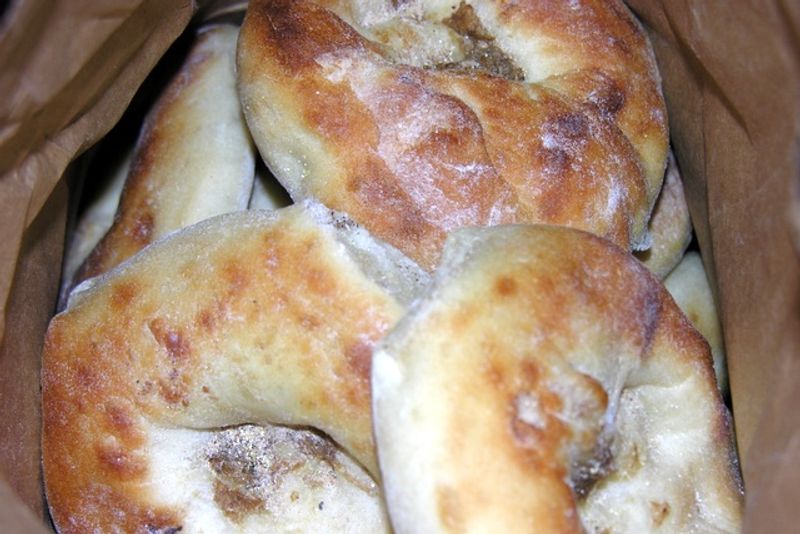
Think bagel cousin, but do not call it a bagel.
A bialy is bee-ah-lee, with the stress on “ah”, and no hole.
Instead, there is a sunken center smeared with onions, poppy seeds, or garlic that bakes into a fragrant, savory pocket.
Slice it, toast it, or just tear off pieces and share.
The texture is lighter than a bagel, less shiny, with a chewy, open crumb that loves a schmear or butter.
In classic shops, they are baked fresh early, and by afternoon the good ones are gone.
Say it smooth: bee-ah-lee, not “bay-lee!”
You will hear old timers nod if you nail it.
Pair it with whitefish salad or plain cream cheese and you will understand why New Yorkers get oddly sentimental about bread that looks so simple, yet tastes like history.
4. Schmear (Shmeer)
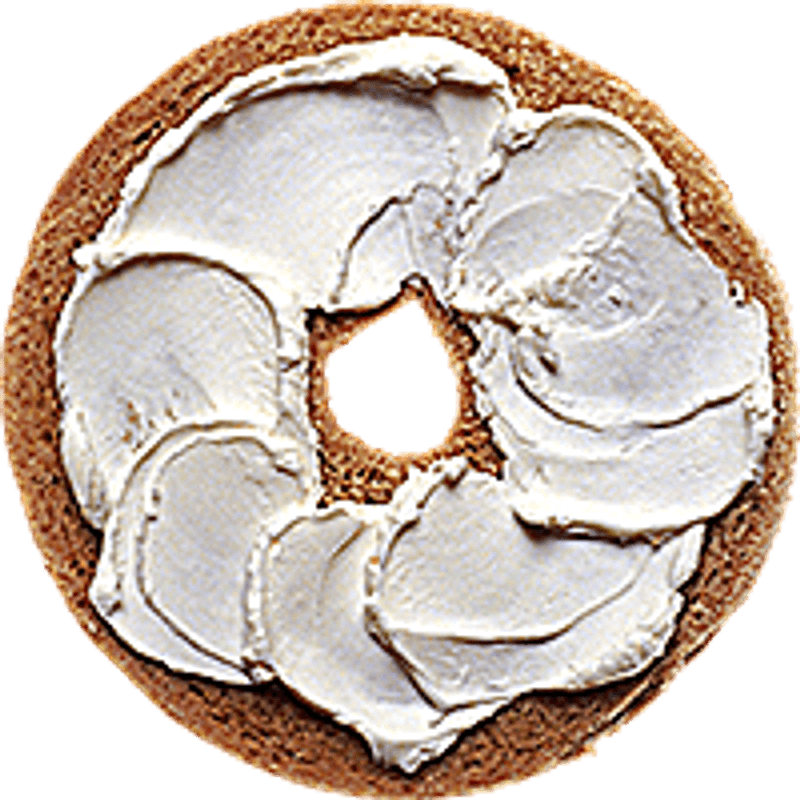
This one is more attitude than syllables.
Schmear is shmeer, one smooth sweep, and it means a generous spread, usually cream cheese on a bagel.
When you ask for a schmear, you are asking for a proper layer, not a timid whisper.
In New York, ordering a bagel with a schmear is practically a handshake.
You might go scallion, veggie, lox cream cheese, or classic plain.
If the bagel is warm, the schmear softens into every seed and blister on the crust.
Say it with confidence, not a question!
Shmeer, like drawing a line with your voice.
You get extra points for pairing it with the right base: sesame or everything is a safe bet, and yes, toasting debates are real.
But you do you, as long as that schmear is generous.
5. Chopped Cheese (Chop’t Cheese)
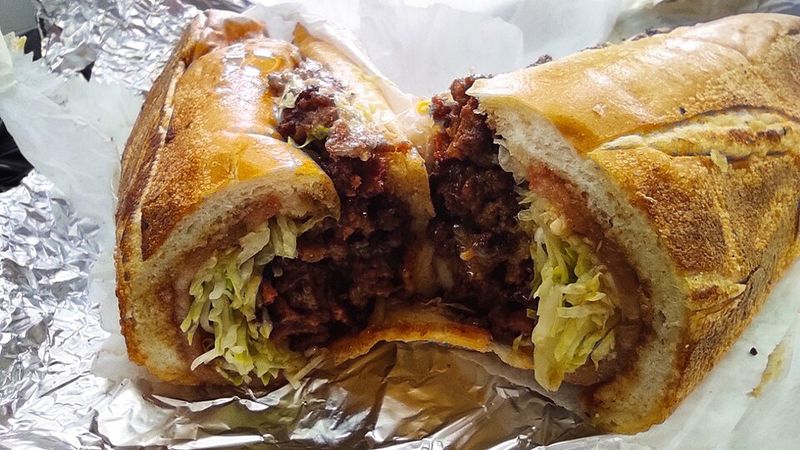
Born in bodegas, beloved at lunchtime, and the subject of many neighborhood debates, the chopped cheese is straightforward except when your tongue trips.
Say it like you see it: chopped, but quick, like chop’t cheese.
It is ground beef cooked on a flat top, chopped with onions, melted American, then piled into a hero with lettuce, tomato, and whatever sauce you claim.
Harlem and the Bronx both stake pride in this sandwich, and you will find variations across the city.
Some spots add peppers, others switch up the cheese.
The rhythm matters: chop’t cheese, no pause, like you are in line and hungry.
If you want to sound local, ask for it “with everything” and pick your hot sauce.
The crunch of the roll against the juicy beef is what makes it a repeat order.
You will finish the last bite wondering why you ever tried to overcomplicate the name.
6. Gyro (Yee-Roh)
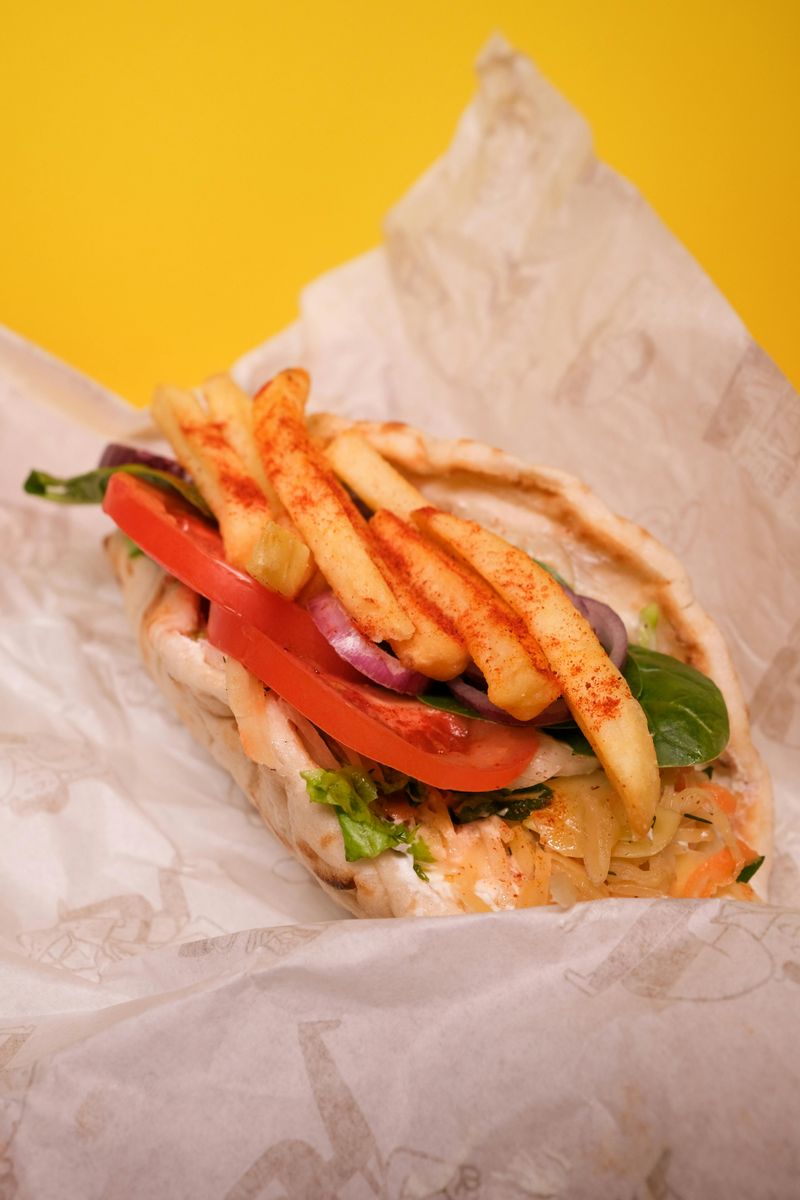
Tourists say “jai-roh.” Locals wince and order a yee-roh.
The Greek word rolls forward with that bright first syllable, and in New York you will find it at street carts and diner counters, stacked with seasoned meat shaved from a vertical spit.
Whether it is lamb, beef, or chicken, the fillings slide into warm pita with tomato, onion, and tzatziki.
Some shops crisp the edges on a flat top for extra texture.
Grab napkins, because the sauce will find your shirt if you are not careful.
Yee-roh is soft and quick, no hard g.
Practice once while waiting for the vendor to slice.
Then enjoy that perfect bite where the pita steams, the meat is salty and tender, and the city noise somehow makes everything taste better.
7. Gnocchi (Nyo-Kee)
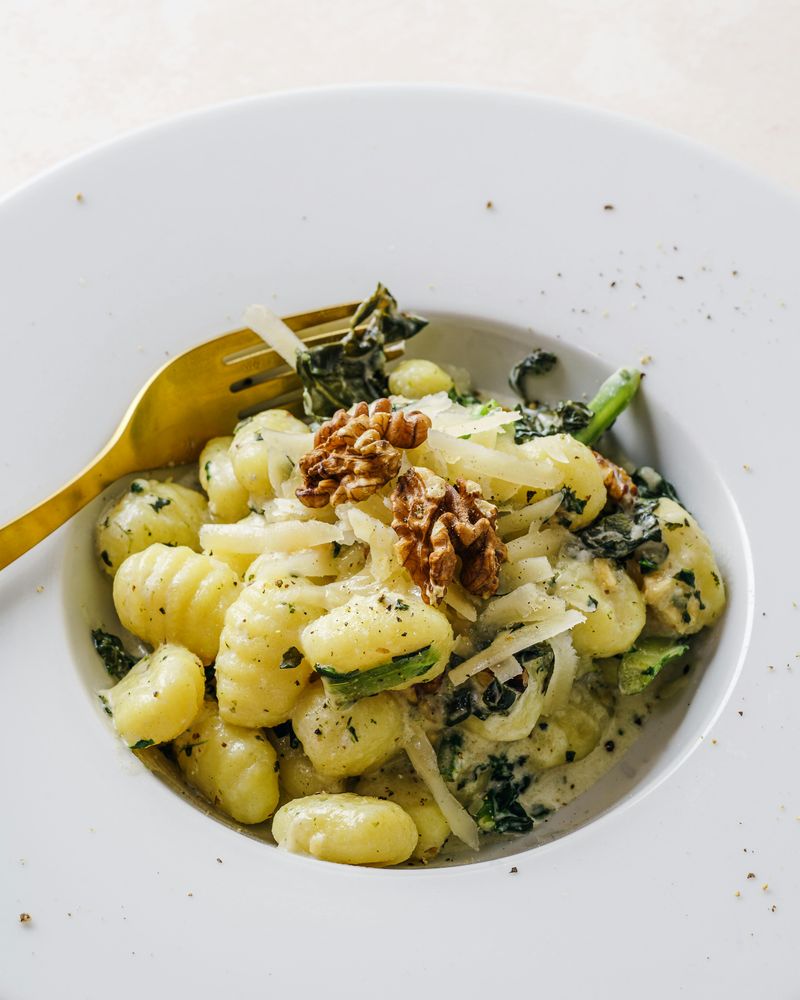
Italian menus across New York will test you here.
It is nyo-kee, not “guh-nah-chi.”
Soft potato dumplings, pillowy when made right, swim in sauces from brown butter sage to rich tomato or pesto.
Good places treat them with respect, letting the texture do the talking.
The trick is that compact first syllable, nyo, like you are folding two sounds together.
Then kee, light and clean!
Ask a server and you will learn quickly who hand-rolls them and who does not.
In trattorias packed with chatter, say nyo-kee and watch the nod of approval.
Then enjoy the way each dumpling yields without collapse.
That is how you know you have found a kitchen that understands restraint and comfort in a single bowl.
8. Prosciutto (Pro-Shoo-Toh)
This one whispers if you let it.
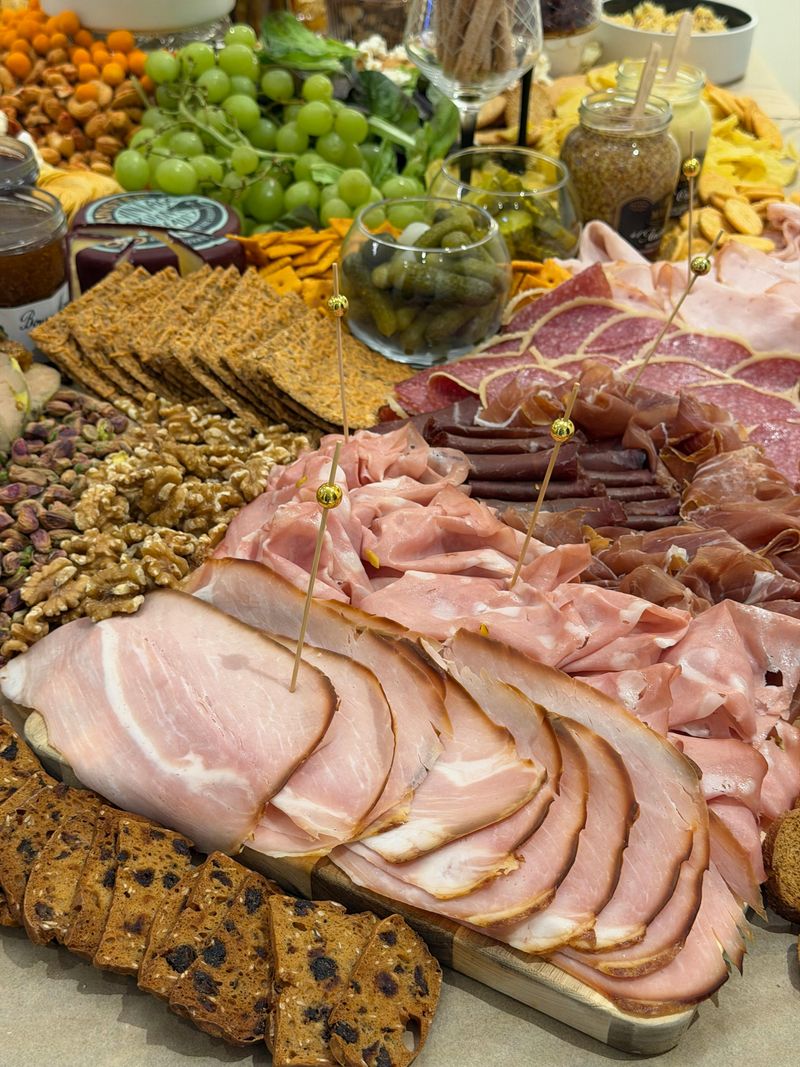
Prosciutto is pro-shoo-toh, smooth and airy, no hard c, no extra syllable.
In New York delis, paper-thin slices fold like silk over fresh mozzarella, melon, or warm focaccia.
Ordering is a mini performance!
Ask for it sliced very thin and watch as translucent ribbons pile gently on the scale.
The salt is delicate, the perfume nutty, and it needs nothing more than good bread.
Say it right and the counterperson will meet you halfway with a knowing look.
Pro-shoo-toh, almost one breath!
Then let it melt on your tongue and remember why pronunciation matters: you get the good stuff because you sound like you love it.
9. Sufganiyot (Soof-Gah-Nee-Yoht)
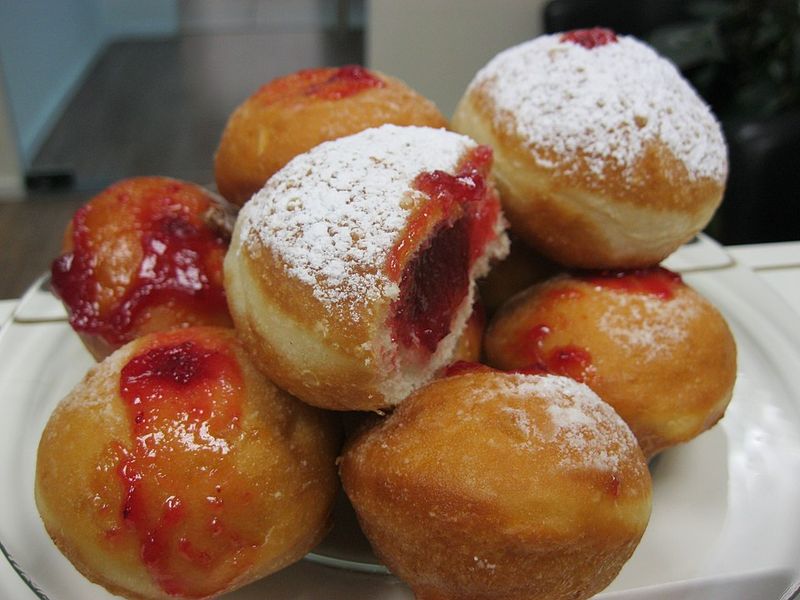
These jelly-filled doughnuts light up New York bakeries every winter.
Sufganiyot is soof-gah-nee-yoht, with the stress on the last beat.
Powdered sugar dusts everything, and fillings range from classic strawberry to custard and chocolate.
Lines snake out the door at well-known spots before the holiday rush.
The dough is plush, the center oozes bright jam, and one bite leaves a constellation of sugar on your sleeves.
You will see boxes carried like treasure on the subway.
Say it slowly once: soof, gah, nee, yoht.
Then speed it up and order half a dozen before they sell out.
Few things taste as festive as tearing into one while the city crunches with winter and lights bounce off bakery glass.
10. Pho (Fuh)

New York’s Vietnamese spots will gently correct you if you ask for “foh.”
It is fuh, short and relaxed, like a sigh.
The bowl arrives with shimmering broth, rice noodles, and herbs that release a garden’s worth of scent the moment they hit the steam.
Add lime, basil, and a careful amount of chili.
Balance is the whole point, and the broth should hum with star anise and charred aromatics.
Slurping is allowed, encouraged even, as the noodles slide and the broth carries warmth all the way through.
Say fuh and your server will nod like you belong.
Then taste how New York does comfort: a deep, clarifying soup that makes the city feel manageable.
On cold nights, it is the word and the bowl you will want.
11. Schmaltz (Shmahlts)
Old-school delis and savvy modern kitchens keep this word alive.
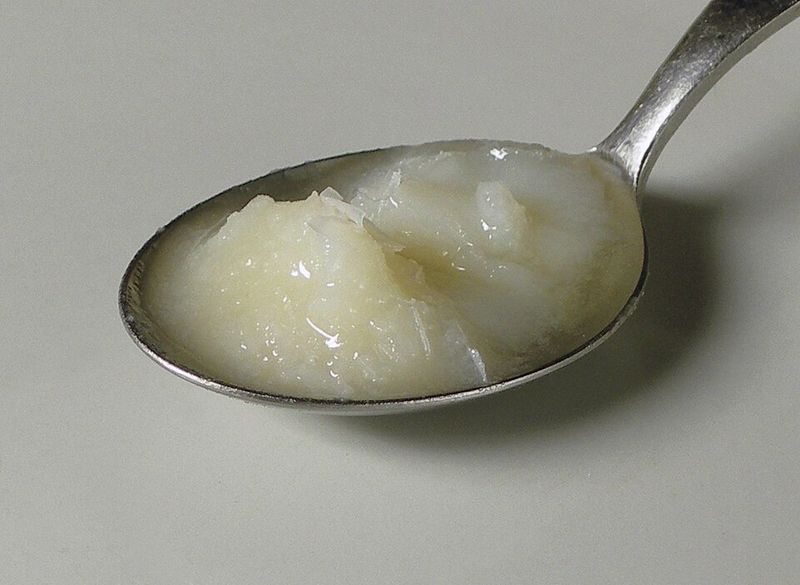
Schmaltz is shmahlts, that rich rendered chicken fat used for cooking or spread, deeply flavorful and unmistakably comforting.
It shows up in matzo ball soup, chopped liver, and roasted vegetables that taste like Sunday memories.
The sound is round and warm, just like the ingredient.
Ask for it in a deli and watch the smile that says you know what you are doing.
Some places sell it in small containers next to gribenes, the crispy bits that make cooks giddy.
Say shmahlts, not “sh-maltz,” and let the consonants blend.
Then drizzle it on potatoes or whisk it into eggs and understand why flavor chases fat.
It is a word and a tradition that turns simple food into something you remember.
12. Za’atar (Zah-Ah-Tar)
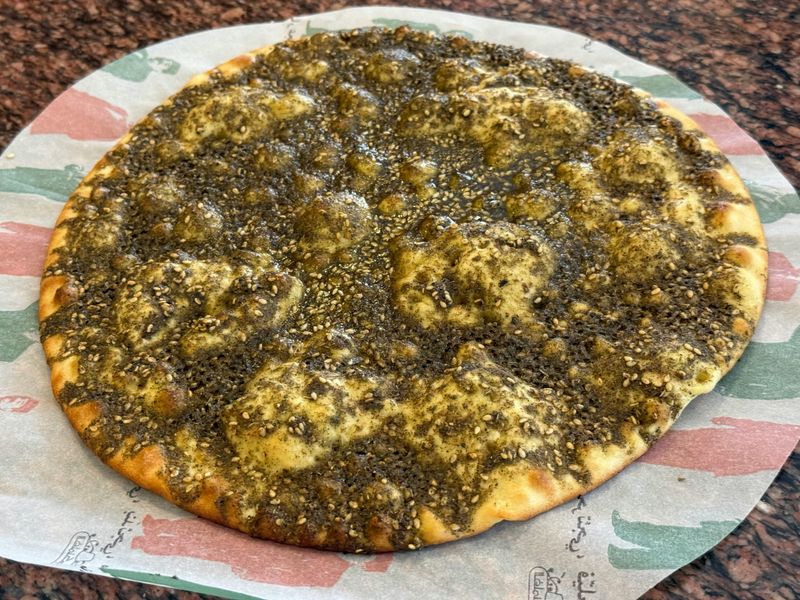
New York’s bakeries and Middle Eastern spots have made za’atar a staple, and its name trips up many menus.
Say zah-ah-tar, with a lifted middle syllable.
It is a spice blend typically featuring thyme or oregano, sumac, sesame, and salt, earthy and citrusy at once.
Order manoushe topped with za’atar and olive oil and you will understand the hype.
The aroma hits first, then the tang of sumac brightens every bite.
Some cafes sprinkle it over labneh, salads, or roasted vegetables for easy magic.
Practice the rhythm: zah, ah, tar.
Keep it light and balanced, like the flavor itself.
Then take a warm flatbread to go and eat it while walking past stoops and murals, because that is exactly how this city prefers you discover new favorites.