From Policy To Cafeterias: How California Schools Will Phase Out Ultra-Processed Foods
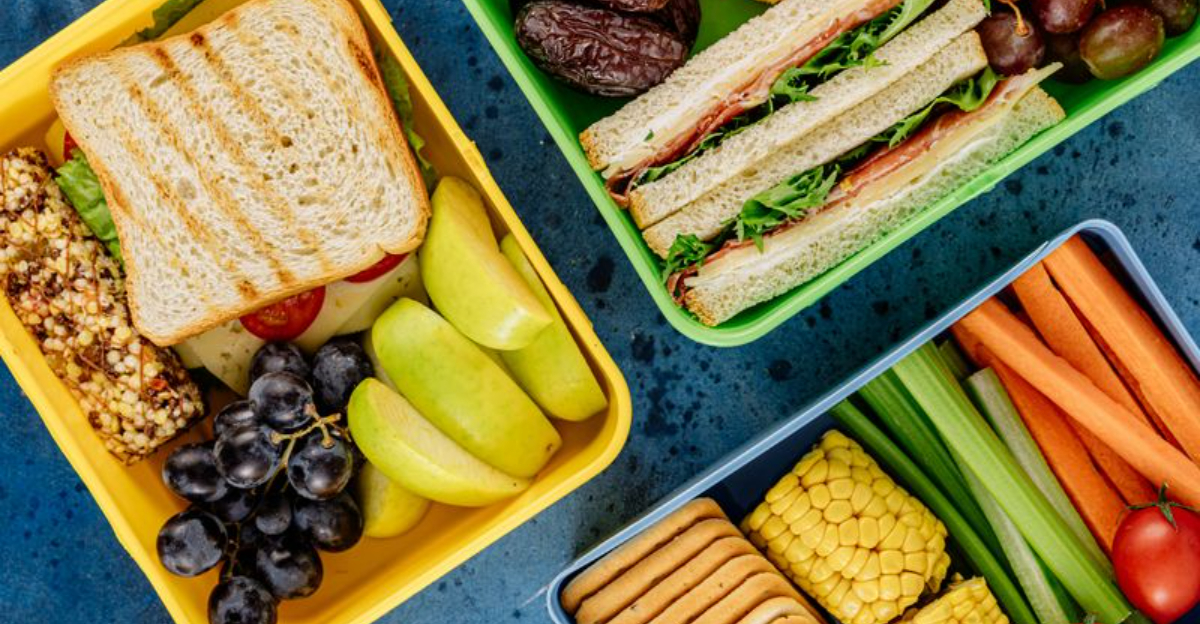
California just sent a powerful message about what belongs on a child’s lunch tray, and it’s already sparking national conversation.
By becoming the first state to phase out ultra-processed foods from school cafeterias, California isn’t just changing menus – it’s challenging decades of how school food has been defined.
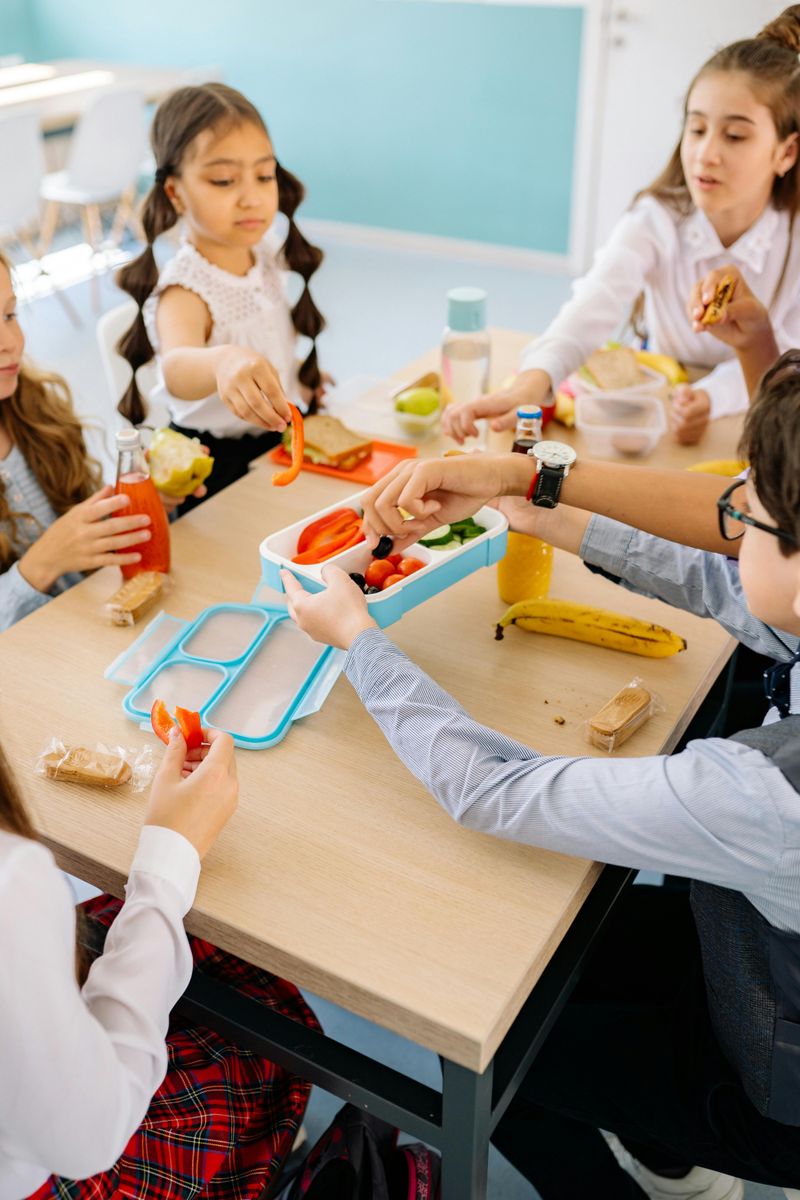
This decision places student health at the forefront, signaling that what kids eat during the school day is as important as what they learn in the classroom.
For years, convenience-driven meals packed with additives quietly became the norm, shaping habits that followed students long after the lunch bell rang.
Now, that routine is on a countdown.
With a clear, decade-long roadmap in place, schools are being guided – not rushed – toward fresher, more nourishing options that support growing bodies and minds.
This isn’t about perfection overnight. It’s about steady, intentional change. Parents are watching closely. Other states are taking notes. And the food industry knows the ground is shifting.
School lunches may finally look more like real meals than factory products. This law could redefine childhood nutrition across the country.
California took the first step. Many more may follow. The future of school food just got a lot more real.
The Real Foods, Healthy Kids Act Becomes Law
On October 8, 2025, Governor Gavin Newsom put pen to paper and signed Assembly Bill 1264, officially known as the Real Foods, Healthy Kids Act.
This landmark legislation marks California as the first state to legally define ultra-processed foods and require their removal from school meal programs over the next ten years.
The law targets foods and beverages that are high in saturated fat, sodium, or added sugars and contain industrial ingredients rarely found in home kitchens.
Bipartisan support helped push the bill through the California Legislature, showing that lawmakers from across the political spectrum agree on the importance of protecting children’s health.
The signing ceremony celebrated a major win for public health advocates, nutrition experts, and families who have long called for better food standards in schools.
By creating a clear legal framework, California has set a precedent that other states may soon follow, potentially reshaping school nutrition nationwide.
What Exactly Are Ultra-Processed Foods?
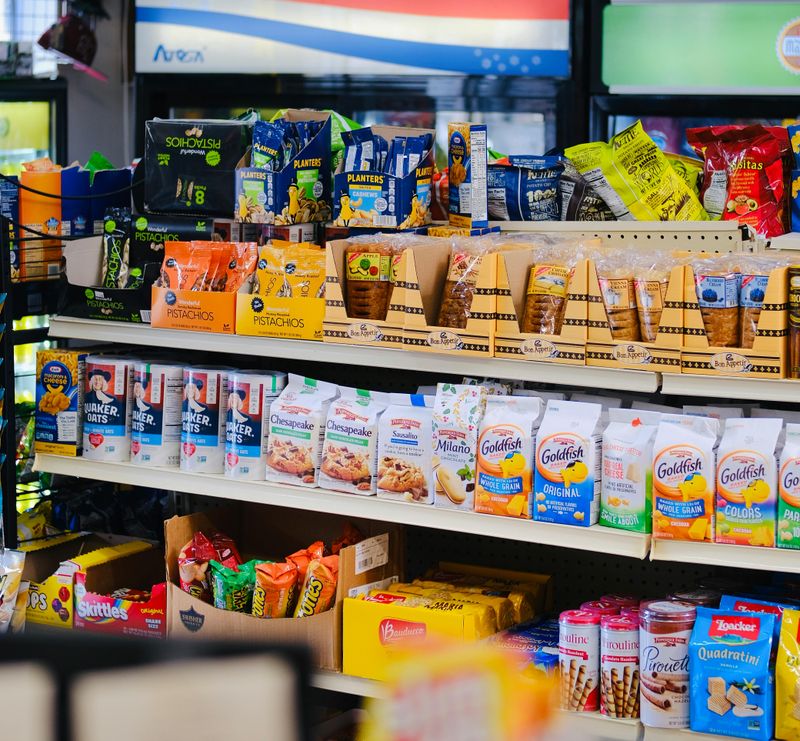
Ultra-processed foods, often shortened to UPFs, are items that go through extensive industrial processing and contain ingredients you would not typically stock in your pantry at home.
Think emulsifiers, artificial colorings, flavor enhancers, and preservatives with long, hard-to-pronounce names.
Common examples include certain packaged snacks, sugary cereals, flavored drinks, frozen meals, and processed meats like hot dogs and chicken nuggets.
The new California law is set to define UPFs based on their nutritional profile and ingredient list. Foods high in saturated fat, sodium, or added sugars automatically raise red flags.
The California Department of Public Health at 1615 Capitol Avenue, Sacramento, CA 95814 will work with nutrition scientists from the University of California to identify which products are particularly harmful and should be prioritized for removal.
This science-based approach ensures that the ban focuses on the most problematic items first, giving schools and vendors clear guidance on what needs to change.
A Decade-Long Phase-Out Timeline

California schools will not have to overhaul their menus overnight. The law sets up a gradual timeline that gives everyone involved plenty of time to adjust.
By July 1, 2029, schools must begin the phase-out process, starting with the most harmful ultra-processed items.
By July 1, 2032, food vendors will no longer be allowed to offer these products to schools, cutting off the supply chain at its source.
The final deadline arrives on July 1, 2035, when schools must completely stop serving ultra-processed foods in their cafeterias.
This staggered approach allows school districts to renegotiate contracts, train kitchen staff, update equipment, and find affordable alternatives without causing disruption.
It also gives food manufacturers time to reformulate products or develop new, healthier options that meet California’s stricter standards.
The phased timeline reflects a realistic understanding of the challenges involved in transforming a statewide school meal system.
Health Risks Driving The Change

Scientific research has linked ultra-processed foods to a growing list of serious health problems, especially in children.
Diets heavy in UPFs are associated with higher rates of childhood obesity, type 2 diabetes, heart disease, and even certain cancers later in life.
These foods often lack essential nutrients like fiber, vitamins, and minerals, while packing in empty calories that can lead to weight gain and poor metabolic health.
Beyond physical health, some studies suggest that diets high in ultra-processed foods may affect mood, concentration, and academic performance.
Kids who eat more whole foods tend to have steadier energy levels throughout the day, which can help them focus better in class.
By removing UPFs from school meals, California aims to reduce these health risks and give students a better foundation for lifelong wellness.
The legislation recognizes that what children eat during their school years can shape their health trajectories for decades to come.
Broad Bipartisan Support
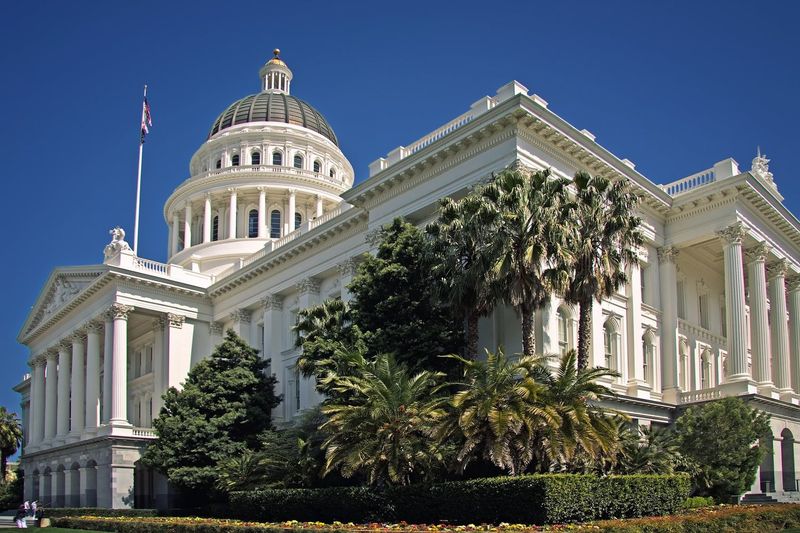
One of the most remarkable aspects of the Real Foods, Healthy Kids Act is the widespread support it received from lawmakers on both sides of the aisle.
In an era of deep political division, this bill united Democrats and Republicans around a common goal: protecting children’s health.
Legislators recognized that improving school nutrition is not a partisan issue but a shared responsibility that benefits all families, regardless of political affiliation.
The bipartisan backing helped the bill move smoothly through the California Legislature and sent a strong signal that public health priorities can transcend political differences.
Supporters included parents, teachers, school administrators, health advocates, and even some food industry representatives who saw the writing on the wall and wanted to be part of the solution.
This broad coalition demonstrates that when it comes to kids’ well-being, Californians can find common ground and work together to create meaningful change.
Setting A National Precedent

California has a long history of leading the nation on environmental and public health policies, and the Real Foods, Healthy Kids Act continues that tradition.
As the most populous state with one of the largest public school systems in the country, California’s actions often ripple outward and influence policy debates in other states.
Advocates hope that this legislation will inspire similar efforts across the United States, creating a domino effect that eventually transforms school nutrition nationwide.
Several states have already expressed interest in following California’s example, and federal lawmakers are watching closely to see how the implementation unfolds.
If California successfully phases out ultra-processed foods without major disruptions or cost overruns, it could provide a blueprint for national reform.
The law also puts pressure on food manufacturers to develop healthier products that meet stricter standards, knowing that access to the California market depends on it.
By taking this bold step, California is not just changing its own schools but potentially reshaping the entire landscape of school food policy in America.
The Role Of Science And Expert Guidance

California’s approach to banning ultra-processed foods relies heavily on scientific evidence and expert input.
The law directs the California Department of Public Health to collaborate with researchers and nutrition experts from the University of California system to identify which foods pose the greatest health risks.
This partnership ensures that decisions are based on the latest research rather than political pressure or guesswork.
Experts will evaluate products based on their nutritional content, ingredient lists, and links to health outcomes documented in peer-reviewed studies.
This evidence-based process helps protect the law from legal challenges and ensures that the phase-out targets the most harmful foods first.
By involving university scientists, California is also creating opportunities for ongoing research and evaluation, which can help refine the policy over time and provide valuable data for other states considering similar measures.
The emphasis on science gives the law credibility and helps build public trust in the implementation process.
Exemptions For Fundraising Events

While the Real Foods, Healthy Kids Act sets strict limits on cafeteria meals, it does include some practical exemptions that recognize the realities of school life.
Foods sold during fundraising events are not covered by the ban if those events take place away from school grounds or at least thirty minutes after the school day officially ends.
This means that bake sales, sports booster club events, and other fundraisers can still offer popular treats without violating the law.
The exemption acknowledges that occasional indulgences at special events are different from daily cafeteria meals that form the foundation of many students’ diets.
It also respects the important role that fundraising plays in supporting school programs, from sports teams to music departments.
By carving out this exception, lawmakers struck a balance between promoting healthy eating and allowing communities to maintain traditions that bring students, families, and staff together.
The exemption shows that the law is focused on systemic dietary patterns rather than policing every single snack or treat that appears on school grounds.
Fiscal Considerations And Long-Term Savings

Critics of the Real Foods, Healthy Kids Act have raised concerns about the potential cost of transitioning to healthier school meals.
Fresh, minimally processed foods can sometimes be more expensive than their ultra-processed counterparts, and schools operating on tight budgets worry about how they will afford the change.
Some districts may need to invest in new kitchen equipment, staff training, and supply chain adjustments, all of which require upfront funding.
However, supporters of the law argue that these short-term costs should be weighed against long-term savings.
Healthier students tend to miss fewer school days due to illness, perform better academically, and face lower risks of chronic diseases that require expensive medical treatment.
By investing in better nutrition now, California could reduce future healthcare costs and improve educational outcomes, creating economic benefits that far outweigh the initial expenses.
The phased timeline also gives schools time to seek grants, renegotiate contracts, and find cost-effective solutions that work within their budgets.
Building On Previous Food Safety Initiatives
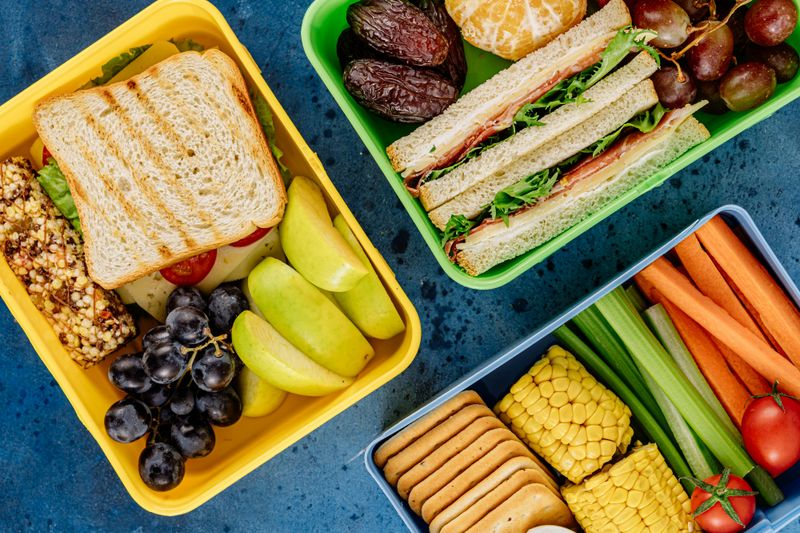
The Real Foods, Healthy Kids Act does not exist in isolation but builds on a series of food safety and nutrition initiatives that California has championed in recent years.
The state has already banned certain artificial food dyes and chemical additives linked to health concerns, demonstrating a consistent commitment to protecting consumers, especially children.
These earlier efforts laid the groundwork for the more comprehensive approach embodied in the new ultra-processed food law.
California’s track record of progressive food policy has made it a target for industry pushback but also a beacon for public health advocates nationwide.
Each new law strengthens the state’s reputation as a leader willing to take on powerful food corporations in defense of public health.
The cumulative effect of these policies is creating a food environment in California schools that prioritizes nutrition, transparency, and long-term wellness over convenience and profit.
By continuing to build on past successes, California is showing that sustained, incremental change can lead to transformative results.