9 Fresh Trends Taking Over Texas Homes In 2026
Texas home design is heading into 2026 with a clear sense of confidence and comfort.
Homes are being shaped less by show and more by how people actually live in them.
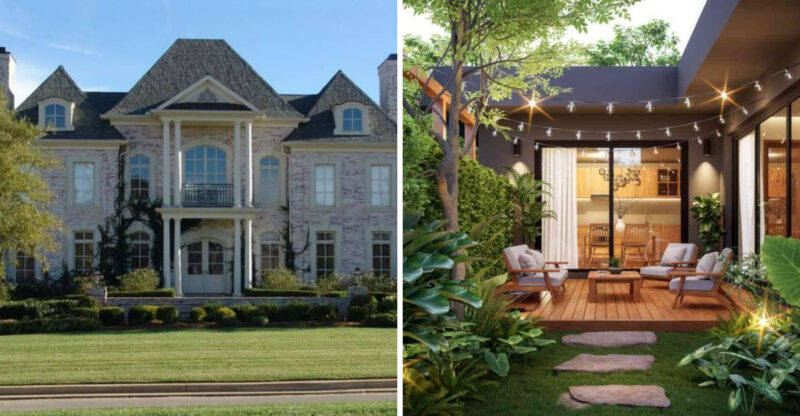
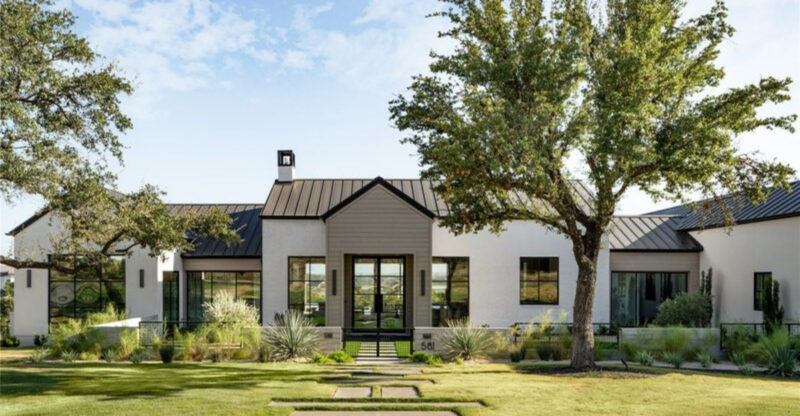
You will see familiar ranch silhouettes upgraded with smart tech and solar brains, and breezy homes that open to the sky like a Hill Country porch.
Design choices are becoming warmer, softer, and more grounded than in years past.
Expect bold color, artisan craft, and desert-inspired calm working together instead of competing.
Function will still matter, but personality will no longer be sacrificed to achieve it.
Texans are leaning into spaces that feel welcoming rather than overly polished.
Materials are chosen for texture and longevity, not just appearance.
Rooms are expected to work harder, adapting easily to family life, guests, and downtime.
There is a noticeable shift toward designs that feel rooted in place rather than copied from elsewhere.
Outdoor influences continue to blur the line between inside and out.
These trends reflect a desire for homes that feel lived in and lasting.
Overall, Texas home design trends in 2026 is less about impressing visitors and more about feeling good every single day.
The result is homes that feel thoughtful, relaxed, and distinctly Texan without trying too hard.
If you have been craving spaces that feel rooted, resilient, and a little daring, these trends are the ones to keep on your radar!
1. Desert Modernism
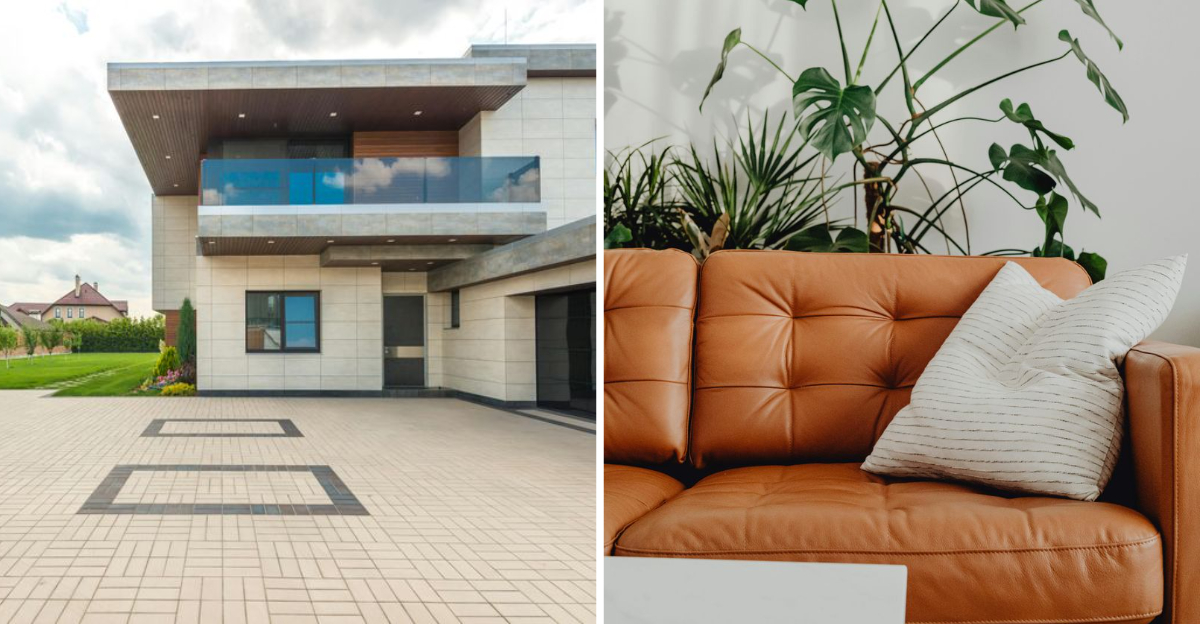
Desert Modernism is rolling in from West Texas with heat shimmers, shadow play, and restful restraint. Picture sun-baked palettes, textured plaster, matte limewash, and local limestone that keeps things cool while looking timeless.
You get clean lines, low profiles, and sculptural lighting that casts evening patterns like a Marfa sunset, plus indoor cacti and agaves tucked into clay vessels.
To keep it livable, focus on breathable fabrics, rough-hewn wood, and a few big gestures instead of clutter. Floors lean toward poured concrete or pale oak, while windows stretch wide to frame sky and scrub.
Layer in iron accents, ribbed terra-cotta, and travertine to strike that grounded luxury you can walk on barefoot.
Because Texas heat is real, passive strategies matter: deep overhangs, cross ventilation, and thermally broken frames that fight glare without darkening the room. You can add solar shades and smart tinting for the fiercest afternoons.
At night, dimmable LEDs warm the space, making shadow a design tool, not a nuisance.
The vibe is serene but never sleepy. Swap gallery walls for one large canvas or a desert photograph, then let texture carry the story.
You will enjoy spaces that feel calm, honest, and quietly dramatic, especially when the wind picks up and the sky turns copper over the mesquite.
2. Smart Home Ranch Style
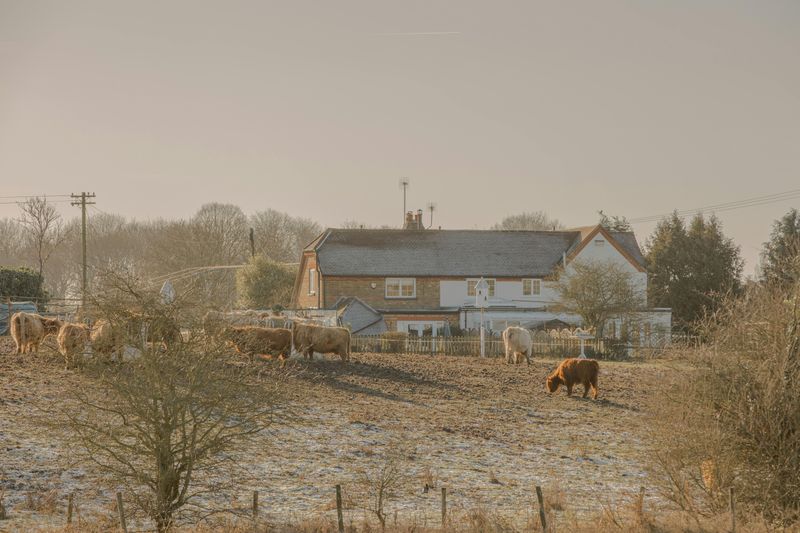
The classic Texas ranch is getting smarter, not fussier. Think single-story sprawl with breezeways and big porches, only now the bones hide batteries, sensors, and solar.
You tap an app to open the gate, dim porch lanterns, and pre-cool bedrooms before you roll up the gravel drive.
Inside, reclaimed beams and honed stone ride alongside discreet automation: voice-ready thermostats, leak detectors, and shade controls that follow the sun. Metal roofs harvest energy, while induction ranges and heat pump systems cut bills without sacrificing comfort.
You still get cowhide rugs and hearty dining tables, just paired with USB outlets tucked into bench seats.
Security stays friendly but smart: cameras angled for wide lots, driveway motion alerts, and smart locks that let guests in while you are still on I-35.
Add whole-house surge protection and a backup battery to handle summer storms.
Hidden wiring keeps the look clean, so nothing distracts from that long horizon view.
Outside, integrate smart irrigation tuned to native grasses and pecans, with soil sensors that respect drought cycles. Path lighting syncs with sunset, and barn doors glide on soft-close tracks.
The result feels familiar and future-ready, delivering cowboy charm with quiet tech that works hard so your home can relax.
3. Indoor-Outdoor Cooking Spaces
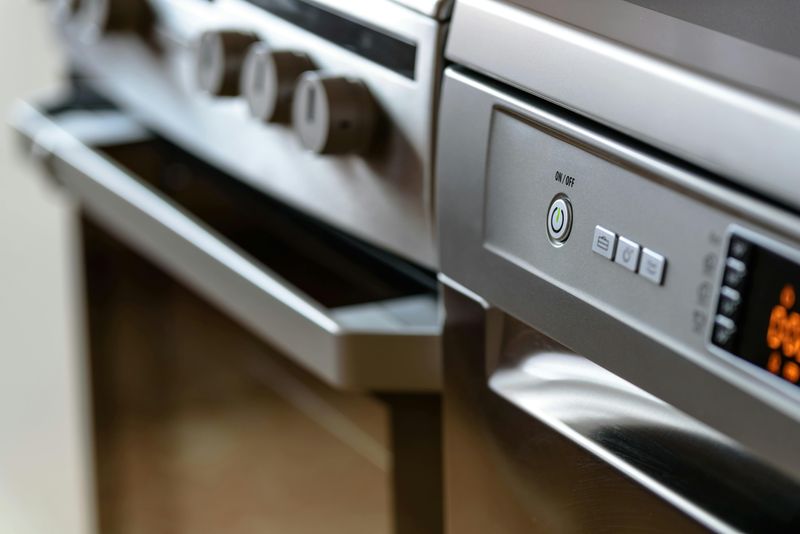
Texas kitchens are stepping outside, turning dinner into a laid-back event that floats between rooms.
Retractable glass walls let you slide open to a covered patio where a smoker, griddle, and pizza oven share an island with prep sinks.
Inside, a hardworking galley keeps tools close and traffic calm when guests drift in and out.
Materials matter: non-slip porcelain pavers outside align with interior flooring for seamless flow. Weather-safe cabinetry, marine-grade hardware, and quartzite counters laugh at spills and August heat.
Add ceiling fans, misting lines, and a vent hood that handles brisket smoke without blowing out conversations.
Lighting layers make it magic after sundown. Task LEDs focus on the grill, while dimmable pendants warm the dining zone.
You can pair a beverage fridge with a deep sink and concealed trash to keep surfaces clear during marathon cooks.
Smart touches elevate ease: app-based thermometers, zoned speakers, and retractable screens that block bugs but not the breeze. Plant herbs nearby and string rosemary along the railing for scent and snip-ready flavor.
With this setup, you host comfortably year-round, shifting with the weather like a true Texan who knows the sky is part of the recipe.
4. Bold Southwestern Colors
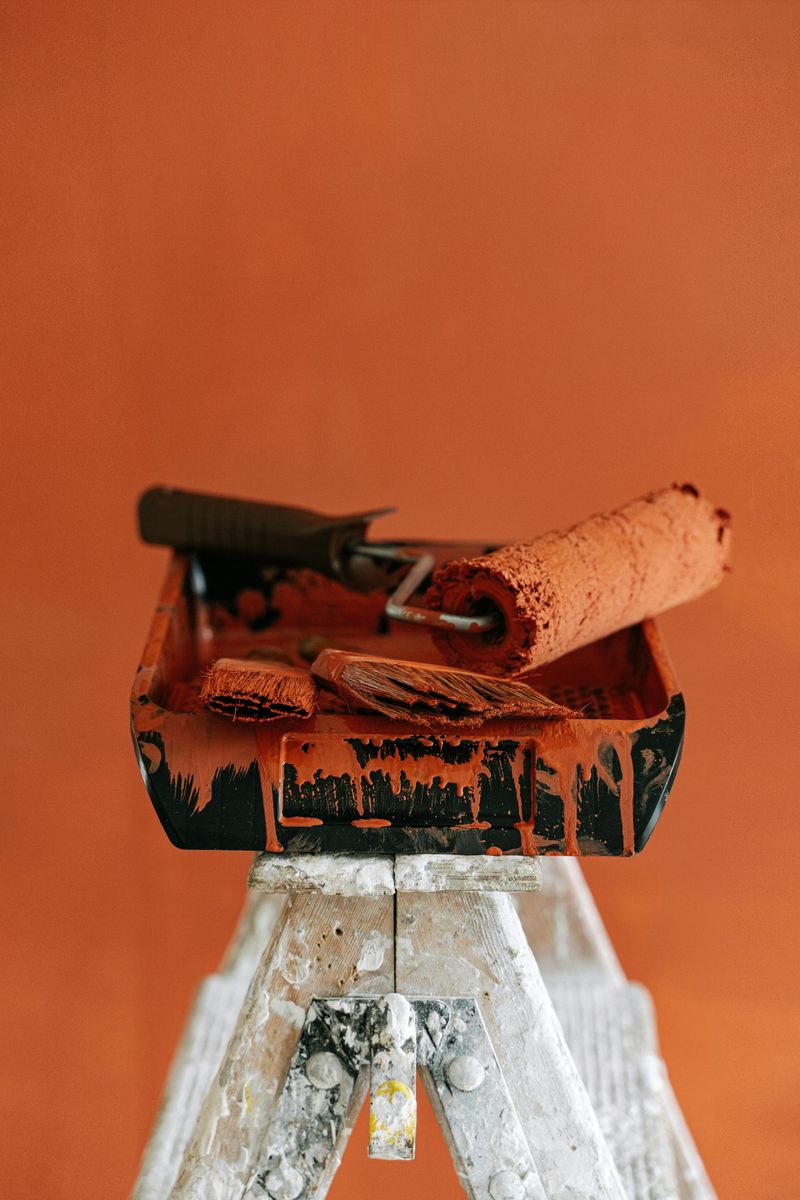
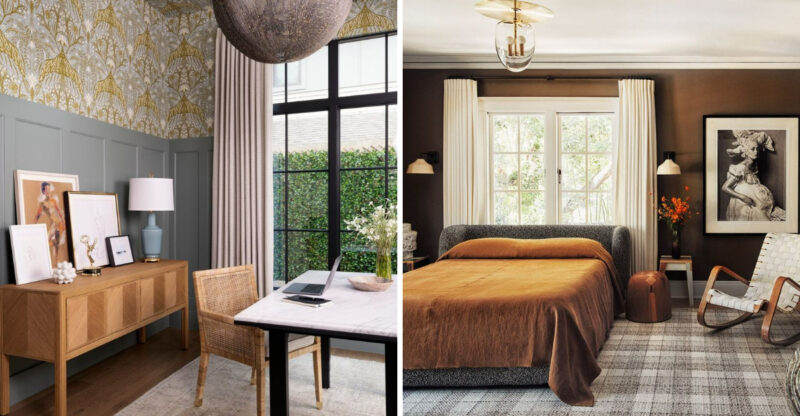
Color is back with swagger, and it looks great under Texas light. Turquoise, terracotta, mustard, and chile red are showing up in rugs, plaster accents, and chunky upholstery.
You might ground the room with sandy neutrals and then pop a velvet chair in high desert teal for that instant grin.
Balance is the trick. Choose one hero hue, then echo it with pillows, pottery, or a stripe in the drapery.
Terracotta tile adds warmth underfoot, while a mustard throw slung over a saddle-stitched sofa feels both new and nostalgic.
Art pulls it together: think Navajo-inspired patterns, West Texas photography, or a handpainted cabinet front. Metals lean burnished brass or blackened steel to keep the palette confident, not loud.
Natural woods keep the temperature right, letting color take the spotlight without turning cartoonish.
Lighting changes everything. Daytime sun will brighten pigments, so swatch test on multiple walls and check morning to evening.
At night, warmer bulbs keep hues rich instead of electric. The goal is a room that feels spirited, grounded, and unmistakably Southwestern, like a road trip condensed into a living space you can actually nap in.
5. Wildflower Micro-Courtyards

Micro-courtyards are tiny wonderlands that turn side yards and light wells into feel-good sanctuaries.
Imagine a four-hundred-square-foot pocket with decomposed granite paths, a steel-edged bed, and a tumble of native wildflowers that love Texas weather.
Bluebonnets, black-eyed Susans, and winecups shift color through the seasons, so you always have something to smile at through the glass.
Design them like a jewel box. Add a cedar bench, a birdbath, and a slim cistern to catch rain off a downspout.
A breeze-block screen offers privacy while dappling the patio with pretty geometry.
Low-water irrigation keeps maintenance simple: drip lines, mulch, and soil amended for drainage. Solar lights glow at night, while a small fountain hums just enough to soften city noise.
If you have pets, pick tough groundcovers and keep toxic plants out of reach.
The best part is year-round usability. A retractable shade sail calms August, and a portable heater stretches December evenings.
From the breakfast nook, you can watch butterflies idle over coneflowers and feel your shoulders drop. These petite oases prove you do not need acreage to live bigger with nature.
6. Heritage Craft Revival
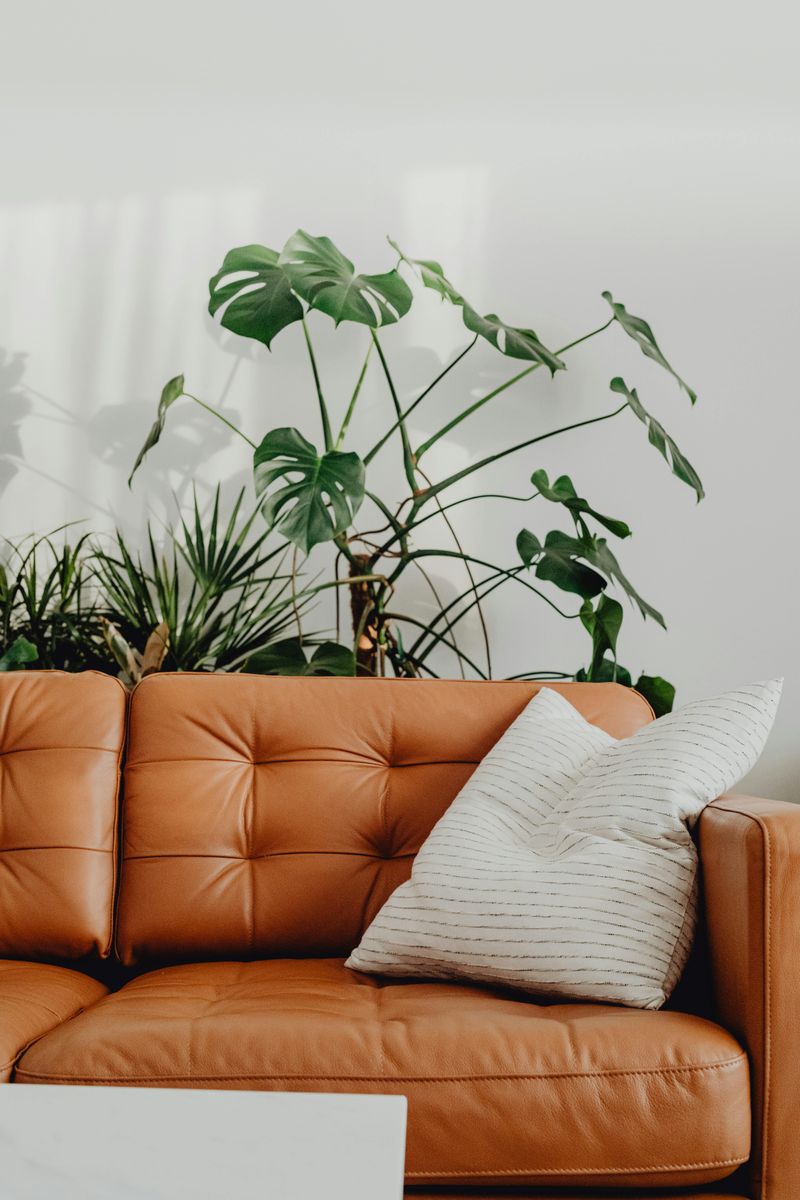
Texas homes are commissioning craft the way folks once commissioned portraits. You will see hand-tooled leather pulls on pantry doors, forged iron stair rails with starry perforations, and mesquite tables that carry scars like stories.
The point is permanence, not perfection, and a connection to hands that live nearby.
Textiles sing: handwoven runners, indigo-dyed throws, and mohair pillows from Panhandle mills. Clay artists turn out imperfect, irresistible serveware that lands on open shelves.
Mixed with modern silhouettes, these pieces feel fresh rather than themed, anchoring rooms with quiet character.
To start, choose one custom element with daily impact: a live-edge console, a fireplace screen, or a powder room sink carved from local stone. Then layer smaller goods across the home so the narrative flows room to room.
Commissioning locally keeps dollars circling in the community and builds relationships that outlast trends.
Care is simple: beeswax on leather, oil on wood, and sunlight managed with UV-filtering film. You will find the patina gets better each year, as if the house is aging gracefully alongside you.
In 2026, the most exciting luxury is knowing precisely who made what you touch every day.
7. Texan Minimalism
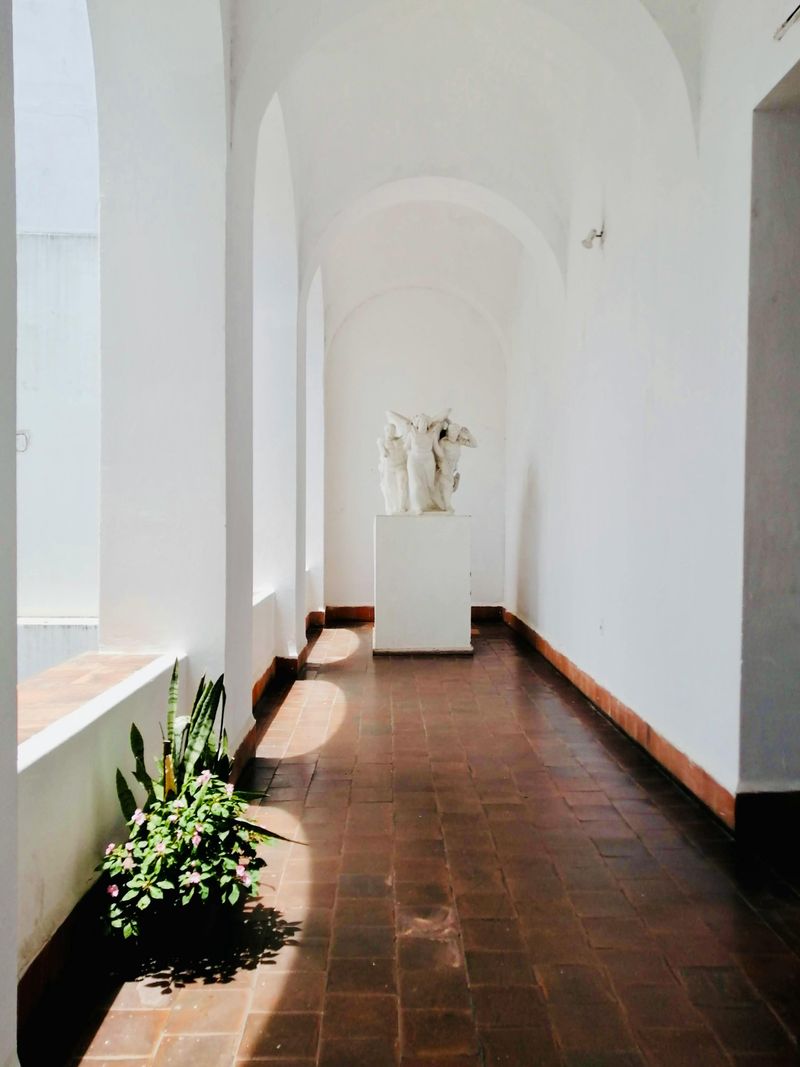
Texan Minimalism is less about empty rooms and more about honest breathing space. You will find open plans tuned for conversation, with furniture arranged in generous, people-first zones.
Palettes skew sun-bleached and natural: cotton, oak, limestone, and soft putty paint that shifts with the daylight.
Clutter steps aside for a few useful beauties: a long dining table, a low cabinet, one excellent lamp. Storage goes built-in and hidden, keeping counters bare and chores quicker.
Floors run continuous, and door casings go skinny, so sightlines are long and restful.
Texture provides depth where pattern stays quiet. Ribbed tile, nubby throws, and matte metal keep the room from feeling stark.
Plants soften corners and remind you that minimal does not mean sterile.
Performance finishes are your friend: scrubby paints, sealed stone, and washable slipcovers ready for kids, dogs, and barbecue nights. Use dimmers to slide from bright task light to a warm, cinema-night glow.
The result is a home that invites you to exhale, move easily, and notice the flavors of Texas light shifting from morning chalk to evening honey.
8. High-Performance Shade Architecture
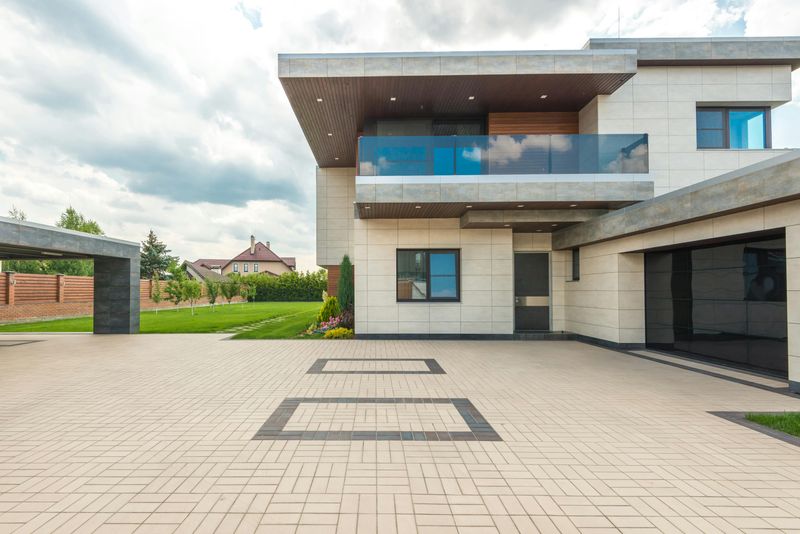
Texas sun is no joke, so shade is increasingly being treated as architecture rather than an afterthought or decorative extra.
Instead of relying on umbrellas or temporary fixes, designers are building shade directly into the structure of the home.
Rooflines are extending farther, overhangs are deepening, and louvered pergolas are becoming standard features rather than upgrades.
Motorized exterior screens are also gaining traction, cutting down heat gain while still preserving views and airflow.
You feel the difference almost immediately, especially in quieter HVAC cycles and floors that no longer radiate heat by midafternoon. Materials are doing more work too.
Light colored roofing reflects heat instead of absorbing it, while ventilated soffits help hot air escape before it builds up. Insulated porch ceilings turn outdoor spaces into true living areas rather than seasonal add ons.
These design choices invite lingering, whether it is a slow morning coffee or an evening meal that stretches past sunset. Builders are also leaning into landscaping as part of the strategy.
Native trees are placed with intention, and trellis trained vines provide living shade that changes with the seasons and improves over time. The benefits stack up quickly.
Energy bills drop, indoor temperatures stay more even, and outdoor spaces finally earn their keep. In a Texas summer, that porch you actually use in August is not a luxury.
It is proof that smart shade design pays off every single day.
9. Resilient Mudroom-Laundry Hybrids
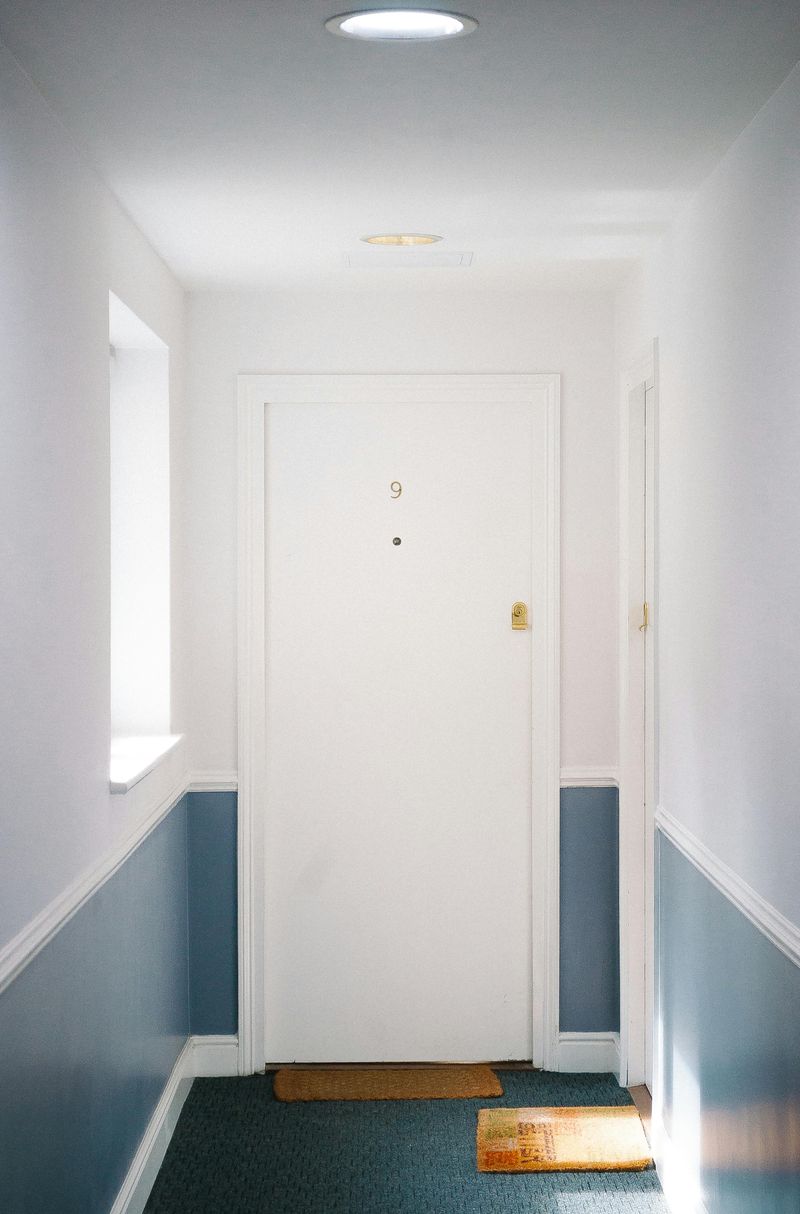
Texans are increasingly merging drop zones and laundry rooms into a single, ultra hardworking hub that handles real life without complaint.
Instead of separating messy tasks, these spaces are designed to catch dirt, moisture, and clutter the moment you walk through the door.
Picture durable tile floors with built in trench drains, a dedicated dog wash for muddy paws, sturdy wall hooks for hats and jackets, and a folding counter that cleverly hides pull out hampers underneath.
You come in from the yard, shake off the dust, toss sweaty jerseys straight into the washer, and keep all that grit contained in one place.
Cabinetry in these rooms is built ranch tough. Interiors lean toward laminate that can handle moisture, while enamel or wipeable fronts stand up to scuffs and constant use.
Ventilated cubbies keep boots and gear from smelling up the house, and bench seating makes it easy to kick everything off.
Many homeowners are adding smart drying closets, built in dehumidifiers, and reinforced floor guards under machines to catch leaks before they become problems.
The payoff shows up fast. Hallways stay cleaner, chores move quicker, and odors stay put.
After weekend games, rainy afternoons, or spring storms, this hybrid space proves itself again and again as one of the most practical upgrades a Texas home can make.