This Easy 2.0-Mile Hike In California Is So Beautiful, You’ll Be Thinking About It For Days
There are places that instantly quiet your thoughts the moment you arrive, where the air feels cooler, the light softer, and the outside world fades into the background.
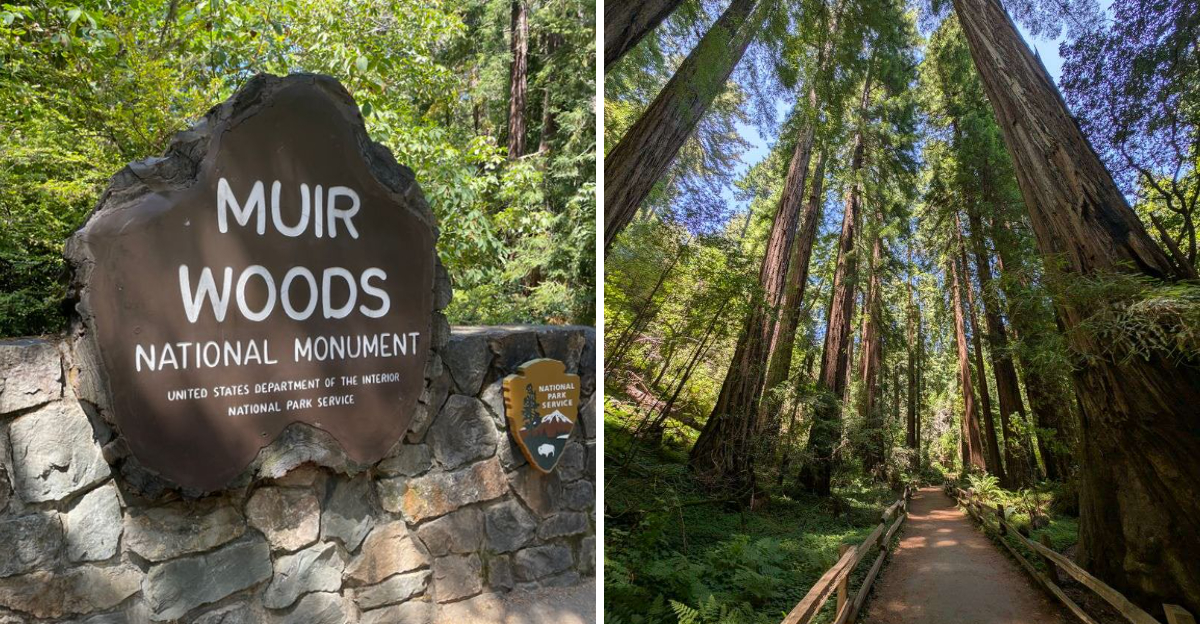
Walking beneath towering redwoods does exactly that, surrounding you with living giants that have witnessed centuries of change in near silence.
The Main Trail at Muir Woods National Monument offers an experience that feels both grounding and awe-inspiring, where every step brings you deeper into a forest that seems almost untouched by time.
The path is gentle and welcoming, making it easy to slow down, look up, and truly take in the scale of what surrounds you.
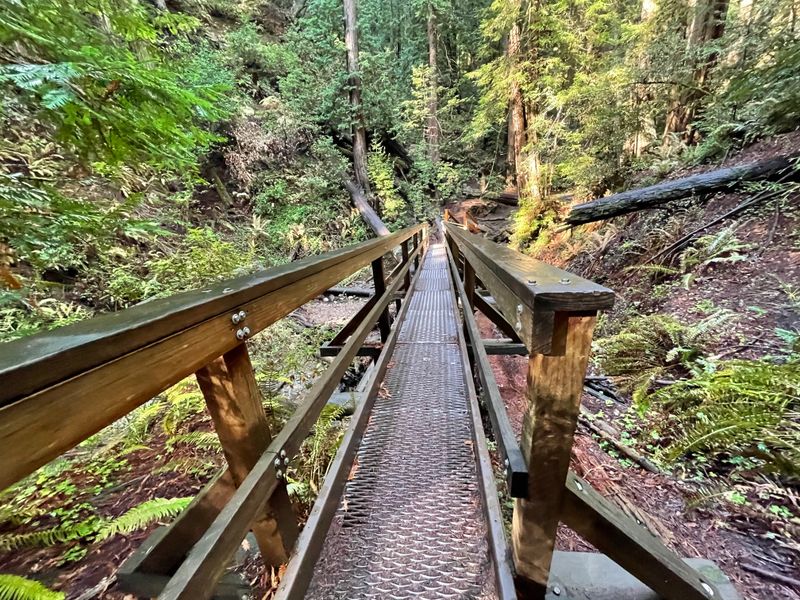
Wooden boardwalks guide you past massive trunks, fern-covered forest floors, and the soft sound of water flowing nearby.
It’s the kind of walk where conversations naturally quiet, replaced by the simple rhythm of footsteps and birdsong.
Whether you’re visiting for the first time or returning for a familiar sense of calm, this trail invites you to reconnect with nature in a meaningful way.
It’s peaceful without being boring, impressive without being overwhelming, and memorable long after you leave.
Starting Point And Trail Layout
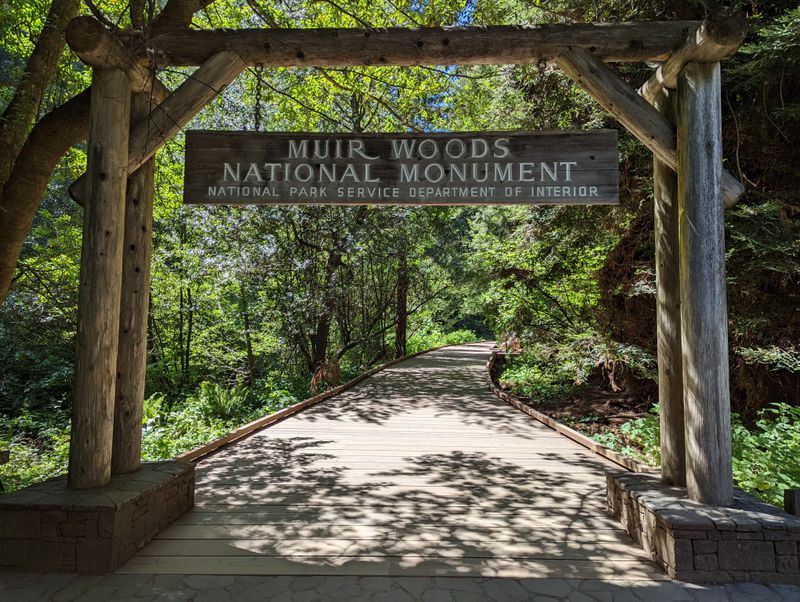
Muir Woods National Monument sits just north of San Francisco, offering quick access to one of California’s most iconic natural experiences.
The Main Trail begins right at the visitor center, following the gentle path of Redwood Creek as it winds through the forest floor.
Both sides of the creek provide walking options, creating a loop that lets visitors choose their own pace and perspective.
Wooden boardwalks, smooth asphalt sections, and packed native soil combine to create a firm, comfortable surface underfoot.
The trail’s design protects the delicate ecosystem while ensuring accessibility for a wide range of visitors. Families with young children, older adults, and those using mobility devices can all navigate most sections with ease.
Starting from the visitor center provides immediate orientation and access to helpful resources before heading into the forest.
The trailhead is clearly marked, and interpretive signs along the way offer context about the surrounding environment. This thoughtful layout makes it nearly impossible to get lost while exploring the grove.
Distance And Time Commitment
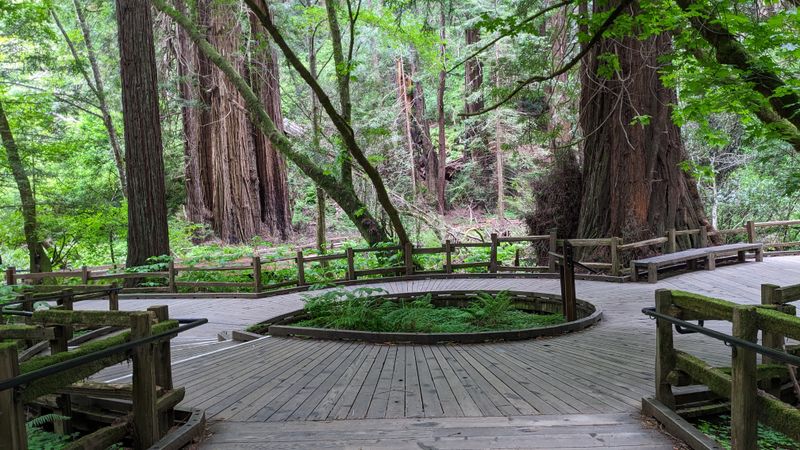
The full loop stretches approximately 2.0 miles with a minimal elevation gain of just 30 feet, making it one of the gentler hikes in the region.
Most visitors complete the entire circuit in about two hours, though this timeframe allows for frequent stops to admire the scenery.
The relaxed pace encourages lingering at favorite spots rather than rushing through the experience. Shorter options exist for those with limited time or energy.
Bridge crossings at the second and third points along the trail provide opportunities to loop back early, cutting the distance roughly in half.
These flexibility options mean families with restless toddlers or visitors with tight schedules can still enjoy the forest without committing to the full route.
The trail’s modest length makes it ideal for morning or afternoon outings rather than all-day adventures.
Visitors can easily combine the hike with other Bay Area activities on the same day. This manageable distance also reduces fatigue, leaving everyone energized rather than exhausted by the end.
Accessibility Features
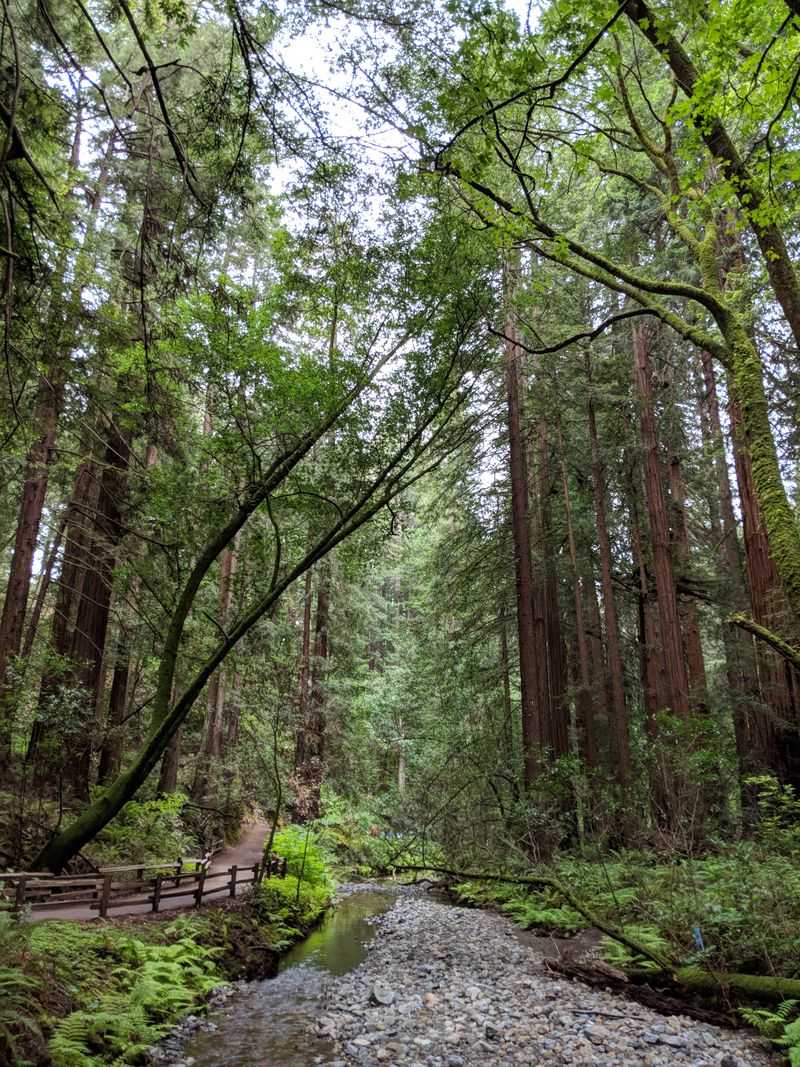
Flat terrain dominates the Main Trail, with grades typically staying below 3 percent throughout most sections.
The maximum grade reaches about 5 percent in brief stretches, making this one of the most accessible forest trails in California.
Wheelchairs and strollers can navigate the majority of the path without significant difficulty, though some assistance may be helpful on slightly uneven sections.
The combination of boardwalk and paved surfaces eliminates many common trail obstacles. Tree roots and rocks that typically challenge mobility devices have been carefully managed or bypassed.
Wide path sections allow for easy passing and turning, reducing congestion even during busier visiting periods.
Accessible restrooms are located adjacent to the entrance plaza and behind the café and gift shop. Drinking water stations appear near the entrance and at the Fern Creek junction along the trail.
These thoughtful amenities ensure that visitors with various needs can enjoy the forest comfortably and safely throughout their visit.
Cathedral Grove And Bohemian Grove
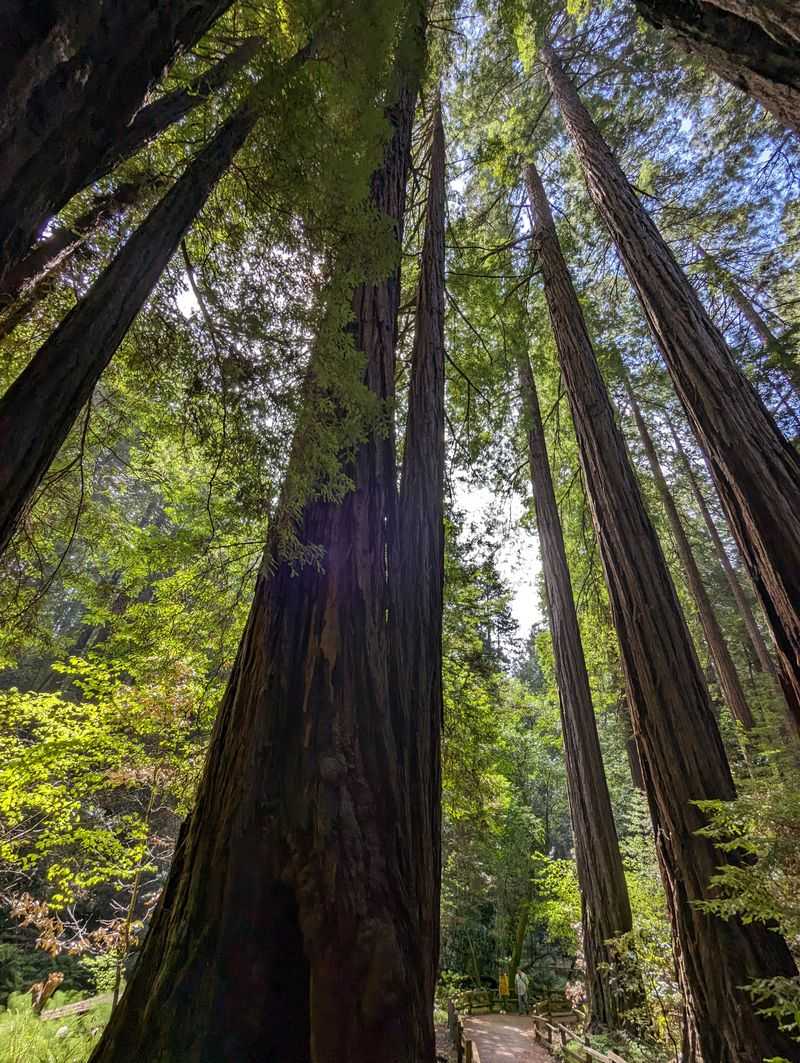
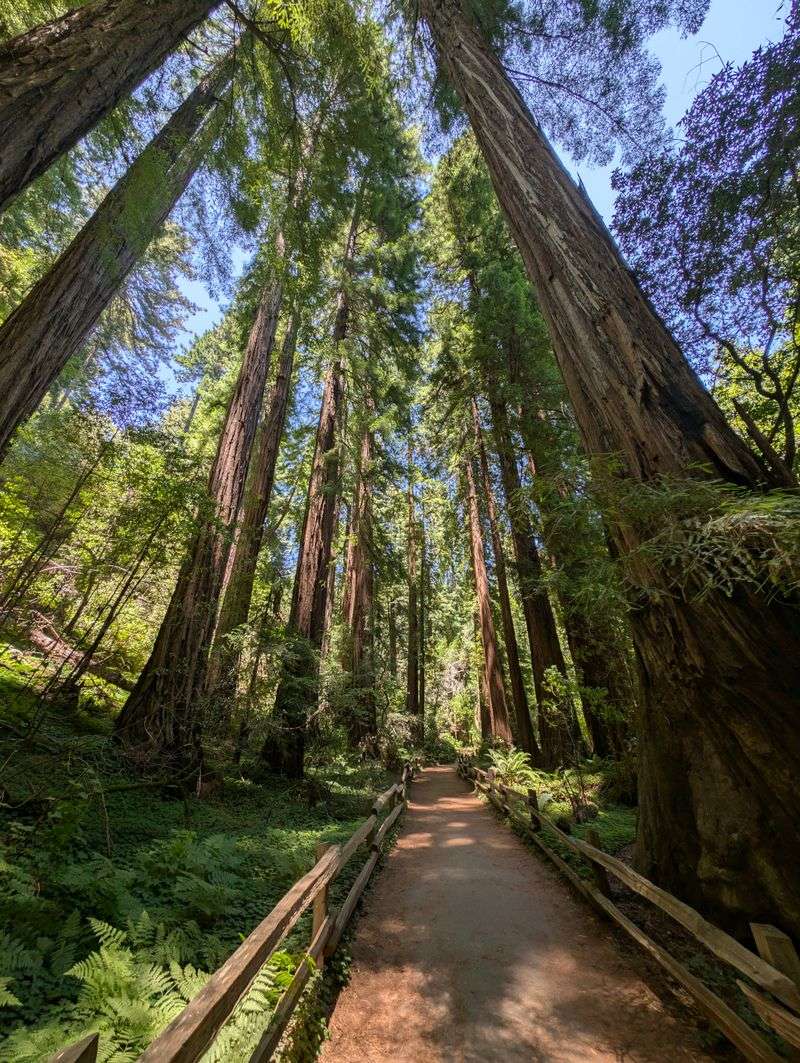
Cathedral Grove stands as one of the trail’s most awe-inspiring sections, where the tallest and oldest redwoods create a natural cathedral effect.
Sunlight filters through the canopy hundreds of feet above, casting ethereal beams onto the forest floor. The sheer scale of these ancient trees defies easy description, requiring visitors to crane their necks back to glimpse the distant crowns.
Bohemian Grove offers a slightly different atmosphere, with clusters of redwoods creating intimate groves within the larger forest.
The spacing between trees varies here, allowing more undergrowth and creating a layered visual experience. Both groves provide designated viewing areas where visitors can pause without blocking the path for others.
These named sections serve as natural waypoints along the trail, helping visitors track their progress and plan rest stops.
The distinct character of each grove means the hike never feels monotonous despite the consistent forest setting.
Photography opportunities abound in both locations, though capturing the true scale proves challenging even with wide-angle lenses.
The Redwood Tree Slice Display
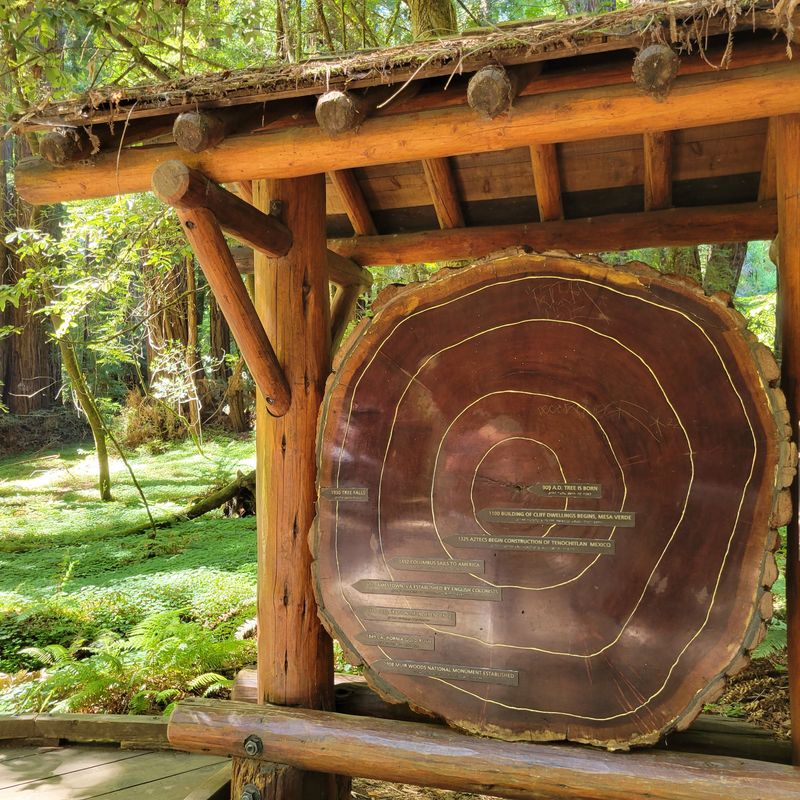
A cross-section of an ancient redwood tree provides a tangible connection to the forest’s remarkable history.
The tree slice display shows growth rings spanning hundreds of years, with markers indicating significant historical events that occurred during the tree’s lifetime.
Visitors can trace their fingers across the rings while imagining the centuries of change this single organism witnessed.
Children particularly enjoy this hands-on educational feature, as it transforms abstract concepts of time into something visible and touchable.
The rings reveal patterns of growth, drought years, and favorable conditions, telling a story written in wood. Park staff often gather here for informal talks, answering questions and sharing insights about redwood biology.
This stop typically generates the longest pauses along the trail, as families discuss the timeline and compare the tree’s age to their own lives.
The display serves as both a memorial to a fallen giant and an educational tool that deepens appreciation for the living forest. It’s one of the most photographed features along the entire Main Trail.
Trail Etiquette And Environmental Protection
Pets cannot accompany visitors on the Main Trail, a rule designed to protect both wildlife and the sensitive forest ecosystem.
Dogs and other animals can disturb nesting birds, small mammals, and the delicate balance of the forest floor. Service animals are permitted, but emotional support animals do not qualify under this exception.
Staying on established paths is crucial for preventing erosion and protecting the shallow root systems of redwood trees. These giants may tower hundreds of feet high, but their roots extend only a few feet deep, spreading wide rather than deep.
Stepping off the trail compacts soil and damages these vulnerable roots, potentially harming trees that have stood for centuries.
Visitors should also practice quiet observation, as excessive noise disrupts the peaceful atmosphere others seek here. The natural soundscape of the forest – rustling leaves, birdsong, and Redwood Creek’s gentle flow – forms part of the experience.
Respecting these guidelines ensures that future generations can enjoy Muir Woods in its pristine condition.
Parking Reservations And Entry Requirements
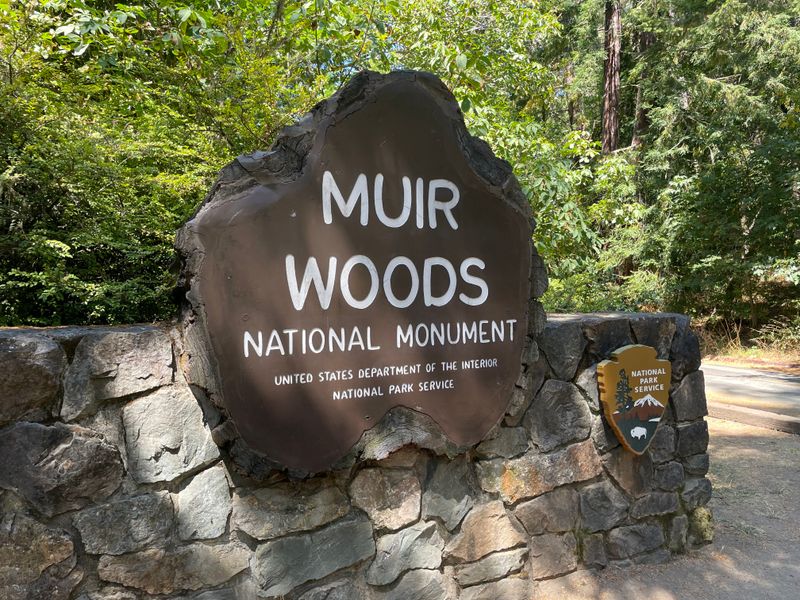
Parking at Muir Woods requires advance reservations, a system implemented to manage crowds and protect the forest from overuse.
Fees vary depending on vehicle type, with standard cars, vans, and motorcycles each having different rates.
The reservation system operates through the National Park Service website and typically opens several months in advance for popular dates.
Weekend and holiday slots fill quickly, sometimes within hours of becoming available. Weekday reservations tend to remain available longer, offering more flexibility for visitors with adaptable schedules.
The reservation includes a specific time window for arrival, and late arrivals may forfeit their spot without refund.
Alternative transportation options exist for those unable to secure parking reservations. A shuttle service operates from various Bay Area locations during peak seasons, eliminating parking concerns entirely.
Some visitors also arrange drop-offs with friends or family, though this requires coordination for pickup times. Planning ahead is essential regardless of the chosen arrival method.
Year-Round Visiting And Weather Considerations
Muir Woods remains open every day of the year from 8:00 a.m. until sunset, with exact closing times varying by season.
Winter visits offer solitude and dramatic fog effects, while summer brings longer days and warmer temperatures. Each season presents a different face of the forest, from lush spring growth to the golden light of autumn afternoons.
Coastal weather patterns create unpredictable conditions that can shift rapidly throughout the day. Morning fog often blankets the forest before burning off by midday, then returning in late afternoon.
Temperatures inside the grove typically run 10 to 20 degrees cooler than surrounding areas, even on warm days.
Dressing in layers proves essential regardless of the season or starting temperature. A light jacket or fleece provides warmth in the shaded forest interior, while being easy to remove if the sun emerges.
Rain gear is advisable from November through March, when Pacific storms frequently sweep through the area. Comfortable, closed-toe shoes with good traction handle the occasionally damp boardwalks safely.
Trail Surface Variations And Navigation
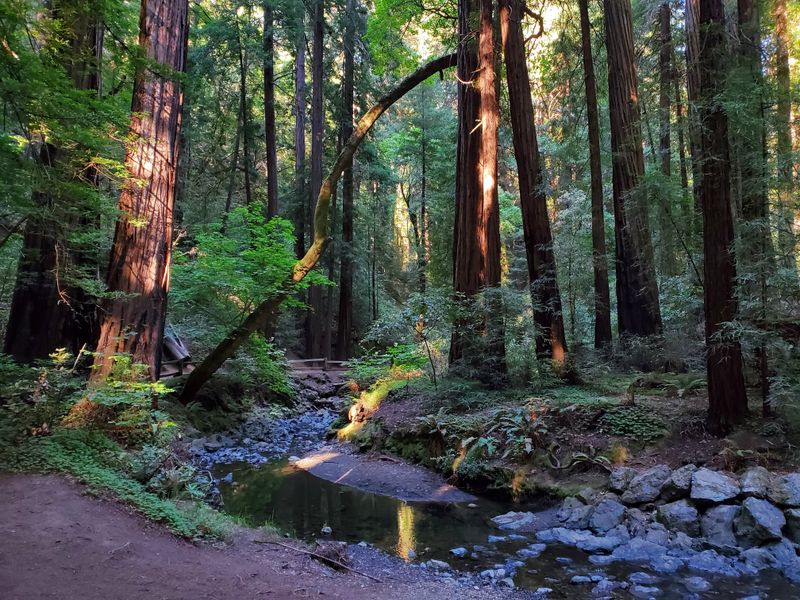
The Main Trail features three distinct surface types that blend together throughout the route.
Wooden boardwalks elevate visitors above the most sensitive areas, protecting both the forest floor and keeping feet dry during wet conditions.
These sections provide the smoothest walking surface and typically appear in the most heavily visited sections near the entrance.
Asphalt paving covers portions of the trail where durability and accessibility take priority. The dark surface absorbs less impact than concrete while maintaining wheelchair accessibility.
Some visitors find asphalt sections less aesthetically pleasing than natural surfaces, though the practical benefits outweigh these minor visual concerns.
Packed native soil forms the third surface type, appearing primarily on the outer portions of the loop where foot traffic is lighter. These sections feel more like traditional forest trails while still maintaining relatively smooth, even footing.
Occasional uneven spots require attention, particularly after heavy rains when some areas may become muddy or slippery despite good drainage systems.
Flora, Fauna, And Natural Hazards
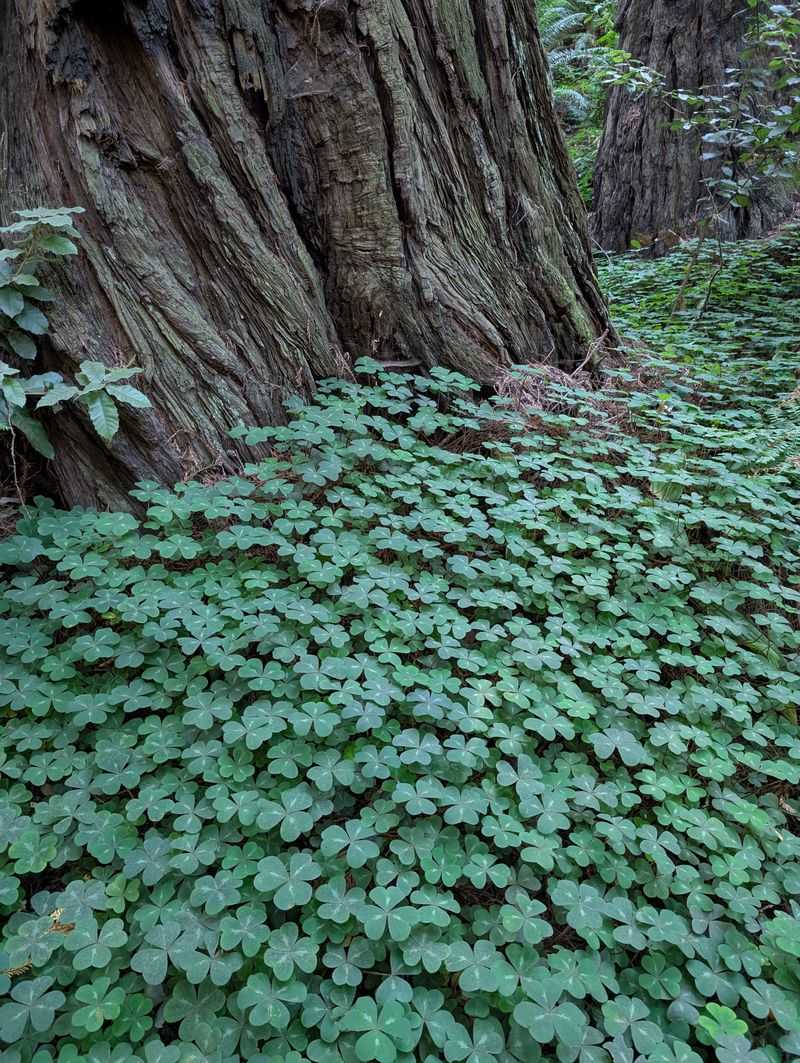
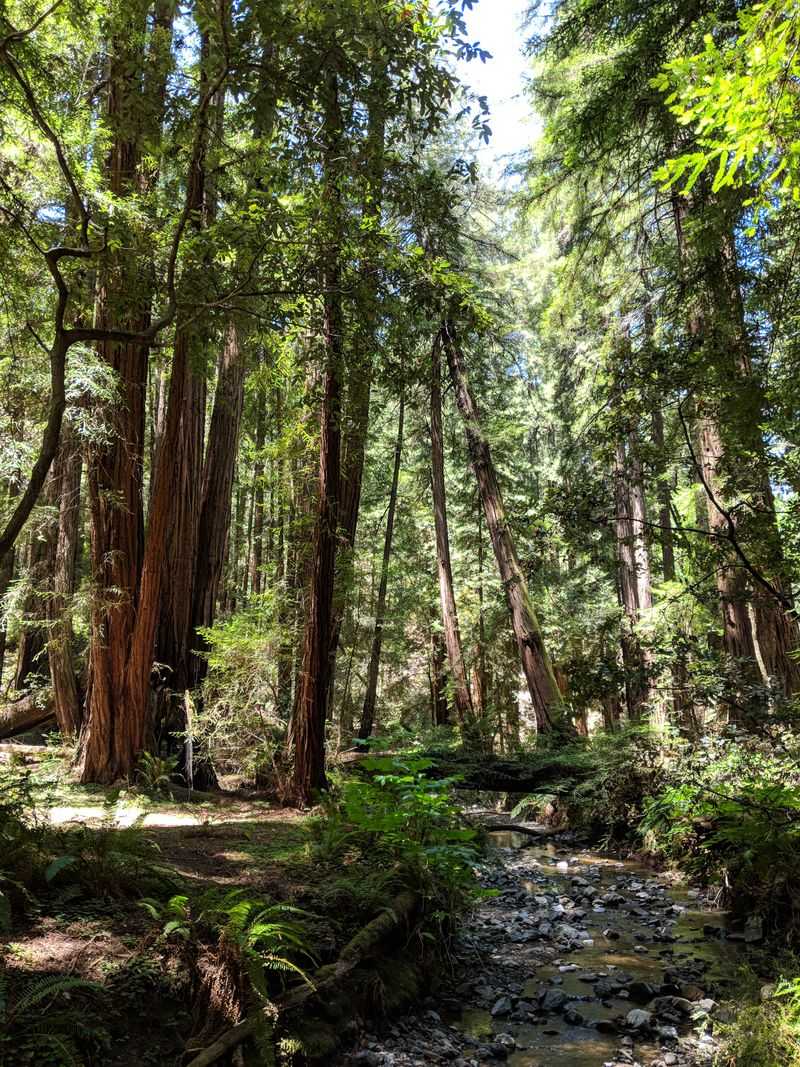
Redwood forests support diverse plant communities beyond the towering trees themselves. Sword ferns carpet much of the forest floor, their bright green fronds creating lush understory layers.
Redwood sorrel adds delicate texture with clover-like leaves, while various mosses and lichens coat tree trunks and fallen logs in velvet textures.
Wildlife sightings remain relatively rare during busy periods, though patient observers may spot banana slugs, Pacific wrens, and varied thrushes.
Deer occasionally venture near the trail edges during early morning hours before crowds arrive. The forest’s animal residents tend toward the secretive, leaving tracks and signs more often than showing themselves directly.
Poison oak grows in scattered patches along trail edges, identifiable by its distinctive three-leafed clusters and reddish tints.
Stinging nettle appears less frequently but can cause temporary discomfort upon contact. Both plants are clearly marked with warning signs in areas where they grow close to the path.
Staying on the designated trail and avoiding contact with unfamiliar plants prevents almost all encounters with these irritating species.
Trail Extensions And Additional Hiking Options
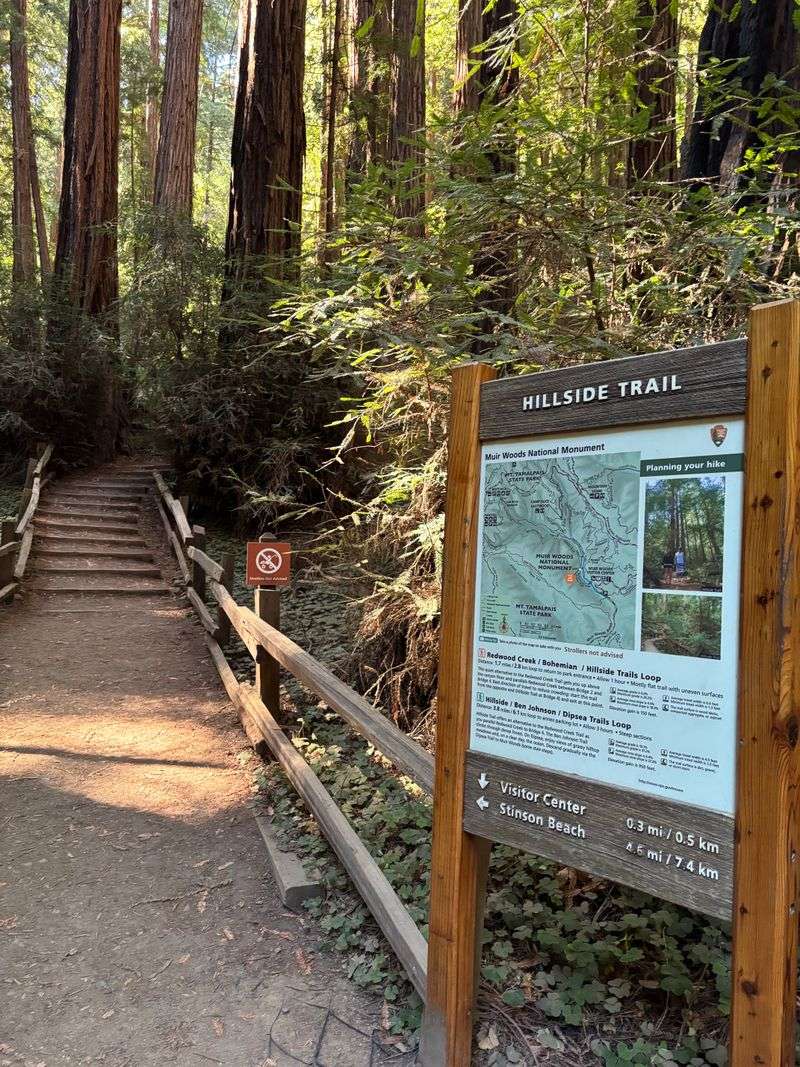
Adventurous visitors can extend their hike beyond the Main Trail by connecting to routes that climb the flanks of Mount Tamalpais. The Hillside Trail branches off from the main loop, offering more challenging terrain and elevation gain.
These extensions transform a gentle forest stroll into a more substantial hiking experience, though they sacrifice accessibility for increased solitude and expanded views.
The Fern Creek Trail provides another option for those seeking a longer outing without extreme difficulty. This route adds moderate elevation while maintaining relatively good footing and clear trail markers.
Connecting trails can extend a visit from two hours to a full half-day adventure, depending on chosen routes and pace.
Most first-time visitors stick to the Main Trail, saving extended routes for return trips after experiencing the primary grove.
The additional trails require more planning, proper footwear, and realistic assessment of fitness levels.
Trail maps available at the visitor center clearly show all options and their relative difficulty levels, helping hikers make informed decisions.
Visitor Center Resources And Educational Opportunities
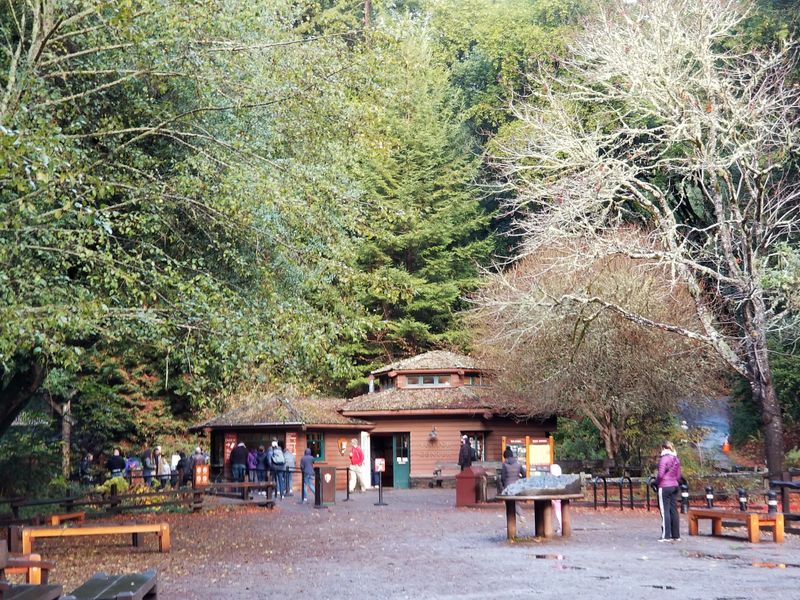
The visitor center serves as the gateway to understanding Muir Woods’ ecological significance and conservation history.
Interactive exhibits explain redwood biology, including their remarkable fire resistance and ability to sprout from burls after damage.
Displays trace the monument’s creation and the preservation efforts that saved these groves from logging in the early 20th century.
Park rangers staff the information desk during operating hours, answering questions and providing current trail conditions.
A well-stocked bookstore offers field guides, children’s books, and gifts that support the park’s educational mission.
Proceeds from sales fund ongoing conservation and educational programs, making purchases a way to contribute to the park’s future.
The center’s exhibits are particularly valuable for visitors new to redwood ecosystems, providing context that enriches the trail experience.
Children’s activity booklets help younger visitors engage with the forest through scavenger hunts and observation exercises.
Arriving early enough to explore the visitor center before heading onto the trail enhances understanding and appreciation of the ancient forest.
Optimal Visiting Times And Crowd Management
Early morning arrivals offer the best chance for peaceful, uncrowded experiences on the Main Trail. The park opens at 8:00 a.m., and the first hour typically sees the lightest foot traffic.
Morning light filtering through the canopy creates particularly beautiful photographic conditions, with mist often still clinging to the forest floor.
Weekday visits generally involve fewer crowds than weekends, especially outside summer vacation periods.
Tuesday through Thursday tend to be the quietest days, while Saturdays and Sundays can feel congested even with the reservation system.
Holiday weekends bring the heaviest traffic, sometimes creating bottlenecks on narrow boardwalk sections. Late afternoon visits provide a compromise between crowd avoidance and light quality.
Many tour groups and families with young children depart by mid-afternoon, leaving the forest quieter as the day progresses.
The park remains open until sunset, allowing flexible timing for those arriving later. Winter months offer the most solitude overall, though weather conditions require more preparation and flexibility.