Uhuburg, Georgia’s Eagle Owl Castle, Looks Straight Out Of The Middle Ages
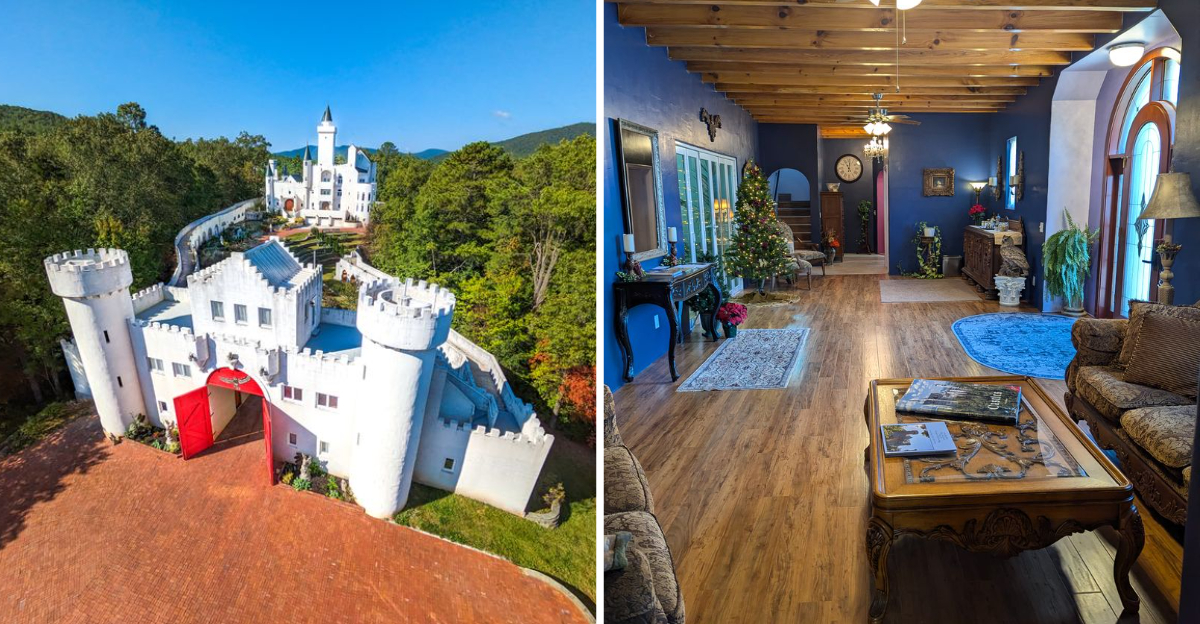
Imagine stepping into a fortress that looks like it was pulled straight from a fairy tale. Uhuburg, also known as Eagle Owl Castle, sits in the beautiful country of Georgia and offers visitors a journey back in time.
This medieval-style structure combines history, architecture, and natural beauty into one unforgettable experience.
Whether you love exploring ancient buildings or just want to see something truly unique, Uhuburg has something special waiting for you.
1. Authentic Medieval Architecture
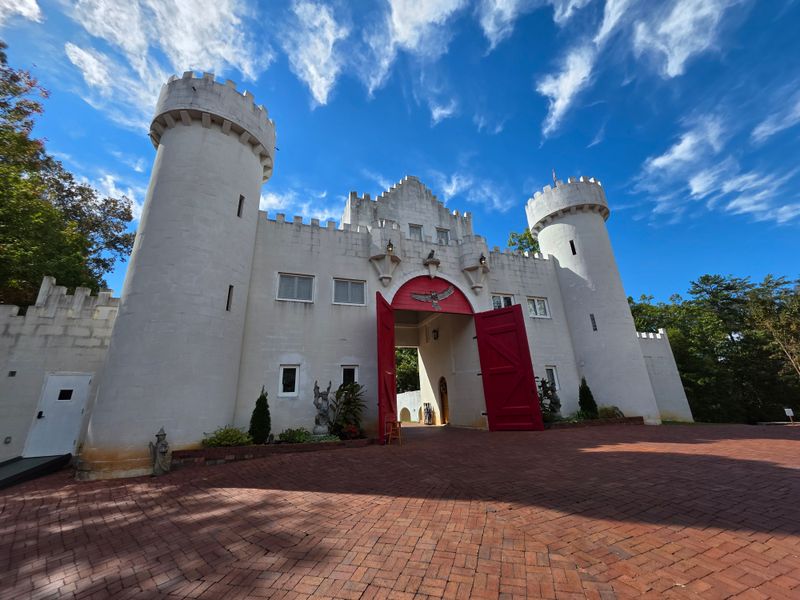
Walking through massive stone walls feels like traveling centuries backward. The castle’s design mirrors European fortresses from the 1200s, complete with towers, battlements, and thick defensive walls. You’ll find the castle located near the village of Shilda in Georgia’s Kakheti region, accessible from Tbilisi via the E117 highway.
Every stone block was carefully placed to recreate the authentic medieval building style. The architects studied historical European castles to ensure accuracy in every detail. Arched doorways, narrow windows, and heavy wooden doors transport you to another era.
Photography enthusiasts will love capturing the dramatic angles and textures of the stonework. The natural lighting changes throughout the day, creating different moods and shadows. I recommend visiting during golden hour for the most spectacular photos that showcase the castle’s impressive construction and timeless beauty.
2. Breathtaking Mountain Views
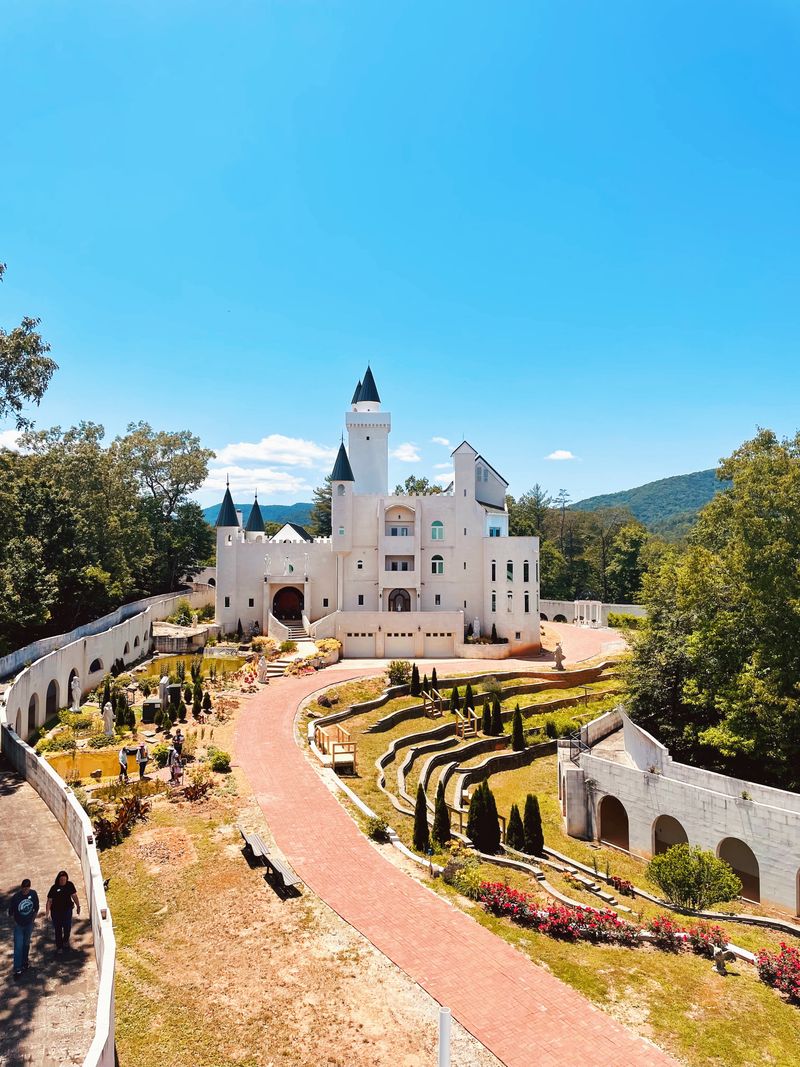
Surrounding landscapes stretch for miles in every direction from the castle grounds. Mountains rise majestically in the distance, creating a natural backdrop that enhances the medieval atmosphere. The elevation provides unobstructed panoramic views that change with the seasons.
Spring brings green hillsides dotted with wildflowers and fresh vegetation. Summer offers clear skies perfect for spotting distant peaks and valleys. Autumn transforms the scenery into warm golden and orange tones, while winter occasionally dusts the mountains with snow.
I suggest bringing binoculars to fully appreciate the distant details and wildlife. The observation points around the castle perimeter offer different perspectives of the terrain. Early morning visits reward you with misty valleys and dramatic cloud formations that make the experience even more magical and memorable for everyone.
3. Eagle Owl Sanctuary
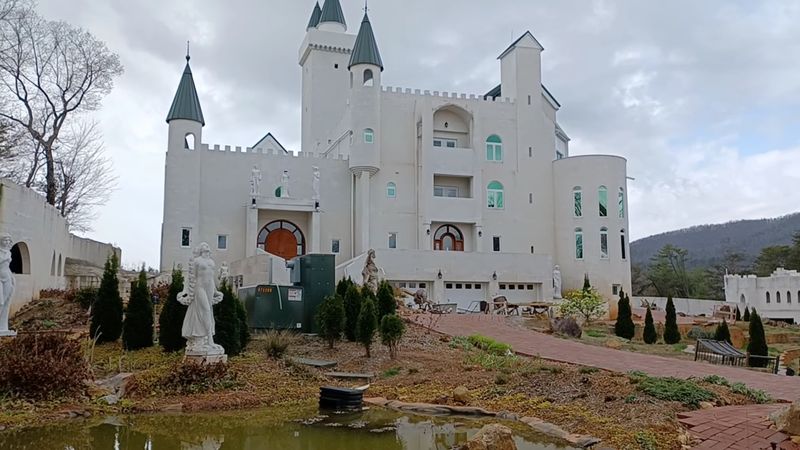
Majestic birds of prey call this castle home, giving it the name Eagle Owl Castle. Several eagle owls live on the grounds in specially designed habitats that mimic their natural environment. These magnificent creatures are among Europe’s largest owl species, with wingspans reaching over five feet.
Visitors can observe these powerful birds up close during feeding times and educational demonstrations. The sanctuary staff shares fascinating information about owl behavior, hunting techniques, and conservation efforts. You’ll learn why these birds were important symbols in medieval times.
Their haunting calls echo through the castle grounds at dusk, creating an atmospheric experience. The owls’ piercing golden eyes and impressive talons demonstrate why they were respected throughout history. I find watching them take flight absolutely mesmerizing, especially when they spread their massive wings against the castle backdrop.
4. Wine Tasting Experiences
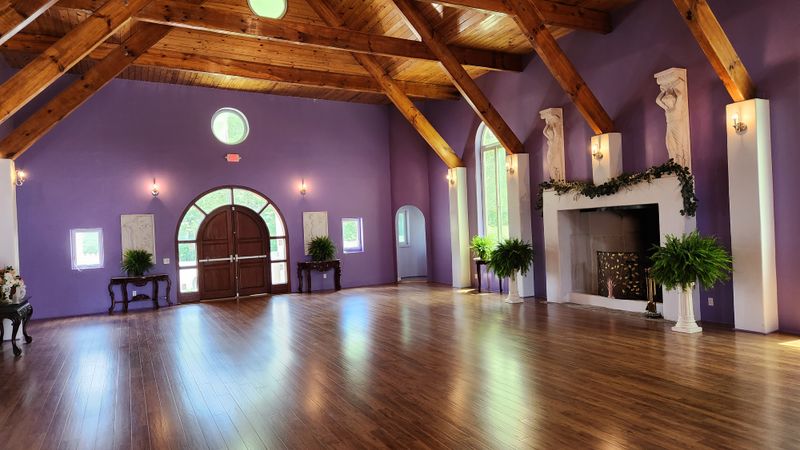
Georgia boasts an 8,000-year wine-making tradition, making it one of the oldest wine regions worldwide. The Kakheti region where Uhuburg stands is famous for producing exceptional Georgian wines. The castle features a traditional wine cellar where you can sample local varieties.
Traditional qvevri clay vessels buried underground ferment the wine using ancient methods. This UNESCO-recognized technique creates unique flavors you won’t find anywhere else. Knowledgeable guides explain the fermentation process and the cultural significance of wine in Georgian society.
Tasting sessions include both red and white wines made from indigenous grape varieties. Saperavi, Rkatsiteli, and Kisi are just a few you’ll encounter during your visit. I always recommend trying the amber wines, which undergo extended skin contact for distinctive taste profiles that surprise and delight wine lovers from around the world.
5. Medieval Banquet Hall
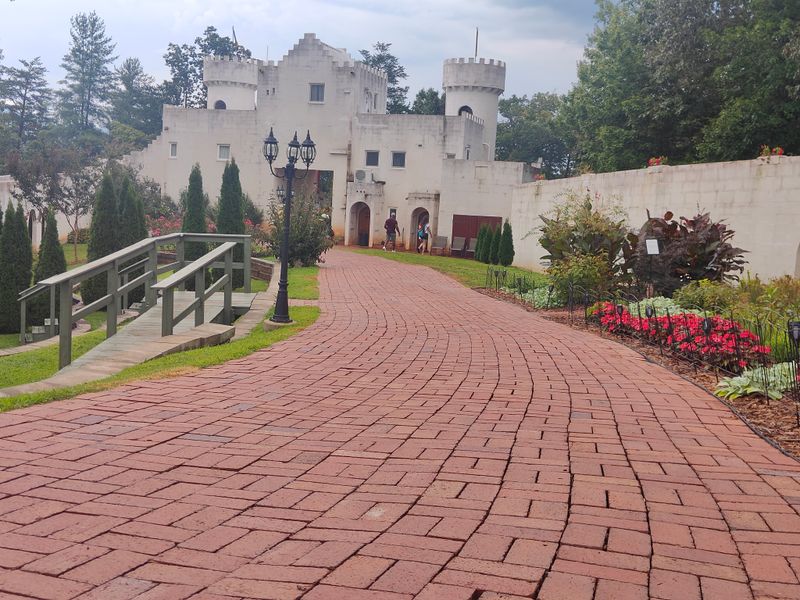
Long wooden tables and iron chandeliers fill the grand dining space inside the castle. The banquet hall recreates the atmosphere where knights and nobles once gathered for feasts. Stone walls adorned with tapestries and medieval weapons set an authentic scene.
Special events and themed dinners take place here throughout the year. Guests enjoy traditional Georgian cuisine served in medieval style on rustic wooden platters. Musicians sometimes perform period music on traditional instruments, enhancing the historical ambiance.
The high ceilings and massive fireplace create impressive acoustics and warmth during colder months. Candles and torches provide lighting that flickers against the stone walls just like centuries ago. I think experiencing a meal here makes you feel genuinely connected to the past in ways modern restaurants simply cannot replicate for visitors seeking authentic experiences.
6. Horseback Riding Trails
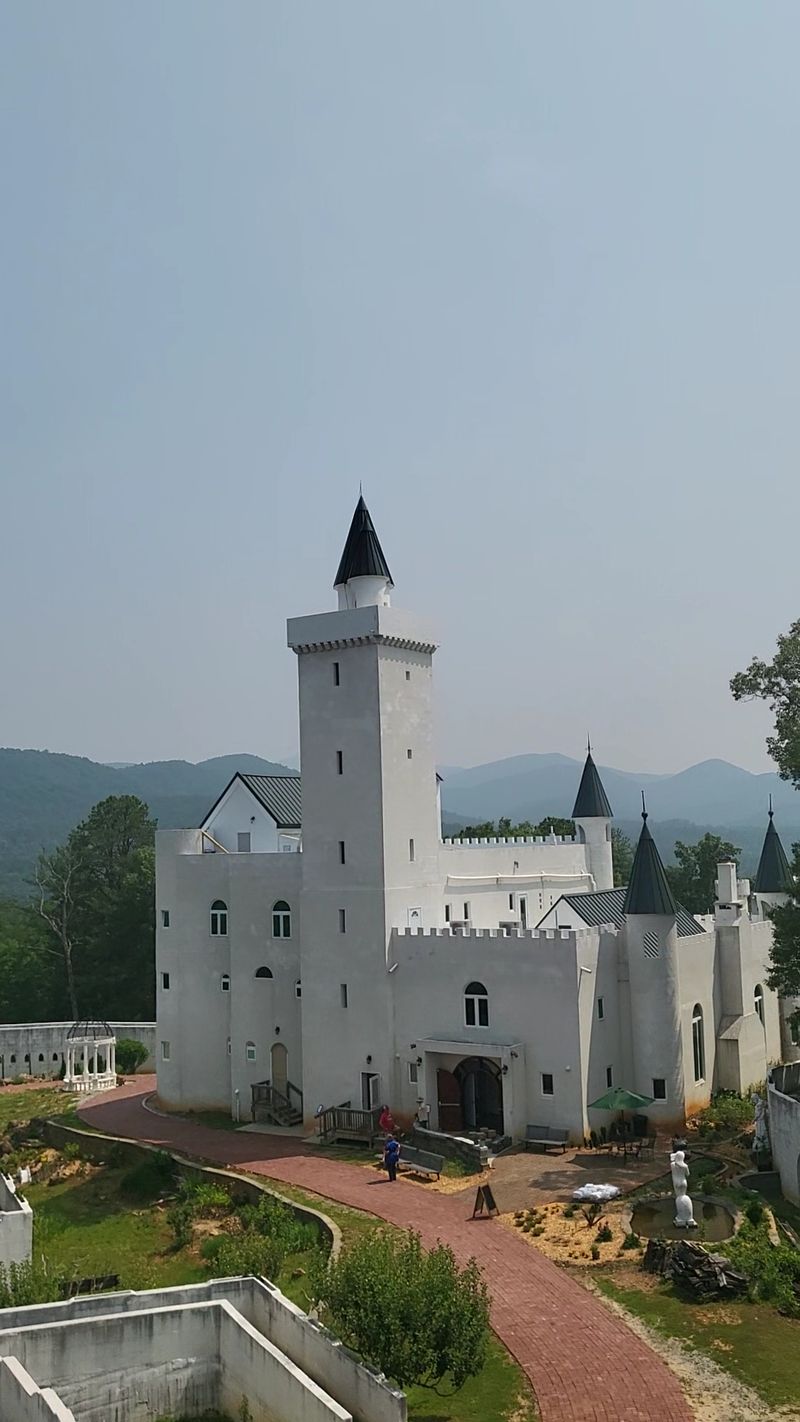
Exploring the surrounding countryside on horseback adds adventure to your castle visit. Well-maintained trails wind through forests, meadows, and hillsides near Uhuburg. The stable houses gentle horses suitable for riders of all experience levels.
Guided tours take you through scenic routes that showcase the region’s natural beauty. Your guide shares stories about the area’s history and points out interesting plants and wildlife. The slower pace allows you to appreciate details you’d miss while driving or walking.
Sunset rides are particularly popular among visitors seeking romantic experiences. The golden light bathes the landscape as you return toward the castle silhouette. I find there’s something timeless about approaching a medieval fortress on horseback, just as travelers did hundreds of years ago across European landscapes and Georgian valleys.
7. Traditional Georgian Cuisine
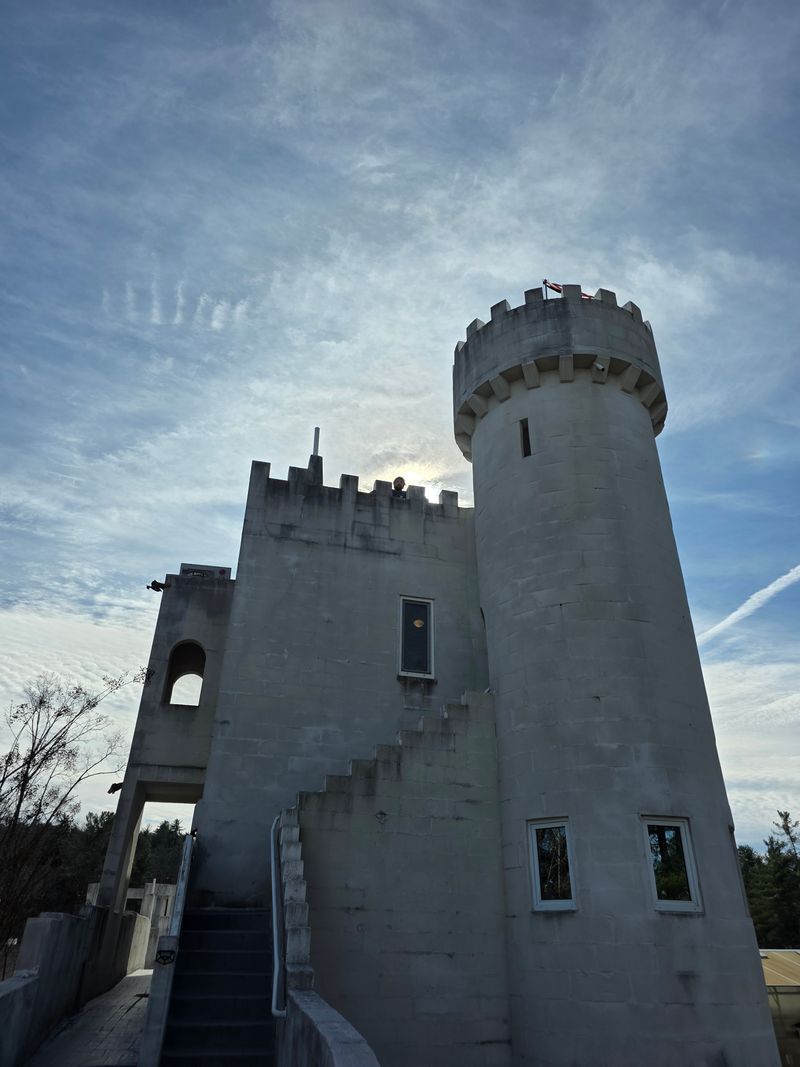
Food lovers will discover incredible flavors in the castle’s restaurant and kitchen. Georgian cooking combines influences from Europe, the Middle East, and Asia into distinctive dishes. The menu features classics like khachapuri (cheese-filled bread), khinkali (soup dumplings), and grilled meats.
Chefs prepare meals using locally sourced ingredients and traditional cooking methods. Fresh herbs, walnuts, pomegranates, and aromatic spices appear in many recipes. The presentation honors both medieval aesthetics and Georgian culinary heritage.
Cooking classes are sometimes available for visitors wanting hands-on experience. You’ll learn to make signature dishes under expert guidance in a historic setting. I always tell people that tasting authentic Georgian food in this medieval atmosphere creates memories that last far longer than any photograph, combining sensory experiences that truly capture the essence of this remarkable place.
8. Photography Opportunities
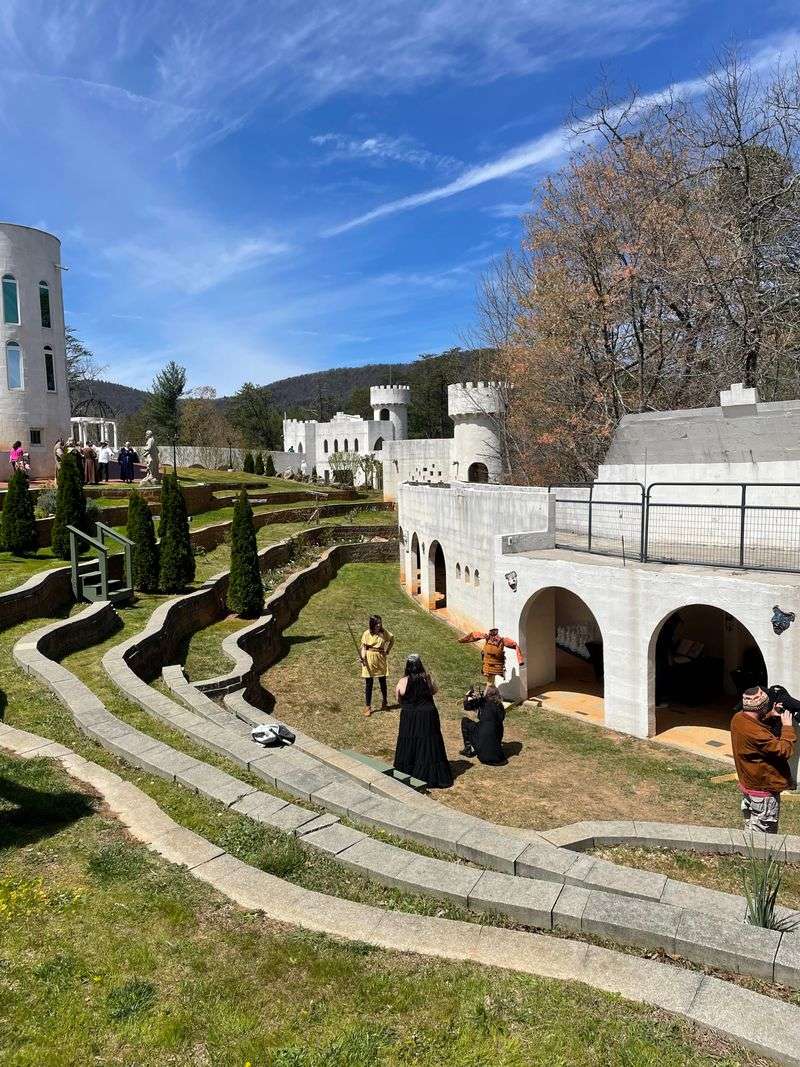
Every corner offers frame-worthy shots for amateur and professional photographers alike. The combination of medieval architecture and natural landscapes creates endless creative possibilities. Different times of day produce dramatically different lighting conditions and moods.
Sunrise casts soft pink and orange hues across the stone walls. Midday sun creates strong shadows that emphasize architectural details and textures. Evening blue hour provides a magical backdrop with the castle silhouetted against colorful skies.
Interior spaces feature interesting compositions with arched doorways, spiral staircases, and period furnishings. The contrast between dark stone and bright windows creates natural framing opportunities. I recommend bringing both wide-angle and telephoto lenses to capture sweeping landscapes and intimate architectural details that tell the complete story of this extraordinary location and its many photogenic features.
9. Historical Reenactments
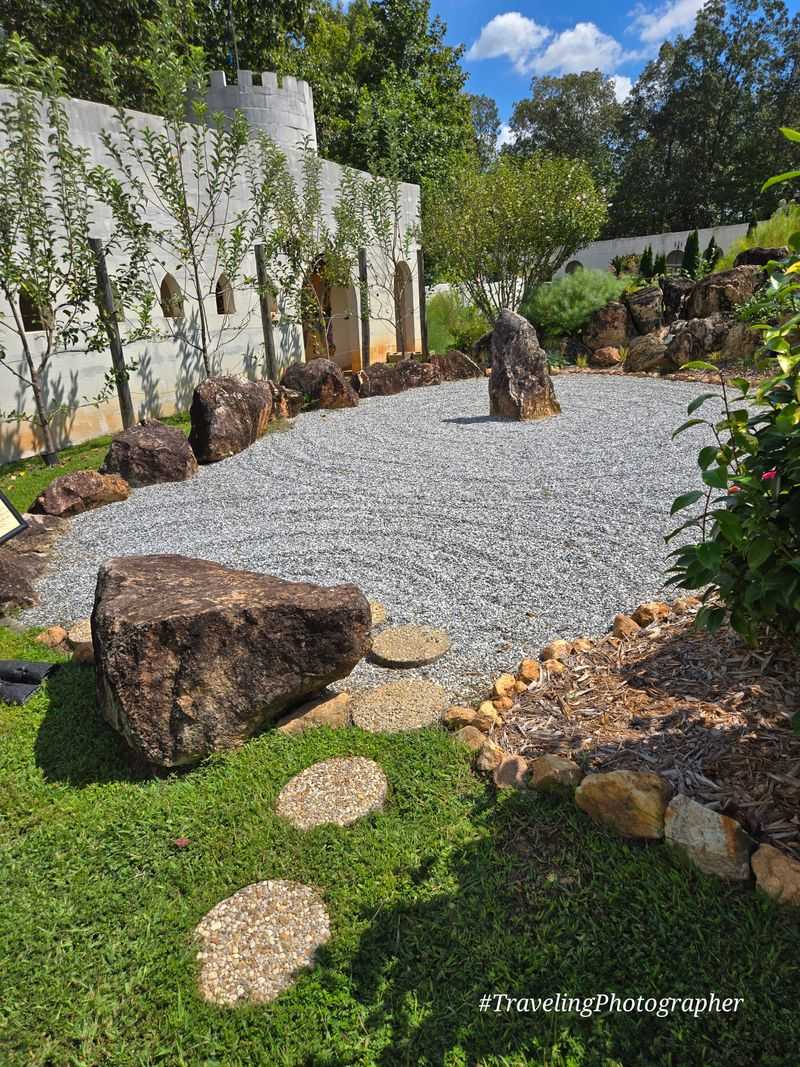
Performers dressed in period costumes bring medieval history to life during special events. Knights in armor demonstrate sword fighting techniques and jousting skills. Archers show off their accuracy with traditional bows and arrows.
These presentations educate visitors about medieval warfare, daily life, and social customs. Participants explain the weight and construction of armor and weapons. Interactive elements allow guests to try on chainmail or hold replica swords.
Seasonal festivals feature larger productions with multiple performers and elaborate storylines. Musicians, dancers, and artisans join the knights to recreate medieval fair atmospheres. I believe watching skilled reenactors transforms the castle from a static building into a living museum where history becomes tangible and engaging for audiences of all ages who appreciate educational entertainment experiences.
10. Artisan Workshops
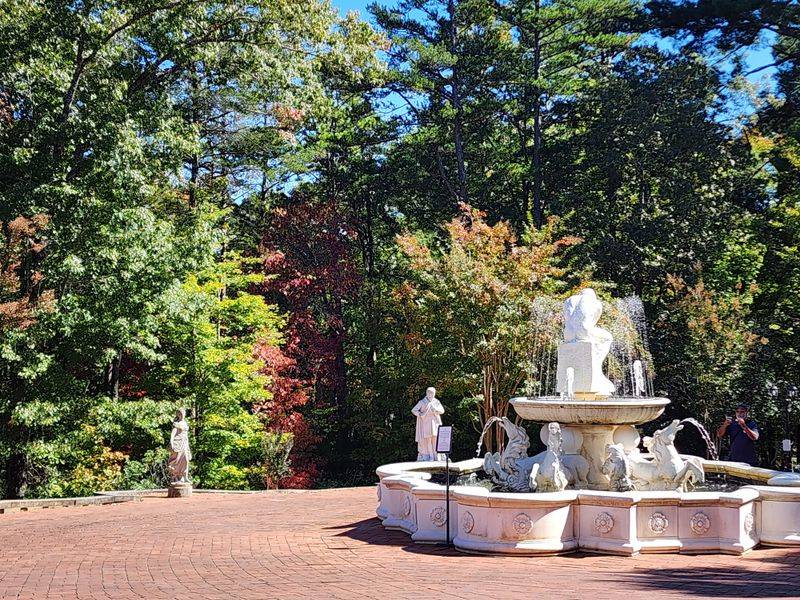
Craftspeople demonstrate traditional skills in workshops scattered throughout the castle grounds. Blacksmiths forge iron tools and decorative items using centuries-old techniques. Potters shape clay on wheels, creating functional and artistic pieces.
Woodworkers carve intricate designs into furniture and decorative objects. Textile artists weave fabrics and create embroidery using historical patterns. Each artisan explains their craft’s history and importance in medieval society.
Many workshops offer hands-on experiences where visitors can try the crafts themselves. You might hammer metal alongside the blacksmith or shape clay with the potter. I think these interactive sessions provide deeper appreciation for the skill and patience required to create items we often take for granted in our modern, mass-produced world of convenient shopping and instant gratification.
11. Guided Historical Tours
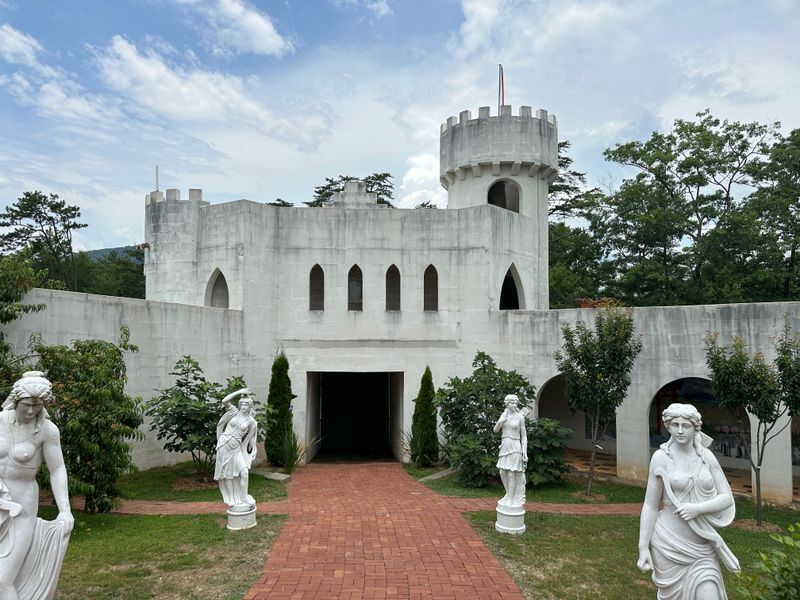
Knowledgeable guides lead visitors through the castle while sharing fascinating historical details. Tours cover the building’s construction, architectural features, and the medieval period it represents. You’ll learn about daily life in medieval fortresses and the people who inhabited them.
Guides explain defensive features like arrow slits, murder holes, and the strategic placement of towers. They discuss how castles evolved over centuries to counter new weapons and tactics. The tours include both public spaces and restricted areas not accessible to independent visitors.
Multilingual guides accommodate international guests from various countries. Tour lengths vary from quick overviews to in-depth explorations lasting several hours. I suggest booking the extended tour if you’re genuinely interested in architecture and history, as the additional details and stories make the experience significantly richer and more meaningful.
12. Seasonal Festivals
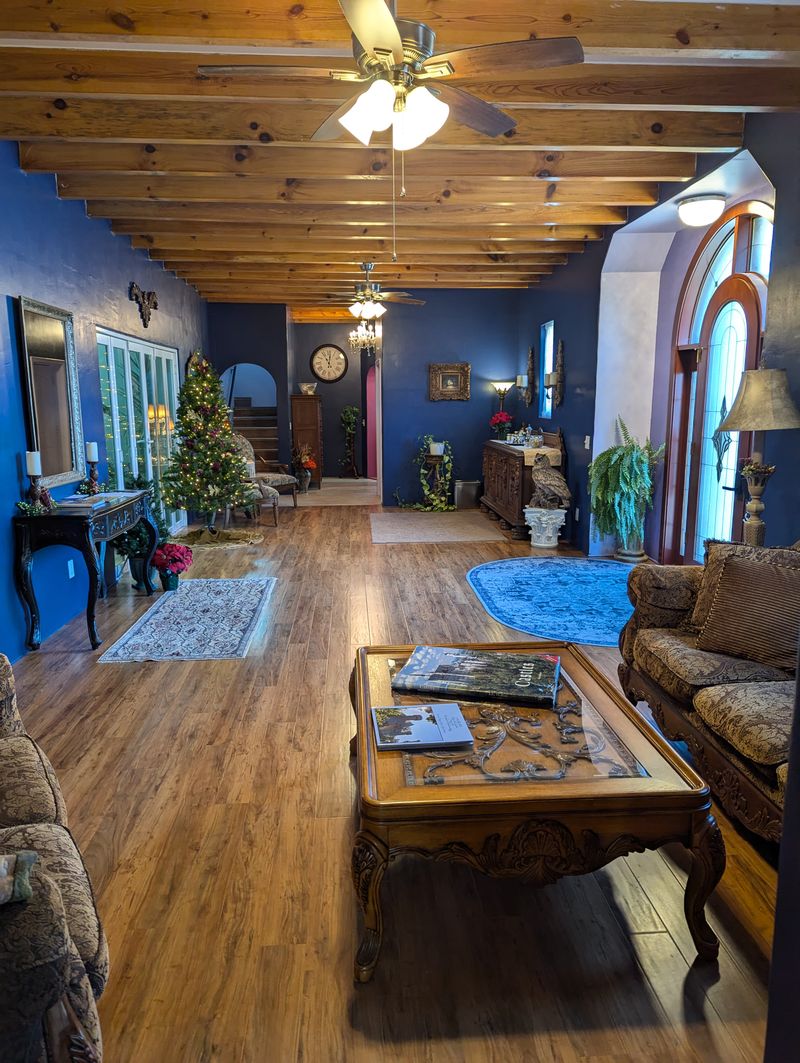
Throughout the year, special celebrations transform the castle into a hub of activity. Medieval fairs feature merchants selling handcrafted goods, performers entertaining crowds, and food vendors offering traditional treats. These events attract locals and tourists alike.
Harvest festivals in autumn celebrate the region’s agricultural heritage and wine production. Winter brings holiday markets with seasonal decorations and warm beverages. Spring festivals welcome the new growing season with music, dancing, and fresh local produce.
Each festival incorporates both medieval themes and Georgian cultural traditions. Costume contests encourage visitors to dress in period attire. I find these celebrations offer the most immersive experience of the castle, when the grounds fill with energy and the past feels genuinely alive through community participation and shared cultural appreciation.
13. Overnight Accommodations
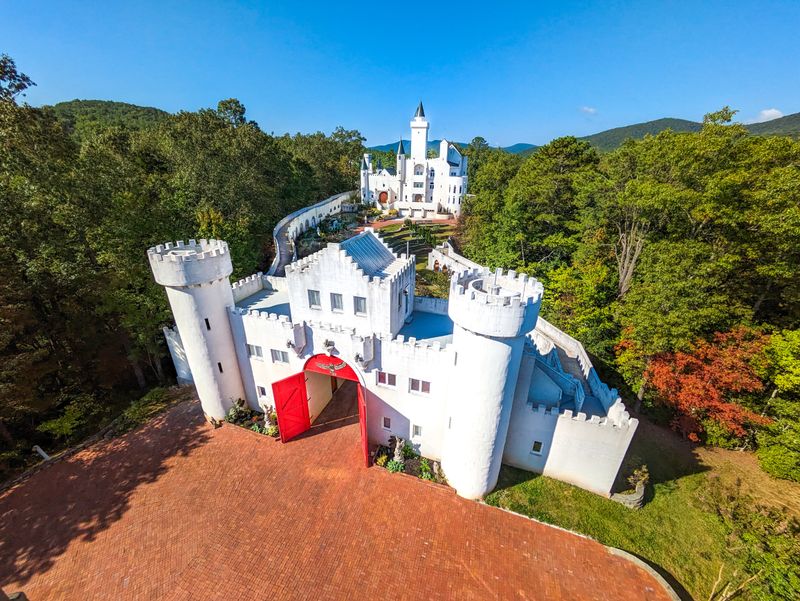
Spending the night inside the castle creates an unforgettable experience. Guest rooms feature period-appropriate furnishings combined with modern comfort amenities. Stone walls, wooden beams, and iron fixtures maintain the medieval atmosphere while providing comfortable beds and private facilities.
Waking up inside a fortress lets you experience the castle during quiet hours when day visitors are absent. Morning light streaming through narrow windows creates atmospheric moments. You can explore the grounds at dawn or dusk when the property takes on different characteristics.
The overnight package often includes dinner in the banquet hall and breakfast served in period style. Some rooms offer views of the surrounding countryside or interior courtyards. I believe staying overnight transforms a simple visit into a genuine adventure, allowing you to fully immerse yourself in the medieval atmosphere.
14. Educational Programs
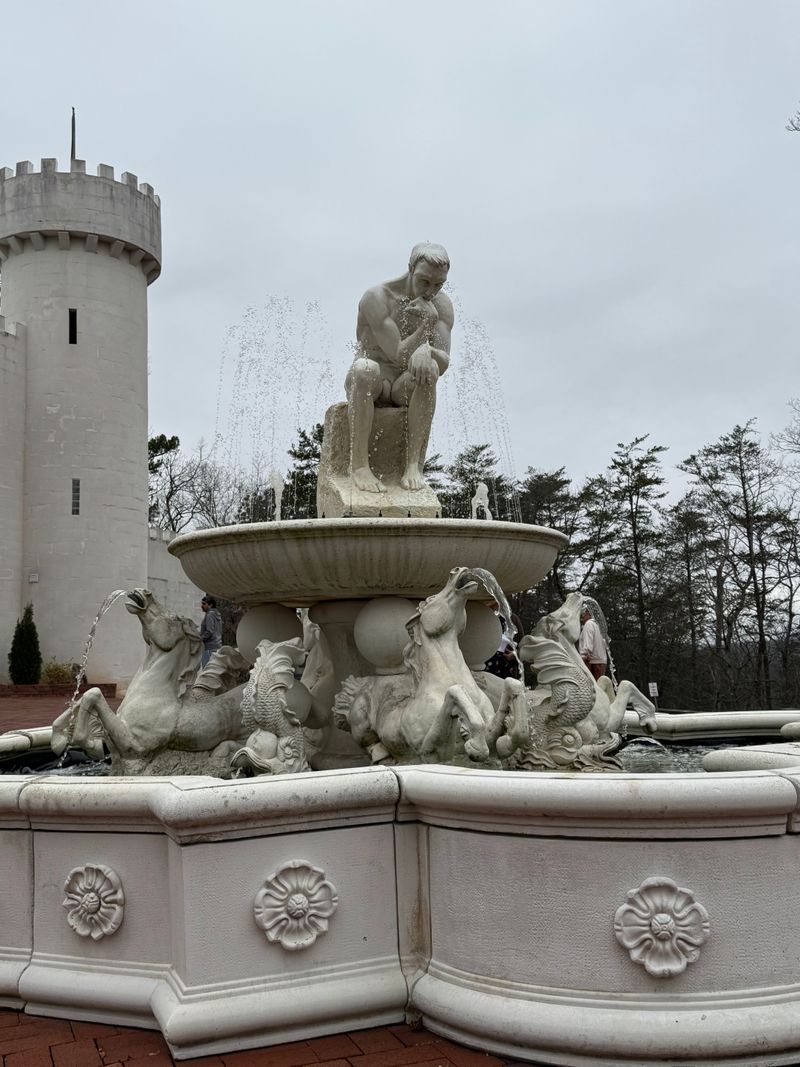
Schools and educational groups benefit from specialized learning programs at the castle. Curriculum-based activities teach history, architecture, and cultural studies through interactive experiences. Students engage with the material in ways traditional classroom settings cannot replicate.
Programs cover topics like medieval social structures, technological innovations, and artistic movements. Hands-on activities reinforce lessons about daily life, warfare, and trade during the Middle Ages. Teachers receive materials to prepare students before visits and continue learning afterward.
Summer camps offer multi-day programs combining education with recreation. Young participants might learn archery, try medieval crafts, or participate in historical role-playing scenarios. I think these programs spark curiosity about history in young minds, potentially inspiring future historians, archaeologists, or architects who will preserve and study cultural heritage for generations to come.
15. Peaceful Retreat Setting
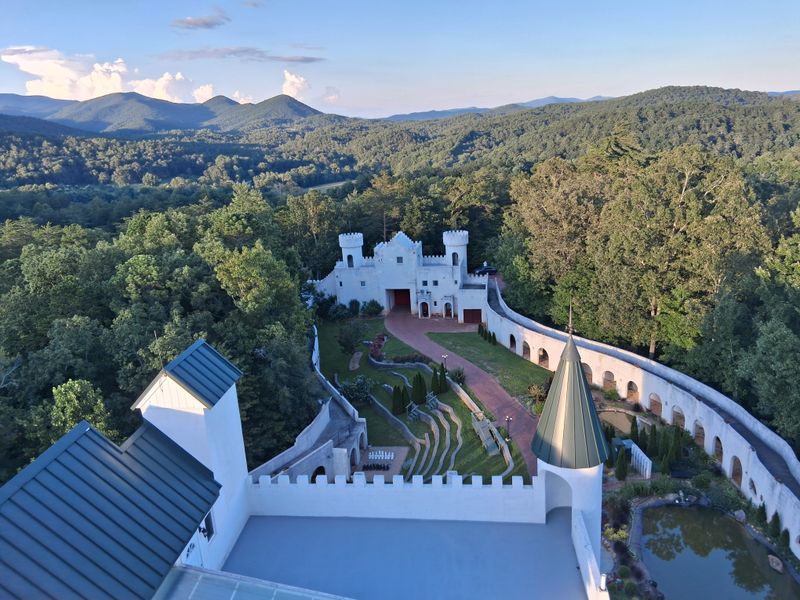
Away from urban noise and distractions, the castle offers tranquility for those seeking peace. The rural location provides natural quiet broken only by birdsong and wind. Meditation gardens and quiet courtyards invite contemplation and relaxation.
Walking the grounds at your own pace allows stress to melt away. Stone benches positioned throughout the property offer spots to sit and absorb the atmosphere. The combination of historical architecture and natural beauty creates a restorative environment.
Many visitors report feeling recharged after spending time at Uhuburg. The disconnection from modern technology and daily pressures provides mental space for reflection. I recommend visiting during weekdays for the quietest experience, when you can truly appreciate the serene qualities of this special place and find the personal restoration that comes from stepping outside everyday routines.