This Underrated California Park Feels Like A Mini National Park With Towering Ancient Redwoods
Few places manage to feel both intimate and awe-inspiring at the same time, but this is one of them.
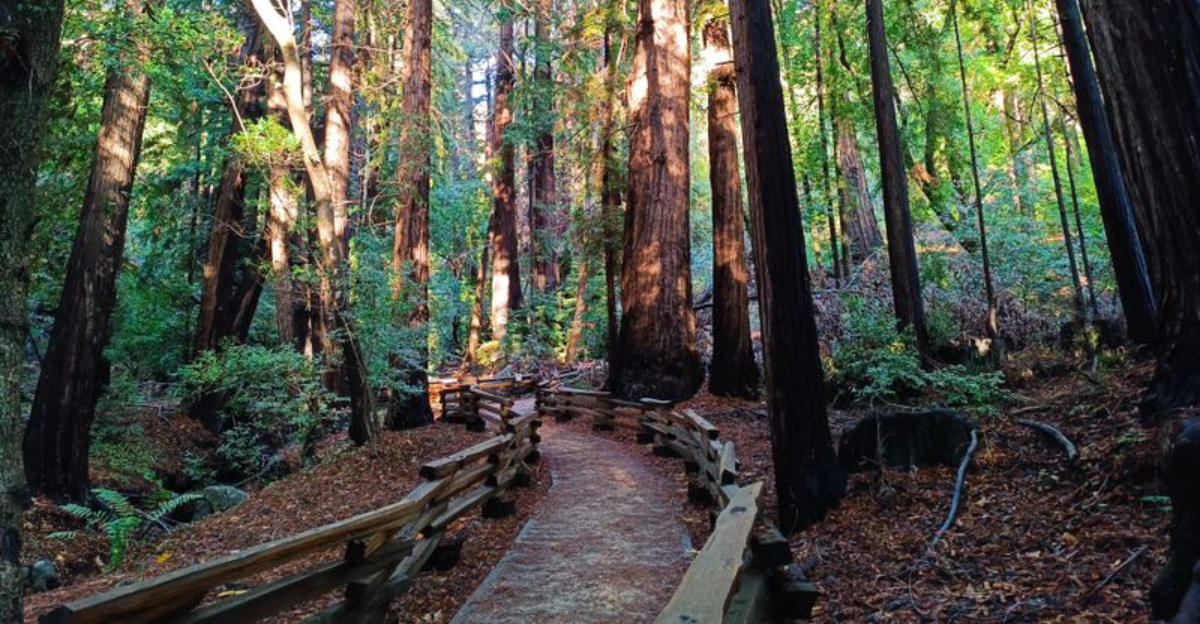
The moment you step beneath its towering canopy, the outside world fades away – replaced by filtered light, the sound of moving water, and a calm that settles in almost instantly.
It’s the kind of setting that slows your pace without asking, encouraging you to linger just a little longer on every trail.
Located along California’s dramatic Central Coast, Pfeiffer Big Sur State Park offers a rare balance of accessibility and escape.
Ancient redwoods rise high above fern-lined paths, while the Big Sur River winds quietly through the landscape, creating pockets of serenity that feel untouched.
Unlike larger, headline-grabbing parks, this one feels personal – less about spectacle and more about connection.
You’re not rushing from viewpoint to viewpoint; you’re absorbing the atmosphere, breathing deeper, and noticing details you didn’t know you were missing.
For travelers seeking the magic of California’s wild beauty without the crowds, Pfeiffer Big Sur State Park delivers an experience that feels authentic, grounding, and surprisingly unforgettable.
Ancient Redwoods Over A Thousand Years Old
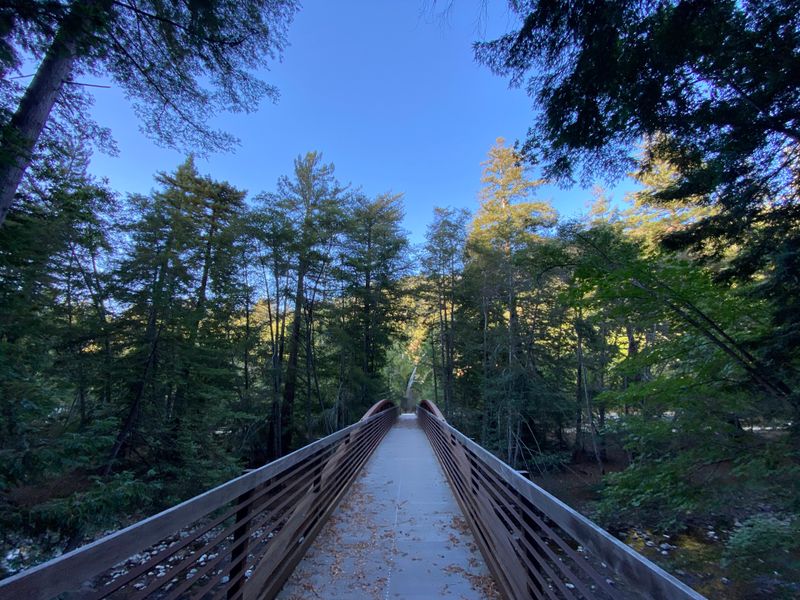
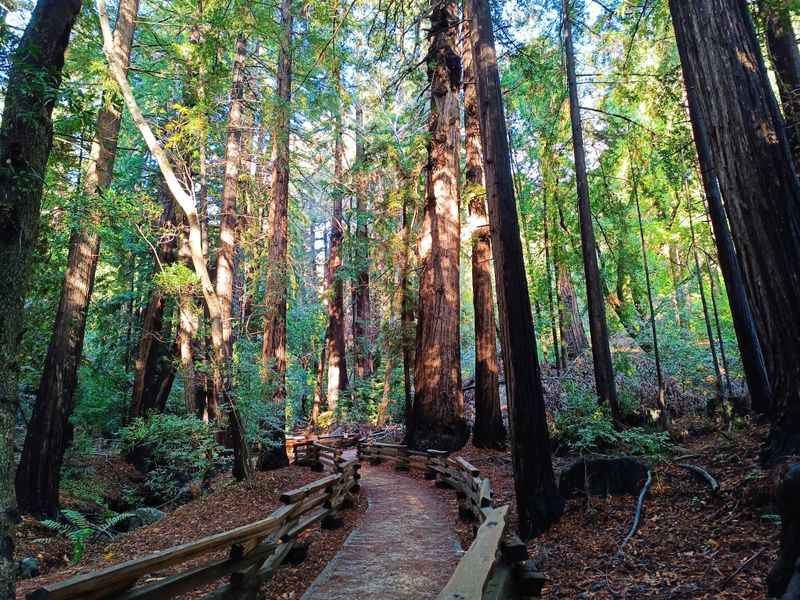
Walking among redwoods that have stood for more than a millennium brings a humbling sense of time and scale.
Some trees in Pfeiffer Big Sur State Park are estimated to be between 1,100 and 1,200 years old, their trunks thick and gnarled with age.
The forest floor beneath them stays soft and cool, carpeted with ferns and fallen needles.
Sunlight filters through the canopy in slanted beams, creating pockets of warmth and shadow that shift throughout the day.
The air smells earthy and damp, especially in the morning when mist clings to the branches. Standing at the base of one of these giants can make even the tallest person feel small.
Redwoods grow slowly and survive fires, floods, and storms, which is part of what makes them so extraordinary.
Their bark is thick and fibrous, designed to resist damage and decay. Visiting these groves feels less like a hike and more like stepping into a living cathedral.
The trails that wind through the redwood areas are well-maintained and accessible to most visitors. Quiet moments here are easy to find, especially on weekdays or early mornings.
There’s a stillness in these forests that’s hard to describe but easy to feel.
Pfeiffer Falls
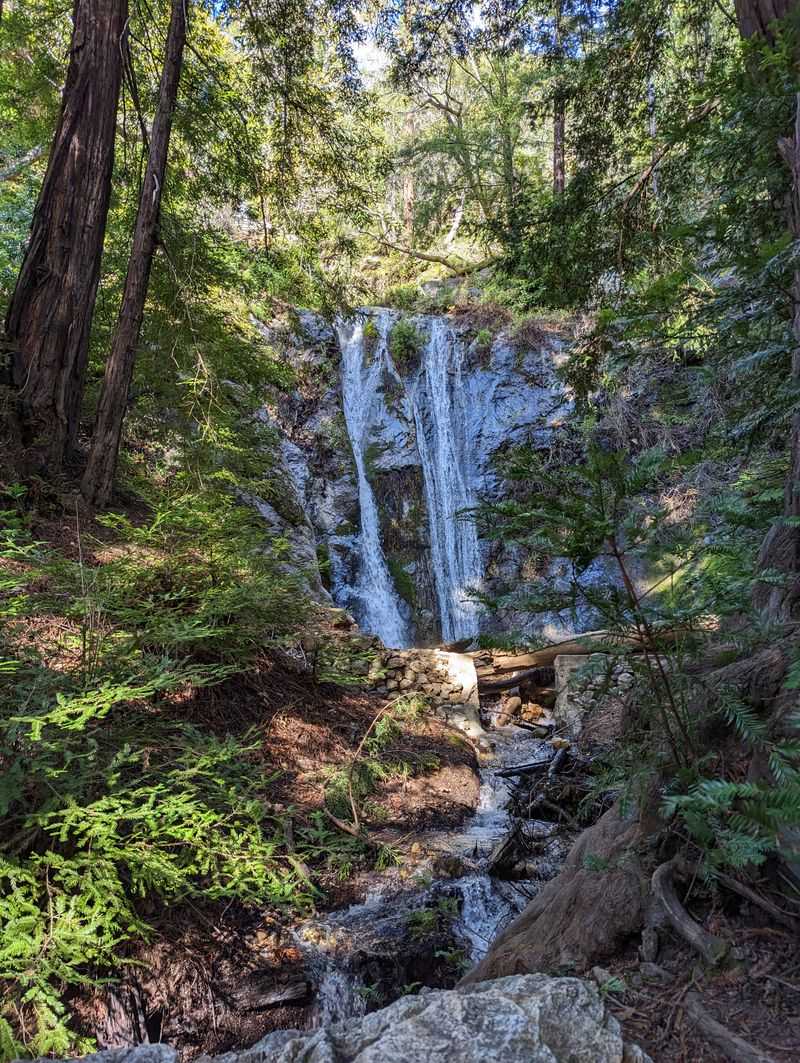
Pfeiffer Falls may not be the tallest waterfall in California, but its sixty-foot drop through a narrow canyon makes it one of the most charming.
The trail leading to it is a moderate two-mile round trip, winding through redwood and oak woodlands that feel cool and shaded even on warm days.
The sound of water grows louder as the path descends toward the canyon. At the base, the falls tumble over moss-covered rocks into a small pool below.
Mist rises from the impact, especially during winter and spring when water flow is strongest. The surrounding cliffs are draped in ferns and lichen, adding layers of green to the scene.
This trail is popular but rarely feels overcrowded, and benches near the viewing area offer a place to rest and take in the view.
The hike back includes a slight uphill climb, but the pace is manageable for most fitness levels. Sturdy shoes help, as the trail can be muddy or slippery depending on recent weather.
Visiting in late winter or early spring offers the best water flow and the most dramatic views. Summer visits are still worthwhile, though the falls may slow to a trickle by late August or September.
Big Sur River Gorge
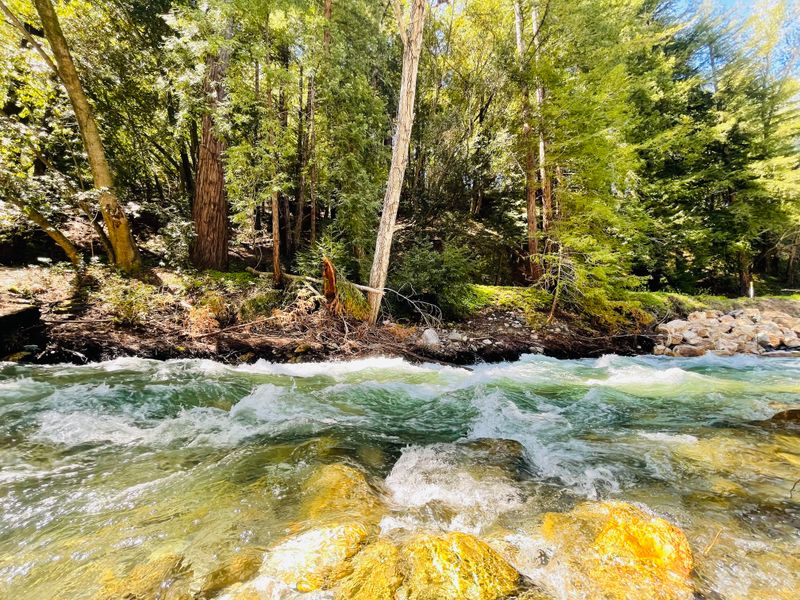
The Big Sur River runs through the heart of Pfeiffer Big Sur State Park, carving a gentle path between groves of redwoods and open meadows.
During warmer months, the river slows to a series of calm pools and shallow channels, perfect for wading or simply sitting along the banks. The water is cold and clear, fed by mountain runoff and seasonal rains.
Wildlife gathers near the river throughout the day – deer come to drink in the early morning, and birds like belted kingfishers and water ouzels hunt for fish along the edges.
The sound of flowing water provides a constant, soothing backdrop to any visit. Smooth stones line the riverbed, and fallen logs create natural bridges and resting spots.
The River Path is a wheelchair-accessible trail that follows the water for a short, easy loop, making it one of the most inclusive ways to experience the park.
Families often bring blankets and settle near the water for picnics or quiet afternoons. The light changes beautifully here as the sun moves across the sky, casting reflections on the surface.
Winter and spring bring higher water levels, which can make wading unsafe but add drama to the scenery. Always check current conditions before planning activities near the river.
Diverse Ecosystems
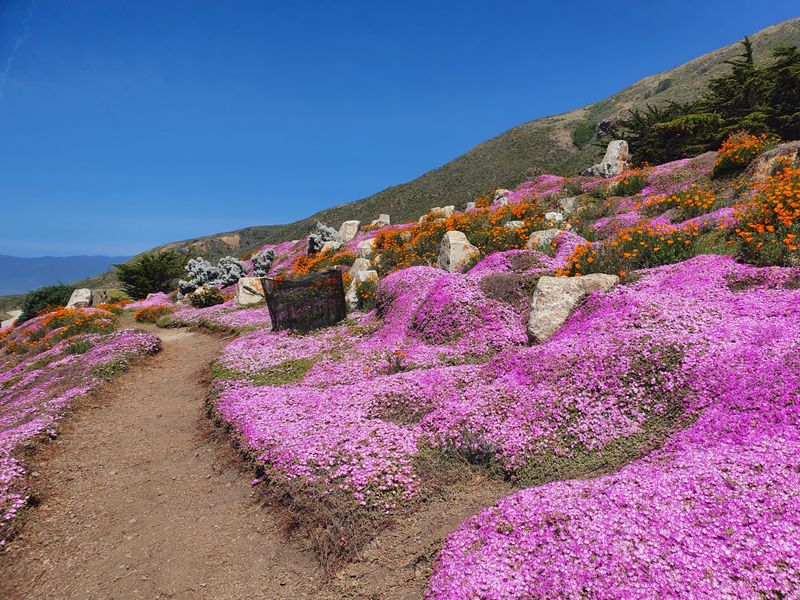
Pfeiffer Big Sur State Park packs an impressive variety of ecosystems into its 1,346 acres, each offering a different mood and landscape.
Redwood groves dominate the canyon bottoms, where shade and moisture create ideal growing conditions. Higher elevations transition into oak woodlands, where the trees are shorter and the light more open.
Chaparral zones appear on drier slopes, filled with manzanita, ceanothus, and other hardy shrubs that thrive in full sun and thin soil.
Meadows open up in clearings, especially near the river, where grasses sway in the breeze and wildflowers bloom in spring. Each ecosystem supports its own mix of plants, insects, birds, and mammals.
Hiking through these varied zones in a single visit offers a sense of how quickly the landscape can shift in coastal California.
One moment, the air is cool and damp beneath towering redwoods; the next, it’s warm and dry under an open sky. The diversity makes the park feel larger than it actually is.
This variety also means that different times of year highlight different areas – spring brings meadow blooms, summer warms the chaparral, and fall colors the oak leaves. Each season offers something new to notice and appreciate.
Big Sur Lodge
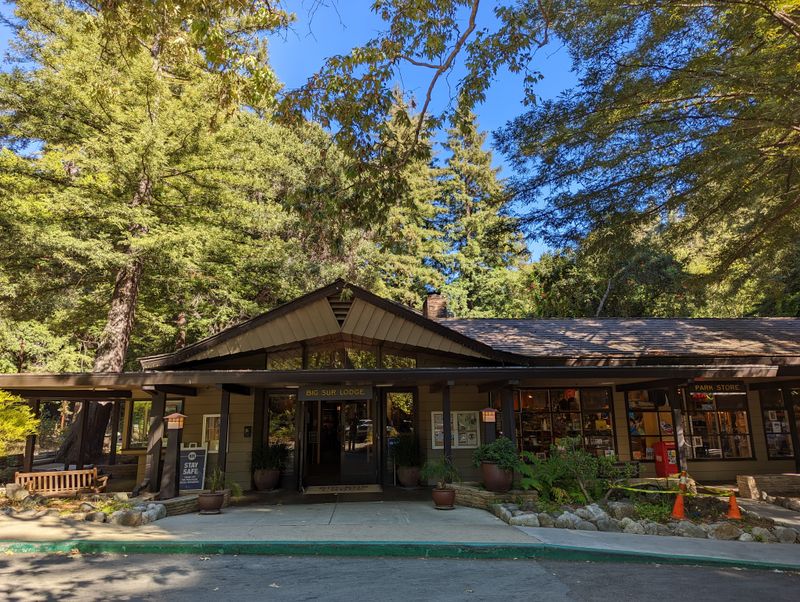
Big Sur Lodge sits within the park boundaries, offering 62 guest rooms spread across individual cottages nestled among the trees.
The lodge provides a convenient base for exploring the park without needing to camp or drive in each day.
Rooms are simple and comfortable, designed to blend with the natural surroundings rather than compete with them.
The lodge also includes a small café serving breakfast and lunch, a grocery store stocked with essentials and snacks, and a conference center used for educational programs and events.
The address is 47225 CA-1, Big Sur, CA 93920, located just off Highway 1 within the park entrance.
Guests can walk directly onto trails from the lodge property, making it easy to start hikes early or return for a midday break.
The setting feels peaceful and removed, even though the lodge is accessible by car and close to park amenities.
Porches and outdoor seating areas encourage guests to spend time outside, listening to the river or watching for wildlife.
The lodge operates year-round, though availability varies by season and advance booking is recommended.
Staying at the lodge offers a chance to experience the park at different times of day, including quiet evenings and early mornings when most day visitors have left.
Wildlife Viewing
Pfeiffer Big Sur State Park is home to a surprising variety of wildlife, from common gray squirrels to elusive bobcats.
Black-tailed deer are frequently spotted grazing in meadows or drinking from the river, especially during dawn and dusk. Raccoons and skunks are active at night, often wandering through campsites in search of food.
Birdwatchers appreciate the park’s mix of species, including water ouzels that dive into the river to hunt for insects, and belted kingfishers that perch on branches above the water.
Woodpeckers tap rhythmically on tree trunks, and hawks circle overhead in open areas. The diversity of habitats supports a wide range of bird life year-round.
Bobcats are rarely seen but occasionally leave tracks along trails or near the river. Visitors who move quietly and stay alert have the best chance of spotting them.
Binoculars help for distant sightings, and early mornings offer the calmest conditions for observing wildlife.
Respecting wildlife means keeping a safe distance, never feeding animals, and storing food securely in campsites.
These practices help protect both visitors and the animals themselves. Quiet observation brings the most rewarding experiences.
Ewoldsen Nature Center
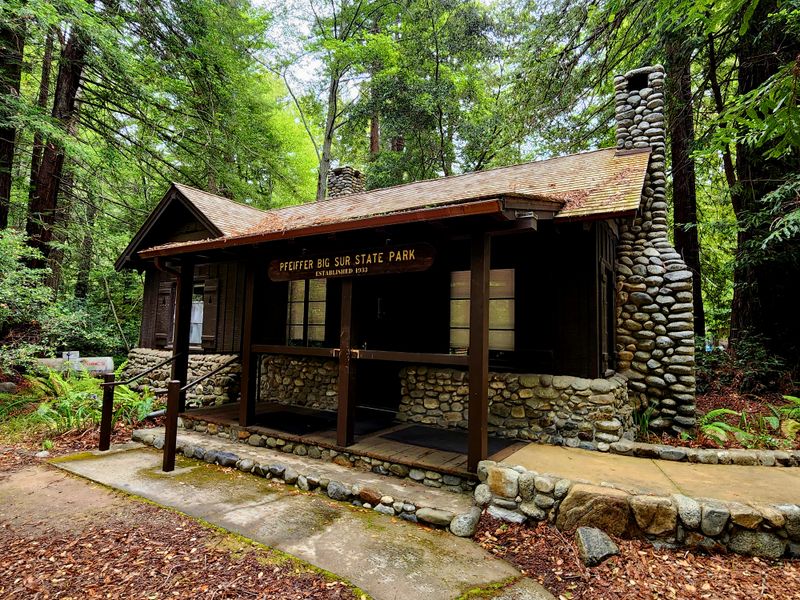
The Ewoldsen Nature Center sits along the Warden’s Path on the south side of the Big Sur River at 47225 CA-1, Big Sur, CA 93920, offering visitors a chance to learn more about the park’s natural and cultural history.
Exhibits cover topics like redwood ecology, local wildlife, Native American heritage, and the geology of the Big Sur region. Displays are designed to be accessible and engaging for all ages.
Guided tours and interpretive programs are offered periodically, led by knowledgeable staff and volunteers who share insights about the park’s ecosystems and history.
These programs vary by season and availability, so checking ahead helps with planning. The center itself is small but well-curated, making it a quick but worthwhile stop before or after a hike.
Interactive elements encourage hands-on learning, especially for younger visitors curious about the natural world.
Maps, field guides, and educational materials are available to help visitors make the most of their time in the park.
The center also serves as a meeting point for group programs and school visits. Visiting the nature center adds context to the landscapes and wildlife encountered on the trails.
Understanding the age of the redwoods or the habits of local birds deepens the experience and fosters a greater appreciation for the park’s complexity.
8 Miles Of Hiking Trails
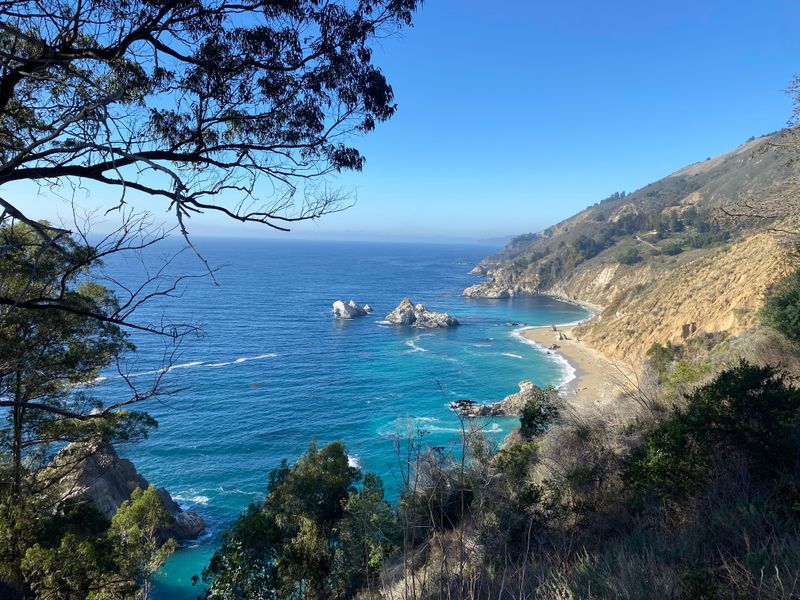
Pfeiffer Big Sur State Park features 8 miles of trails, ranging from easy riverside walks to challenging climbs with significant elevation gain.
The Valley View and Pfeiffer Falls Trail is one of the most popular, offering a moderate two-mile round trip with waterfall views.
Buzzard’s Roost Trail climbs steeply to an overlook with sweeping views of the Big Sur River Valley and the surrounding ridges.
The Pine Ridge Trail extends beyond the park boundaries, eventually connecting to the Ventana Wilderness and offering backcountry hiking opportunities for more experienced adventurers.
Shorter loops like the Nature Trail and River Path are accessible and family-friendly, perfect for visitors with limited time or mobility.
Trail conditions vary depending on season, weather, and maintenance schedules.
Most trails are well-marked with signs at key junctions, though carrying a trail map or downloading one ahead of time is always a good idea.
Some trails can be muddy or slippery after rain, and others may be exposed to sun during midday. Layered clothing and sturdy footwear help with comfort and safety.
Exploring multiple trails over a few days allows visitors to experience the full range of the park’s landscapes and moods. Each trail offers something different, from shaded groves to open ridges and rushing streams.
Two Hundred Fourteen Campsites Along The River
The campground at Pfeiffer Big Sur State Park includes 189 sites, many of them positioned near the Big Sur River for easy access to water and shade.
Sites accommodate a range of camping styles, from tent camping and bike-in spots to RV sites with hookups.
The campground layout spreads across several loops, each with its own character and level of privacy.
Restrooms with flush toilets and coin-operated showers are located throughout the campground, along with drinking water spigots and bear-proof food lockers.
Campsites vary in size and amenities, so reviewing options during the booking process helps match preferences with availability. Some sites are more open and sunny, while others are tucked beneath redwoods for deeper shade.
Camping here offers a chance to wake up to the sound of the river and the calls of birds, with trails accessible directly from the campground.
Evenings tend to cool down quickly, even in summer, so bringing layers and a warm sleeping bag is recommended.
Campfires are allowed in designated fire rings when conditions permit, but fire restrictions may be in place during dry months.
Reservations are strongly recommended, especially for weekends and summer months, as the campground fills quickly. Weekday visits in spring or fall often offer more availability and a quieter experience.
Named After John Pfeiffer
The park owes its existence to John Pfeiffer, a homesteader who sold six hundred eighty acres of his land to the state of California in 1933.
His decision laid the foundation for what would become one of the Central Coast’s most cherished state parks.
Pfeiffer recognized the value of preserving the redwood groves and the Big Sur River corridor for future generations.
Before the sale, the Pfeiffer family had lived on and worked the land for decades, building a connection to the area that went beyond simple ownership.
John Pfeiffer’s willingness to part with the property reflected a broader conservation ethic that was gaining momentum in California during the early twentieth century.
The state officially established the park shortly after the purchase, opening it to the public the same year. The park’s name honors both John Pfeiffer and his family’s stewardship of the land.
Today, visitors walking through the redwood groves or camping along the river benefit from that early act of conservation.
The story serves as a reminder of how individual decisions can shape the future of landscapes and communities.
Pfeiffer’s legacy continues through the park’s ongoing management and protection, ensuring that the redwoods and ecosystems remain intact for years to come.
Wheelchair-Accessible Trails
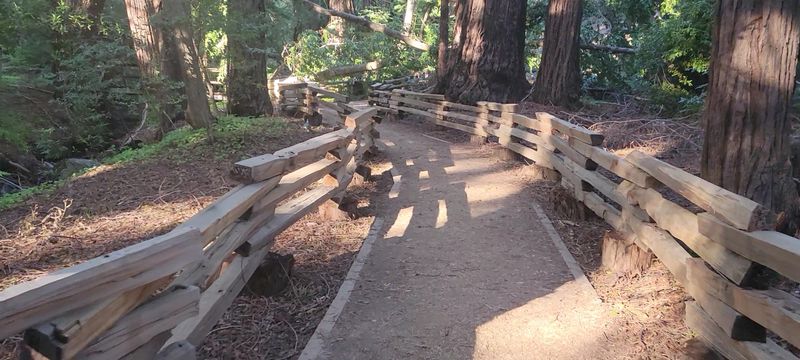
Pfeiffer Big Sur State Park includes two wheelchair-accessible trails that allow visitors of all mobility levels to experience the beauty of the redwoods and the Big Sur River.
The Nature Trail is a short, paved loop that winds through a redwood grove, offering close-up views of the trees and the forest floor.
Interpretive signs along the way provide information about the plants, animals, and ecology of the area.
The River Path follows the Big Sur River for a gentle, flat route that’s easy to navigate and offers multiple spots to pause and enjoy the water.
Both trails are well-maintained and designed with accessibility in mind, including smooth surfaces and gentle grades. Benches and rest areas are placed at intervals for those who need to take breaks.
These trails make the park more inclusive, ensuring that everyone can connect with the natural environment regardless of physical ability.
Families with strollers also find these paths convenient and enjoyable. The accessibility features reflect the park’s commitment to welcoming a diverse range of visitors.
Accessible restrooms and parking spaces are located near the trailheads, making logistics easier for visitors with mobility needs.
Checking with park staff ahead of time can provide additional guidance on accessibility options and current trail conditions.
Scenic Overlooks With Views Of The Big Sur River Valley
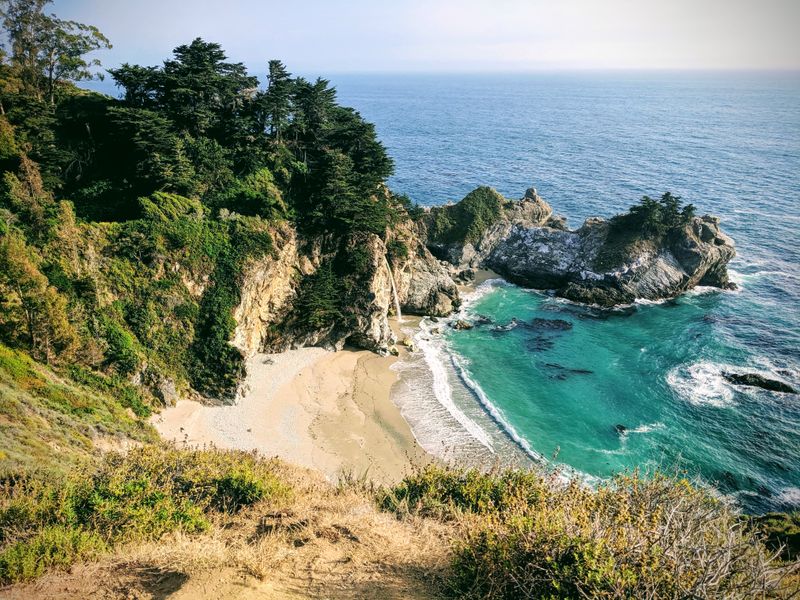
Several trails in Pfeiffer Big Sur State Park lead to scenic overlooks that offer sweeping views of the Big Sur River Valley and the surrounding ridges.
Buzzard’s Roost Trail is one of the most popular routes to a viewpoint, climbing steeply through oak woodlands and chaparral before opening up to a panoramic vista.
The effort required to reach the overlook makes the view feel even more rewarding. From the top, the valley spreads out below, with the river winding through patches of forest and meadow.
On clear days, the view extends to the ridges beyond, layered in shades of blue and green. The overlook provides a sense of scale and perspective that’s hard to capture from the valley floor.
Benches or flat rocks at the viewpoint offer a place to rest and take in the scenery before heading back down.
The hike to the overlook is best attempted in the morning or late afternoon when temperatures are cooler and the light is softer. Bringing water and sun protection is essential, as much of the trail is exposed.
The overlooks also serve as excellent spots for photography, especially during golden hour when the light casts warm tones across the landscape. Quiet moments here feel expansive and restorative.
Educational Programs And Guided Nature Walks
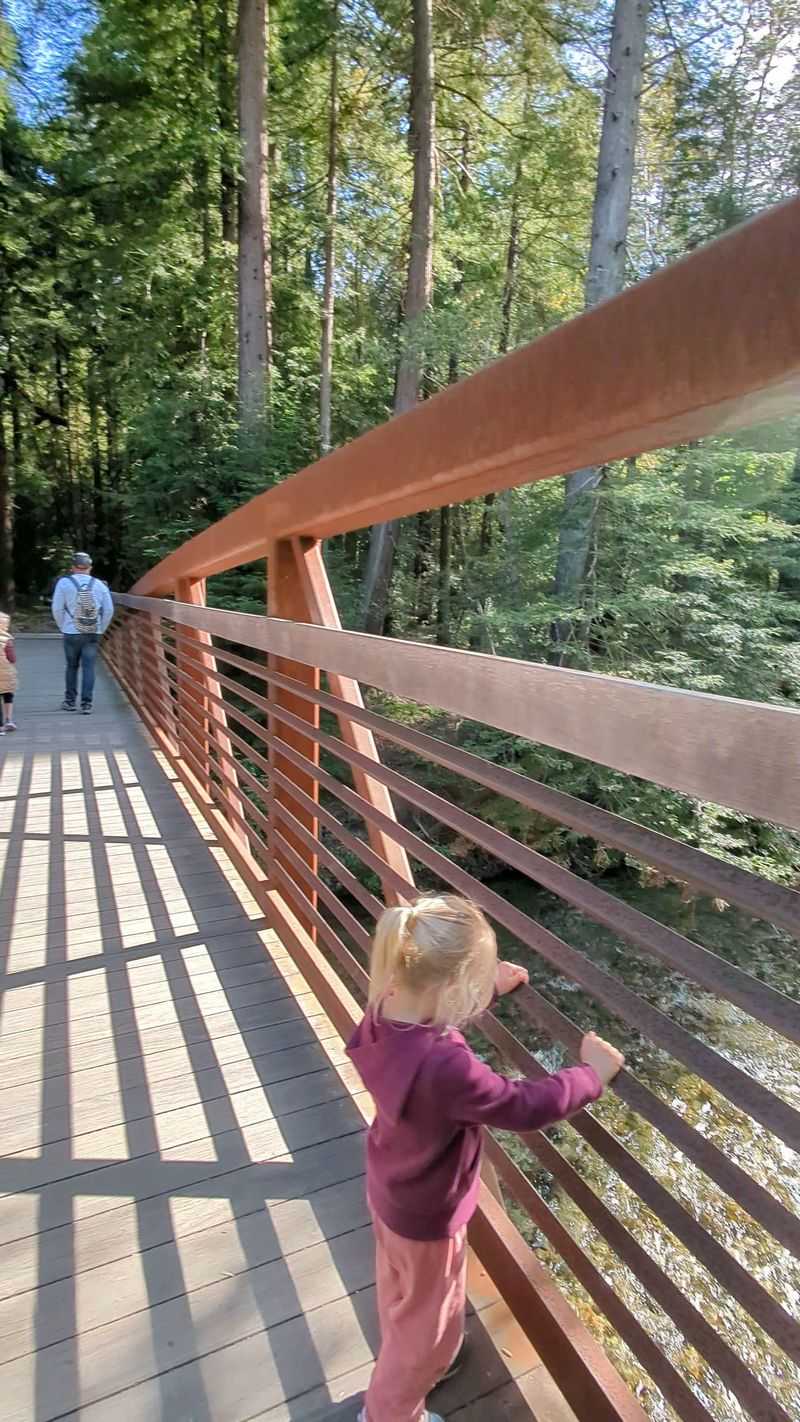
The park offers a variety of educational programs throughout the year, ranging from guided nature walks to talks on local ecology and conservation.
These programs are led by park rangers, naturalists, and volunteers who bring expertise and enthusiasm to each session.
Topics vary by season and may include redwood biology, wildlife tracking, Native American history, or stargazing.
Guided walks often highlight features that visitors might otherwise overlook, such as specific plants, animal tracks, or geological formations.
The slower pace and expert commentary add depth to the experience, making it especially valuable for families or first-time visitors.
Programs are typically free with park admission, though some may require advance registration. Junior Ranger programs engage younger visitors with hands-on activities and age-appropriate lessons about the park’s natural and cultural resources.
Completing the program earns participants a badge and a sense of accomplishment. These initiatives help foster a connection to nature and an understanding of conservation principles.
Checking the park’s website or visitor center for current program schedules ensures that visitors can plan their trips around events of interest.
Programs tend to be more frequent during summer and holiday weekends, though off-season offerings provide a quieter, more intimate experience.
Close To Julia Pfeiffer Burns And Pfeiffer Beach
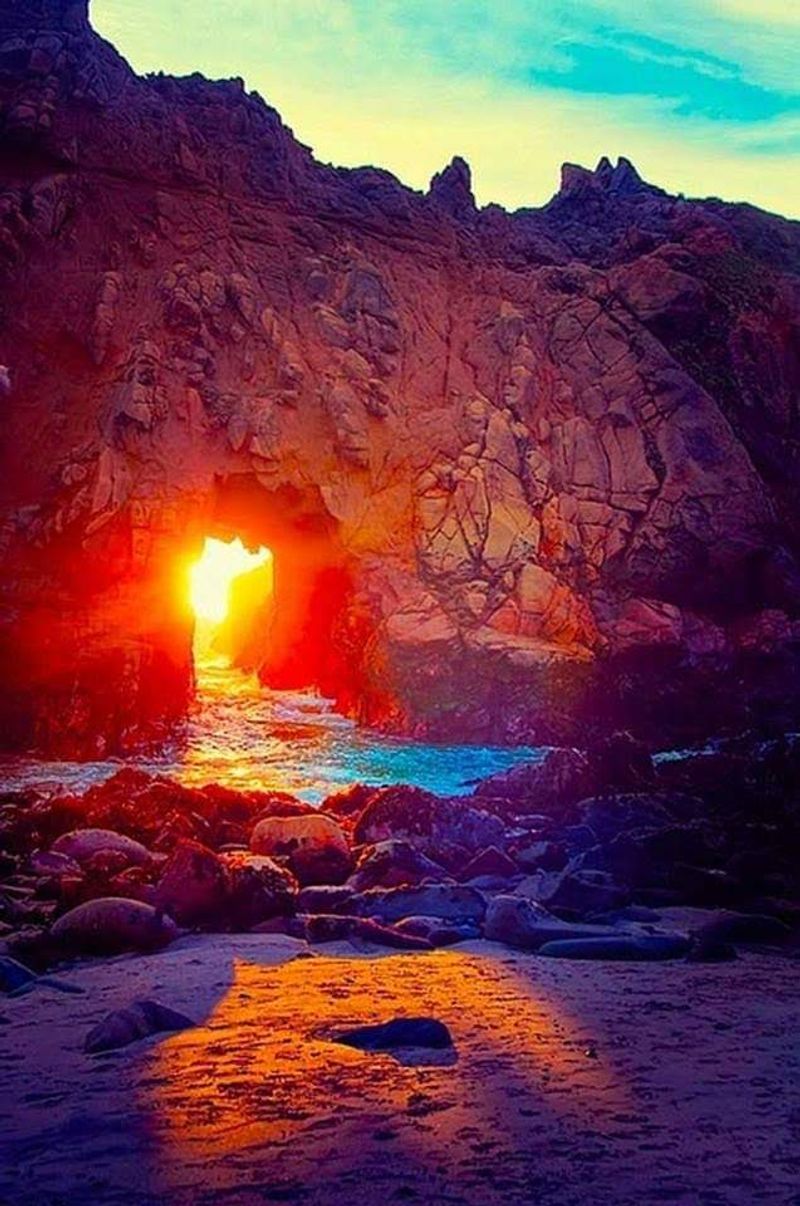
Pfeiffer Big Sur State Park sits near several other notable destinations along the Big Sur coast, making it easy to explore multiple sites in a single trip.
Julia Pfeiffer Burns State Park, just a short drive south, is famous for McWay Falls, a waterfall that drops directly onto a secluded beach. The view from the overlook trail is one of the most photographed scenes on the California coast.
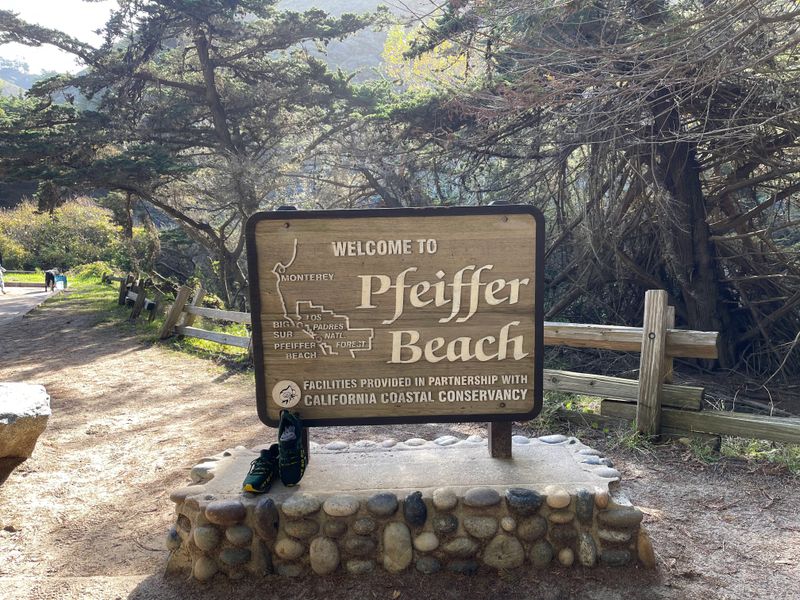
Pfeiffer Beach, located down a narrow access road west of Highway 1, is known for its unique purple sand and dramatic rock formations, including a natural arch that frames the sunset.
The beach is managed by the U.S. Forest Service and requires a small day-use fee. Both locations offer experiences that complement the redwood-focused atmosphere of Pfeiffer Big Sur State Park.
Combining visits to these nearby sites creates a fuller picture of the Big Sur region’s diversity, from coastal cliffs and beaches to inland forests and rivers.
Each location has its own character and appeal, and the short distances between them make multi-stop itineraries practical. Timing visits to avoid peak hours helps manage crowds, especially at popular spots like McWay Falls.
The proximity to these attractions makes Pfeiffer Big Sur State Park an ideal home base for a longer stay, with enough variety to fill several days of exploration.