13 Rookie Mistakes To Skip When Visiting Cherokee, North Carolina
Cherokee sits where the mountains meet the sky, a place where ancient traditions breathe alongside modern adventures. First-time visitors often stumble through their trips, missing the heart of what makes this sovereign nation so special.
Knowing what to avoid can transform a good vacation into an unforgettable journey through culture, nature, and history. These mistakes are easier to skip than you might think, and dodging them means more time experiencing the real magic of Cherokee.
1. Skipping The Museum Of The Cherokee Indian
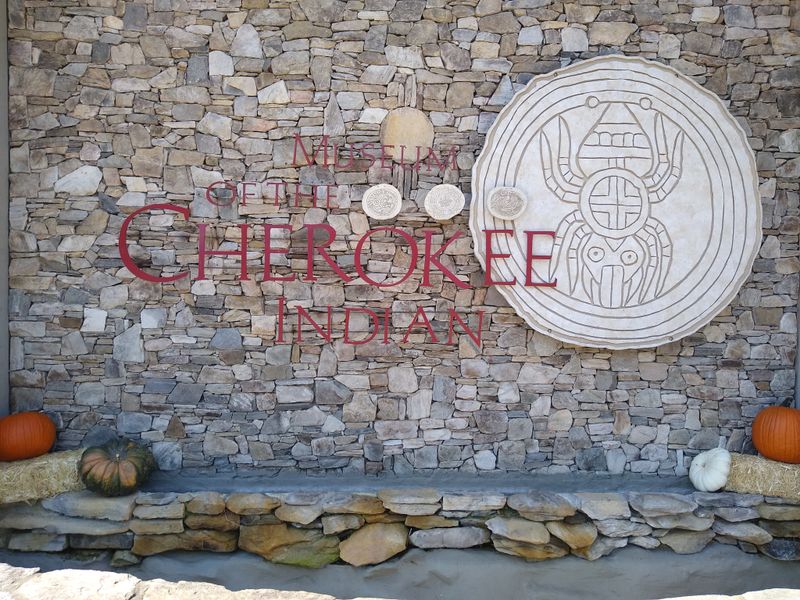
Award-winning doesn’t begin to describe what awaits inside this cultural treasure. Walking past this museum means missing the entire story that gives Cherokee its soul.
Visitors who skip it wander through town without context, unable to fully appreciate what they’re seeing.
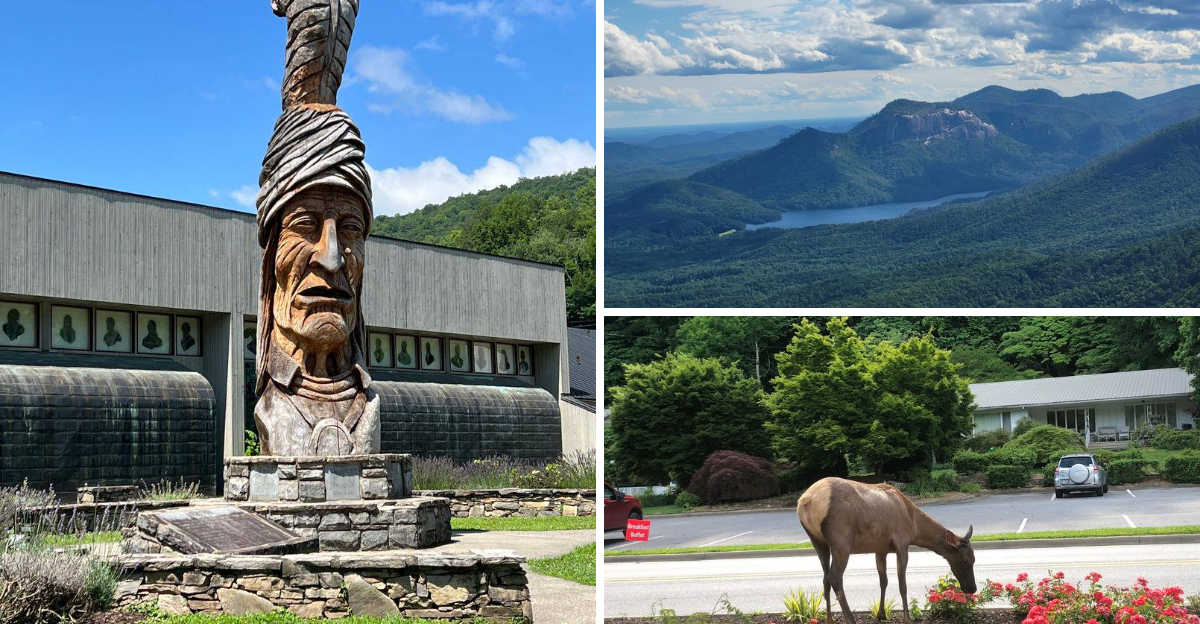
The Museum of the Cherokee Indian at 589 Tsali Boulevard presents twelve thousand years of history through interactive exhibits and multimedia presentations. Artifacts tell stories that textbooks never captured, and the building itself welcomes you with architecture that honors traditional design.
Plan at least two hours here, though many visitors find themselves staying much longer.
Children and adults alike become absorbed in the immersive displays that bring Cherokee history to life. The Trail of Tears exhibit hits particularly hard, offering perspectives you won’t find elsewhere.
Audio guides provide deeper layers of understanding, and the staff members answer questions with patience and knowledge.
Starting your Cherokee visit here provides the framework for everything else you’ll experience. The admission price feels like a bargain once you see the quality and depth of what’s presented.
2. Missing Oconaluftee Indian Village
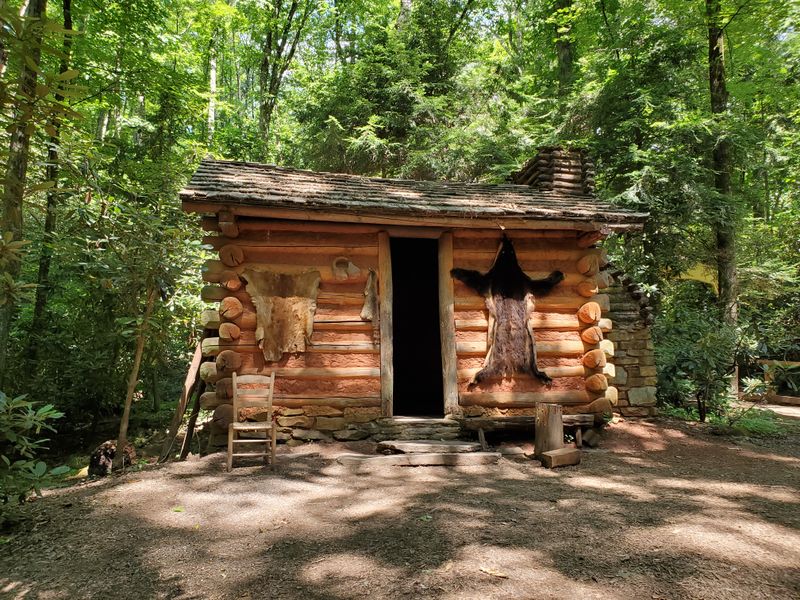
Time travel exists in Cherokee, and most rookies walk right past it. Oconaluftee Indian Village recreates eighteenth-century Cherokee life with such authenticity that you’ll forget what century you’re standing in.
Skipping this living history experience means missing one of the most unique attractions in the entire region.
Located at 218 Drama Road, the village operates with guides in period clothing demonstrating skills their ancestors perfected generations ago. Watch artisans craft blowguns, carve canoes from logs, and create pottery using techniques passed down through families.
Each demonstration invites questions, and the presenters share knowledge with genuine enthusiasm.
Traditional dwellings dot the landscape, each one telling stories about Cherokee daily life before European contact. The seven-sided council house stands at the heart of the village, its design reflecting Cherokee cosmology and social structure.
Spring through fall, the village opens its gates to transport visitors backward through time.
Photography is encouraged, and the backdrop of surrounding mountains makes every shot spectacular. Budget ninety minutes minimum, though history enthusiasts could easily spend an entire afternoon here absorbing every detail and conversation.
3. Overlooking Qualla Arts And Crafts Mutual
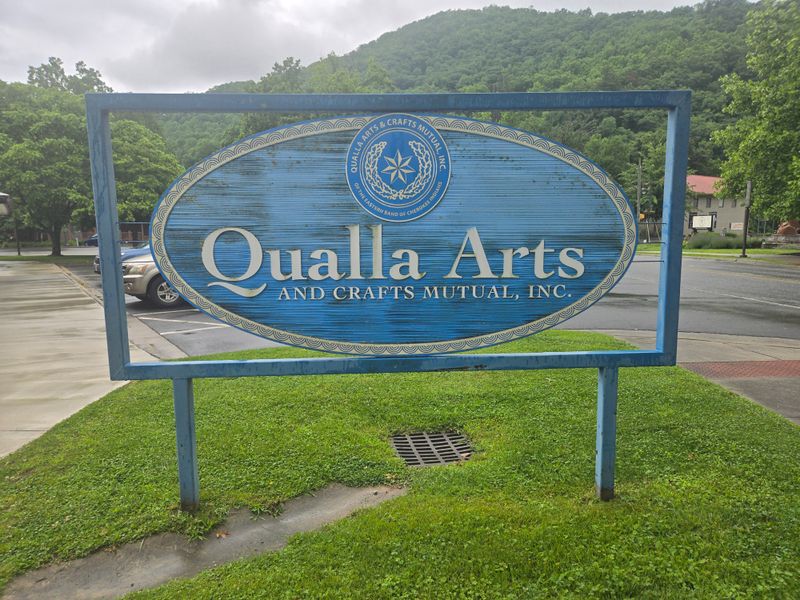
Authentic Cherokee art deserves more than a passing glance through a shop window. Qualla Arts and Crafts Mutual holds the distinction of being America’s oldest Native American cooperative, established in 1946 to preserve traditional crafts.
Tourists who browse generic souvenir shops while ignoring this gallery miss the real artistic soul of Cherokee.
The cooperative at 645 Tsali Boulevard showcases work created exclusively by enrolled members of the Eastern Band. Intricate beadwork, river cane baskets, hand-carved masks, and black pottery fill the shelves with pieces that took weeks or months to complete.
Each item carries the maker’s signature and story, connecting you directly to Cherokee artists.
Prices reflect the skill and time invested in traditional techniques that fewer people master each generation. Buying here means supporting families and helping preserve endangered art forms that deserve to continue.
Staff members explain the significance of different patterns, materials, and methods used in various pieces.
This isn’t impulse shopping—it’s cultural preservation wrapped in beauty. Even if your budget doesn’t allow purchases, spending time appreciating the craftsmanship costs nothing and enriches your understanding immensely.
4. Bypassing The Cherokee Bonfire
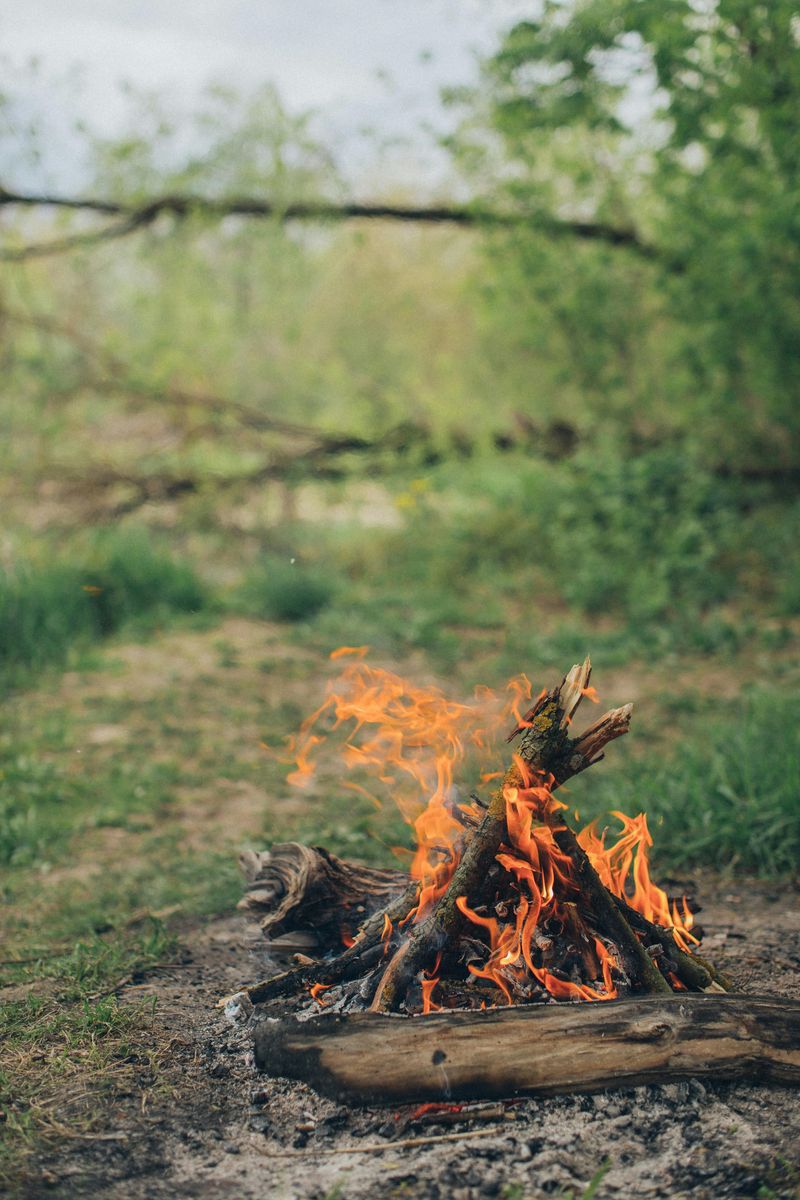
Stories told around crackling flames carry power that daytime tours can’t match. Cherokee Bonfire gatherings happen throughout the warmer months, offering free access to oral traditions that have survived centuries.
Visitors who retreat to their hotels after dinner miss this magical opportunity to hear legends directly from tribal storytellers.
The bonfire location near the Museum of the Cherokee Indian becomes a gathering place where ancient meets modern. Flames dance while voices share creation stories, trickster tales, and historical accounts passed down through generations.
Children sit mesmerized alongside adults, all equally captivated by the performance and atmosphere.
No reservations or tickets required, just show up and find a spot around the fire. The informal setting encourages questions and conversation after the formal storytelling concludes.
Bring a light jacket even on warm evenings, as mountain temperatures drop quickly after sunset.
This experience costs nothing but offers something priceless: direct connection to living oral traditions that predate written language. The stories you hear will echo in your memory long after you’ve left Cherokee behind.
Check current schedules locally, as times and frequency vary by season.
5. Underestimating Mountain Weather Conditions
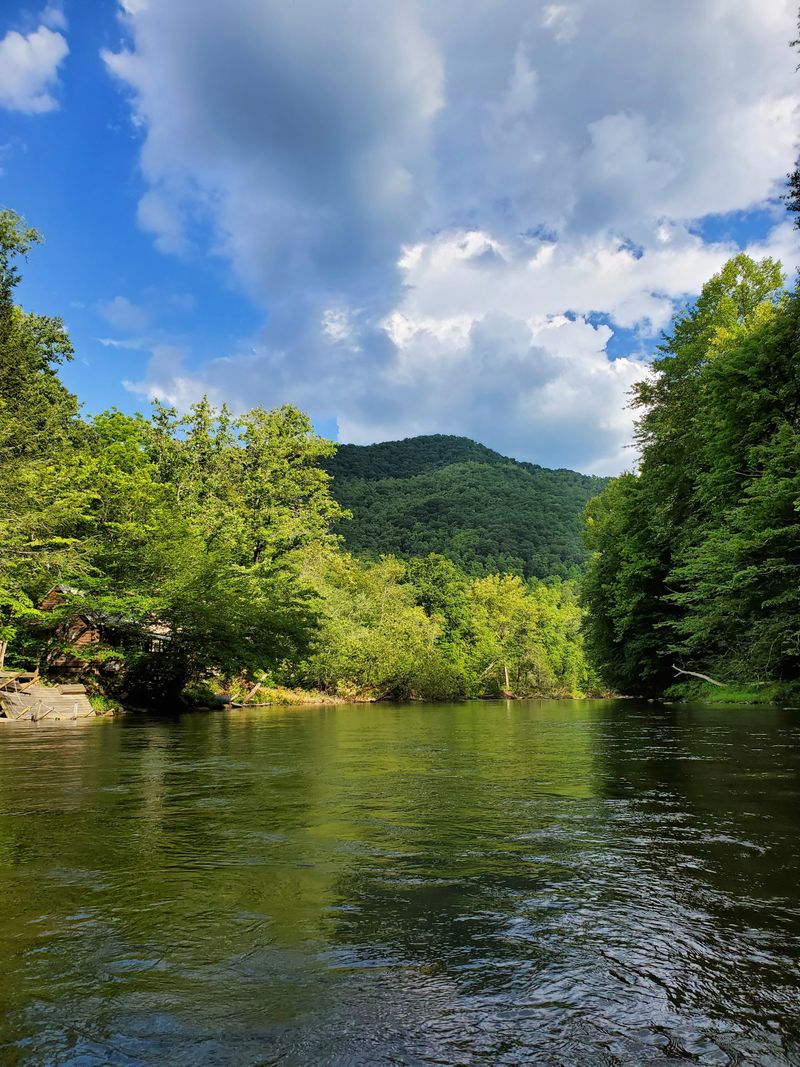
Pack for four seasons even if you’re visiting in summer. Cherokee sits at elevations where weather plays by different rules than the flatlands below.
Rookies arrive in shorts and tank tops only to shiver through their entire vacation because they assumed North Carolina meant guaranteed warmth.
Elevation changes everything about temperature, precipitation, and conditions throughout the day. Morning fog can give way to afternoon sunshine before evening thunderstorms roll through with surprising intensity.
Layering becomes essential strategy rather than optional preparation for anyone spending time outdoors.
Winter transforms Cherokee into a completely different landscape where snow and ice create challenges for drivers unfamiliar with mountain roads. Even experienced winter travelers should check forecasts obsessively and carry emergency supplies in vehicles.
Spring and fall bring the most unpredictable conditions, with dramatic temperature swings between dawn and dusk.
Local weather reports provide more accurate information than national forecasts that lump the entire region together. The Great Smoky Mountains create their own weather patterns, and Cherokee gets caught in these microclimates regularly.
Waterproof jackets, sturdy shoes, and backup layers belong in every suitcase regardless of season.
6. Spending All Your Time At The Casino
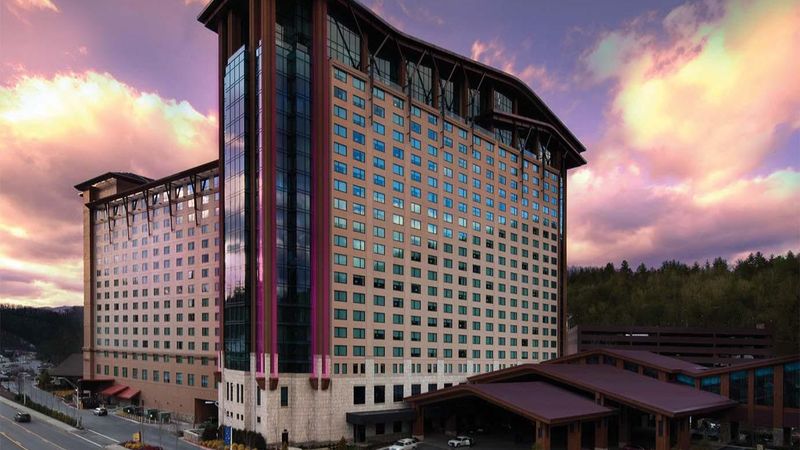
Slot machines flash and card tables beckon, but Cherokee offers so much more than gaming. Harrah’s Cherokee Casino Resort at 777 Casino Drive dominates the landscape with its massive presence and endless entertainment options.
First-time visitors sometimes arrive intending to explore the area but never actually leave the casino complex.
Setting time limits before you walk through those doors protects both your wallet and your vacation experience. The casino operates twenty-four hours daily, making it dangerously easy to lose entire days inside climate-controlled rooms with no windows or clocks.
What you miss while chasing jackpots, mountain trails, cultural sites, local restaurants, can’t be recovered once your trip ends.
Entertainment beyond gambling fills the resort with concerts, comedy shows, and dining options that tempt extended stays. Balance becomes key to a satisfying visit that includes both casino excitement and genuine Cherokee experiences.
The resort serves as one attraction among many, not the sole destination.
Families with children need alternative plans since minors can’t linger in gaming areas. Cherokee’s outdoor adventures and historical sites provide perfect counterbalance to adult casino time, ensuring everyone finds memorable experiences suited to their interests and ages.
7. Ignoring Mingus Mill And Mountain Farm Museum
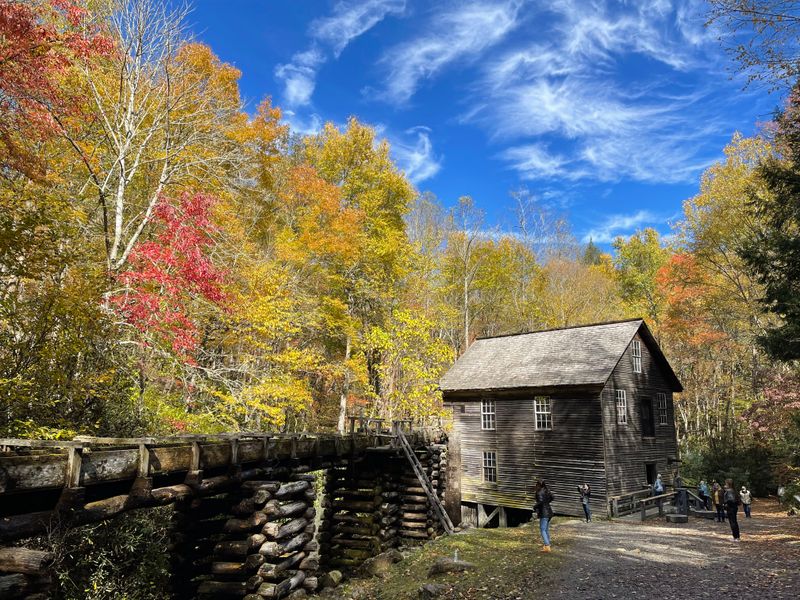
History whispers through weathered wood and turning millstones just outside Cherokee proper, at Mingus Creek Trail. Mingus Mill and the Mountain Farm Museum preserve nineteenth-century Appalachian life with structures that have survived generations of mountain weather.
Tourists racing toward more famous attractions zoom past these gems without realizing what they’re missing.
The turbine-powered mill still grinds corn into meal using water channeled from nearby Mingus Creek. Built in 1886, the structure demonstrates engineering ingenuity that required no electricity or modern machinery.
Rangers demonstrate the milling process during operating hours, and the sound of rushing water powers the experience as much as the visual elements.
Mountain Farm Museum assembles historic buildings relocated from throughout the Smokies to create a representative homestead. Barns, cabins, and outbuildings show how families survived and thrived in these isolated mountains before modern conveniences arrived.
The property sits near the Oconaluftee Visitor Center at the edge of Great Smoky Mountains National Park.
Both sites offer free admission and peaceful atmospheres that contrast sharply with busier tourist areas. Spring through fall brings the best visiting conditions, though the structures maintain their beauty year-round against the mountain backdrop.
8. Disrespecting Wildlife Safety Guidelines
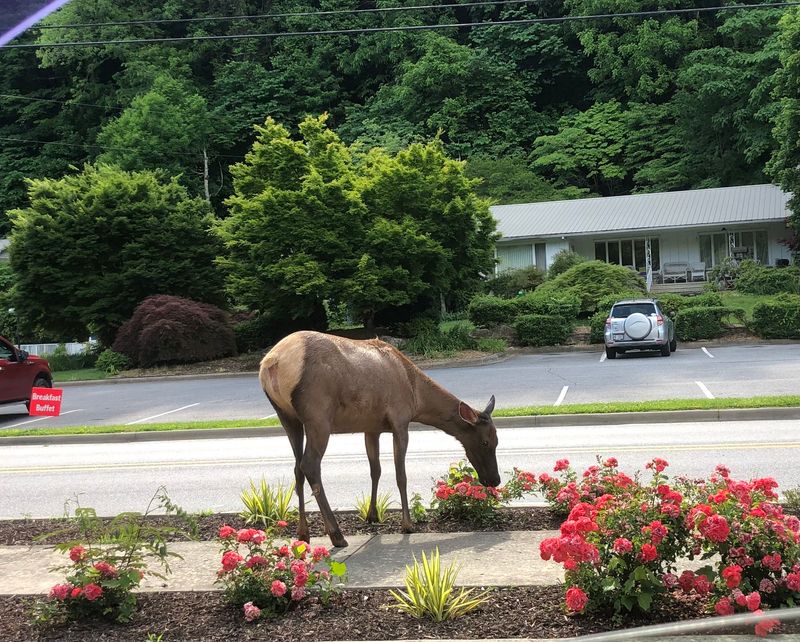
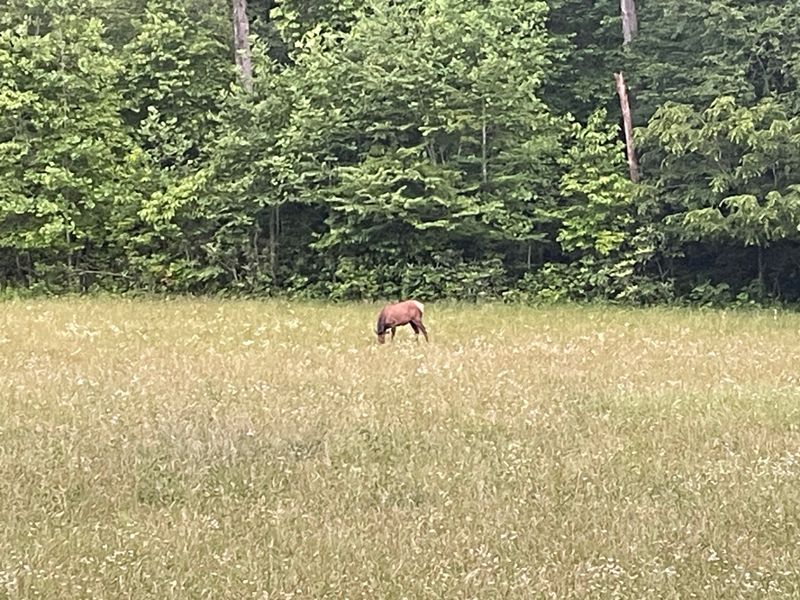
Elk wander Cherokee streets like they own the place because, well, they do. These magnificent animals were reintroduced to the area decades ago and now thrive throughout the region, often appearing in town during morning and evening hours.
Visitors treating them like petting zoo animals create dangerous situations for everyone involved.
Adult elk weigh up to seven hundred pounds and can move with startling speed when they feel threatened. Bulls become particularly aggressive during fall rutting season, and cows protect calves fiercely throughout spring and summer.
Maintaining minimum distances of fifty yards keeps both humans and animals safe from unfortunate encounters.
Black bears also inhabit the surrounding forests and occasionally venture into developed areas searching for food. Never approach, feed, or attempt to photograph wildlife at close range regardless of how docile they appear.
Zoom lenses exist for excellent reasons, and rangers take violations of wildlife protection rules seriously.
Cherokee’s location adjacent to Great Smoky Mountains National Park means wild animals encounter humans regularly but remain unpredictable and potentially dangerous. Teach children proper wildlife viewing etiquette before you arrive, and model respectful behavior throughout your stay.
The memories you create should involve awe and appreciation, not emergency room visits.
9. Forgetting This Is A Sovereign Nation
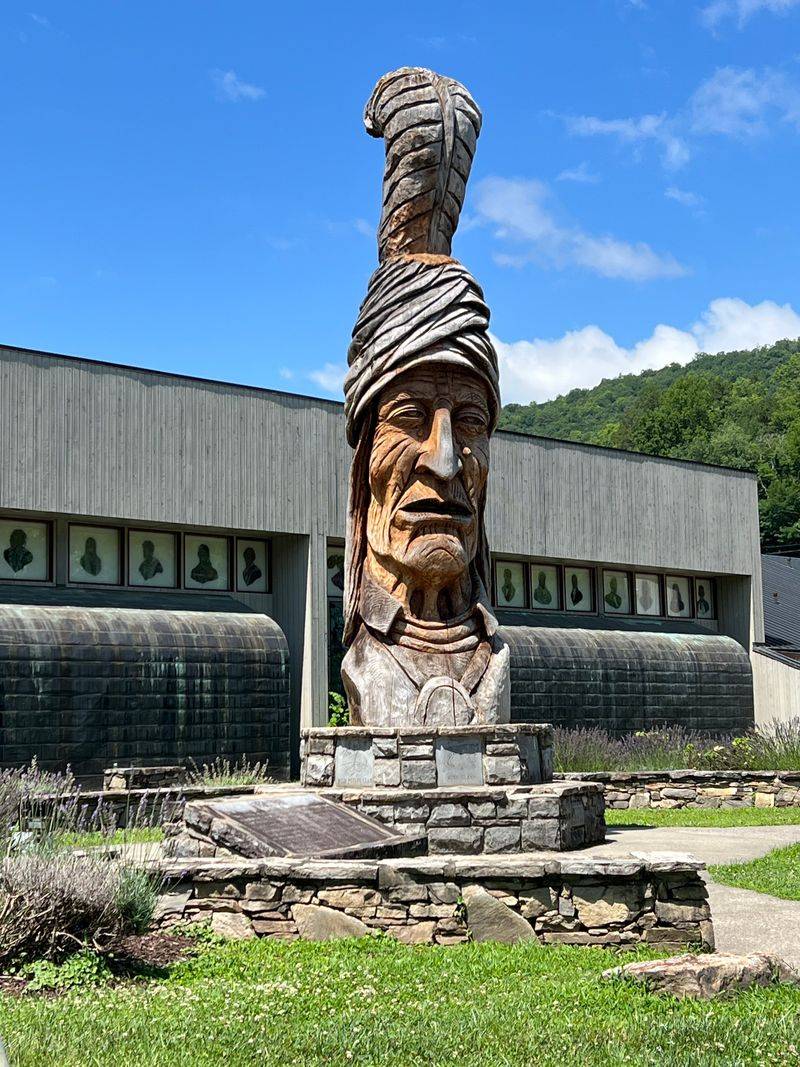
Respect forms the foundation of any meaningful visit here. Cherokee isn’t just another small town tucked into the Smokies, it’s the sovereign land of the Eastern Band of Cherokee Indians.
Different rules, customs, and expectations apply when you cross into this territory.
Many visitors arrive with assumptions shaped by stereotypes or old movies. That approach closes doors that should stay wide open to genuine connection.
The people here maintain living traditions that stretch back centuries, not museum pieces frozen in time.
Taking a moment to learn about Cherokee governance and culture before you arrive changes everything. Read about the tribe’s history, understand their journey, and approach every interaction with humility.
Signs posted throughout the area explain protocols and boundaries that protect sacred spaces.
Your attitude matters more than your itinerary. Come as a respectful guest rather than a tourist checking boxes, and the community will welcome you warmly.
The Museum of the Cherokee Indian at 589 Tsali Boulevard in Cherokee offers the perfect starting point for understanding this distinction.
10. Fishing Without Proper Tribal Permits
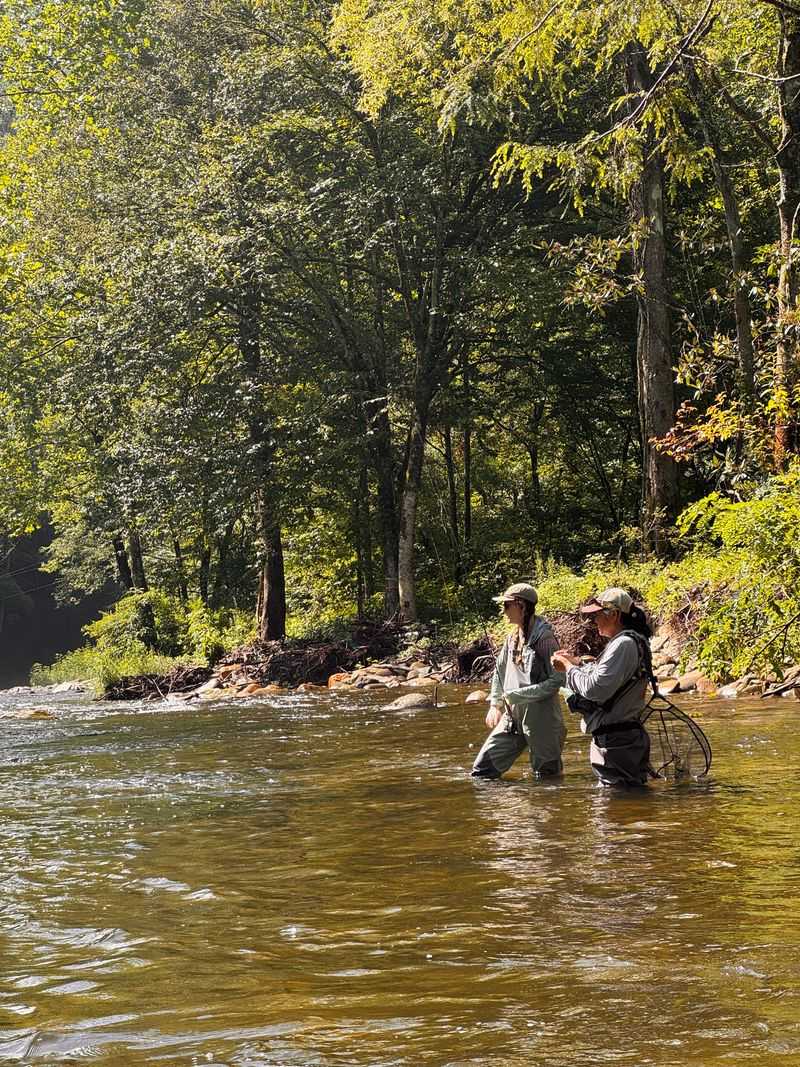
Crystal-clear streams tempt anglers with promises of trophy trout and peaceful afternoons. Cherokee waters hold some of the Southeast’s best fishing opportunities, but casting a line without proper permits leads to expensive citations and confiscated gear.
State fishing licenses mean nothing on tribal lands where different regulations apply.
The Eastern Band manages approximately thirty miles of streams flowing through the Qualla Boundary with rules distinct from North Carolina state requirements. Tribal fishing permits are mandatory for anyone over twelve years old, regardless of what licenses you hold elsewhere.
These permits are available at multiple locations throughout Cherokee, including sporting goods stores and the tribal welcome center.
Different permit types cover various time periods, from single days to full seasons, with prices that remain reasonable considering the quality fishing available. Enterprise waters offer catch-and-release trophy fishing where lunkers grow to impressive sizes because harvest isn’t allowed.
Regular quota waters provide opportunities to keep fish within specified limits.
Regulations specify allowed baits, hook types, and fishing methods that protect the resource while maintaining excellent angling experiences. Read the rules carefully before you start fishing, and keep your permit visible while on the water.
Conservation officers patrol regularly and take violations seriously.
11. Assuming All Land Is Open To The Public
Boundaries matter enormously in Cherokee, though they’re not always marked with fences and signs. The Qualla Boundary encompasses over fifty-six thousand acres where tribal sovereignty determines access rules that differ significantly from surrounding public lands.
Wandering freely without understanding these distinctions leads to trespassing situations that create problems for everyone.
Private property deserves respect regardless of whether it’s marked with posted signs. Many areas that appear undeveloped belong to families who’ve held these lands for generations, and walking onto them without permission violates both law and courtesy.
Sacred sites exist throughout Cherokee, and some remain off-limits to non-tribal members for important spiritual reasons.
Great Smoky Mountains National Park borders Cherokee, creating confusion about where one jurisdiction ends and another begins. Park regulations apply once you cross that boundary, while tribal rules govern the Qualla Boundary itself.
Understanding these distinctions before you explore protects you from inadvertent violations.
When in doubt, ask permission or stick to clearly designated public areas and marked trails. Local residents and business owners can provide guidance about where you’re welcome to explore.
Respecting boundaries demonstrates cultural sensitivity and ensures future visitors will continue receiving warm welcomes throughout Cherokee.
12. Missing The Spectacular Scenic Drives
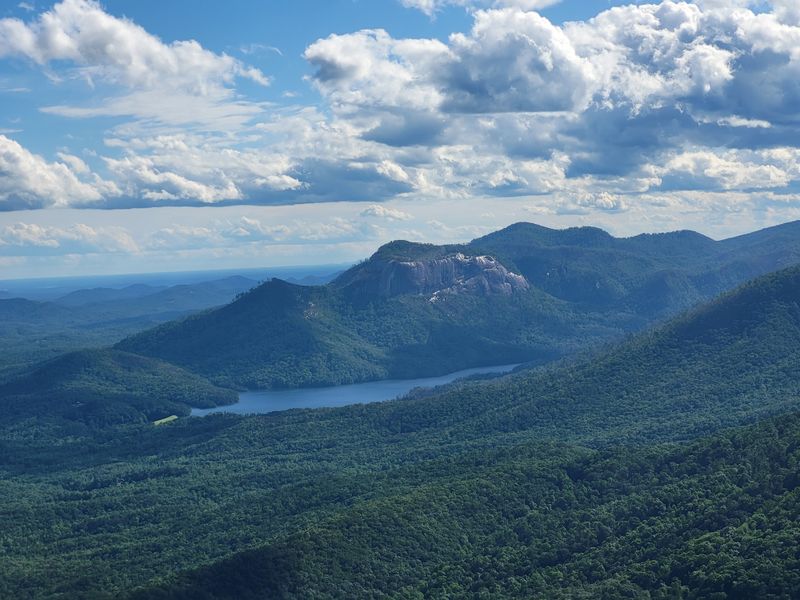
Pavement transforms into poetry when it winds through these ancient mountains. Cherokee sits at the intersection of some of America’s most breathtaking roadways, yet countless visitors never venture beyond the main commercial strip.
The Blue Ridge Parkway and Newfound Gap Road offer experiences that redefine what driving can mean.
The Blue Ridge Parkway stretches 469 miles from Virginia to Cherokee, where it terminates near the Oconaluftee Visitor Center. This engineering marvel maintains a leisurely pace with a forty-five mile per hour speed limit that encourages savoring rather than rushing.
Overlooks appear every few miles, each offering different perspectives on the endless mountain ridges.
Newfound Gap Road climbs from Cherokee through Great Smoky Mountains National Park to Gatlinburg, Tennessee, crossing the state line at 5,046 feet elevation. The thirty-mile route passes through multiple ecological zones, with vegetation changing dramatically as you ascend.
Pull-offs provide access to trailheads and viewpoints where the world spreads out below in layers of blue-hazed peaks.
Fall foliage transforms these drives into pilgrimages that attract visitors from around the world. Spring wildflowers and summer greenery offer their own rewards for those willing to slow down and look around properly.
13. Overlooking Local Cultural Events And Festivals
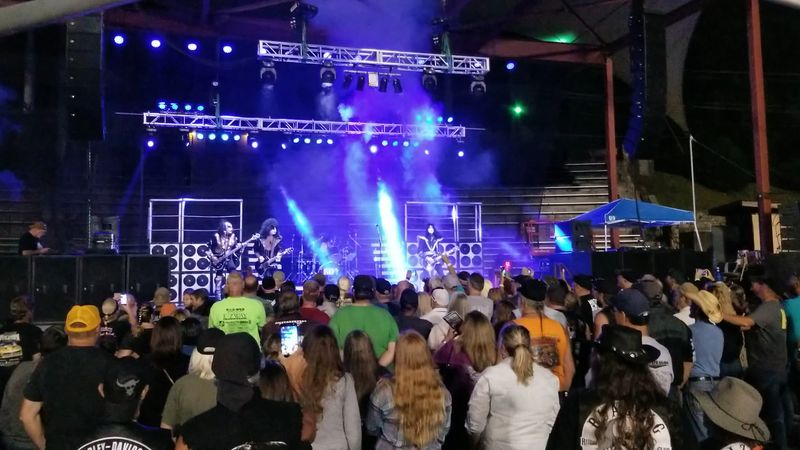
Cherokee’s calendar pulses with celebrations that reveal the community’s living culture. Rookies who don’t research event schedules before booking trips miss opportunities to witness traditions that outsiders rarely experience.
Pow wows, festivals, and cultural demonstrations happen throughout the year, each offering unique windows into Cherokee life.
The Cherokee Indian Fair runs each October, bringing together tribal members for competitions, traditional games, and social gatherings that have occurred for over a century. Stickball games showcase the ancient sport that predates European contact, with athleticism and strategy that rival any modern competition.
Arts and crafts exhibitions during the fair display the highest quality Cherokee work available anywhere.
Unto These Hills outdoor drama performs throughout summer at the Mountainside Theatre at 688 Drama Road, telling Cherokee history through live performance. The production runs nearly two hours and employs both professional actors and community members in a collaboration that’s continued since 1950.
Evening performances under the stars create atmosphere that indoor theaters can’t match.
Smaller events happen regularly, from storytelling sessions to craft demonstrations and musical performances. Check Cherokee’s visitor information resources before you arrive, and plan your trip around events that interest you most.
Timing your visit right transforms good vacations into extraordinary cultural immersions.