12 Los Angeles, California Neighborhoods Locals Adore For Their Culture, Character, And Community
Every great city hides its best stories in plain sight. Step away from the usual landmarks and a richer experience begins to unfold.
Streets start to feel more personal. Cafés know their regulars. Murals speak louder than billboards.
Life moves at a rhythm shaped by the people who call each block home. This is where everyday moments turn into lasting memories.
Across California, few places offer such a layered sense of identity as Los Angeles. Its neighborhoods are not just areas on a map. They are living communities shaped by history, creativity, and pride.
One block may echo with old Hollywood charm while another pulses with modern art and fresh ideas.
Front porches invite conversation. Local shops become gathering points. Traditions are passed down quietly through food, music, and shared routines.
What makes these pockets special is not spectacle. It is authenticity. The feeling that you are seeing the city as it truly lives and breathes.
For those willing to explore deeper, Los Angeles reveals a collection of neighborhoods that feel less like destinations and more like home.
1. Silver Lake
Winding hillside streets and modernist architecture give Silver Lake a character that feels both artistic and unpretentious.
Craftsman bungalows sit alongside mid-century homes, many tucked into slopes with views that stretch toward downtown or the reservoir.
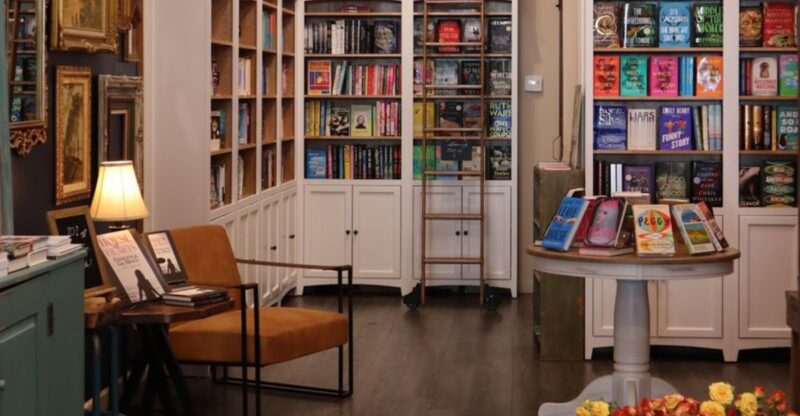
The neighborhood has drawn creative professionals for decades, and that influence shows in the independent bookstores, vintage shops, and cafes that line Sunset Boulevard.
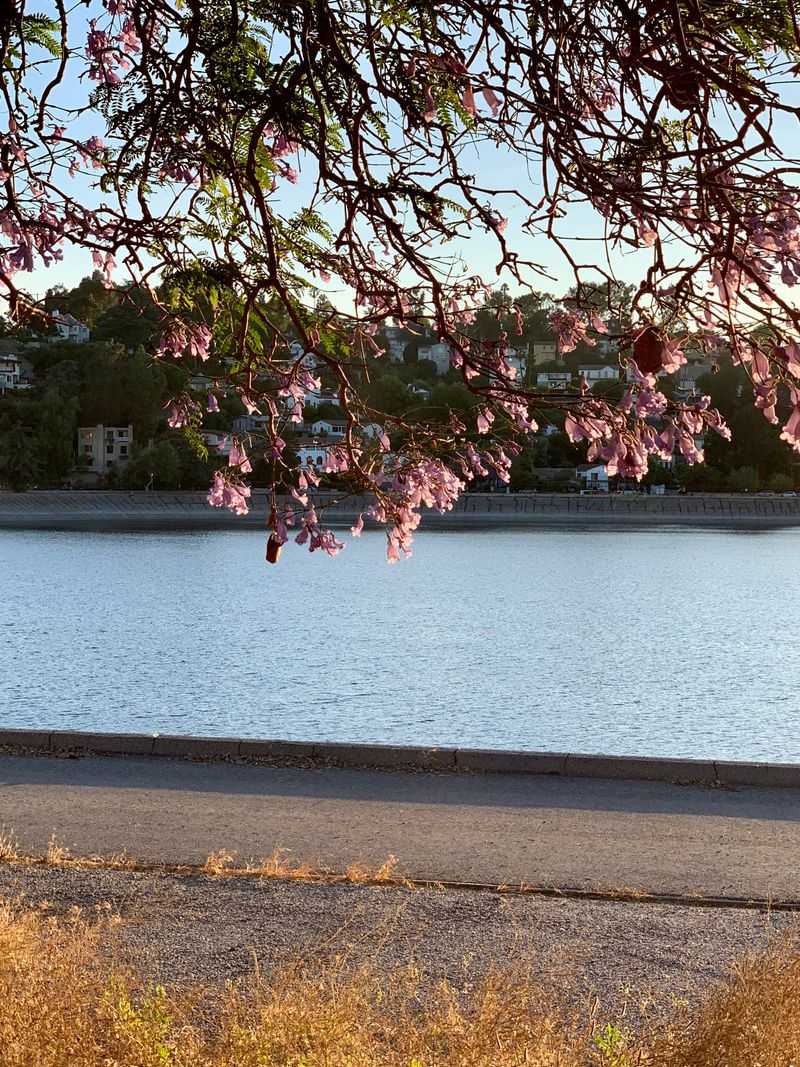
Silver Lake Reservoir anchors the community with a walking path that loops nearly two and a half miles, offering a quiet retreat where locals jog, walk dogs, and watch the light change over the water.
The surrounding grassy areas invite picnics and casual gatherings, especially on weekends when the path fills with neighbors catching up.
Nearby Sunset Junction serves as a central meeting point, where small businesses and eateries create a walkable hub.
The neighborhood’s charm lies in its mix of longtime residents and newcomers who value authenticity over trends.
Streets like Micheltorena and Griffith Park Boulevard feel residential and grounded, with front porches and community gardens adding warmth.
Silver Lake maintains a relaxed pace despite its proximity to busier parts of the city, and that balance keeps people coming back year after year.
2. Echo Park
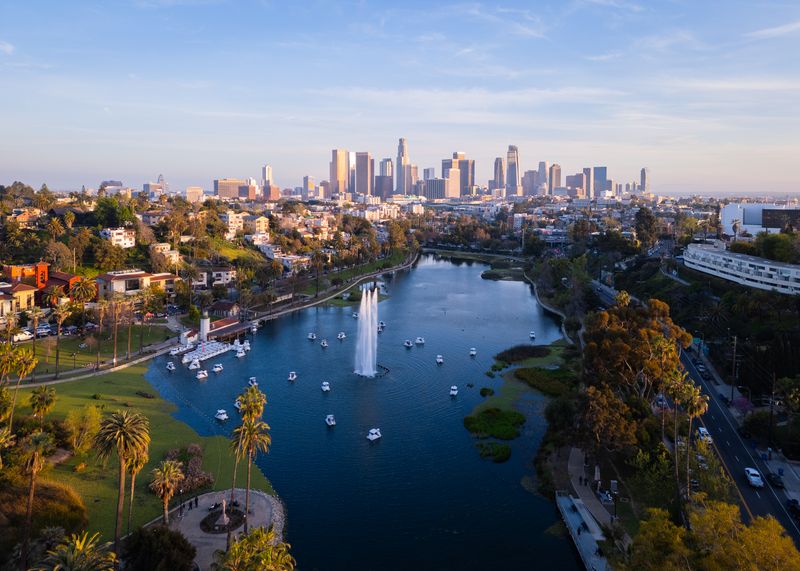
Echo Park Lake sits at the heart of this neighborhood, drawing families, couples, and solo visitors who come to feed the ducks, rent pedal boats, or simply sit by the water.
Palm trees frame the lake, and the fountain at its center adds a touch of old Los Angeles charm.
The surrounding park hosts community events, from movie nights to cultural celebrations, creating a gathering space that feels accessible to everyone.
Sunset Boulevard cuts through Echo Park, lined with coffee shops, taco stands, and vintage clothing stores that reflect the area’s creative energy.
The neighborhood has long attracted musicians, artists, and writers, and that influence remains visible in the murals, independent galleries, and live music venues scattered throughout.
Residential streets climb the hills, where colorful houses and apartment buildings overlook the lake and downtown skyline.
Echo Park balances its bohemian roots with a growing number of newer businesses, yet the community spirit remains strong.
Neighbors know each other by name, and local spots like the weekly farmers market foster connection.
The area feels walkable and lived-in, with parks, playgrounds, and corner stores creating a rhythm that suits both longtime residents and those just discovering its appeal.
3. Highland Park
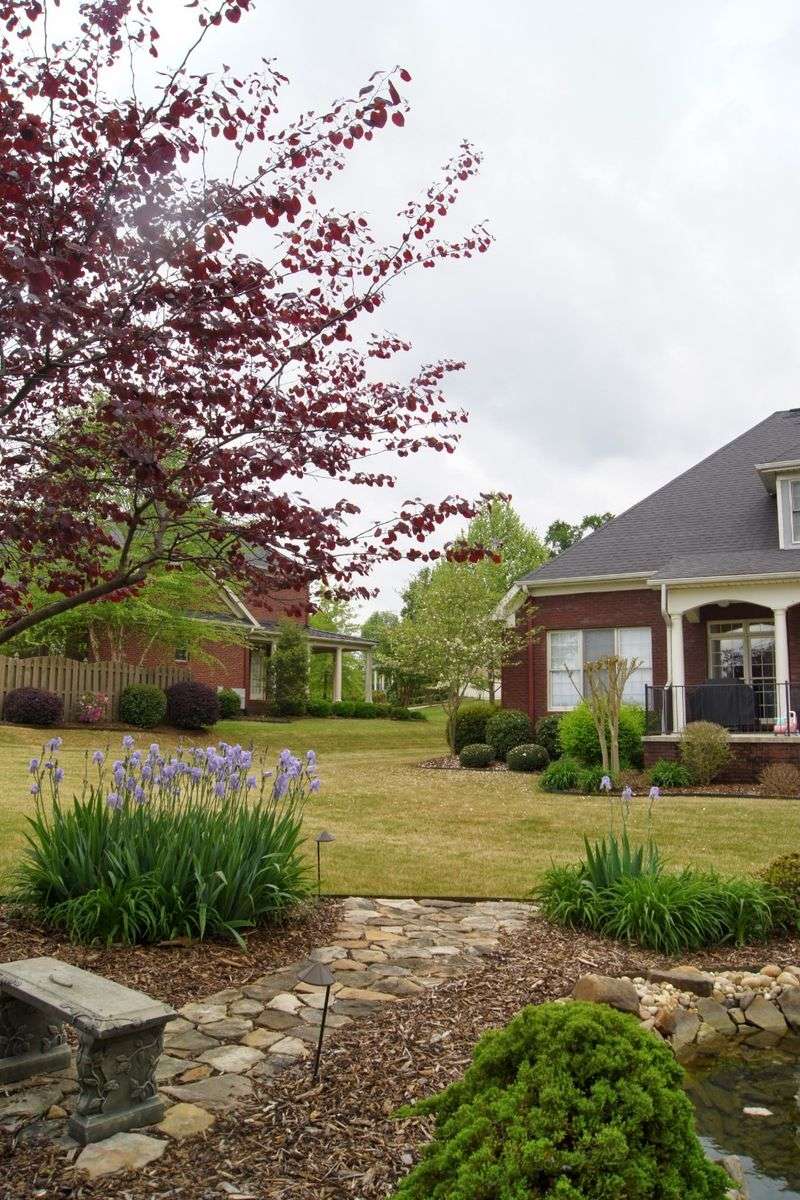
York Boulevard serves as Highland Park’s main artery, where indie coffee shops, vintage boutiques, and art galleries create a vibrant street scene.
The neighborhood has become a magnet for younger creatives seeking affordability and character, and that shift shows in the mix of longstanding businesses and newer arrivals.
Craftsman homes line quiet streets, many restored with care, while murals and street art add bursts of color to building facades.
Figueroa Street offers another corridor of activity, with restaurants serving everything from traditional Mexican dishes to inventive small plates.
The area’s cultural diversity remains one of its defining features, with families who have lived here for generations alongside recent transplants drawn by the community feel.
Heritage Square Museum sits nearby, showcasing Victorian-era architecture and offering a glimpse into the area’s history.
Highland Park maintains a neighborhood rhythm that feels both relaxed and energized.
Weekends bring crowds to the farmers market and local eateries, while weekday mornings see commuters stopping for coffee before heading downtown.
The sense of community runs deep, with neighbors supporting local businesses and participating in street festivals and block parties that celebrate the area’s evolving identity.
4. Koreatown
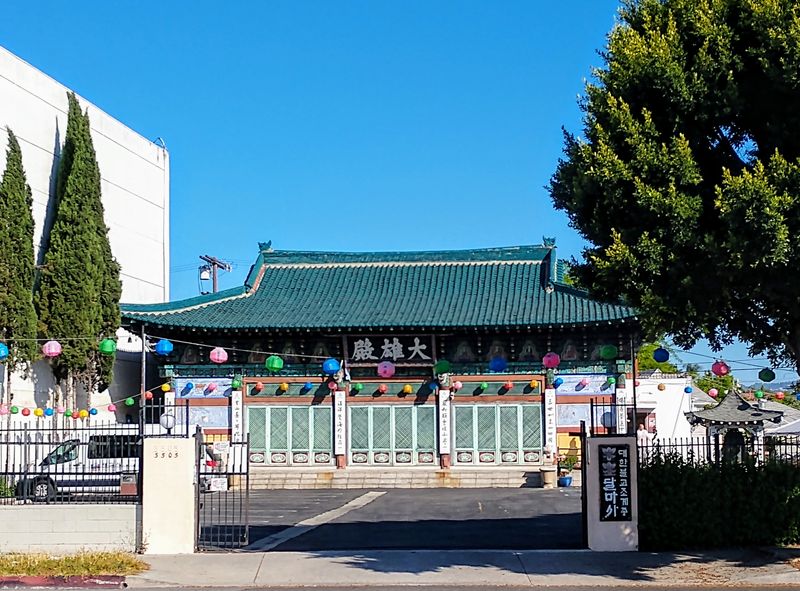
Neon signs glow above Wilshire Boulevard and Western Avenue, marking Koreatown as one of the city’s most densely packed and culturally rich neighborhoods.
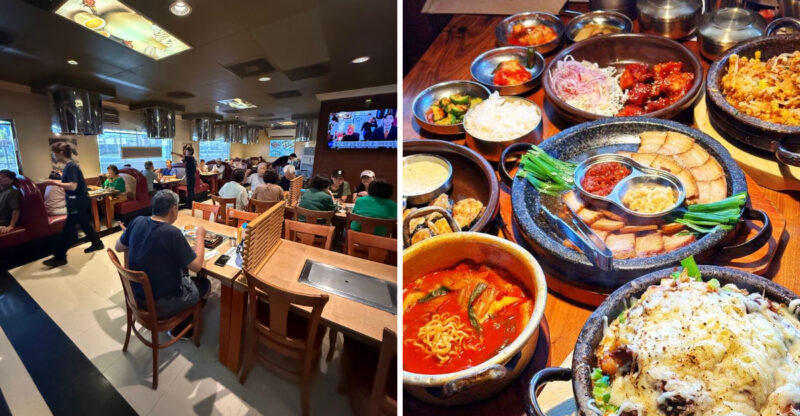
Korean barbecue restaurants, karaoke lounges, and 24-hour cafes create a district that never seems to sleep.
The area serves as a cultural hub for the Korean American community while welcoming visitors from across the city who come for the food, nightlife, and energy that pulses through the streets.
High-rise apartment buildings dominate the skyline, housing a diverse population that includes students, young professionals, and families.
The neighborhood’s walkability sets it apart from much of Los Angeles, with shops, markets, and restaurants clustered within blocks of each other.
Chapman Plaza and other shopping centers offer everything from cosmetics to baked goods, while street-level storefronts house small businesses that have served the community for decades.
Koreatown’s appeal extends beyond its commercial corridors, with parks like Normandie Park providing green space for recreation and relaxation.
The area feels alive at all hours, whether it’s early morning commuters grabbing breakfast or late-night diners enjoying hot pot after a concert.
This neighborhood thrives on its blend of tradition and modernity, where cultural heritage meets urban living in a way that feels uniquely Los Angeles.
5. Los Feliz
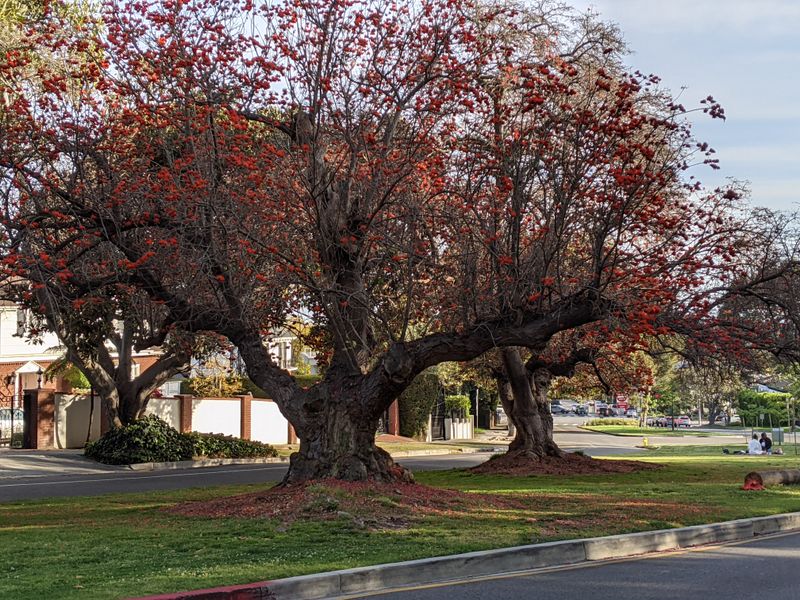
Hillhurst Avenue and Vermont Avenue form the commercial heart of Los Feliz, where neighborhood theaters, bookstores, and casual eateries create a village-like atmosphere.
The historic Los Feliz Theatre anchors the district, its vintage marquee a familiar sight to locals who have been catching movies there for years.
Surrounding streets feel residential and tree-shaded, with Spanish Colonial Revival homes and mid-century apartments tucked into the hillside.
Griffith Park borders the neighborhood to the north, offering residents immediate access to hiking trails, the Griffith Observatory, and acres of open space.
This proximity to nature adds to Los Feliz’s appeal, allowing people to transition from urban sidewalks to mountain paths within minutes.
The park’s trails range from easy loops to steep climbs, drawing everyone from casual walkers to serious hikers.
Los Feliz maintains a relaxed sophistication that attracts writers, filmmakers, and professionals who value its central location and neighborhood feel.
Corner cafes fill with laptop users during the day, while evening brings couples and groups to dinner spots along Vermont.
The area feels established and comfortable, with a sense of history that comes from decades of residents who have chosen to stay and build community here.
6. Venice
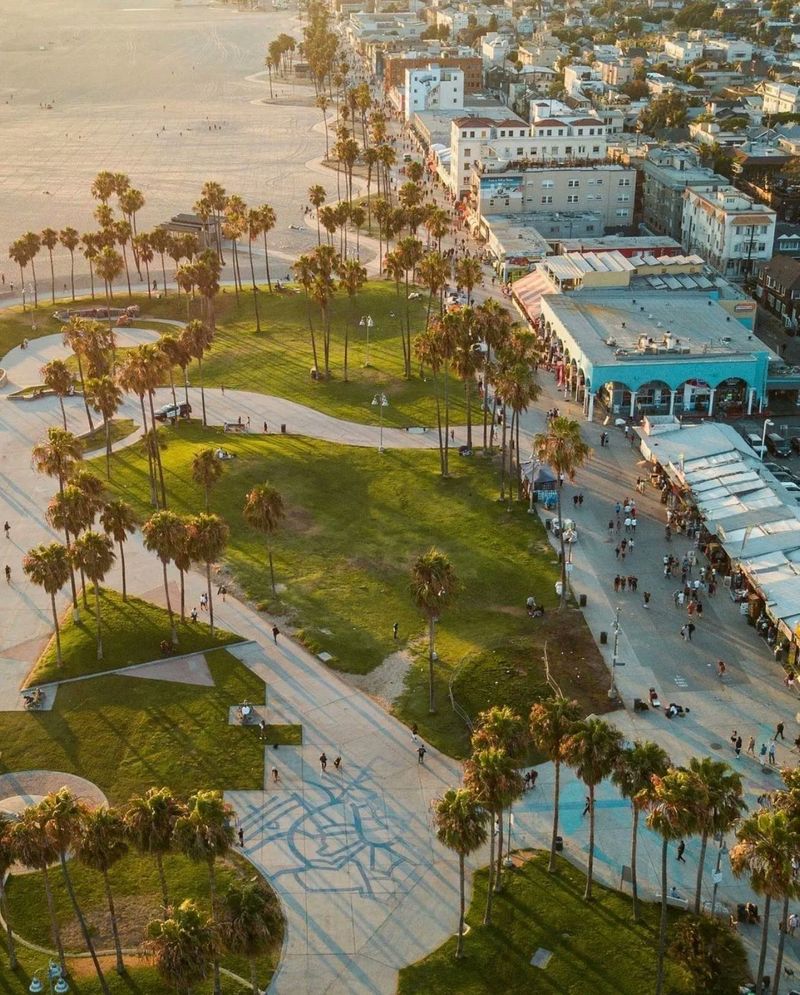
Canals wind through a quiet residential section of Venice, where small bridges connect walkways and ducks glide past homes with gardens spilling over fences.
This area feels worlds away from the bustling boardwalk just blocks away, offering a serene pocket where residents kayak, walk, and enjoy the water views.
The canals date back over a century, originally designed to evoke the Italian city they’re named after, and they remain one of Venice’s most distinctive features.
Abbot Kinney Boulevard represents the neighborhood’s commercial soul, lined with boutiques, galleries, and restaurants that draw crowds throughout the week.
The street has evolved over the years, shifting from a grittier past to a destination known for design-forward shops and creative dining.
Despite the changes, Venice retains its bohemian spirit, visible in the street performers, murals, and skate culture that define the boardwalk and surrounding areas.
The beach itself anchors daily life for many residents, who surf, bike, or simply watch the sunset from the sand.
Venice blends its counterculture roots with a growing influx of tech workers and entrepreneurs, creating a community that feels both eclectic and evolving.
The neighborhood’s character remains tied to its openness and creativity, where self-expression and individuality are not just accepted but celebrated.
7. Atwater Village
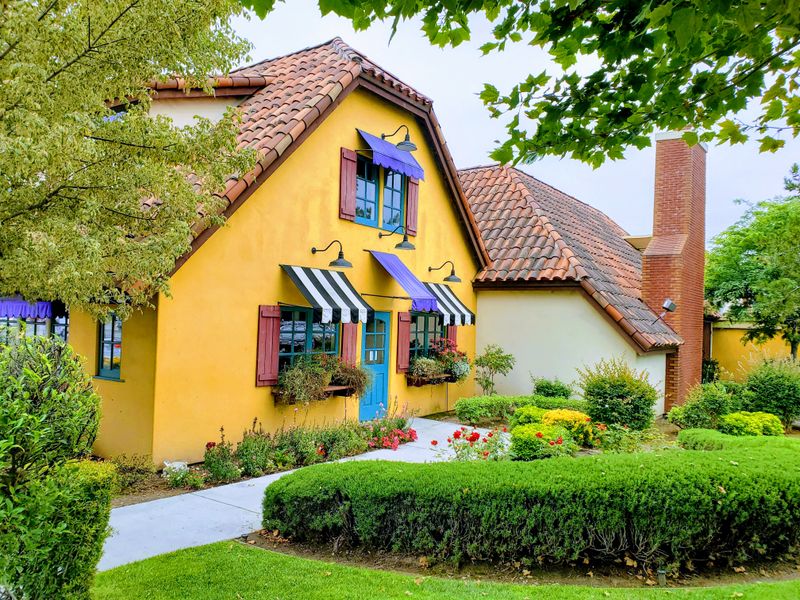
Atwater Village sits along a gentle bend of the Los Angeles River, offering a neighborhood feel that blends small-town warmth with creative energy.
Glendale Boulevard forms the commercial spine, lined with independent restaurants, bakeries, and cafes that draw locals from surrounding neighborhoods without overwhelming the area.
Residential streets feel calm and family-oriented, with Spanish-style homes, modest bungalows, and mature trees creating a lived-in atmosphere.
The nearby LA River Greenway provides space for walking, biking, and casual recreation, giving residents easy access to outdoor activity without leaving the neighborhood.
Atwater Village has become known for supporting locally owned businesses, many of which have developed loyal followings among longtime residents.
The pace here feels slower than nearby Silver Lake or Los Feliz, which appeals to people seeking community without constant crowds.
Weekend mornings bring neighbors to coffee shops and casual brunch spots, while evenings remain relaxed and low-key.
The neighborhood’s appeal lies in its balance of creativity and consistency, where change happens gradually and community connections remain strong.
8. West Adams
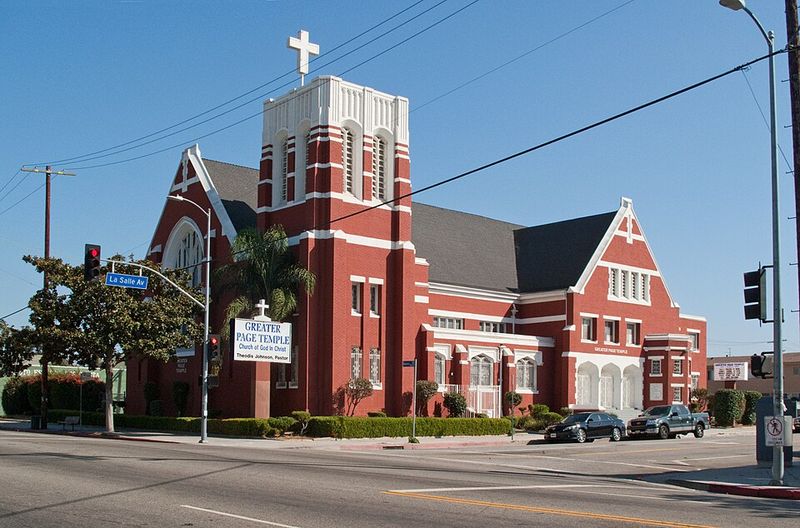
Grand Victorian and Craftsman homes line the streets of West Adams, showcasing architectural details that tell the story of early 20th-century Los Angeles.
Wide porches, stained glass windows, and carefully maintained gardens give the neighborhood a historic feel that sets it apart from more modern developments.
Many of these homes have been lovingly restored by residents who appreciate the character and craftsmanship of a bygone era.
The neighborhood’s cultural significance runs deep, with a rich African American heritage that includes various landmarks.
West Adams has long been a center for Black entrepreneurship and community organizing, and that legacy continues through local businesses, cultural events, and neighborhood associations.
The area’s diversity extends beyond any single group, creating a multicultural environment where different backgrounds and traditions intersect.
West Adams offers proximity to downtown, Culver City, and other major employment centers, making it attractive to those who value both history and convenience.
The neighborhood feels residential and grounded, with tree-lined streets that invite walking and front yards where neighbors stop to chat.
Recent years have brought renewed interest in the area, with homebuyers drawn to the combination of architectural beauty, community spirit, and central location that defines West Adams.
9. Eagle Rock
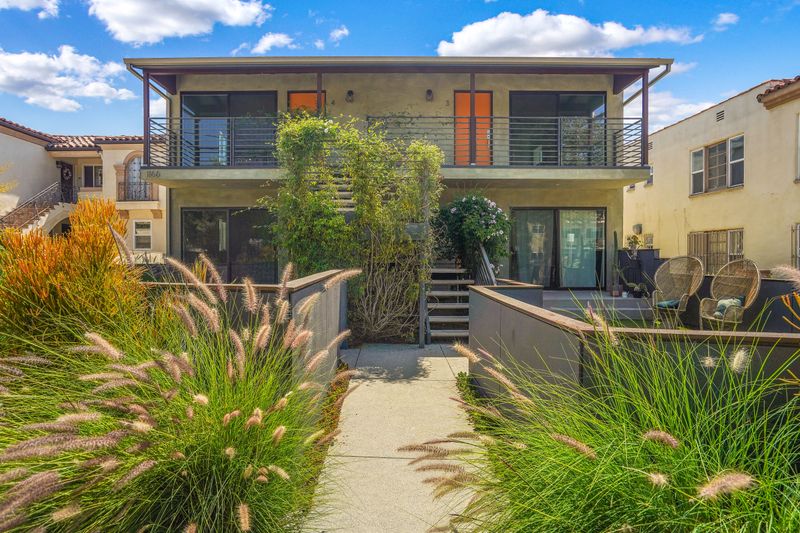
Here is a spot that offers a neighborhood atmosphere rooted in history, diversity, and a strong sense of local identity.
Colorado Boulevard runs through the heart of the area, hosting bookstores, restaurants, and small shops that serve residents rather than tourists.
The neighborhood takes its name from a massive rock formation in Eagle Rock Park, which provides hiking trails and panoramic views over Northeast Los Angeles.
Residential streets feature Craftsman homes, mid-century houses, and apartment buildings that reflect the area’s gradual growth over time.
Eagle Rock has long attracted educators, artists, and families, supported by its proximity to Occidental College and several community-focused institutions.
Local schools, libraries, and parks play a visible role in daily life, reinforcing the area’s family-friendly reputation.
Community events and street festivals bring neighbors together throughout the year, fostering a sense of continuity across generations.
Eagle Rock feels grounded and approachable, offering culture and character without the intensity found in more nightlife-driven neighborhoods.
10. Chinatown
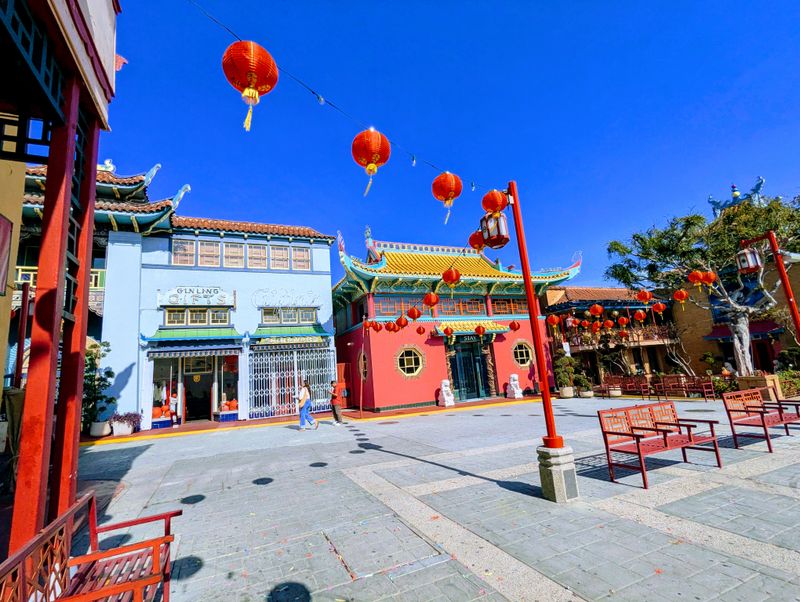
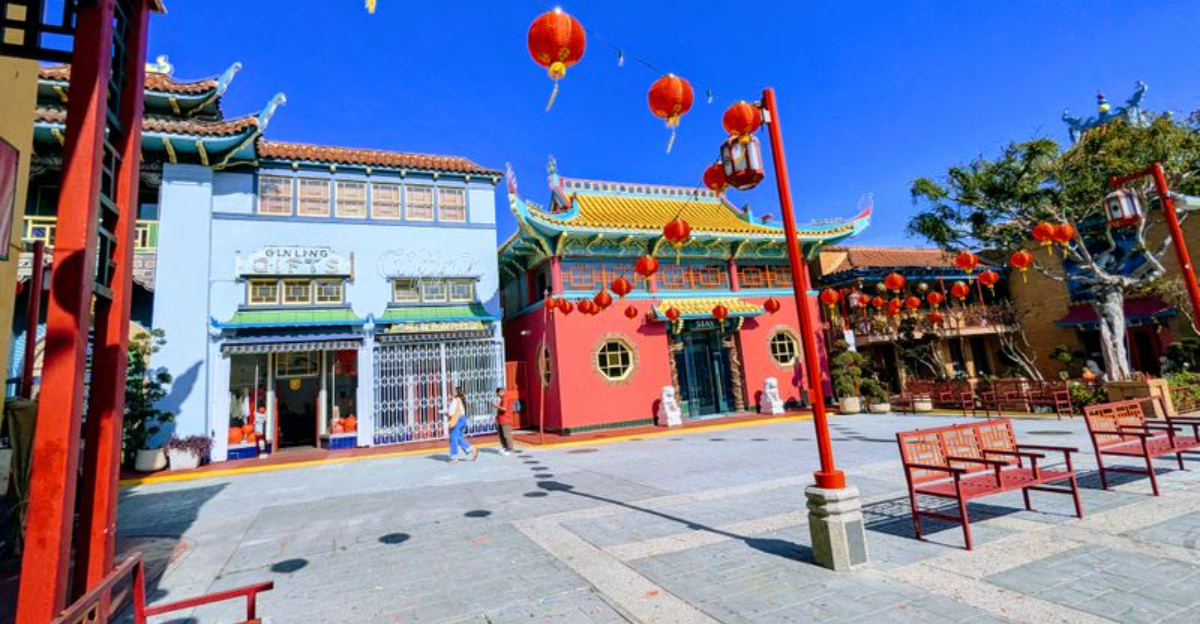
Red lanterns hang above Broadway and Hill Street, marking the entrance to Chinatown’s Central Plaza at 943 N Broadway, Los Angeles, CA 90012, where traditional architecture frames a courtyard filled with shops and restaurants.
The neighborhood serves as a cultural anchor for the Chinese American community while evolving to include contemporary art galleries and modern eateries.
This blend of old and new creates a district where herbal medicine shops sit next door to coffee roasters, and dim sum restaurants share blocks with creative studios.
Far East Plaza offers a more intimate shopping experience, with small vendors selling everything from fresh produce to imported goods.
The neighborhood’s markets remain essential gathering places, where multiple generations shop for ingredients and catch up on community news.
Weekend mornings bring crowds to restaurants serving congee, roast duck, and other traditional dishes, with families claiming tables for leisurely meals that stretch into the afternoon.
Chinatown’s location near downtown makes it accessible by Metro, and its compact layout encourages walking from one end to the other.
The neighborhood has seen an influx of artists and young professionals drawn by affordable studio space and the area’s distinct character.
Despite ongoing changes, Chinatown retains its cultural identity through festivals like the annual Lunar New Year celebration, where dragon dances and firecrackers fill the streets with color and sound.
11. Leimert Park
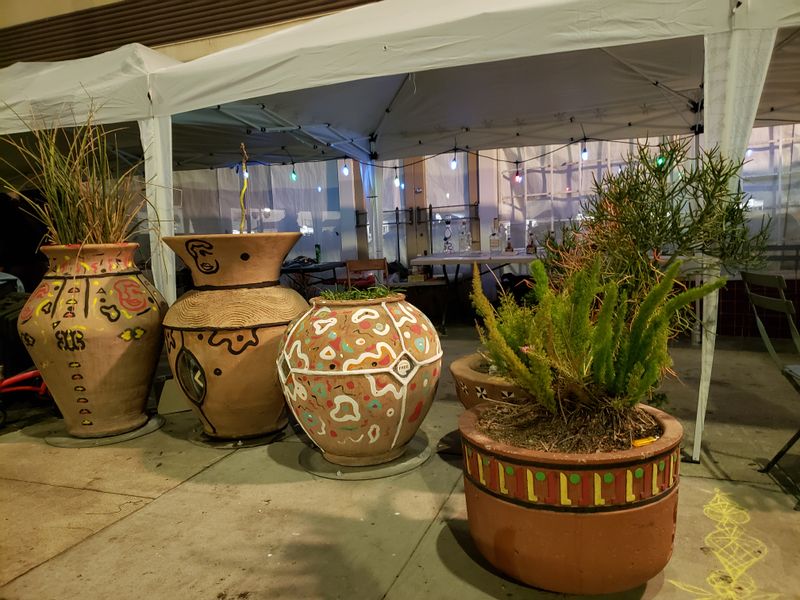
Leimert Park Village stands as a cultural epicenter for African American art, music, and community life in Los Angeles.
The neighborhood’s legacy includes decades of jazz performances, with musicians gathering at spots like the World Stage to jam, teach, and keep the tradition alive.
Crenshaw Boulevard and Degnan Boulevard intersect at the heart of the district, where murals honor civil rights leaders and cultural icons, and local businesses reflect the community’s heritage.
The park itself serves as a central gathering place, with a circular design that invites community events, from drum circles to cultural festivals.
Leimert Park has long been a space where artists, activists, and residents come together to celebrate Black culture and address community concerns.
The Vision Theatre anchors the area as a historic venue for performances and gatherings, maintaining its role as a cultural institution.
Recent years have brought attention to Leimert Park as Metro construction promises to improve transit connections, yet residents remain focused on preserving the neighborhood’s unique character.
Local galleries showcase work by Black artists, while bookstores and cafes provide spaces for conversation and creativity.
The community’s strength lies in its commitment to cultural preservation and self-determination, with longtime residents working to ensure that development benefits those who have called Leimert Park home for generations.
12. Studio City
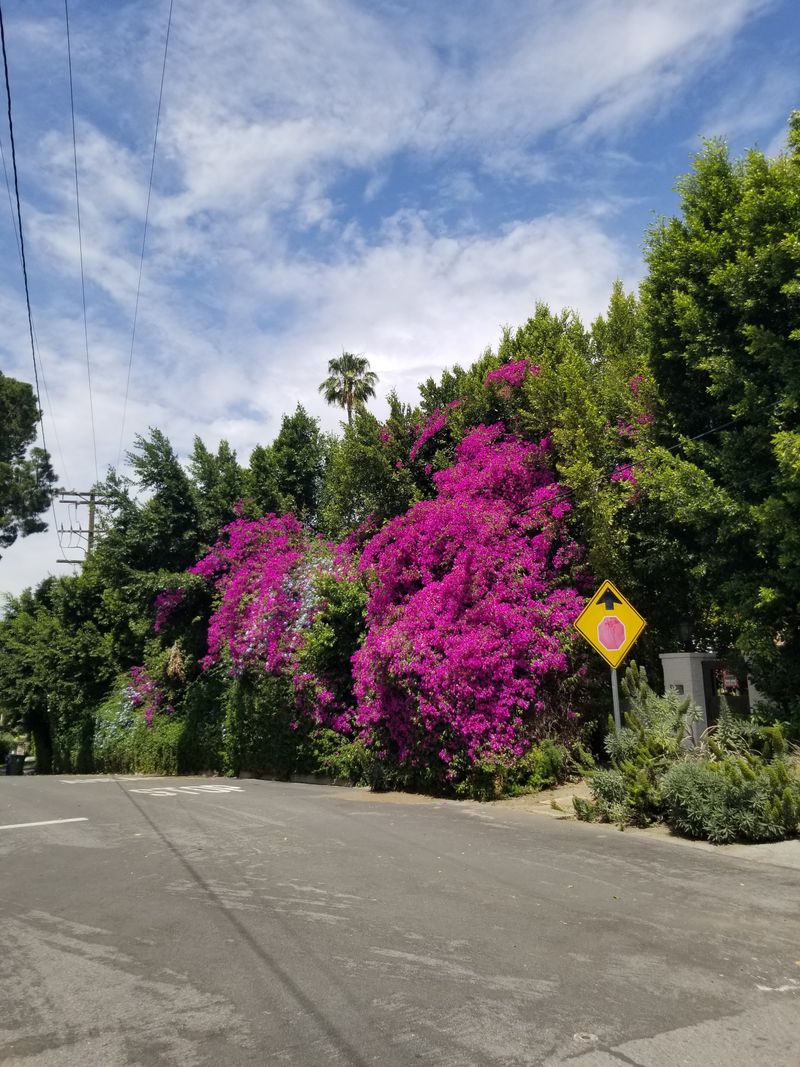
Ventura Boulevard runs the length of Studio City, lined with restaurants, shops, and services that create a neighborhood commercial strip with a suburban feel.
The area attracts families and entertainment industry professionals who value its proximity to studios and its reputation for good schools.
Tree-canopied streets lead to residential blocks where single-family homes range from ranch-style to contemporary, many with well-tended lawns and backyard pools.
CBS Studio Center sits within the neighborhood, a reminder of Studio City’s connection to television and film production.
That industry presence influences the local economy and culture, with production crews frequenting nearby cafes and restaurants between shoots.
Despite this connection, the neighborhood maintains a low-key atmosphere, more focused on daily life than Hollywood glamour.
Studio City offers access to outdoor recreation through the nearby Fryman Canyon trails, where hikers climb to views over the San Fernando Valley.
The neighborhood’s main streets fill with weekend brunch crowds, while weekday afternoons see parents picking up kids from school and stopping at the farmers market.
This balance between residential comfort and urban convenience defines Studio City’s appeal, creating a community where people settle in for the long term, building lives around schools, parks, and the familiar rhythm of neighborhood routines.