This Dreamy Victorian Town In California Feels Like It Belongs In Another Era
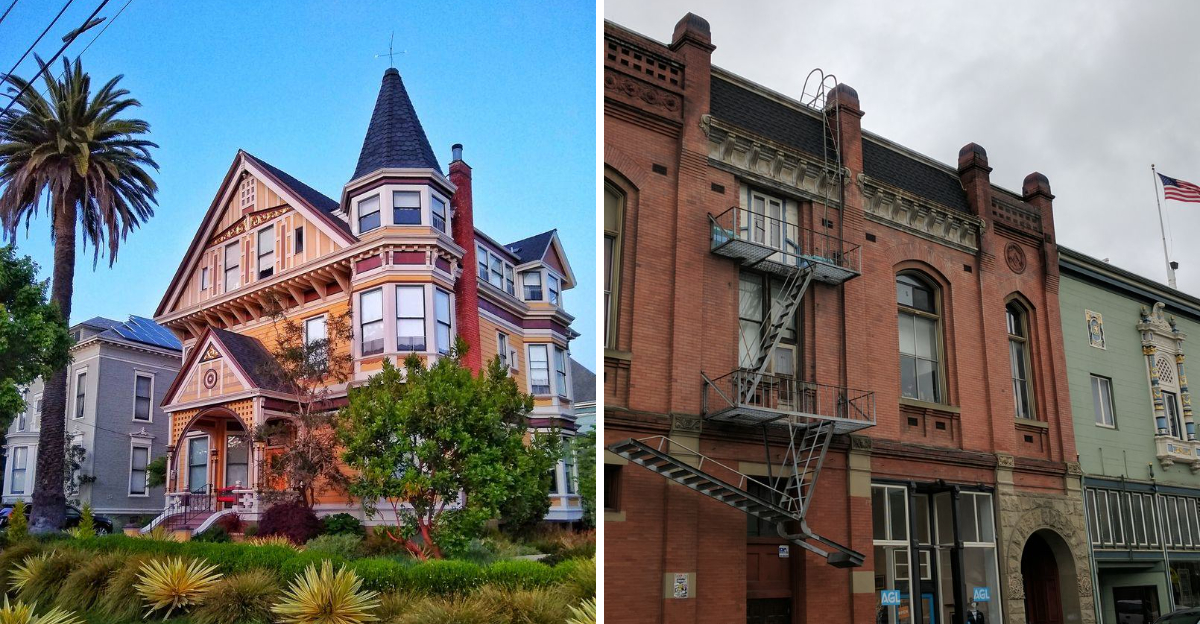
The walk begins on a quiet residential street, where Victorian homes rise close to the sidewalk and set the tone immediately.
Towers, gables, and ornate trim appear one after another, forming a streetscape shaped long before modern traffic or hurried routines.
The spacing feels deliberate, the details purposeful, and the atmosphere unmistakably rooted in another century.
Mature trees line the blocks, casting soft shade and reinforcing the sense that this neighborhood was built for walking, conversation, and daily life at a slower pace.
Alameda preserves this feeling with remarkable care, offering one of the most immersive Victorian-era streetscapes in California.
Here, homes built in the 19th century stand shoulder to shoulder, their towers, gables, and painted ladies telling stories of prosperity, ambition, and refined taste.
These residences were not hurried creations. They were statements, meant to endure and impress, and many still do exactly that today.
Walking through Alameda feels less like sightseeing and more like stepping into a living chapter of history. The scale feels human, the pace unhurried, and the surroundings quietly expressive.
1. Seven Distinct Victorian Styles Stand Side By Side
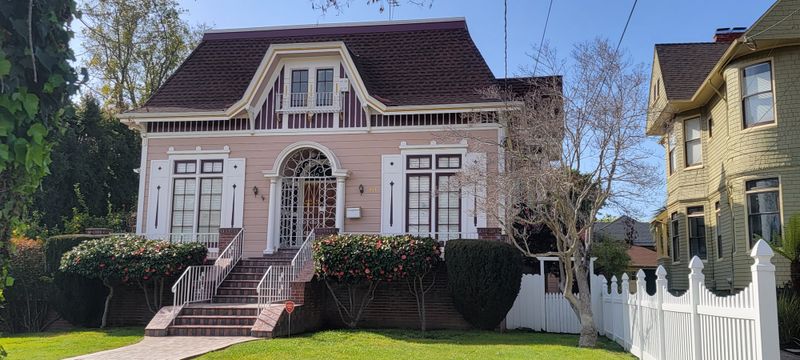
Walking through Alameda reveals an architectural textbook of Victorian design, with seven major styles represented throughout the city’s neighborhoods.
Gothic Revival homes rise with pointed arches and steep gables, while Italianate buildings showcase their characteristic flat roofs and ornate brackets.
Second Empire structures display their signature mansard roofs, and Stick-style homes reveal their exposed framework as decorative elements.
Queen Anne Victorians dominate many blocks with their asymmetrical facades, turrets, and fish-scale shingles in contrasting colors.
Shingle-style homes present a quieter elegance with their continuous wood surfaces and flowing forms.
The variety means almost every block offers something different to notice. These styles weren’t built in isolation but often share the same streets, creating visual interest as architectural fashions shifted through the decades.
Multi-textured walls combine wood siding, shingles, and decorative panels, while steeply pitched roofs add dramatic silhouettes against the California sky.
The ornamentation ranges from delicate spindlework to bold carved details, each style expressing the aesthetic values of its particular moment in Victorian history.
Preservation guidelines now protect these features, ensuring that repairs and updates maintain the original character that makes each style recognizable and authentic.
2. Park Street’s Commercial District Preserves 1860s Business Buildings
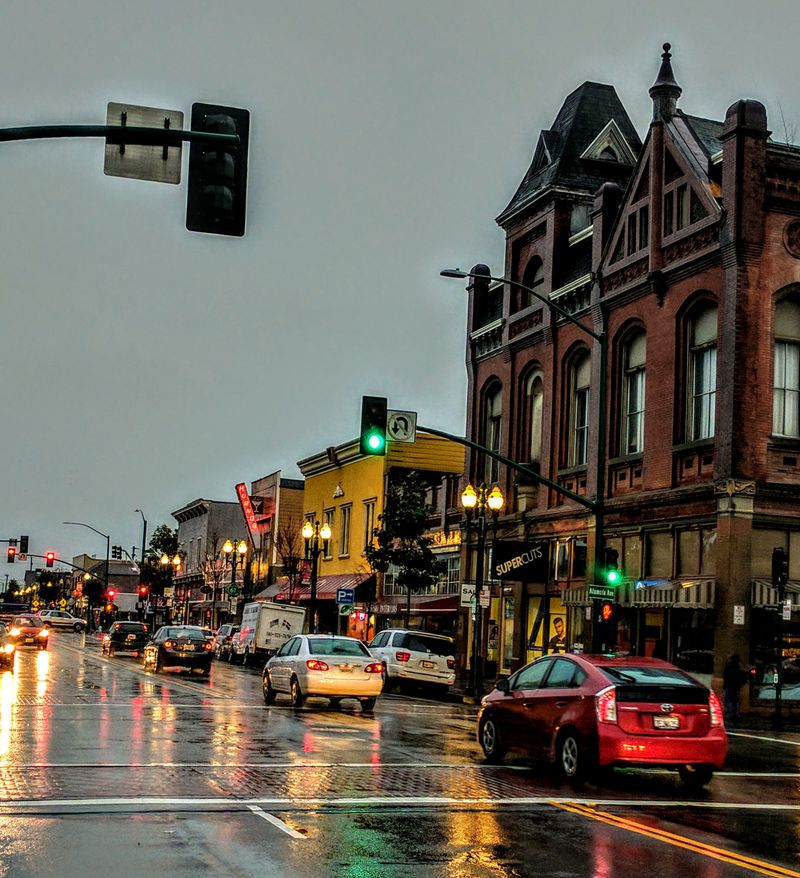
The Park Street Historic Commercial District developed between the 1860s and 1880s as Alameda’s main business corridor, and many original structures still serve commercial purposes today.
Brick facades with tall arched windows line the street, their designs reflecting the prosperity that came with the city’s growth during California’s post-Gold Rush expansion.
The district earned placement on the National Register of Historic Places, recognizing its architectural significance and intact streetscape.
Original storefronts retain their large display windows designed to show merchandise to passing pedestrians, while upper floors often feature decorative cornices and patterned brickwork.
Some buildings combine commercial ground floors with residential or office spaces above, following a mixed-use pattern common in 19th-century town planning. The scale remains human-sized, with most structures rising just two or three stories.
Modern businesses now occupy these Victorian shells, creating an interesting blend where contemporary services operate within historic spaces.
The district’s continuity allows visitors to experience how a Victorian commercial street actually functioned, with buildings shoulder to shoulder creating a continuous urban wall.
Preservation efforts focus on maintaining exterior features while allowing interior adaptations for current commercial needs.
3. Masonic Temple Showcases Victorian Eclectic Architecture
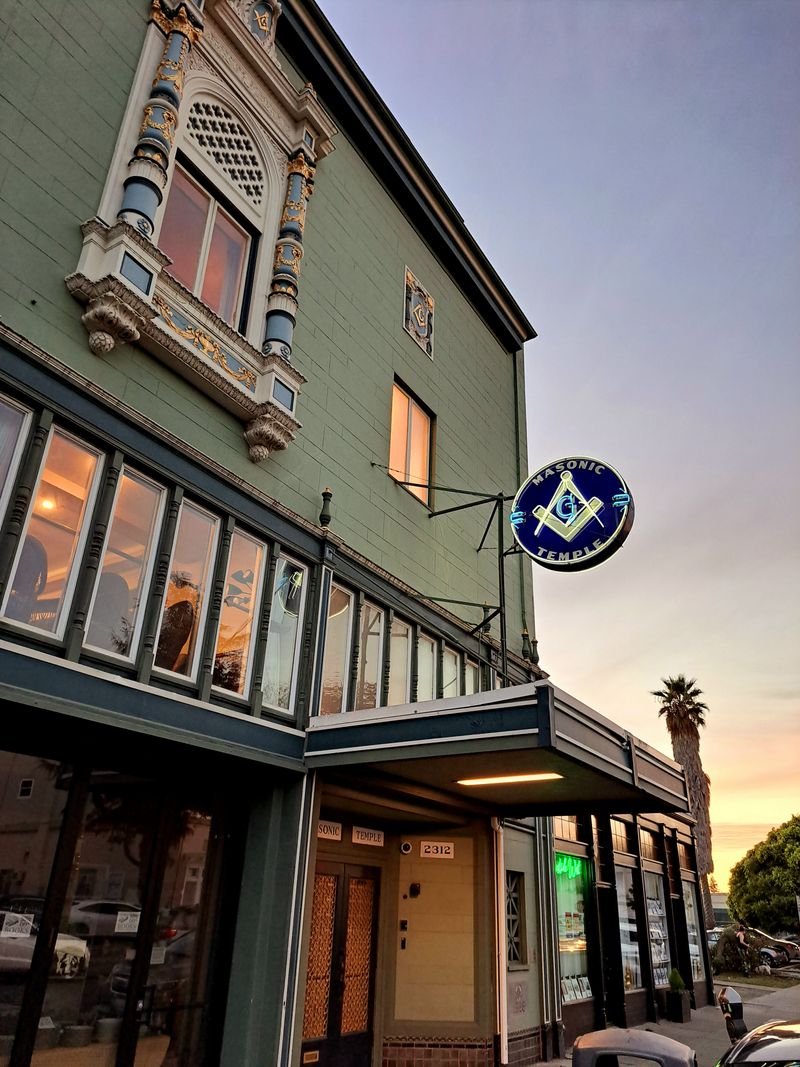
Built between 1890 and 1891, the Masonic Temple and Lodge at 1329–31 Park Street stands as one of Alameda’s most distinctive Victorian structures.
The building combines elements from multiple architectural traditions in the Victorian Eclectic style, creating a unique composition that stands out even on a street of notable buildings.
Brick piers provide structural support while adding visual weight to the facade.
A prominent tower rises from the corner, serving as both an architectural focal point and a marker visible from several blocks away.
The arched stone entrance features carved wooden doors that demonstrate the level of craftsmanship invested in fraternal organization buildings during this period.
These details weren’t merely decorative but signaled the importance and permanence of the Masonic organization within the community.
The building continues to function more than 130 years after its construction, demonstrating the durability of Victorian building techniques.
Its design reflects the confidence of Alameda’s Victorian-era civic institutions, which commissioned substantial structures meant to last generations.
The combination of materials—brick, stone, and wood—creates textural variety while maintaining a unified composition.
Preservation of such buildings requires specialized knowledge of period construction methods and materials to maintain authenticity during necessary repairs.
4. Queen Anne Homes Feature Signature Turrets And Porches
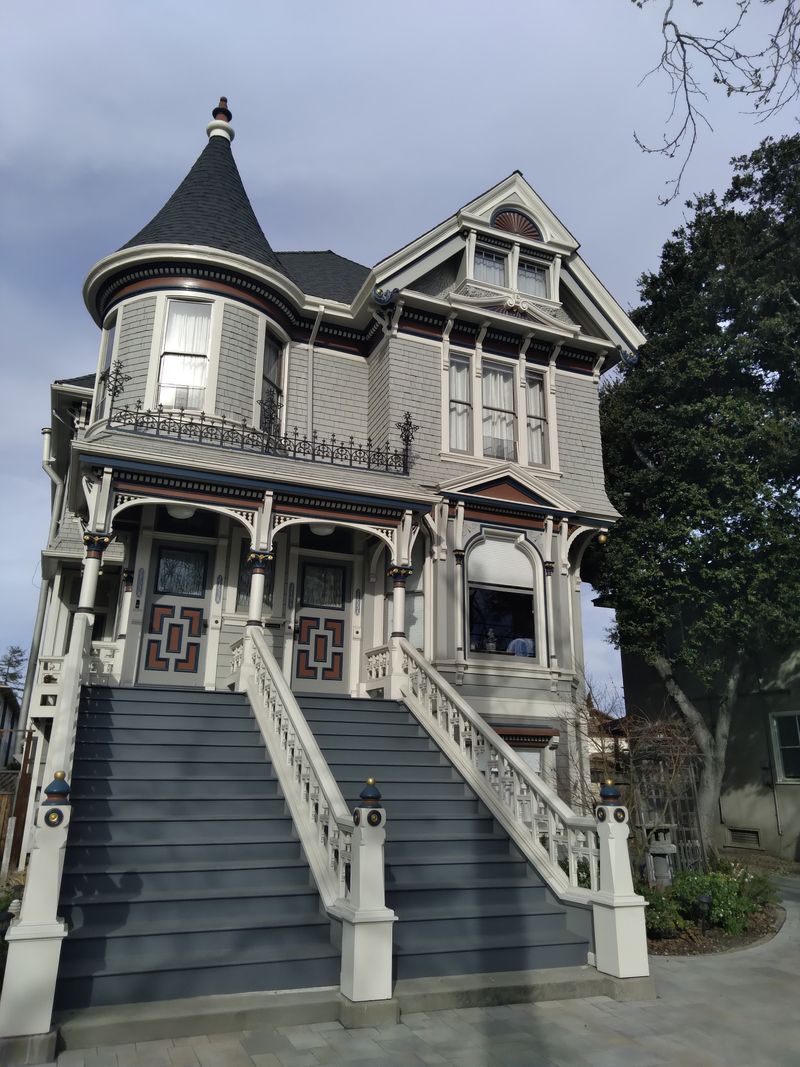
Queen Anne Victorians represent perhaps the most recognizable Victorian style in Alameda, with their dramatic forms dominating blocks along San Jose Avenue and San Antonio Avenue.
These homes embrace asymmetry as a design principle, with no two facades matching and floor plans that create interesting interior spaces.
Turrets rise at corners, providing cozy round rooms inside while creating the romantic silhouettes people associate with Victorian architecture.
Wraparound porches extend hospitality to the street, offering shaded outdoor spaces that encouraged social interaction with neighbors and passersby.
Multiple gables break up the roofline, each one often finished with different decorative treatments in wood shingles or bargeboard trim.
The style favored variety, so builders mixed textures and materials across different sections of the same house.
Color schemes often employ three or more hues to highlight architectural details, with contrasting paint emphasizing the ornamental woodwork that defines windows, corners, and rooflines.
These weren’t the somber gray houses of popular imagination but vibrant expressions of personal taste and craftsmanship.
Original Queen Annes incorporated the latest conveniences of their era, including indoor plumbing and gas lighting, making them modern homes for their time.
Today’s owners balance preservation of exterior character with updates to systems and interiors for contemporary comfort.
5. Preservation Society Protects Architecture Since 1972
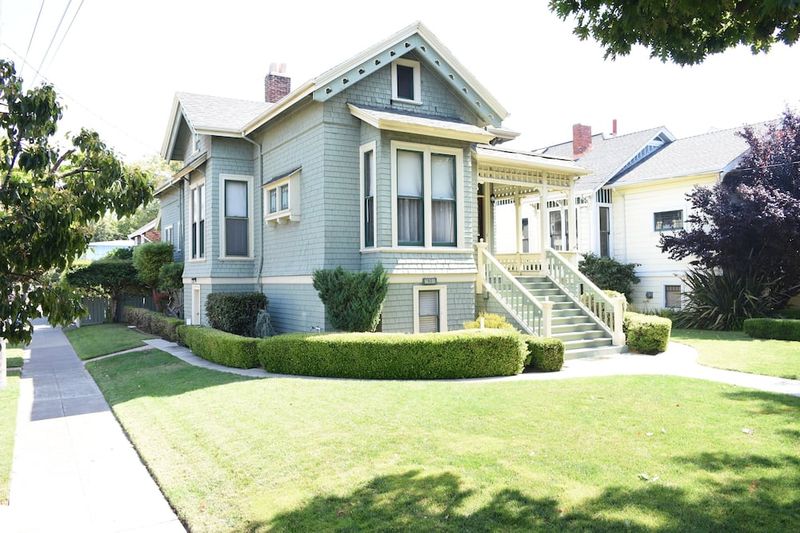
The Alameda Architectural Preservation Society formed in 1972 when residents recognized that their Victorian heritage faced threats from demolition and unsympathetic alterations.
AAPS advocates for the renovation and adaptive reuse of historic buildings rather than demolition, working with property owners to find practical solutions that preserve architectural character.
The organization provides resources, education, and support for restoration projects throughout the city.
Through more than five decades of work, AAPS has helped shift community attitudes toward historic buildings from viewing them as outdated obstacles to recognizing them as valuable assets.
The society reviews proposed changes to historic structures, offering guidance on period-appropriate materials and techniques.
Their advocacy has influenced city policies that now provide stronger protections for architecturally significant buildings.
Educational programs teach homeowners about Victorian construction methods, helping them make informed decisions about maintenance and repairs.
The organization also documents Alameda’s architectural history, creating resources that help residents understand the significance of their buildings.
AAPS demonstrates how grassroots preservation efforts can protect community character over the long term.
Their work ensures that knowledge about Victorian architecture passes to new generations of property owners who become stewards of these historic structures.
The society’s persistence has made Alameda a model for other communities seeking to preserve their architectural heritage.
6. Meyers House Opens Its Colonial Revival Interiors Monthly
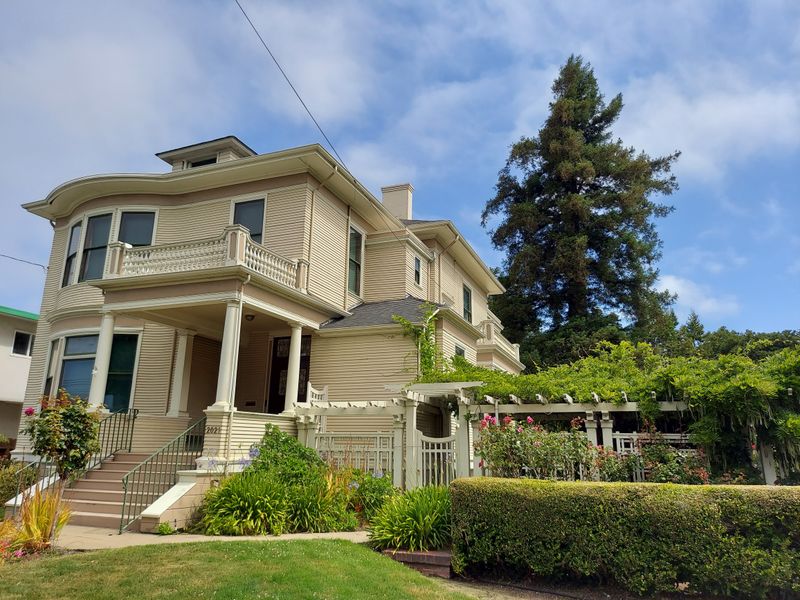
Erected in 1897, the Meyers House represents Colonial Revival architecture, a style that looked back to early American design rather than forward to new Victorian forms.
The house sits at 2021 Alameda Avenue and opens to the public on the fourth Saturday of each month, allowing visitors to experience an intact period interior.
Original fencing surrounds the property, defining the grounds as Victorian homeowners would have experienced them.
A three-car garage and carriage house remain on the property, showing how Victorian households accommodated transportation needs as the era transitioned from horses to automobiles.
The interiors retain period furnishings and decorative arts that illustrate upper-middle-class domestic life at the turn of the 20th century.
Room arrangements, lighting fixtures, and household objects provide tangible connections to daily routines from more than a century ago.
The garden has been maintained with period-appropriate plantings, creating an outdoor space that complements the architecture.
Public access allows residents and visitors to understand Victorian domestic architecture from the inside, seeing how rooms related to each other and how families actually used these spaces.
The Alameda Museum operates the house, ensuring professional care and interpretation.
Regular open hours make historic architecture accessible beyond just viewing exteriors from the sidewalk, deepening appreciation for the craftsmanship and lifestyle these buildings represent.
7. Annual Awards Celebrate Successful Restoration Projects
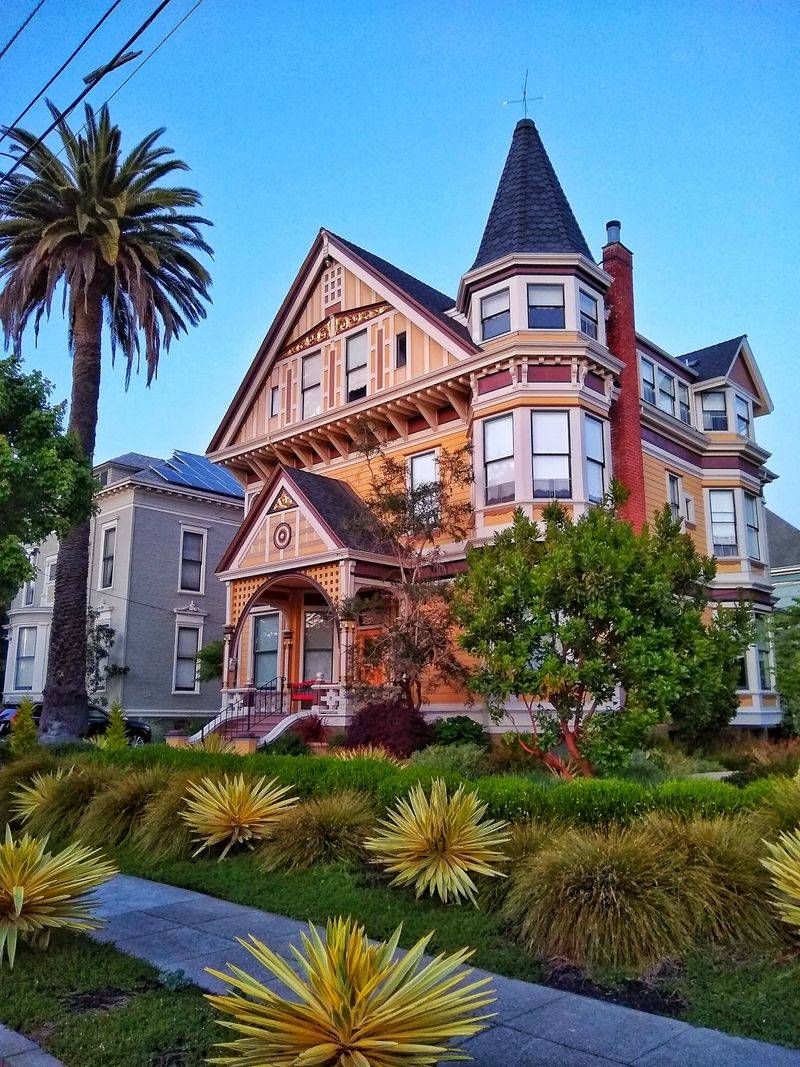
Each year, the Alameda Architectural Preservation Society recognizes outstanding restoration work through its Historic Preservation Awards program.
These awards celebrate property owners, architects, and contractors who have completed projects that maintain or restore the historic and architectural character of significant buildings.
Recognition goes to work that demonstrates careful attention to period details and appropriate use of materials. The awards serve multiple purposes beyond honoring individual projects.
They provide public examples of quality restoration work, helping other property owners understand what successful preservation looks like in practice.
Award-winning projects often become reference points for similar work elsewhere in the city.
The recognition also acknowledges the extra effort and expense that authentic restoration requires compared to standard renovation.
Categories may include exterior restoration, interior preservation, adaptive reuse, and landscape work, reflecting the various aspects of maintaining historic properties.
The annual program creates community awareness about ongoing preservation efforts throughout Alameda, showing that Victorian architecture remains living heritage rather than museum pieces.
Property owners who win awards often report that recognition validates their investment in preservation-quality work.
The awards program demonstrates Alameda’s continuing commitment to maintaining the Victorian character that defines the city’s identity.
This celebration of preservation accomplishments encourages others to undertake similar projects, creating a positive cycle of architectural stewardship.
8. Bay Street Queen Anne Shows Architectural Significance
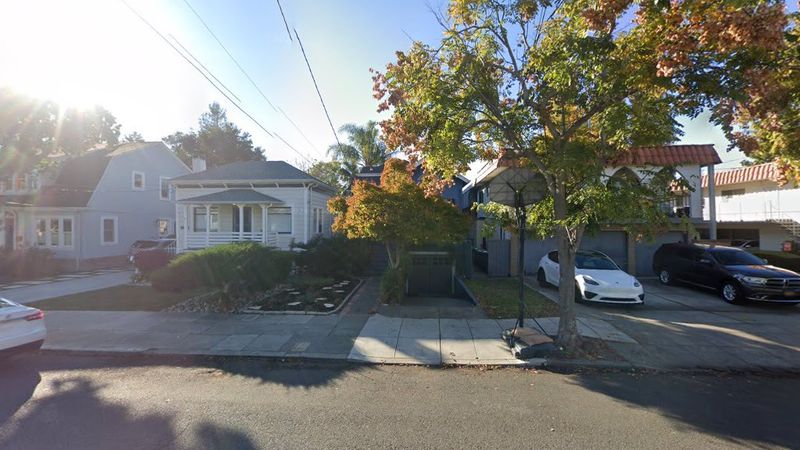
The Queen Anne Victorian at 1715-1717 Bay Street stands as a city-recognized historically significant structure, built by architect A. Stenbiht during the height of the Victorian era.
The two-story home exhibits the characteristic features that define Queen Anne architecture, including varied rooflines, decorative woodwork, and an asymmetrical facade that creates visual interest from every angle.
Alameda’s official recognition of its historical importance provides some protection against inappropriate alterations.
The house represents the work of a named architect, which is less common for residential structures than for commercial or institutional buildings from this period.
A. Stenbiht’s design demonstrates the professional architectural services available to Alameda residents during the Victorian era, showing that many homes resulted from formal architectural planning rather than builder-pattern books alone.
The dual address suggests the structure may have been designed as a duplex or later converted to accommodate multiple households.
Historical significance stems not only from architectural merit but also from what buildings reveal about community development patterns and social history.
This Bay Street home contributes to the neighborhood’s Victorian character while representing a specific moment in Alameda’s growth.
Properties with official historical recognition face additional review processes for exterior changes, helping ensure that significant features remain intact.
Such designations acknowledge that certain buildings hold value beyond their function as housing, serving as tangible links to the community’s past.
9. Gold Coast Neighborhood Blends Victorian And Modern Living
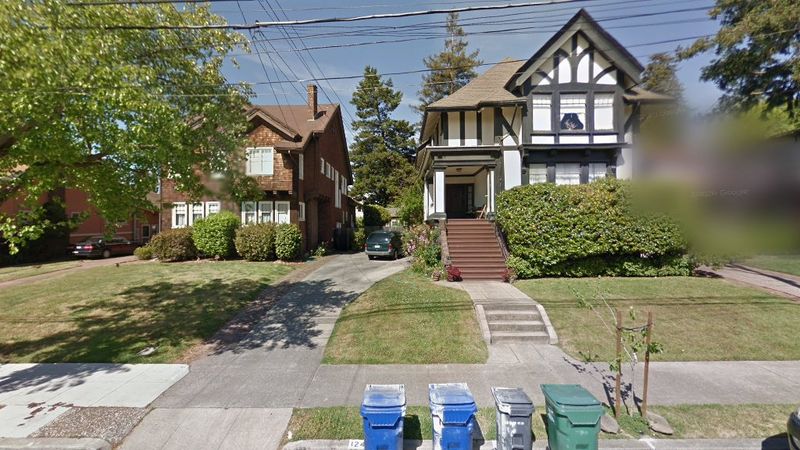
Alameda’s Gold Coast neighborhood takes its name from its concentration of well-preserved Victorian homes, including an 1892 Queen Anne Victorian that exemplifies how historic architecture adapts to contemporary life.
This particular home features a grand entry that introduces the scale and craftsmanship typical of substantial Victorian residences. An elegant parlor maintains its period character with original architectural details intact.
The kitchen has received updates that provide modern appliances and functionality while respecting the home’s historic fabric.
This balance between preservation and practical updating characterizes successful approaches to living in Victorian houses today.
Original features like hardwood floors, decorative moldings, and built-in cabinetry remain while infrastructure improvements address electrical, plumbing, and heating systems.
The Gold Coast demonstrates how an entire neighborhood of Victorian homes can maintain its historic character while serving as desirable residential real estate.
Homeowners in such neighborhoods often develop expertise in period architecture, sharing knowledge about appropriate restoration techniques and reliable contractors.
The neighborhood’s cohesive Victorian character creates a distinctive sense of place that benefits all residents.
Properties like the 1892 Queen Anne show potential buyers that Victorian homes can offer both historic charm and modern comfort, dispelling concerns that old houses necessarily mean outdated living conditions.
The Gold Coast’s success as a residential neighborhood helps ensure the ongoing preservation of Alameda’s Victorian heritage by keeping these homes occupied and valued.
10. Old Masonic Temple Anchors Downtown Historic District
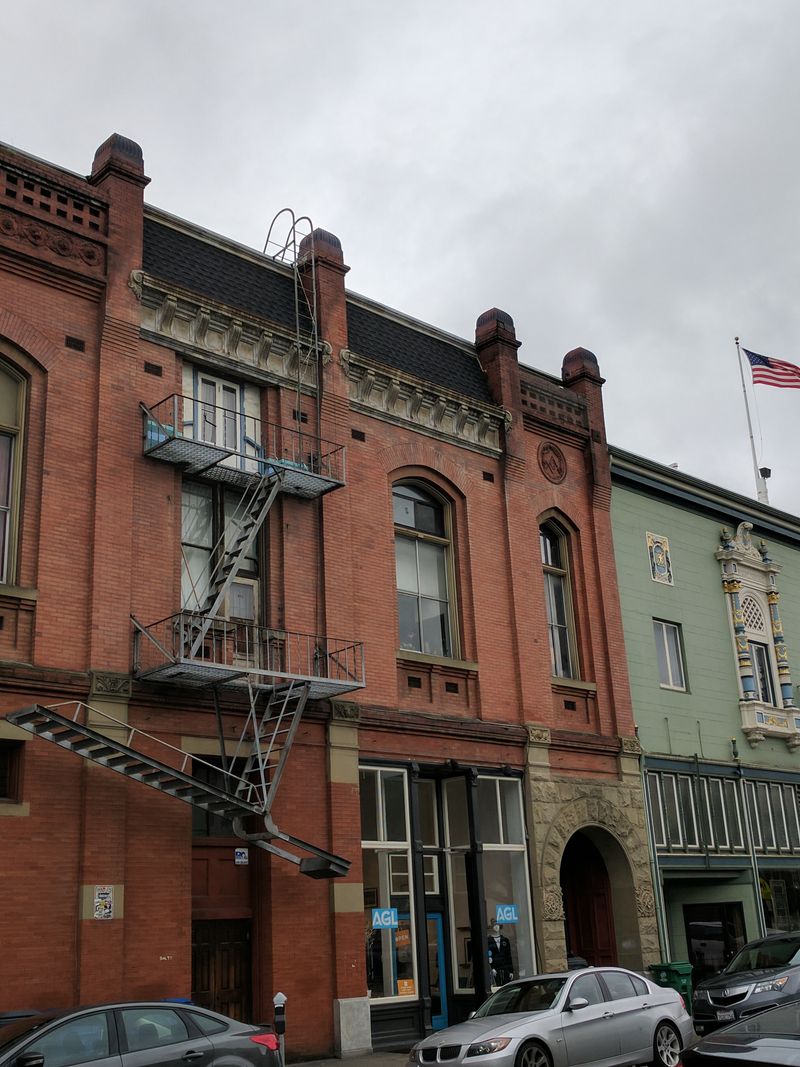
Completed in 1891, the Old Masonic Temple at 1327-1331 Park Street represents the last monumental Victorian structure remaining in its original form within the Park Street Commercial District.
The building’s scale and architectural ambition reflect the importance of fraternal organizations in Victorian-era communities, which often commissioned substantial buildings as symbols of their civic presence.
Its survival in original condition makes it particularly valuable for understanding Victorian commercial architecture.
Many other Victorian commercial buildings in downtown Alameda have undergone alterations to their facades or upper stories, making this temple’s intact state increasingly rare.
The structure demonstrates the substantial construction methods used for important institutional buildings, with masonry walls and elaborate architectural details meant to convey permanence and dignity.
Such buildings anchored commercial districts, providing visual focal points and landmarks for navigation.
The temple’s location on Park Street places it within the active commercial corridor, where it continues to contribute to the district’s historic character.
Preservation of monumental Victorian buildings presents particular challenges due to their size and the specialized systems they contain.
The Old Masonic Temple’s survival through more than 130 years of changing commercial trends and urban development pressures demonstrates both the quality of its construction and the community’s commitment to preservation.
Its presence helps maintain the 19th-century scale and character that distinguishes Alameda’s downtown from more modern commercial areas.
11. East End Victorians Maintain Original Features with Modern Updates
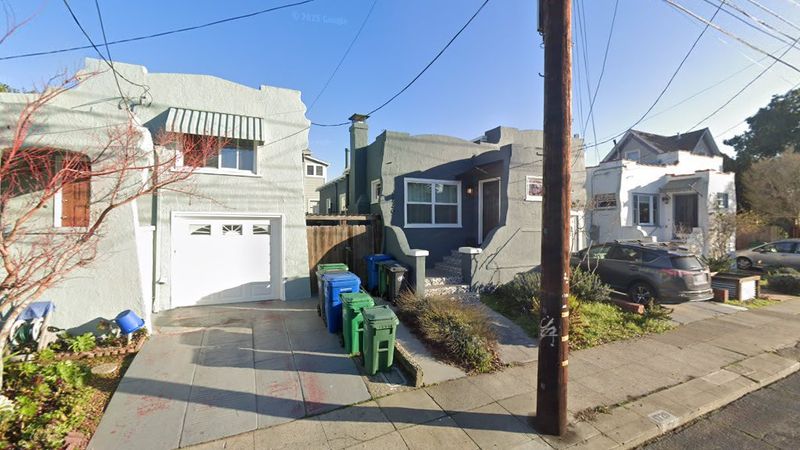
Victorian homes in Alameda’s East End neighborhood retain character-defining features like original hardwood floors and fireplaces while incorporating necessary modern updates for safety and comfort.
The hardwood floors, often made from old-growth lumber no longer readily available, provide durability and warmth that modern materials struggle to match.
Original fireplaces serve as architectural focal points even when no longer used for heating, their mantels and surrounds showcasing period craftsmanship.
Modern updates in these homes often include earthquake retrofitting, a practical necessity in California that strengthens connections between foundations and frame structures.
This work typically happens out of sight, preserving exterior and interior appearances while improving structural safety.
Dual-paned windows replace original single-pane glass, improving energy efficiency and comfort while matching the size and configuration of historic windows.
The East End demonstrates how entire neighborhoods of Victorian homes can remain viable housing stock through thoughtful updates that respect historic character.
Homeowners balance preservation of original features with modifications that meet current building codes and living standards.
This approach ensures that Victorian houses continue functioning as homes rather than becoming museum pieces or falling into decline.
The neighborhood’s success shows that historic preservation and modern living requirements need not conflict when approached with care and appropriate expertise.
These East End Victorians prove that old houses can provide comfortable, safe, and energy-efficient homes while maintaining the architectural heritage that makes Alameda distinctive.