This California Lazy River Float Carries You Straight Through A Gold Rush Town
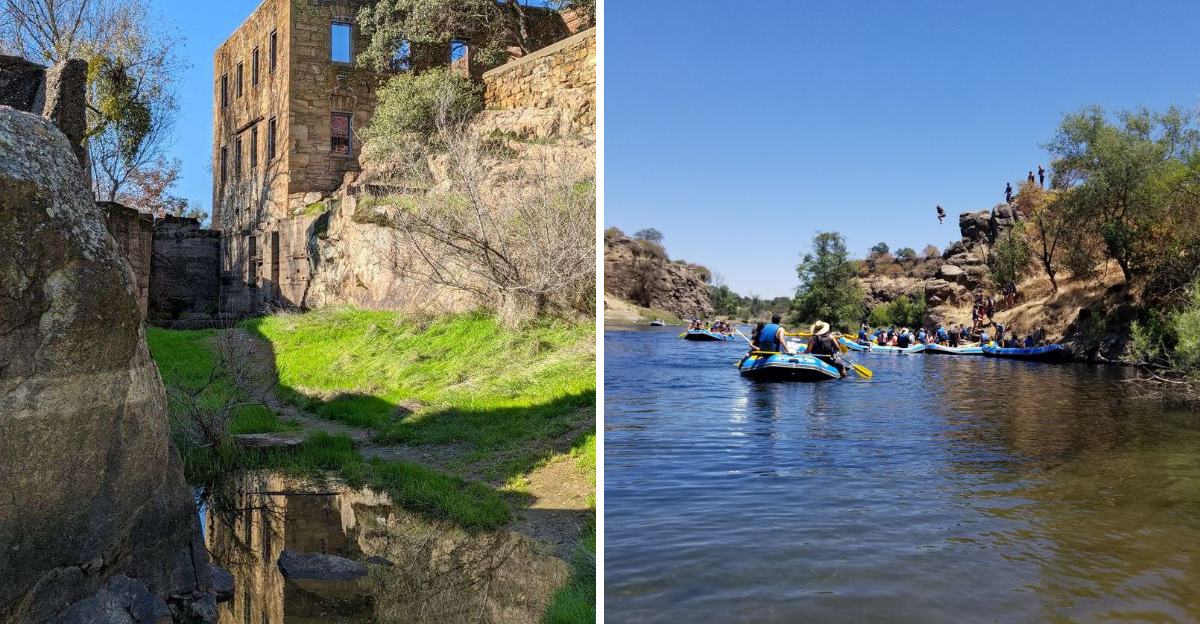
Summer days have a way of blending together until something slows them down. Water carries the raft forward at an easy pace, laughter drifts across the surface, and the surrounding landscape starts to matter more than the schedule.
The experience feels relaxed without ever feeling dull, shaped by motion rather than momentum. A float along the Stanislaus River delivers that balance naturally.
Sunshine Rafting Adventures offers a route that stays approachable for families while still feeling engaging.
Gentle rapids add movement, long calm stretches invite looking around, and the river does most of the work.
Volcanic rock formations rise along the banks, and the scenery carries a sense of permanence that modern attractions often lack.
The journey passes through Knights Ferry, where Gold Rush history still feels present rather than preserved.
Floating beneath the longest covered bridge west of the Mississippi adds quiet weight to the moment, turning a simple raft trip into something more memorable.
The Stanislaus River offers one of those California outings where the water stays calm, the scenery keeps changing, and families can simply enjoy being there together.
1. Knights Ferry Was Born From Gold Rush Dreams
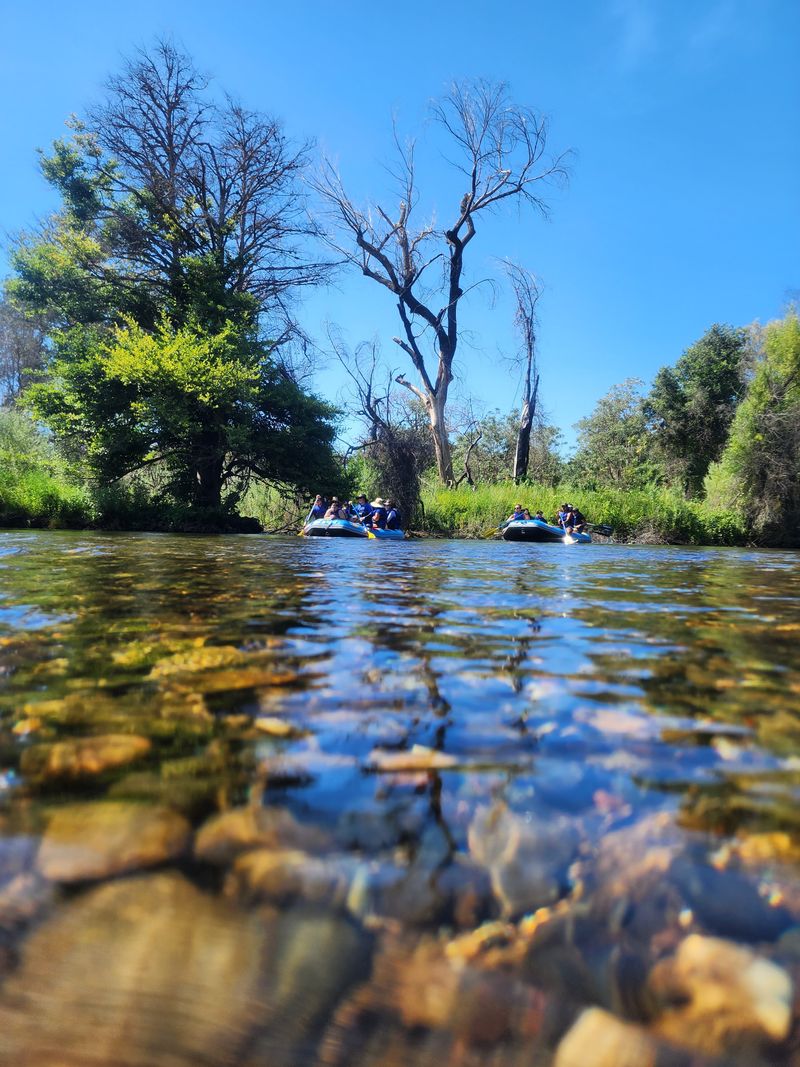
Back in 1849, when gold fever swept across California, a settlement took root along the Stanislaus River at a natural crossing point.
The town that grew there became Knights Ferry, named after William Knight, who established a ferry service to help prospectors cross the rushing waters on their way to the gold fields.
Buildings from that era still stand today, their weathered wood and stone telling stories of fortune seekers and frontier life.
The town served as a vital supply point during the Gold Rush, with merchants, blacksmiths, and other tradespeople setting up shop to serve the constant flow of miners.
While most came hoping to strike it rich in the Sierra foothills, many stayed to build a community that outlasted the gold boom.
Today, rafters float past these same riverside locations where wagons once rolled and prospectors once camped.
Drifting through Knights Ferry on a raft offers a perspective that few visitors get to experience.
The water moves slowly enough to take in the historic buildings from a vantage point that hasn’t changed much since the 1800s.
Stone foundations and old walls appear along the banks, reminders of businesses and homes that served thousands of hopeful miners more than 170 years ago.
2. The Covered Bridge Stretches 330 Feet Across The River
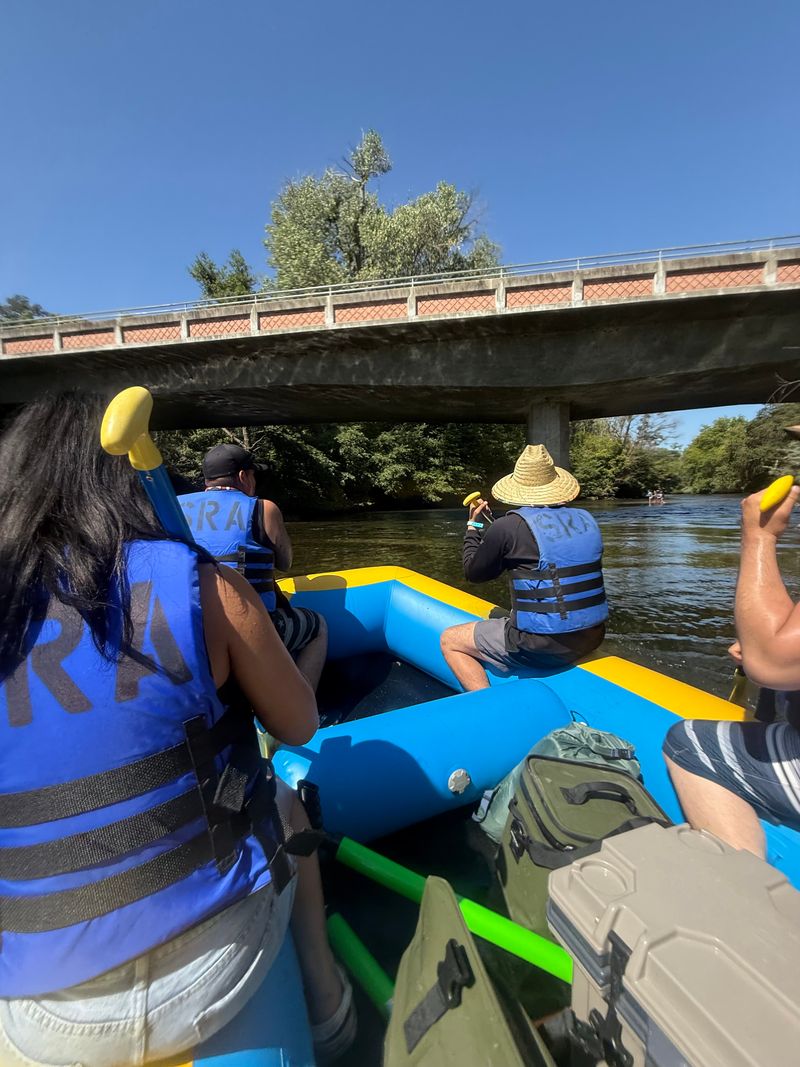
Rafters passing beneath the Knights Ferry Bridge get to see an engineering marvel from an angle most people never witness.
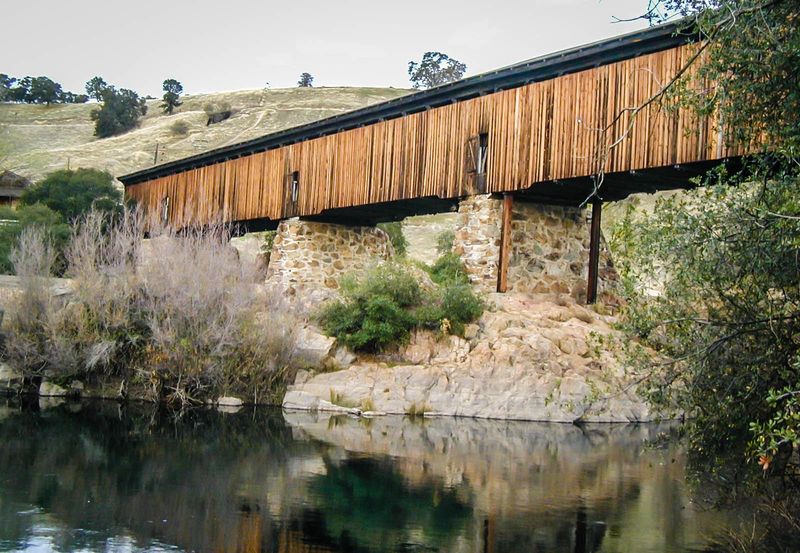
Built in 1863, this covered bridge extends 330 feet across the Stanislaus River, making it the longest covered bridge west of the Mississippi River.
The lattice truss design, constructed entirely of wood, has survived floods, earthquakes, and more than 150 years of California weather.
Looking up from a raft reveals the intricate woodwork and massive timbers that support the structure.
Sunlight filters through gaps in the weathered boards, creating patterns on the water below.
The bridge no longer carries vehicle traffic, but pedestrians can walk across and peer down at rafters floating underneath, creating a moment of connection between past and present.
The bridge was built to replace earlier ferry crossings that couldn’t handle the increasing traffic of the post-Gold Rush era.
Engineers designed it to withstand the river’s seasonal flooding, elevating the deck high enough to avoid most high-water events.
Floating beneath this historic structure gives rafters a sense of scale that photographs can’t quite capture, with the massive beams and supports towering overhead as the current gently carries boats downstream.
3. Class II Rapids Provide Just Enough Excitement
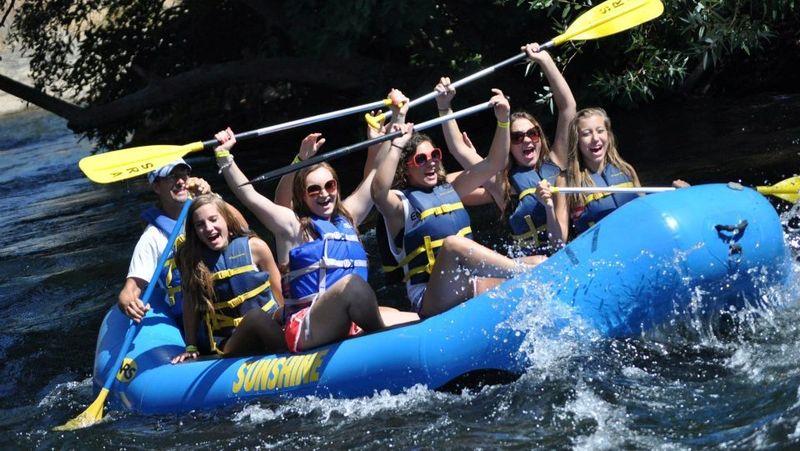
The Stanislaus River through Knights Ferry doesn’t throw extreme challenges at rafters, which makes it perfect for families and first-timers.
Class II rapids create enough splashes and bumps to feel adventurous without requiring advanced paddling skills or causing real concern for safety.
The water moves with purpose through rocky sections, building small waves that rock the raft and sometimes send a refreshing spray over the sides.
Between the rapids, calm stretches give everyone time to relax, take in the scenery, and maybe trail a hand in the cool water.
These quieter sections often last several minutes, allowing the heart rate to settle before the next set of ripples appears downstream.
Children as young as five can participate safely when wearing proper life jackets and sitting in stable positions within the raft.
The rapids form where the river narrows or flows over clusters of smooth volcanic rocks.
During peak season, the water level stays consistent enough to create predictable patterns, though each trip through feels slightly different depending on where the raft enters the rapid.
Paddling helps steer around larger rocks and keeps the raft pointed downstream, but the current does most of the work, making this more of a float with occasional active moments than a constant physical challenge.
4. Volcanic Bluffs Tower Above The Water
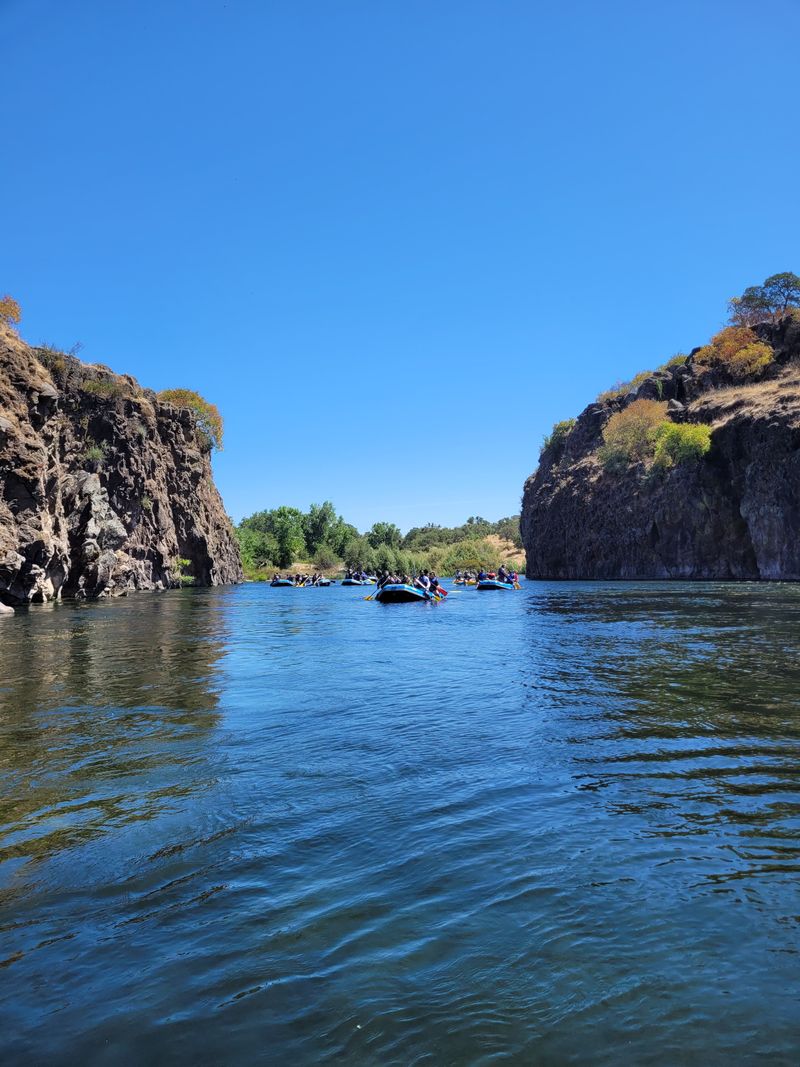
Ancient volcanic activity shaped the landscape around Knights Ferry, leaving behind dramatic rock formations that rise steeply from the riverbanks.
These bluffs, composed of hardened lava and volcanic debris from millions of years ago, create walls of layered stone in shades of gray, rust, and tan.
Rafters float past these geological monuments, some sections towering fifty feet or more above the water’s surface.
The rocks tell a story of fire and transformation, when molten material flowed across this region long before humans arrived.
Erosion has carved interesting shapes and textures into the volcanic stone, with some areas showing smooth faces while others display jagged edges and deep cracks.
Plants have found footholds in crevices, adding splashes of green to the predominantly earth-toned cliffs.
On sunny days, the bluffs absorb heat and radiate it back, creating warm pockets of air above the cooler water.
Birds nest in protected alcoves high on the rock faces, and occasionally a hawk circles overhead, riding thermal currents that rise from the heated stone.
The contrast between the solid, permanent bluffs and the flowing, ever-changing river creates a sense of timelessness that makes the hours on the water feel removed from everyday life.
5. The Trip Takes Three And A Half To Five Hours
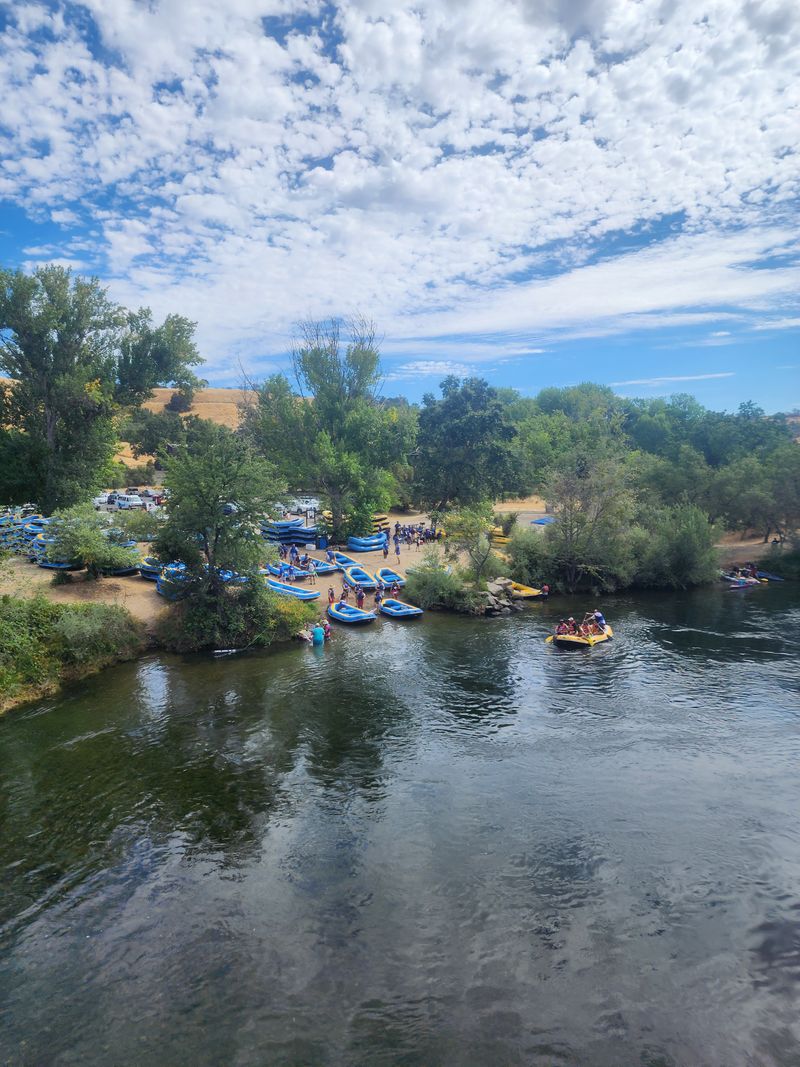
Sunshine Rafting Adventures designs their route to cover approximately seven miles of river, a distance that typically requires between three and a half to five hours to complete.
The time varies depending on water flow, how often the group stops to swim or rest, and how much energy goes into paddling versus drifting.
Most groups find themselves somewhere in the middle of that range, spending a full afternoon on the water without feeling rushed.
Starting in late morning allows rafters to finish before the hottest part of the day becomes uncomfortable, though some prefer an earlier launch to have the river more to themselves.
The pace feels relaxed rather than hurried, with plenty of opportunities to pause near interesting features or just float and enjoy the surroundings.
No strict schedule pushes groups forward, making it easy to customize the experience based on energy levels and interests.
The shuttle service back to the starting point eliminates the need to paddle upstream or arrange complicated car logistics.
After reaching the take-out point, rafters load onto a van that returns them to where they parked, usually within twenty to thirty minutes.
This one-way journey design keeps the focus on enjoyment rather than endurance, making it accessible for families with younger children or older adults who might struggle with a more demanding expedition.
6. Equipment And Safety Gear Come Included
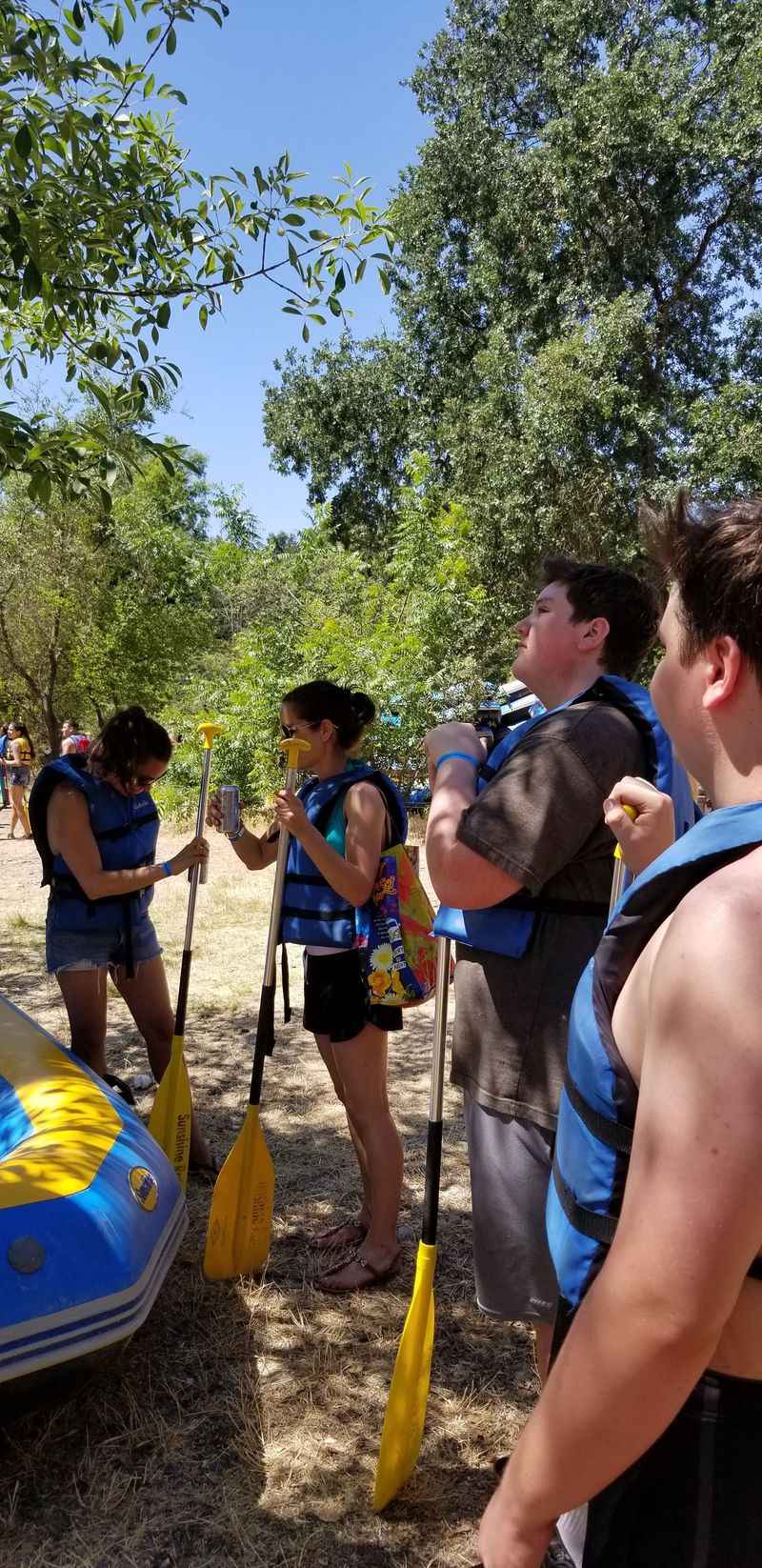
Sunshine Rafting Adventures provides everything needed for a safe trip down the Stanislaus River, eliminating the need to purchase or transport bulky equipment.
Each rental includes a sturdy raft, paddles for all participants, and Coast Guard-approved life jackets in sizes ranging from small children to extra-large adults.
The life jackets fit snugly without restricting movement, designed specifically for river use rather than general water recreation.
A waterproof dry box comes with each raft, offering secure storage for car keys, phones, wallets, and other items that shouldn’t get wet.
The box seals tightly and floats if it somehow separates from the raft, though it typically stays strapped down throughout the journey.
Many rafters also bring sunscreen, snacks, and extra clothing in sealed bags as additional protection against splashes and unexpected dunks.
Before launching, staff members provide a safety briefing that covers proper paddle techniques, how to position yourself in the raft, and what to do if someone falls into the water.
The instruction takes about fifteen minutes and includes demonstrations of how to help someone back into the raft and how to navigate around obstacles.
This preparation helps even complete beginners feel confident about handling the mild rapids and occasional deeper pools along the route.
7. Multiple Parks Offer Perfect Picnic Spots
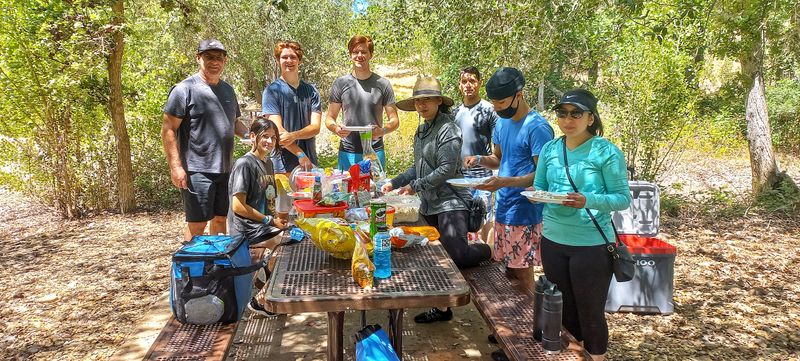
Several public parks line the Stanislaus River along the rafting route, providing convenient places to pull ashore for lunch or a swimming break.
These parks feature picnic tables under shade trees, restroom facilities, and easy access to calmer sections of the river where children can wade safely.
The shoreline at these spots typically slopes gently, making it simple to beach a raft without struggling against a strong current.
Many rafting groups pack sandwiches, fruit, and cold drinks in coolers that fit inside the raft, then stop at one of these parks around the midpoint of the journey.
Spreading out a meal on solid ground feels good after a couple hours of sitting in a raft, and the break gives everyone a chance to stretch legs and use actual restrooms rather than finding a private spot in the bushes.
The parks also provide opportunities to meet other rafters and share stories about the trip so far.
Some parks maintain grassy areas perfect for throwing a frisbee or just lying in the sun for a few minutes.
Trees offer shade during the hottest hours, and the sound of the river creates a peaceful background that makes even a simple sandwich taste better.
After twenty or thirty minutes of rest, most groups feel refreshed and ready to continue downstream, with the second half of the journey often feeling easier than the first.
8. The Season Runs From Late Spring Through Fall
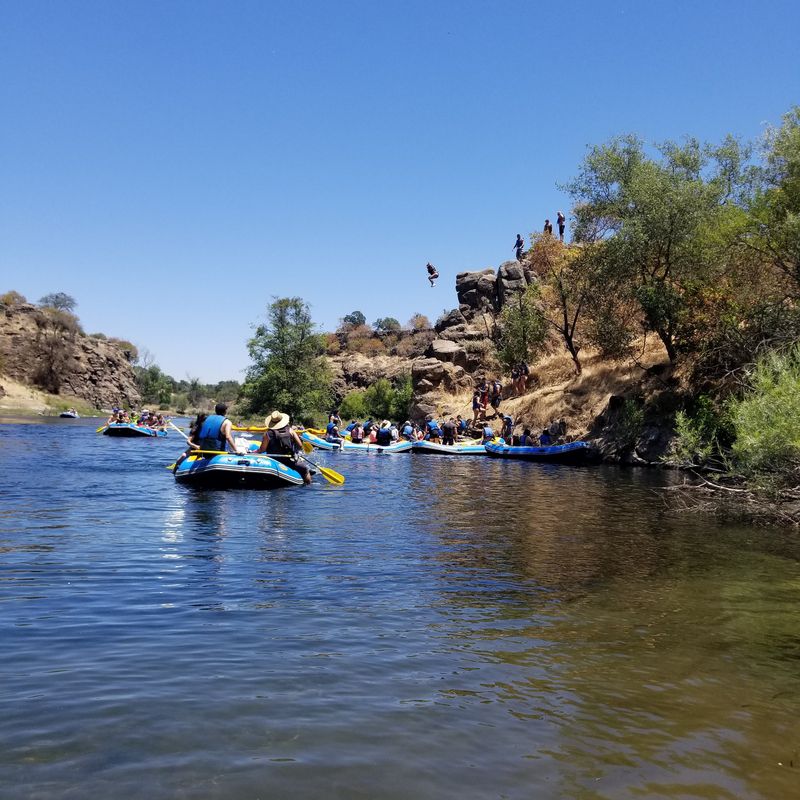
Sunshine Rafting Adventures typically operates from April through October, though exact dates shift slightly each year based on water conditions and weather patterns.
The 2026 season begins on June 13th, with trips running most days through the summer and into early autumn.
Spring runoff from Sierra Nevada snowmelt usually provides the strongest flows, while late summer and fall offer warmer water temperatures and calmer conditions.
Water levels change throughout the season, affecting both the speed of the current and the intensity of the rapids.
Early season trips move faster and create bigger splashes, while late season floats become more mellow as the river level drops.
Both experiences have their appeal, with some rafters preferring the excitement of higher water and others enjoying the relaxed pace of lower flows.
Air temperatures in the Knights Ferry area range from the 70s in spring and fall to the 90s and occasionally low 100s during July and August.
The river water stays considerably cooler, usually in the 60s, providing welcome relief on hot days but feeling quite chilly during cooler weather.
Most rafters wear swimsuits with a t-shirt or rash guard for sun protection, and some bring a lightweight waterproof jacket for the early or late season when splashes feel less refreshing.
9. Historic Buildings Line The Riverbank
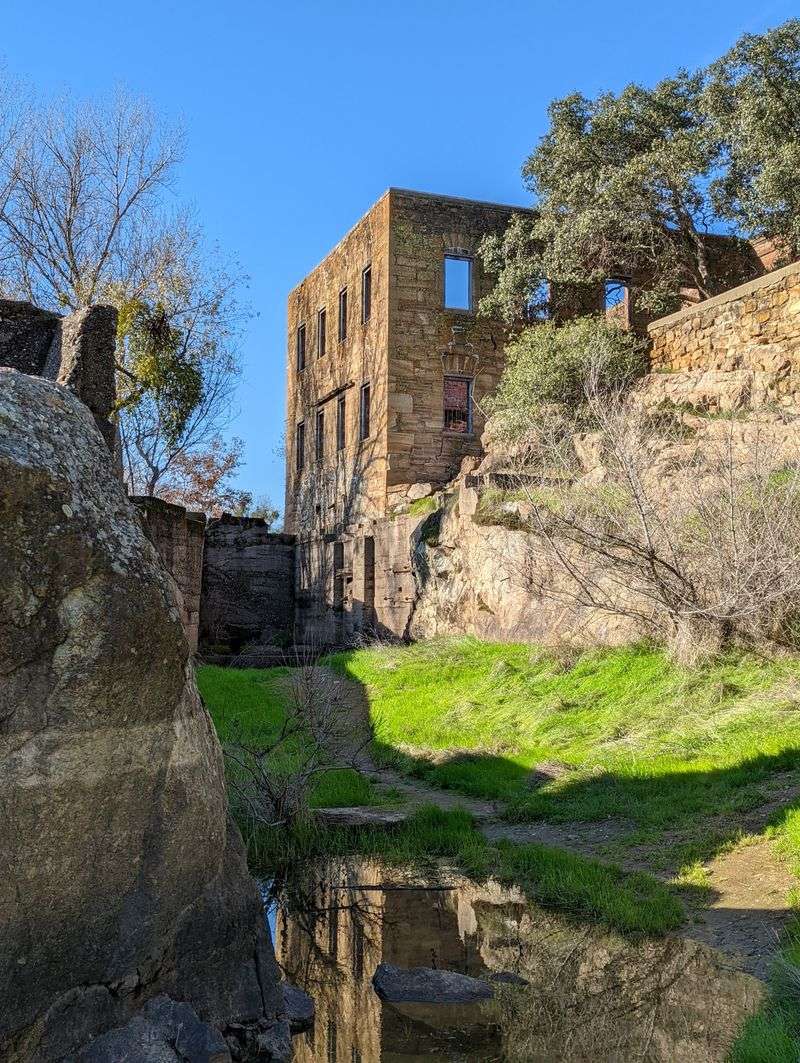
Floating through Knights Ferry provides views of structures at certain points that have stood since the 1800s, offering glimpses into California’s frontier past.
An old flour mill sits near the water’s edge, its stone walls and wooden framework still intact despite decades of weather and occasional floods.
The mill once ground grain for miners and settlers, powered by a waterwheel that turned with the river’s flow.
A small jailhouse, built to hold rowdy prospectors and occasional criminals, occupies a spot not far from the main street.
The building looks tiny by modern standards, barely large enough for a couple of cells, but it served its purpose during wilder times when gold camps attracted people from all walks of life.
The former post office building still stands as well, a reminder of how isolated this community once was and how important mail service became for connecting settlers to the wider world.
These buildings appear suddenly as rafts round bends in the river, their weathered wood and stone contrasting with the natural landscape.
Some have been restored or stabilized to prevent collapse, while others show their age more honestly, with sagging rooflines and gaps in the siding.
Viewing them from the river creates an intimate connection to history, imagining how the same water that carries modern rafters once powered mills and provided drinking water for a bustling frontier town.
10. Advance Reservations Help Secure Your Spot
Sunshine Rafting Adventures recommends booking trips ahead of time, especially during peak summer months when weekends fill up quickly.
Reservations can be made through their website or by calling their office directly, with the online system showing available dates and time slots in real-time.
Making a reservation guarantees that equipment will be ready and that parking space will be available at the launch site.
Walk-up availability exists on some weekdays and during shoulder seasons, but planning ahead removes the disappointment of driving out to Knights Ferry only to find all rafts already rented.
The reservation process includes selecting the number of people, choosing equipment options, and sometimes picking a preferred launch time.
Payment typically happens online or upon arrival, depending on the booking method chosen.
Cancellation policies vary depending on how far in advance notice is given, with most companies offering full refunds if weather forces trip cancellations.
Changing a reservation to a different date usually works smoothly if done with a few days notice, acknowledging that plans sometimes shift unexpectedly.
The booking confirmation includes directions to the launch site, what to bring, what not to bring, and contact information for any last-minute questions that arise before the trip date arrives.