These 15 Cute Things To Do In Georgia This Month Will Make You Feel Like You’re In Europe
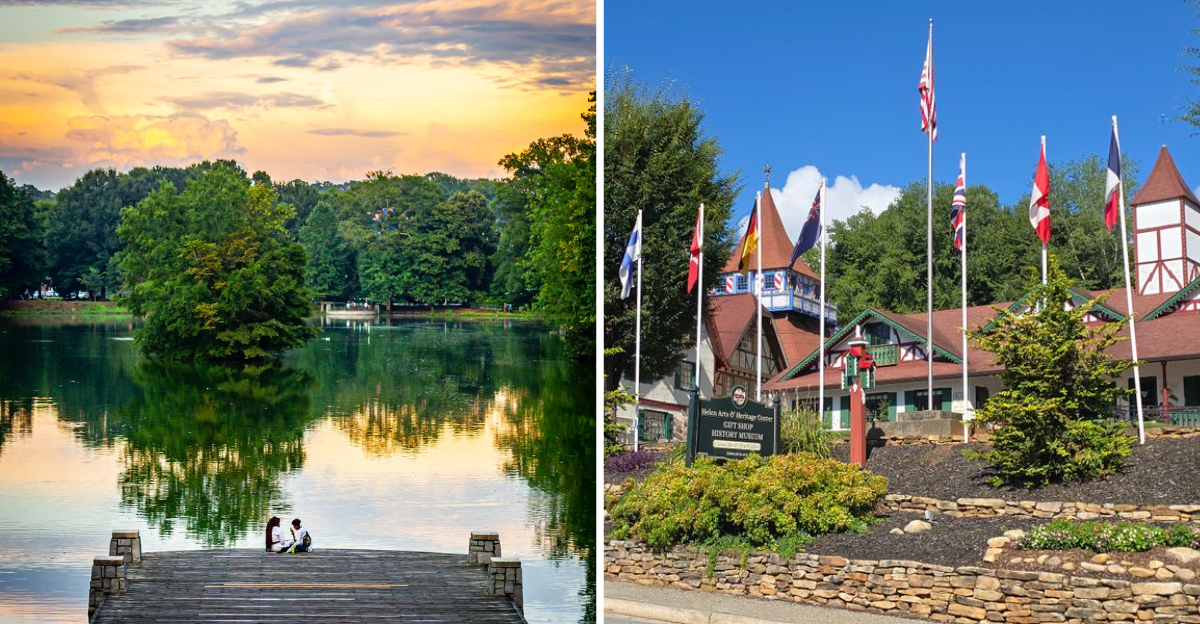
March in Georgia brings a quiet, romantic charm that feels almost European in spirit. Cooler air settles over historic streets, creating the perfect setting for slow strolls and cozy moments. In certain towns, cobblestone pathways, intimate cafés, and preserved architecture make you feel as though you have crossed the Atlantic without ever leaving the Southeast.
Window lights glow warmly at dusk, bakeries fill the air with comforting aromas, and conversations linger over coffee and wine. Mountain communities offer alpine style scenery and fireside dining, while coastal cities showcase old world elegance shaped by centuries of history. The slower winter pace only adds to the atmosphere, making each experience feel more personal and immersive.
Whether you are wandering through historic squares or discovering tucked away bistros, March reveals a side of Georgia that feels transportive, refined, and unexpectedly reminiscent of Europe.
1. Stroll Through Savannah’s Historic District
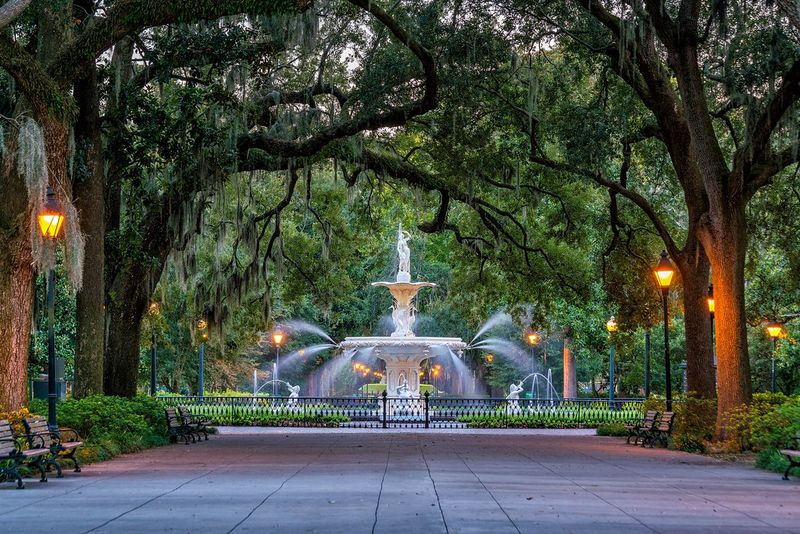
Savannah’s Historic District feels like stepping into a European fairy tale. The city’s 22 tree-lined squares create intimate spaces that remind you of Parisian parks. Spanish moss drapes from ancient oaks while horse-drawn carriages clip-clop past buildings that date back to the 1700s.
You’ll find the district centered around Bull Street, stretching from River Street to Forsyth Park at 2 West Gaston Street, Savannah, GA 31401. March brings mild temperatures perfect for walking tours. The architecture showcases Georgian, Gothic, and Greek Revival styles that mirror European capitals.
Brick sidewalks lead you past wrought-iron balconies and hidden courtyards. Local cafes serve European-style pastries and coffee. The atmosphere captures that old-world romance without the transatlantic flight.
Each square tells its own story through monuments and fountains. Photographers love the golden afternoon light filtering through the trees.
2. Visit Stone Mountain’s Carillon Tower
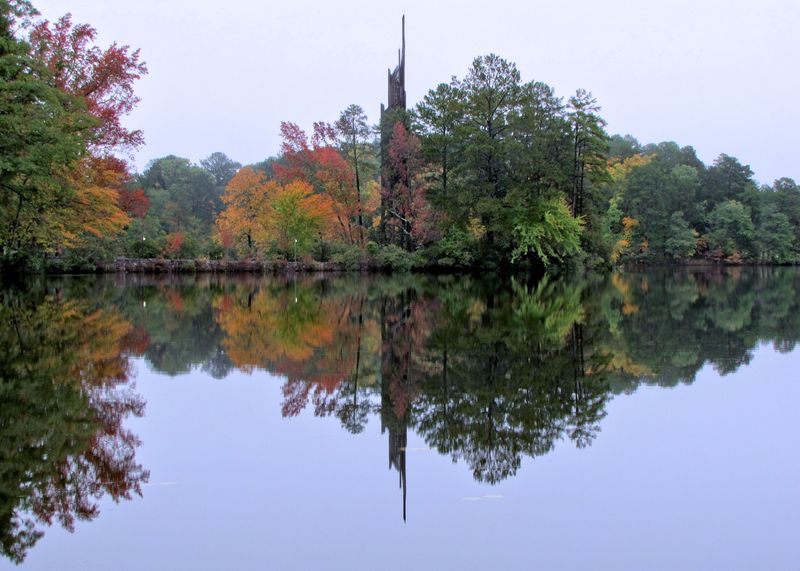
A 732-bell carillon rises above Stone Mountain Park like something from Belgium. This musical instrument plays concerts that echo across the landscape. The tower’s design mirrors European bell towers found in medieval town centers.
You’ll find it inside Stone Mountain Park at 1000 Robert E Lee Boulevard, Stone Mountain, GA 30083. March concerts happen on select weekends. The carillon player sits at a keyboard controlling the massive bells.
Each performance creates melodies that drift through the crisp winter air.
The surrounding memorial plaza features European-style landscaping. Brick pathways and formal gardens add to the continental vibe. You can watch the player through windows as they perform.
The sound carries for miles around. Visitors often bring blankets for outdoor listening. The experience feels remarkably similar to attending concerts in Dutch or French town squares.
3. Tour Barnsley Resort’s English Gardens
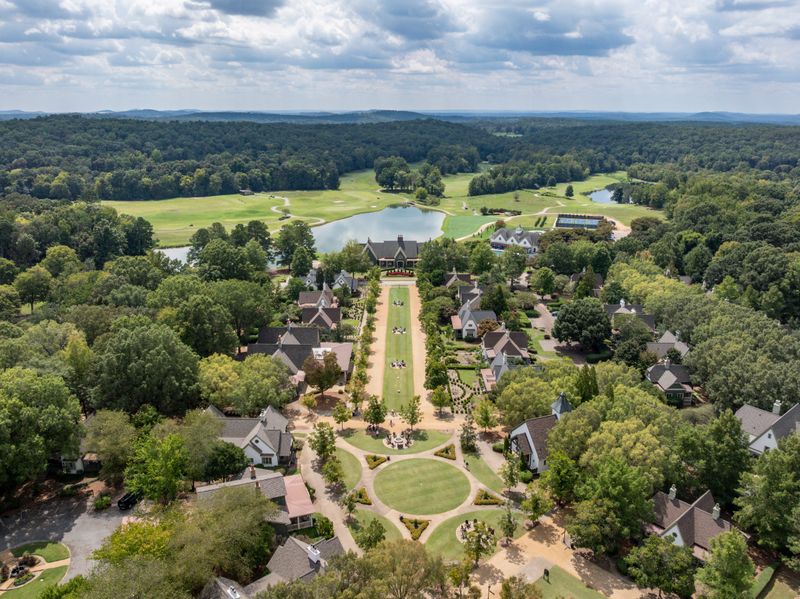
Formal English gardens sprawl across this historic estate in the Georgia countryside. Barnsley Resort preserves gardens originally planted in the 1840s. Box hedges, rose beds, and stone pathways create that Downton Abbey atmosphere.
The resort sits at 597 Barnsley Gardens Road NW, Adairsville, GA 30103, about an hour north of Atlanta. March showcases the gardens’ winter bones and structure. Historic ruins from the original manor house add romantic decay.
European garden design principles guide every planting and pathway.
You’ll walk through parterre gardens with geometric patterns. A kitchen garden grows herbs behind picket fences. The Beer Garden features hop vines and German-style seating.
Woodland trails wind past streams and old stone walls. The estate feels transported from the English countryside. Garden tours explain the European influences.
Even the resort’s architecture channels English manor houses with its brick and ivy-covered walls.
4. Sip Coffee at Savannah’s Paris Market
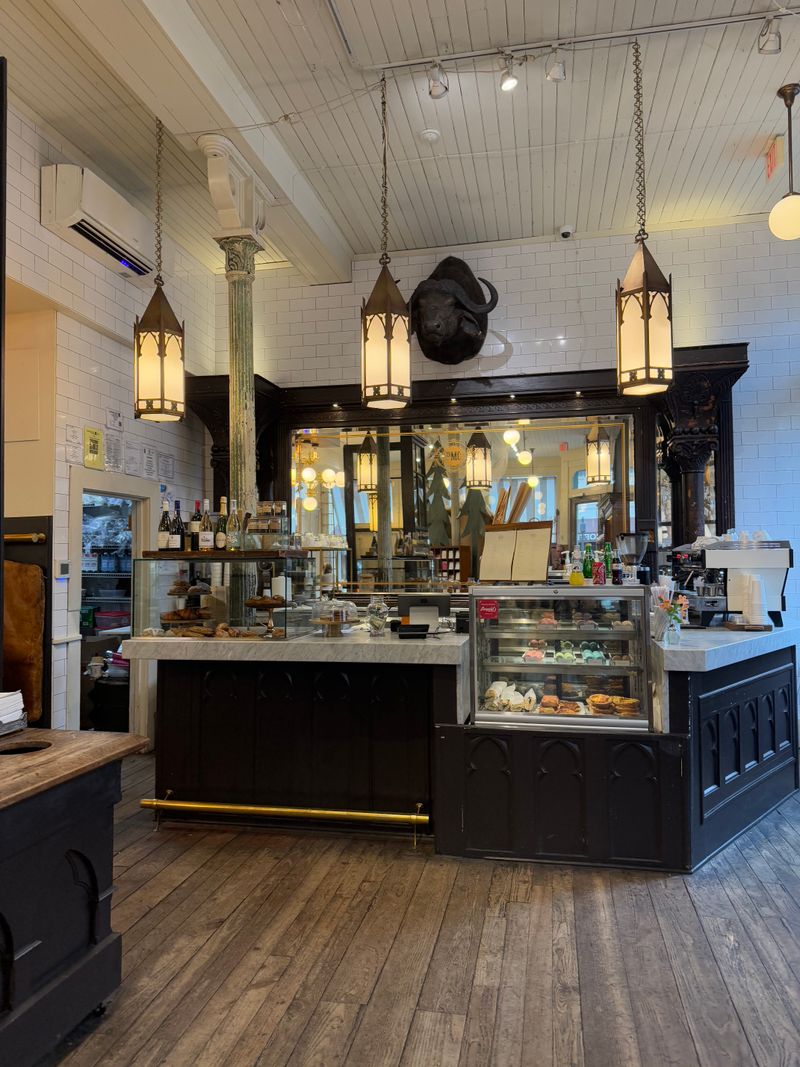
French country charm fills this beloved Savannah shop and cafe. Paris Market imports goods directly from Europe and serves coffee in a courtyard that feels Parisian. Vintage furniture, crystal chandeliers, and antique finds create an authentic atmosphere.
Located at 36 West Broughton Street, Savannah, GA 31401, right in the shopping district. March brings comfortable temperatures for courtyard seating. The interior overflows with imported French soaps, linens, and home goods.
You can browse while sipping espresso or tea.
Mosaic tile floors and distressed walls add character. The cafe serves pastries on mismatched china plates. Shoppers discover European brands rarely found elsewhere in Georgia.
The space combines retail and cafe seamlessly. You’ll spot local artists sketching in corners. The whole experience mimics browsing Parisian flea markets.
Even the staff wraps purchases in brown paper tied with twine, European-style.
5. Walk Roswell’s Historic Mill District
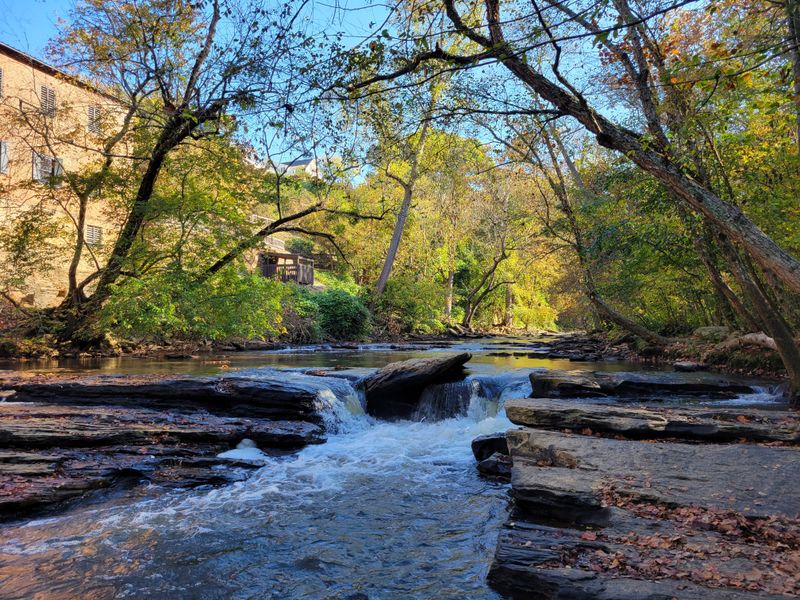
Preserved textile mills and workers’ cottages line the streets of this Atlanta suburb. Roswell’s mill district dates to the 1830s with architecture that mirrors English industrial towns. Red brick buildings and narrow streets create an old-world industrial atmosphere.
The district centers around 227 South Atlanta Street, Roswell, GA 30075, near the Chattahoochee River. March bare trees reveal building details often hidden by summer foliage. You can tour restored mill buildings now housing shops and restaurants.
The workers’ village shows how mill families lived.
Cobblestone paths wind between historic structures. Interpretive signs explain the European influences on design. The area feels remarkably similar to mill towns in northern England.
You’ll find galleries and boutiques in converted industrial spaces. The riverside location adds natural beauty. Walking tours happen regularly. The architecture photography opportunities rival anything in Europe’s preserved industrial heritage sites.
6. Explore Madison’s Antebellum Homes
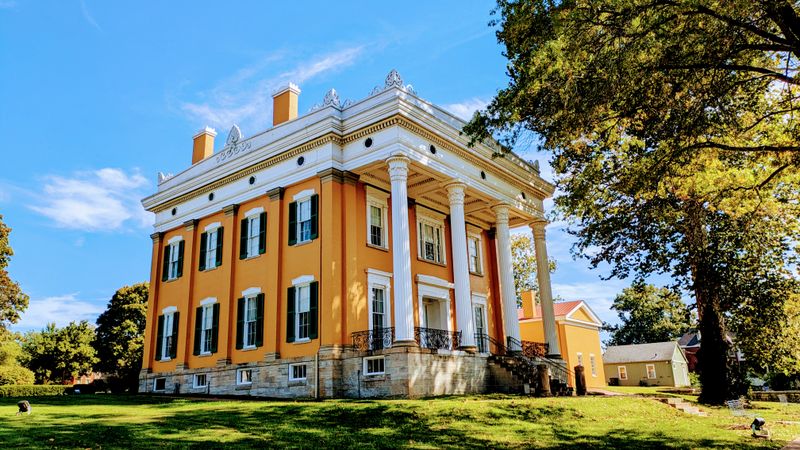
Greek Revival mansions line the streets of this perfectly preserved town. Madison survived the Civil War intact, leaving 100 antebellum structures standing. The architecture draws heavily from European classical design with columns and symmetry.
Downtown Madison sits around 115 East Jefferson Street, Madison, GA 30650, about an hour east of Atlanta. March tours let you see interiors without summer crowds. Each mansion showcases European furniture and design elements.
The town feels frozen in the 1850s.
White columns and manicured lawns dominate the landscape. Walking tours explain the Greek and Roman influences. You’ll notice details borrowed from Italian villas and French chateaux.
Local guides share stories of European-educated architects. The town square features a gazebo and shops. Restaurants serve meals in historic dining rooms.
The whole experience feels like touring European estate villages. Photography enthusiasts love the architectural details and winter light.
7. Visit Dahlonega’s Wine Country
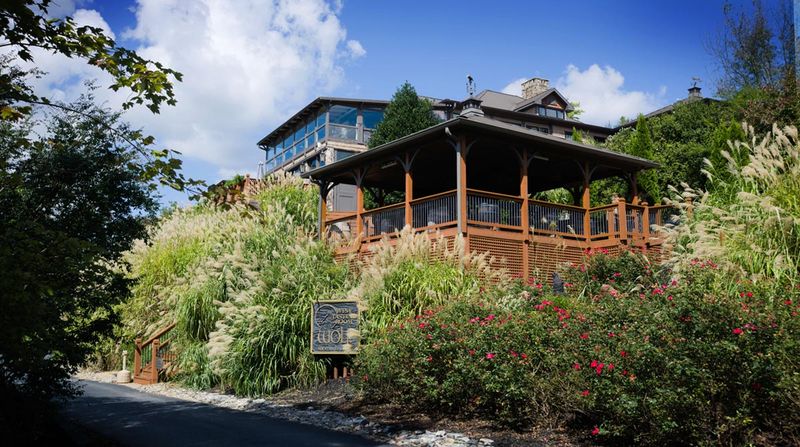
Rolling vineyards transform North Georgia into wine country that rivals Tuscany. Dahlonega’s wineries produce award-winning wines using European grape varieties. The mountain setting and terraced vines create that Old World agricultural beauty.
Wineries cluster around Dahlonega at coordinates near 9360 Cavender Creek Road, Dahlonega, GA 30533. March brings pruning season whenyou can see vineyard management techniques. Tasting rooms occupy stone buildings with European architectural influences.
Many owners trained in France or Italy.
You’ll sample wines while overlooking mountain vistas. The terroir produces flavors similar to European regions. Winemakers explain French and Italian methods they’ve adapted.
Some wineries offer cheese pairings with imported selections. The atmosphere feels relaxed and countryside-elegant. You can tour barrel rooms and learn about oak aging.
The experience captures that European wine tourism vibe without the overseas travel costs.
8. Stroll Through Macon’s Cherry Blossom Festival Grounds
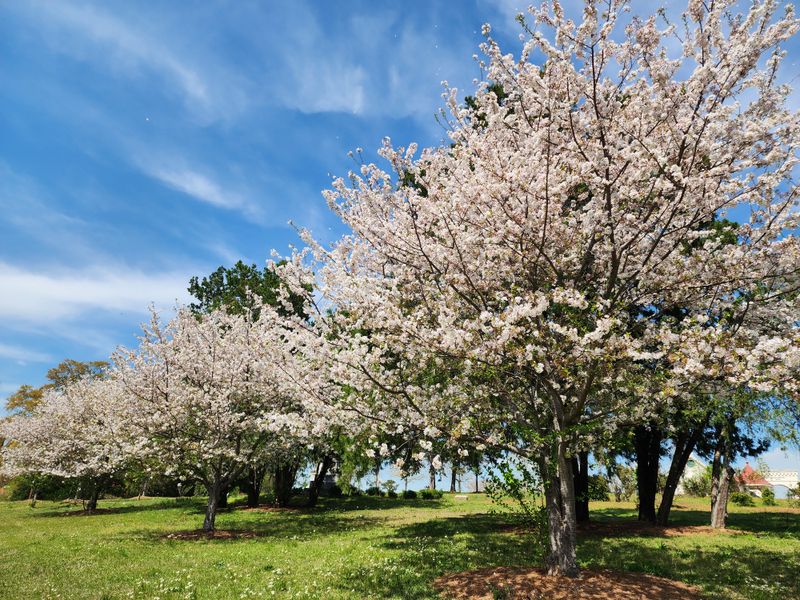
More cherry trees bloom here than in Washington DC, creating a Japanese-meets-European spring scene. Macon plants over 300,000 Yoshino cherry trees throughout the city. Late March brings early blooms that rival anything in Europe’s famous gardens.
Trees line streets throughout downtown Macon, with concentrations near 200 Cherry Street, Macon, GA 31201. The festival happens in late March, but March shows early bloomers. European-style parks provide perfect viewing spots.
The pink canopy creates romantic walking conditions.
You’ll find trees in residential neighborhoods and along riverwalks. The scale surpasses most European cities’ ornamental plantings. Local gardens combine cherry trees with European landscaping styles.
March weather stays mild enough for comfortable exploration. Photographers capture blossoms against historic architecture. The combination of Southern homes and Asian trees creates unique beauty.
You can map out self-guided tours through the prettiest neighborhoods before festival crowds arrive.
9. Discover Columbus’s Riverwalk
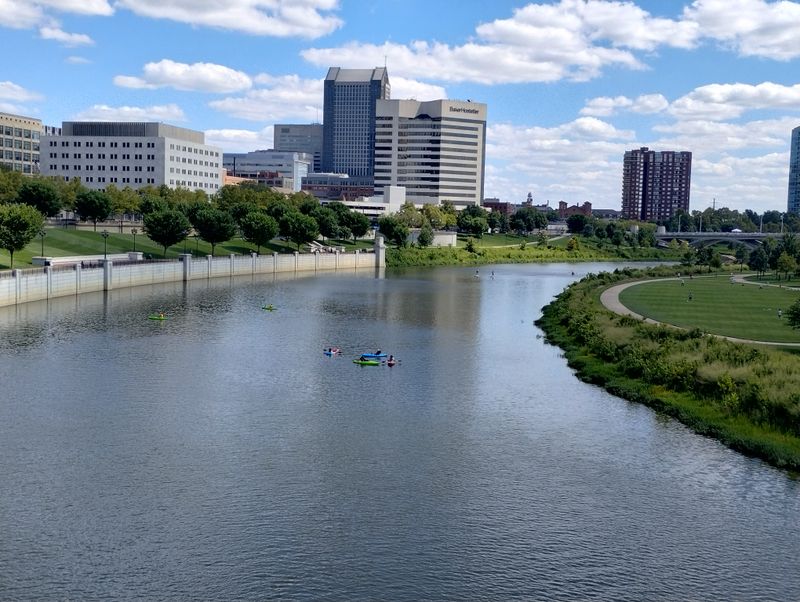
A 15-mile pathway follows the Chattahoochee River through downtown Columbus. The Riverwalk’s design borrows from European river promenades with brick paving and ornamental lighting. March brings quiet mornings perfect for riverside contemplation.
The main section runs from 1000 Bay Avenue, Columbus, GA 31901, through the historic district. You’ll pass restored mills converted into shops and restaurants. Bridges and overlooks provide river views.
The urban design feels distinctly European in its pedestrian focus. Cafes with outdoor seating line sections of the path. You can watch kayakers navigate the whitewater course below. Historic markers explain the area’s industrial past.
The pathway connects parks and cultural venues. March cooler temperatures make long walks pleasant. You’ll spot herons and other wildlife. The atmosphere captures that European riverside city vibe.Evening walks feature romantic lighting along the water’s edge.
10. Explore Helen’s Bavarian Village
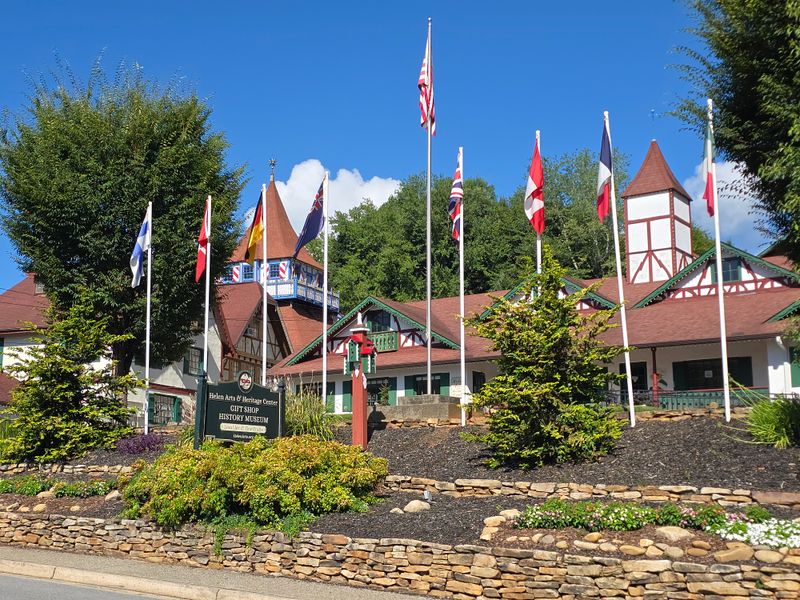
Alpine architecture transforms this mountain town into a slice of Bavaria. Helen reinvented itself in the 1960s with German-style buildings that look straight out of the Alps. You’ll spot flower boxes, painted murals, and peaked roofs everywhere you turn.
The village sits at 8600 Main Street, Helen, GA 30545, nestled in the Blue Ridge Mountains. March means fewer crowds and a peaceful atmosphere. German restaurants serve authentic schnitzel and bratwurst.
Shops sell imported goods from Europe.
Walking the Chattahoochee River pathway feels like hiking in Switzerland. The town hosts winter festivals with European traditions. You can browse specialty stores selling cuckoo clocks and beer steins.
Local bakeries offer fresh pretzels and strudel. The mountain scenery adds to that faraway feeling. Even the street signs use Gothic lettering to complete the illusion.
11. Tour Callaway Gardens’ Conservatory
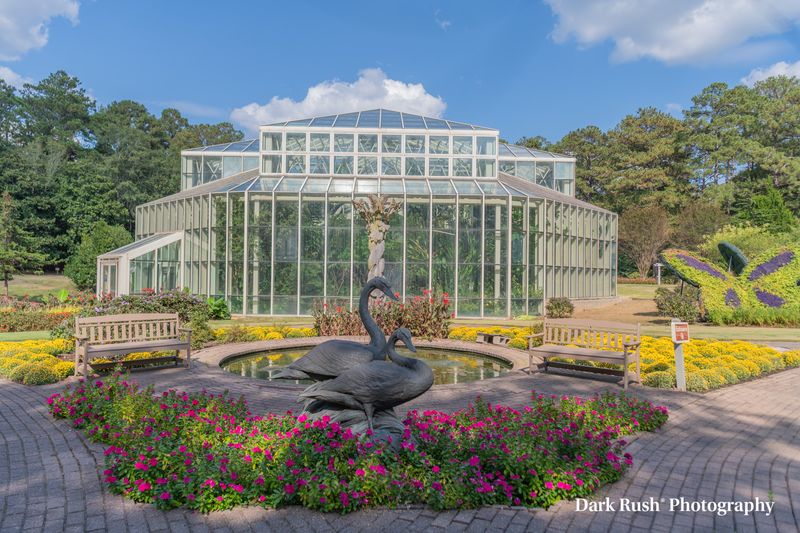
A massive glass conservatory houses tropical plants and butterflies year-round. The Cecil B Day Butterfly Center features Victorian-style greenhouse architecture. March inside feels like escaping to a Mediterranean climate.
Callaway Gardens sits at 17800 US Highway 27, Pine Mountain, GA 31822, about 90 minutes southwest of Atlanta. The conservatory maintains 80-degree temperatures while outside stays cool. European greenhouse design principles guide the structure.
You’ll walk through climate-controlled tropical paradise. Glass panels rise overhead in geometric patterns. Hundreds of butterfly species flutter past exotic plants. The design mirrors famous European conservatories like Kew Gardens.
Pathways wind through different climate zones. You can spend hours exploring without repeating routes. The gardens outside show winter interest plantings. The whole property spans 2,500 acres with European landscaping influences throughout. March brings fewer visitors and peaceful exploration opportunities.
12. Experience Jekyll Island’s Historic District
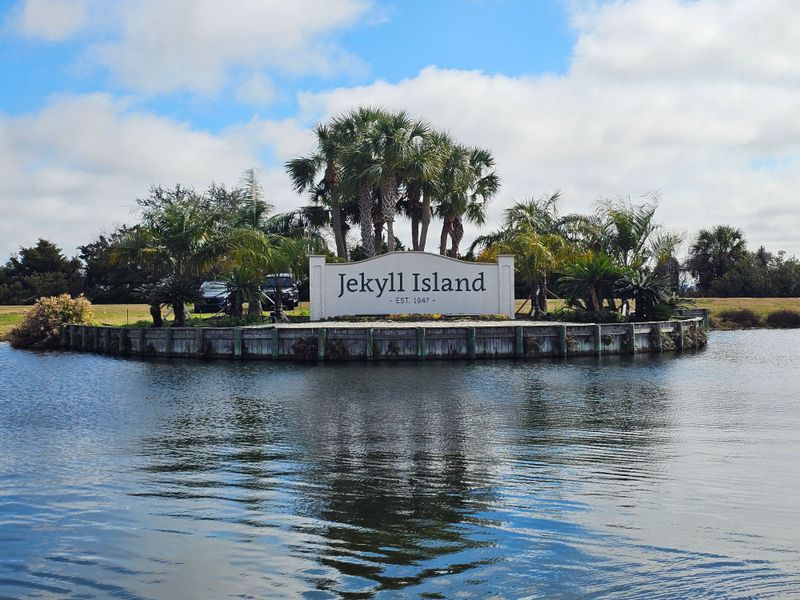
Gilded Age millionaires built European-style cottages on this barrier island. The Jekyll Island Club Historic District preserves mansions from the 1880s-1940s. Families like the Rockefellers and Vanderbilts vacationed here in homes modeled after European estates.
The historic district centers around 100 Stable Road, Jekyll Island, GA 31527, on the island’s interior. March brings mild coastal weather perfect for touring. You’ll see Italian Renaissance, Queen Anne, and Shingle-style architecture.
Each cottage tells stories of European-inspired American wealth.
Guided tours reveal imported European furnishings and design elements. The club’s main building features a grand dining room with ocean views. You can walk grounds designed by landscape architects trained in Europe.
The island’s live oaks and Spanish moss add Southern Gothic atmosphere. Museums explain the members’ European travels and influences. The whole district feels like a preserved slice of aristocratic life.
March off-season means you’ll have sites mostly to yourself.
13. Browse Athens’ Farmers Market

Local farmers and artisans gather weekly in a market that feels distinctly European. Athens Farmers Market operates year-round with vendors selling fresh bread, cheese, and produce. March brings winter vegetables and a cozy community atmosphere.
The market sets up at 1050 Baxter Street, Athens, GA 30606, every Saturday morning. You’ll find European-style baked goods from local bakeries. Cheese makers offer samples of artisan products.
The market culture mirrors those found throughout France and Italy. Shoppers carry wicker baskets and reusable bags. Vendors chat with regular customers in friendly exchanges. You can buy fresh flowers even in winter months.
Local musicians often perform acoustic sets. The college town atmosphere adds youthful energy. Coffee vendors serve espresso drinks European-style. You’ll discover specialty items like imported olive oils and local honey. The social aspect of market shopping feels authentically Old World. March mornings bring crisp air and smaller crowds than summer.
14. Wander Through Atlanta’s Piedmont Park
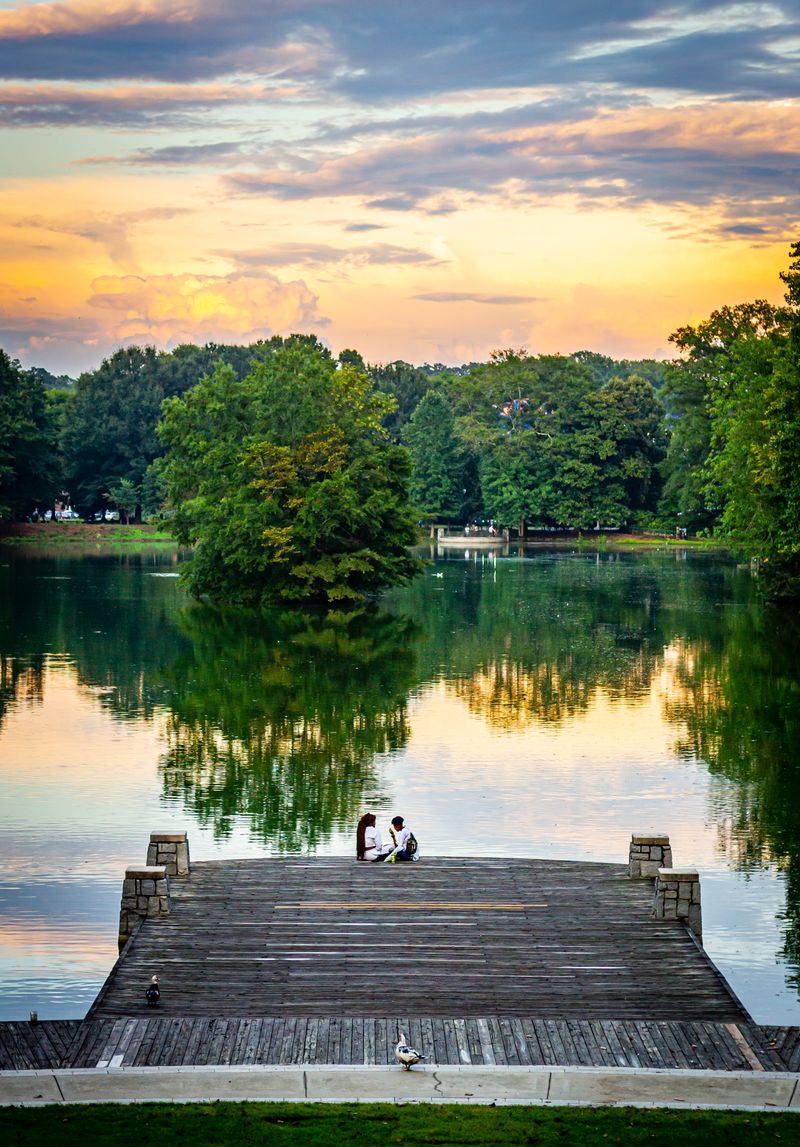
Atlanta’s green heart resembles London’s Hyde Park or Paris’s Luxembourg Gardens. Piedmont Park spans 200 acres of manicured lawns and winding paths. March brings bare trees and peaceful solitude that feels distinctly European.
The park stretches from 1071 Piedmont Avenue NE, Atlanta, GA 30309, through the Midtown neighborhood. Victorian-era design influences show in the layout. You’ll discover formal gardens, a lake, and tree-lined promenades perfect for afternoon walks.
The Promenade area mimics grand European boulevards. Dog walkers and joggers share paths with casual strollers. Weekend farmers markets sell artisan goods and fresh bread.
The skyline views create a cosmopolitan backdrop. You can grab coffee from nearby cafes and people-watch on benches. The atmosphere captures that urban park culture found throughout Europe.
March cooler weather makes exploration comfortable without summer humidity.
15. Walk Through Augusta’s Canal District
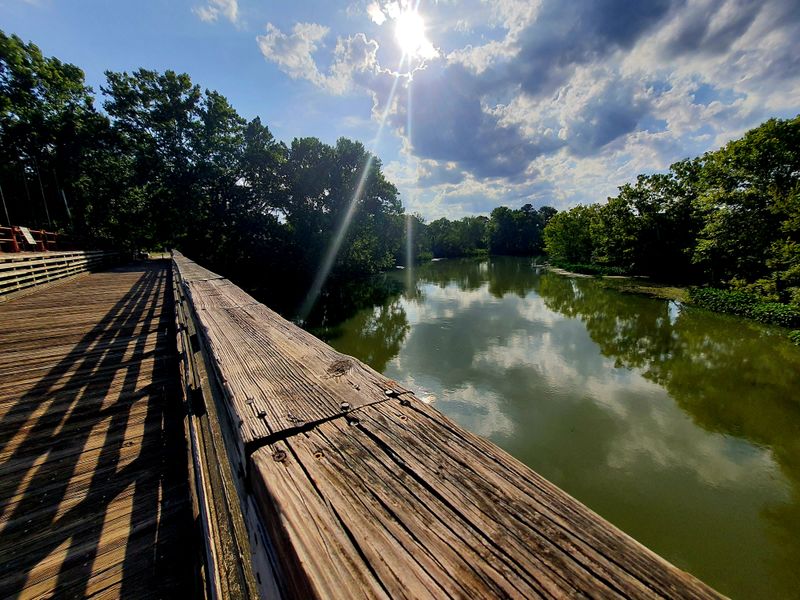
A historic canal system winds through Augusta like waterways in Amsterdam or Venice. The Augusta Canal dates to 1845 and powered textile mills for generations. March walks along the towpath reveal industrial architecture with European influences.
The canal visitor center sits at 1450 Greene Street, Augusta, GA 30901, near downtown. You’ll follow seven miles of waterway through the city. Restored mill buildings showcase red brick and large windows typical of European industrial design.
The canal still generates hydroelectric power today. Towpath trails let you walk or bike alongside flowing water. Interpretive signs explain the engineering borrowed from European canal systems. You’ll see locks and gates similar to those in England.
The peaceful waterside atmosphere contrasts with nearby city streets. Wildlife thrives along the banks. Several mills now house apartments and businesses.
The preservation effort mirrors European industrial heritage projects. March cooler weather makes the walk comfortable without summer heat and humidity.