This Northern California Town Is A Gateway To Lake Tahoe Adventures In 2026
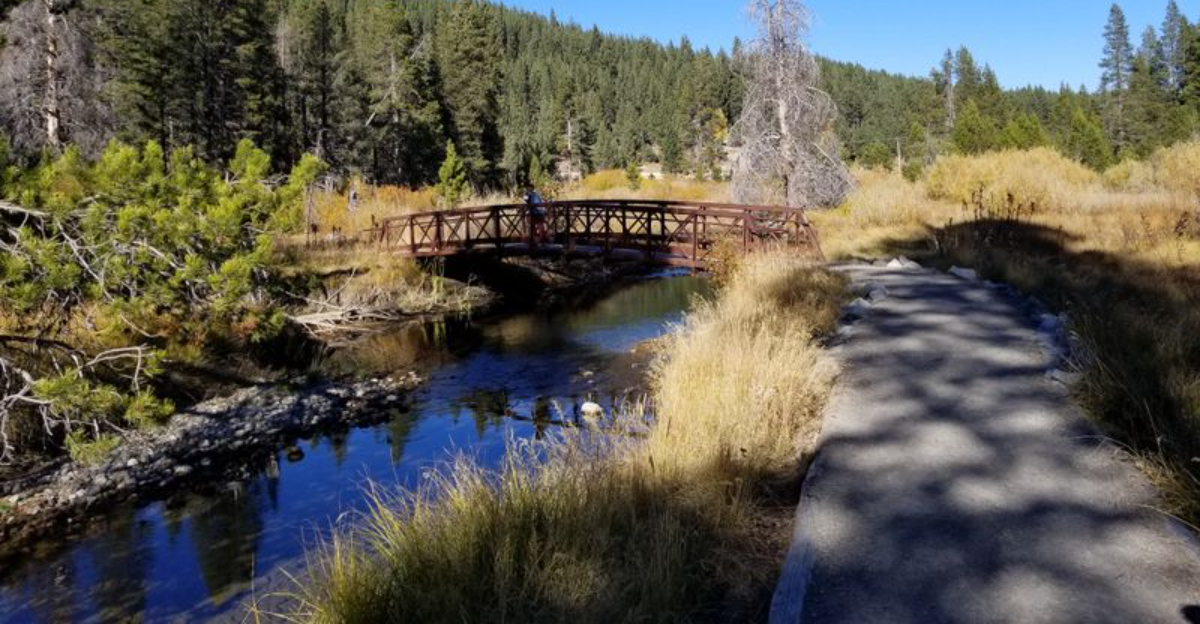
High in California’s Sierra Nevada mountains sits a town that feels frozen in the days of steam trains and gold rush legends – yet somehow buzzes with modern mountain energy.
Truckee rises nearly 6,000 feet above sea level, where wooden storefronts, alpine peaks, and fresh pine air set the stage for a year-round escape that feels straight out of a Western film.
Once a rugged railroad hub packed with fortune seekers, this Northern California town now draws travelers looking for both adventure and atmosphere.
It’s the kind of place where you can spend the morning carving ski runs and the afternoon wandering historic streets that haven’t lost their frontier soul.
Downtown Truckee delivers that rare blend of preserved Old West charm and lively mountain culture – with cozy cafés, local shops, and buildings that look almost untouched by time.
Just minutes from Lake Tahoe, the town makes an ideal basecamp – but many visitors find the real magic happens right here, between snow-dusted winters and sunlit summer trails.
Visitors to Truckee experience California’s alpine beauty alongside a preserved railroad past that still shapes the town today.
1. Railroad Town Origins Dating Back To 1863
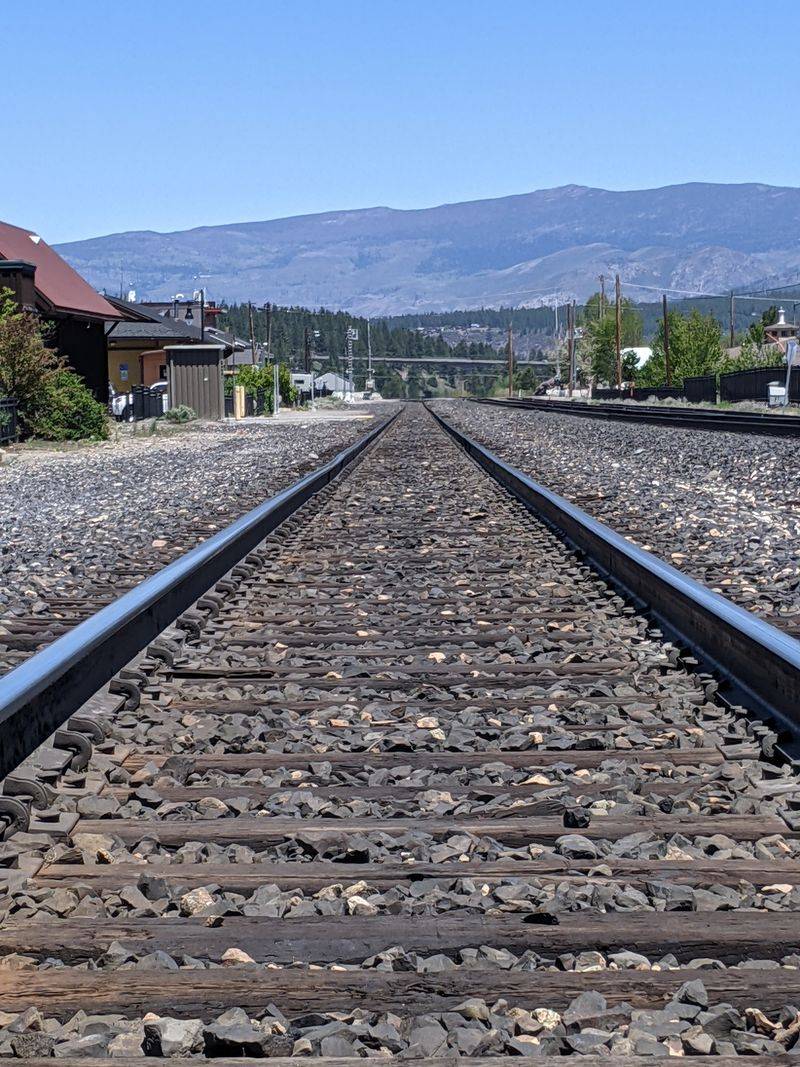
Truckee began as a railroad construction camp when workers pushed westward through the Sierra Nevada to complete the Transcontinental Railroad.
The town developed in 1863 as crews faced the monumental challenge of laying tracks through some of the most difficult terrain in North America.
Construction through the area required blasting tunnels through solid granite and building snowsheds to protect trains from avalanches.
The railroad brought an influx of workers, merchants, and families who established businesses to support the growing community.
Lumber mills sprang up to provide timber for construction, and hotels opened to house travelers making the journey across the continent.
The completion of the railroad transformed Truckee from a temporary camp into a permanent settlement.
Many of the original buildings from this era still stand in downtown Truckee today.
Walking along Commercial Row reveals structures built in the 1870s and 1880s that housed saloons, general stores, and boarding houses.
The railroad heritage remains visible in the architecture and layout of the historic district, where brick and wood-frame buildings reflect the construction methods and materials available during that period.
2. Name Inspired By Paiute Chief Greeting
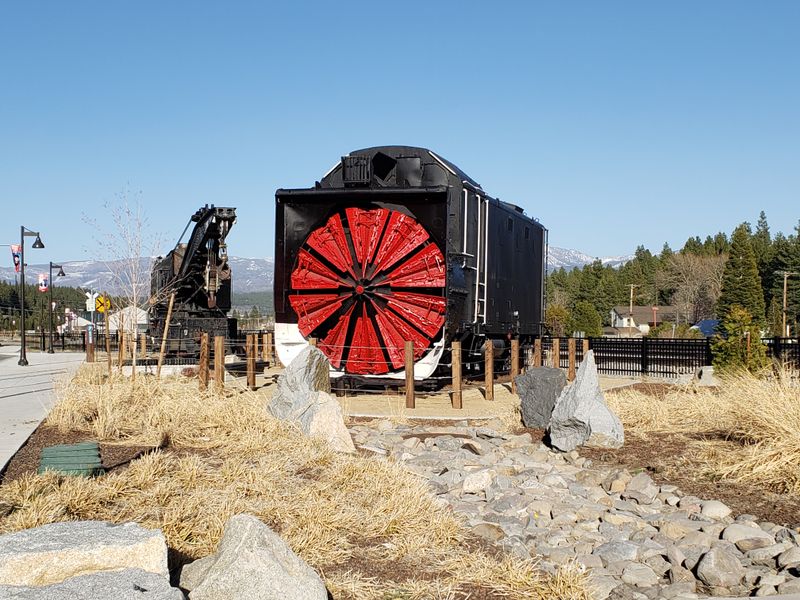
The story behind Truckee’s name connects to the indigenous Paiute people who lived in the region long before European settlement.
According to local history, a Paiute chief greeted a group of emigrants with the words “Tro-kay,” which meant “everything is all right” in his language.
The settlers misunderstood this friendly greeting as the chief introducing himself by name. Early emigrants began referring to the area and the nearby river by what they believed was the chief’s name.
The misunderstanding stuck, and when the town officially formed, residents adopted Truckee as its name.
The story reflects the complex and often miscommunicated interactions between Native Americans and settlers during westward expansion.
The Paiute people had traveled through the Truckee River corridor for generations before the arrival of European settlers.
They used the area seasonally for hunting, fishing, and gathering resources from the diverse mountain ecosystem.
The river that flows through town still bears the name that originated from this linguistic mix-up, serving as a daily reminder of the cultural exchange that shaped the region’s history.
3. Population Growth To Nearly 17,000 Residents
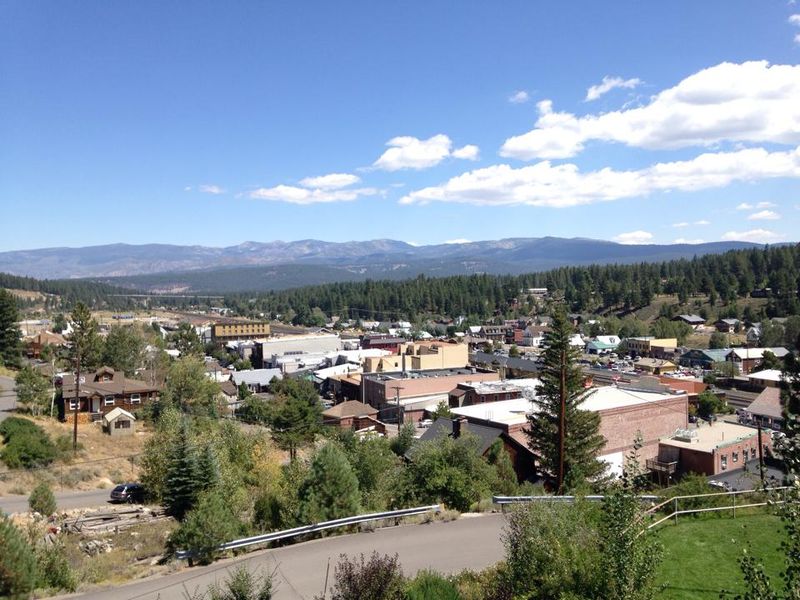
Truckee’s population reached 16,729 residents according to the 2020 census, representing steady growth from the 16,180 counted in 2010.
The increase reflects the town’s growing appeal as both a year-round community and a destination for outdoor recreation enthusiasts.
Families, retirees, and remote workers have contributed to the demographic expansion over the past decade.
The population fluctuates significantly between seasons as vacation homeowners and visitors arrive during peak ski season and summer months.
The permanent resident community supports schools, local government, healthcare facilities, and businesses that operate throughout the year.
The balance between full-time residents and seasonal visitors shapes the town’s character and economic rhythms.
Growth has brought both opportunities and challenges to Truckee’s infrastructure and housing market.
The town works to accommodate new residents while preserving the small-town atmosphere that attracts people to the area.
Community planning efforts focus on maintaining quality of life, protecting natural resources, and ensuring adequate services for both permanent and seasonal populations as the area continues to develop.
4. Elevation Reaching 5,980 Feet Downtown
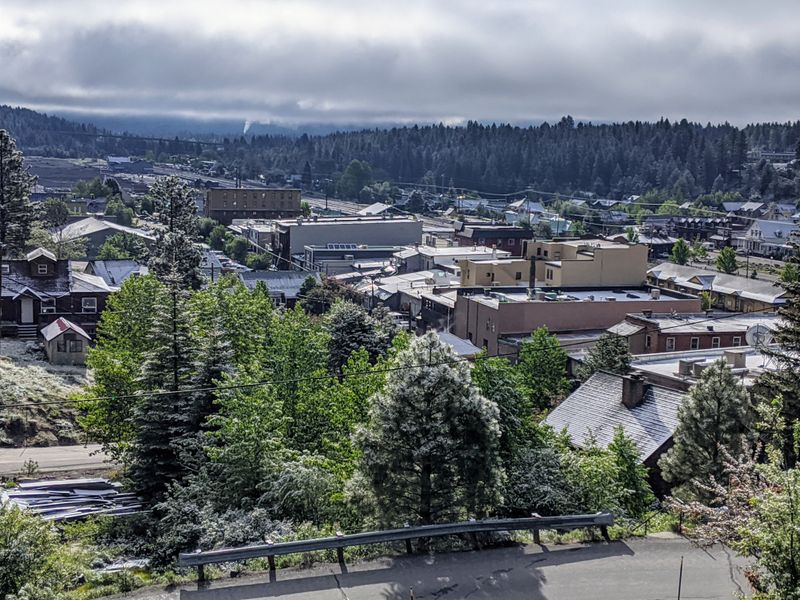
Downtown Truckee sits at an elevation of 5,980 feet above sea level, placing it in the high mountain zone of the Sierra Nevada.
The altitude affects everything from weather patterns to how visitors feel when they first arrive. Nearby Donner Summit reaches 7,239 feet, making it one of the highest points along Interstate 80 in California.
The high elevation creates distinct seasonal changes and weather conditions throughout the year. Summer temperatures remain comfortable due to the altitude, while winter brings substantial snowfall and cold temperatures.
Visitors arriving from lower elevations may notice the thinner air, which contains less oxygen and can cause mild altitude effects until the body adjusts.
Living and recreating at this elevation requires adaptations for both residents and visitors. Water boils at a lower temperature, which affects cooking times and methods.
Physical activities may feel more challenging initially as the body works harder to deliver oxygen to muscles.
The elevation also provides spectacular views of surrounding peaks and valleys, with clear mountain air offering visibility that extends for miles across the Sierra Nevada landscape.
5. Annual Snowfall Averaging 201 Inches
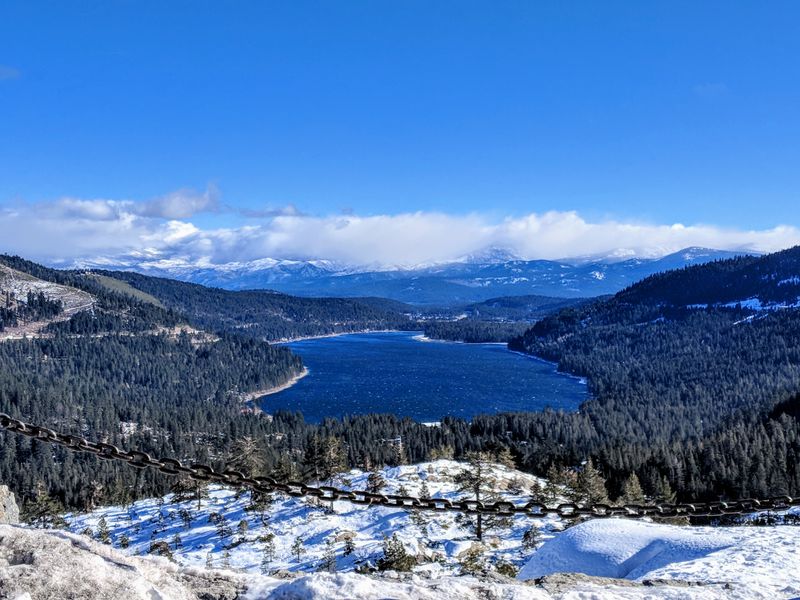
Truckee receives an average of 201 inches of snow each year, making it one of the snowiest towns in California.
The substantial snowfall results from moisture-laden storms moving inland from the Pacific Ocean and rising over the Sierra Nevada.
As air masses climb the mountain range, they cool and release precipitation that falls as snow at higher elevations.
The snow season typically begins in November and continues through April, with the heaviest accumulation occurring between December and March.
Some winters bring even more snow than average, occasionally exceeding 300 inches in exceptional years.
The consistent snowfall supports multiple ski resorts in the area and creates ideal conditions for winter recreation.
Total annual precipitation averages 30 inches when combining snowfall and rain. Spring and early summer occasionally bring rain showers to the area, while late summer and fall tend toward drier conditions.
The combination of abundant winter snow and moderate precipitation throughout the year supports diverse ecosystems ranging from coniferous forests to alpine meadows that bloom with wildflowers after snowmelt.
6. Access To Over Hundreds Of Miles Of Trails
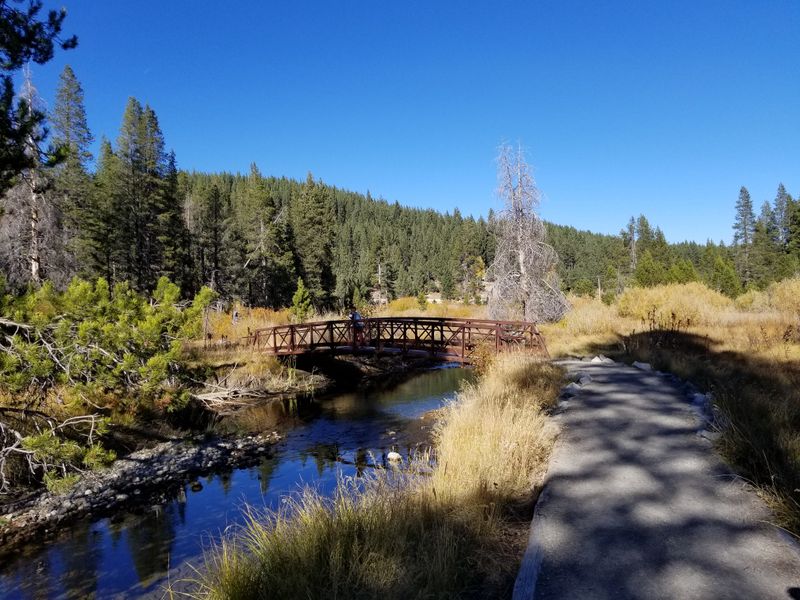
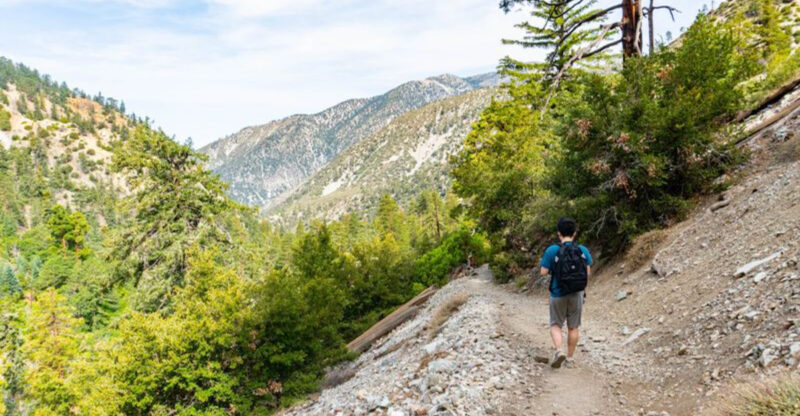
The Truckee area provides access to hundreds of miles of hiking and biking trails that wind through forests, along ridgelines, and past alpine lakes.
Trail networks connect various parts of the region, offering options for every skill level from gentle lakeside paths to challenging mountain ascents.
The extensive trail system allows outdoor enthusiasts to explore different terrain and ecosystems throughout the warmer months.
Popular trail areas include routes around Donner Lake, paths through Tahoe National Forest, and trails leading to scenic overlooks above town.
Some trails follow historic routes used by Native Americans and early settlers, while others were developed specifically for recreation.
Mountain bikers find technical singletrack and flow trails, while hikers can choose anything from short nature walks to all-day backcountry adventures.
Trail conditions vary by season, with most routes becoming accessible after snowmelt in late spring or early summer.
Peak hiking season runs from July through October when trails are generally dry and temperatures remain comfortable.
Many trails offer shade from pine and fir forests, providing relief during warm summer afternoons while showcasing the diverse plant and animal life that thrives in the Sierra Nevada ecosystem.
7. Gateway To 12 Ski Resorts Nearby
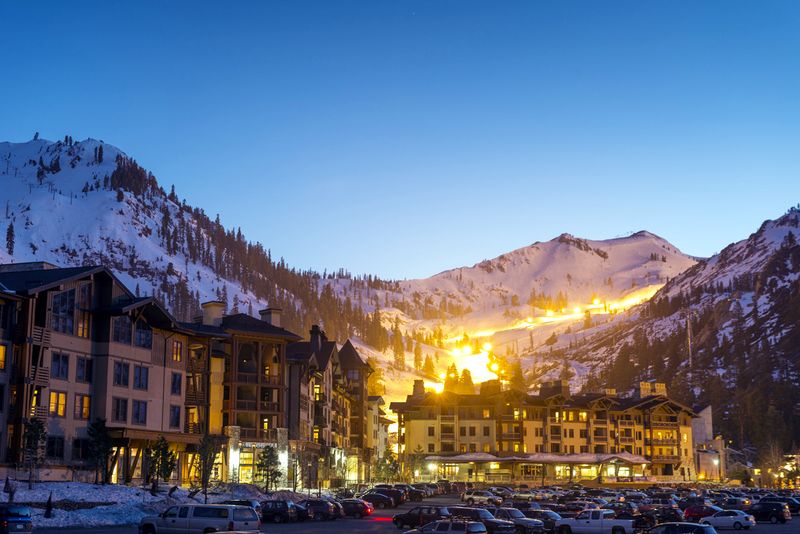
More than 12 ski resorts operate within a 45-minute drive of Truckee, making the town a central hub for winter sports enthusiasts.
Major destinations include Palisades Tahoe, known for hosting the 1960 Winter Olympics, and Northstar California Resort, which offers terrain for all ability levels.
The concentration of ski areas in the region provides variety that few other mountain towns can match.
Each resort brings its own character and specialties to the winter sports landscape.
Some focus on challenging expert terrain with steep chutes and bowl skiing, while others emphasize family-friendly slopes and learning programs.
The proximity of so many resorts allows skiers and snowboarders to explore different mountains throughout a single trip or season.
Staying in Truckee offers advantages over lodging at individual resorts, including more dining and shopping options plus easier access to multiple mountains.
The town serves as a practical base for groups with varying interests and skill levels who want to experience different resorts.
Transportation options and relatively central location make it possible to reach most area ski resorts without extended driving, maximizing time on the slopes during winter visits.
8. Historic Downtown On National Register
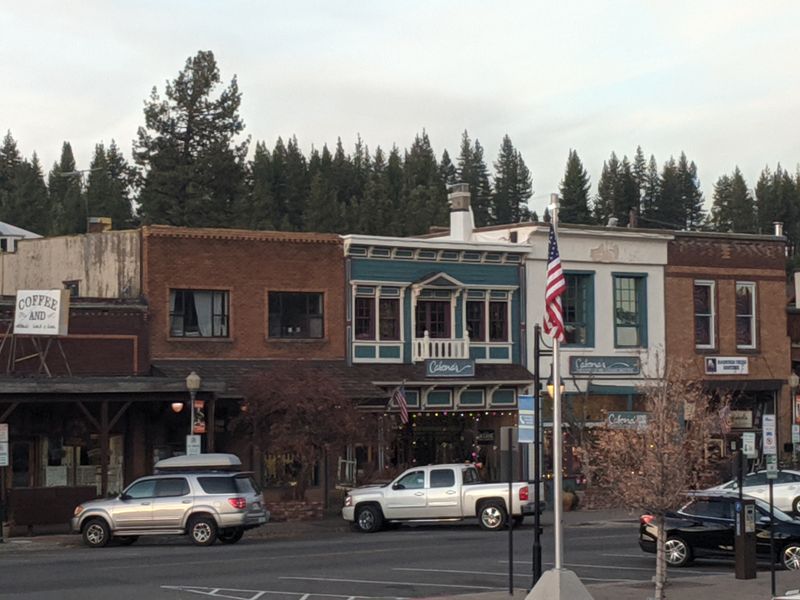
Truckee’s downtown earned placement on the National Register of Historic Places due to its well-preserved collection of 19th-century commercial buildings.
The historic district showcases architectural styles from the 1870s through the early 1900s, including false-front wooden structures and solid brick buildings constructed after fires destroyed earlier wooden predecessors.
Walking through downtown provides a tangible connection to the town’s railroad and lumber industry past.
Many original buildings now house boutique shops, art galleries, restaurants, and cafes that serve both residents and visitors.
The adaptive reuse of historic structures maintains the architectural character while supporting modern businesses.
Building owners have worked to preserve exterior features like original windows, decorative cornices, and painted signs that reflect different eras of the town’s commercial history.
The historic designation helps protect the downtown’s character from inappropriate development while allowing necessary updates and maintenance.
Preservation efforts balance the need to maintain historic integrity with practical requirements for modern building codes and accessibility.
The result is a downtown that feels authentic rather than artificially recreated, where the weight of history exists alongside contemporary mountain town culture and commerce.
9. Donner Lake Recreation Opportunities
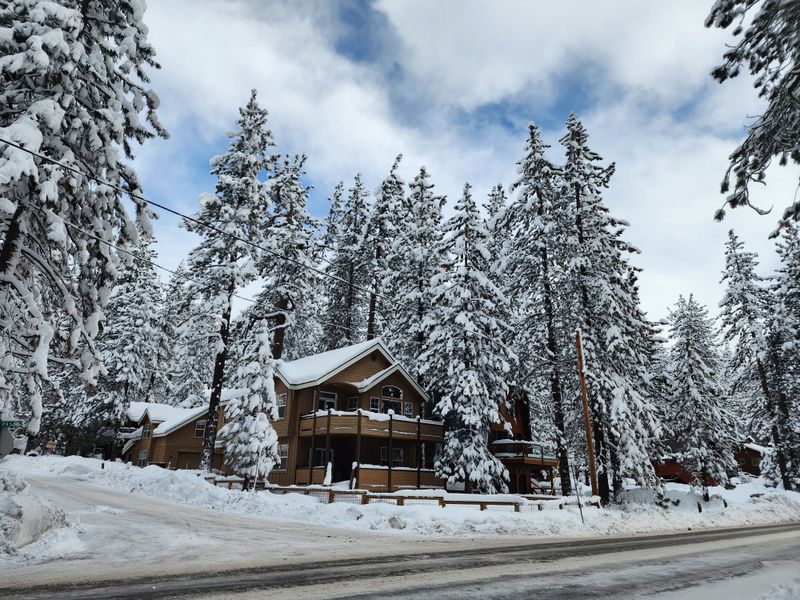
Donner Lake sits within Truckee’s boundaries and offers swimming, fishing, boating, and paddling opportunities during warmer months.
The lake stretches approximately three miles long and covers about 900 acres, with depths reaching over 200 feet in some areas.
Clear water and sandy beaches attract families and water sports enthusiasts from late spring through early fall.
A seven-mile paved pathway circles most of the lake, providing scenic routes for walking, running, and cycling.
The trail offers views across the water to surrounding peaks and connects several beach access points and picnic areas.
Donner Memorial State Park occupies the eastern end of the lake and includes a museum, campground, and additional recreational facilities.
Fishing at Donner Lake targets species including rainbow trout, brown trout, and kokanee salmon.
Boat launches accommodate various watercraft from kayaks to motorboats, though speed restrictions apply in certain areas.
The lake’s relatively warm surface temperatures in summer make it one of the more comfortable swimming destinations in the high Sierra, though the water remains quite cold compared to lower elevation lakes.
10. Transportation Access Via Multiple Routes
Interstate 80 provides the primary vehicle access to Truckee, connecting the town to Sacramento and the San Francisco Bay Area to the west and Reno to the east.
The highway follows the historic route of the Transcontinental Railroad through Donner Pass, climbing through dramatic mountain terrain.
Winter driving on Interstate 80 sometimes requires chains or four-wheel drive when storms bring heavy snow to the pass.
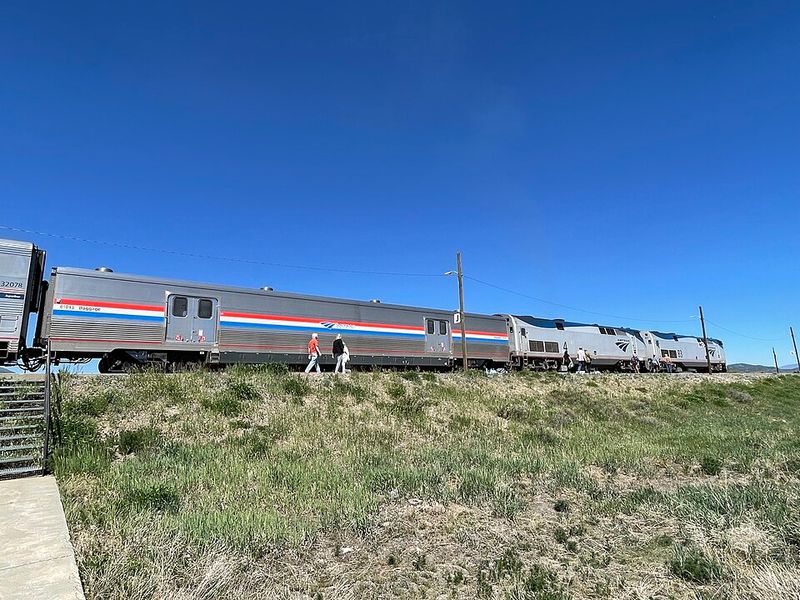
Amtrak’s California Zephyr stops daily at Truckee’s historic train depot, offering passenger rail service between Chicago and the San Francisco Bay Area.
The train provides a scenic alternative to driving, especially during winter when road conditions can be challenging.
The depot building dates to the early 1900s and serves as both a functional transportation hub and a reminder of the town’s railroad heritage.
Truckee Tahoe Airport accommodates private aircraft and charter flights with a runway situated at 5,900 feet elevation.
The airport serves business travelers, recreational pilots, and seasonal visitors who prefer air travel to mountain driving.
The combination of highway, rail, and air access makes Truckee more connected than many mountain communities of similar size.
11. Community Events And Cultural Celebrations
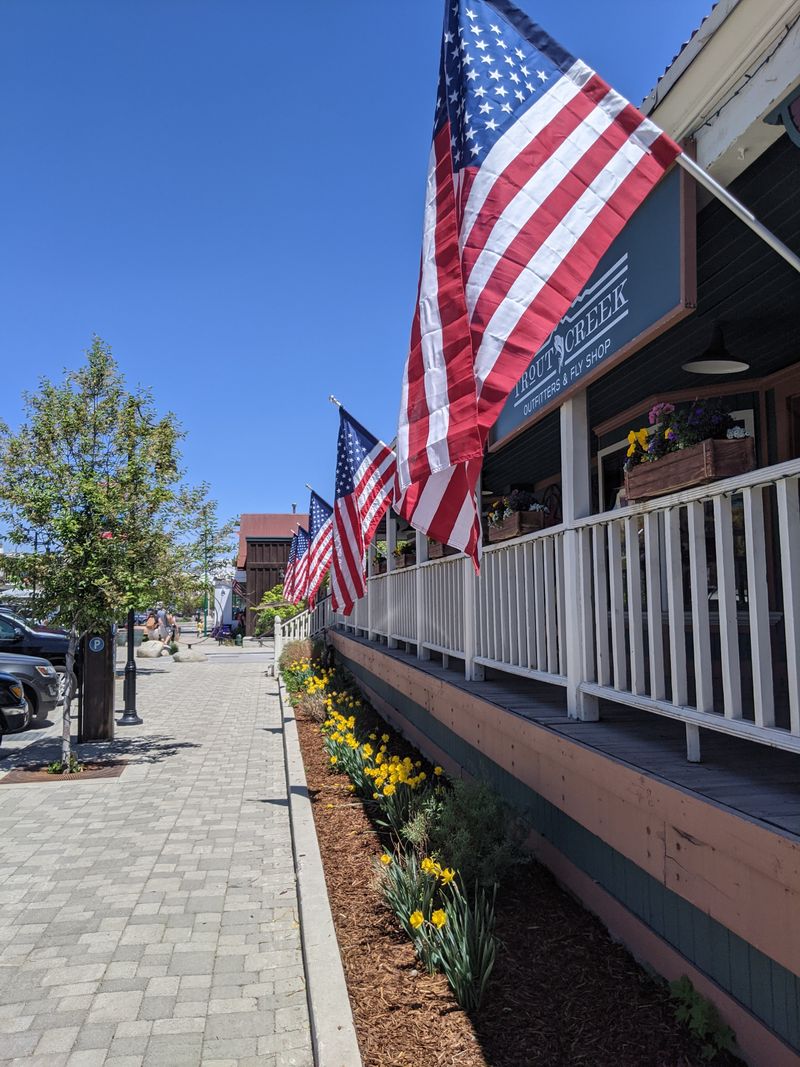
Truckee hosts numerous community events throughout the year that celebrate local culture and bring residents together.
The annual Fourth of July Parade draws crowds to downtown for a procession featuring local organizations, businesses, and residents in creative displays of patriotic spirit.
The celebration reflects small-town values and provides opportunities for community connection. Music in the Park presents free outdoor concerts during summer months in a downtown park setting.
Local and regional musicians perform various genres while families spread blankets on the grass and enjoy warm evenings.
The concert series creates a relaxed atmosphere where residents and visitors mingle in an informal outdoor setting.
Additional events include art walks, farmers markets, and seasonal festivals that highlight different aspects of mountain life and local talent.
Winter brings holiday celebrations with lighting ceremonies and special downtown activities.
The variety of events throughout the year helps maintain community bonds despite the transient nature of the tourist economy and provides visitors with chances to experience Truckee beyond its recreational amenities.