This Northern California Mountain Holds Secret Legends Of A Hidden Underground City
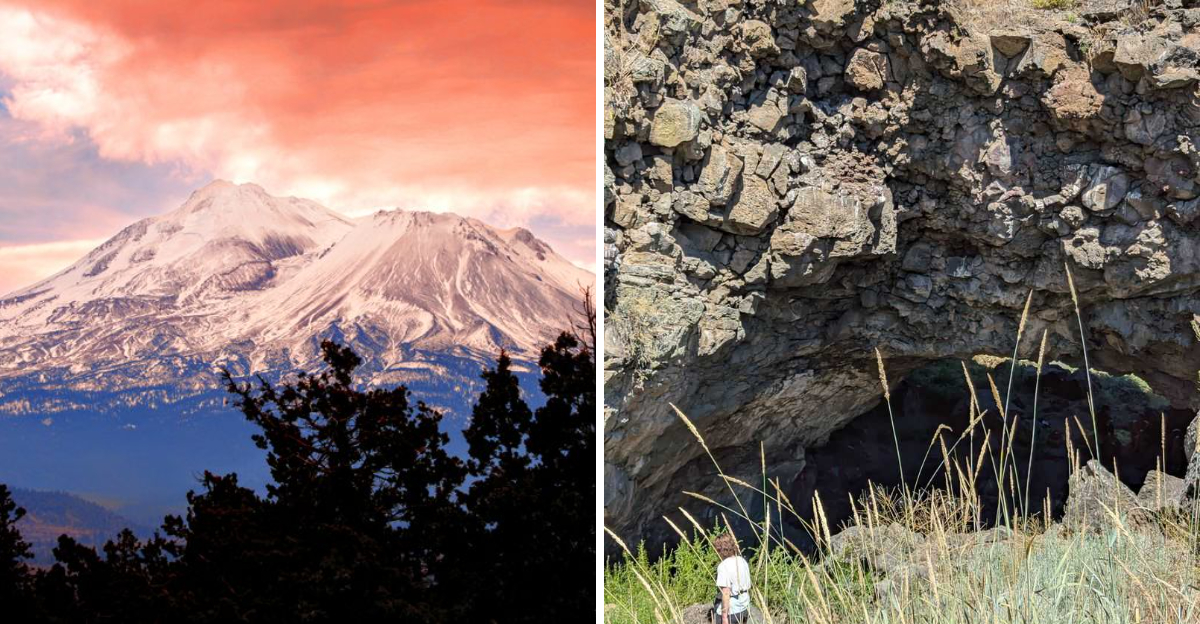
Towering more than 14,000 feet above Northern California, Mount Shasta doesn’t just dominate the skyline – it commands attention in a way few peaks ever do.
Snow-capped for much of the year and rising in near-perfect volcanic symmetry, the mountain has long been a magnet for legends, seekers, and storytellers drawn to its almost otherworldly presence.
But it’s what’s rumored to lie beneath the surface that has fueled fascination for generations.
Whispers of a hidden underground city known as Telos have circulated for decades, describing a vast subterranean world concealed deep inside the dormant volcano.
According to legend, this secret realm is home to survivors of Lemuria – the mythical lost continent said to have vanished beneath the Pacific thousands of years ago.
Stories paint Telos as an advanced civilization existing far below the mountain’s rugged slopes, complete with glowing tunnels, hidden chambers, and inhabitants who possess knowledge far beyond the modern world.
Over time, the legend has absorbed layers of influence – from Native American oral traditions tied to the mountain’s spiritual power, to Gold Rush–era tales of miners stumbling upon sealed passageways, to modern paranormal accounts involving UFO sightings and unexplained lights near the summit.
Skeptics point to lava tubes and volcanic cave systems as the more grounded explanation. Believers insist the mountain still guards secrets yet to be uncovered.
Whether seen as folklore or mystery, California’s legend of Mt Shasta reaches far beyond its summit.
1. Where The Mountain Rises Above Northern California
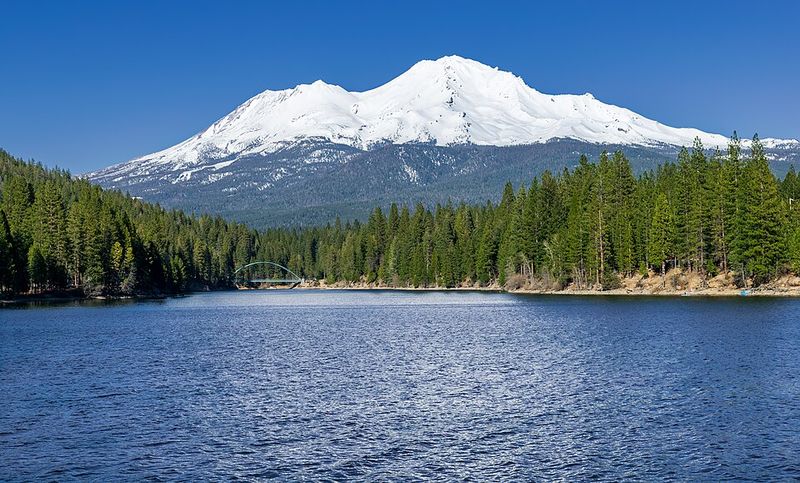
Mount Shasta stands as the second-highest peak in the Cascade Range, reaching 14,179 feet above sea level in Siskiyou County.
The mountain dominates the landscape for miles in every direction, visible from highways and small towns scattered across the region.
Four overlapping volcanic cones create the peak’s distinctive profile, with glaciers clinging to its upper slopes year-round.
The town of Mount Shasta sits at the base of the western slope, serving as a gateway for visitors drawn to the mountain’s natural beauty and mysterious reputation.
Smaller communities like Weed and McCloud surround the peak, each offering different views of the massive volcano.
The mountain’s isolation from other major peaks makes it appear even more imposing against the relatively flat terrain of the surrounding valleys.
Clear weather often provides views of the summit from more than 100 miles away, drawing the eye across farmland and forest.
The peak’s year-round snow cap reflects sunlight in ways that have inspired countless photographs and paintings.
Local residents grow accustomed to checking the mountain each morning, using its visibility as an informal weather indicator.
2. Origins Of The Underground City Legend
The legend begins with Lemuria, a hypothetical lost continent that some believed once stretched across the Pacific Ocean.
Proponents of this theory suggested that Lemurian survivors fled to various locations when their homeland sank beneath the waves.
Mount Shasta became one focal point for these stories, with tales claiming refugees established an underground refuge called Telos deep within the volcanic chambers.
Frederick Spencer Oliver’s 1894 novel “A Dweller on Two Planets” helped plant early seeds of Mount Shasta’s mystical reputation, though the book focused more on Atlantis than Lemuria.
Later writers expanded on these themes, weaving together threads from Theosophy, occult traditions, and science fiction.
The 1930s saw particular growth in these stories, as economic hardship made escapist legends especially appealing to Depression-era readers.
Harvey Spencer Lewis wrote “Lemuria: The Lost Continent of the Pacific” in 1931 under a pseudonym, cementing Mount Shasta’s role in Lemurian mythology.
His vivid descriptions of the underground city captured public imagination despite lacking archaeological evidence.
The book described crystal-powered technology and spiritually advanced beings living in complete secrecy beneath the mountain.
3. The Gold Rush Connection
Gold Rush prospectors flooded Northern California in the mid-1800s, spreading into remote areas around Mount Shasta in search of mineral wealth.
These miners spent months in isolated camps, swapping stories around campfires and sometimes reporting unusual discoveries.
The combination of exhaustion, harsh conditions, and genuine geological mysteries created fertile ground for strange tales to take root and spread.
J.C. Brown, a British prospector, claimed in 1904 to have discovered a cavern entrance on Mount Shasta’s slope during his earlier mining expeditions.
According to his account, the cave contained giant skeletons and walls covered in hieroglyphics suggesting an ancient civilization.
Brown allegedly planned to lead an expedition back to the site but disappeared before the scheduled departure, leaving his story unverified but widely circulated.
Other miners reported finding unusual rock formations, unexplained lights, and cave systems that seemed to extend far deeper than natural processes would explain.
Whether these accounts reflected genuine geological features misinterpreted through the lens of limited scientific knowledge or simply campfire entertainment remains unclear.
The stories persisted long after the Gold Rush ended, becoming woven into the broader tapestry of Mount Shasta legends.
4. Reports Of Sealed Entrances And Hidden Doorways
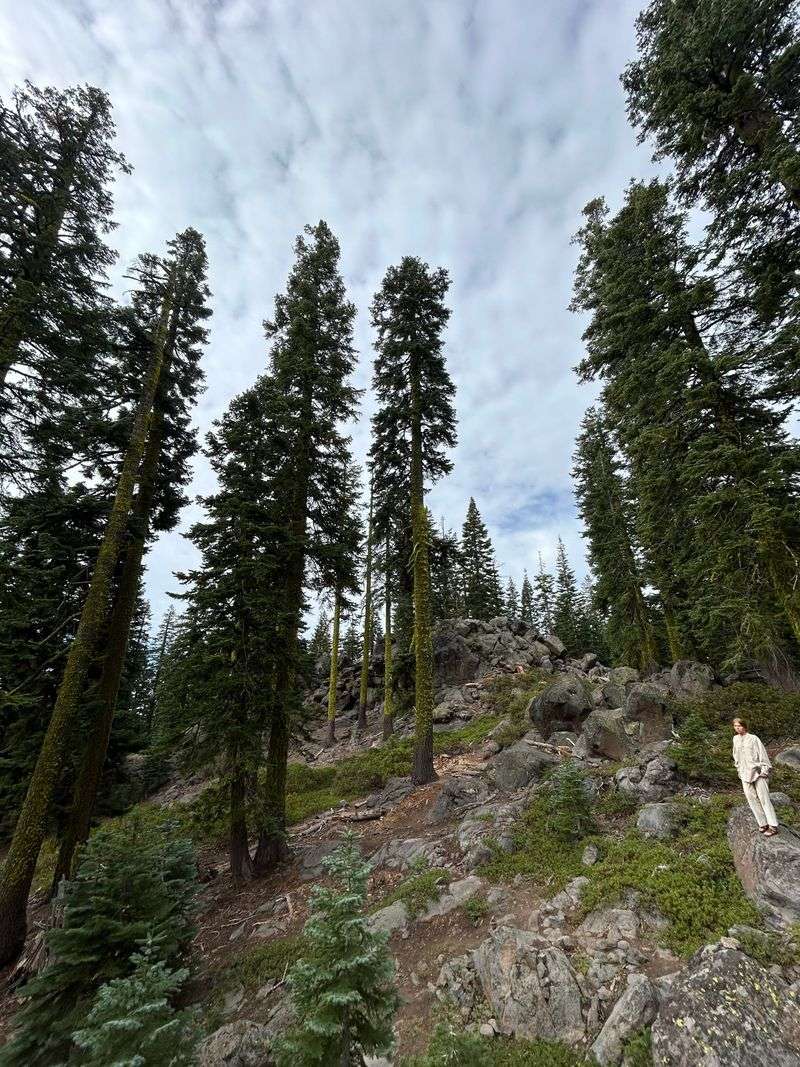
Hikers and explorers have reported discovering what appeared to be artificially sealed cave entrances on various slopes of Mount Shasta.
These accounts describe carefully stacked rocks blocking passages, metal doors embedded in cliff faces, or areas where vegetation patterns suggest human intervention.
Most such reports prove difficult to relocate, with subsequent search parties finding only natural rock formations or no trace of the described features.
Some stories tell of doorways that appear only at certain times of day when light hits the rock at particular angles.
Others describe sealed passages that local authorities allegedly guard to prevent public access.
These tales often include warnings about government involvement or danger to those who investigate too thoroughly.
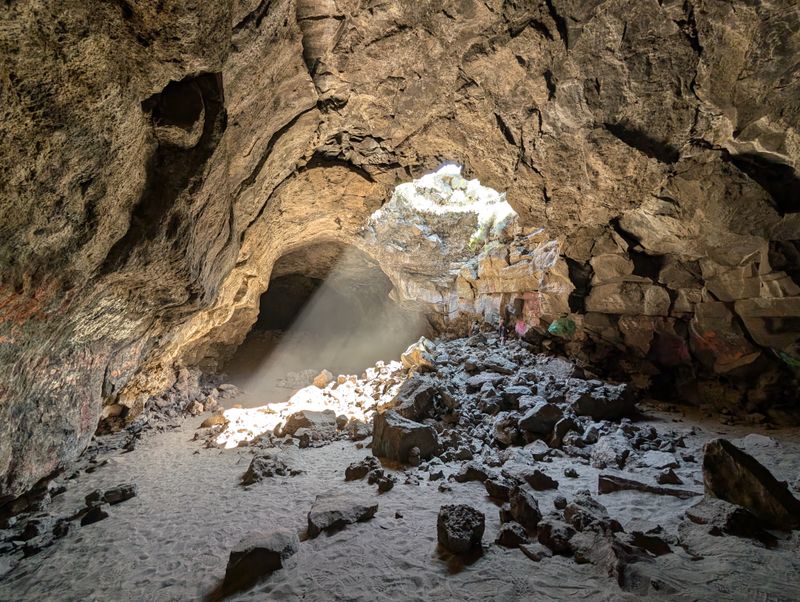
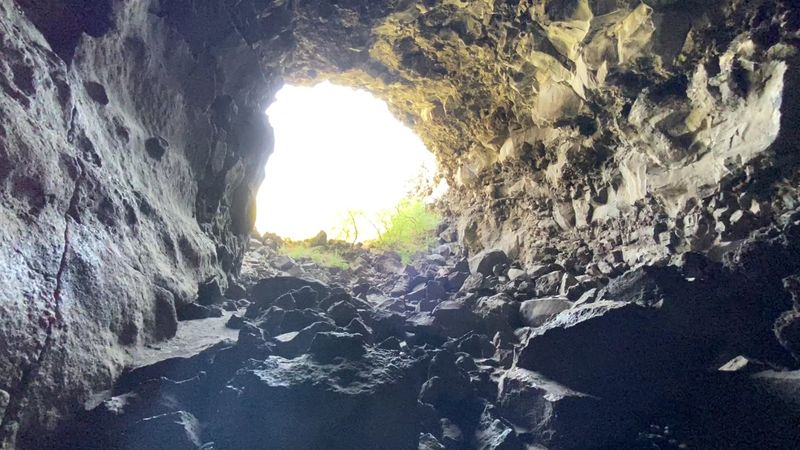
Lava tubes and volcanic caves do exist throughout the mountain, formed naturally when molten rock flowed during ancient eruptions.
The mountain’s complex geology creates genuine passages, dead-end chambers, and collapsed sections that might appear artificial to untrained observers.
Winter snowpack and seasonal rockfall constantly change the landscape, potentially explaining why reported features cannot be relocated months or years later.
5. Native American Lore And Sacred Ground Stories
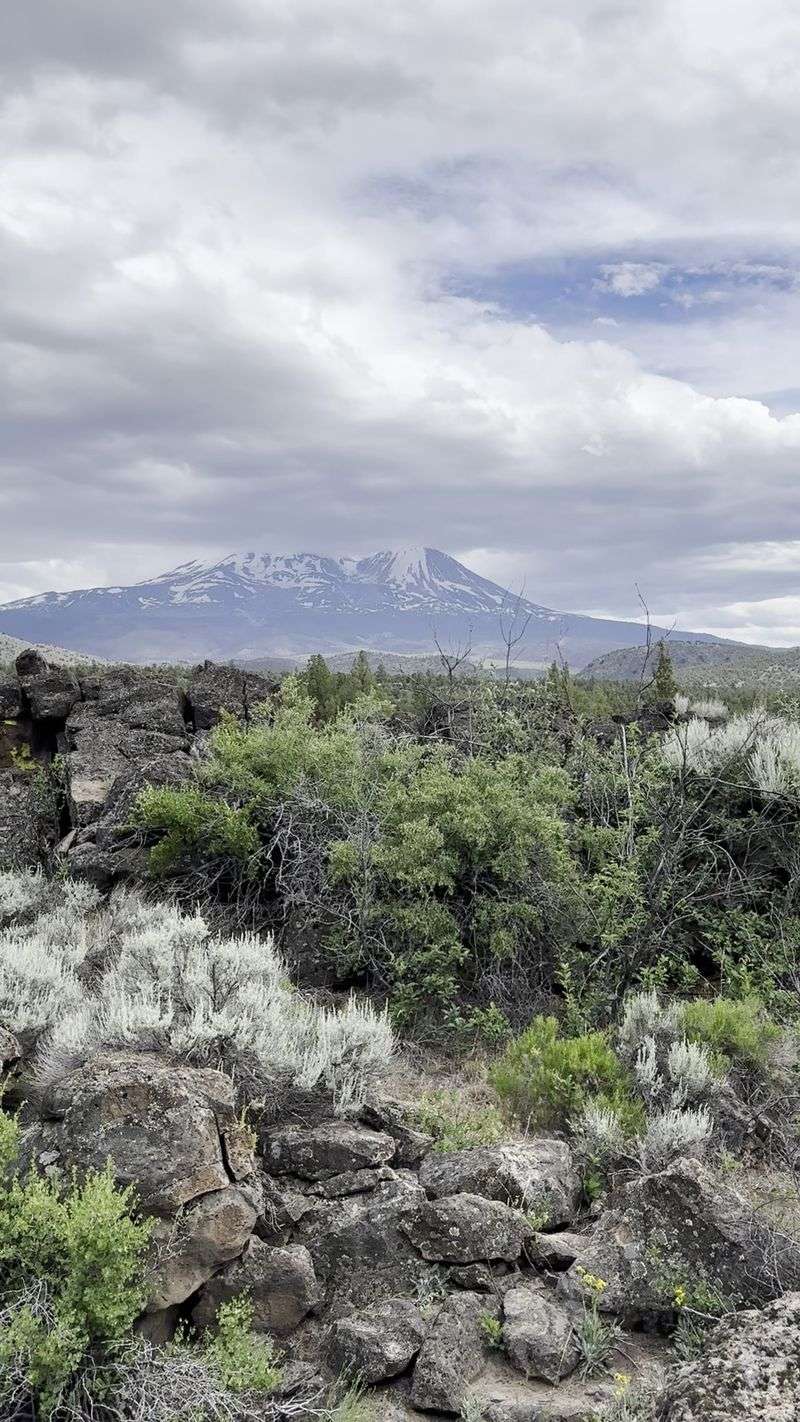
The Klamath, Modoc, Shasta, and other indigenous tribes have considered Mount Shasta sacred for thousands of years before European contact.
Traditional stories speak of powerful spirits dwelling on the mountain, with the summit serving as a place where the physical and spiritual worlds connect.
The Klamath tell of Skell, the spirit chief of the Above World, who battled Llao, the spirit of the Below World, on the mountain.
Tribal traditions generally discouraged climbing to the summit, treating the upper reaches as spaces reserved for spiritual beings rather than human activity.
These beliefs reflected both practical safety concerns about the dangerous volcanic terrain and genuine spiritual reverence for the mountain’s power.
Some stories warned of consequences for those who disrespected the sacred spaces or disturbed the mountain’s peace.
Modern Lemurian legends sometimes incorrectly blend with or claim connection to these indigenous traditions, though the two belief systems developed independently and contain very different cultural contexts.
Tribal elders have occasionally expressed frustration with New Age interpretations that misrepresent or appropriate their ancestral stories.
The indigenous relationship with Mount Shasta predates Lemurian mythology by millennia and deserves recognition as its own distinct spiritual tradition.
6. Explorers And Treasure Hunters Who Searched
Guy Warren Ballard claimed in the 1930s to have encountered a man named Saint Germain on Mount Shasta’s slopes, an experience that launched his “I AM” religious movement.
Ballard’s accounts of mystical experiences on the mountain attracted followers who conducted their own searches for evidence of hidden civilizations.
His descriptions of underground cities and advanced beings living beneath the surface added new layers to existing Lemurian legends.
Amateur treasure hunters and curiosity seekers have explored Mount Shasta’s caves and slopes for decades, searching for tunnel entrances or artifacts.
Some arrive with metal detectors, ground-penetrating radar, or dowsing rods, convinced that technology will reveal what others have missed.
Local forest rangers occasionally encounter groups camping in remote areas while conducting multi-day searches for hidden doorways.
Professional archaeologists and geologists have found no evidence supporting claims of artificial structures or ancient civilizations within the mountain.
The volcanic rock’s relatively recent formation in geological terms would make long-term human habitation unlikely, and the active seismic nature of the region would pose significant challenges to underground construction.
Scientific surveys focus on studying the mountain’s volcanic activity and natural cave systems rather than searching for mythical cities.
7. Military Or Government Conspiracy Theories
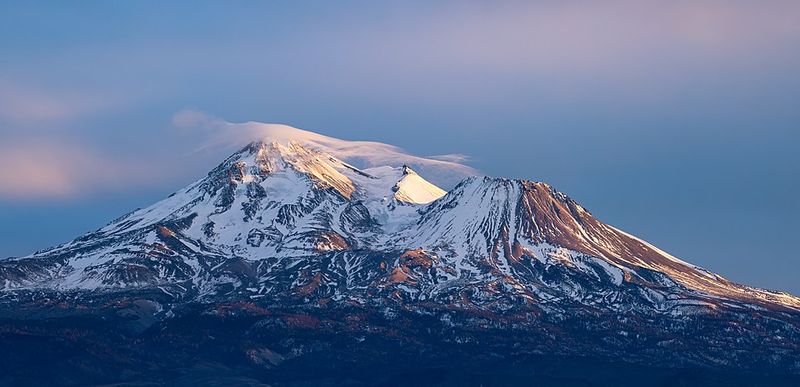
Conspiracy theories sometimes claim that military or government agencies maintain secret facilities inside Mount Shasta, either studying the Lemurians or concealing their existence from the public.
These stories often reference restricted areas on the mountain, though such zones typically relate to wilderness protection, watershed management, or actual military training areas unrelated to underground cities.
The presence of any official restrictions becomes interpreted as evidence of cover-ups rather than routine land management.
Some versions of these theories suggest that officials have made contact with Telos inhabitants and maintain ongoing communication or technology exchanges.
Others propose that the government actively prevents civilian discovery of entrances through surveillance and intimidation.
These narratives often cite unexplained helicopter activity or security personnel as proof, though such presences usually relate to search and rescue operations or forest service duties.
The mountain’s location near former military installations and current National Forest land provides enough factual basis for imaginative elaboration.
Shasta-Trinity National Forest does contain legitimate restricted zones for various practical reasons unrelated to underground civilizations.
No credible evidence has emerged linking government activity on Mount Shasta to anything beyond standard land management, scientific research, and public safety operations despite decades of scrutiny from conspiracy enthusiasts.
8. Geological Features That Fuel The Mystery
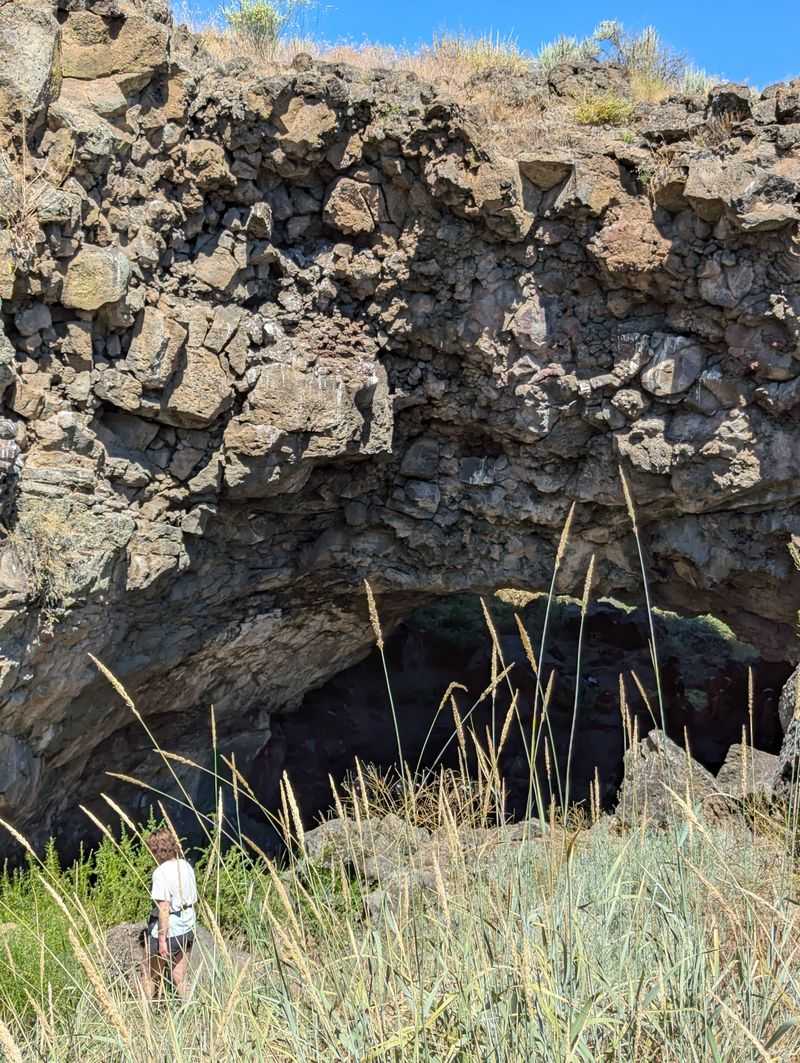
Mount Shasta’s volcanic origin created extensive lava tube systems when molten rock flowed during eruptions thousands of years ago.
These natural tunnels form when the surface of a lava flow cools and hardens while molten material continues flowing beneath, eventually draining away and leaving hollow passages.
Some tubes extend for considerable distances, creating networks that might seem artificially constructed to those unfamiliar with volcanic geology.
The mountain contains four overlapping volcanic cones built through successive eruptions, creating a complex internal structure with numerous chambers and passages.
Hotsprings bubble up in various locations around the base, heated by residual volcanic activity deep underground.
These thermal features sometimes create unusual atmospheric effects, with steam rising from vents and creating mysterious visual phenomena in certain lighting conditions.
Glacial melt and snowmelt create temporary waterfalls and streams that disappear into cracks in the rock, leading some observers to imagine vast underground water systems or hidden chambers.
The mountain’s active geology means that rockfalls and earthquakes periodically reshape the landscape, potentially revealing or concealing cave entrances.
These genuine geological features provide enough unusual characteristics to support imaginative interpretations while having entirely natural explanations grounded in volcanic processes and erosion patterns.
9. Modern Investigations And Scientific Findings
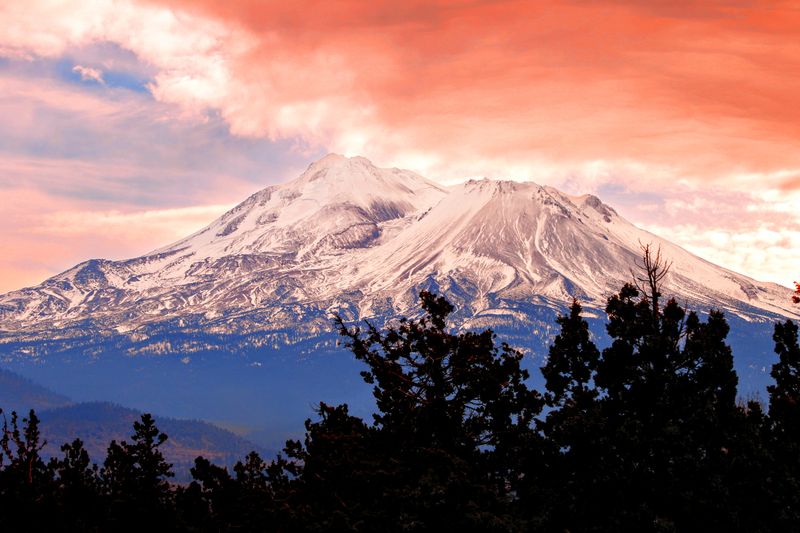
Volcanologists and geologists regularly study Mount Shasta as an active volcanic system that last erupted approximately 3,200 years ago and could potentially erupt again.
Scientific surveys using seismic monitoring, ground-penetrating radar, and other technologies map the mountain’s internal structure to understand magma chambers and predict future volcanic activity.
These investigations have revealed no evidence of artificial structures, inhabited spaces, or anything inconsistent with natural volcanic geology.
The United States Geological Survey maintains monitoring stations on and around the mountain, tracking seismic activity and ground deformation that might indicate volcanic unrest.
Data collected over decades shows typical patterns for a dormant stratovolcano with residual geothermal activity.
Thermal imaging occasionally detects heat signatures from fumaroles and hot springs, all explainable through volcanic processes without requiring alternative explanations.
Cave surveys conducted by speleologists document the mountain’s lava tube systems, finding formations consistent with volcanic origin and no signs of artificial modification or habitation.
While some passages extend impressively far into the mountain, they follow patterns typical of lava flows rather than designed structures.
Scientific consensus holds that Mount Shasta’s geology, while fascinating and complex, contains nothing supporting claims of underground cities or hidden civilizations despite thorough investigation using modern technology.
10. Why The Legend Still Captivates Visitors Today
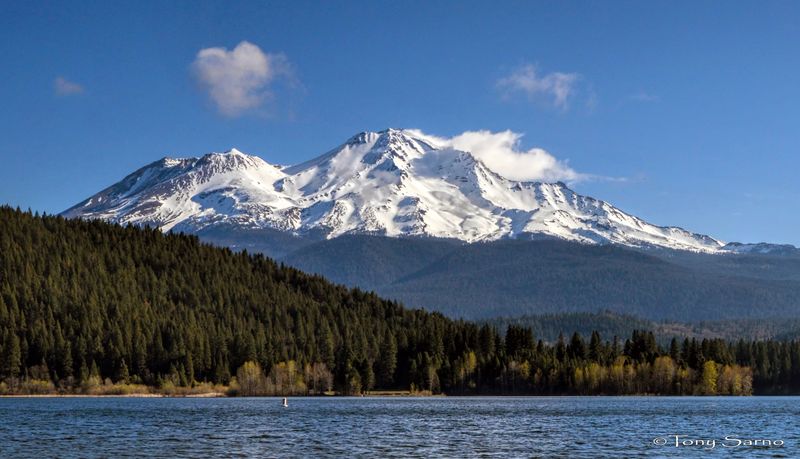
Thousands of visitors arrive in Mount Shasta each year drawn partly by the mountain’s legends alongside its natural beauty and recreational opportunities.
The town of Mount Shasta embraces its mystical reputation with crystal shops, spiritual retreat centers, and bookstores specializing in metaphysical topics.
Local businesses benefit from the influx of seekers attracted by stories of Telos and Lemurian energy, creating an economy partly built on the enduring appeal of mystery.
The legends provide a framework for people seeking meaning, connection, or escape from everyday concerns, offering hope that advanced civilizations might exist just beyond normal perception.
Mount Shasta’s dramatic beauty and relative isolation create an atmosphere that feels separate from ordinary life, making extraordinary claims seem more plausible.
The mountain’s real geological power and sacred significance to indigenous peoples lend weight to newer mythologies that layer atop older traditions.
Social media and internet communities keep the stories alive and evolving, with people sharing photographs of unusual light phenomena or reporting spiritual experiences on the mountain.
Whether visitors believe literally in underground cities or simply appreciate the legends as inspiring mythology, Mount Shasta continues attracting those seeking something beyond the material world.
The enduring appeal reflects human fascination with hidden knowledge, lost civilizations, and places where earth touches sky.