14 California Cities That Make Retiring On $1,200 A Month Feel Possible
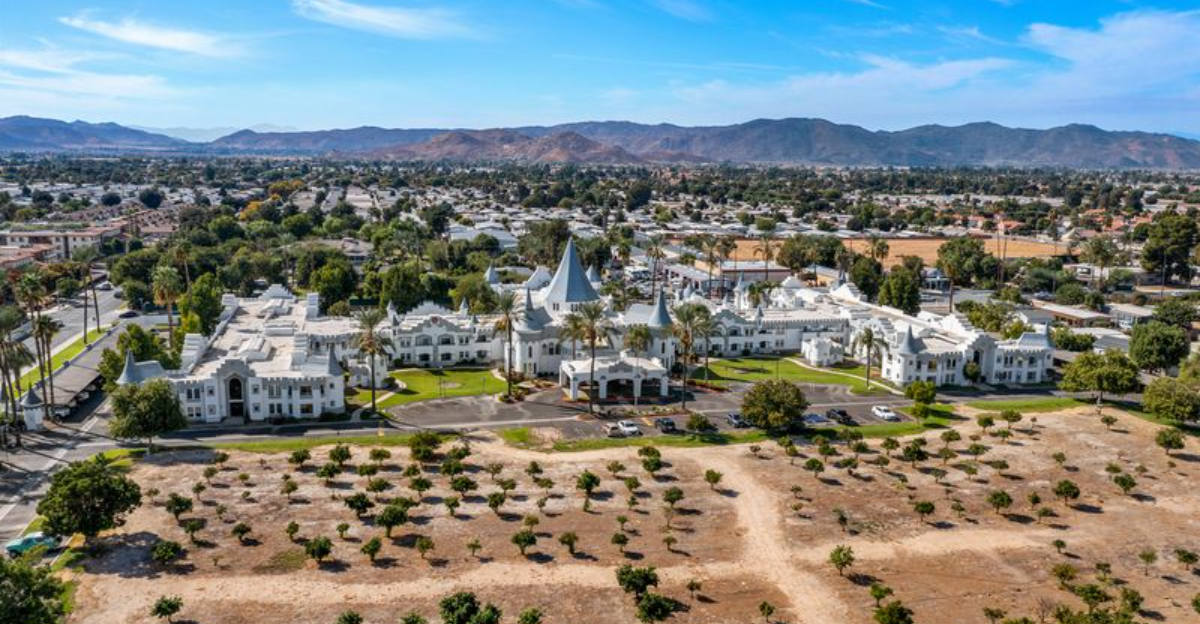
Retiring in California sounds like a fantasy for most people the moment budgets enter the conversation.
Sky-high housing prices and rising everyday costs have pushed the idea of a Golden State retirement into dream territory for anyone living on a fixed income. But a handful of overlooked communities are quietly rewriting that narrative.
Tucked across the Central Valley and Northern California, these cities offer a version of retirement that feels far more attainable than the headlines suggest.
Lower housing costs, manageable daily expenses, and tight-knit local resources create pockets where stretching a modest monthly check actually works.
The trade-off is not beachfront mansions or luxury high-rises. It is simpler living, slower pace, and communities where practicality matters more than flash.
For retirees willing to think beyond the state’s most famous zip codes, the math starts to shift in surprising ways.
With the right location, living on around $1,200 a month stops sounding impossible and starts looking like a plan that just might work within California’s borders.
1. Bakersfield
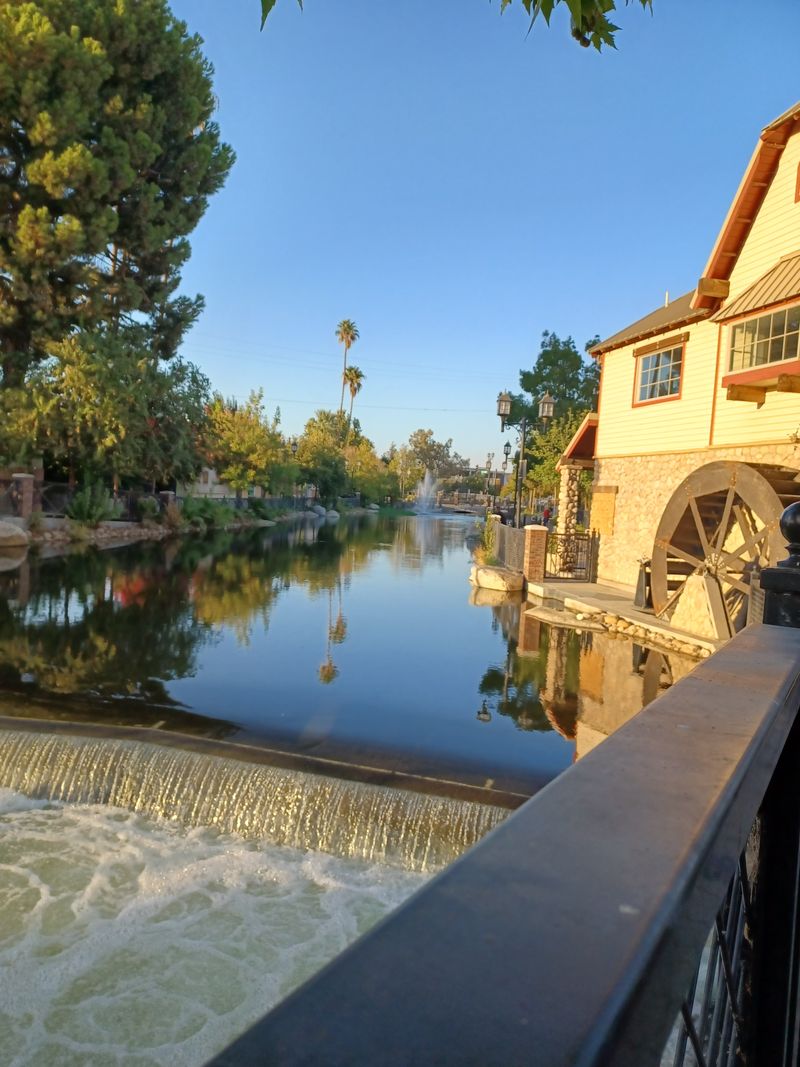
Bakersfield sits in the southern portion of the Central Valley and brings together affordability with practical amenities.
The cost of living runs about 40 percent below the state average, which creates breathing room for retirees watching every dollar.
Housing options include one-bedroom apartments that typically rent between $800 and $900 monthly, leaving funds available for groceries, utilities, and occasional outings.
The city maintains a straightforward layout with major grocery stores, medical facilities, and public transportation routes spread throughout residential neighborhoods.
Summers bring intense heat that pushes temperatures well above 100 degrees, while winters remain mild and comfortable.
Air conditioning becomes essential during warmer months, which affects utility costs. Community centers offer senior programs including exercise classes, social gatherings, and educational workshops at minimal or no cost.
Public libraries provide free internet access, book clubs, and quiet spaces for reading or studying. The local bus system covers most areas of the city with reduced fares for seniors.
Healthcare access includes multiple hospitals and urgent care centers scattered across Bakersfield. Pharmacies and medical supply stores operate in most neighborhoods, making prescription pickups convenient.
The city supports a range of faith communities, volunteer organizations, and hobby groups that welcome retiree participation without membership fees.
2. Fresno
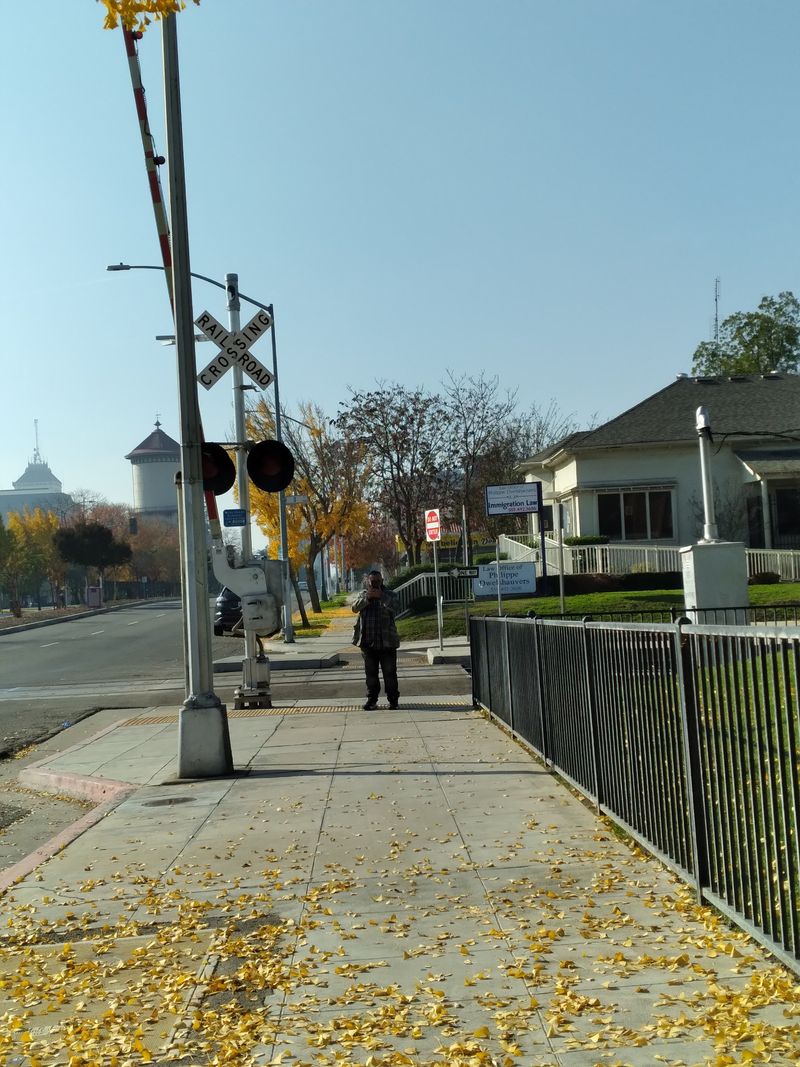
Fresno ranks as California’s fifth-largest city and delivers urban conveniences without the price tag attached to coastal metros.
Housing costs run approximately 30 percent lower than the state average, with one-bedroom apartments frequently available under $900 per month.
This pricing structure allows retirees to secure stable housing while maintaining funds for other necessities.
The city spreads across a large area with distinct neighborhoods offering different atmospheres and price points.
Public transit connects major shopping districts, medical centers, and community hubs, though routes may require transfers and careful planning.
Grocery options range from budget chains to farmers markets that sell fresh produce at reasonable prices.
Summers in Fresno bring dry heat that regularly exceeds 100 degrees, while winters stay mild with occasional fog.
The climate suits those who prefer warmth but requires managing cooling costs during peak summer months. Parks and walking trails provide outdoor recreation opportunities year-round.
Medical facilities include several hospitals, specialty clinics, and urgent care centers distributed throughout the city.
Senior centers host activities like card games, craft workshops, and fitness classes designed for older adults.
The public library system offers extensive resources including computer access, educational programs, and community event spaces that welcome retirees seeking social connection or quiet study time.
3. Stockton
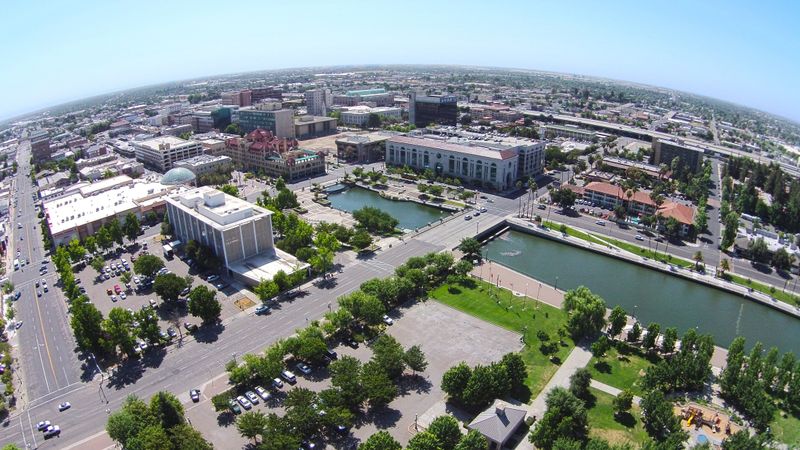
Stockton combines waterfront geography with housing prices that accommodate fixed-income budgets.
One-bedroom apartments typically rent between $850 and $950 monthly, while the overall cost of living sits about 25 percent below California’s average.
The city’s location along the Sacramento-San Joaquin Delta creates scenic views and recreational opportunities without premium pricing.
Downtown Stockton has undergone revitalization efforts that brought new restaurants, shops, and public spaces to previously underutilized areas.
The waterfront features walking paths, marina access, and community events during warmer months. Public transportation covers major routes though service frequency varies by neighborhood and time of day.
The climate includes hot summers and mild winters with occasional rain between November and March. Delta breezes provide some cooling relief during summer evenings.
Healthcare facilities include multiple hospitals and medical centers that accept Medicare and provide specialized senior care services.
Community organizations offer programs specifically designed for retirees including fitness classes, educational seminars, and social clubs.
The public library system provides free internet, book lending, and community meeting spaces. Local farmers markets operate year-round, offering fresh produce at prices that compete favorably with chain grocery stores.
The city supports various volunteer opportunities through nonprofit organizations, schools, and community centers that welcome retiree participation and provide social engagement without financial burden.
4. Modesto
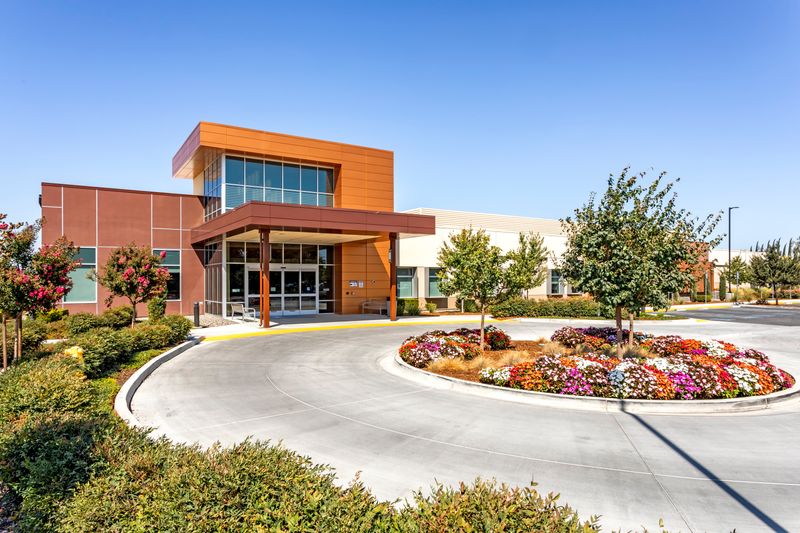
Modesto offers small-city charm combined with cost structures that support limited retirement budgets.
One-bedroom apartments generally rent between $800 and $950 monthly, with the overall cost of living running approximately 20 percent below the California average.
The city maintains a manageable size that allows residents to navigate neighborhoods without lengthy commutes or complicated transit systems.
Downtown features local businesses, restaurants, and community gathering spaces that host regular events and farmers markets.
The street grid follows a straightforward pattern that simplifies navigation for those unfamiliar with the area. Public parks provide shaded walking paths, picnic areas, and seasonal community programs.
Summers bring high temperatures that frequently reach into the upper 90s and low 100s, while winters remain mild with occasional fog and light rain.
The Central Valley location means limited coastal breezes but consistent sunshine throughout most of the year.
Healthcare access includes several hospitals, urgent care facilities, and specialty medical practices that serve the senior population.
Community centers throughout Modesto host senior programs including exercise classes, hobby groups, and educational workshops. The public library system offers free computer access, book clubs, and quiet reading spaces.
Grocery options include budget-friendly chains and weekly farmers markets where vendors sell fresh produce, baked goods, and prepared foods at competitive prices that help stretch monthly food budgets.
5. Redding
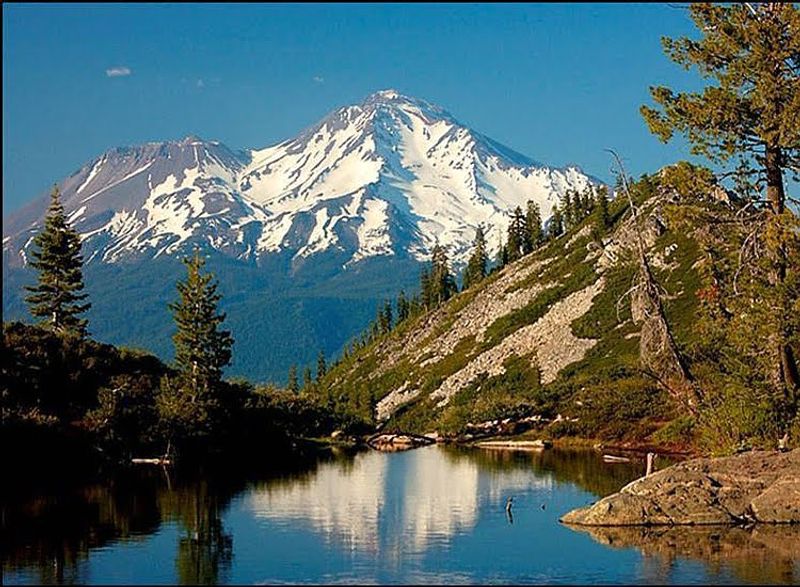
Redding sits in Northern California surrounded by natural beauty and outdoor recreation opportunities.
One-bedroom apartments typically range from $700 to $900 monthly, with the cost of living running about 20 percent below the state average.
The city serves as a gateway to national forests, lakes, and hiking trails that provide free entertainment for nature enthusiasts.
The community maintains a slower pace compared to urban centers further south, with less traffic congestion and shorter wait times at medical facilities and service providers.
Local businesses dominate the downtown area alongside national chains that offer familiar products and services. The climate includes hot, dry summers and mild winters with occasional rain.
Healthcare facilities include a major hospital system, urgent care centers, and specialty clinics that serve the surrounding region.
Public transportation options remain limited compared to larger cities, making personal vehicles or mobility aids important for maintaining independence.
Community organizations offer senior programs through recreation centers, churches, and nonprofit groups.
The public library system provides free internet access, book lending, and community event spaces. Farmers markets operate seasonally, offering locally grown produce at reasonable prices.
Outdoor activities like walking, birdwatching, and fishing require minimal investment and take advantage of the surrounding natural environment.
The city supports various volunteer opportunities that allow retirees to stay engaged with their community while managing limited budgets through free or low-cost participation.
6. Chico
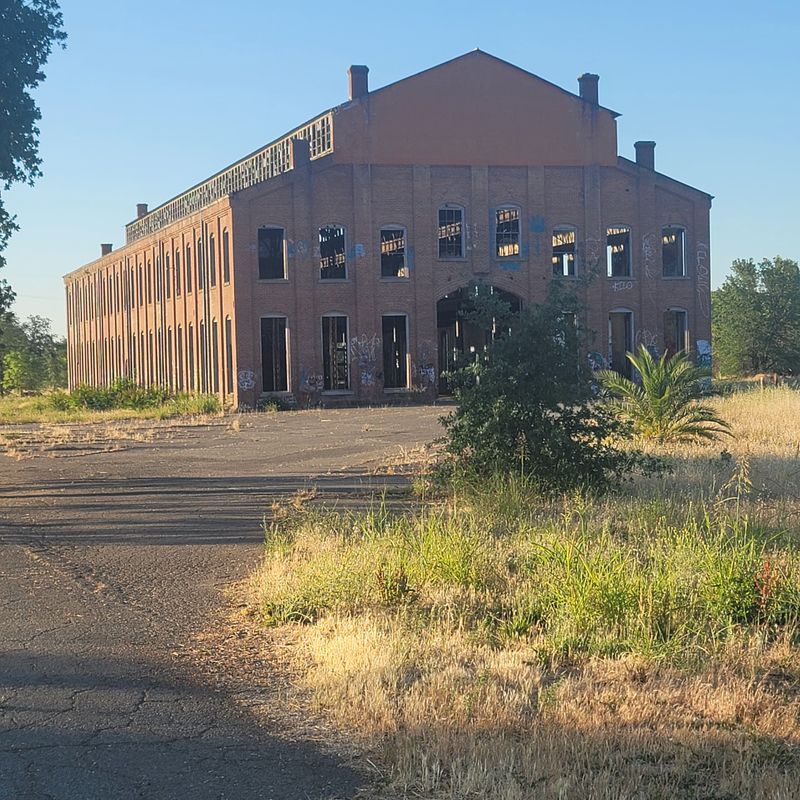
Chico functions as a college town that brings youthful energy alongside surprisingly affordable living options for retirees.
The presence of California State University Chico creates a community atmosphere with cultural events, public lectures, and recreational facilities that welcome residents of all ages.
Housing costs remain moderate with one-bedroom apartments available in the $800 to $950 range depending on location and amenities.
The downtown area features local shops, cafes, and weekly farmers markets that operate year-round.
Tree-lined streets provide shade during warm months, making walking a pleasant transportation option for shorter distances.
The city maintains an extensive network of bike paths that connect residential neighborhoods with shopping districts and community centers.
Summers bring warm temperatures that typically reach the 90s, while winters include rain and occasional cold snaps.
The climate supports year-round outdoor activities without the extreme heat found in valley cities further south.
Healthcare facilities include hospitals, clinics, and specialty practices that serve both the university population and local residents.
Community centers offer senior programs including fitness classes, art workshops, and social gatherings.
The public library system provides free computer access, educational programs, and quiet study spaces. Budget grocery stores compete with farmers markets for affordable food options.
The university occasionally opens certain facilities and events to community members, providing additional cultural and educational opportunities without admission fees that would strain retirement budgets.
7. Eureka
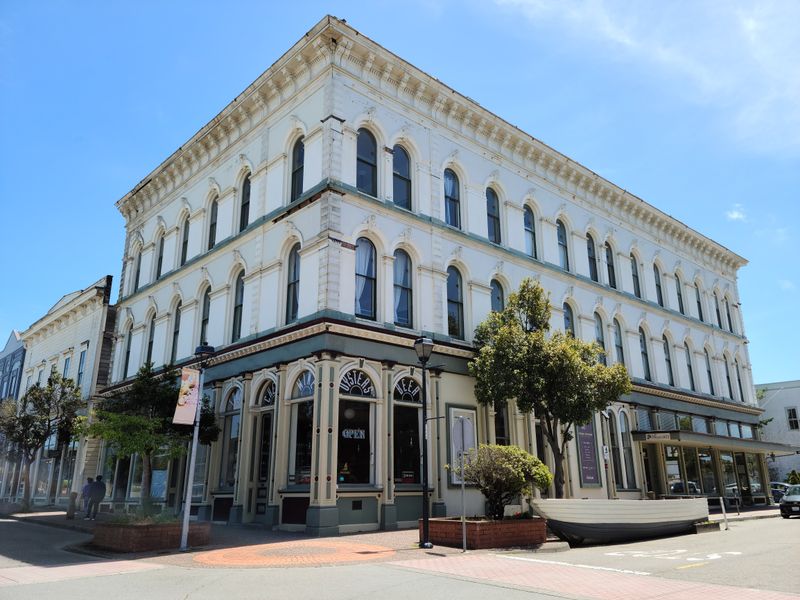
Eureka sits along California’s northern coast where Victorian architecture meets working-class affordability.
The city offers coastal living without the premium prices attached to Southern California beach communities.
One-bedroom apartments typically rent between $750 and $900 monthly, though availability can be limited due to the smaller housing market.
The climate differs dramatically from most California cities, with cool temperatures year-round, frequent fog, and substantial rainfall during winter months.
Summers rarely exceed 70 degrees, eliminating air conditioning costs but requiring warm clothing and heating during cooler periods.
The coastal location provides ocean views, beach access, and opportunities for walking along the waterfront.
Downtown Eureka features historic buildings, local shops, and community gathering spaces that host art walks and seasonal events.
The pace of life moves slower than urban centers, with less traffic and shorter lines at most businesses. Healthcare facilities include a regional hospital and medical clinics that serve the surrounding area.
Public transportation remains limited, making personal vehicles important for accessing services spread across the community.
The public library offers free internet, book lending, and community programs. Local food options include budget grocery stores and occasional farmers markets during growing seasons.
The isolation from major metropolitan areas means fewer entertainment options but also reduced pressure to spend money on activities.
Community organizations provide volunteer opportunities and social programs that help retirees stay connected without significant financial investment.
8. Oroville
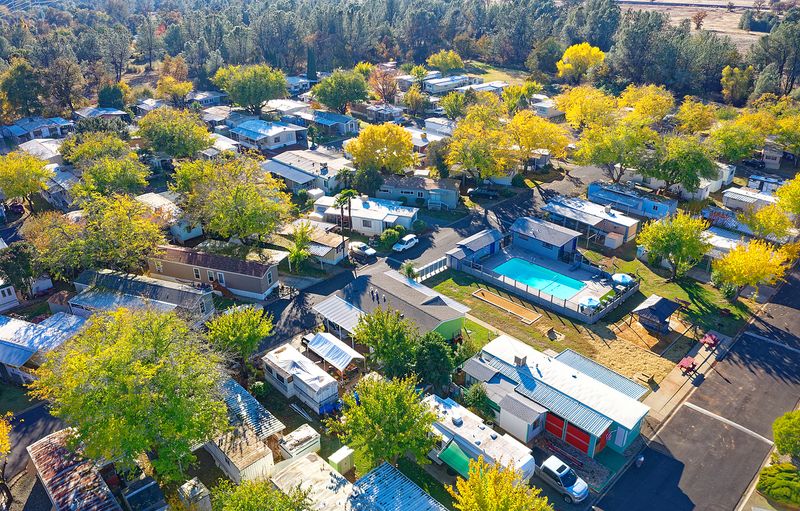
Oroville operates as a small city in the Sierra Nevada foothills where housing costs support retirement on limited income.
One-bedroom apartments rent between $700 and $850 monthly, creating substantial budget flexibility compared to coastal and urban areas.
The community maintains a quiet atmosphere with minimal traffic congestion and a slower pace that suits retirees seeking peaceful surroundings.
Lake Oroville provides recreational opportunities including fishing, boating, and waterfront walking trails that require minimal financial investment.
The surrounding foothills offer scenic views and mild elevation changes that add visual interest without creating difficult terrain for those with mobility concerns.
Summer temperatures regularly exceed 95 degrees, while winters bring occasional rain and cooler conditions.
The downtown area includes basic shopping options, local restaurants, and service providers that meet daily needs without requiring travel to larger cities.
Healthcare facilities include a hospital and medical clinics that provide essential services, though specialized care may require trips to nearby communities.
Public transportation options remain minimal, making personal vehicles important for maintaining independence.
Community centers offer senior programs including exercise classes, game groups, and seasonal social events.
The public library provides free internet access, book lending, and community meeting spaces. Grocery options include chain stores and a weekly farmers market during warmer months.
The smaller population means fewer entertainment options but also creates opportunities for building personal connections within the community through volunteer work, hobby groups, and faith organizations that welcome retiree participation.
9. Clearlake
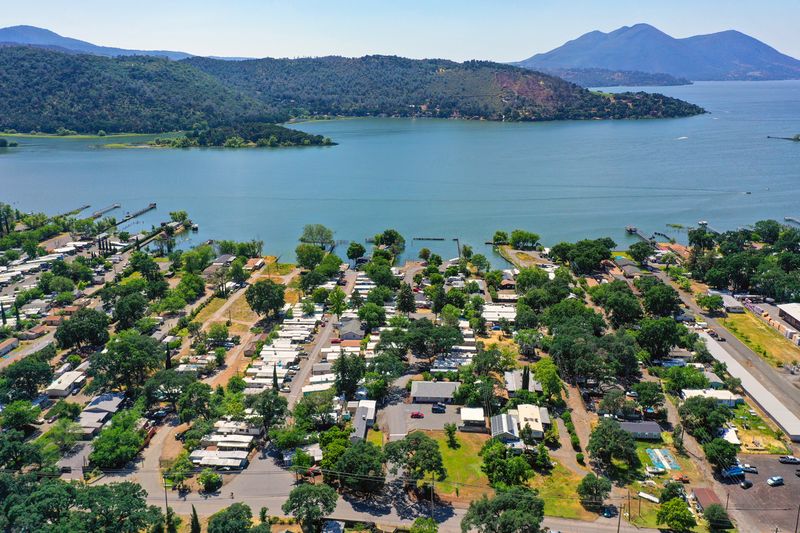
Clearlake sits along the shores of California’s largest natural freshwater lake in a rural setting that prioritizes affordability over urban amenities.
Housing costs rank among the lowest in the state, with one-bedroom apartments available between $650 and $800 monthly.
The community attracts retirees seeking quiet surroundings and natural beauty without the complications of city living.
Clear Lake provides fishing, bird watching, and waterfront access that costs nothing beyond basic equipment and transportation.
The surrounding area includes rolling hills, agricultural land, and small communities that maintain traditional small-town atmospheres.
Summer temperatures frequently reach the 90s, while winters bring rain and cooler conditions that rarely include snow.
The town includes basic shopping options, a few local restaurants, and essential services, though selection remains limited compared to larger cities.
Healthcare facilities include a small hospital and medical clinics, with more specialized care requiring travel to neighboring communities.
Public transportation does not exist in any meaningful form, making personal vehicles essential for accessing services and maintaining independence.
Community organizations offer limited programming compared to urban areas, though local churches, volunteer groups, and informal social networks provide opportunities for connection.
The public library offers basic services including internet access and book lending. Grocery shopping typically involves chain stores or small local markets with modest selection.
The isolation from major population centers means fewer entertainment options and cultural events, but also creates a lifestyle with minimal financial pressure and opportunities for outdoor recreation that supports retirement on restricted budgets.
10. Barstow
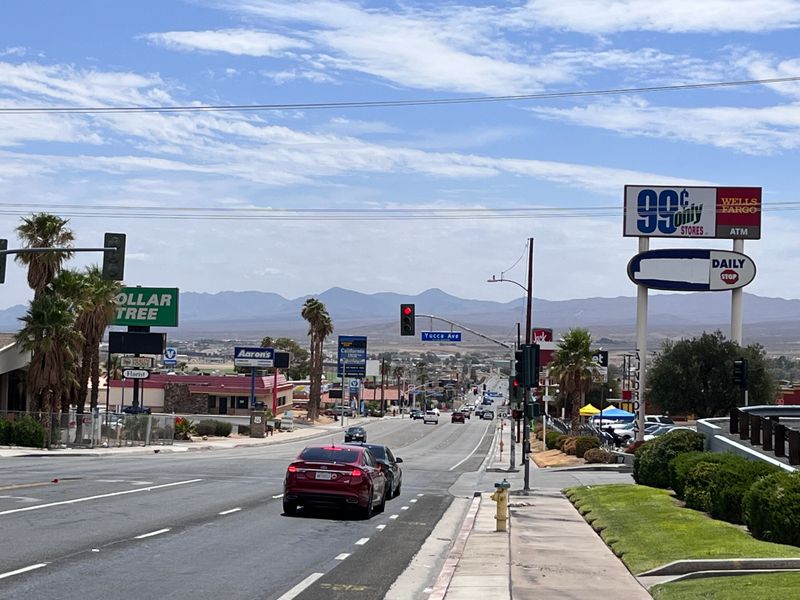
Barstow exists as a desert community along major transportation routes where extreme affordability compensates for harsh climate and limited amenities.
One-bedroom apartments rent between $650 and $850 monthly, creating significant budget flexibility for retirees willing to adapt to desert living.
The town serves as a stopover point between Southern California and Las Vegas, bringing transient energy alongside permanent residents.
The climate presents challenges with summer temperatures regularly exceeding 105 degrees and winter nights dropping below freezing.
Air conditioning becomes essential during warmer months, increasing utility costs despite low rent.
The desert environment offers stark beauty with minimal vegetation and expansive views of surrounding mountains and valleys.
Downtown Barstow includes basic shopping options, fast-food restaurants, and service providers that meet essential needs without variety or specialty options.
Healthcare facilities include a hospital and medical clinics that provide fundamental care, though specialized services require travel to larger cities.
Public transportation remains virtually nonexistent, making personal vehicles necessary for accessing services spread across the community.
Community programs exist through recreation centers and senior organizations, though offerings remain modest compared to urban areas.
The public library provides internet access, book lending, and air-conditioned space during hot months. Grocery options include chain stores with standard selection at competitive prices.
The isolation from major population centers means minimal cultural activities and entertainment options, creating a lifestyle focused on basic needs rather than diverse experiences.
Retirees choosing Barstow prioritize financial survival over amenities and accept significant lifestyle compromises in exchange for housing affordability.
11. Hemet
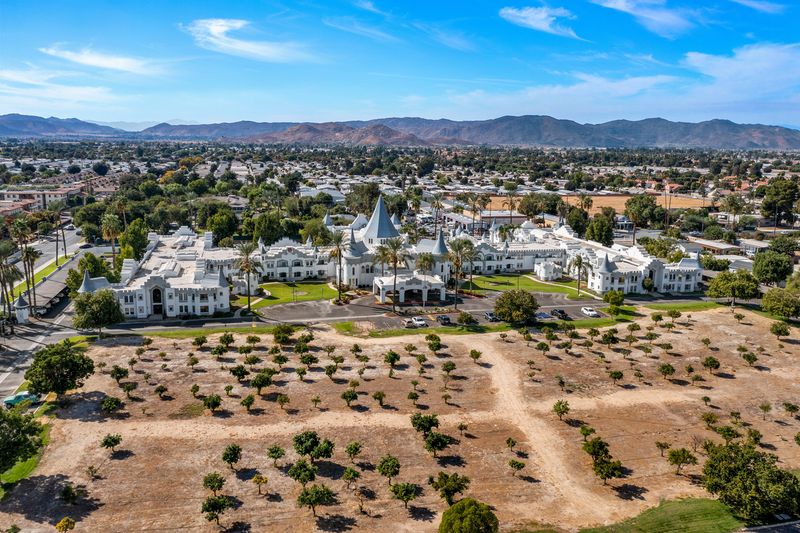
Hemet functions as a retirement-focused community in Southern California’s San Jacinto Valley where housing costs remain manageable despite proximity to expensive coastal areas.
One-bedroom apartments typically rent between $850 and $950 monthly, with numerous senior apartment complexes offering age-restricted housing that creates built-in community connections.
The town attracts retirees seeking warm weather and affordable living within driving distance of larger cities.
The climate includes hot, dry summers with temperatures frequently exceeding 100 degrees and mild winters that rarely require heating.
The valley location traps heat during summer months but provides protection from coastal fog and wind. Mountain views create scenic backdrops without requiring travel to enjoy natural beauty.
Downtown Hemet includes shopping centers, chain restaurants, and service providers oriented toward senior residents.
Healthcare facilities include hospitals, medical clinics, and specialty practices that focus on geriatric care and chronic condition management.
Public transportation exists but operates on limited schedules, making personal vehicles helpful for maintaining flexibility and independence.
Community centers throughout Hemet offer extensive senior programming including fitness classes, hobby groups, educational workshops, and social events specifically designed for older adults.
The public library provides computer access, book clubs, and community gathering spaces. Grocery options include budget chains and occasional farmers markets.
The concentration of retirees creates a community atmosphere where age-related needs receive priority attention.
Volunteer opportunities exist through schools, nonprofits, and community organizations that welcome retiree participation and provide social engagement without straining limited budgets.
12. El Centro
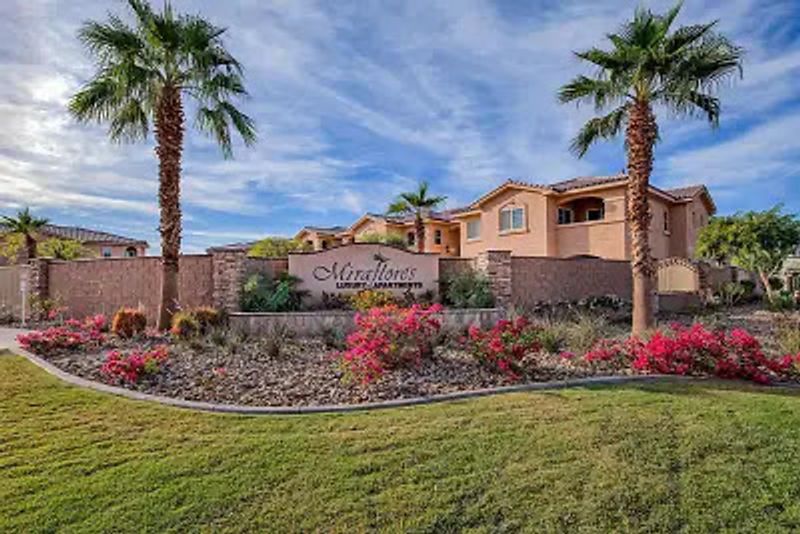
El Centro sits in the Imperial Valley near the Mexican border where extreme heat and agricultural economy create rock-bottom living costs.
One-bedroom apartments rent between $600 and $800 monthly, ranking among the most affordable options in California.
The community serves agricultural workers and border commerce, creating a diverse population with practical, working-class character.
Summer temperatures regularly exceed 110 degrees, making El Centro one of the hottest cities in the nation.
Air conditioning runs constantly during warm months, significantly increasing utility costs despite low rent.
Winter temperatures remain mild and comfortable, providing relief from extreme heat. The desert landscape offers minimal shade and sparse vegetation.
Downtown El Centro includes basic shopping options, Mexican restaurants, and service providers that reflect the border location and agricultural economy.
Healthcare facilities include a hospital and medical clinics that serve the valley population, though specialized care may require travel to larger cities.
Public transportation operates on limited routes with infrequent service.
Community programs exist through recreation centers and nonprofit organizations, though offerings remain basic compared to urban areas. The public library provides air-conditioned space, internet access, and book lending.
Grocery stores include budget chains and Mexican markets that offer produce and staples at competitive prices.
The extreme heat limits outdoor activities during summer months, forcing residents indoors for much of the year.
Retirees choosing El Centro prioritize financial survival above comfort and accept significant climate challenges in exchange for housing affordability that makes $1,200 monthly budgets feasible.
13. Susanville
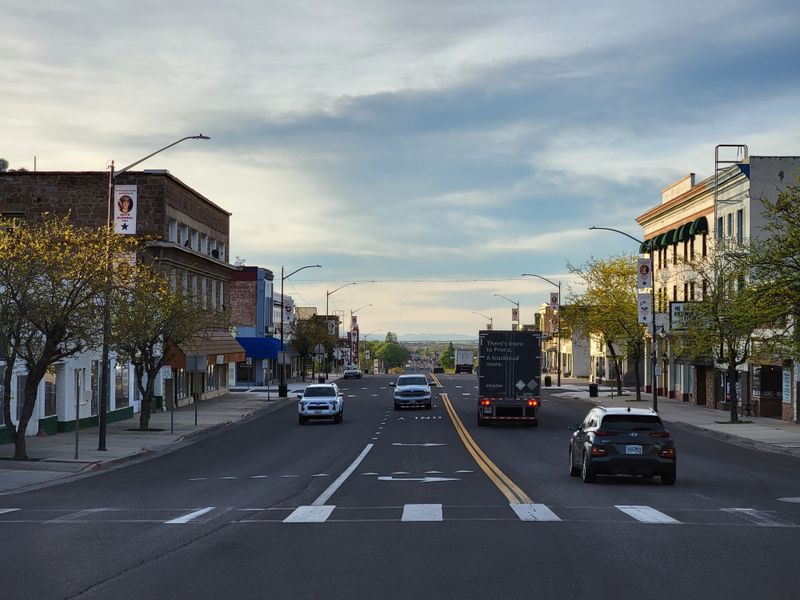
Susanville exists as a small mountain community in California’s northeast corner where isolation and limited economy create affordable housing options.
One-bedroom apartments rent between $650 and $850 monthly, though availability remains limited due to the small housing market.
The town sits at 4,200 feet elevation surrounded by national forests and high desert landscape that provides natural beauty without development pressure.
The climate includes cold winters with regular snowfall and warm summers with cool evenings. Heating costs increase during winter months, offsetting some savings from low rent.
The mountain setting offers outdoor recreation including hiking, fishing, and wildlife viewing that requires minimal financial investment beyond basic equipment and transportation.
Downtown Susanville includes essential services, a few local restaurants, and basic shopping options, though selection remains extremely limited.
Healthcare facilities include a small hospital and medical clinics that provide fundamental care, with specialized services requiring travel to distant cities.
Public transportation does not exist, making personal vehicles absolutely essential for accessing services and maintaining any level of independence.
Community programs operate through recreation centers, churches, and volunteer organizations, though offerings remain modest due to the small population.
The public library provides internet access and book lending in a quiet, small-town setting. Grocery shopping involves chain stores with limited selection or small local markets.
The extreme isolation from major population centers means minimal cultural activities, entertainment options, and social diversity.
Retirees choosing Susanville must accept profound isolation and limited services in exchange for low housing costs and natural surroundings.
14. Porterville

Porterville operates as an agricultural community in the Sierra Nevada foothills where working-class economy supports affordable retirement living.
One-bedroom apartments typically rent between $750 and $900 monthly, with the cost of living running below state averages across most categories.
The town combines small-city convenience with proximity to mountain recreation and natural areas. The climate includes hot, dry summers with temperatures frequently exceeding 100 degrees and mild winters with occasional rain.
The foothills location provides views of the Sierra Nevada and access to nearby Sequoia National Forest without mountain elevation extremes.
Air quality can decline during summer months due to agricultural activities and valley geography that traps pollutants.
Downtown Porterville includes shopping centers, chain restaurants, and local businesses that serve daily needs without extensive variety.
Healthcare facilities include a hospital and medical clinics that provide essential services, though specialized care may require travel to Fresno or other larger cities.
Public transportation operates on limited routes with infrequent service, making personal vehicles important for maintaining independence.
Community centers offer senior programs including fitness classes, hobby groups, and social events designed for older adults.
The public library provides computer access, book lending, and community meeting spaces. Grocery options include budget chains and seasonal farmers markets where local produce sells at competitive prices.
The agricultural character creates a practical, working-class atmosphere focused on basic needs rather than cultural amenities.
Retirees choosing Porterville find straightforward living costs that support $1,200 monthly budgets without requiring extreme lifestyle compromises or isolation from essential services.