This California Big Cat Sanctuary Offers An Up-Close Look At Lions And Tigers
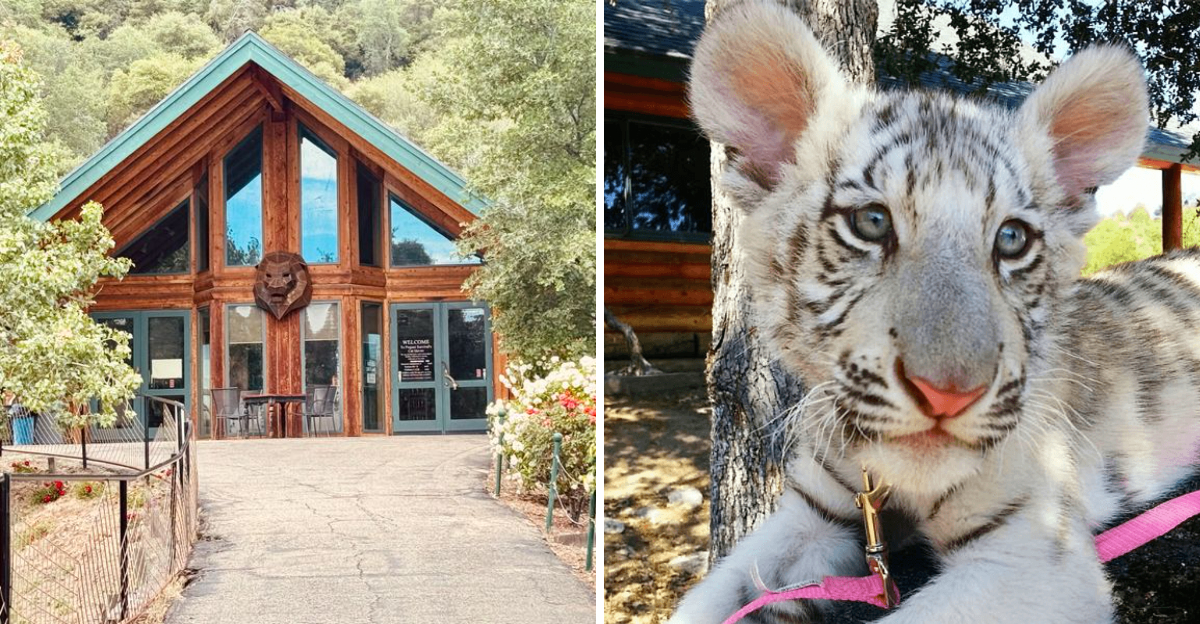
Lions roaring in the mountains is not something most people expect to hear in California. Yet deep in the Sierra Nevada foothills, that is exactly what visitors find.
Project Survival’s Cat Haven puts you startlingly close to some of the world’s most powerful predators.
Full-grown tigers pace just yards away. Leopards watch from elevated perches. The scale, the sound, and the intensity feel far removed from any typical zoo visit.
Every animal here has a backstory. Some were rescued from roadside attractions. Others came from private owners who could not handle the reality of keeping a wild predator.
Now they live in expansive habitats designed for safety, dignity, and lifelong care.
The sanctuary spans nearly 100 acres near Dunlap, transforming a quiet mountain drive into an experience people talk about for years.
The setting feels raw and real, equal parts scenic and adrenaline filled. Visitors do not just observe wildlife here.
They step into the world of animals few ever see this close, making it one of California’s most unexpected and unforgettable stops.
1. A Big Cat Sanctuary In Central California
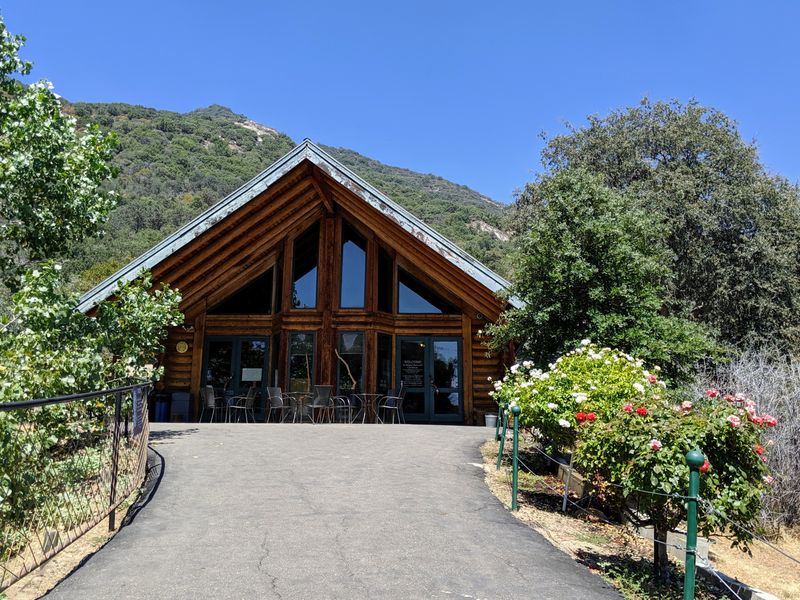
Project Survival’s Cat Haven stands as one of the most respected wild cat sanctuaries on the West Coast.
The facility provides a permanent home for exotic felines that cannot be released into the wild due to various circumstances including injury, abandonment, or illegal captivity.
Visitors walking through the grounds encounter species from multiple continents living in environments carefully designed to match their natural preferences.
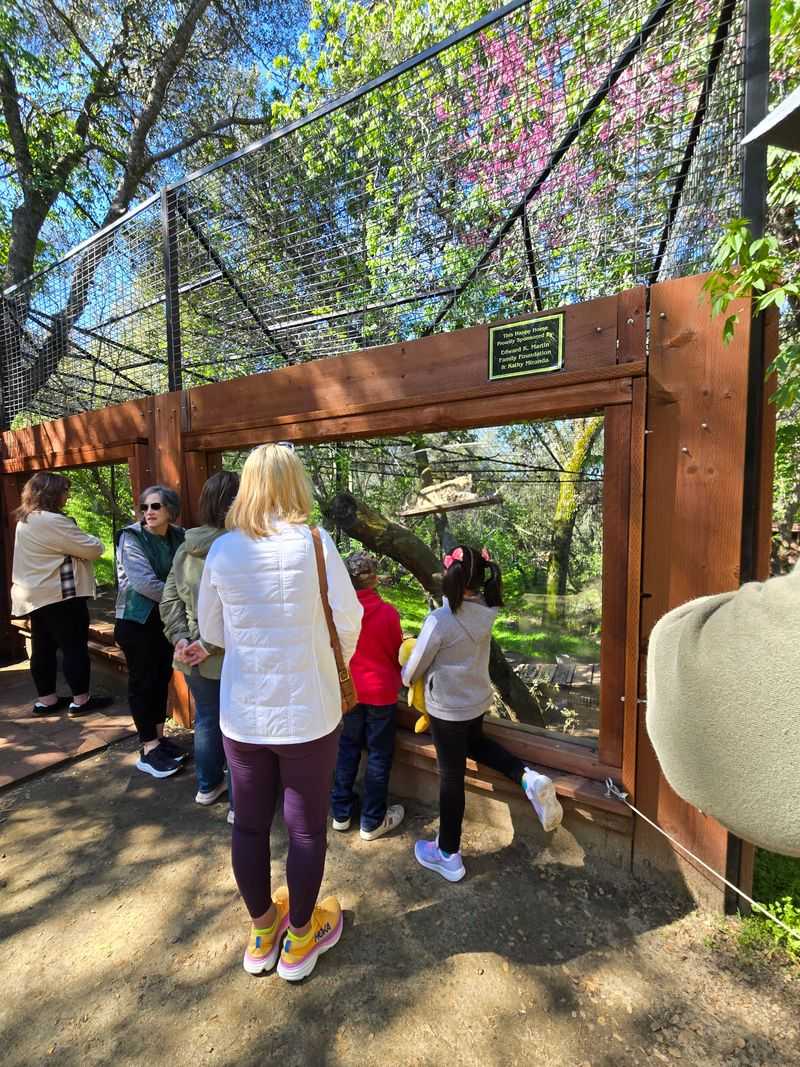
The layout allows for close viewing while maintaining safety barriers that protect both guests and animals.
The sanctuary sits at an elevation between 2,400 and 3,000 feet, offering cooler temperatures during summer months and occasional snow in winter.
This elevation creates a comfortable climate for many of the cat species housed here, particularly those native to mountainous or temperate regions.
The natural terrain includes oak woodlands and rocky outcroppings that provide shade and enrichment opportunities for the residents.
Staff members work daily to ensure each habitat includes climbing structures, resting platforms, and areas where cats can retreat from view when they choose privacy over interaction with visitors.
2. Where Is Project Survival’s Cat Haven Located
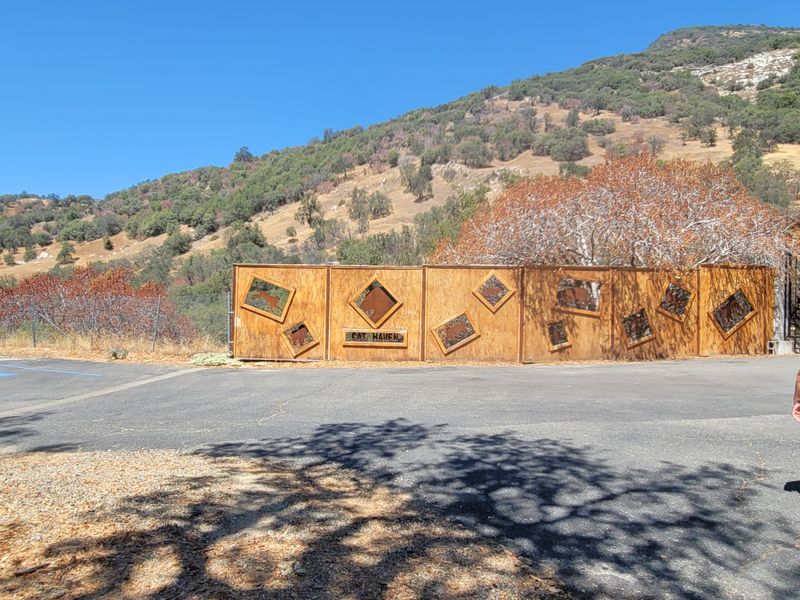
The sanctuary sits in Dunlap, a small unincorporated community in Fresno County known for its rural character and mountain access.
Dunlap itself rests at approximately 1,919 feet elevation and serves as a gateway to the higher elevations of the Sierra Nevada.
Cat Haven lies 15 miles west of Kings Canyon National Park, positioning it perfectly for visitors combining national park trips with wildlife education experiences.
The drive from Fresno takes about an hour, following Highway 180 as it climbs into the foothills through increasingly scenic terrain.
The location at 38257 E Kings Canyon Rd, Dunlap, CA 93621 provides panoramic views of Shannon Valley below, with vistas extending across the foothills on clear days.
This remote setting offers the cats a quieter environment away from urban noise and activity, which benefits their overall wellbeing and reduces stress.
Visitors should note that the mountain location means winding roads and limited cell service in some areas, so planning ahead with directions and timing becomes important.
The elevation and surrounding wilderness create an immersive experience that feels far removed from city life despite being accessible as a day trip from several Central California communities.
3. How The Sanctuary Began
Dale Anderson founded Project Survival’s Cat Haven in 1993 after acquiring 93 acres of land with a vision to create a conservation-focused sanctuary.
His goal centered on providing permanent homes for exotic cats while educating the public about the threats these species face in their native habitats.
The early years involved extensive construction and planning to build appropriate enclosures that would meet both safety standards and the complex needs of large predators.
Anderson worked with wildlife experts to design spaces that allowed natural behaviors while ensuring long-term security for the animals.
The name reflects the dual mission of the organization, with Project Survival emphasizing the conservation education component and Cat Haven highlighting the refuge aspect.
From the beginning, the sanctuary operated as a nonprofit organization dependent on admission fees, donations, and support from wildlife advocates.
Over three decades, the facility has grown from a small collection of enclosures to a comprehensive conservation center housing close to 25 different species.
The evolution included adding educational facilities, improving habitats based on advancing knowledge of animal welfare, and developing programs that reach thousands of visitors annually with messages about wildlife conservation.
4. The Rescue And Rehabilitation Mission
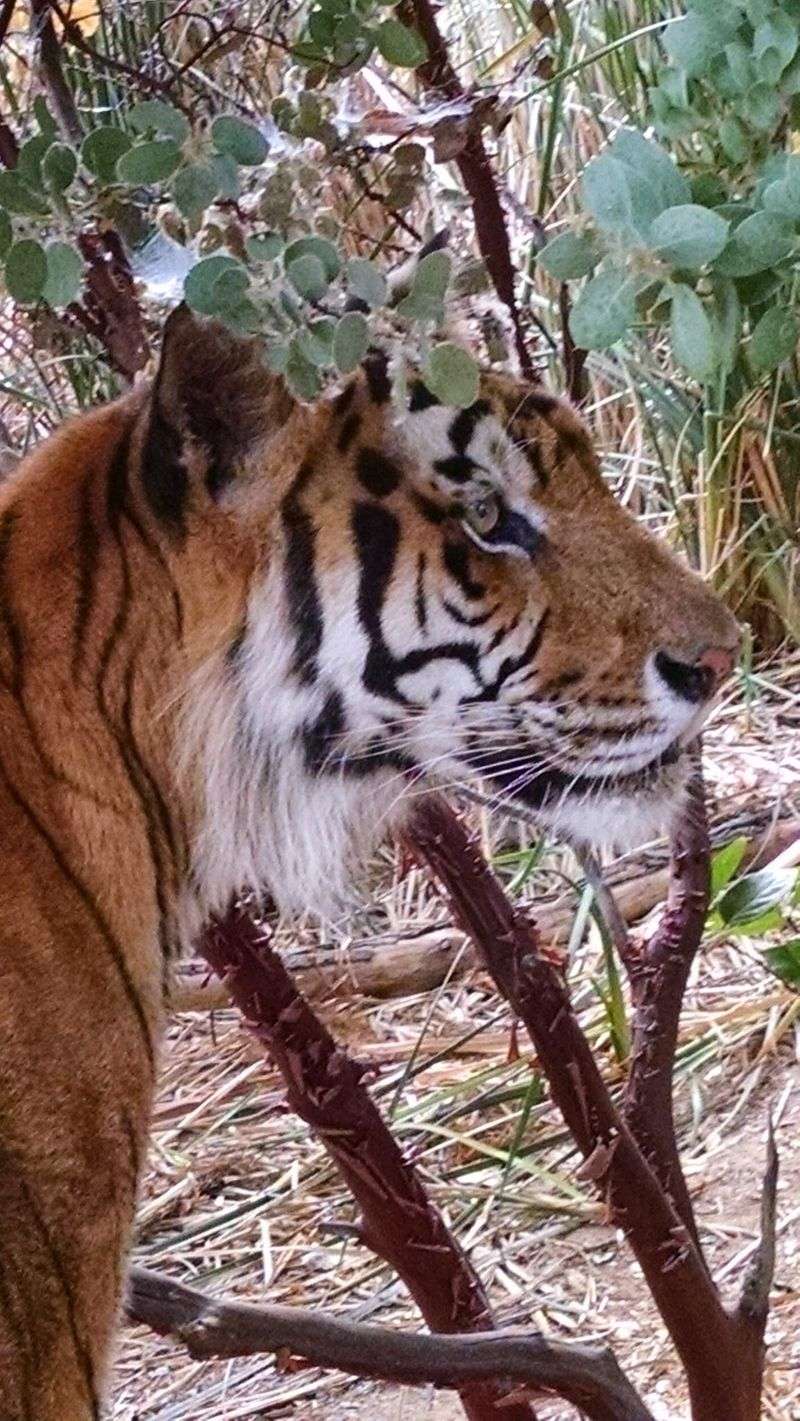
Many residents arrive at Cat Haven from situations where private owners could no longer care for them legally or properly.
Exotic pet ownership creates ongoing problems when animals outgrow cute cub stages and become dangerous, expensive, and difficult to manage in residential settings.
Some cats come from other facilities that closed or lost accreditation, requiring emergency placement to ensure their continued care.
The sanctuary works with regulatory agencies and other accredited facilities to provide solutions when animals need new homes due to circumstances beyond their control.
Rehabilitation focuses on helping cats adjust to their permanent sanctuary environment after potentially traumatic experiences.
Staff members spend considerable time observing new arrivals to understand their individual personalities, fears, and preferences before introducing them to their long-term habitats.
The facility does not breed animals or support the exotic pet trade in any form, maintaining strict ethical standards about its role in conservation.
Every rescue reinforces educational messages about why wild animals belong in professional care facilities or their native habitats rather than private homes, regardless of how appealing cubs may seem to potential owners.
5. What To Expect On A Visit
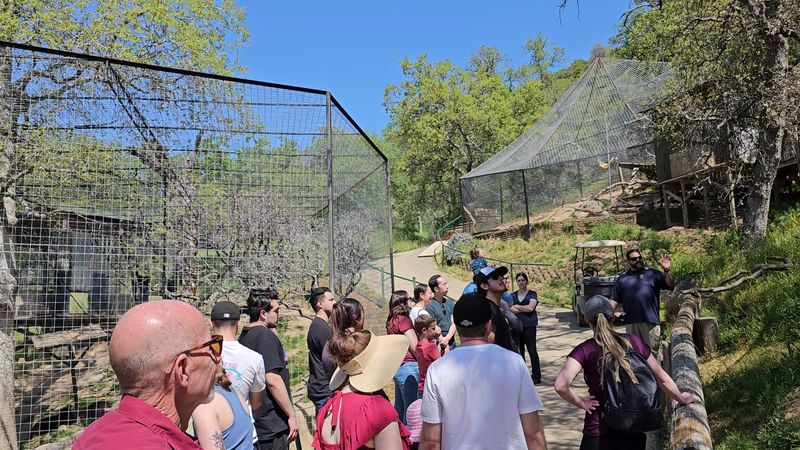
Tours begin at scheduled times throughout the day, with visitors gathering near the gift shop and orientation area.
Arrival 15 minutes before tour start time allows for parking, restroom visits, and brief exploration of the gift shop before guides begin leading groups.
The walking tour covers approximately one mile of paved and improved paths connecting various habitats across the property.
Comfortable walking shoes become essential, particularly during warmer months when temperatures can climb even at this elevation.
Docents lead groups of varying sizes depending on season and day of the week, with summer weekends typically drawing larger crowds than winter weekdays.
The guided format ensures everyone receives information about each species while maintaining appropriate noise levels and behavior around the animals.
Photography is welcomed and encouraged throughout the tour, though flash photography may be restricted near certain sensitive animals.
The tour duration ranges from one to one and a half hours depending on group size, questions asked, and animal activity levels on any given day, so visitors should plan accordingly when scheduling other activities.
6. Lions And Tigers You Can See Up Close
African lions rank among the most impressive residents, with their distinctive manes and powerful builds capturing immediate attention.
These social cats often display behaviors visitors recognize from nature documentaries, including vocalizations that can be heard across the property.
Tigers represent several subspecies at the sanctuary, each with unique characteristics and conservation stories.
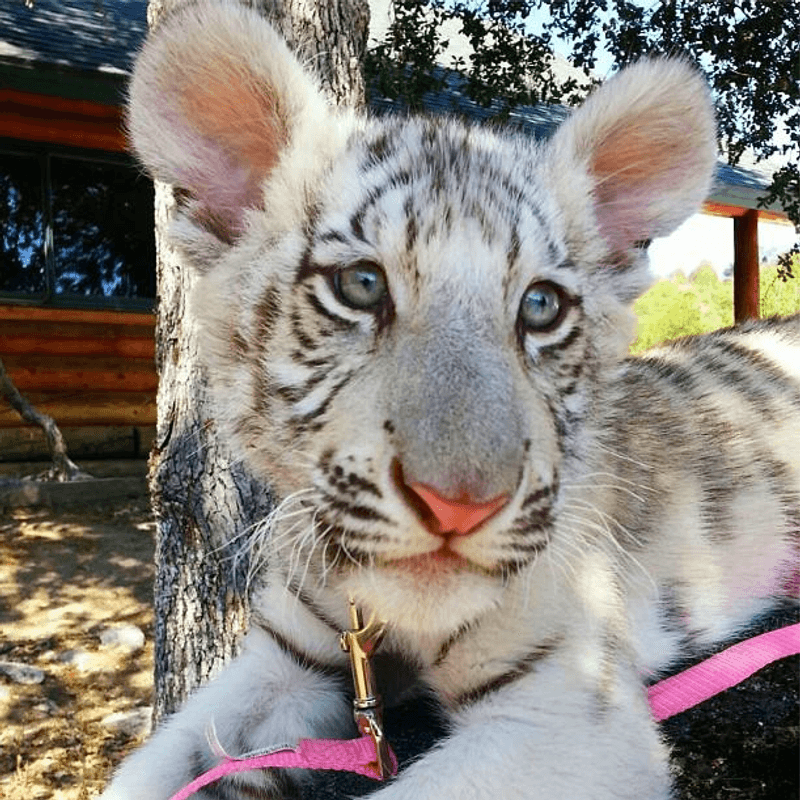
The Bengal tiger, with its vibrant orange coat and bold stripes, contrasts with the rarer white tiger variation that occasionally appears in the collection.
Viewing areas position guests close enough to observe details like whisker patterns, paw pad textures, and the muscular grace these animals display even in rest.
The proximity creates memorable encounters that photographs and videos cannot fully capture, making the experience particularly valuable for families and wildlife enthusiasts.
During feeding times and enrichment activities, the cats demonstrate natural hunting behaviors and problem-solving abilities that reveal their intelligence.
Tour guides explain how each species hunts in the wild, what threats they face from habitat loss and poaching, and why captive populations play important roles in conservation efforts when managed responsibly.
7. Guided Tours And Experiences
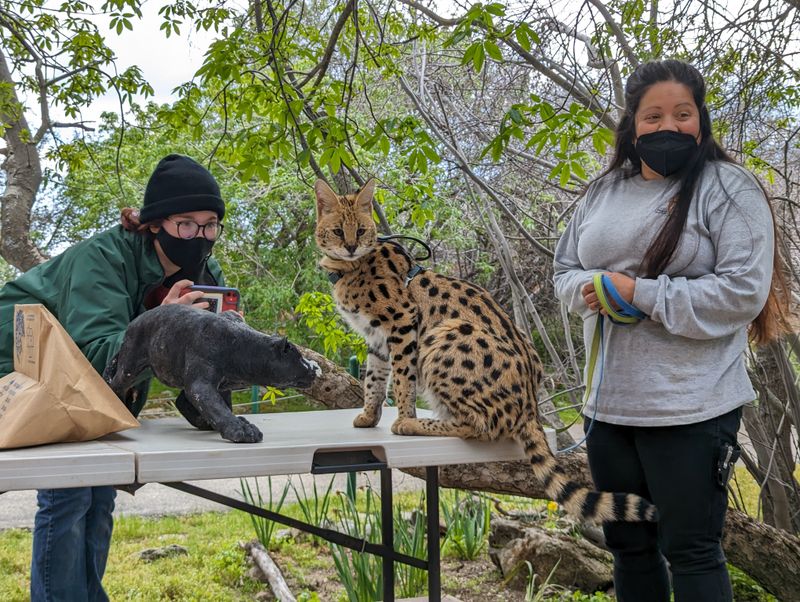
Knowledgeable docents bring years of experience and passion to every tour, sharing detailed information about individual animals and their species.
Many guides volunteer regularly and develop deep familiarity with the residents, often sharing personality quirks and favorite enrichment activities for specific cats.
The tour route strategically moves between habitats housing different species, creating natural comparisons and highlighting the incredible diversity within the cat family.
Guests learn to distinguish between similar-looking species and understand how different environments shaped their evolution.
Special behind-the-scenes tours and photography sessions are occasionally offered for additional fees, providing extended time and unique access beyond standard admission.
These premium experiences appeal to serious wildlife photographers and those wanting deeper engagement with conservation topics.
Educational presentations during tours address conservation challenges including habitat destruction, human-wildlife conflict, and the illegal wildlife trade.
Guides connect individual animals to larger stories about their species, helping visitors understand how their admission fees and donations support both on-site care and field conservation projects in native habitats around the world.
8. Conservation And Education Efforts
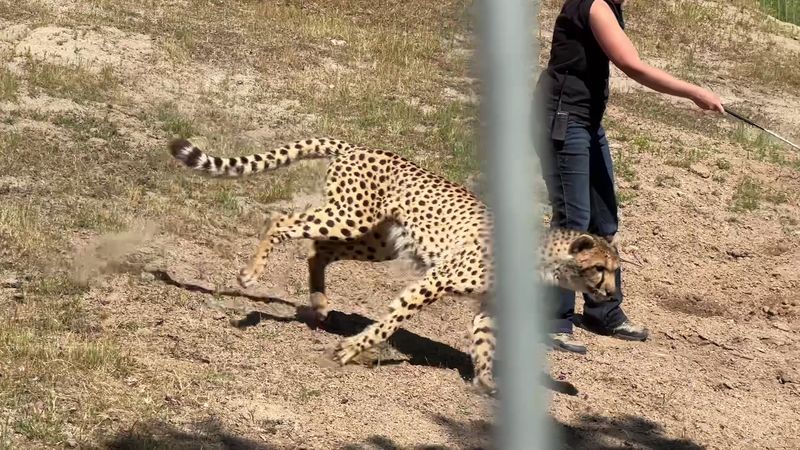
Project Survival’s Cat Haven earned American Humane Certified status in December 2024, recognizing exceptional standards in animal care and welfare.
This certification involves rigorous evaluation of housing, nutrition, medical care, and enrichment programs to ensure the highest quality of life for residents.
Educational programs extend beyond daily tours to include field trips designed for school groups and specialized classes for families.
These programs use the resident cats as ambassadors for their wild counterparts, creating emotional connections that inspire conservation action.
The sanctuary supports field conservation projects in regions where wild cat populations face critical threats.
Admission fees and donations directly fund these initiatives, creating a direct link between visitor experiences and protection efforts in places like Africa, Asia, and South America.
Staff members regularly update educational materials to reflect current conservation science and emerging threats to wild populations.
The goal involves not just entertaining visitors but transforming them into informed advocates who make wildlife-friendly choices in their daily lives and support conservation organizations working to protect natural habitats globally.
9. How The Cats Are Cared For
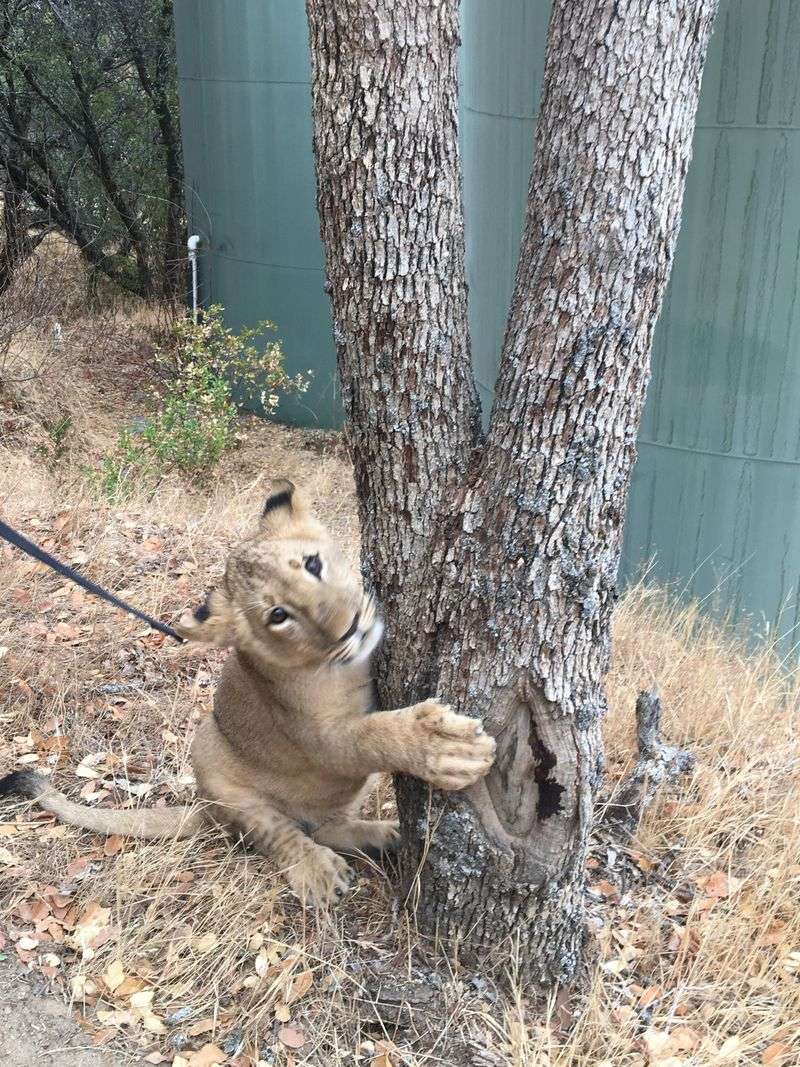
Daily care begins early with staff assessing each animal’s condition, checking for any signs of illness or injury that require veterinary attention.
Trained professionals monitor eating habits, activity levels, and social interactions to catch potential health issues before they become serious.
Nutrition programs provide species-appropriate diets that mirror what cats would consume in the wild as closely as possible within a managed care setting.
Large carnivores receive whole prey items or carefully formulated meat-based diets that include necessary vitamins and minerals for optimal health.
Enrichment activities keep the cats mentally stimulated and physically active, preventing the boredom that can develop in captive settings.
Staff rotate toys, introduce novel scents, create puzzle feeders, and modify habitats regularly to encourage natural behaviors like stalking, pouncing, and exploring.
Veterinary care includes regular health examinations, vaccinations, and dental work performed by specialists experienced with exotic species.
The sanctuary maintains relationships with veterinary hospitals and specialists who can provide advanced care when needed, ensuring residents receive medical attention comparable to what accredited zoos provide for their collections.
10. Planning Your Visit to Cat Haven
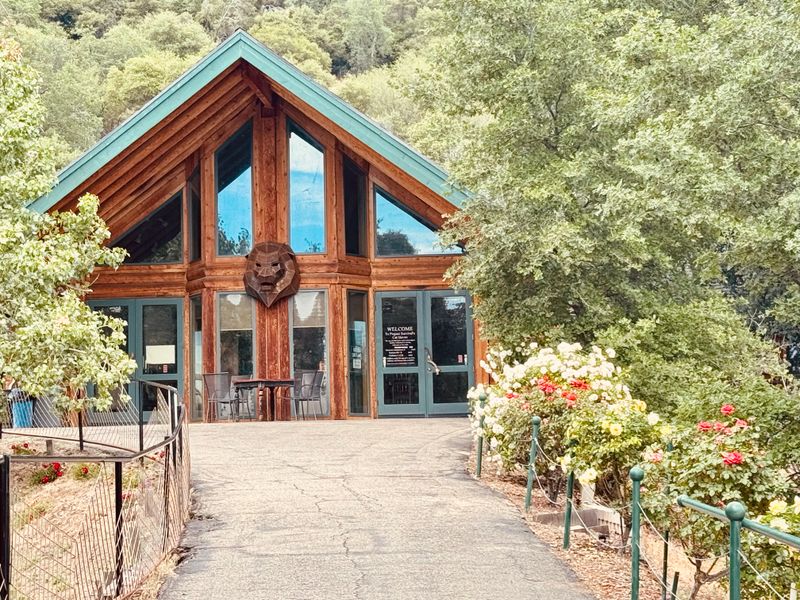
Summer hours from May through September run from 10:00 AM to 4:00 PM daily except Tuesdays when the facility closes for maintenance and animal care.
Winter hours from October through April operate from 10:00 AM to 3:00 PM, with closures on both Tuesdays and Wednesdays due to reduced daylight and visitor demand.
Admission fees support the nonprofit mission and cover the substantial costs of feeding, housing, and providing medical care for the residents.
Tickets can be purchased at the entrance, though checking the website before visiting confirms current pricing and any special events that might affect regular tour schedules.
The sanctuary provides picnic areas near the gift shop where families can enjoy packed lunches before or after tours.
The mountain setting offers pleasant outdoor dining in most seasons, though summer afternoons can become warm and winter visits may require extra layers.
Visitors should contact the sanctuary at 559-338-3216 or email [email protected] with questions about accessibility, group reservations, or special needs accommodations.
Planning ahead ensures the best possible experience, particularly for those traveling significant distances to reach this unique conservation facility in the California foothills.