This California Wildlife Preserve Lets Visitors Get Face To Face With Wolves In The Mountains
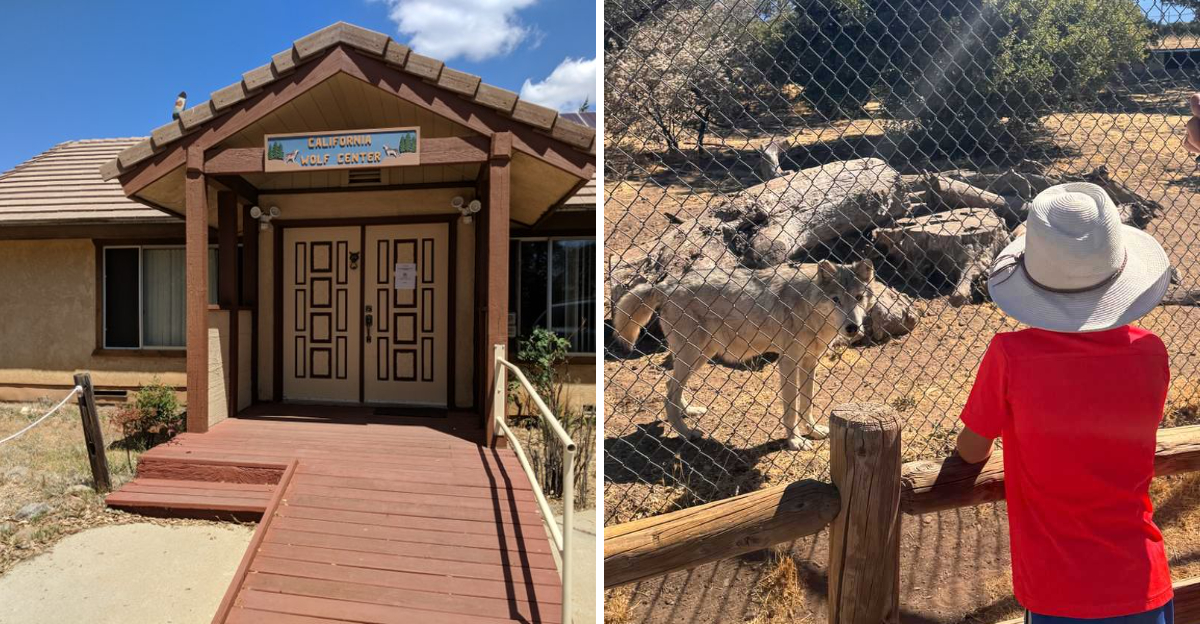
Imagine standing just feet away from a wolf pack, watching these incredible predators move through their natural habitat with raw power and grace.
At the California Wolf Center near Julian, that rare, unforgettable moment becomes a reality.
This isn’t just any wildlife sanctuary. It’s a place where endangered Mexican gray wolves roam freely, and visitors can experience their world up close while learning how conservation is saving them from extinction.
Founded with the mission to protect these magnificent creatures, the center has become a leader in wildlife recovery, offering intimate, reservation-only tours that reveal the truth about wolves – from how they communicate to the vital role they play in ecosystems.
Located just a short drive from Julian’s historic gold rush town, this sanctuary draws families, wildlife lovers, and students eager to uncover the real story behind the myths.
Tours focus on the personalities of individual wolves, bringing guests face to face with these fascinating animals and sharing stories that go beyond the headlines.
This is a rare opportunity to connect with one of California’s most misunderstood creatures – an experience you’ll remember long after you leave.
1. Conservation Mission Spanning Nearly Five Decades
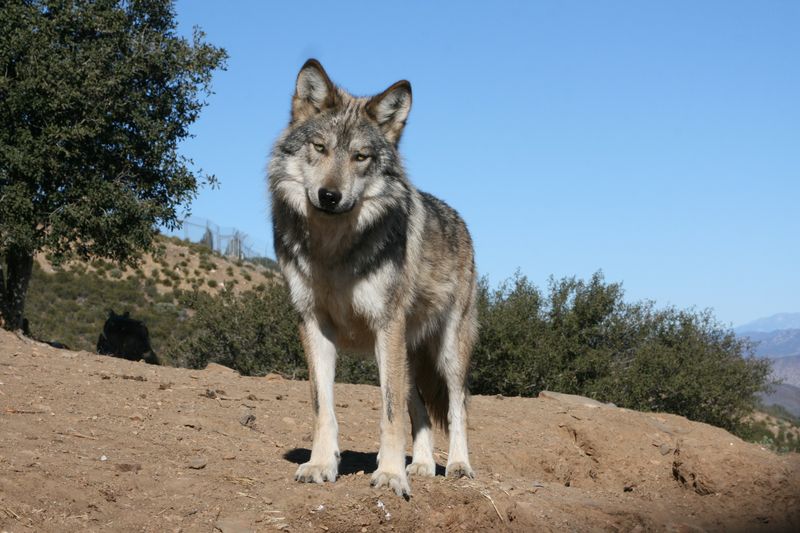
Since opening in 1977, the California Wolf Center has focused entirely on protecting and recovering wild wolf populations across North America.
The Mexican gray wolf became the primary focus after this subspecies nearly vanished from the wild due to hunting and habitat loss throughout the 20th century.
Biologists and conservationists recognized that captive breeding programs offered the only realistic path toward saving these wolves from permanent extinction.
The center at K Q Ranch Road &, Tall Pine Rd, Julian, CA 92036 participates actively in the Mexican Wolf Species Survival Plan, a coordinated effort among zoos, wildlife centers, and government agencies.
Wolves born at the facility sometimes join reintroduction programs that place them back into protected wilderness areas.
This work requires careful genetic management to maintain healthy bloodlines and increase the chances of long-term survival for released animals. Educational outreach forms another essential part of the conservation strategy.
Staff members travel to schools and community events to correct misunderstandings about wolves and explain why these predators matter to forest and grassland ecosystems.
The center also publishes research findings that help other organizations improve their own wolf recovery efforts, creating a network of shared knowledge that benefits conservation work nationwide.
2. Resident Wolf Packs With Individual Personalities
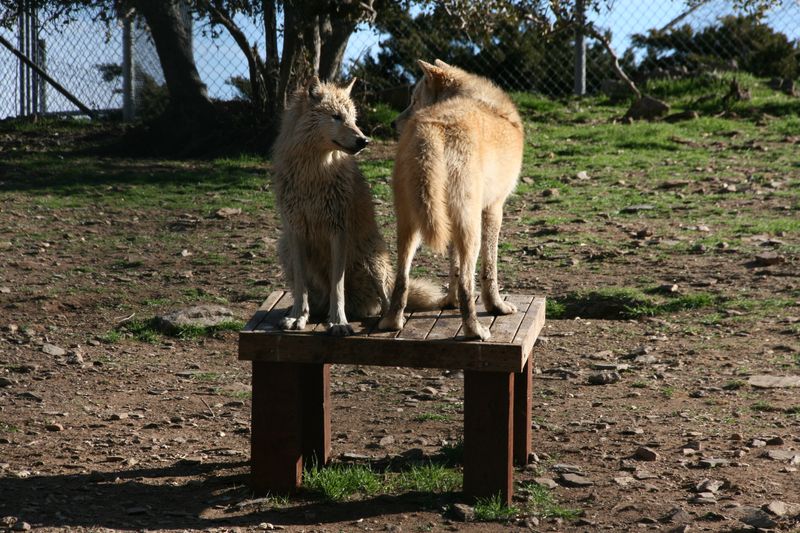
Multiple wolf packs call the California Wolf Center home, including both North American gray wolves and the smaller Mexican gray wolves.
Each pack operates according to complex social structures with dominant breeding pairs, subordinate adults, and younger wolves learning their place within the group.
Observing these interactions during tours helps visitors understand that wolves possess distinct personalities and form deep bonds with pack members.
Some wolves at the center serve as ambassadors, meaning they have grown comfortable enough with human presence to participate in educational programs.
These individuals help visitors see wolves as intelligent, social animals rather than the dangerous creatures portrayed in folklore.
Guides share stories about specific wolves, describing their quirks, preferences, and relationships with other pack members.
The center maintains detailed records on each wolf, tracking health, behavior, and lineage to support breeding recommendations for the Species Survival Plan.
Wolves not suited for reintroduction programs live out their lives at the facility, contributing to education and research.
Watching these animals navigate their enclosures reveals natural behaviors like scent marking, howling to communicate across distances, and playful wrestling that strengthens pack bonds.
3. Downtown Julian Visitor Center And Nature Store
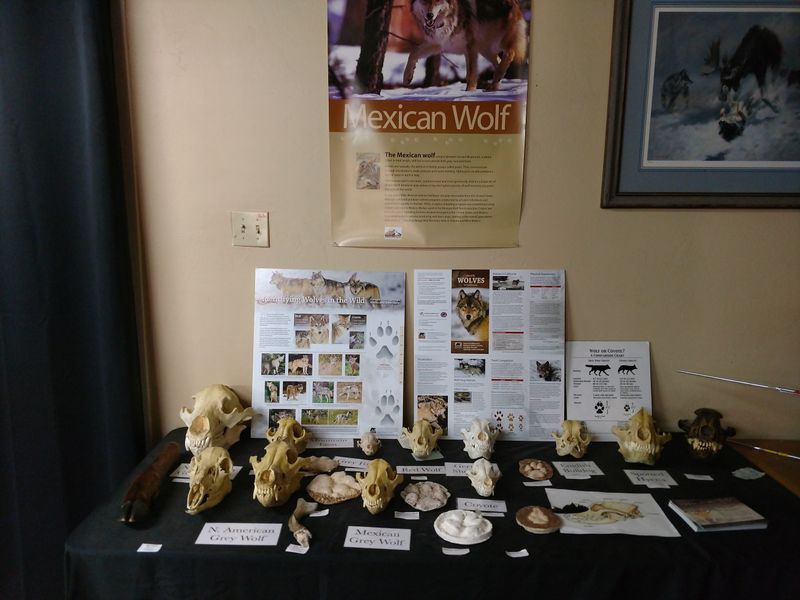
Beyond the main conservation facility, the California Wolf Center operates a visitor center located in downtown Julian at 2775 B St., Julian, CA 92036.
This space provides educational exhibits about wolf biology, ecology, and the history of wolves in North America.
Interactive displays allow visitors to learn about wolf communication, pack dynamics, and the challenges facing wild populations without traveling to the remote conservation site.
The nature store occupies part of the visitor center, offering books, artwork, and gifts related to wolves and wildlife conservation.
Proceeds from sales support the center’s ongoing work, making each purchase a direct contribution to wolf recovery efforts.
Staff members at the downtown location answer questions about tours, memberships, and volunteer opportunities.
Families visiting Julian for its famous apple pies and historic charm can easily stop by the visitor center to explore wolf-related exhibits before or after their tour at the main facility.
The downtown presence helps the center reach more people and spread awareness about conservation issues.
Exhibits change periodically to reflect current research and seasonal topics, giving repeat visitors new information during each visit to this accessible educational space.
4. Educational Programs For All Ages
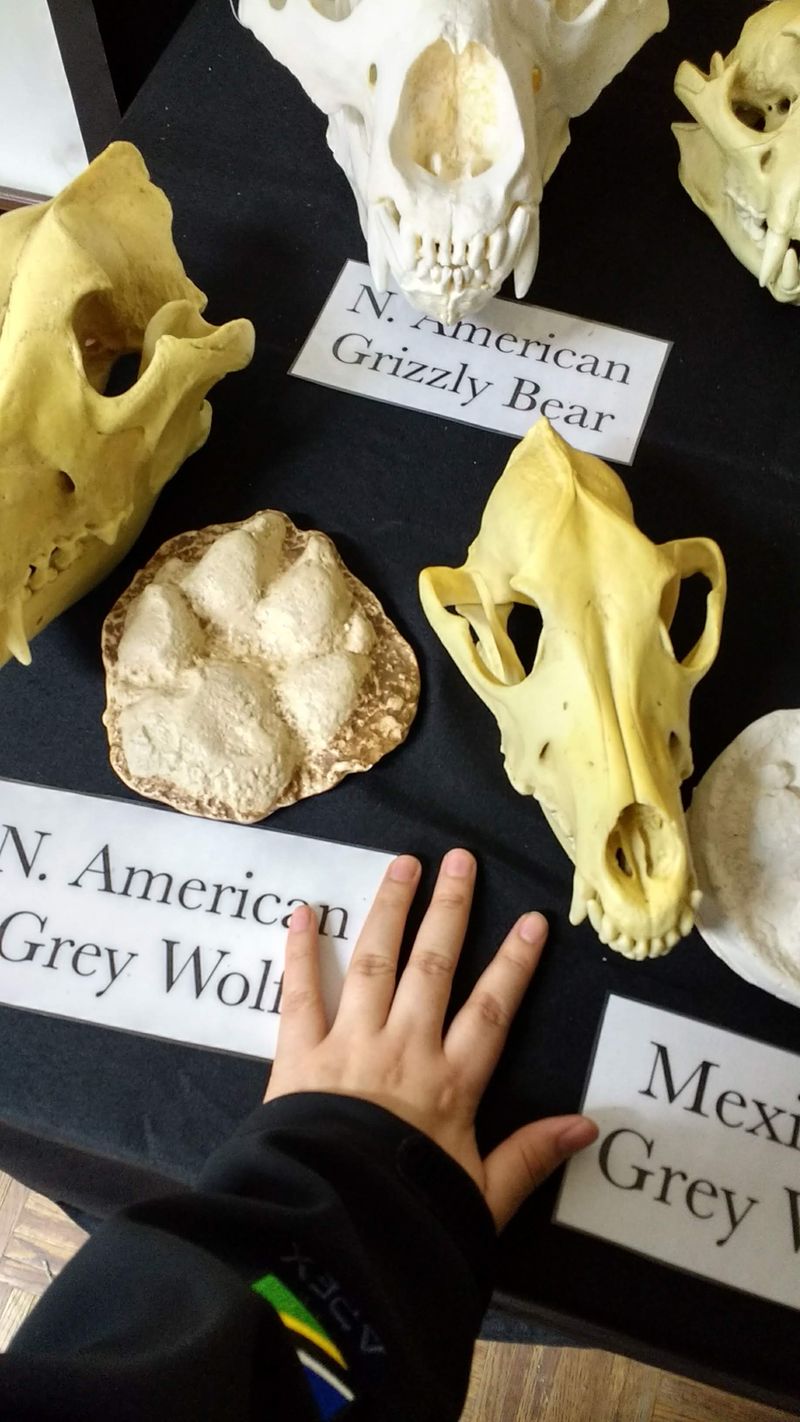
Throughout the year, the California Wolf Center hosts specialized educational programs designed for different age groups and interests.
School field trips bring students face-to-face with wolves while teachers receive curriculum materials that connect the experience to classroom learning objectives.
Programs cover topics ranging from predator-prey relationships to the history of wolf eradication and recovery in the American West.
Adult education offerings include evening talks, photography workshops, and in-depth seminars on conservation biology.
These programs attract wildlife enthusiasts, amateur naturalists, and anyone curious about the science behind species recovery efforts.
Seasonal events celebrate Wolf Awareness Week and other occasions with special tours, guest speakers, and hands-on activities.
Summer camps give young people extended time at the center, combining wolf observation with broader environmental education.
Participants learn tracking skills, study animal behavior, and discuss ethical questions about human relationships with predators.
The center tailors programs to accommodate various learning styles and physical abilities, ensuring that education remains accessible.
Many participants leave with changed perspectives on wolves, replacing fear and misunderstanding with respect for these complex animals and their ecological importance.
5. Volunteer Opportunities In Wolf Conservation
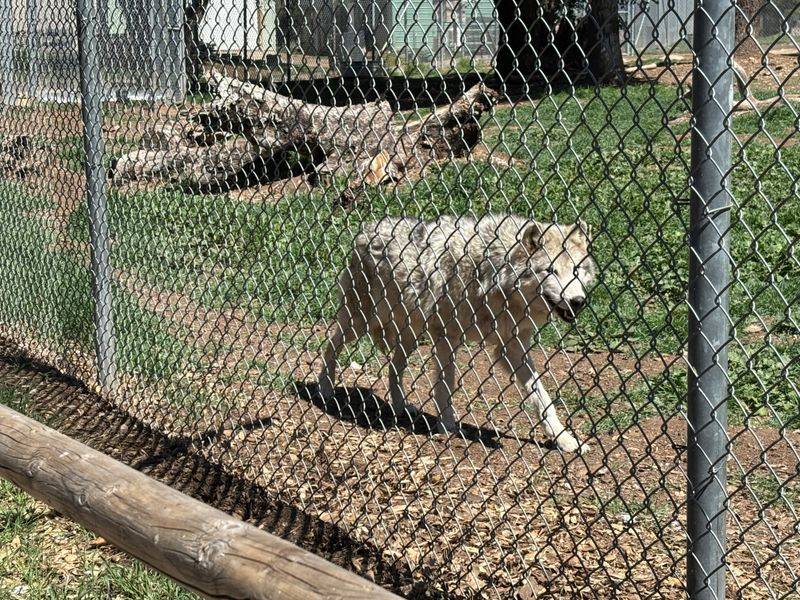
The California Wolf Center welcomes volunteers who want hands-on experience in wildlife conservation and education.
Volunteer roles include assisting with tours, maintaining facilities, helping with events, and supporting administrative tasks.
Training programs prepare volunteers to interact with visitors, answer common questions, and represent the center professionally.
Some volunteer positions involve more intensive work like habitat maintenance, where individuals help improve enclosures by adding natural features or repairing fencing.
These roles require physical stamina and comfort working outdoors in various weather conditions. Volunteers gain practical skills in land management and animal husbandry while contributing to wolf welfare.
Educational volunteers help develop curriculum materials, lead school programs, or staff the downtown visitor center.
These positions suit individuals with teaching experience or strong communication skills who enjoy sharing knowledge with diverse audiences.
The center provides ongoing training to keep volunteers informed about current research and conservation strategies.
Long-term volunteers often develop deep connections to specific wolves and become passionate advocates for conservation.
Many volunteers describe their work as personally transformative, changing how they view wildlife and their own role in environmental protection.
The center maintains a supportive volunteer community where people with shared interests build friendships while working toward common conservation goals.
6. Membership Benefits And Support Options

Supporting the California Wolf Center through membership provides benefits while funding critical conservation work.
Members receive newsletters with updates on resident wolves, research findings, and upcoming events.
Different membership levels offer varying perks, including free or discounted tour admissions, invitations to member-only events, and recognition in annual reports.
Wolf sponsorship programs allow supporters to adopt a specific wolf, receiving photos and biographical information about their chosen animal.
Sponsors contribute directly to the care and feeding of wolves at the center while helping fund larger conservation initiatives. Many families choose sponsorship as a meaningful gift that supports wildlife protection.
Direct donations supplement membership and sponsorship revenue, providing flexible funding for unexpected needs like veterinary care or facility improvements.
The center operates as a nonprofit organization, meaning contributions may qualify as tax-deductible charitable giving.
Supporters can designate donations for specific purposes such as education programs or habitat enhancement.
Legacy giving options allow individuals to include the center in estate planning, ensuring long-term support for wolf conservation beyond their lifetimes.
Every form of financial support helps the center maintain its wolf population, expand educational outreach, and participate in reintroduction programs that restore wolves to their native ranges across the Southwest.
7. Guided Tours Through Mountain Terrain
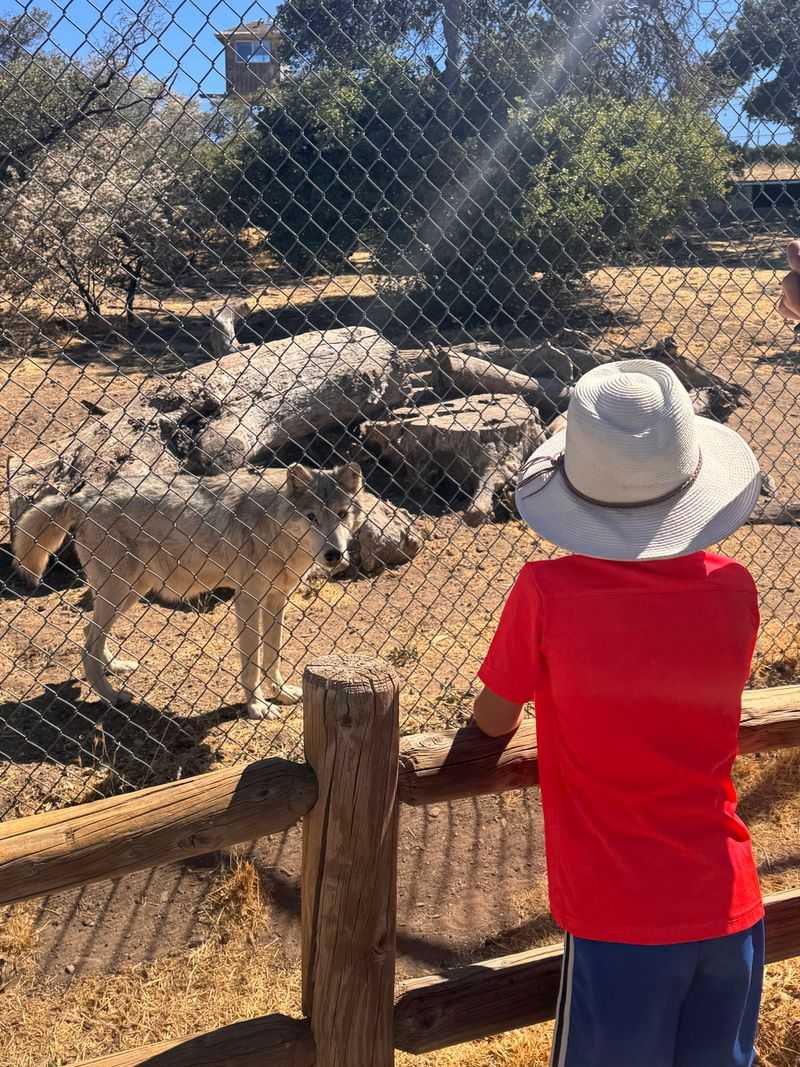
All visits to the California Wolf Center require advance reservations, as the facility operates guided tours rather than open admission.
This approach allows staff to control group sizes, ensuring each visitor receives adequate time to observe wolves and ask questions.
Tours typically last around an hour and involve walking along dirt paths through the mountain landscape where wolf enclosures are situated.
Groups meet at a designated starting point before guides lead them to viewing areas positioned at safe distances from the enclosures.
The center prioritizes both visitor safety and wolf welfare, so direct contact with the animals never occurs. Guides explain wolf biology, conservation challenges, and the specific stories of individual wolves visible during the tour.
Visitors should wear sturdy shoes suitable for uneven terrain and bring water, especially during warmer months.
The facility sits at elevation where temperatures can shift quickly, so layered clothing helps maintain comfort throughout the tour.
Photography is encouraged, though guides request that visitors remain quiet during certain portions to avoid disturbing the wolves.
The reservation system allows the center to schedule tours during times when wolves are most active and visible to guests.
8. Active Role In Mexican Wolf Species Survival Plan
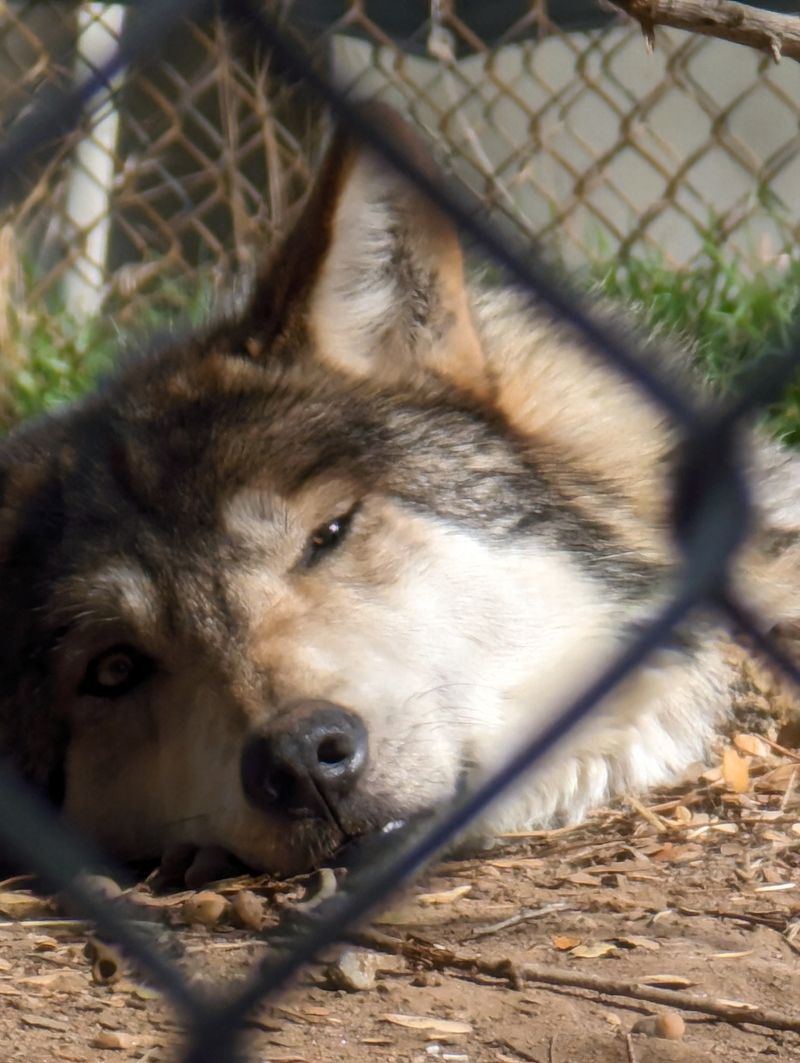
Participation in the Mexican Wolf Species Survival Plan represents one of the California Wolf Center’s most important contributions to conservation.
This cooperative program coordinates breeding among institutions to maintain genetic diversity and produce wolves suitable for release into protected wilderness areas.
Careful genetic management prevents inbreeding while ensuring that reintroduced wolves possess the traits needed for survival.
The center works closely with federal wildlife agencies, other conservation facilities, and researchers to determine which wolves should breed and when.
Some pups born at the facility remain there, while others transfer to different institutions or enter reintroduction programs. This movement of animals maintains healthy populations across all participating facilities.
Reintroduction involves complex logistics, including health screenings, behavioral assessments, and coordination with land management agencies.
Wolves selected for release must demonstrate appropriate wariness of humans while retaining natural hunting and social behaviors.
The center tracks the success of released wolves through reports from field biologists monitoring wild populations.
Recovery efforts have seen gradual progress, with Mexican gray wolf numbers slowly increasing in parts of Arizona and New Mexico.
Each wolf born at the California Wolf Center potentially contributes to this recovery, making the facility’s breeding program essential to species survival.
The work requires patience and long-term commitment, as wolf populations recover slowly even under optimal conditions.
9. Observing Wolves In Near-Natural Settings
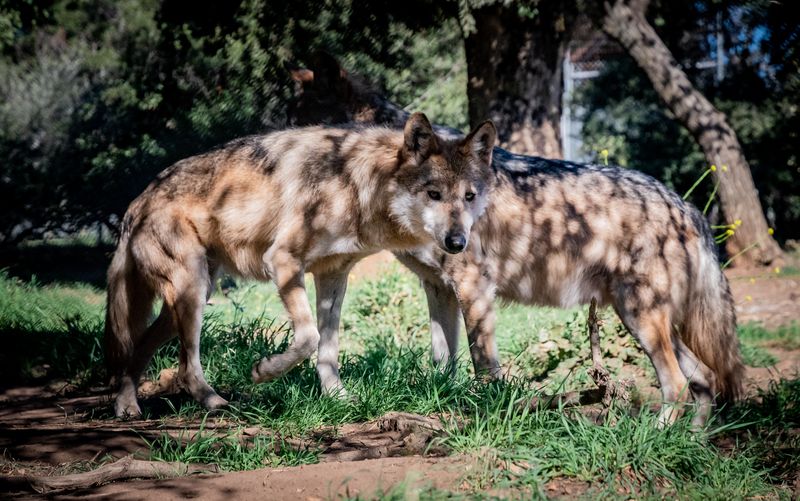
While visitors cannot enter wolf enclosures, the California Wolf Center designs viewing experiences that feel immersive and educational.
Enclosures mimic natural wolf habitats with varied terrain, vegetation, and features that encourage natural behaviors.
Wolves use the entire space to hunt, play, rest, and interact with pack members, giving observers authentic glimpses into wolf life.
Viewing platforms and designated observation points position visitors at safe distances while maintaining clear sightlines into enclosures.
Guides explain what behaviors mean when wolves pace boundaries, howl together, or engage in play fighting.
Understanding these actions helps visitors appreciate the complexity of wolf communication and social organization.
The center emphasizes that wolves remain wild animals deserving respect and space. Even ambassador wolves comfortable with human presence maintain natural instincts and behaviors.
This approach contrasts with facilities that train animals to perform or interact directly with visitors, prioritizing animal welfare over entertainment value.
Seasonal changes affect wolf activity levels and visibility.
Cooler months often bring more active behavior as wolves move around their enclosures, while summer heat may prompt midday rest periods.
Guides help visitors understand these patterns and maximize chances of observing interesting behaviors.
The experience teaches respect for wildlife while fostering appreciation for the role wolves play in healthy ecosystems.
10. Location And Access Near Historic Julian
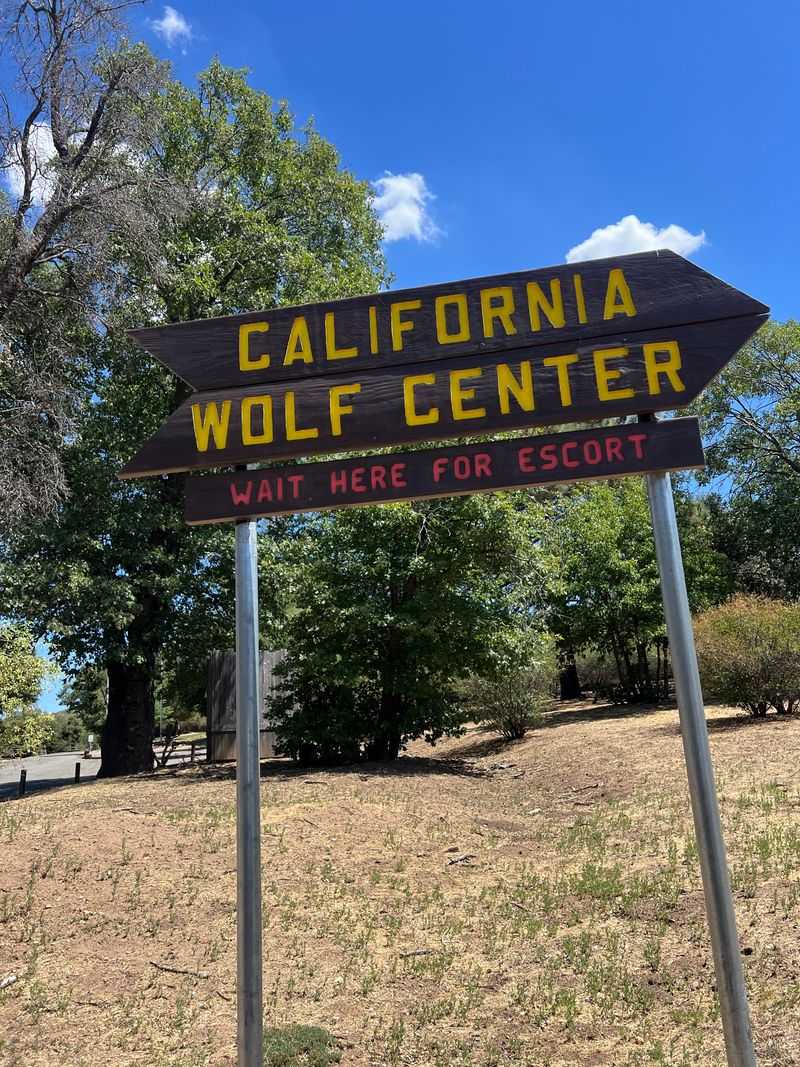
The California Wolf Center conservation facility sits approximately four miles south of Julian, accessible via KQ Ranch Road.
Visitors should expect to drive on dirt roads for the final portion of the journey, requiring vehicles with adequate clearance and careful navigation.
The remote location helps maintain a quiet environment suitable for wolves while providing the space needed for large enclosures.
Julian itself offers a charming base for visitors planning to tour the wolf center.
The town became famous during the gold rush era of the 1870s and retains much of its historic character through preserved buildings and local traditions.
Modern Julian attracts tourists year-round with apple orchards, bakeries, antique shops, and seasonal events. Combining a wolf center visit with Julian exploration makes for a full day of activities.
Visitors can tour the conservation facility in the morning, then spend the afternoon enjoying downtown Julian’s shops and restaurants.
The area provides lodging options ranging from bed-and-breakfasts to vacation rentals for those wanting to extend their stay.
Mountain weather can change quickly, so visitors should check conditions before traveling to the area. Winter occasionally brings snow to higher elevations, while summer temperatures climb significantly.
The center provides specific directions upon reservation confirmation, ensuring visitors can locate the facility without difficulty despite its somewhat remote mountain setting.