This California Thrift Store Feels Like A Treasure Hunt Waiting To Happen
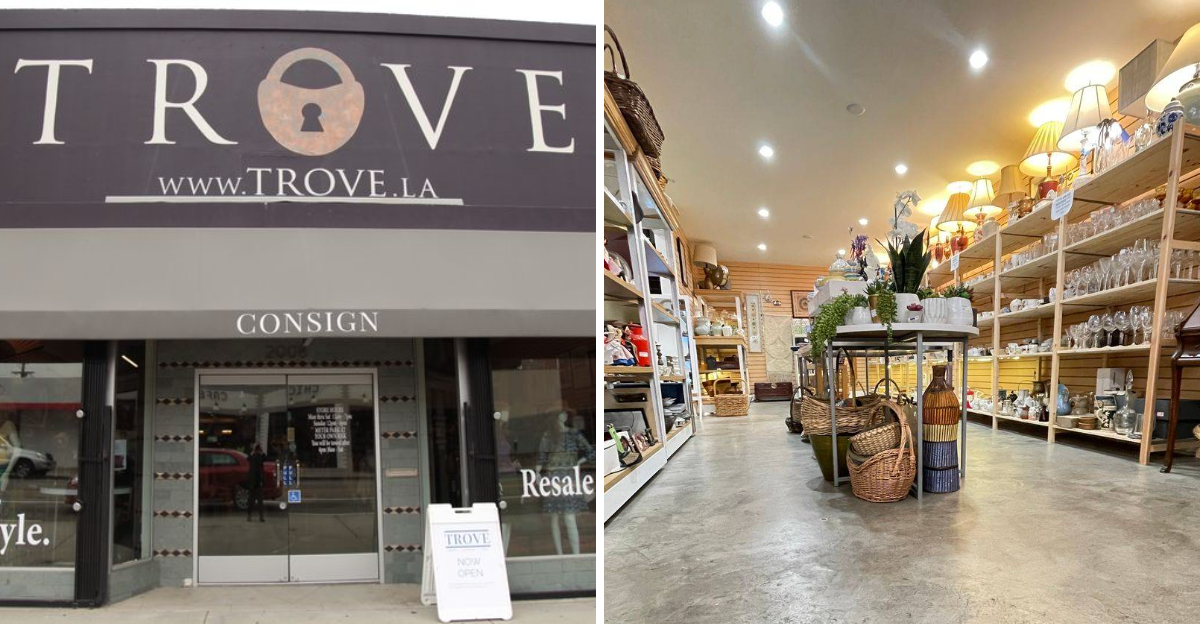
Secondhand shopping in California has evolved into something far more exciting than bargain hunting. Shoppers aren’t just looking to save money anymore.
They’re chasing the thrill of the find – vintage labels, statement pieces, and one-of-a-kind items you won’t spot in chain stores. In Los Angeles, one thrift destination turns that hunt into a full experience.
Trove feels less like a resale shop and more like a curated fashion boutique where every rack holds the potential for a standout discovery.
Designer clothing. Accessories. Home décor. Vintage pieces with real character. The selection leans elevated rather than cluttered, drawing shoppers who want quality alongside originality.
Nothing about the space feels like digging through leftovers. Displays stay polished. Layouts feel intentional. Browsing feels stylish instead of chaotic.
Sustainability plays a role too, but it never feels like the main pitch. The real hook is the excitement – finding something rare, beautifully made, and priced far below traditional retail.
Every visit delivers that same spark of anticipation. Because at this California thrift boutique, secondhand shopping feels less like saving money – and more like striking gold.
1. Constantly Rotating Inventory Keeps Every Visit Fresh
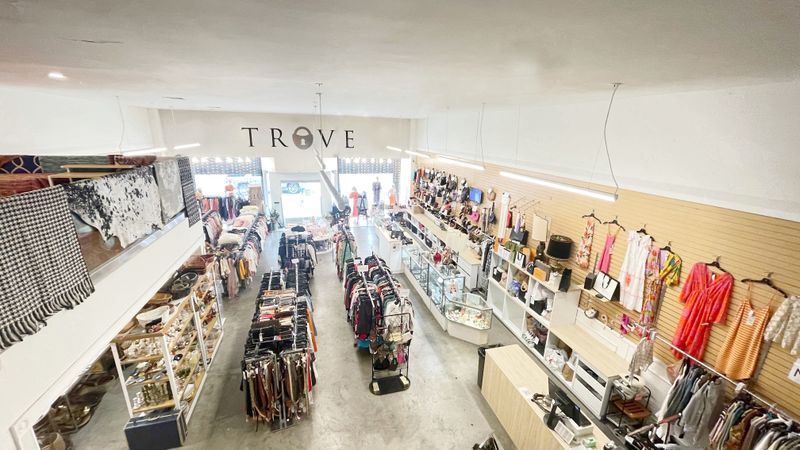
Walking into Trove means encountering an entirely different selection each time. The inventory shifts regularly as new consignments arrive and popular items find new homes, creating an environment where shoppers never know exactly what they might discover.
Clothing racks display everything from everyday casual wear to designer pieces, with sizes and styles that appeal to diverse tastes.
The constant turnover means that missing out on something during one visit might lead to finding something even better the next time.
Home goods sections feature decorative items, kitchenware, and small furniture pieces that change just as frequently as the clothing.
The unpredictability adds to the treasure hunt feeling, encouraging shoppers to visit regularly rather than assuming they have seen everything the store offers.
Seasonal transitions bring particularly noticeable changes, with lighter fabrics and brighter colors appearing as warmer months approach, while cozy sweaters and heavier materials dominate during cooler seasons.
The staff curates incoming items carefully, ensuring quality standards remain consistent even as specific pieces come and go.
Regular visitors at 2008 Westwood Blvd, Los Angeles, CA 90025 often develop strategies for checking back frequently, understanding that patience and persistence reward shoppers with the best finds.
2. Designer Brands At Thrift Store Prices
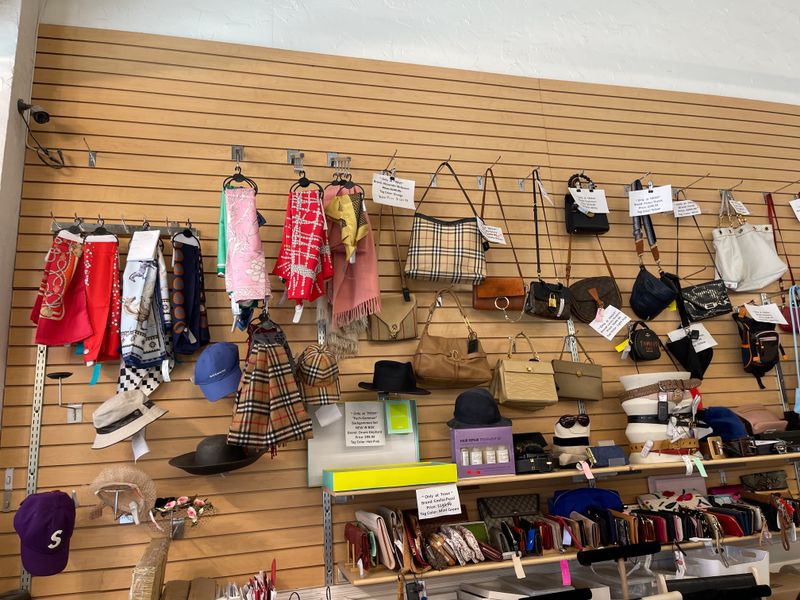
Finding recognizable brand names at a fraction of their original retail prices creates one of the most satisfying aspects of shopping at Trove.
The consignment model attracts sellers with high-quality wardrobes, meaning shoppers encounter labels they would typically see only in department stores or specialty boutiques.
Handbags, shoes, and accessories from well-known designers appear regularly among the inventory, offering luxury items at accessible price points.
The condition of these pieces tends toward gently used or sometimes even new with tags, as consignors typically bring items they purchased but rarely wore.
Clothing from premium brands fills the racks alongside more affordable labels, creating a mixed selection where budget-conscious shoppers can elevate their wardrobes significantly.
The pricing reflects the consignment nature of the business, with sellers receiving a portion of the sale price and the store maintaining reasonable margins.
Authentication and quality control help ensure that designer items are genuine rather than counterfeit, giving shoppers confidence in their purchases.
The combination of brand recognition and affordability makes each discovery feel like winning a small victory, especially when finding pieces that would cost hundreds of dollars elsewhere priced at a fraction of that amount.
3. Jewelry And Accessories Complete Any Look
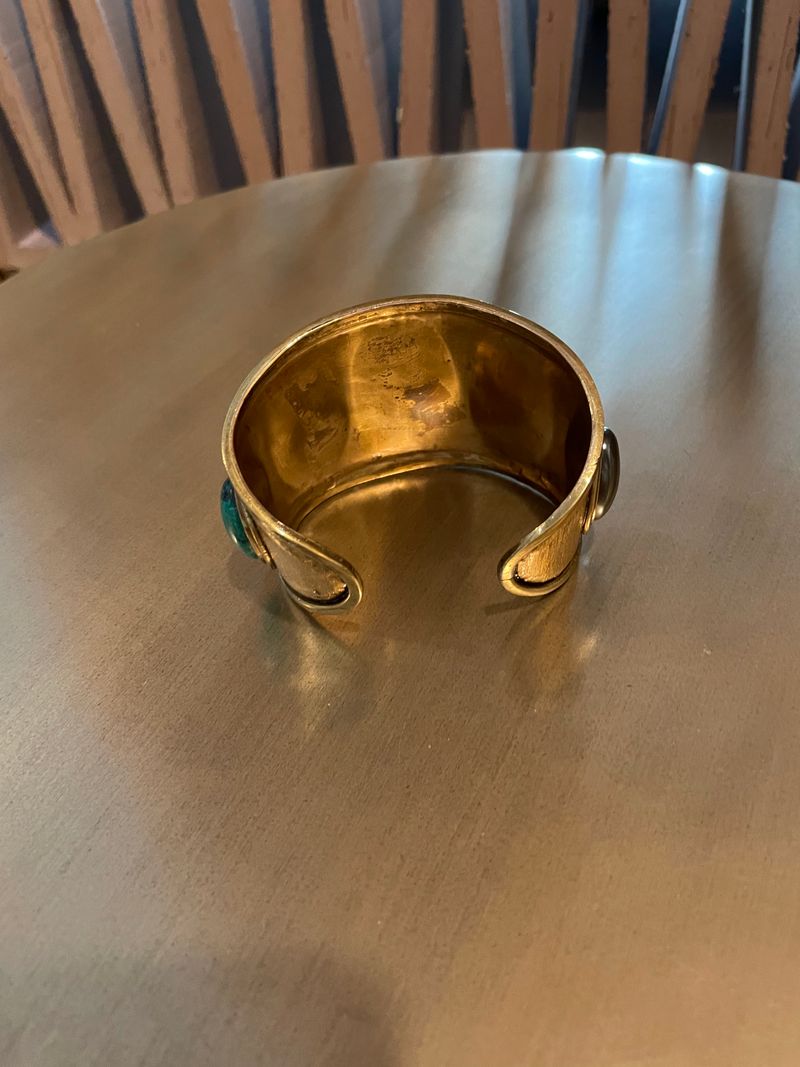
Beyond clothing, Trove dedicates significant space to jewelry, scarves, belts, and other accessories that add finishing touches to outfits.
The jewelry selection ranges from costume pieces to genuine precious metals, with styles spanning decades and design aesthetics.
Vintage brooches sit alongside contemporary statement necklaces, while delicate earrings and bold bangles offer options for every preference.
The variety means shoppers can find accessories for specific occasions or discover pieces that inspire entirely new outfit combinations.
Scarves in silk, cotton, and wool provide both functional warmth and style elements, with patterns and colors that reflect different eras and fashion movements.
Belts of various widths and materials help shoppers customize the fit and look of thrifted clothing, transforming oversized finds into perfectly styled ensembles.
Handbags occupy their own section, with clutches, crossbody bags, totes, and backpacks representing different brands and price points.
The condition of accessories receives the same attention as clothing, with items showing significant wear typically excluded from inventory.
Small decorative items like sunglasses, hats, and hair accessories round out the offerings, allowing shoppers to build complete looks from a single shopping trip without visiting multiple stores.
4. Home Goods Add Character To Living Spaces
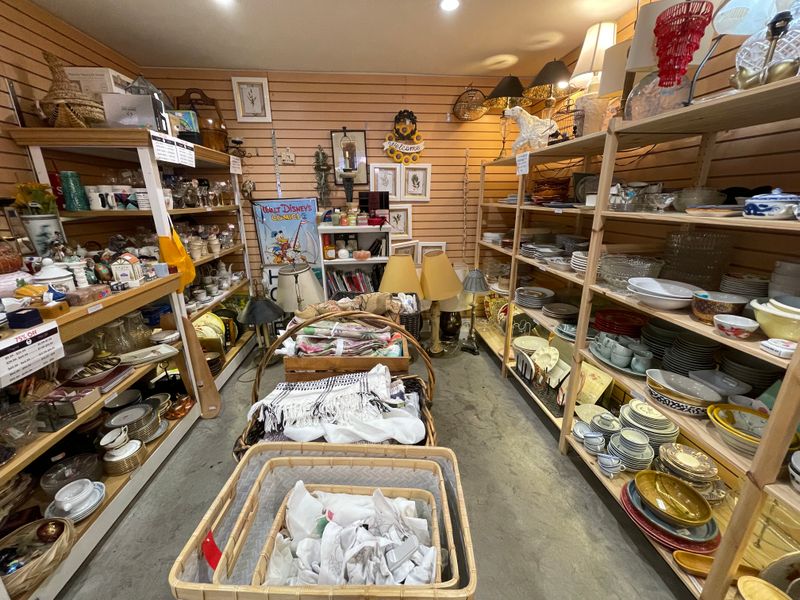
Shoppers seeking more than wardrobe updates find home goods sections filled with items that add personality to living spaces.
Decorative objects range from wall art and picture frames to vases, candles, and small sculptures that reflect various design styles.
Kitchenware includes dishes, glassware, serving pieces, and cooking tools that allow budget-conscious home cooks to build functional collections.
The vintage nature of many items means finding pieces with character that mass-produced department store goods lack, from retro patterns on dishware to unique shapes in serving bowls.
Small furniture pieces occasionally appear, such as side tables, ottomans, or decorative storage boxes that fit into apartments and homes needing functional accents.
The ever-changing nature of inventory means that home goods shoppers benefit from the same treasure hunt experience as clothing buyers.
Books, records, and media items sometimes fill sections of the store, offering entertainment and knowledge alongside physical goods.
The curation process ensures that home items meet quality standards, with chipped, stained, or damaged pieces excluded from the sales floor.
Seasonal decorations appear at appropriate times throughout the year, giving shoppers affordable options for celebrating holidays and special occasions without investing in brand-new decorative items.
5. Consignment Model Supports Sustainable Fashion
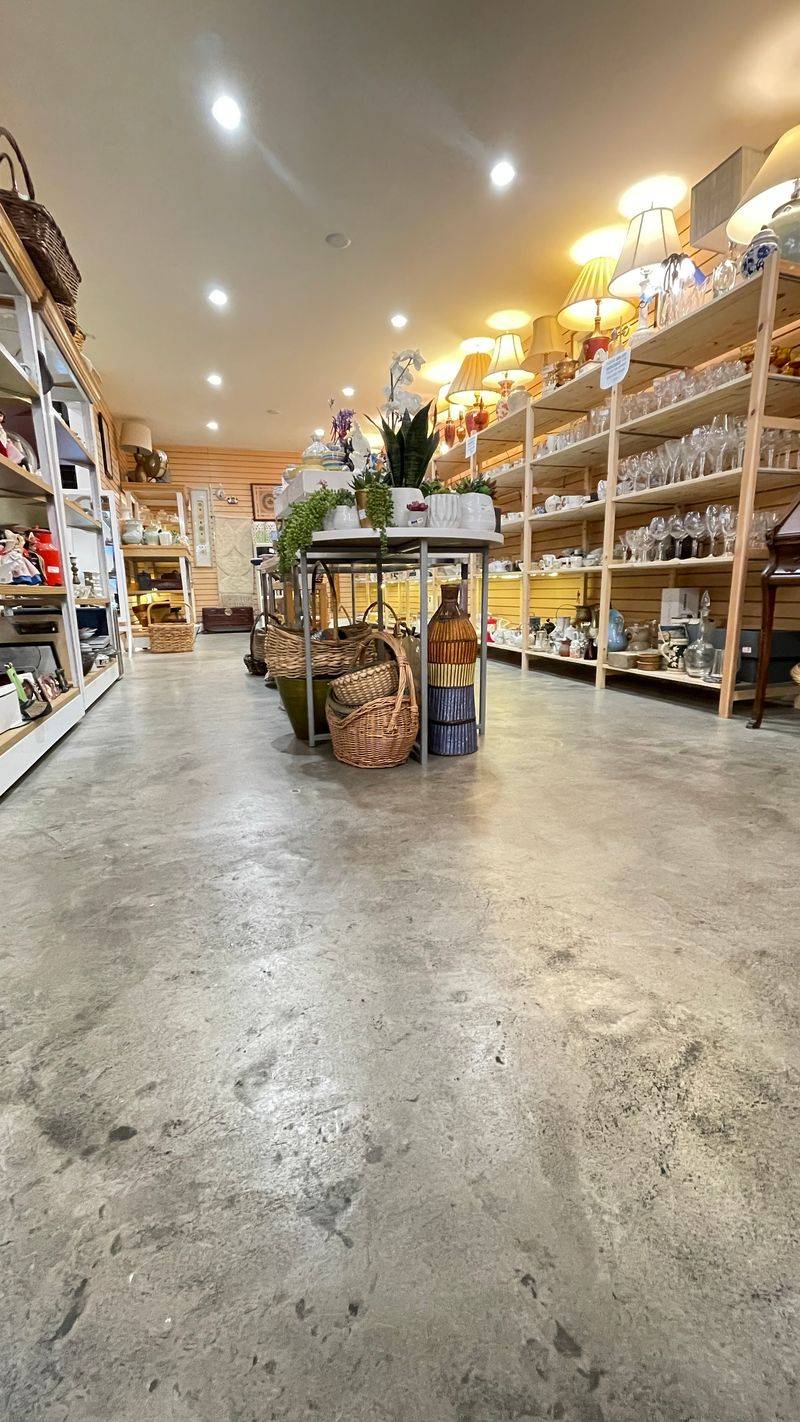
Trove operates on a consignment model that benefits both sellers and buyers while promoting environmental responsibility.
Individuals with quality clothing and accessories they no longer use can bring items to the store, where staff evaluates pieces for potential acceptance.
Accepted items receive pricing based on brand, condition, and current market demand, with sellers earning a percentage once pieces sell.
The arrangement motivates people to clear closets thoughtfully rather than discarding usable clothing, extending the lifecycle of garments and reducing textile waste.
Buyers benefit from this system through access to higher-quality merchandise than typical donation-based thrift stores might offer, as consignors have financial incentive to bring their best items.
The environmental impact extends beyond individual transactions, contributing to broader cultural shifts away from fast fashion and disposable clothing.
Keeping clothing in circulation reduces demand for new manufacturing, which in turn decreases water usage, chemical pollution, and carbon emissions associated with textile production.
The boutique atmosphere helps destigmatize secondhand shopping, making sustainable choices feel stylish rather than sacrificial.
Education about the environmental benefits of consignment shopping happens organically as customers engage with staff and observe the quality of available merchandise, building awareness without preaching.
6. Boutique Atmosphere Elevates Shopping Experience
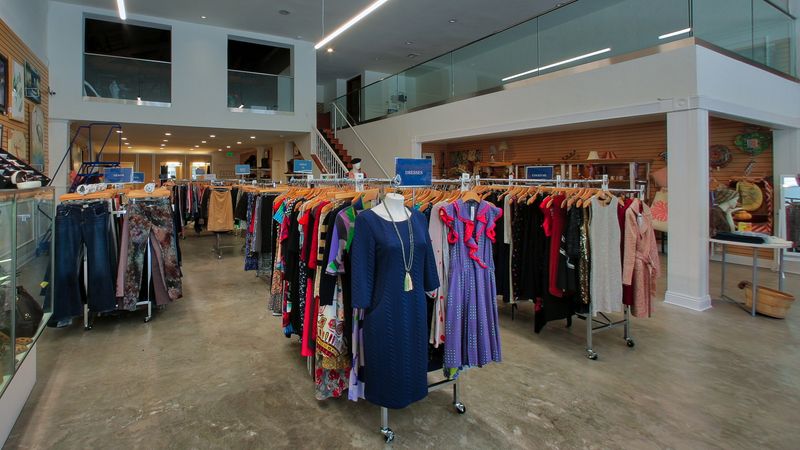
The physical environment at Trove differs noticeably from warehouse-style thrift stores with fluorescent lighting and crowded racks.
Thoughtful organization makes browsing easier, with clothing sorted by type and size rather than randomly crammed onto hangers.
Lighting creates a pleasant shopping atmosphere that allows accurate color assessment, helping customers make confident purchasing decisions.
The space feels more like a curated retail boutique than a traditional thrift store, removing the stigma some shoppers associate with secondhand shopping.
Cleanliness and presentation receive obvious attention, with floors maintained, mirrors kept clean, and merchandise displayed in ways that highlight rather than hide items.
The layout encourages exploration without overwhelming visitors, balancing sufficient inventory with navigable space.
Dressing rooms provide private areas for trying on potential purchases, complete with adequate lighting and mirrors for proper fit assessment.
The staff maintains a helpful presence without hovering, offering assistance when requested while allowing independent browsing.
Music and temperature control contribute to comfort during shopping visits, making the experience pleasant enough that customers linger longer and return more frequently.
The boutique approach attracts shoppers who might otherwise avoid thrift stores, expanding the customer base and normalizing secondhand shopping across different demographics.
7. Regular Shoppers Develop Rewarding Strategies
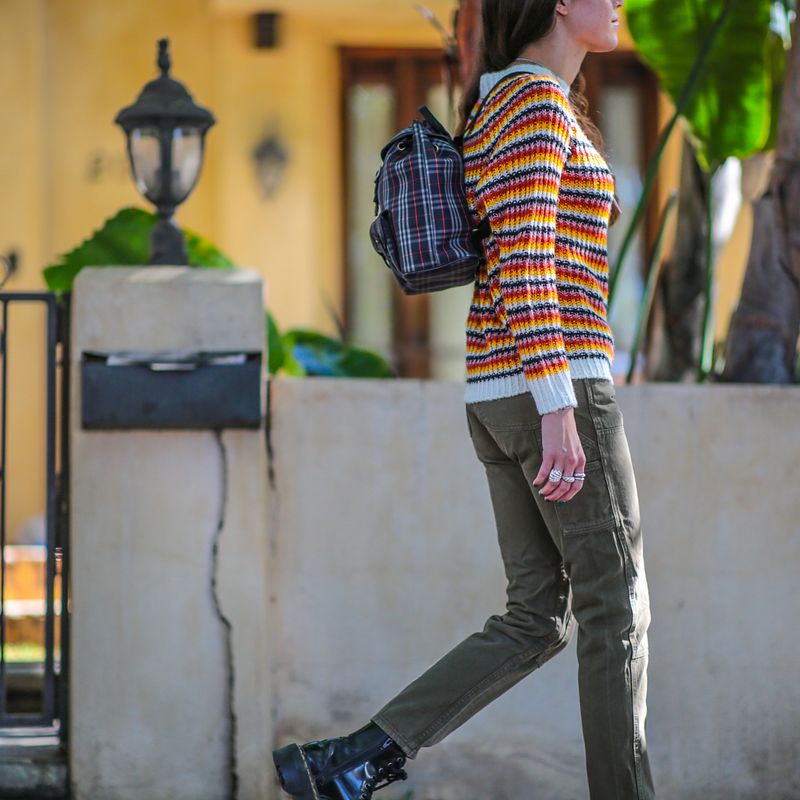
Frequent visitors to Trove often develop personal approaches to maximize their treasure-hunting success.
Some shoppers visit on specific days of the week, having noticed patterns in when new inventory arrives or when the store tends to be less crowded.
Others focus on particular sections during each visit, systematically checking racks for their size or preferred styles rather than attempting to browse everything.
Building relationships with staff members can provide insights into upcoming arrivals or recently added pieces that match individual preferences.
Patience emerges as a crucial skill, as the best finds rarely appear during every single visit.
Shoppers who return regularly without specific expectations often feel more satisfied than those seeking particular items, though persistent searching occasionally yields exactly what someone needs.
Understanding the consignment cycle helps shoppers recognize that certain times of year bring different types of merchandise, with seasonal wardrobe transitions prompting more consignments.
Keeping an open mind about sizes and styles sometimes leads to unexpected discoveries that become wardrobe favorites.
Successful thrift shoppers often inspect items carefully before purchasing, checking seams, zippers, buttons, and fabric condition to ensure pieces will last.
The investment of time and attention pays off through building unique wardrobes and home collections at reasonable prices.
8. Location Makes Shopping Convenient For Locals
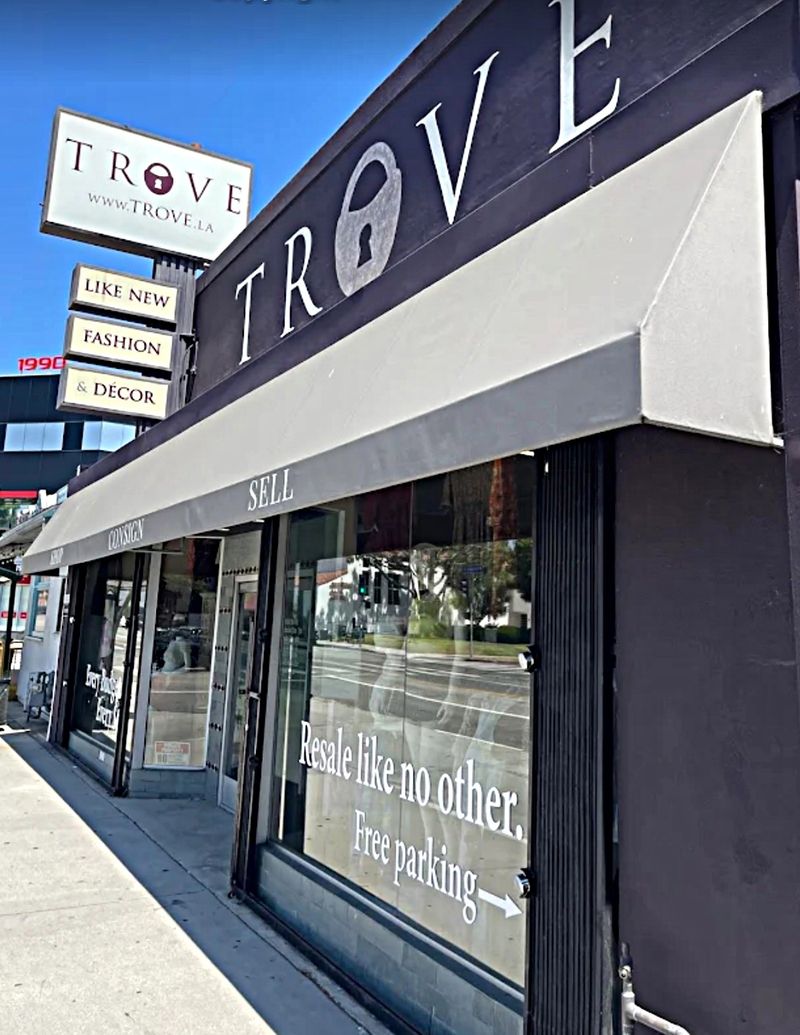
Situated in Los Angeles, Trove benefits from a location that draws both neighborhood residents and visitors from across the metropolitan area.
The accessibility encourages regular visits from local shoppers who can easily incorporate thrift browsing into their routine errands.
Parking considerations vary by time of day and day of week, with typical urban challenges during peak shopping hours.
Public transportation options serve the area, allowing shoppers without cars to access the store using buses or other transit methods.
The surrounding neighborhood offers additional shopping and dining options, making Trove part of a larger outing rather than a single-destination trip.
Foot traffic from nearby businesses and residential areas brings casual browsers who might not specifically plan thrift store visits.
Store hours accommodate different schedules, though checking current operating times before visiting prevents wasted trips.
The Los Angeles location places Trove within a city known for fashion-conscious residents who appreciate both style and value.
Proximity to entertainment industry professionals and creative communities means the store attracts consignors with particularly interesting wardrobes, feeding the inventory with unique pieces.
The urban setting also supports the sustainable shopping mission, as city residents increasingly seek alternatives to conventional retail that align with environmental values.
9. Quality Control Maintains High Standards
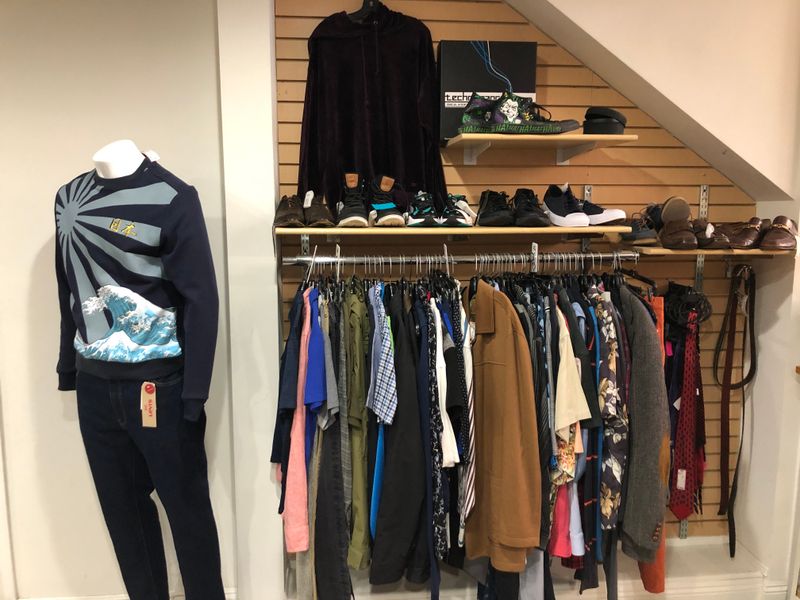
Not every item brought in for consignment makes it onto the sales floor at Trove.
Staff members evaluate potential inventory based on condition, brand recognition, style relevance, and overall quality, accepting only pieces that meet established standards.
Clothing with stains, tears, excessive wear, or outdated styles that lack vintage appeal typically get declined, protecting the shopping experience for customers.
The selective acceptance process differentiates Trove from donation-based thrift stores where all contributions enter inventory regardless of condition.
Shoes receive particular scrutiny, as wear patterns and odor issues can make secondhand footwear less appealing.
Accessories and home goods face similar evaluation, with broken clasps, missing components, or functional problems disqualifying items.
The quality standards benefit shoppers by reducing the time spent sorting through unwearable or unusable items, concentrating the treasure hunt on genuinely desirable merchandise.
Consignors learn what the store seeks, often improving the quality of future submissions after understanding acceptance criteria.
Seasonal reviews of inventory help staff rotate out pieces that have lingered too long, making room for fresh arrivals and maintaining visual appeal.
The commitment to quality over quantity creates a reputation that attracts both discerning shoppers and consignors with premium items to sell.
10. Community Impact Extends Beyond Individual Purchases
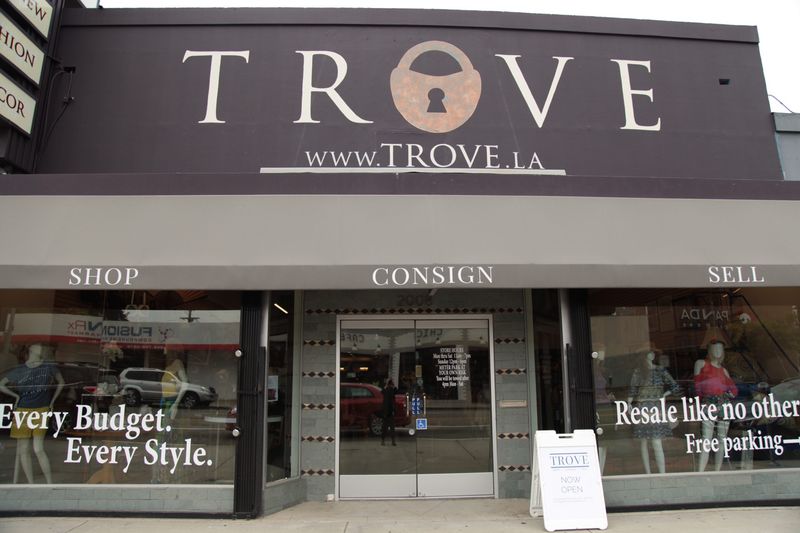
Trove contributes to its community through more than just retail transactions.
The consignment model provides income opportunities for individuals clearing closets, offering financial returns that pure donation centers cannot match.
Employment at the store creates jobs within the local economy, supporting staff members who develop expertise in fashion, retail, and customer service.
The business model demonstrates that sustainable practices can succeed commercially, potentially inspiring similar ventures.
Shoppers from various economic backgrounds find common ground in the store, creating more diverse retail spaces than high-end boutiques or luxury department stores.
The accessibility of quality merchandise helps bridge economic divides in fashion, allowing budget-conscious individuals to dress well.
Educational impact happens informally as customers learn about brands, fabrics, and garment construction through hands-on browsing and staff interactions.
The store participates in broader cultural conversations about consumption, waste, and environmental responsibility through its daily operations.
Building awareness that stylish, quality wardrobes do not require buying new items challenges retail industry norms and consumer habits.
The ripple effects of each transaction extend beyond individual purchases, contributing to shifting attitudes about clothing ownership, disposal, and acquisition that benefit communities and environments broadly.