This North Carolina History Center Is A Weekend Must-See
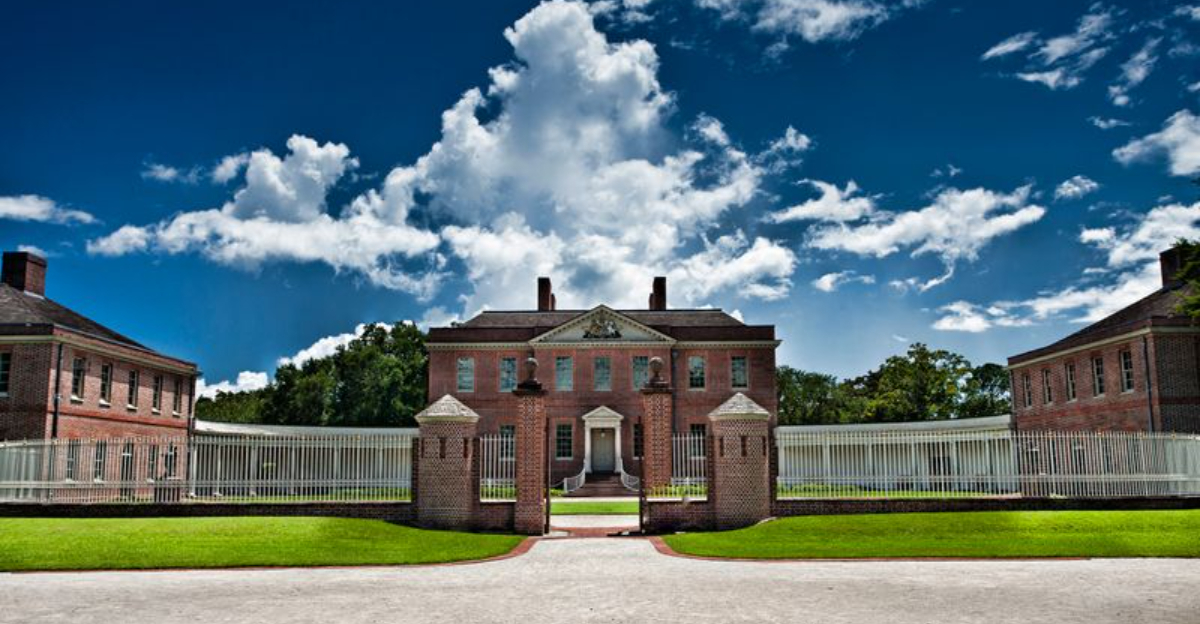
Step into centuries of stories where colonial grandeur meets modern innovation in one spectacular riverside setting. The North Carolina History Center at Tryon Palace transforms dusty textbooks into living adventures through interactive exhibits, stunning gardens, and immersive experiences that captivate visitors of all ages.
Located at 529 S Front St in historic New Bern, this remarkable destination blends cutting-edge technology with authentic historical artifacts to create unforgettable learning moments. Where else can you sail a virtual ship, explore five centuries of coastal heritage, and stroll through meticulously restored 18th-century gardens all in one afternoon?
North Carolina’s past comes alive here in ways that make history feel less like a lesson and more like a thrilling discovery. Whether you’re fascinated by colonial life, Civil War stories, or sustainable architecture, this green-certified museum complex offers thirteen compelling reasons to plan your weekend escape.
Pack your curiosity and prepare for a journey through time that rivals any theme park adventure.
1. Pepsi Family Center Time Travel Adventure
Walking into a room where past and present collide creates an instant spark of excitement for visitors. The Pepsi Family Center transports guests back to 1835 through cutting-edge virtual reality technology combined with traditional hands-on learning stations.
Kids and adults alike find themselves captivating moments steering a merchant vessel through treacherous coastal waters.
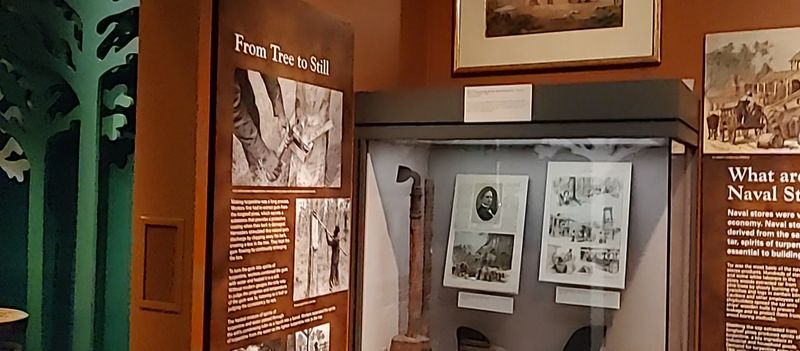
Cooking demonstrations in the colonial kitchen fill the air with authentic period aromas while teaching food preparation methods. Naval stores production activities reveal how North Carolina’s maritime economy thrived during the 18th and 19th centuries.
These interactive stations encourage touching, experimenting, and exploring rather than passive observation.
Families spend hours rotating through different activity zones without anyone complaining about boredom. The center brilliantly balances education with entertainment, proving history doesn’t require dusty displays behind glass.
Young learners develop genuine appreciation for daily life challenges colonists faced while parents rediscover forgotten historical details through engaging multimedia presentations.
2. Regional History Museum Spanning Five Centuries
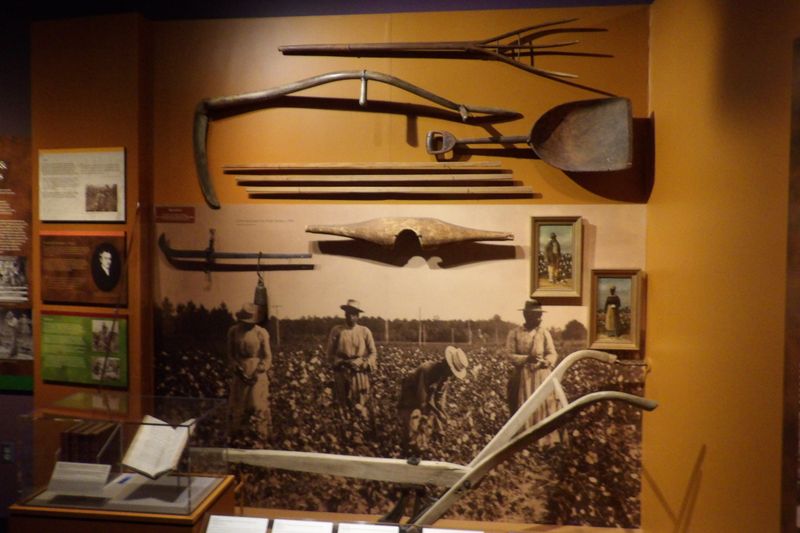
Centuries of coastal Carolina heritage unfold across thoughtfully curated exhibition spaces filled with authentic artifacts and compelling narratives. The Regional History Museum presents an ambitious timeline stretching from early Native American settlements through modern developments.
Multimedia displays complement physical objects, creating layered storytelling that appeals to various learning styles and age groups.
Touchscreen interfaces allow visitors to explore deeper into topics that capture their interest without overwhelming casual browsers. Original documents, period clothing, household items, and tools provide tangible connections to people who shaped this region.
Maritime commerce, agricultural evolution, and social movements receive balanced attention throughout the galleries.
Photography enthusiasts appreciate the dramatic lighting that highlights key pieces while maintaining appropriate preservation conditions. The museum successfully avoids dry academic presentation by focusing on human stories behind historical events.
Each gallery transition feels natural, guiding visitors through chronological progression without rigid structure that might discourage exploration or personal discovery paths.
3. Duffy Exhibition Gallery Rotating Showcases
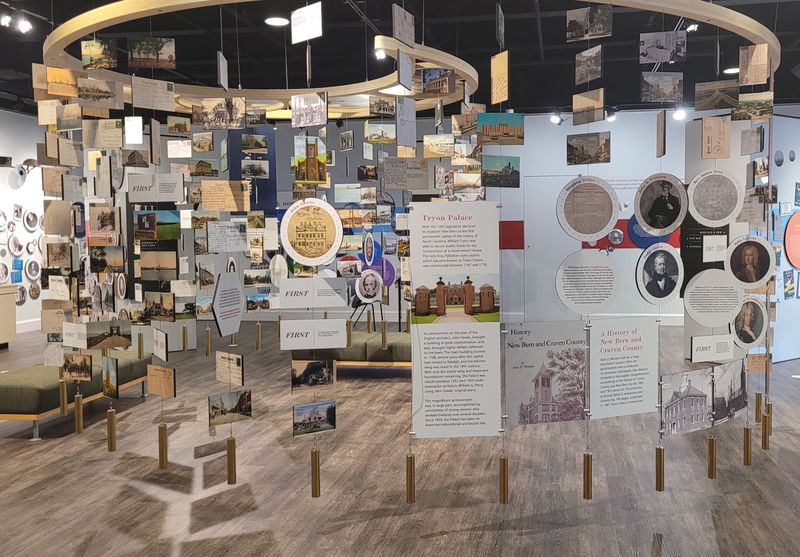
Fresh perspectives on North Carolina’s diverse heritage emerge regularly through thoughtfully planned temporary exhibitions. The Duffy Exhibition Gallery transforms every few months, offering repeat visitors compelling reasons to return throughout the year.
Curators select themes ranging from specific historical periods to cultural movements that shaped regional identity.
Previous exhibitions have explored everything from Civil War medical practices to 20th-century textile industry innovations. The rotating nature ensures local residents discover new insights alongside tourists experiencing their first visit.
Exhibition designers employ creative display techniques that make even familiar topics feel newly relevant and engaging.
Advance planning helps visitors catch exhibitions aligned with personal interests before they rotate out of the gallery. The space itself features flexible configuration options that adapt to different collection sizes and presentation styles.
Special opening events for new exhibitions often include curator talks that provide behind-the-scenes context about artifact selection and storytelling choices that enhance appreciation for the displayed materials.
4. Cullman Performance Hall Cultural Events
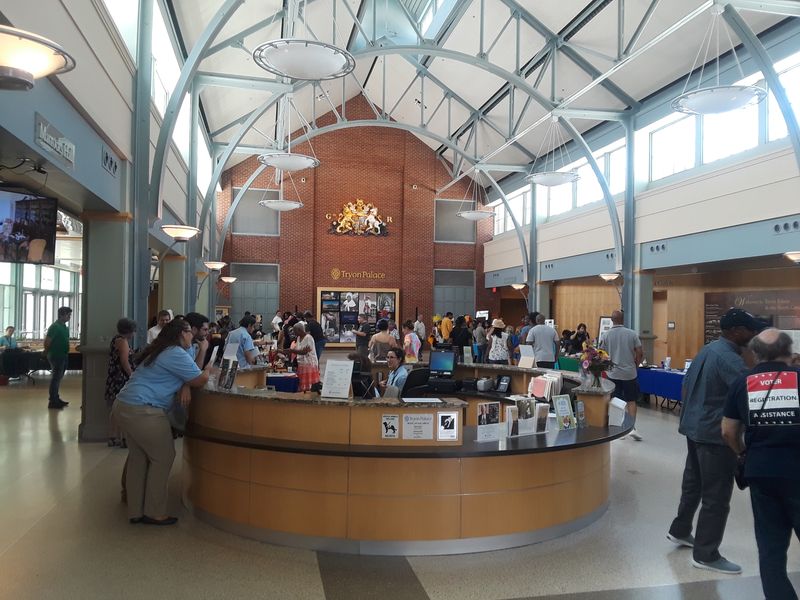
State-of-the-art acoustics and comfortable seating transform educational programming into memorable entertainment experiences. The Cullman Performance Hall hosts an impressive variety of events including historical lectures, theatrical performances, and musical concerts throughout the year.
Professional sound systems ensure every word and note reaches audience members with crystal clarity regardless of seating location.
Historians, authors, and subject matter experts present engaging talks that expand on themes explored throughout the museum complex. Live performances occasionally recreate period music or dramatic presentations based on historical events and figures.
The venue’s technical capabilities support everything from solo speakers to full theatrical productions with elaborate staging requirements.
Checking the events calendar before visiting reveals opportunities to enhance standard museum exploration with special programming. Many performances and lectures complement current exhibitions, creating cohesive learning experiences across multiple formats.
The hall’s intimate size fosters connection between performers and audiences while maintaining professional presentation standards found in much larger venues across the state.
5. Lawson’s Landing Riverwalk Café Dining
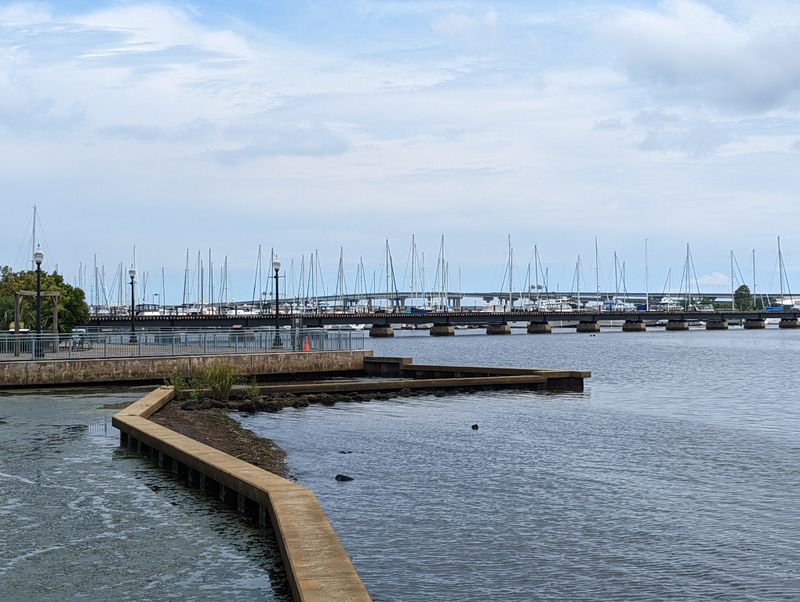
Panoramic water views provide the perfect backdrop for refueling between museum explorations and garden strolls. Lawson’s Landing offers casual dining with menu options ranging from light snacks to satisfying meals that accommodate various dietary preferences.
Large windows and outdoor seating areas maximize the stunning Trent River vistas that change character throughout the day.
Morning visitors enjoy coffee and pastries while watching boats navigate the calm waters near downtown New Bern. Lunch options include sandwiches, salads, and regional specialties prepared with attention to quality and freshness.
The relaxed atmosphere encourages lingering over meals rather than rushing back to exhibits.
Families appreciate kid-friendly menu items that don’t compromise on taste or nutritional value compared to typical museum cafeteria offerings. The café sources ingredients from local suppliers when possible, connecting dining experiences to the regional heritage themes explored throughout the complex.
Reasonable pricing makes multiple visits feasible for budget-conscious travelers spending full days exploring all the center has to offer.
6. Museum Store Unique Regional Treasures
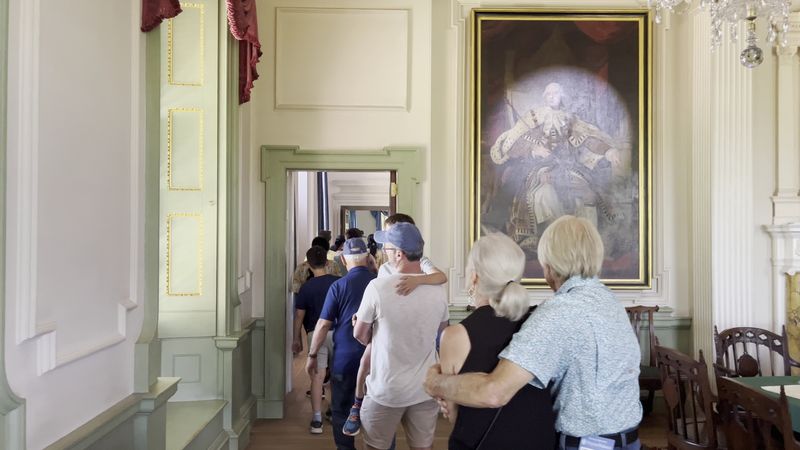
Carefully curated merchandise transforms souvenir shopping into an extension of the educational experience rather than an afterthought. The Museum Store features books covering North Carolina history in depth alongside beautifully crafted items by local artisans.
Historical reproductions allow visitors to take home functional items inspired by artifacts displayed throughout the galleries.
Regional crafts include pottery, textiles, and woodwork that reflect traditional techniques passed through generations of Carolina craftspeople. Children’s sections offer age-appropriate books, toys, and activities that reinforce learning themes encountered during museum visits.
Jewelry, home décor, and specialty food items provide gift options for various budgets and recipient preferences.
Staff members possess extensive product knowledge and readily share information about artists and historical context behind featured items. The store supports local economy while offering visitors authentic mementos that carry more meaning than mass-produced tourist trinkets.
Many items are exclusive to this location, making purchases truly special reminders of time spent exploring North Carolina’s fascinating heritage.
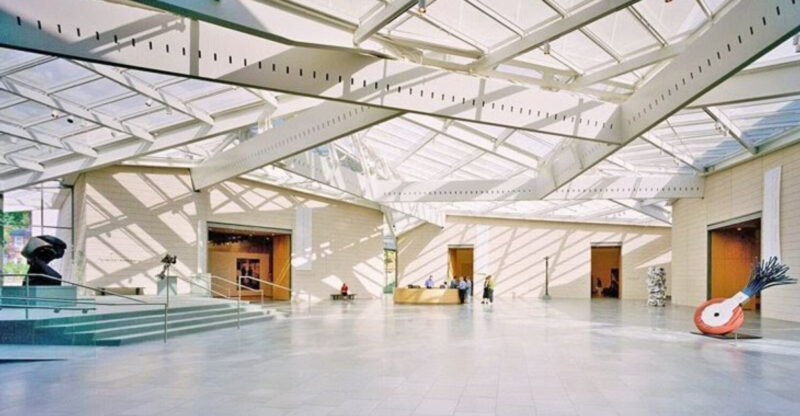
7. LEED Certified Green Building Design
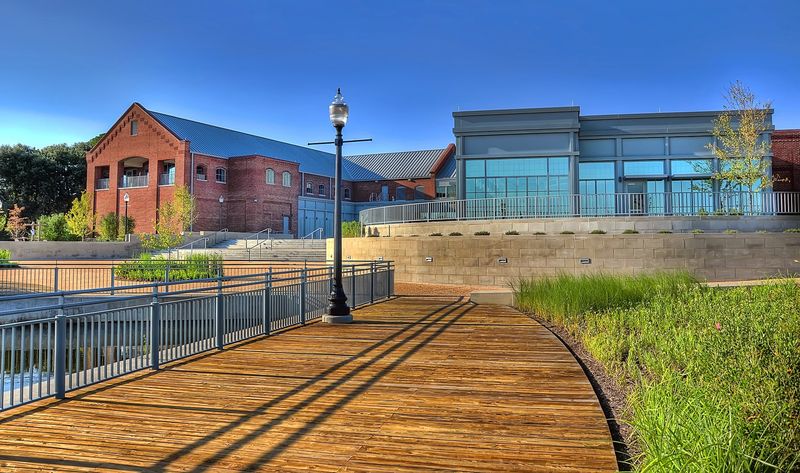
Environmental responsibility meets historical preservation in one of North Carolina’s most sustainably designed public facilities. The History Center at 529 S Front St in historic New Bern earned LEED certification through innovative features, including energy-efficient climate control systems that protect delicate artifacts while minimizing environmental impact.
Natural lighting floods interior spaces through strategically placed windows that reduce electricity consumption without compromising artifact preservation standards.
Rainwater collection systems and native landscaping demonstrate water conservation principles that visitors can adapt for home use. Building materials were selected for durability, low environmental impact, and ability to complement the historic structures surrounding the modern facility.
The green roof system provides insulation while creating habitat for local wildlife species.
Educational signage throughout the building explains various sustainable features, turning the structure itself into a teaching tool about environmental stewardship. This commitment to sustainability aligns perfectly with the center’s mission to preserve heritage for future generations.
Visitors leave inspired by practical examples of how modern construction can honor both environmental and historical preservation values simultaneously.
8. Interactive Touch-Screen Technology Throughout
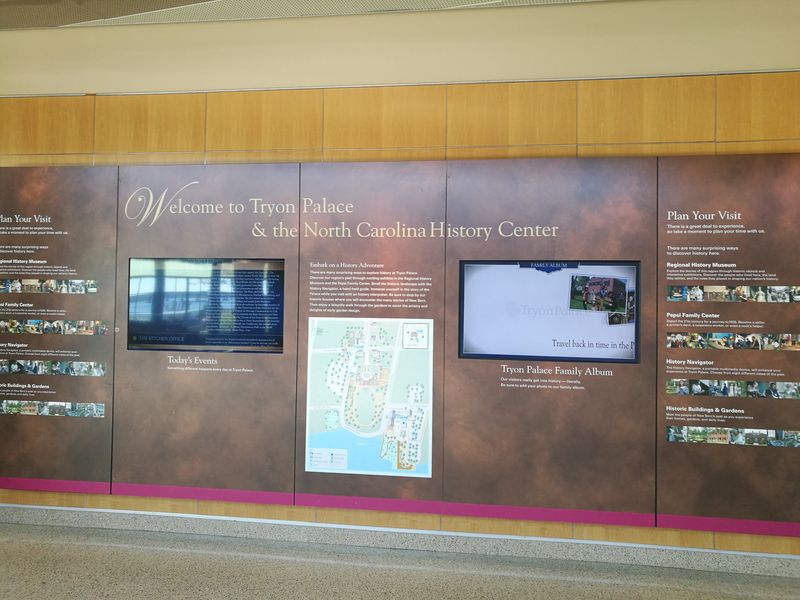
Technology integration enhances rather than replaces traditional museum experiences through thoughtfully designed interactive stations. Touch-screen displays scattered throughout galleries allow visitors to explore topics at their own pace and depth of interest.
Detailed maps reveal how coastal communities evolved over centuries while photographs document architectural and landscape changes.
Audio recordings bring historical figures to life through dramatic readings of letters, diary entries, and official documents. Video content includes expert interviews, archaeological footage, and historical reenactments that provide context for displayed artifacts.
The intuitive interfaces require no technical expertise, making advanced content accessible to visitors of all ages and technological comfort levels.
Children naturally gravitate toward these stations, often discovering information they eagerly share with accompanying adults, reversing typical teaching dynamics. The technology updates regularly, ensuring content remains current with latest historical research and archaeological discoveries.
These interactive elements transform passive observation into active learning, significantly increasing information retention and visitor engagement with complex historical narratives presented throughout the facility.
9. Historic Gardens Across Sixteen Acres
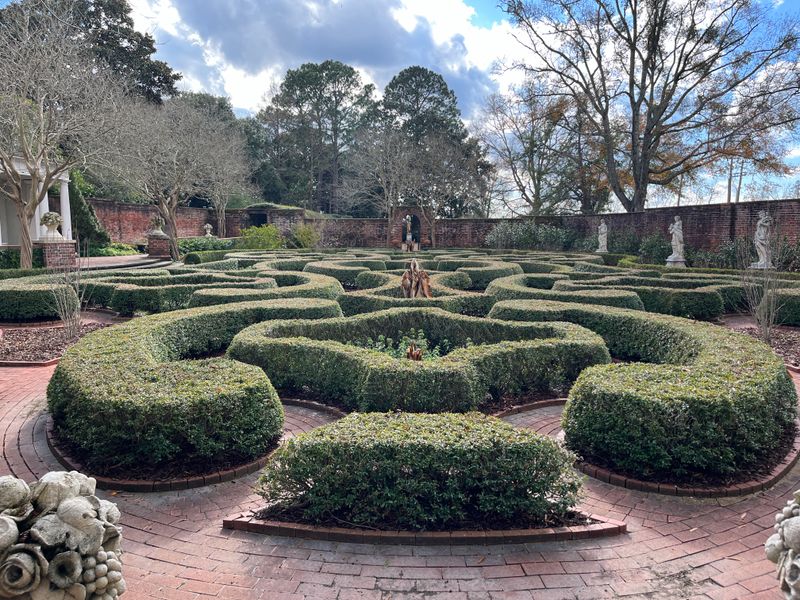
Meticulously restored period landscapes transport visitors into living history lessons where plants serve as primary teaching tools. Sixteen acres of gardens recreate authentic 18th-century horticultural practices through heirloom varieties and historically accurate planting designs.
The formal Latham Garden showcases geometric patterns and ornamental species favored by wealthy colonial families seeking to display their refined taste and social status.
Kitchen gardens demonstrate practical growing methods that sustained households before modern grocery stores, featuring herbs, vegetables, and fruits common in colonial cooking. Interpretive signage explains how various plants were used for medicine, dyeing fabrics, and household cleaning beyond culinary applications.
Seasonal changes ensure gardens present different appearances and lessons throughout the year, rewarding multiple visits.
Gardening enthusiasts gather inspiration for incorporating historical techniques into modern landscapes while appreciating the labor-intensive maintenance required. Shaded pathways provide peaceful respites during warm weather, making garden exploration comfortable even during summer months.
Photography opportunities abound as sunlight filters through mature trees and illuminates colorful blooms against historic architecture backdrops.
10. Outlander Themed Tours For Fans
Popular culture connections create unexpected pathways into serious historical study for fans of the beloved time-travel series. Outlander-themed tours sell out quickly as enthusiasts explore connections between fictional narratives and actual North Carolina colonial history.
Expert guides weave together references from the books and television series with authentic historical facts about the region during the Revolutionary War period.
Participants discover how author Diana Gabaldon researched actual events, locations, and cultural practices that inspired fictional storylines. The tours highlight specific buildings, artifacts, and gardens featured in or similar to those described in the series.
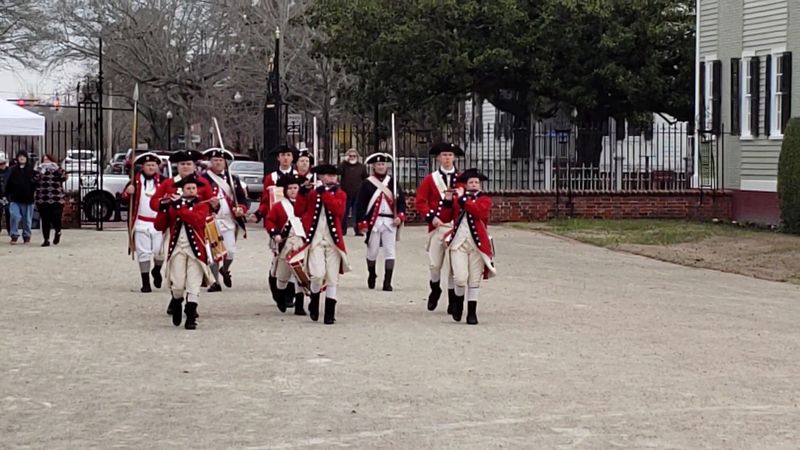
Costumed interpreters occasionally enhance the experience, though historical accuracy remains the primary focus rather than pure entertainment.
Even visitors unfamiliar with the series find these tours engaging due to the compelling storytelling approach that brings 18th-century Carolina to life. The popularity demonstrates how fiction can spark genuine interest in historical study among audiences who might otherwise avoid traditional museum experiences.
Advance booking is essential as these specialized tours fill months ahead during peak tourist seasons.
11. Civil War Living History Weekend Events
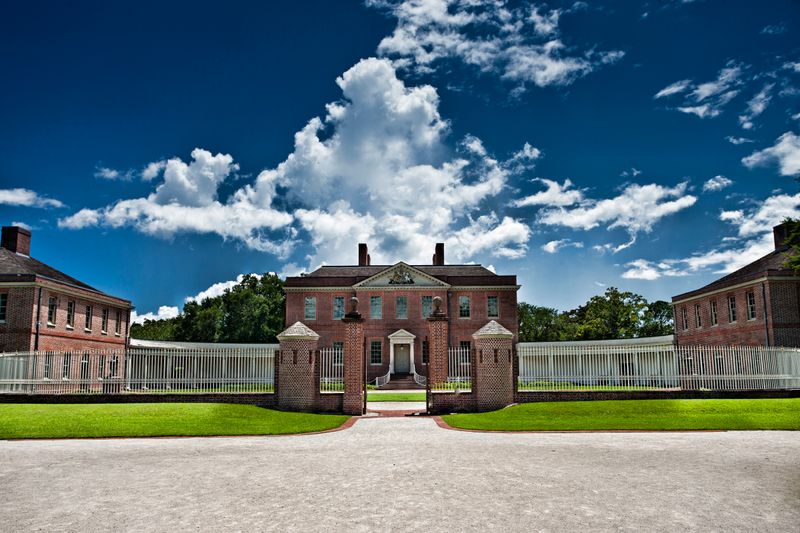
Cannon fire echoes across the grounds as costumed reenactors bring one of America’s most turbulent periods into vivid focus. Civil War Living History Weekends feature authentic military demonstrations, period encampments, and expert lectures that examine the conflict’s impact on coastal North Carolina communities.
Participants represent both Union and Confederate perspectives, encouraging visitors to understand complex motivations and experiences from multiple viewpoints.
Artillery demonstrations showcase the devastating power of period weaponry while explaining tactical considerations that influenced battle outcomes. Soldiers in authentic uniforms discuss daily camp life, equipment, and the realities of 19th-century military service beyond romantic notions popularized by movies.
Medical demonstrations reveal shocking realities of battlefield treatment that make modern visitors grateful for contemporary healthcare advances.
Children ask thoughtful questions prompted by seeing history portrayed through human stories rather than abstract dates and statistics. The events balance entertainment value with educational substance, avoiding glorification while acknowledging the historical significance.
Photographers capture stunning images of reenactors against historic building backdrops, creating memorable documentation of these immersive educational experiences.
12. Annual Candlelight Celebration Holiday Tradition
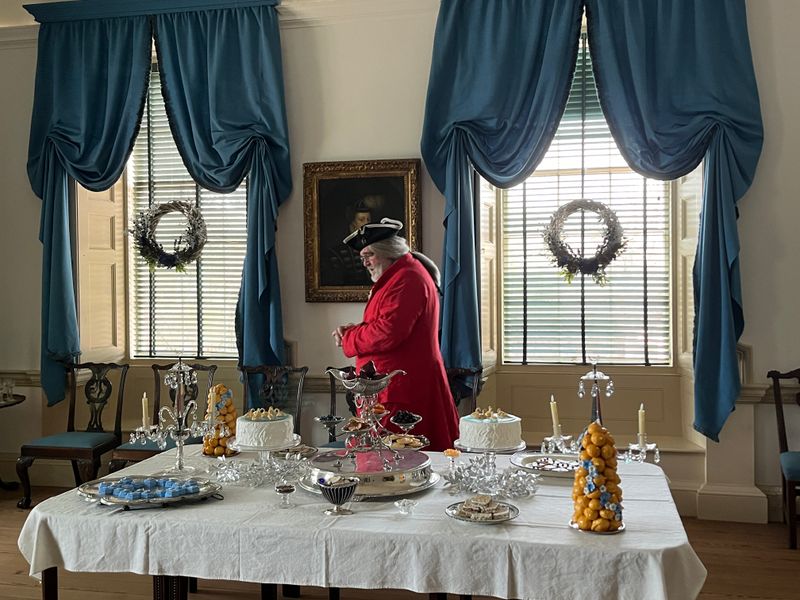
Flickering candlelight transforms the historic complex into an enchanting winter wonderland that celebrates 18th-century holiday traditions. The Annual Candlelight Celebration draws community members and visitors for evening tours through beautifully decorated historic buildings adorned with natural greenery and period-appropriate ornaments.
Costumed interpreters demonstrate colonial cooking techniques for traditional holiday dishes while explaining how celebrations differed from modern practices.
Musical performances feature period instruments and songs that would have been familiar to colonial residents during festive seasons. The warm glow of hundreds of candles creates magical ambiance impossible to replicate with electric lighting.
Children delight in discovering how colonial families celebrated without modern commercial trappings, often finding the simpler traditions more meaningful than contemporary excess.
Hot cider and seasonal treats add sensory dimensions to the experience while encouraging visitors to linger and absorb the festive atmosphere. Advance tickets are essential as this beloved annual tradition consistently sells out within days of announcement.
The event creates lasting family memories while teaching valuable lessons about historical celebrations and the enduring human desire to gather during winter’s darkest days.
13. Educational Programs And Specialized Workshops
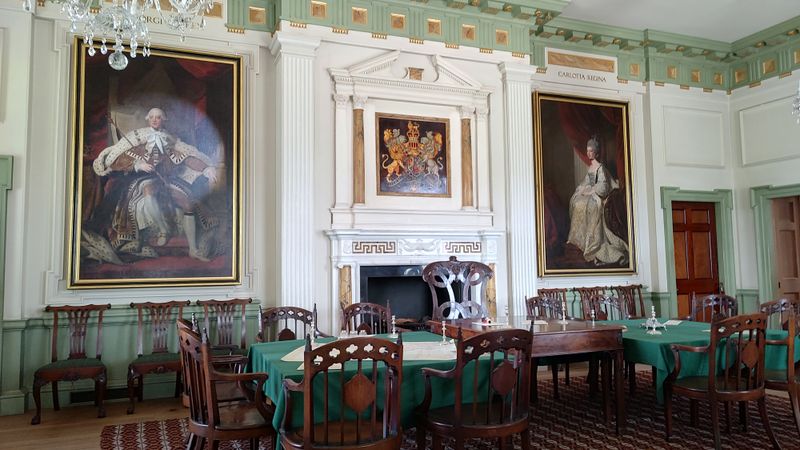
Structured learning opportunities extend far beyond self-guided exploration through comprehensive programming designed for various age groups and interests. Educational workshops cover topics including colonial crafts, archaeological methods, historical research techniques, and preservation practices that maintain historic structures.
Professional educators develop curriculum-aligned programs that help teachers meet state standards while providing students with memorable hands-on learning experiences.
Adult learners appreciate specialized workshops taught by historians, archaeologists, and preservation experts who share professional knowledge with enthusiastic amateurs. Summer camps immerse young people in intensive historical study disguised as adventure and creative exploration.
Homeschool groups find the center’s flexible programming particularly valuable for supplementing independent study with expert instruction and peer interaction.
Registration for popular workshops fills quickly, particularly those offering rare skills like historical cooking techniques or traditional textile arts. The programs transform casual visitors into informed advocates who develop deeper appreciation for historical preservation’s importance.
Many participants return repeatedly, building ongoing relationships with staff and developing expertise that enriches their personal understanding of North Carolina’s multifaceted heritage and its continuing relevance today.